Image Collections
Exoplanets — 02 K2 18 b
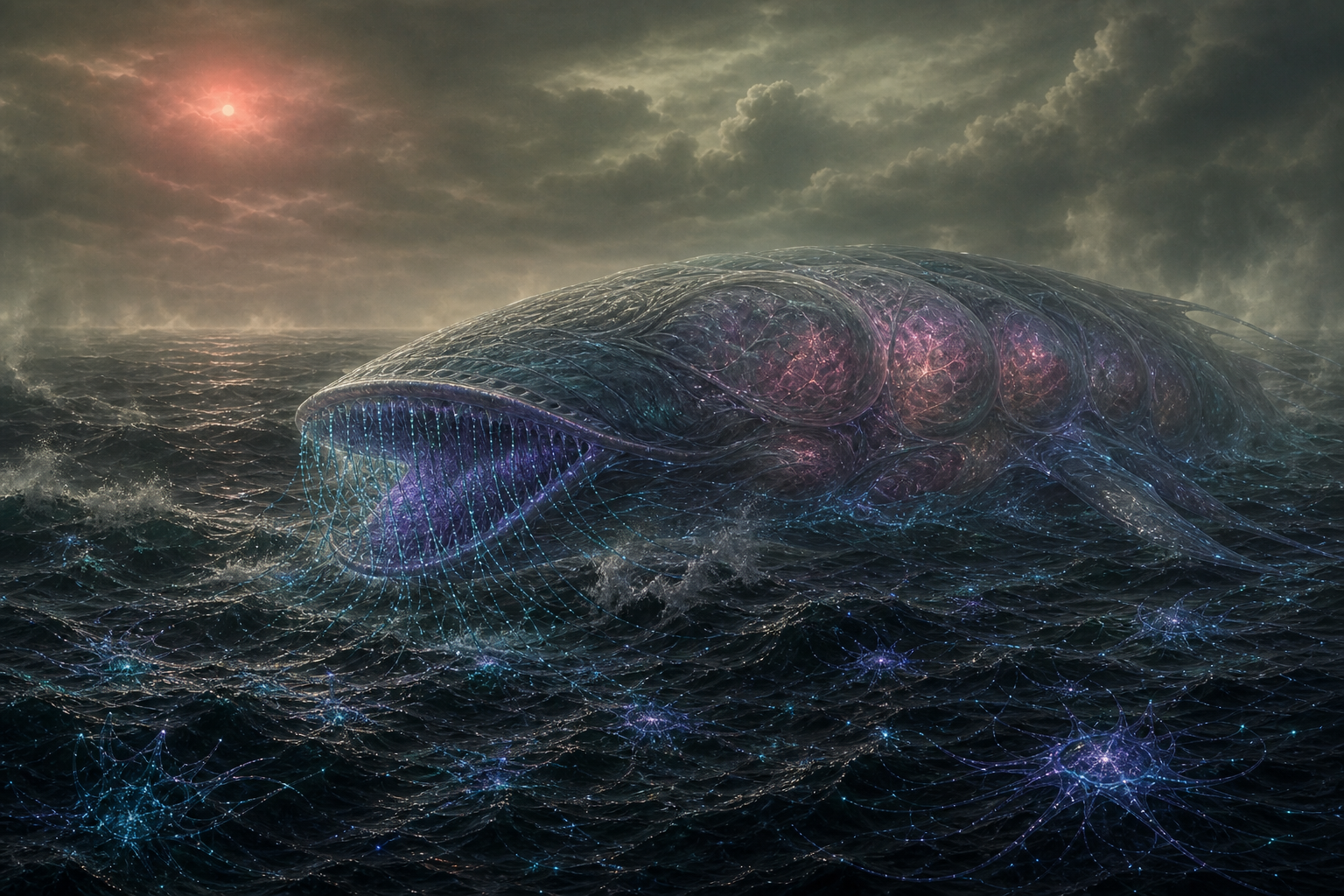
Deep-ocean floaters, giant filter feeders, gas-bladder organisms, bioluminescent plankton grazers.
Exoplanets: K2-18 b
- Planet: K2-18 b
- Sequence: 02
- Saved image path:
My-Library/Images/Collections/Exoplanets/Images/Exoplanets_02-K2-18-b.png - Model: built-in gpt-image
- Generation date: 2026-07-07
Planet Profile
- Planet type: sub-Neptune / possible Hycean world
- Mass: ~8.6 Earth masses
- Atmosphere: methane and carbon dioxide detected by JWST
- Possible environment: hydrogen-rich atmosphere and ocean-covered surface
Environment
- Gravity: high
- Atmosphere: hydrogen-rich, methane, carbon dioxide
- Surface: possible deep global ocean
- Sky: thick hazy atmosphere
- Light: red-dwarf light, filtered through dense gas
Creature Design Direction
Deep-ocean floaters, giant filter feeders, gas-bladder organisms, bioluminescent plankton grazers.
Planet / Habitat Depicted
Ocean-level Hycean world scene with a vast dark global ocean, high-gravity swells, green-gray methane/hydrogen haze, layered clouds, diffuse red-dwarf light, sea mist, and bioluminescent plankton ecology.
Sources
- Data provided in the collection plan (
Prompts/generate-exoplanets-collection.md); measurements are from published exoplanet catalogs. No web research performed for this collection.
Final Prompt Used
Use case: scientific-educational
Asset type: Exoplanets image collection entry, final 3:2 landscape PNG, 1536x1024
Primary request: Create a scientifically plausible alien creature from K2-18 b, while also clearly depicting the planet itself through a surface-level/ocean-level environmental view: the global ocean, sky, atmosphere, weather, horizon, and host-star lighting. Do not show K2-18 b as a separate sphere in the sky; do not add moons, extra planets, orbital views, or space cutaways.

Core description: A massive alien filter-feeding creature from K2-18 b, a Hycean exoplanet with hydrogen-rich atmosphere and global ocean, soft buoyant body, translucent gas sacs, bioluminescent feeding tendrils, methane haze sky, floating above dark alien sea, scientific field-guide illustration.

Planet context: sub-Neptune / possible Hycean world; mass about 8.6 Earth masses; methane and carbon dioxide detected by JWST; possible hydrogen-rich atmosphere and ocean-covered surface; high gravity; hydrogen-rich atmosphere with methane and carbon dioxide; deep global ocean; thick hazy sky; red-dwarf light filtered through dense gas.

Planet / habitat depiction requirements: Make the world read as K2-18 b from within its ocean-atmosphere environment, not as a generic ocean and not from space. Show a vast Hycean global ocean with no land, heavy dark swells under high gravity, a thick green-gray methane and hydrogen haze, layered clouds, diffuse red-dwarf light filtered through dense gas, low visibility near the horizon, sea mist, and scattered bioluminescent plankton or reef-like floating ecology. The sky and ocean should dominate enough of the frame that the planet environment is readable at a glance.

Creature requirements: Body plan reflects high gravity and a deep global ocean: massive but buoyant, soft pressure-tolerant anatomy supported by translucent gas sacs rather than rigid legs. Sensory and feeding organs reflect dim red-dwarf light filtered by methane haze: bioluminescent tendrils, broad filter-feeding mouth structures, subtle low-light organs. The organism should visibly interact with the water: tendrils grazing plankton, body partly submerged or skimming over dark waves, disturbed water and mist around it.

Style/medium: natural-history field-guide illustration, realistic scientific/anatomical detail, documentary lighting, NASA meets National Geographic meets speculative astrobiology, one unified scene.
Composition/framing: wide 3:2 landscape, balanced creature portrait plus readable planetary seascape; do not crop tightly. Massive filter feeder in foreground or midground, with visible ocean surface, haze sky, weather, and horizon. Not a collage, not a diagram.
Color palette: deep ocean blues and blacks, smoky green-gray methane haze, muted red-dwarf glow, cyan and violet bioluminescence.
Constraints: no humanoid anatomy; no fantasy monster design; no embedded text, labels, logos, watermarks, real-person likenesses, official insignia, separate planet globe in the sky, moons, extra planets, orbital scene, or space cutaway.
More from Image Collections
Internet Culture Timeline — 2025
2025-01-01
Music Yearbooks — 2025
2025-01-01

News & Culture — 2025
2025-01-01

NFL Super Bowls — 2025
2025-01-01
Science Breakthroughs — 2025
2025-01-01
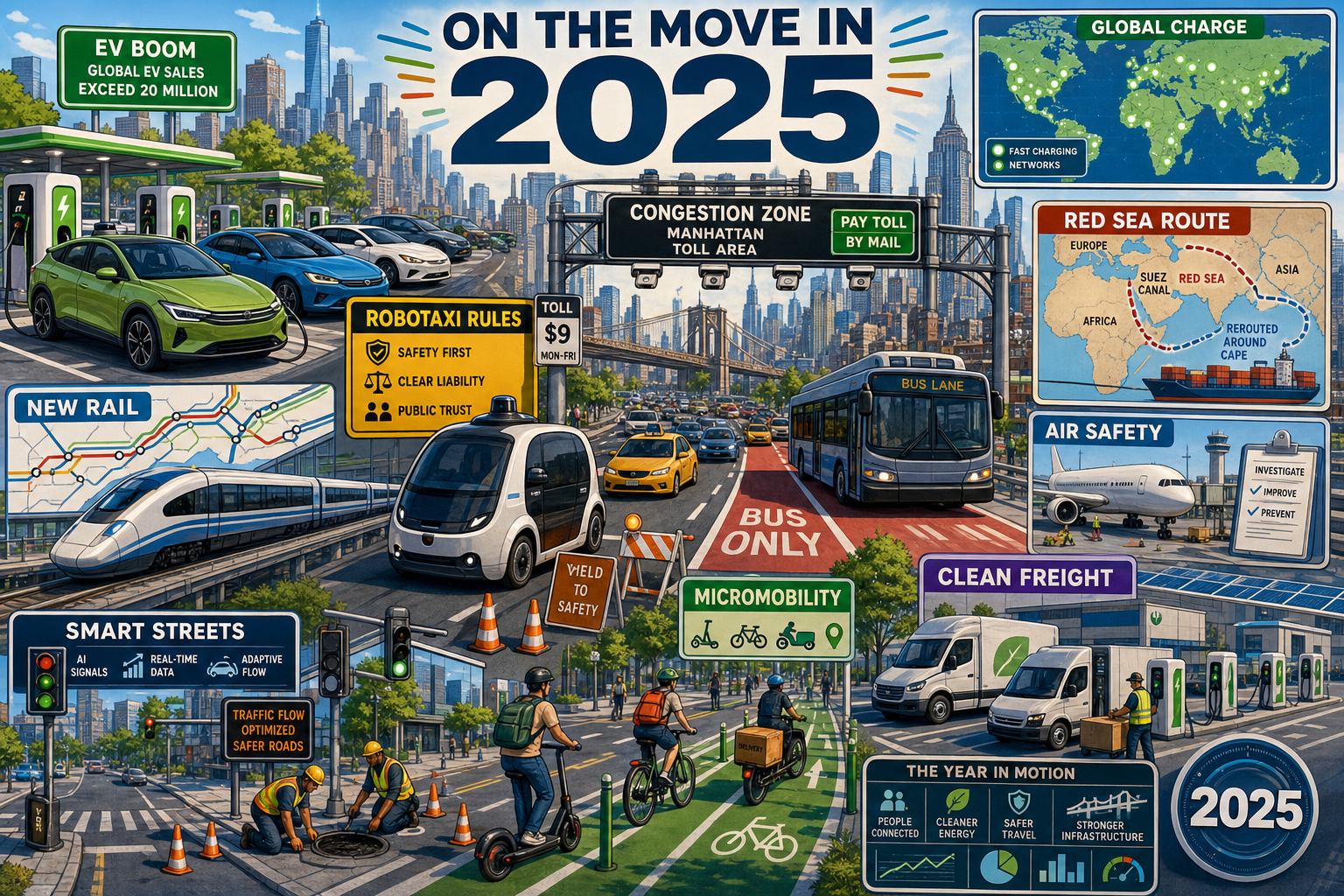
Transportation & Mobility — 2025
2025-01-01
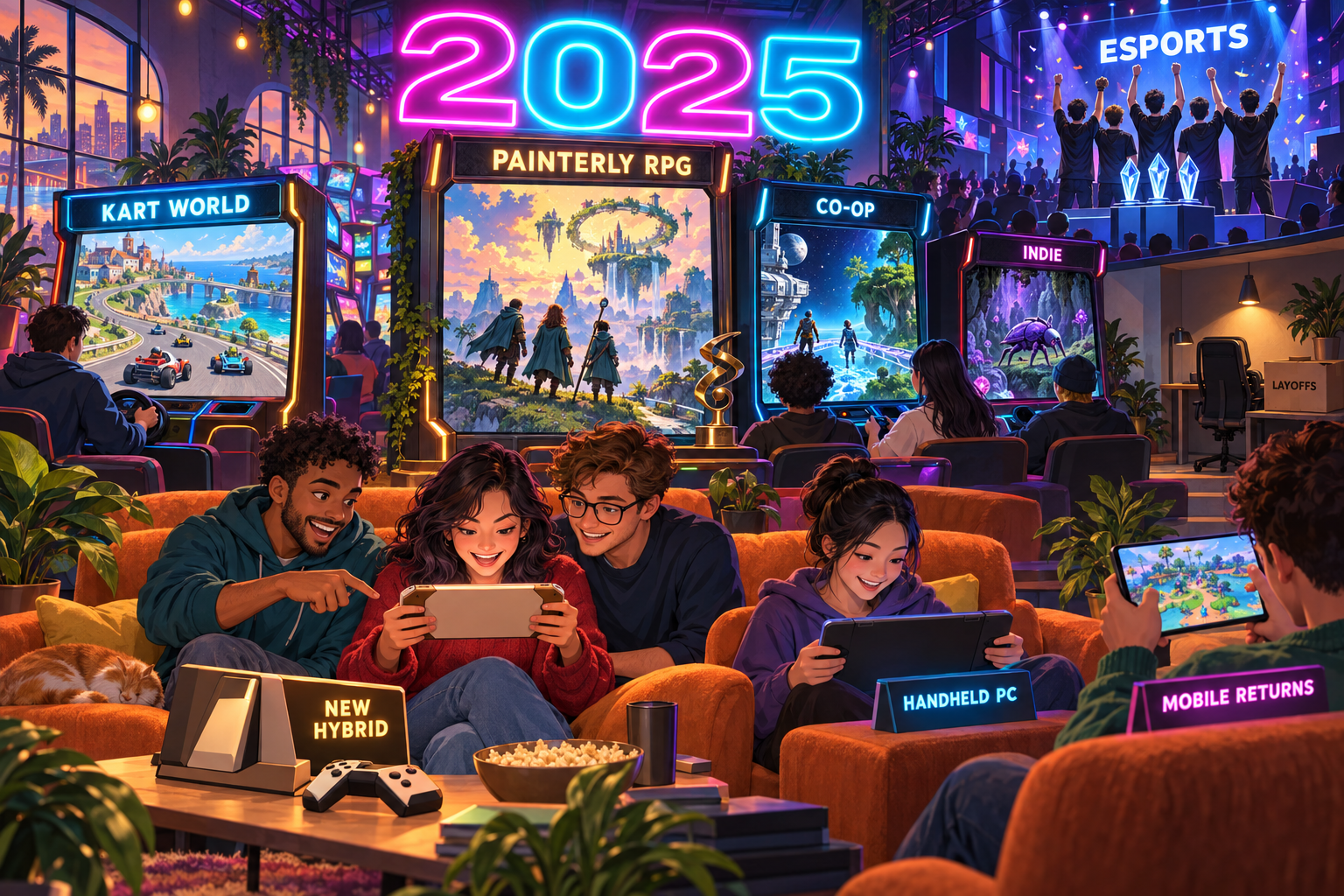
Video Game History — 2025
2025-01-01
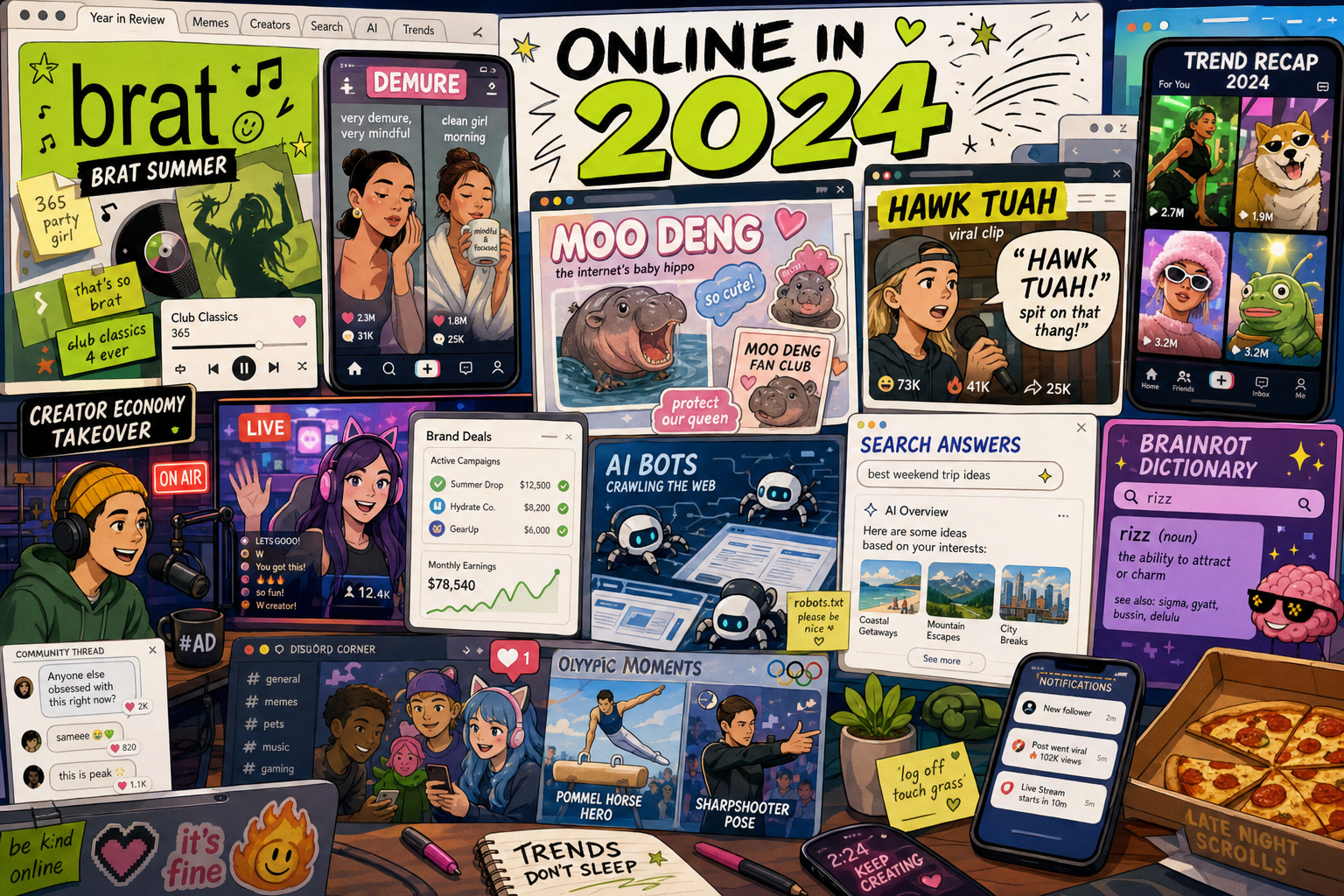
Internet Culture Timeline — 2024
2024-01-01
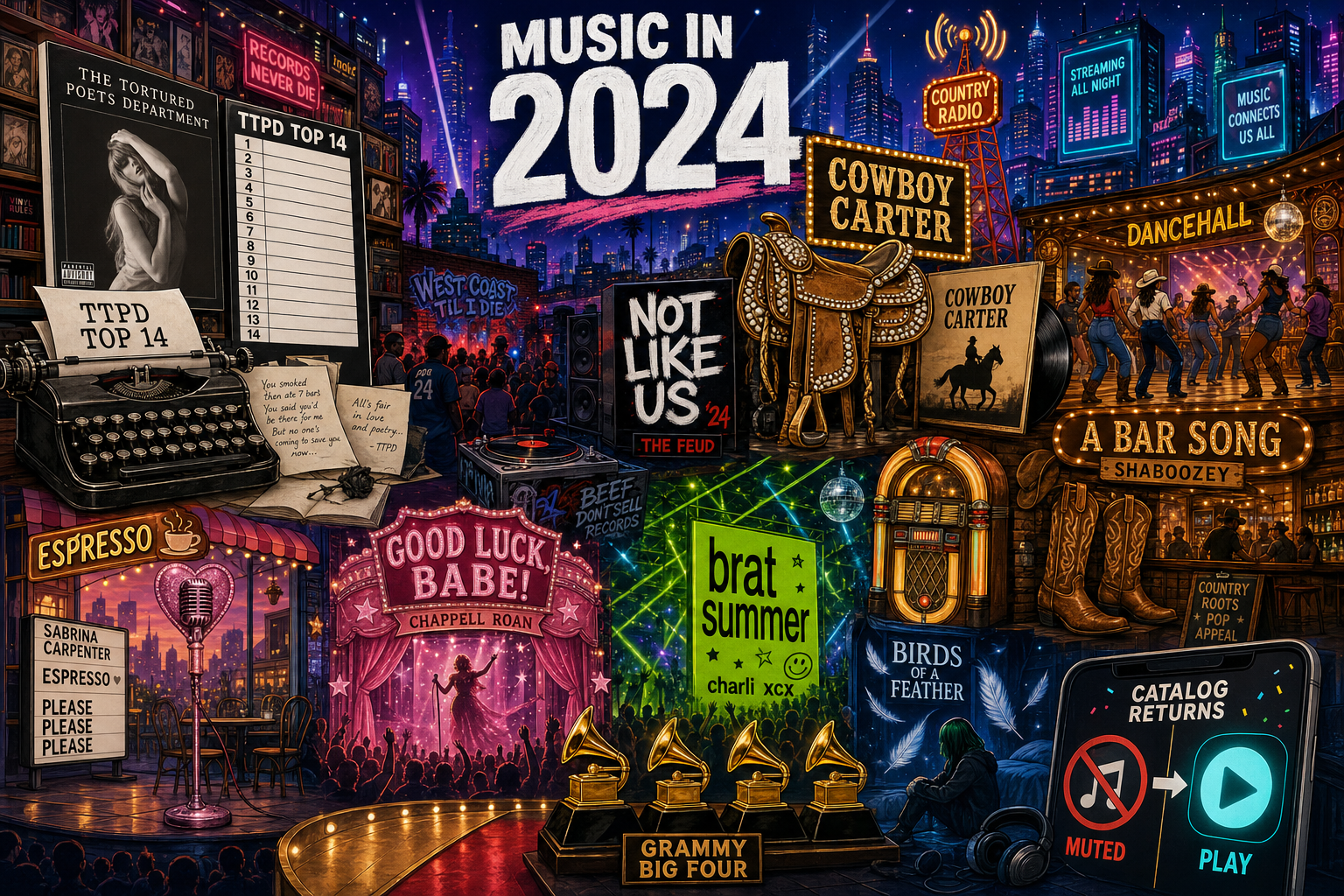
Music Yearbooks — 2024
2024-01-01
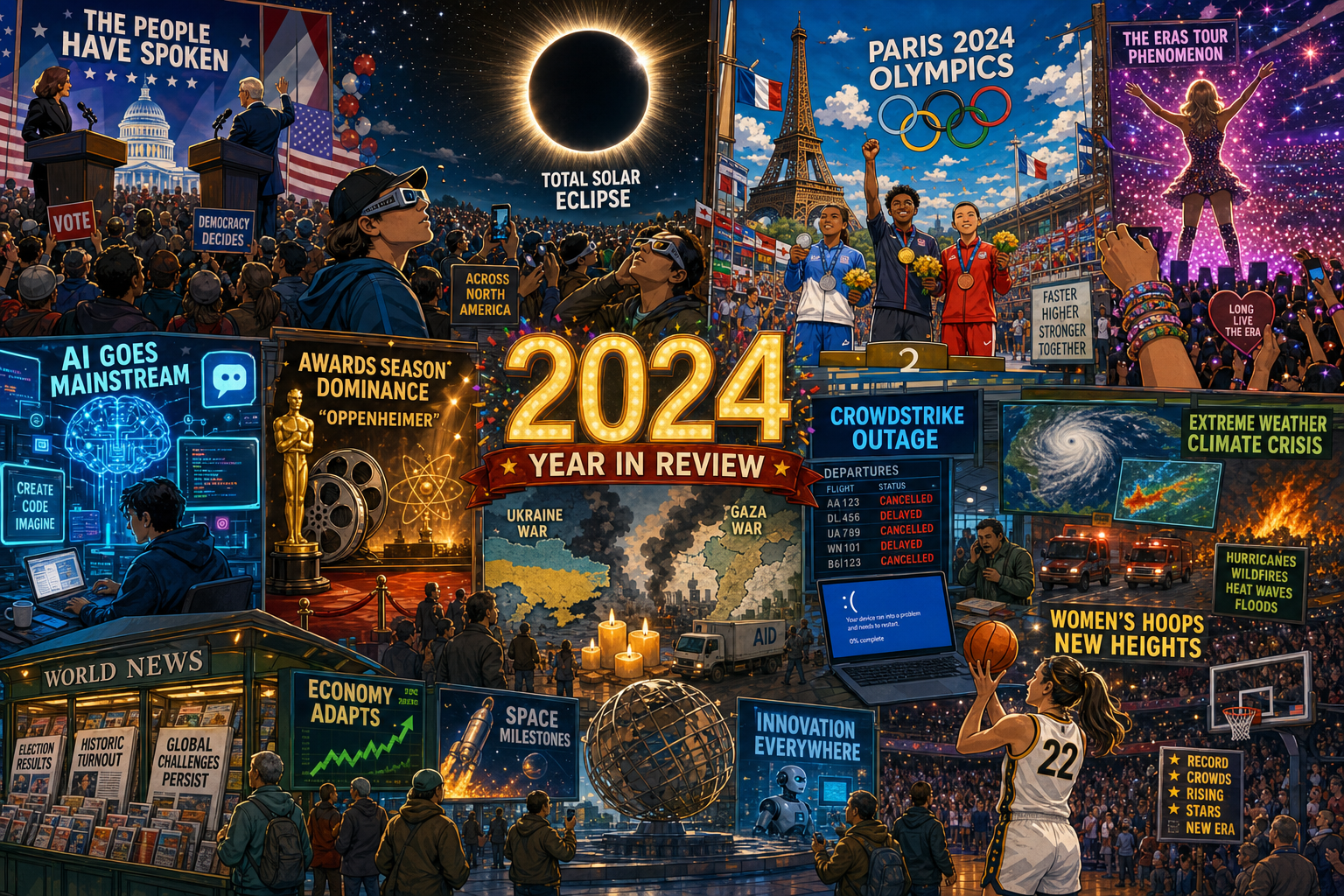
News & Culture — 2024
2024-01-01
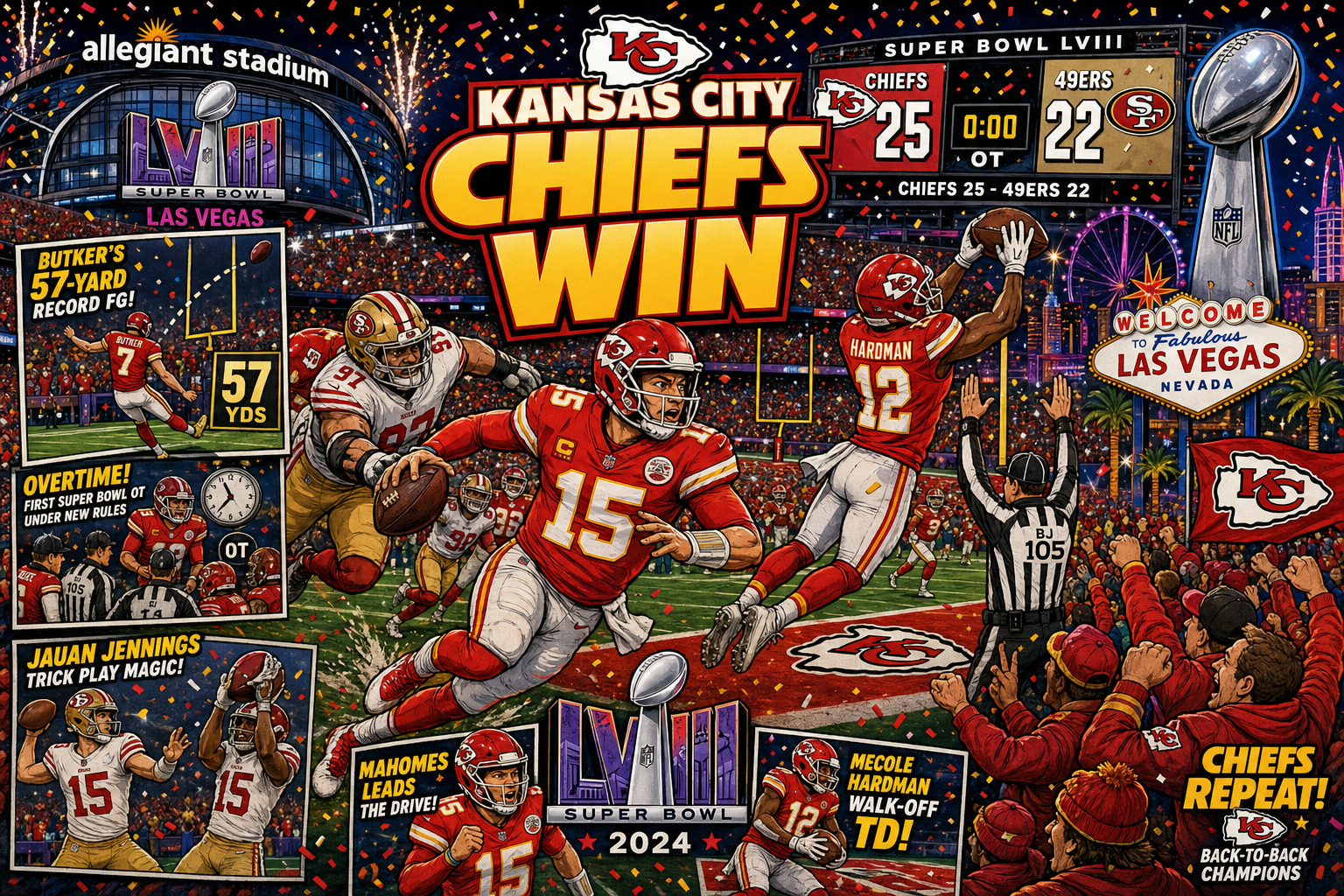
NFL Super Bowls — 2024
2024-01-01
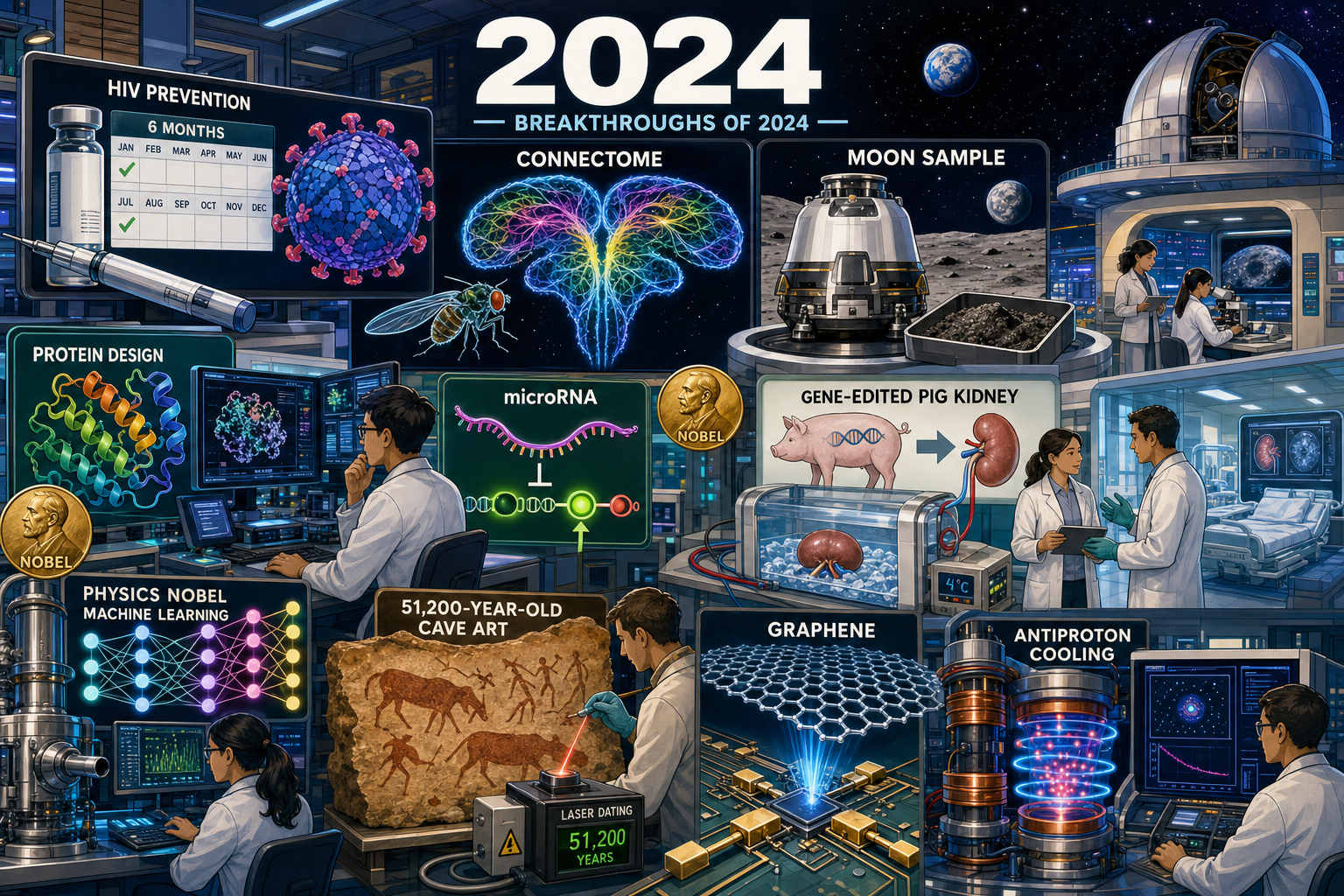
Science Breakthroughs — 2024
2024-01-01