Image Collections 2025-01-01
Science Breakthroughs — 2025
Patient-specific in-vivo gene editing (medicine/genetics): The first known one-person personalized CRISPR base-editing treatment corrected a baby's CPS1 mutation.
Science Breakthroughs: 2025
- Year: 2025
- Saved image path:
My-Library/Images/Collections/Science-Breakthroughs/Images/Science-Breakthroughs_2025.png - Model: built-in gpt-image
- Generation date: 2026-07-25
Selected Breakthroughs
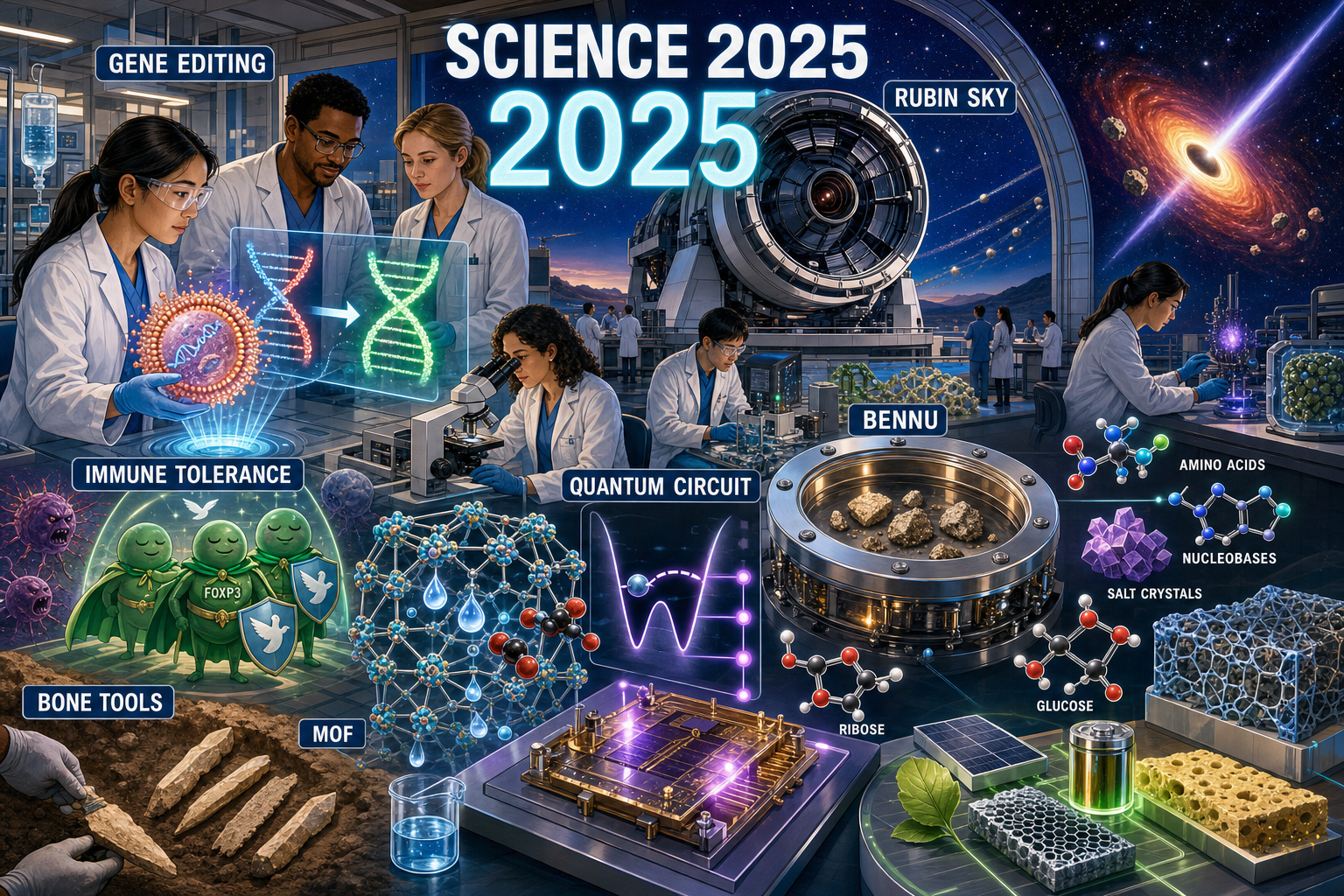
- Patient-specific in-vivo gene editing (medicine/genetics): The first known one-person personalized CRISPR base-editing treatment corrected a baby's CPS1 mutation. Selected as a landmark demonstration of rapidly designed precision medicine. Depicted symbolically as a corrected DNA strand and lipid nanoparticle in a calm hospital research room; no identifiable patient.
- Rubin Observatory first imagery (astronomy): The observatory released its first images after test observations captured millions of galaxies and stars plus thousands of asteroids. Selected because its huge survey camera begins a new era of time-domain astronomy. Depicted as a telescope and immense camera under an asteroid-streaked sky.
- Bennu's life-related chemistry (astrobiology/chemistry): Pristine asteroid samples revealed nucleobases, amino acids, salts, ammonia, ribose, and glucose associated with ancient aqueous chemistry. Selected for strengthening evidence that life's molecular ingredients were widespread in the early Solar System. Depicted as amber grains in a sealed sample chamber with stylized molecules and crystals.
- Macroscopic quantum effects in electric circuits (physics, 2025 Nobel Prize): Work honored by the 2025 Nobel Prize demonstrated quantum tunnelling and quantized energy in a hand-sized superconducting circuit. Selected for connecting fundamental quantum mechanics to future quantum technologies. Depicted as a stylized chip and quantized energy trace, without laureate likenesses.
- Metal-organic frameworks (chemistry, 2025 Nobel Prize): Porous molecular architectures can harvest water, capture carbon dioxide, store gases, and catalyze reactions. Selected for their broad materials and clean-energy relevance. Depicted as open molecular cages holding water droplets and gas molecules, without laureate likenesses.
- Peripheral immune tolerance (medicine, 2025 Nobel Prize): Discoveries involving regulatory T cells and FOXP3 explain how the immune system is kept from attacking the body. Selected for foundational importance to autoimmune disease and cancer research. Depicted as friendly symbolic immune peacekeepers, without laureate likenesses.
- Systematic 1.5-million-year-old bone tools (archaeology): Tanzanian finds pushed evidence for systematic hominin bone-tool manufacture back roughly one million years. Selected because it changes the timeline of technological behavior. Depicted as shaped bone implements emerging from a careful excavation.
- Record-setting multi-day cosmic blast (astronomy): A gamma-ray event lasting days was interpreted as a possible new kind of stellar explosion involving a black hole consuming a star. Selected as one of the year's most visually and scientifically unusual transient events. Depicted as a distant black hole and luminous stellar stream.
Rights and Sensitivity Notes
All researchers and clinicians are fictionalized. Medical treatment is shown symbolically and non-graphically. Nobel-recognized work is represented through scientific apparatus and concepts rather than identifiable laureates. Institutional logos and trademark-accurate equipment are omitted.
Final Prompt Used
Use case: scientific-educational
Asset type: year-by-year Science Breakthroughs collection image
Primary request: Create a polished cartoon-editorial science-magazine laboratory-and-discovery montage for the year 2025, presenting the year’s major breakthroughs as one coherent scene.
Scene/backdrop: a grand open research hall flowing into an observatory terrace, with a central lab bench linking hospital research, molecular chemistry, quantum electronics, asteroid sample analysis, archaeology, and astronomy; unified perspective, not separate panels.
Subject: Make three anchors prominent: (1) a compassionate hospital research team administering a personalized CRISPR base-editing therapy represented by a glowing corrected DNA strand and lipid nanoparticle, without depicting a real patient likeness; (2) the Vera C. Rubin Observatory’s enormous survey camera and telescope opening onto a star-rich sky with asteroid trails; (3) pristine Bennu grains in a sealed sample chamber surrounded by stylized amino-acid, nucleobase, salt-crystal, ribose and glucose molecular motifs. Integrate supporting discoveries: a hand-sized superconducting electric circuit showing macroscopic quantum tunnelling and quantized energy steps; porous metal-organic framework molecular cages harvesting water droplets and capturing carbon dioxide; regulatory T cells and FOXP3 acting as symbolic immune-system peacekeepers; 1.5-million-year-old shaped bone tools emerging from an archaeological dig in Tanzania; a dramatic multi-day gamma-ray burst caused by a black hole consuming a star; and a clean-energy materials bench with porous crystal prototypes.
Year text requirement: include large, clear, correctly spelled text: "2025". Include a short readable title: "SCIENCE 2025".
Optional short labels, correctly spelled and large enough to read: "GENE EDITING", "RUBIN SKY", "BENNU", "QUANTUM CIRCUIT", "MOF", "IMMUNE TOLERANCE", "BONE TOOLS". Do not add any other text.
Style/medium: sophisticated science-magazine cartoon editorial illustration, bold clean linework, dimensional cel shading, accurate-looking but stylized microscopes, telescope, molecules, fossils, clean-energy prototypes, and hospital research room; magazine-cover quality, no photorealistic people.
Composition/framing: 3:2 wide landscape, one unified scene with foreground lab bench, midground diverse fictional scientists actively collaborating, and background telescope dome and cosmos. Clear visual hierarchy; readable at gallery thumbnail size.
Lighting/mood: bright discovery lighting mixed with cool instrument glow and warm human-centered hospital light; optimistic, rigorous, awe-inspiring.
Color palette: deep observatory blue, laboratory white, turquoise, violet quantum glow, warm amber asteroid grains, and green clean-energy accents.
Constraints: accurately spell only the requested short labels; treat medicine symbolically and respectfully; fictionalized people only; no exact institutional branding.
Avoid: official logos, trademark-accurate equipment, exact real-person or laureate likenesses, graphic medical procedures, gore, rigid grid, disconnected sticker collage, tiny unreadable text, fake paragraphs, generic stock imagery, watermarks, borders. Render as 1536x1024 PNG-quality landscape art.
More from Image Collections
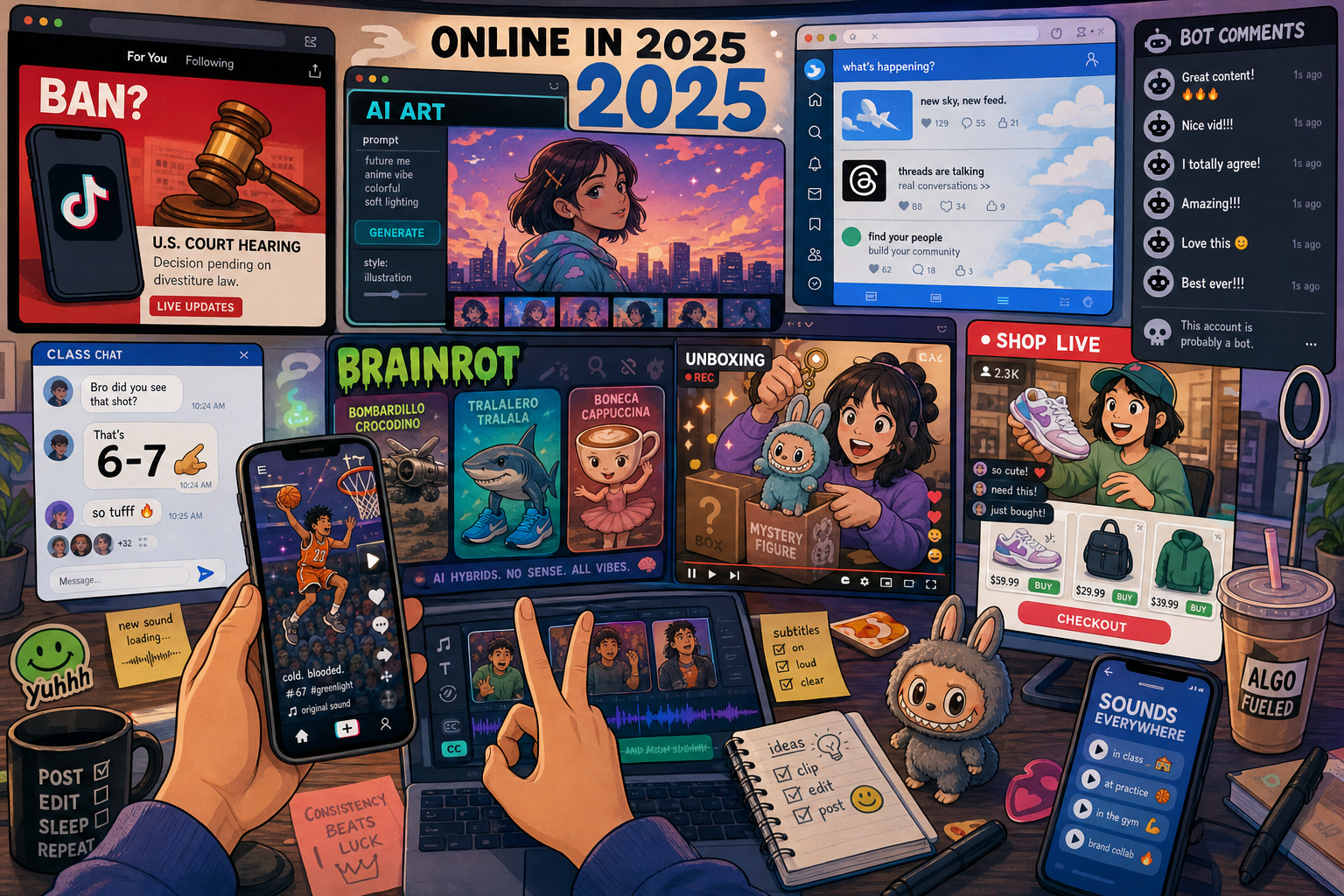
Internet Culture Timeline — 2025
2025-01-01
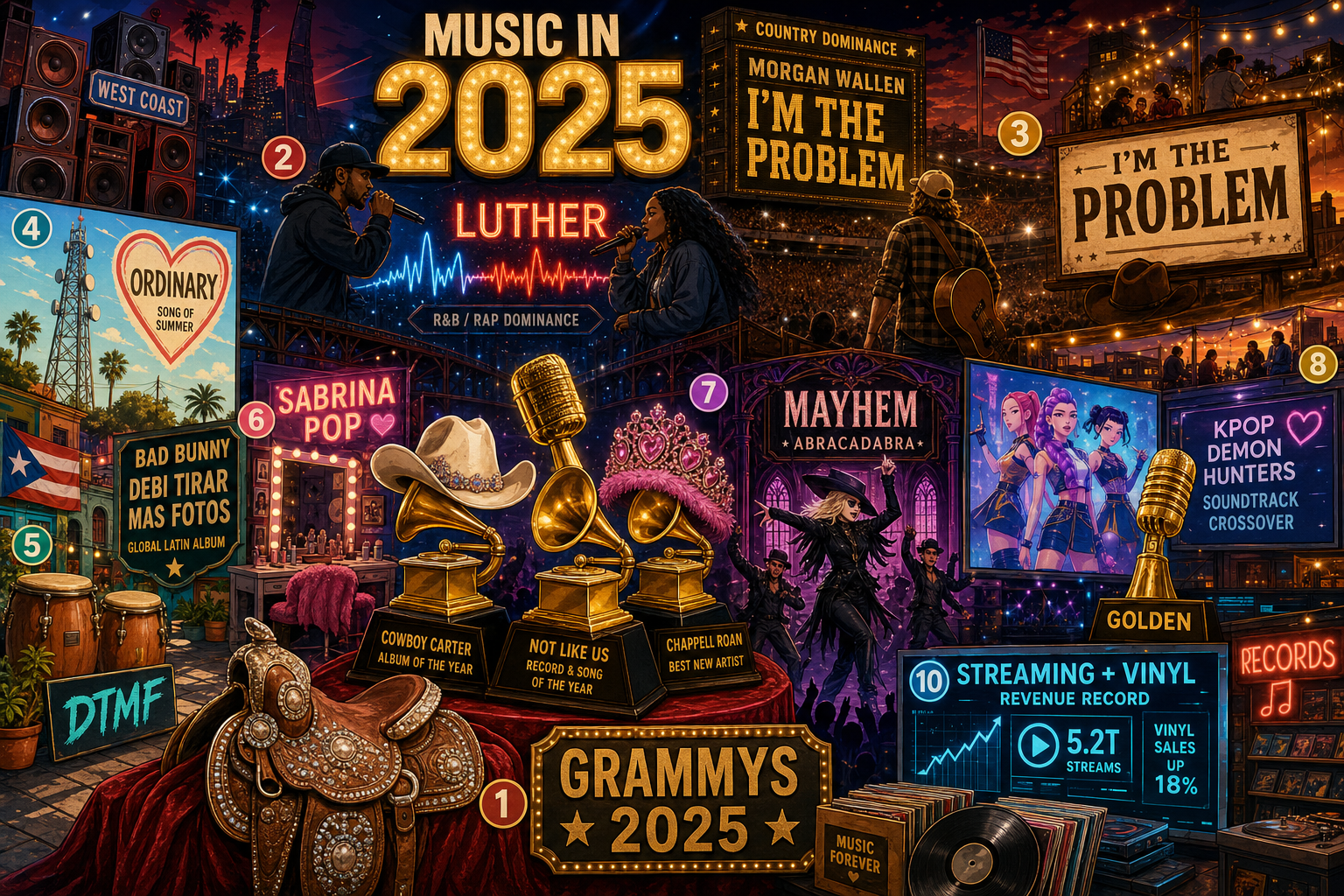
Music Yearbooks — 2025
2025-01-01
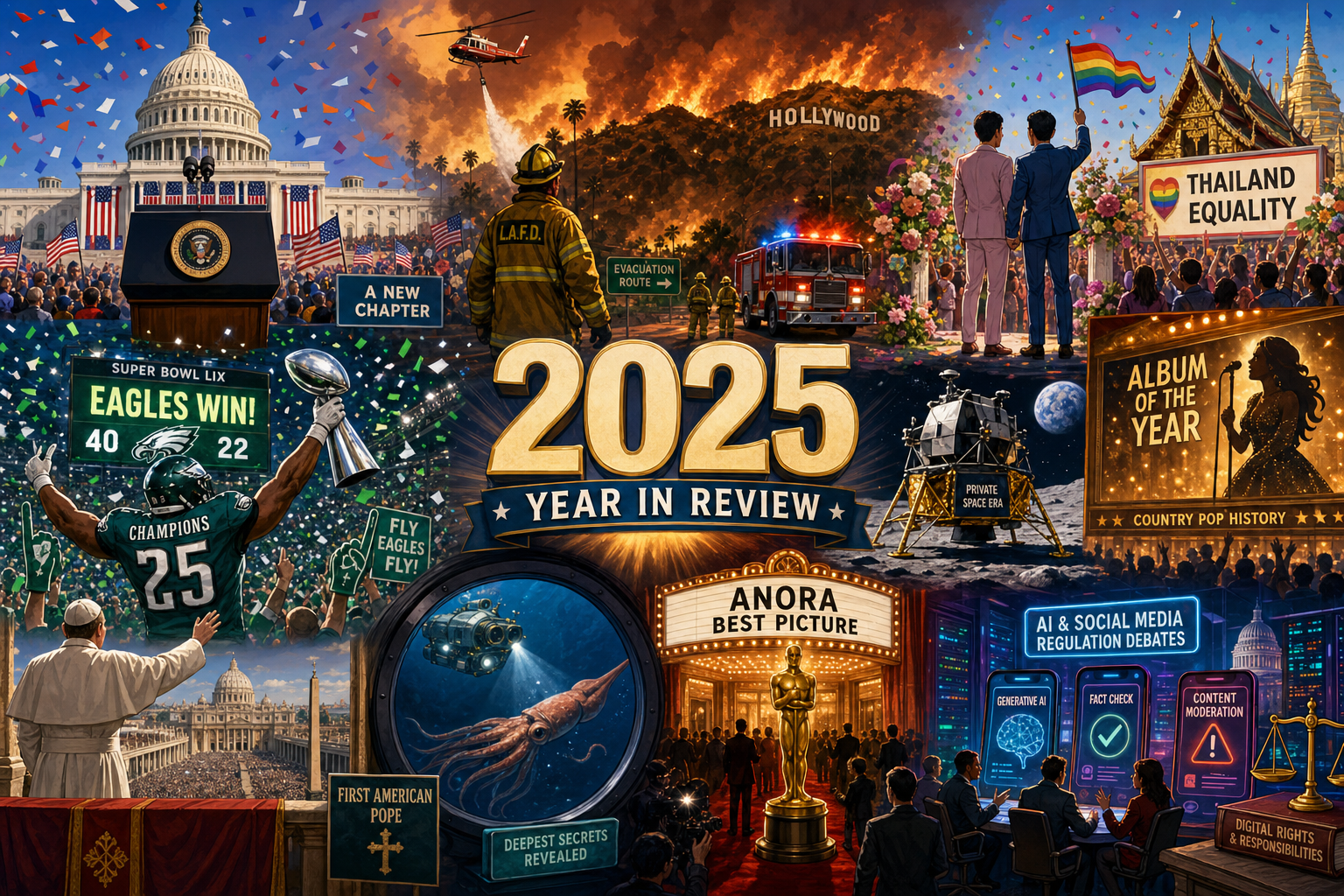
News & Culture — 2025
2025-01-01

NFL Super Bowls — 2025
2025-01-01
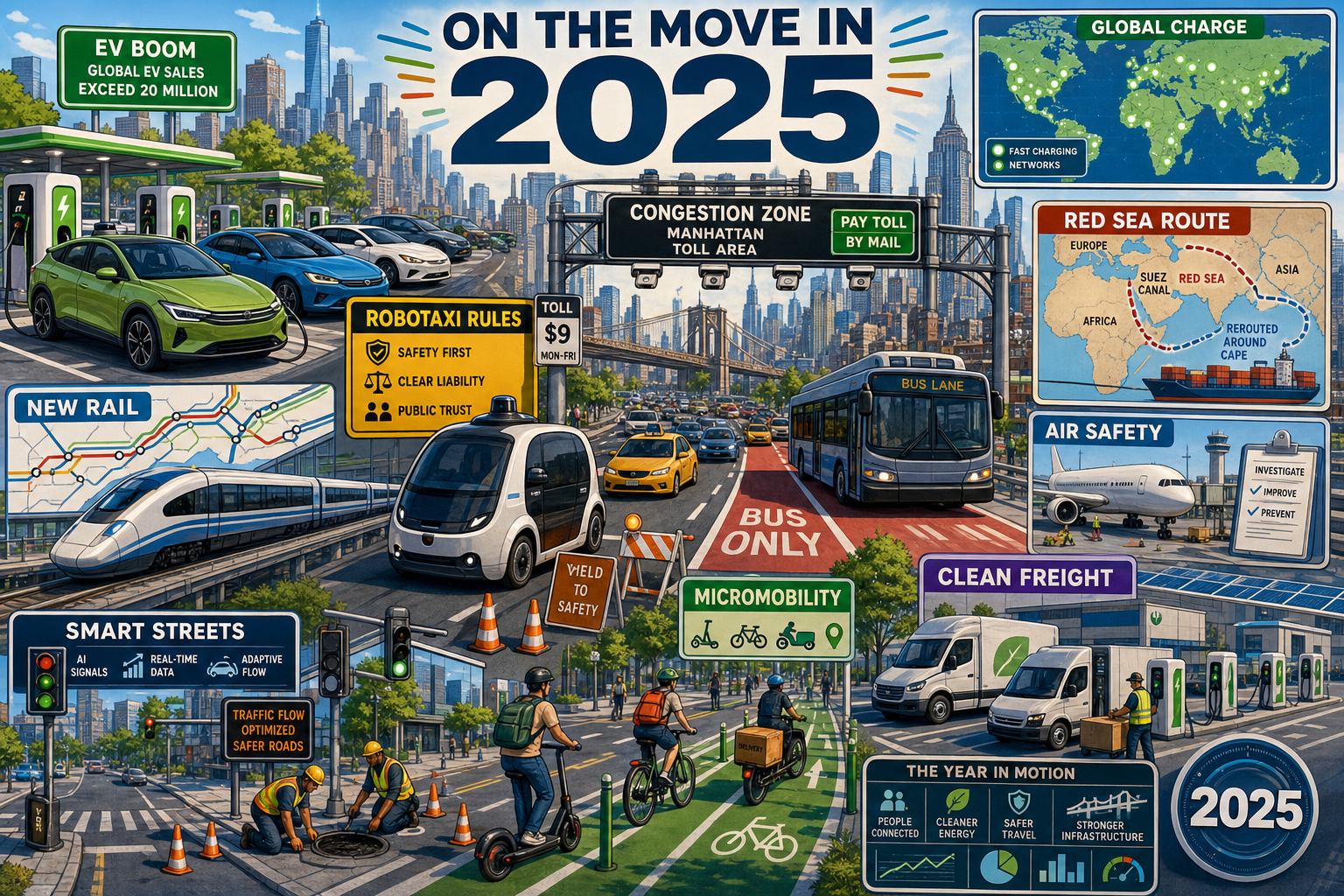
Transportation & Mobility — 2025
2025-01-01
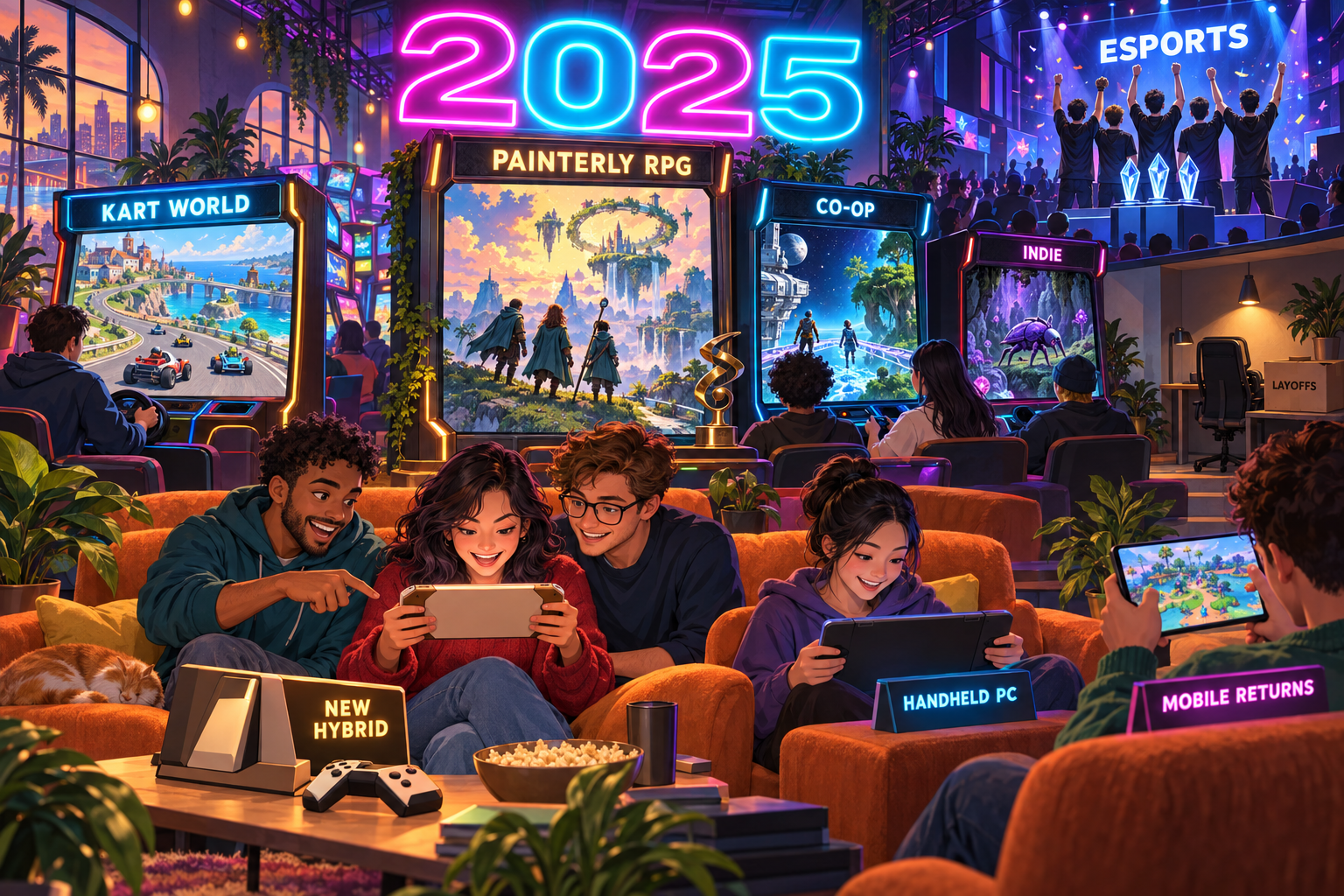
Video Game History — 2025
2025-01-01
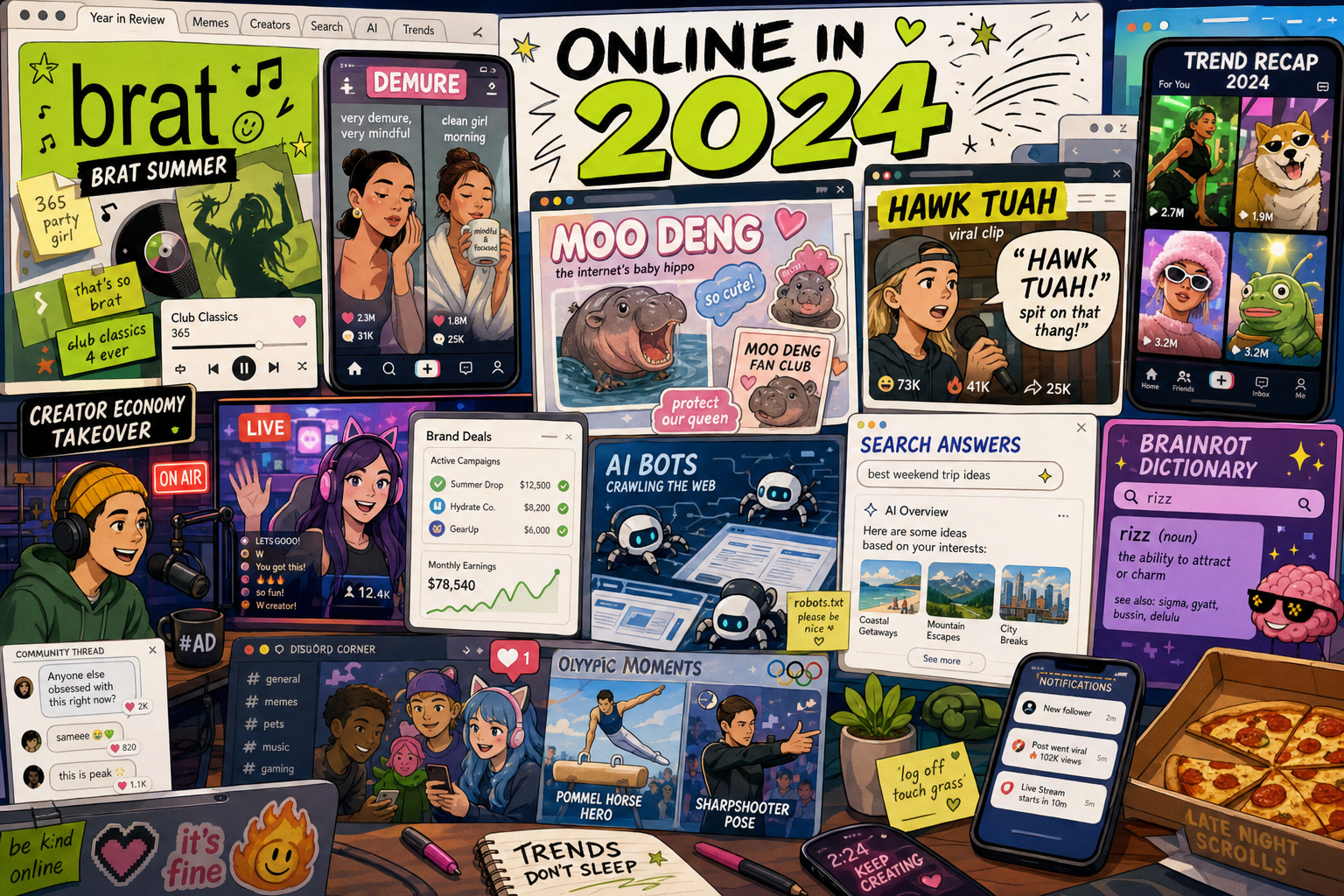
Internet Culture Timeline — 2024
2024-01-01
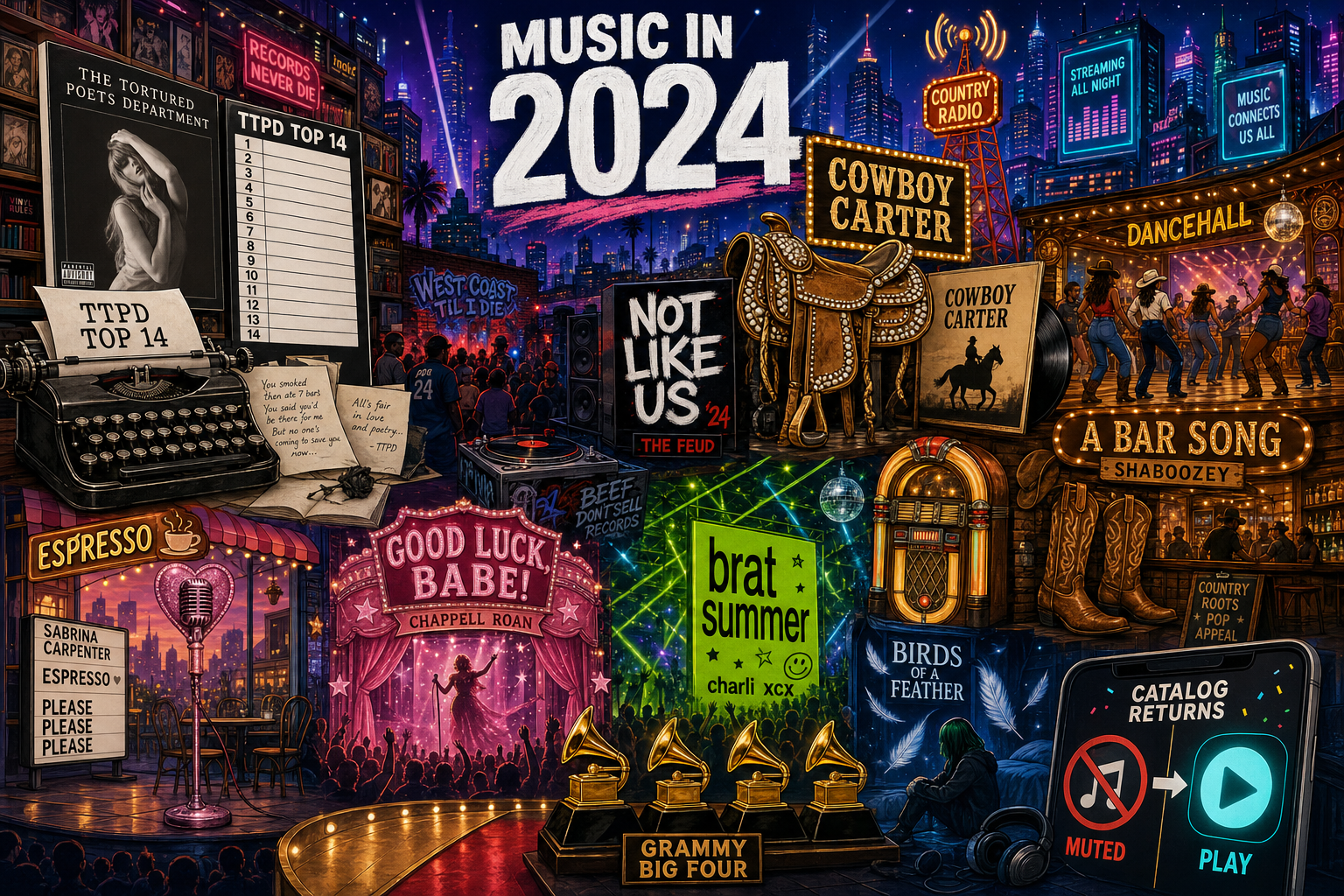
Music Yearbooks — 2024
2024-01-01
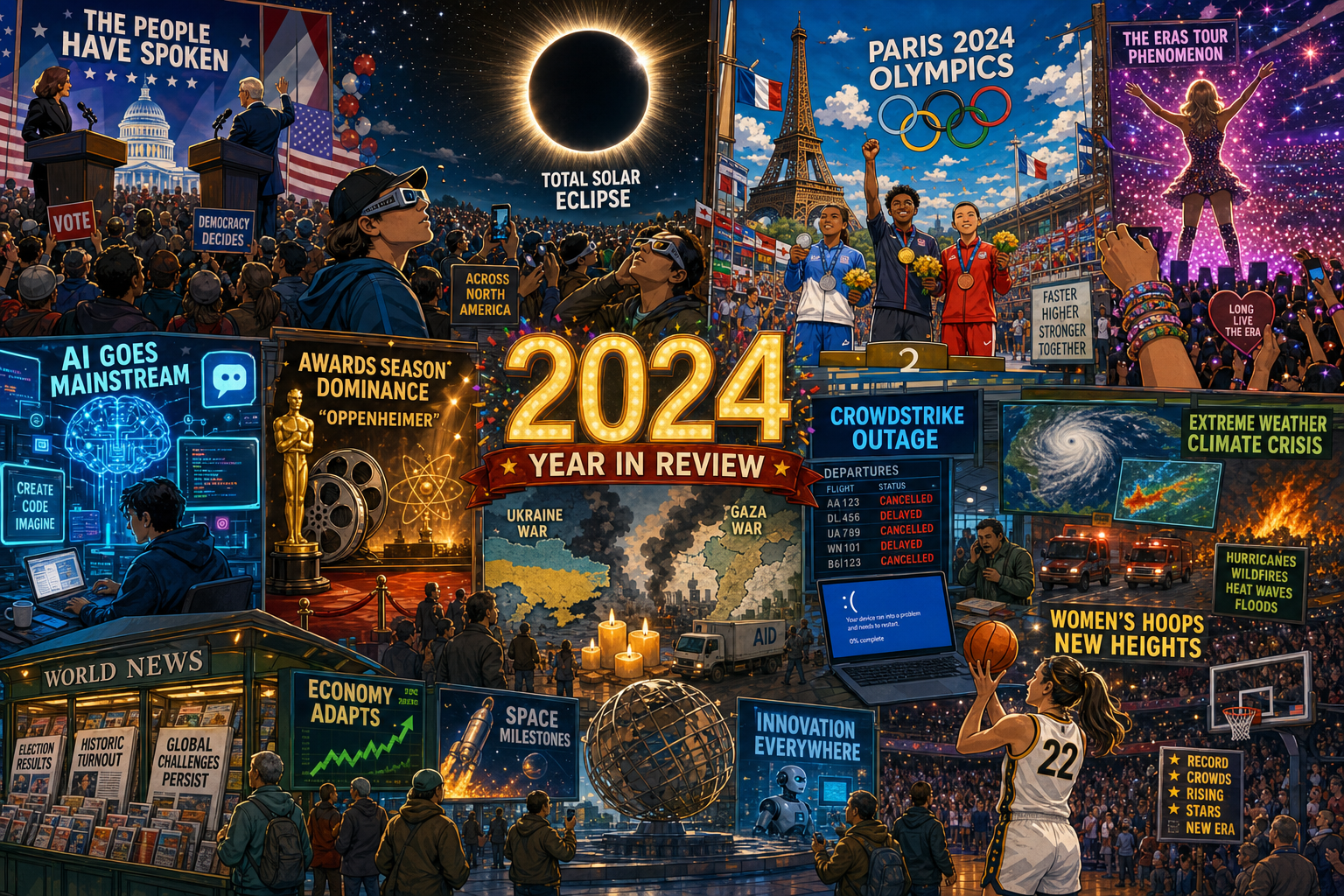
News & Culture — 2024
2024-01-01
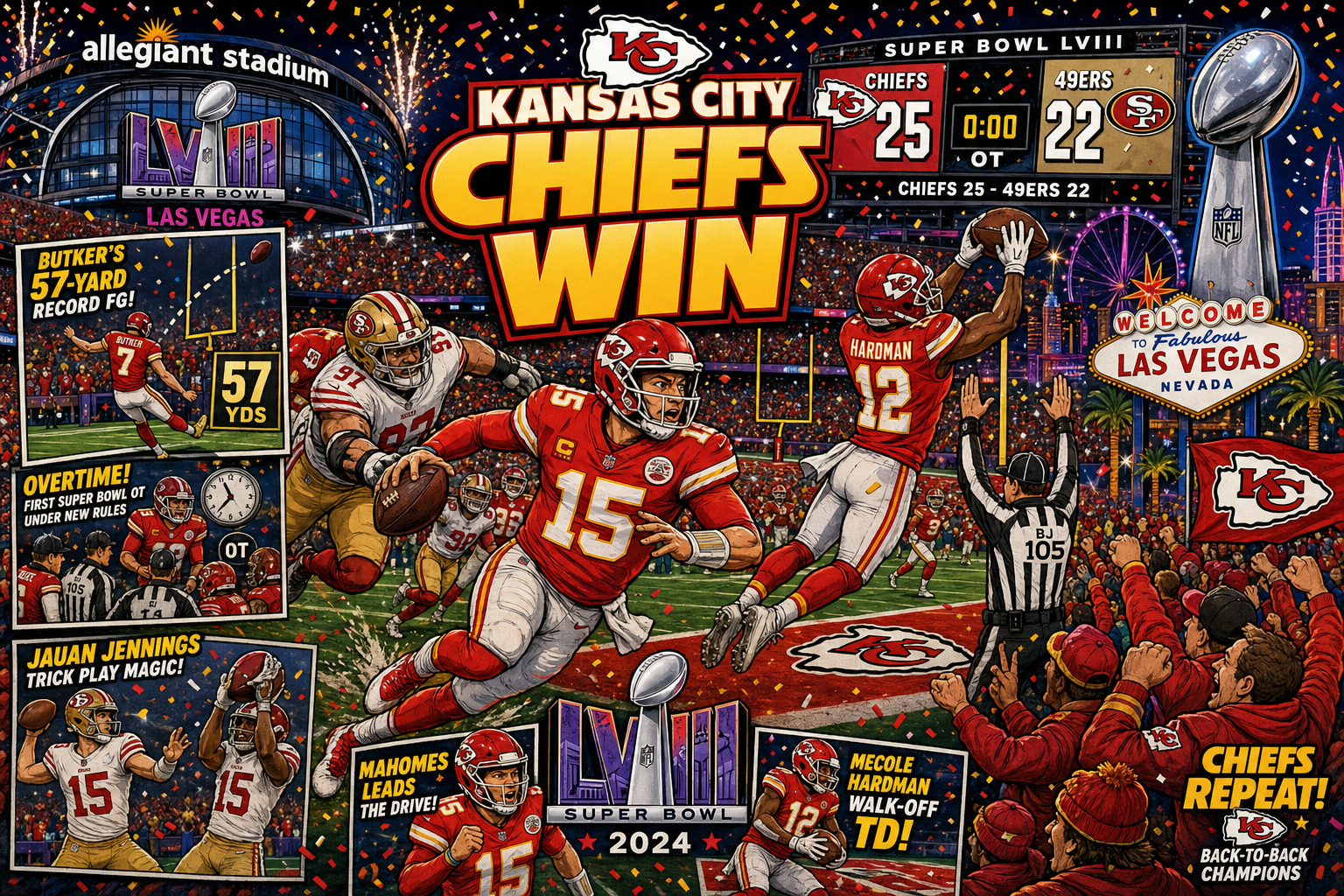
NFL Super Bowls — 2024
2024-01-01
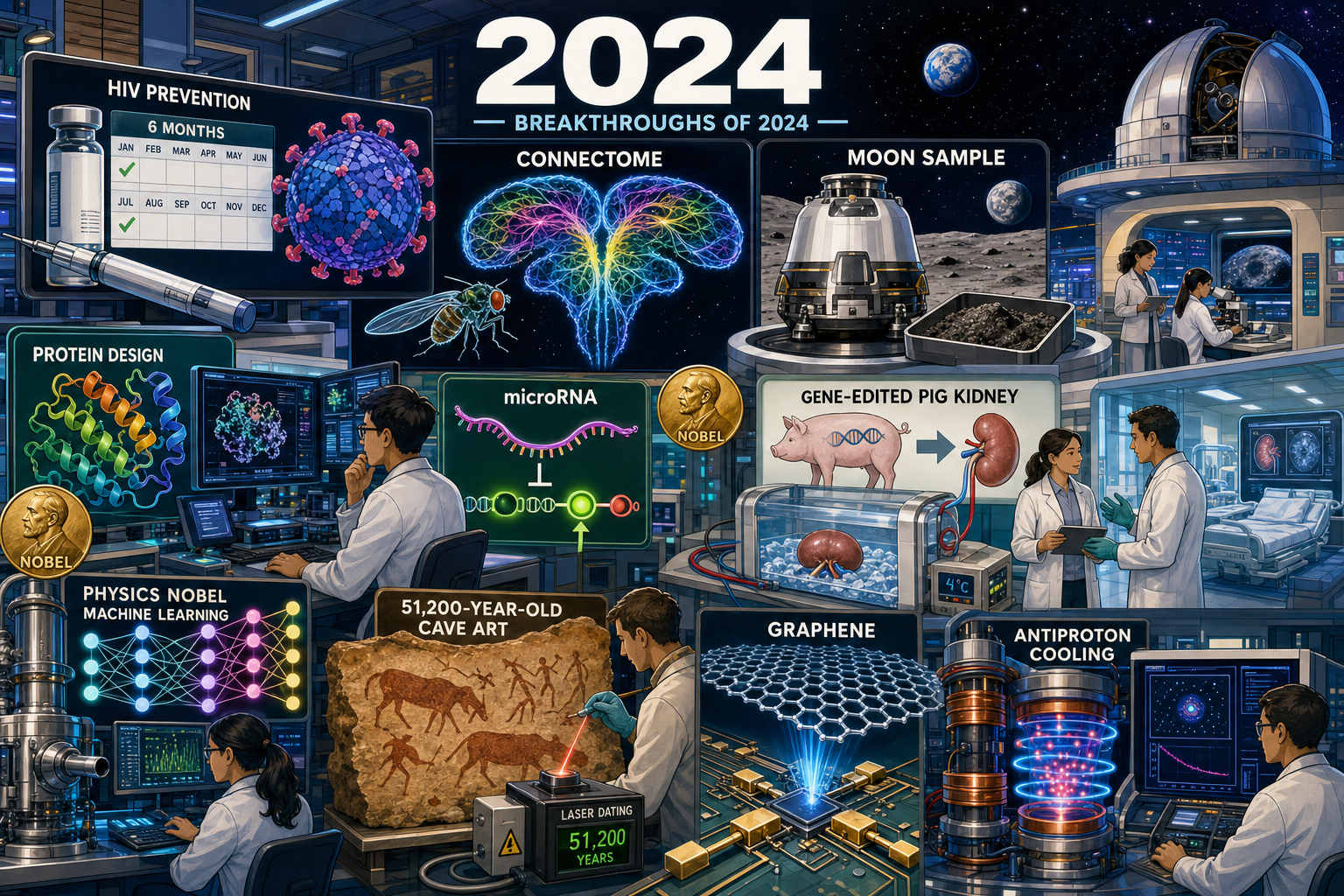
Science Breakthroughs — 2024
2024-01-01
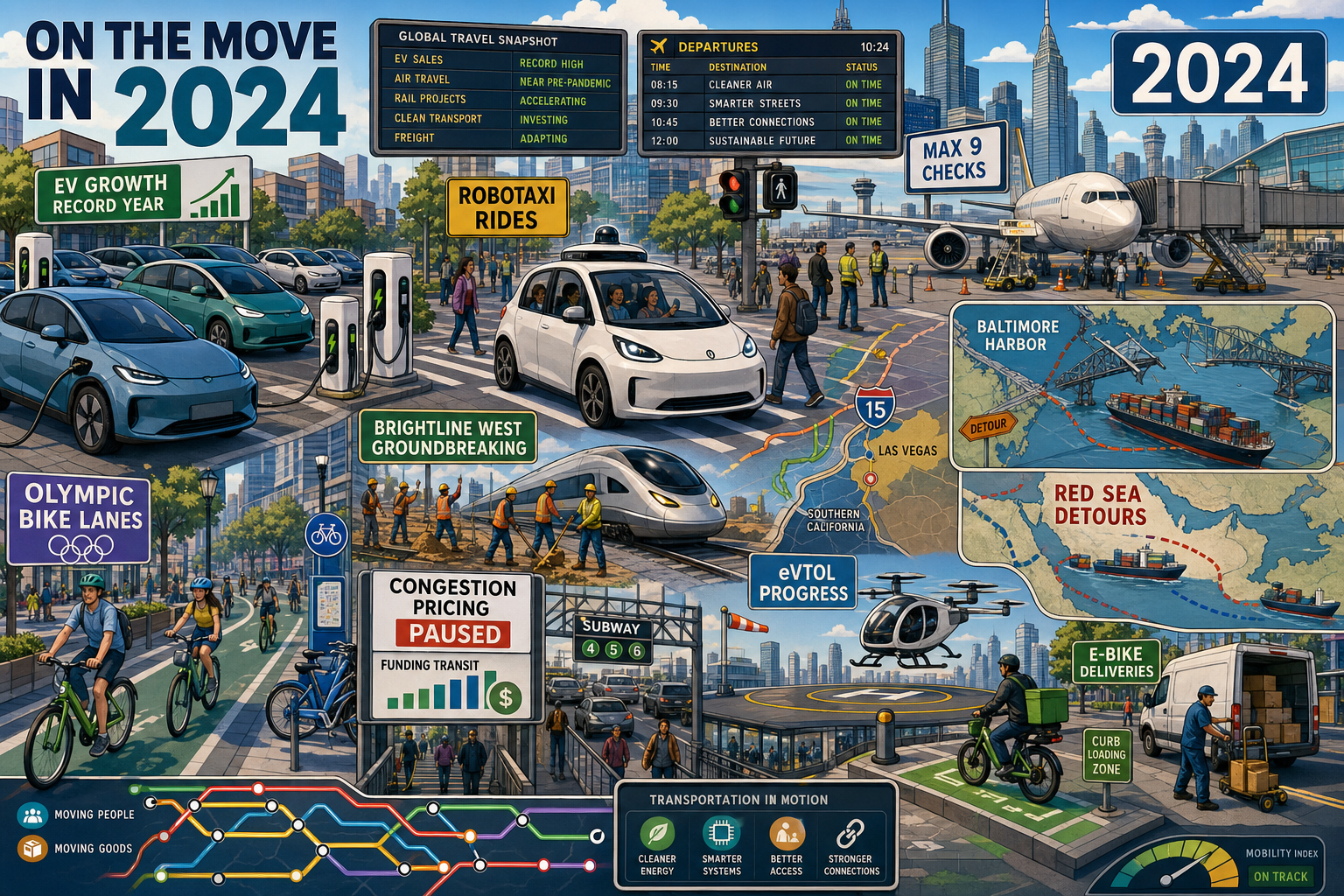
Transportation & Mobility — 2024
2024-01-01