Image Collections
Exoplanets — 04 Proxima Centauri b
Likely tidally locked
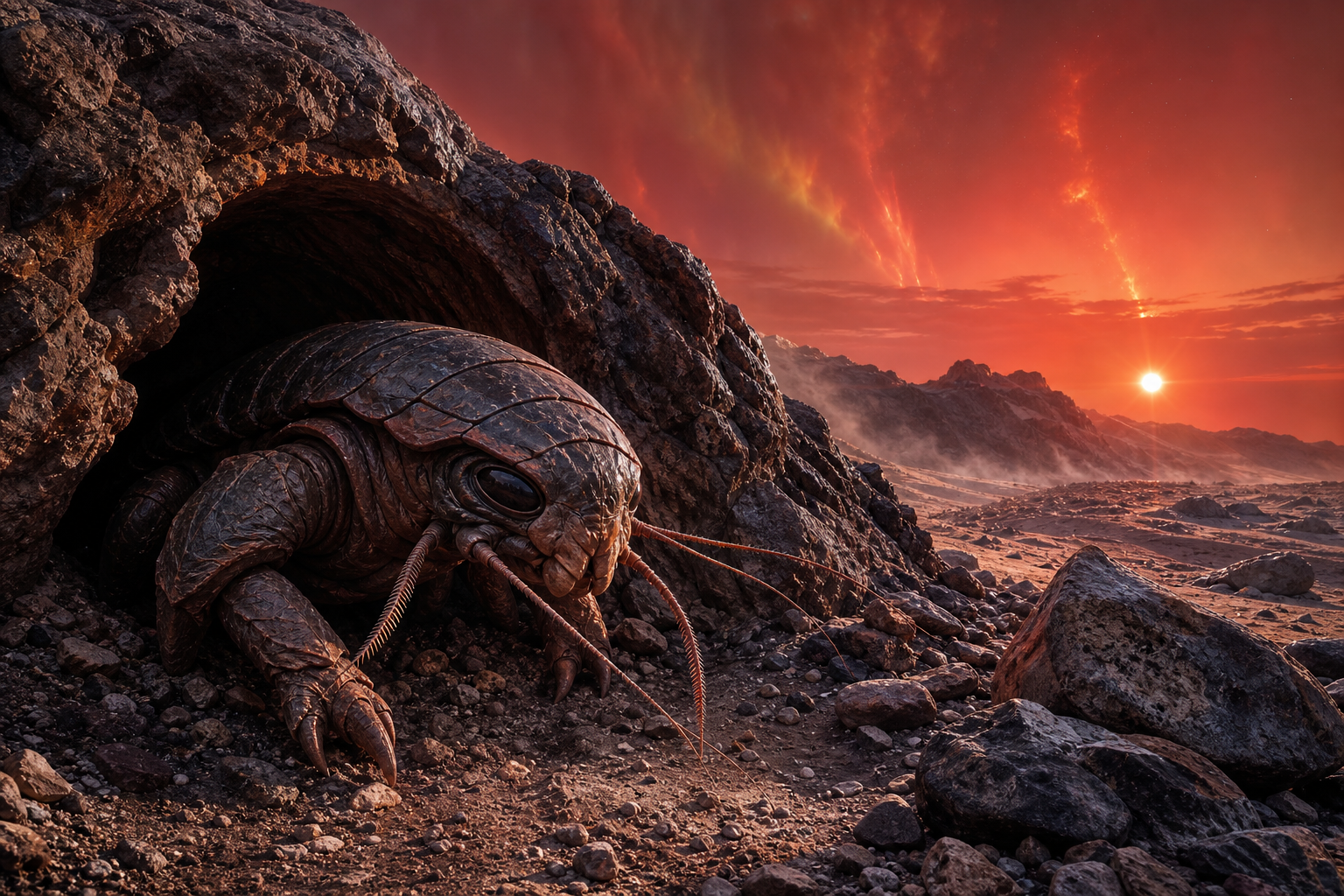
Exoplanets: Proxima Centauri b
- Planet: Proxima Centauri b
- Sequence: 04
- Saved image path:
My-Library/Images/Collections/Exoplanets/Images/Exoplanets_04-Proxima-Centauri-b.png - Model: built-in gpt-image (recovered from session transcript)
- Generation date: 2026-07-07
Planet Profile
- Planet type: super-Earth / likely rocky candidate
- Host star: M-type red dwarf
- Mass: ~1.07 Earth masses
- Radius: ~1.02 Earth radii estimate
- Orbital period: 11.2 days
- Orbital distance: ~0.0485 AU
Environment
- Gravity: near Earth
- Likely tidally locked
- Radiation: potentially intense stellar flare environment
- Atmosphere: unknown
- Surface: could be barren, icy, oceanic, or atmospheric depending on retention
Creature Design Direction
Radiation-resistant life, armored skin, burrowing behavior, nocturnal/terminator ecology.
Planet / Habitat Depicted
A rocky terminator-zone cave habitat under red twilight from an active red dwarf, with mineral gravel, dust, long shadows, radiation haze, and a compact armored burrower emerging cautiously from shelter.
Sources
- Data provided in the collection plan (
Prompts/generate-exoplanets-collection.md); measurements are from published exoplanet catalogs. No web research performed for this collection.
Final Prompt Used
Create a scientifically plausible alien creature from Proxima Centauri b.
A radiation-hardened alien burrower from Proxima Centauri b, near-Earth gravity rocky world around an active red dwarf, armored keratin-like plates, shielded eyes, sensory whisker tendrils, emerging from mineral caves into red twilight, realistic speculative evolution style.

Requirements:
- Body plan reflects near-Earth gravity with compact, muscular, low-to-the-ground movement; sensory organs reflect dim red-dwarf twilight and flare-prone lighting; armor and sealed skin reflect radiation exposure and possible atmospheric uncertainty; locomotion fits rocky cave mouths, mineral gravel, and terminator-zone terrain.
- Depict the planet as well as the creature: show a rocky surface habitat, mineral cave entrance, red twilight sky, active red-dwarf glow on the horizon, subtle flare aurora or radiation haze, wind-scoured stones, dusty ground, and a cold barren terminator-zone landscape.
- The environment should communicate a rocky tidally locked red-dwarf world even without captions: a cave/burrow refuge at the edge of daylight, harsh red-orange sky, long shadows, and a landscape shaped by stellar activity.
- Make creature and environment feel physically connected: claws gripping mineral rock, disturbed dust and pebbles around the burrow entrance, armored body partly emerging from shelter, whisker tendrils sampling the air, posture angled cautiously toward the red twilight.
- Use a surface-level habitat view. Do not show the planet itself as a separate sphere in the sky; do not add unexplained moons or extra planets.
- Avoid humanoid anatomy unless scientifically justified.
- Show the creature in its natural habitat with enough space in the frame to read the world around it.
- Style: natural-history field-guide illustration, realistic scientific/anatomical detail, documentary lighting, one unified scene.
- Composition: 3:2 wide landscape; balance a clear creature portrait with a readable planetary rocky landscape and cave system. Do not crop so tightly that the world is reduced to a blurred background.
- No text or labels baked into the image. No official logos, no photorealistic real people.
More from Image Collections

Internet Culture Timeline — 2025
2025-01-01

Music Yearbooks — 2025
2025-01-01

News & Culture — 2025
2025-01-01

NFL Super Bowls — 2025
2025-01-01

Science Breakthroughs — 2025
2025-01-01
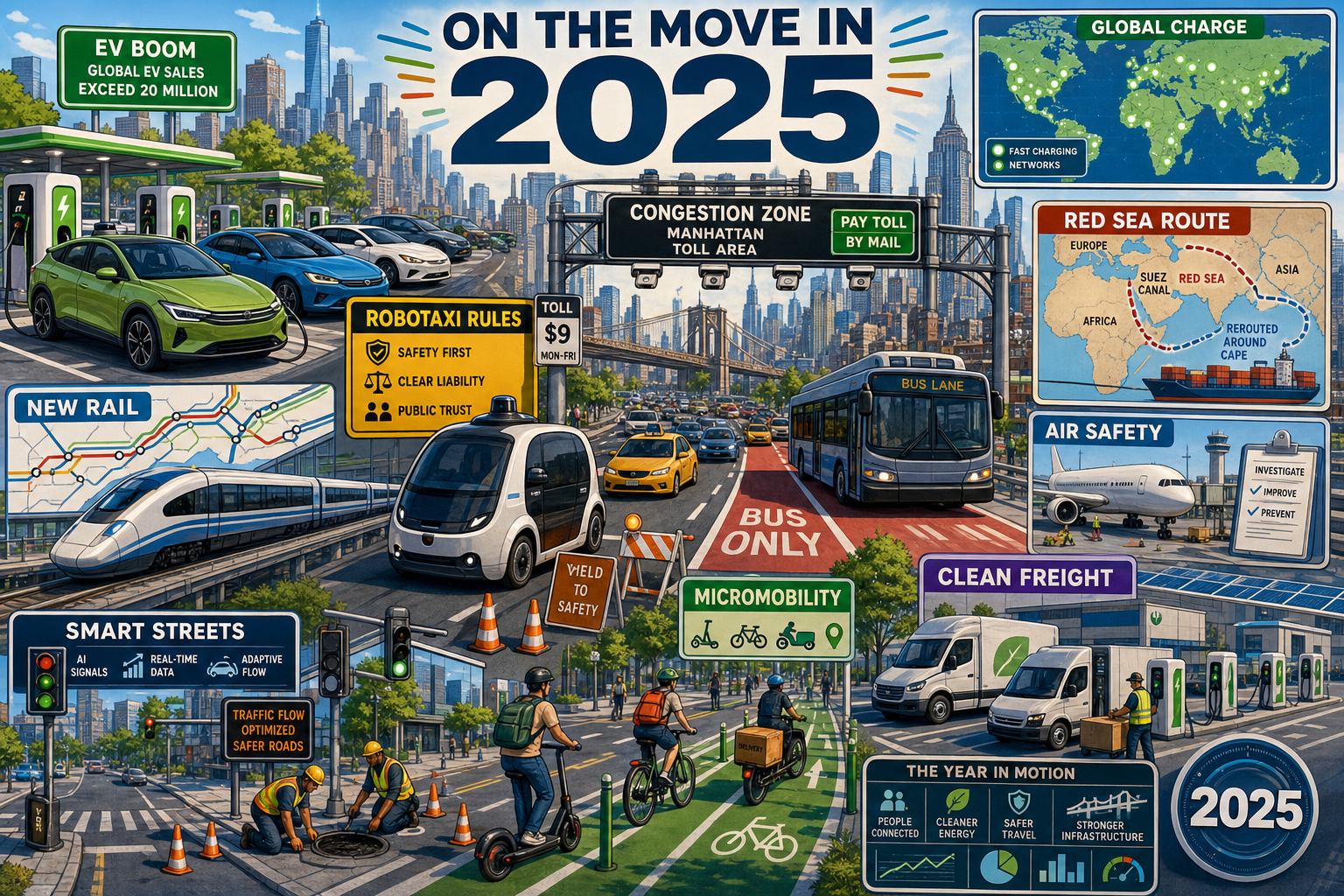
Transportation & Mobility — 2025
2025-01-01

Video Game History — 2025
2025-01-01

Internet Culture Timeline — 2024
2024-01-01

Music Yearbooks — 2024
2024-01-01

News & Culture — 2024
2024-01-01

NFL Super Bowls — 2024
2024-01-01
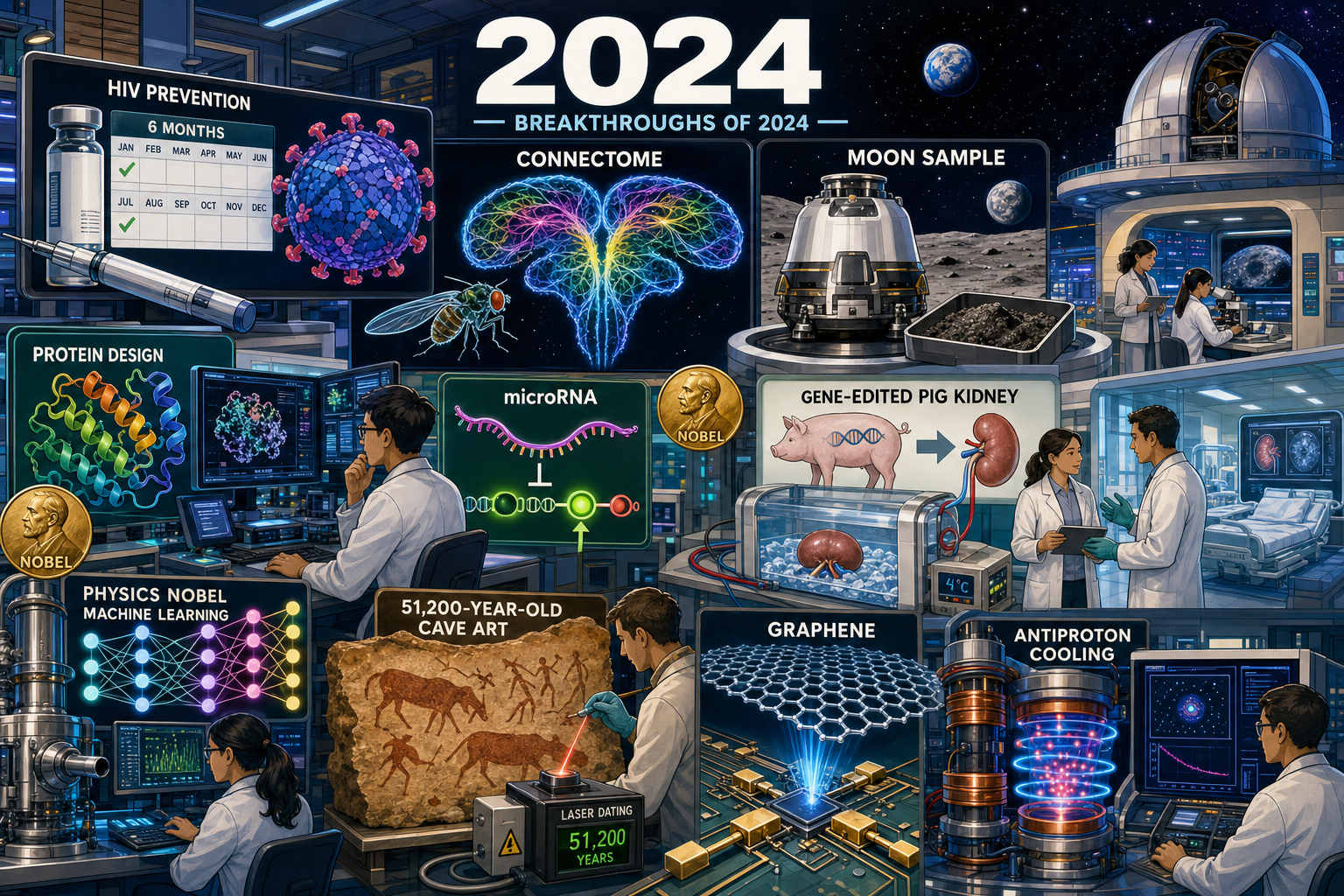
Science Breakthroughs — 2024
2024-01-01