Image Collections
Exoplanets — 09 Kepler 62 e
Commonly modeled as a possible ocean world candidate
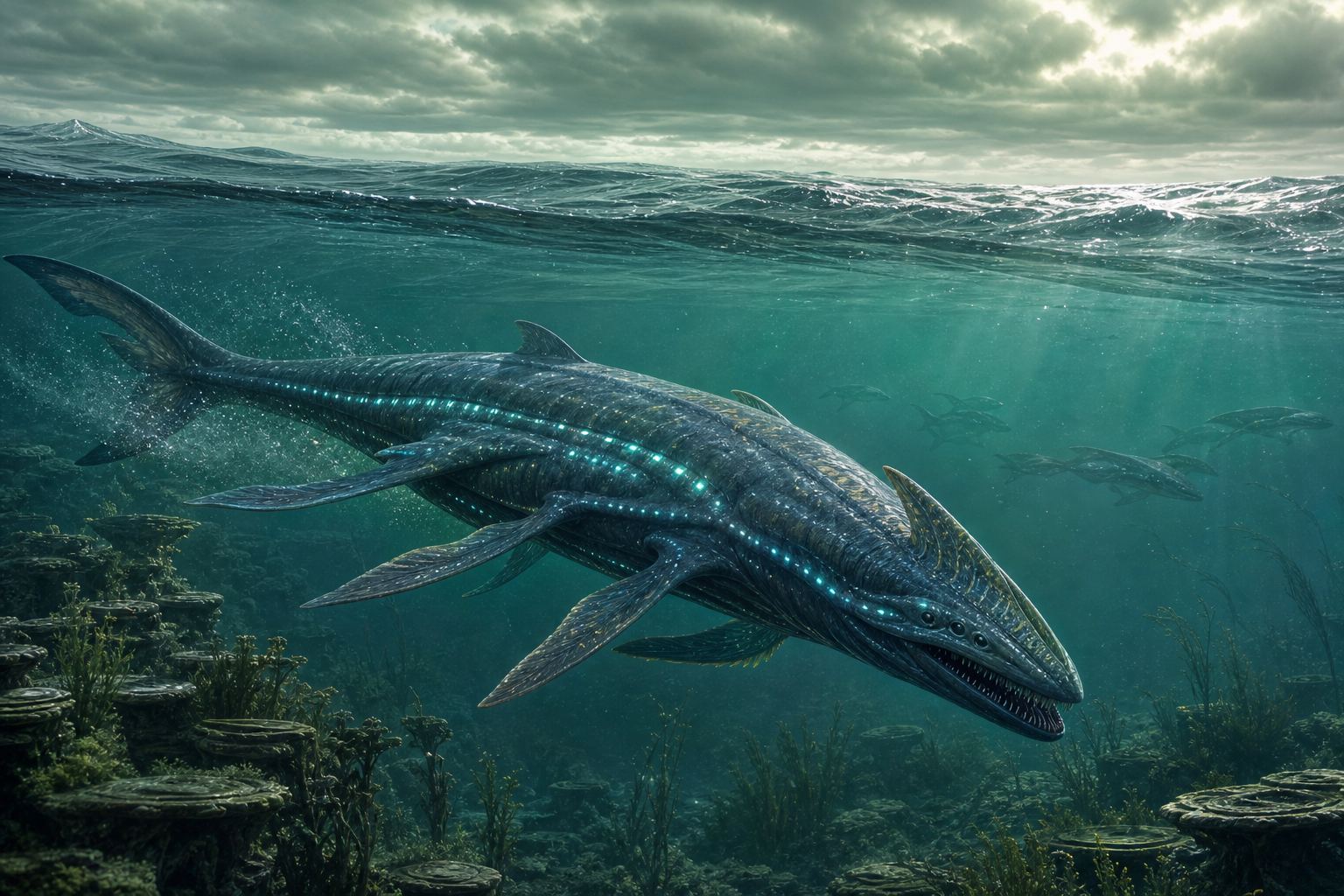
Exoplanets: Kepler-62 e
- Planet: Kepler-62 e
- Sequence: 09
- Saved image path:
My-Library/Images/Collections/Exoplanets/Images/Exoplanets_09-Kepler-62-e.png - Model: built-in gpt-image
- Generation date: 2026-07-11
Planet Profile
- Planet type: super-Earth
- Commonly modeled as a possible ocean world candidate
- Atmosphere: unknown
- Surface composition: unknown
Environment
- Gravity: above Earth
- Surface: possible deep ocean or water-rich world
- Climate: potentially temperate to warm depending on atmosphere
- Atmosphere: unknown
Creature Design Direction
Large oceanic organisms, buoyant bodies, no land dependence, pressure-tolerant anatomy.
Planet / Habitat Depicted
Near-surface green-blue ocean habitat with a cloudy sky and wave surface visible above, diffuse light shafts, suspended particulates, reef-like mineral structures, distant marine silhouettes, and a streamlined luminous ocean predator displacing water as it swims.
Sources
- Data provided in the collection plan (
Prompts/generate-exoplanets-collection.md); measurements are from published exoplanet catalogs. No web research performed for this collection.
Final Prompt Used
Use case: scientific-educational
Asset type: Exoplanets image collection entry, final 3:2 landscape PNG, 1536x1024
Primary request: Create a scientifically plausible alien creature from Kepler-62 e, while also clearly depicting the planet itself through a surface-level or near-surface ocean environmental view: the ocean surface or underwater habitat, water color, sky, atmosphere, weather, horizon, light filtering, and broader marine environment. Do not show Kepler-62 e as a separate sphere in the sky; do not add moons, extra planets, orbital views, or space cutaways.

Core description: A graceful alien ocean predator from Kepler-62 e, possible water-rich super-Earth, streamlined body, multiple fin pairs, sonar crest, luminous side markings, swimming through green-blue alien ocean beneath cloudy sky, scientific natural-history painting.

Planet context: super-Earth commonly modeled as a possible ocean world candidate; surface composition unknown; atmosphere unknown. Gravity above Earth, possible deep ocean or water-rich world, potentially temperate to warm depending on atmosphere.

Planet / habitat depiction requirements: Make the world read as Kepler-62 e from the ocean habitat, not as a generic aquarium. Show a vast green-blue alien ocean with a visible surface above or broken by waves, cloudy atmospheric sky glimpsed through the water or at the horizon, suspended particulates, shafts of diffuse light, distant silhouettes of pressure-tolerant marine life or reef-like mineral structures, and a sense of above-Earth gravity in the organism's powerful streamlined build. The creature should displace water naturally, with fin vortices, bubbles, and body posture connected to active swimming.

Creature requirements: Body plan reflects above-Earth gravity and a water-rich super-Earth: powerful streamlined body, compact musculature, pressure-tolerant anatomy, multiple fin pairs for control in dense water, sonar crest integrated into the skull, luminous side markings used for communication or hunting. No land-dependent anatomy. Sensory organs and markings should suit cloudy ocean light and murky green-blue water.

Style/medium: natural-history field-guide illustration, realistic scientific/anatomical detail, documentary lighting, NASA meets National Geographic meets speculative astrobiology, one unified scene.
Composition/framing: wide 3:2 landscape, balanced creature portrait plus readable planetary seascape; do not crop tightly. Creature in foreground or midground with visible ocean environment, surface/weather cues, light, water volume, and habitat context. Not a collage, not a diagram.
Color palette: green-blue ocean, soft cloud-filtered light, dark teal and slate organism, restrained luminous side markings, scientific realism.
Constraints: no humanoid anatomy unless scientifically justified; no fantasy sea monster design; no embedded text, labels, logos, watermarks, real-person likenesses, official insignia, separate planet globe in the sky, moons, extra planets, orbital scene, or space cutaway.
More from Image Collections
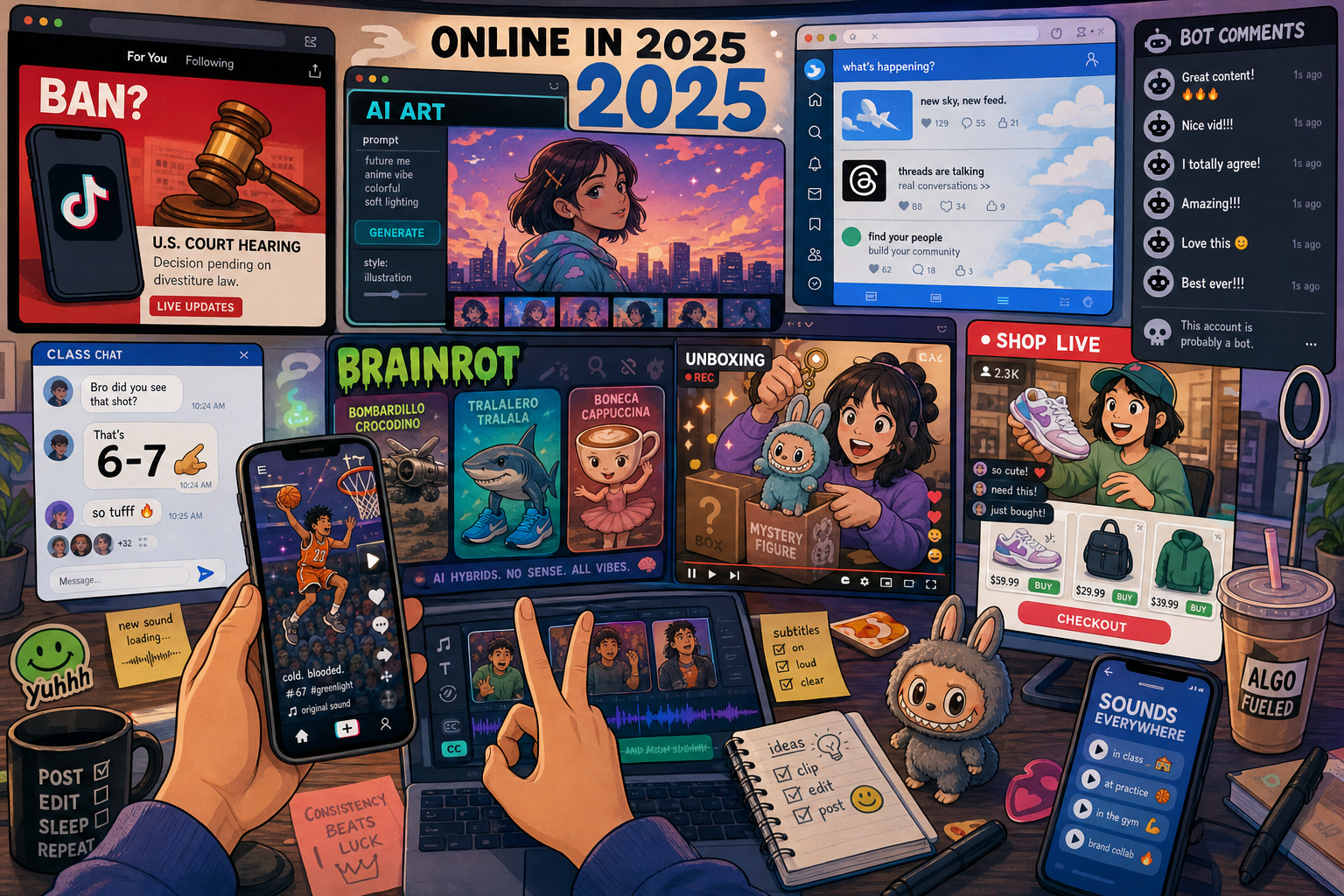
Internet Culture Timeline — 2025
2025-01-01

Music Yearbooks — 2025
2025-01-01

News & Culture — 2025
2025-01-01

NFL Super Bowls — 2025
2025-01-01
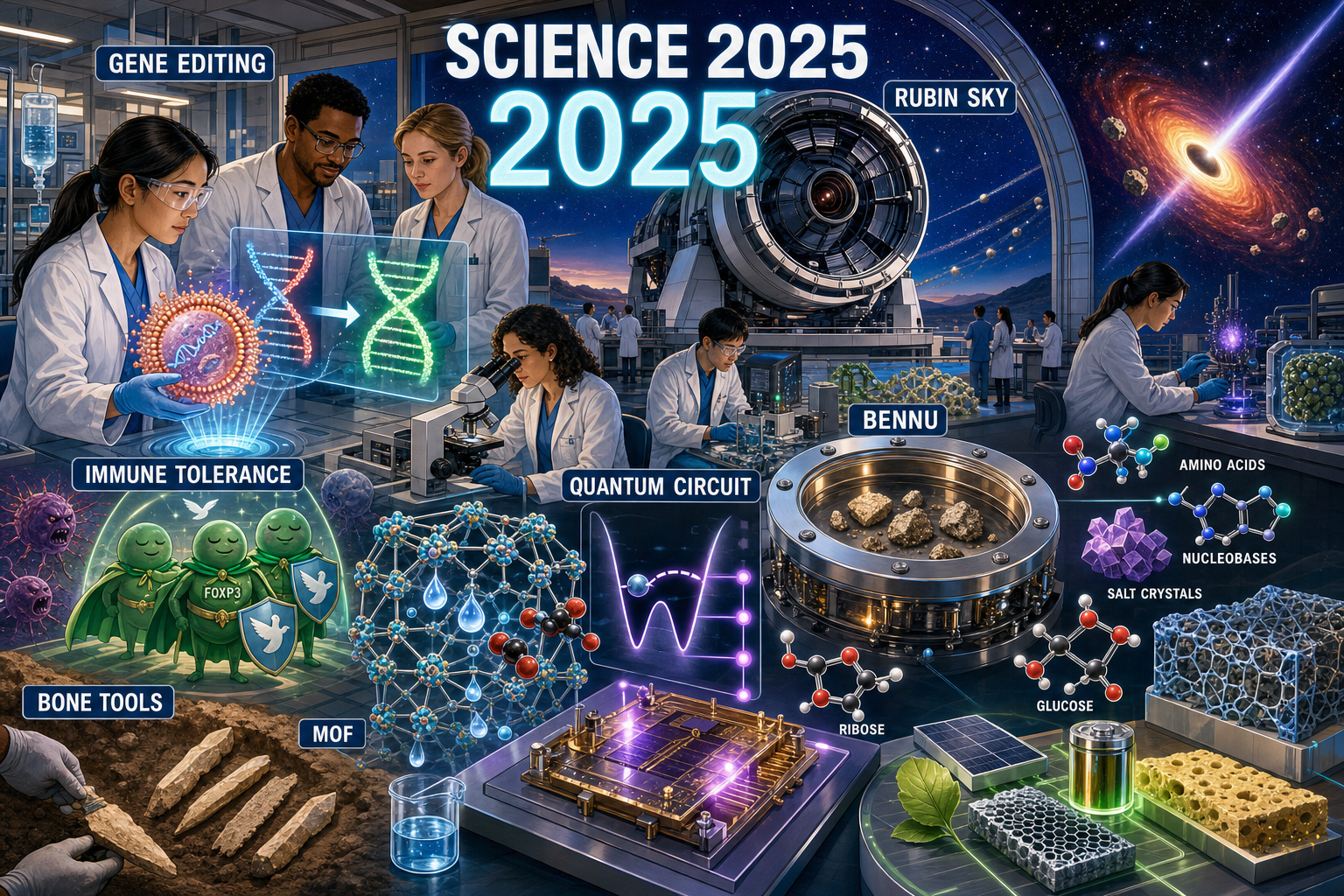
Science Breakthroughs — 2025
2025-01-01
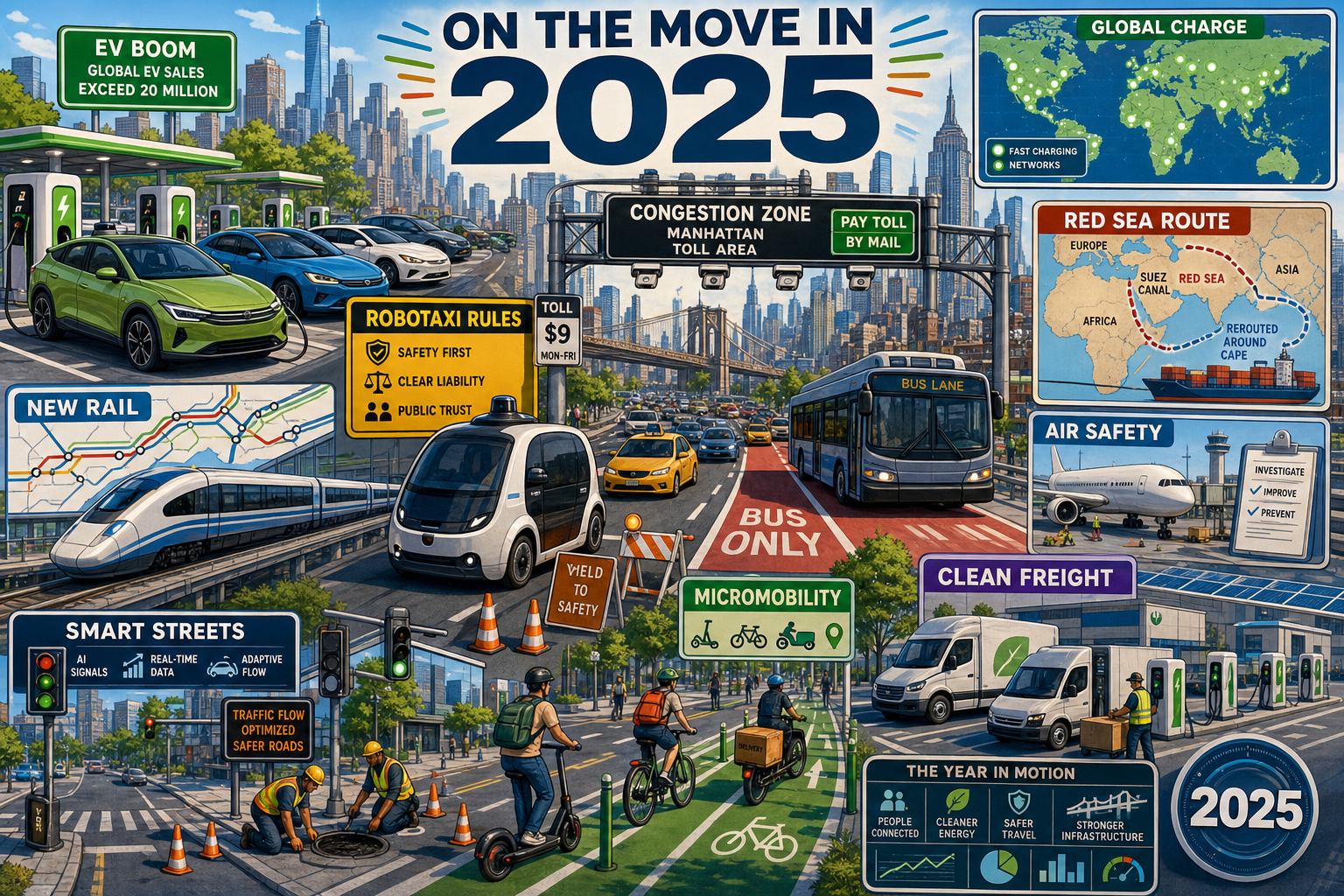
Transportation & Mobility — 2025
2025-01-01

Video Game History — 2025
2025-01-01

Internet Culture Timeline — 2024
2024-01-01
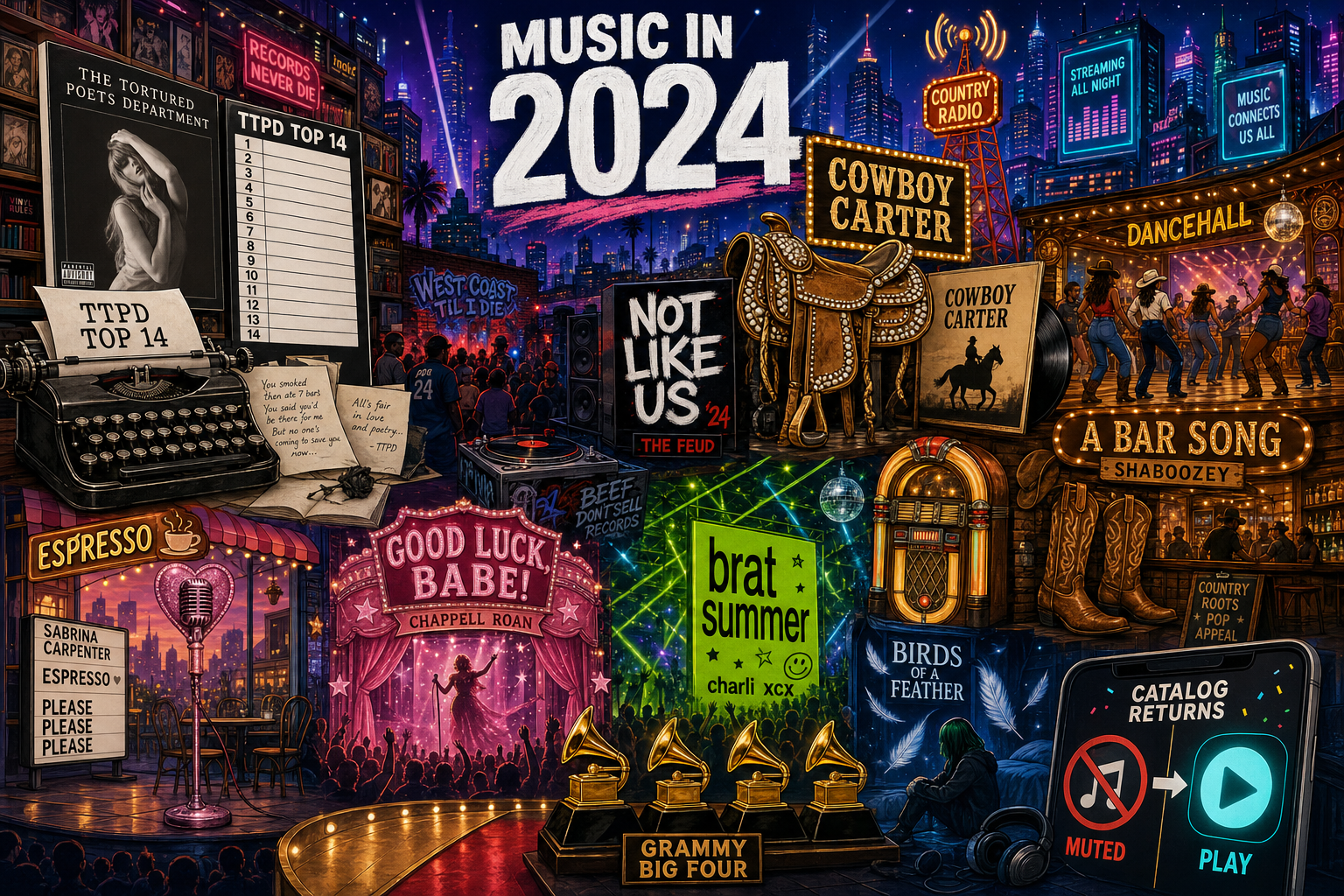
Music Yearbooks — 2024
2024-01-01
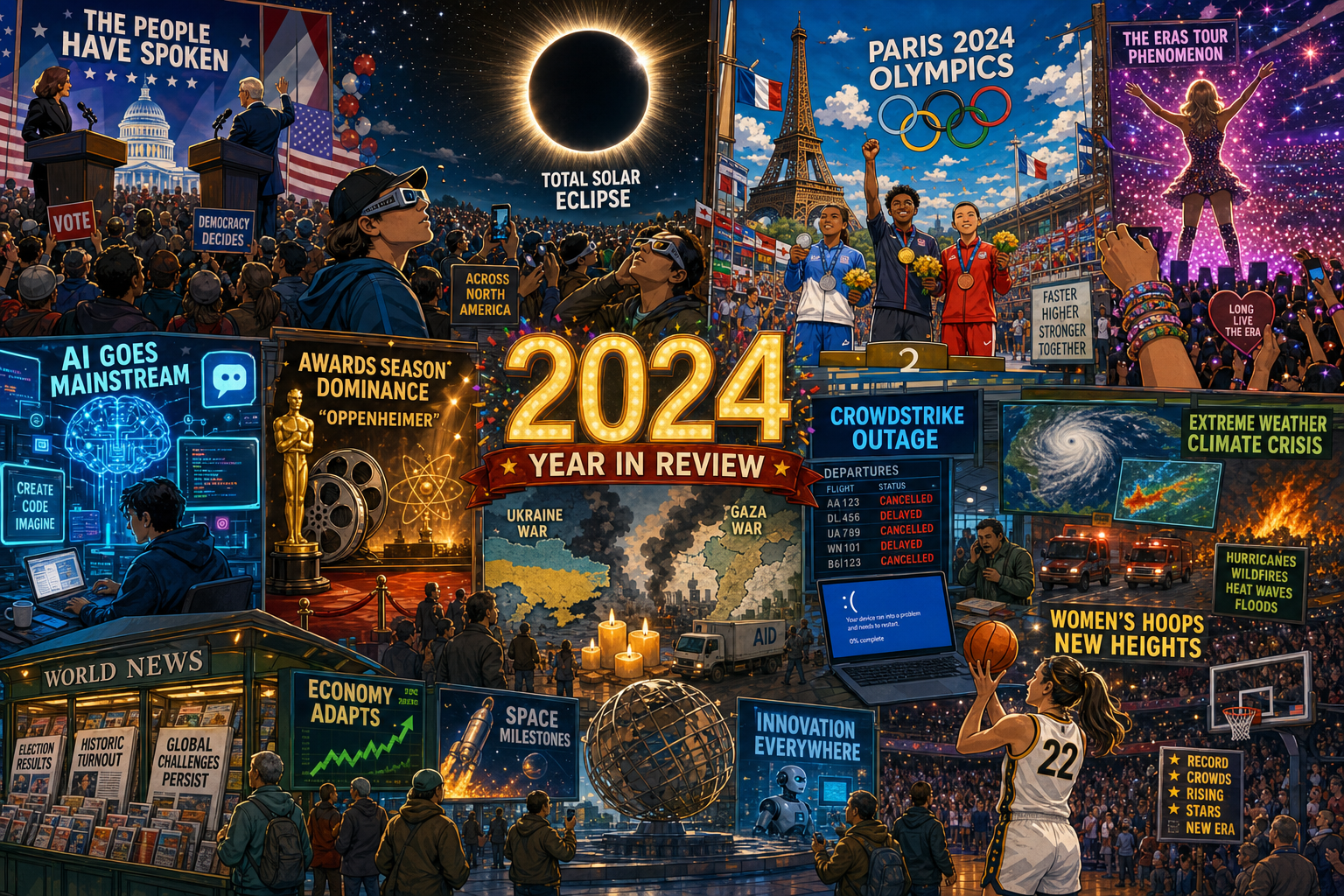
News & Culture — 2024
2024-01-01

NFL Super Bowls — 2024
2024-01-01
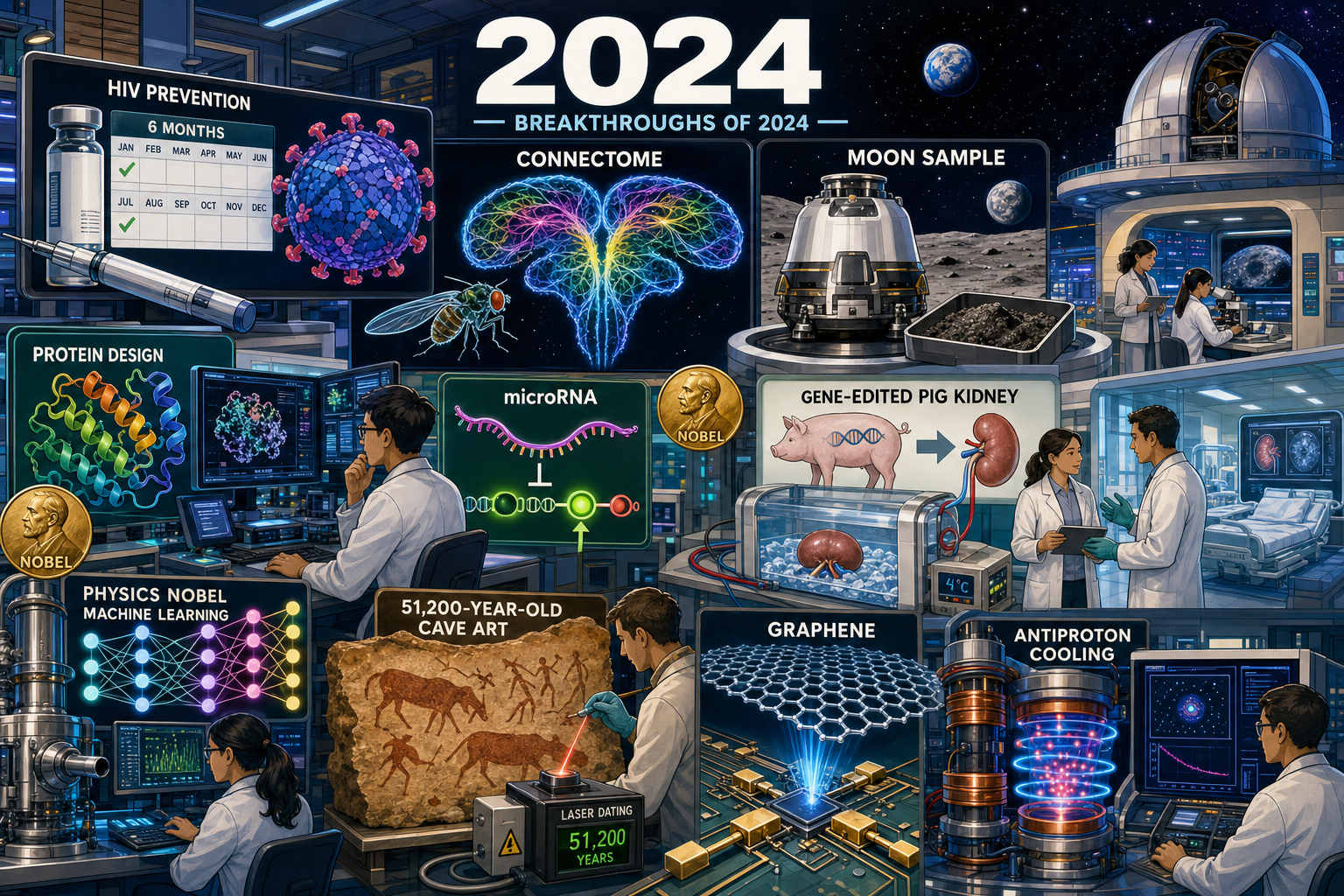
Science Breakthroughs — 2024
2024-01-01