Image Collections
Exoplanets — 15 GJ 3378 b
Receives roughly 90% of Earth's radiation from the Sun
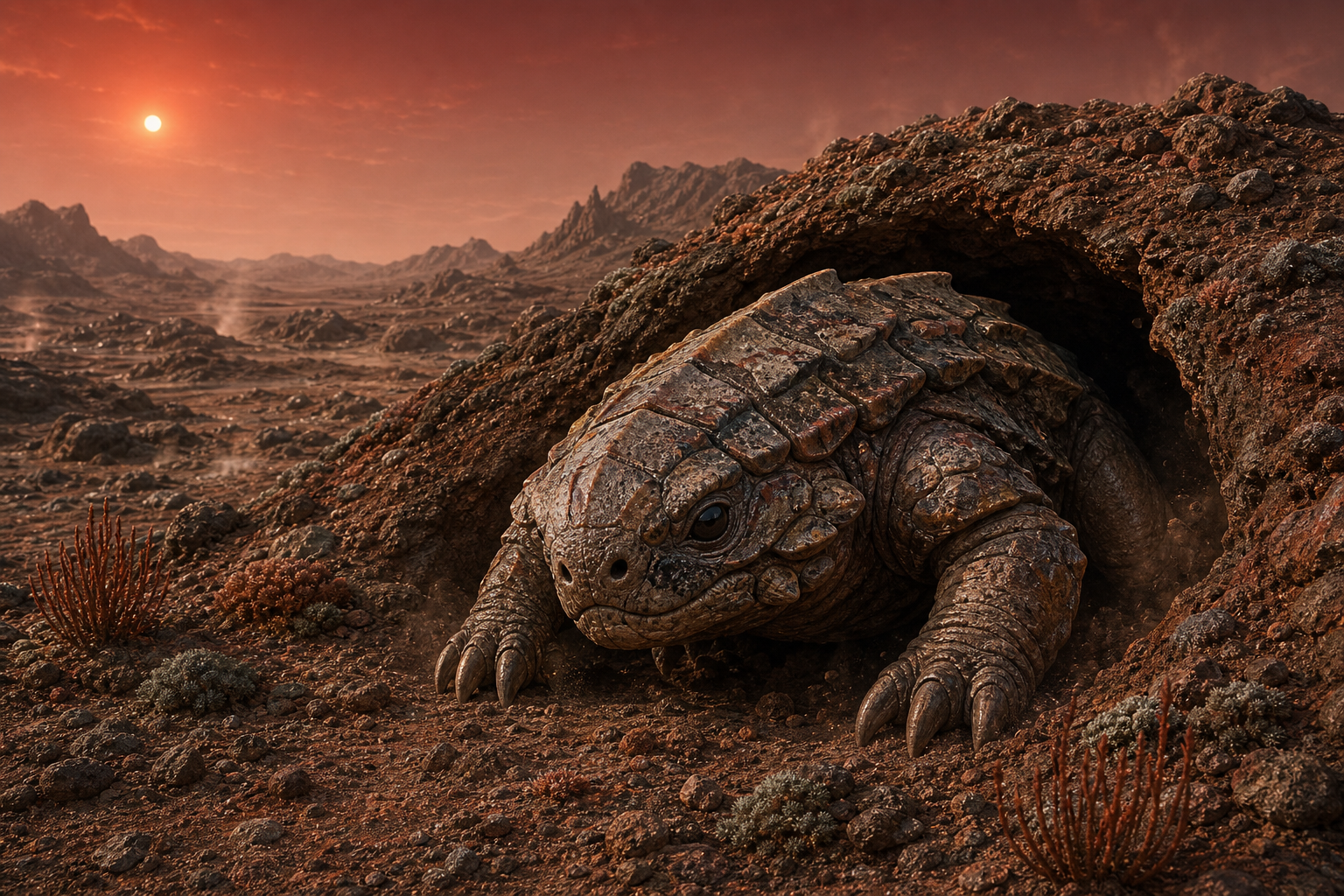
Exoplanets: GJ 3378 b
- Planet: GJ 3378 b
- Sequence: 15
- Saved image path:
My-Library/Images/Collections/Exoplanets/Images/Exoplanets_15-GJ-3378-b.png - Model: built-in gpt-image (recovered from session transcript)
- Generation date: 2026-07-16
Planet Profile
- Planet type: rocky super-Earth candidate
- Distance: about 25 light-years
- Mass: about 2.3 Earth masses
- Orbital period: about 21 days
- Receives roughly 90% of Earth's radiation from the Sun
- Atmosphere currently unknown
Environment
- Gravity: high
- Host star: red dwarf
- Climate: potentially temperate if atmosphere exists
- Radiation: red-dwarf stellar activity may threaten atmosphere
- Surface: likely rocky candidate
Creature Design Direction
Dense-boned, compact, radiation-tolerant life with burrowing or armored adaptations.
Planet / Habitat Depicted
A high-gravity rocky surface under dim red daylight, with iron-rich regolith, basalt outcrops, thin atmospheric haze, wind-blown dust, low lichen-like crusts, and a protective burrow entrance. The creature is shown emerging from the burrow with heavy footprints and claws braced against the rocky ground.
Sources
- Data provided in the collection plan (
Prompts/generate-exoplanets-collection.md); measurements are from published exoplanet catalogs. No web research performed for this collection.
Final Prompt Used
Create a scientifically plausible alien creature from GJ 3378 b.
A compact armored alien from GJ 3378 b, high-gravity rocky super-Earth in a red dwarf habitable zone, dense muscular body, heavy bone plates, short powerful legs, mineral-colored camouflage, emerging from a protective burrow into dim red daylight, scientific documentary style.

Requirements:
- Body plan reflects the planet's high gravity: short, broad, dense-boned, compact, muscular, and close to the ground with strong low limbs and armored plates.
- Sensory organs reflect red-dwarf lighting: large protected low-light eyes and subtle infrared-sensitive pits, with dark mineral pigments for dim red illumination.
- Skin and armor reflect a potentially temperate but radiation-threatened rocky world around an active red dwarf: tough radiation-tolerant hide, overlapping bone plates, dust-stained mineral camouflage, and burrowing adaptations.
- Depict the planet as well as the creature: show a rocky super-Earth surface, rough basalt and iron-rich regolith, a protective burrow entrance, low jagged hills on the horizon, dim red daylight from the host star, thin atmospheric haze, and wind-blown mineral dust.
- The environment should communicate a high-gravity rocky habitable-zone candidate even without captions: compact terrain, low plants or lichen-like crusts hugging the rocks, heavy-looking dust, and a horizon under red-dwarf light.
- Make creature and environment feel physically connected: claws gripping the burrow edge, displaced dust, heavy footprints, armored belly close to the ground, posture braced against gravity and wind.
- Use a surface-level habitat view. Do not show the planet itself as a separate sphere in the sky; do not add unexplained moons or extra planets.
- Avoid humanoid anatomy unless scientifically justified.
- Show the creature in its natural habitat with enough space in the frame to read the world around it.
- Style: natural-history field-guide illustration, realistic scientific/anatomical detail, documentary lighting, one unified scene.
- Composition: 3:2 wide landscape; balance a clear creature portrait with a readable planetary rocky landscape. Do not crop so tightly that the world is reduced to a blurred background.
- No text or labels baked into the image. No official logos, no photorealistic real people.
More from Image Collections

Internet Culture Timeline — 2025
2025-01-01

Music Yearbooks — 2025
2025-01-01

News & Culture — 2025
2025-01-01

NFL Super Bowls — 2025
2025-01-01

Science Breakthroughs — 2025
2025-01-01
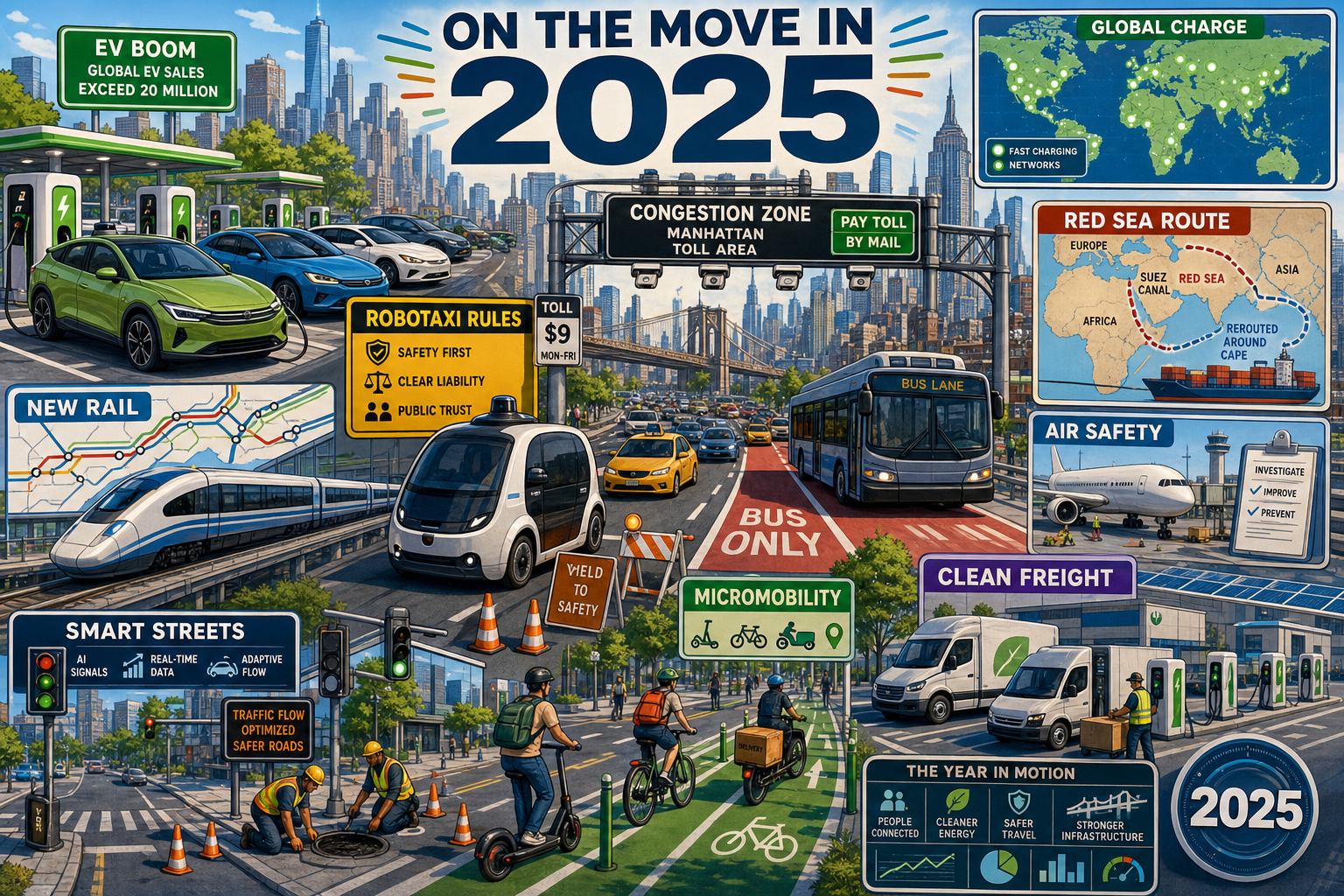
Transportation & Mobility — 2025
2025-01-01

Video Game History — 2025
2025-01-01

Internet Culture Timeline — 2024
2024-01-01

Music Yearbooks — 2024
2024-01-01

News & Culture — 2024
2024-01-01

NFL Super Bowls — 2024
2024-01-01
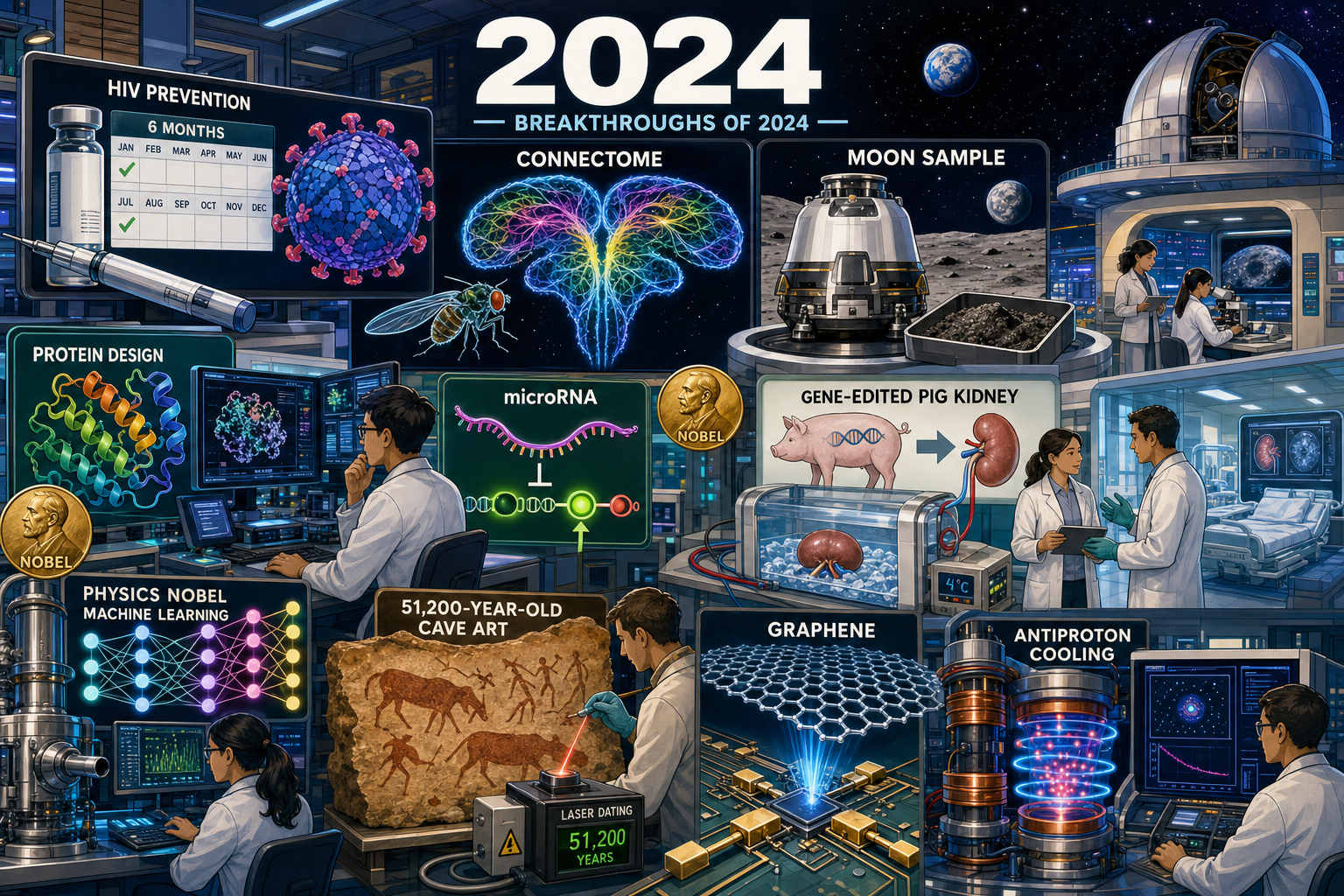
Science Breakthroughs — 2024
2024-01-01