Image Collections
Exoplanets — 17 TOI 715 b
Located within the conservative habitable zone
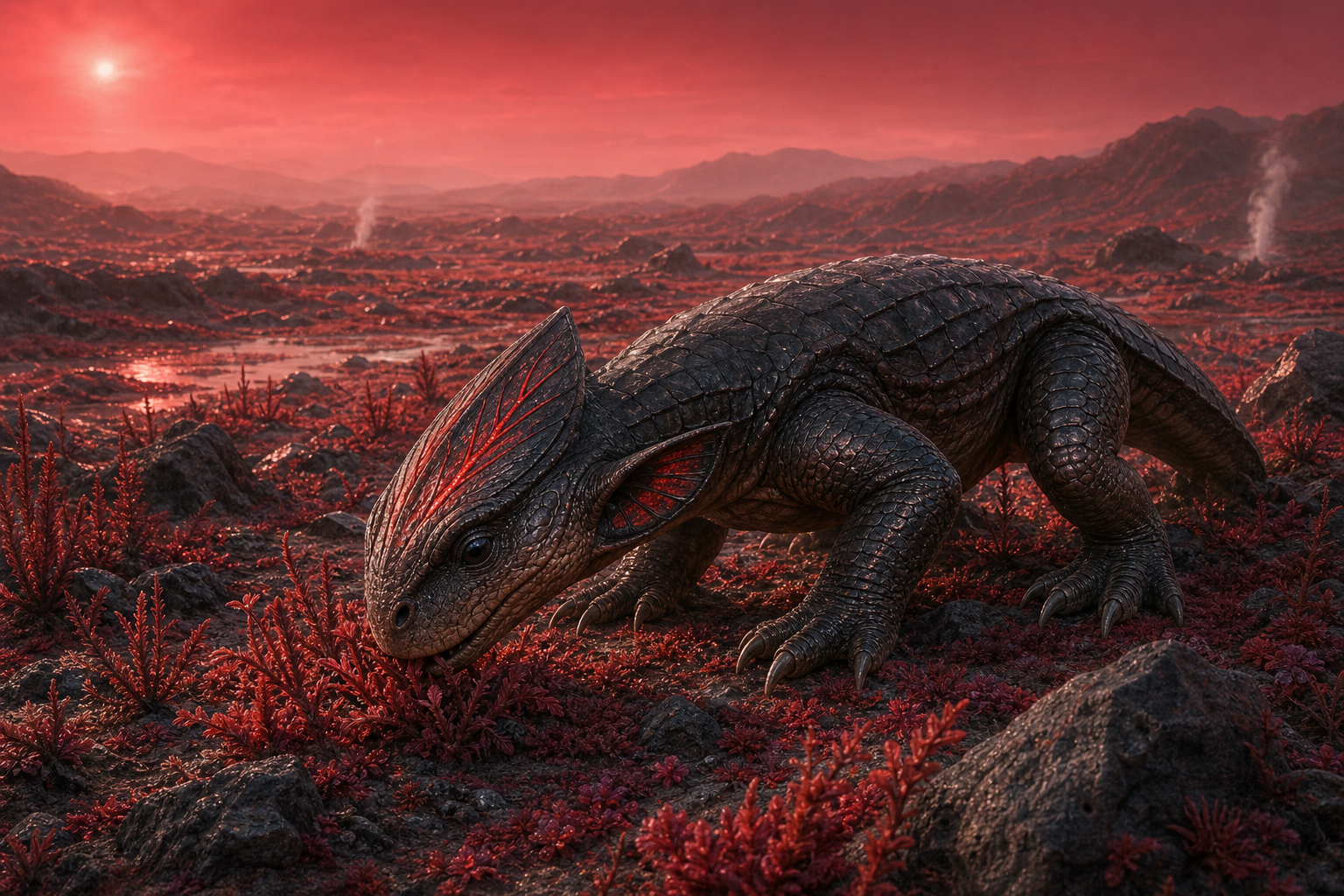
Exoplanets: TOI-715 b
- Planet: TOI-715 b
- Sequence: 17
- Saved image path:
My-Library/Images/Collections/Exoplanets/Images/Exoplanets_17-TOI-715-b.png - Model: built-in gpt-image (recovered from session transcript)
- Generation date: 2026-07-20
Planet Profile
- Planet type: Super-Earth
- Host star: M-type red dwarf
- Radius: ~1.55 Earth radii
- Orbital period: ~19 days
- Located within the conservative habitable zone
- Atmosphere: Unknown
Environment
- Gravity: Slightly higher than Earth
- Light: Dim red illumination
- Surface: Rocky
- Climate: Possibly temperate
- Radiation: Elevated stellar flare exposure possible
Creature Design Direction
Low-profile omnivores with radiation-resistant pigmentation, excellent hearing, and thermal sensing.
Planet / Habitat Depicted
A compact muscular quadruped stands low to the rocky terrain among crimson vegetation under a dim red sky. Dark reflective scales, a thermal-sensing crest, protected low-light eyes, broad feet, and wind-braced posture tie the animal to TOI-715 b's slightly higher gravity, red-dwarf illumination, and possible flare exposure.
Sources
- Data provided in the collection plan (
Prompts/generate-exoplanets-collection.md); measurements are from published exoplanet catalogs. No web research performed for this collection.
Final Prompt Used
Use case: scientific-educational
Asset type: exoplanet natural-history field-guide creature illustration
Primary request: Create a scientifically plausible alien creature from TOI-715 b.

Core description from the collection plan: A compact alien omnivore from TOI-715 b, rocky habitable-zone world around a red dwarf, muscular quadruped, dark reflective scales, infrared sensing crest, standing among crimson vegetation beneath a red sky, scientific wildlife illustration.

Planet profile and environment to depict: TOI-715 b is a Super-Earth around an M-type red dwarf, radius about 1.55 Earth radii, orbital period about 19 days, located within the conservative habitable zone, atmosphere unknown. Gravity is slightly higher than Earth, light is dim red illumination, surface is rocky, climate possibly temperate, with elevated stellar flare exposure possible.

Creature design direction: low-profile omnivore with radiation-resistant pigmentation, excellent hearing, and thermal sensing. Its body should be compact, muscular, broad-footed, close to the ground, and adapted to slightly higher gravity. Use dark reflective scale plates, a heat-sensing crest, protected low-light eyes, mobile ear-like sensory membranes, strong shoulders, and clawed feet for rocky terrain. Avoid humanoid anatomy.

Requirements:
- Body plan reflects slightly higher gravity; sensory organs reflect dim red-dwarf light and thermal sensing; skin and scales reflect possible flare exposure and temperate rocky climate; locomotion fits rock and crimson vegetation.
- Depict the planet as well as the creature: rocky surface, red sky, dim red illumination, thin atmospheric haze, crimson vegetation analogues, rugged horizon, scattered basalt stones, wind-shaped low plants, and habitat features described above.
- Make creature and environment feel physically connected: feet gripping rock, crushed red ground-cover plants, faint footprints in dust, wind posture, sniffing or foraging behavior among crimson vegetation.
- Use a surface-level habitat view. Do not show the planet itself as a separate sphere in the sky; do not add unexplained moons or extra planets.
- Show the creature in its natural habitat with enough space in the frame to read the world around it.
- Style: natural-history field-guide illustration, realistic scientific/anatomical detail, documentary lighting, one unified scene.
- Composition: 3:2 wide landscape; balance a clear creature portrait with a readable planetary landscape. Do not crop so tightly that the world is reduced to a blurred background.
- No text or labels baked into the image. No official logos, no photorealistic real people.
More from Image Collections
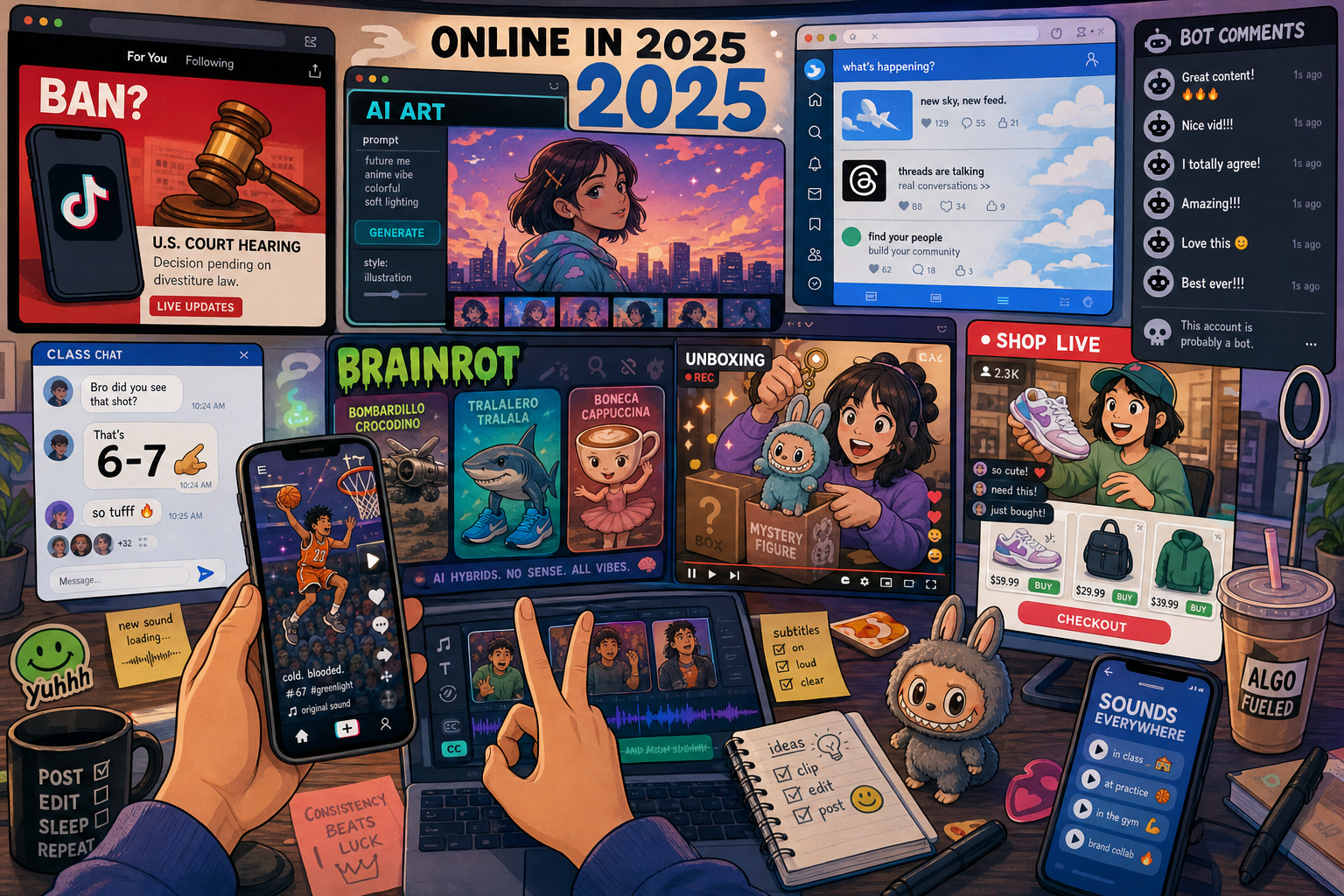
Internet Culture Timeline — 2025
2025-01-01
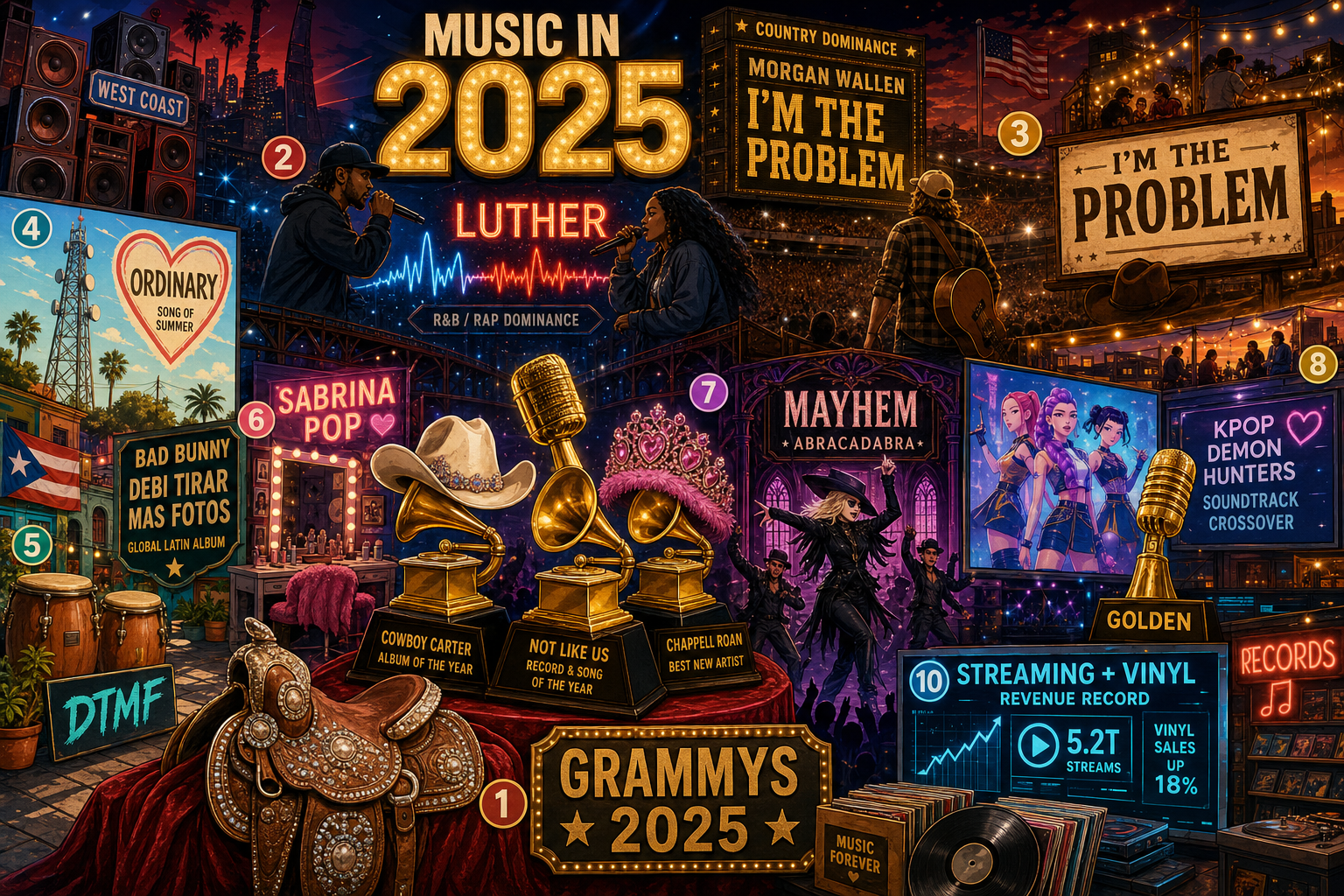
Music Yearbooks — 2025
2025-01-01

News & Culture — 2025
2025-01-01

NFL Super Bowls — 2025
2025-01-01
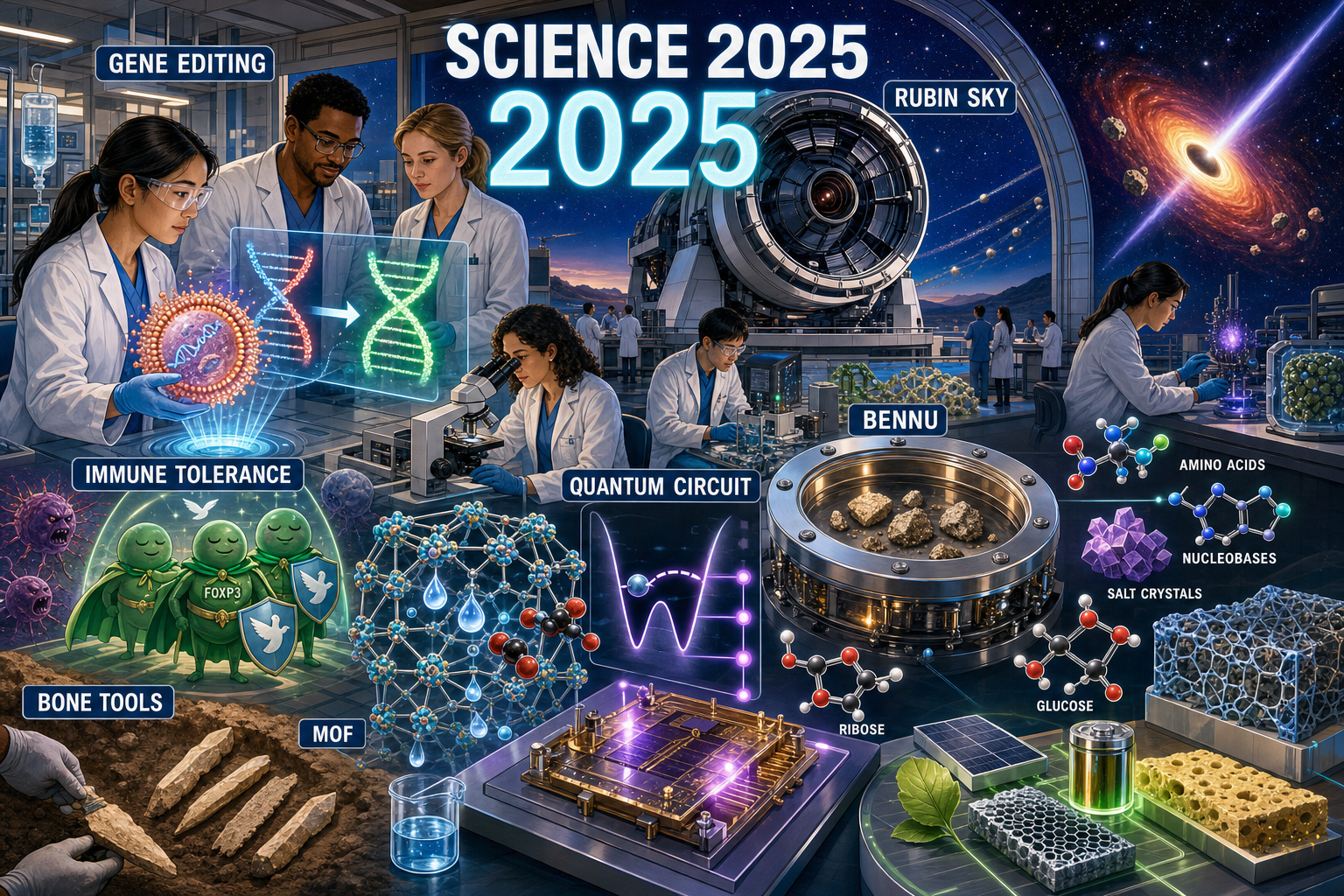
Science Breakthroughs — 2025
2025-01-01
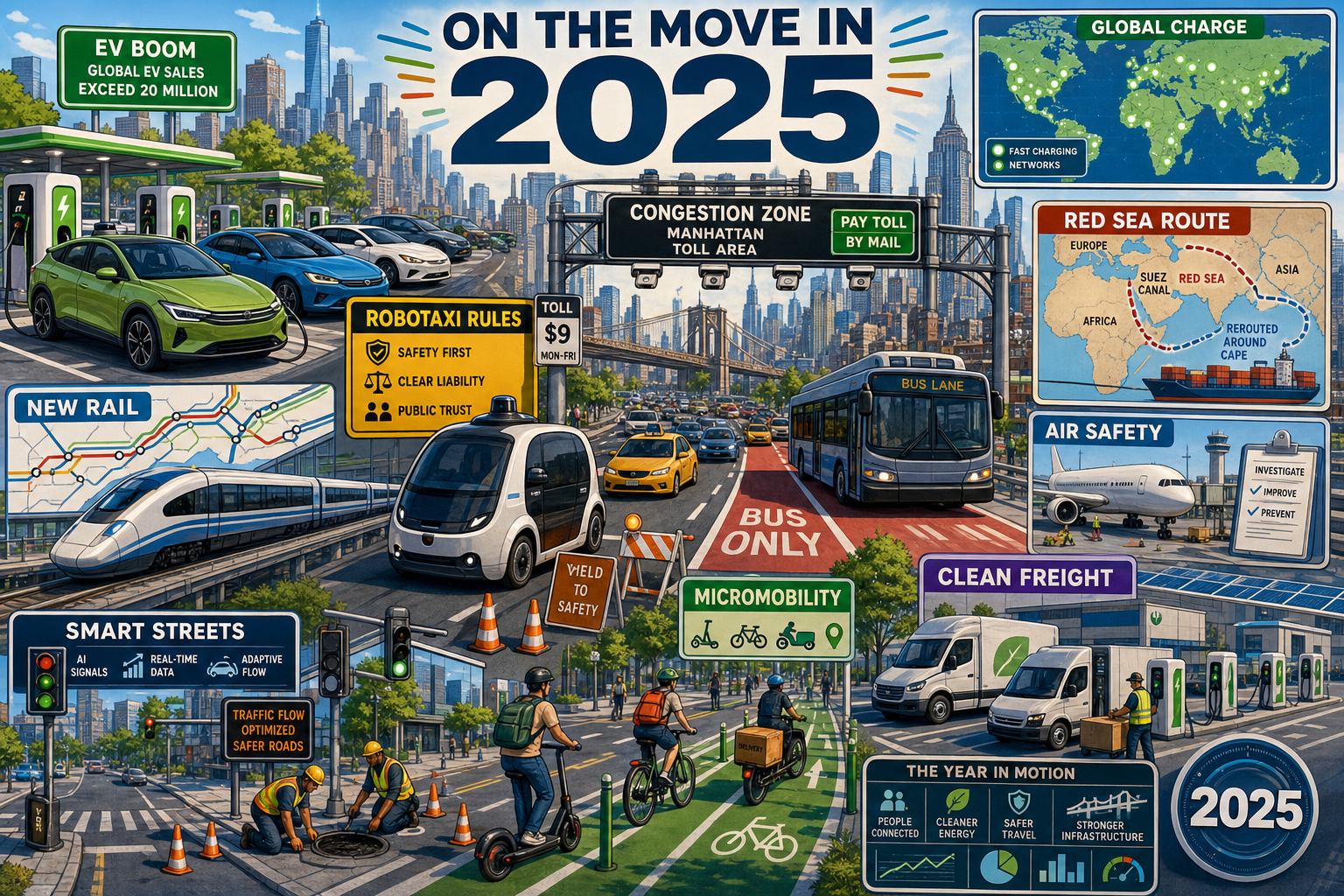
Transportation & Mobility — 2025
2025-01-01

Video Game History — 2025
2025-01-01
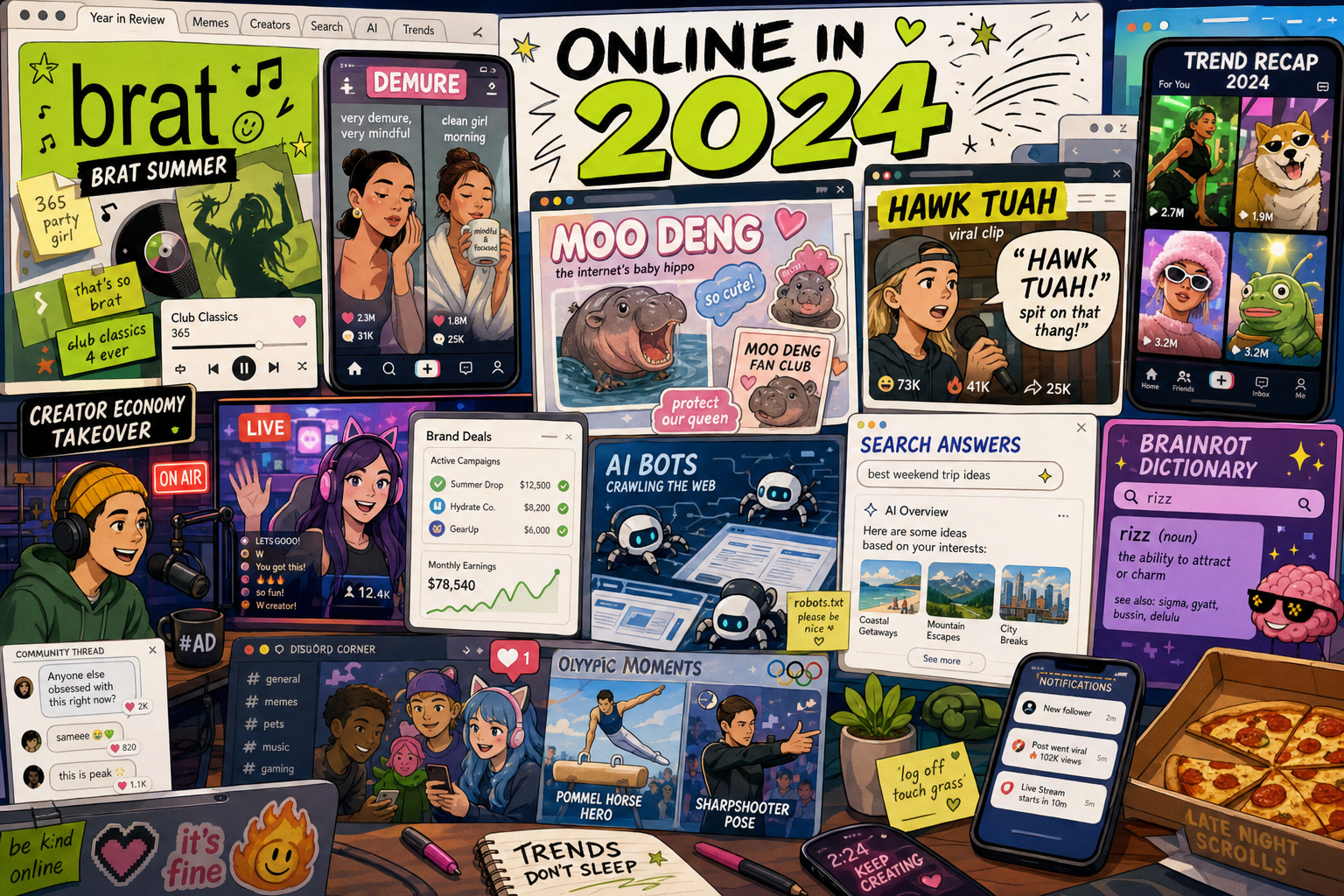
Internet Culture Timeline — 2024
2024-01-01
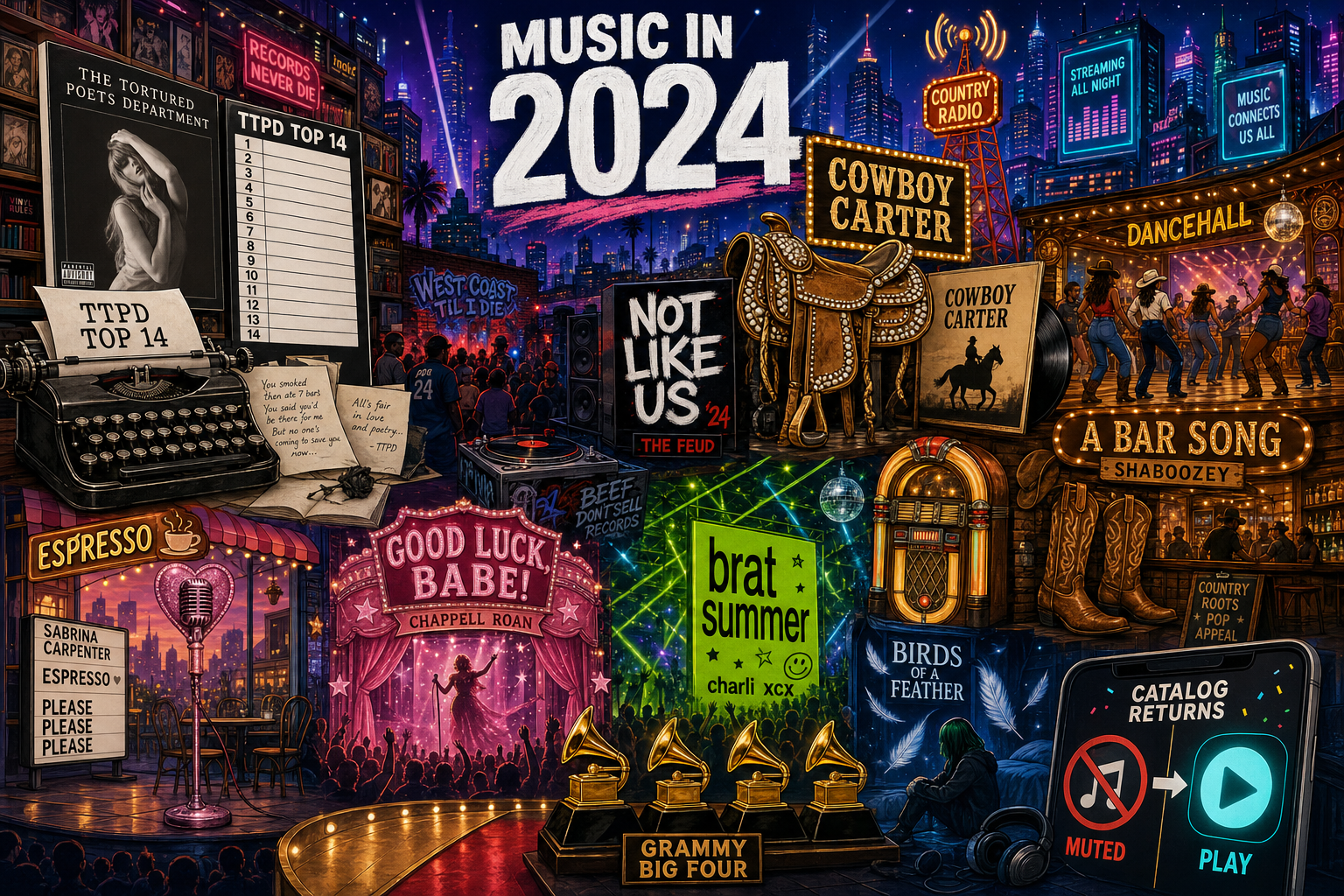
Music Yearbooks — 2024
2024-01-01
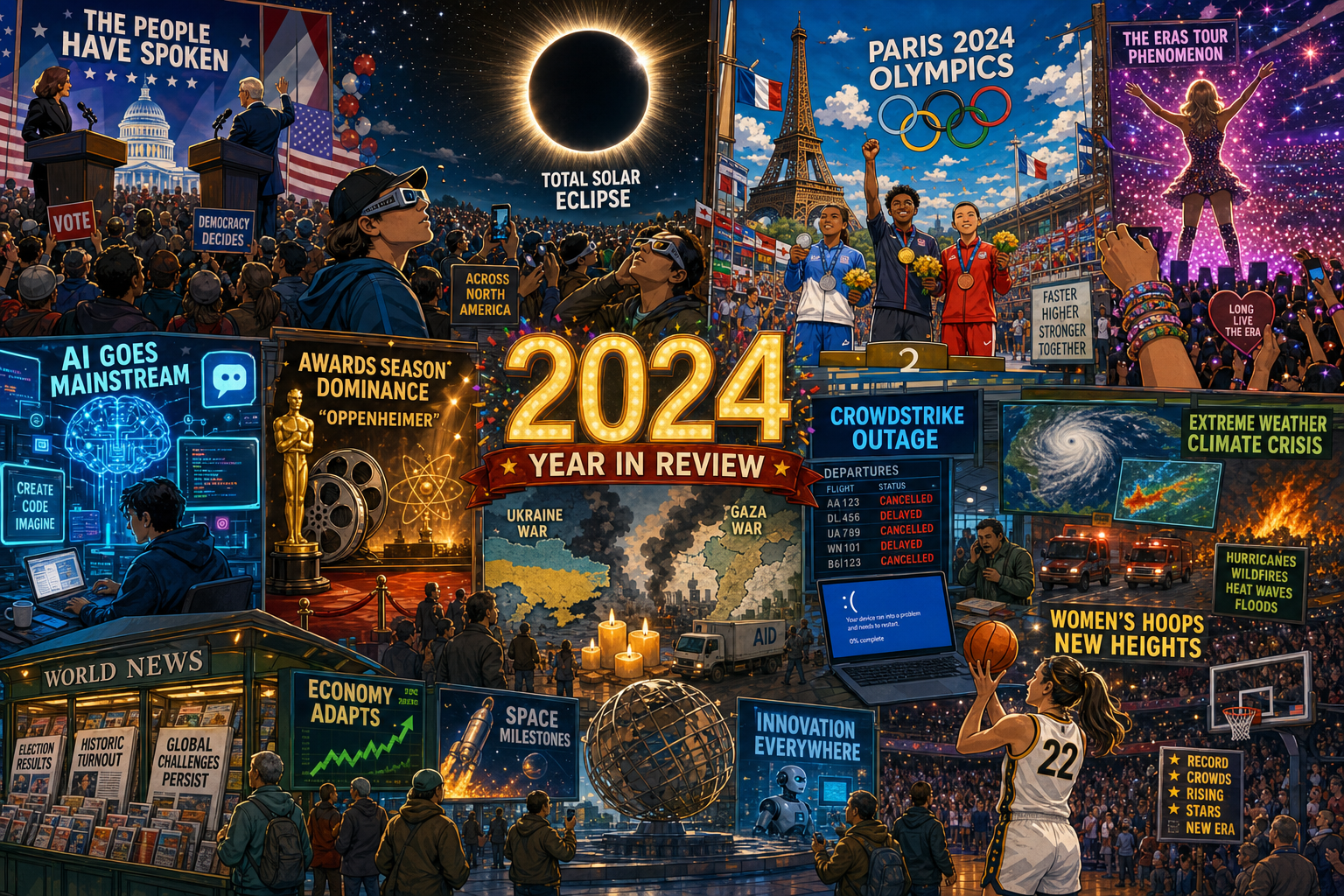
News & Culture — 2024
2024-01-01
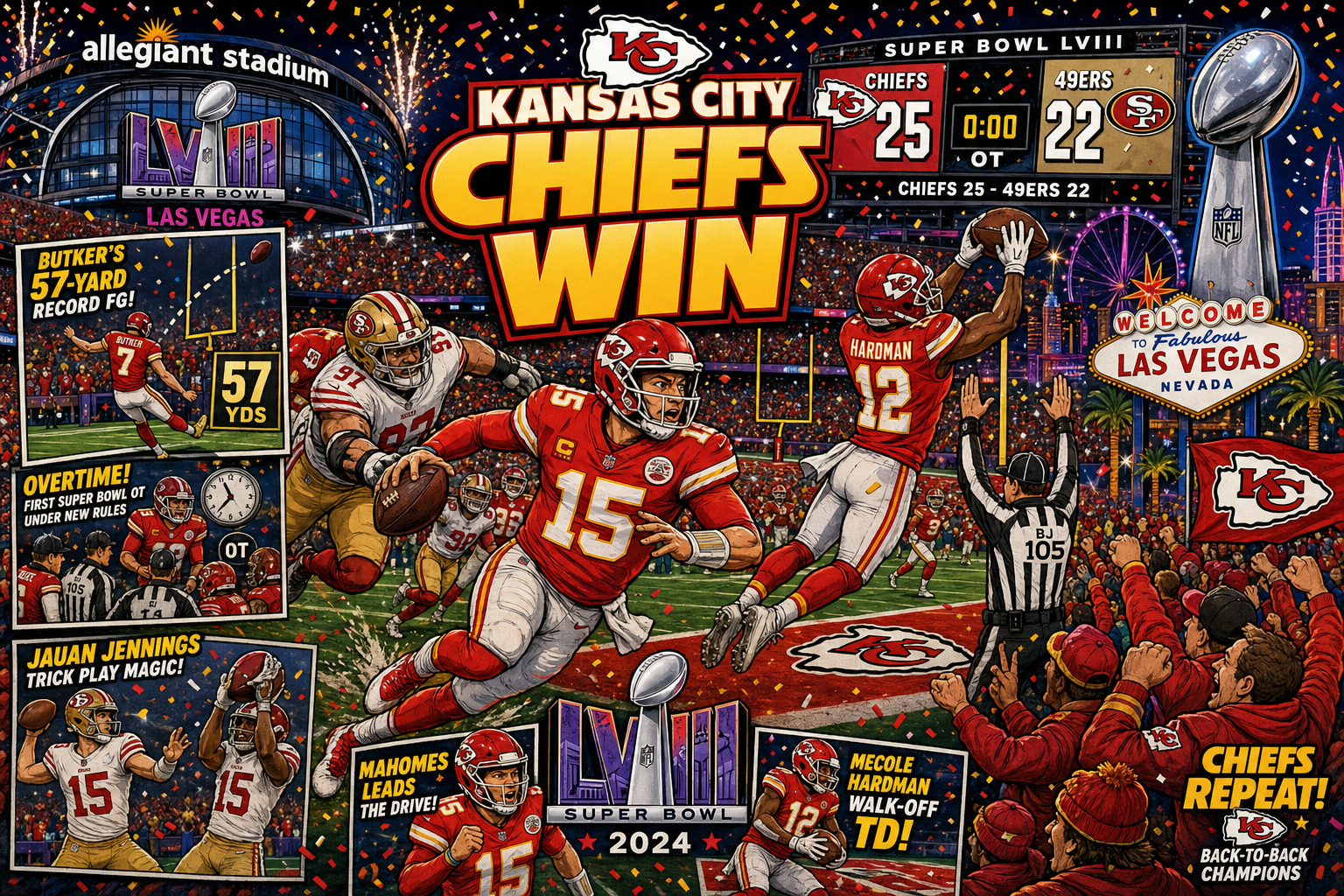
NFL Super Bowls — 2024
2024-01-01
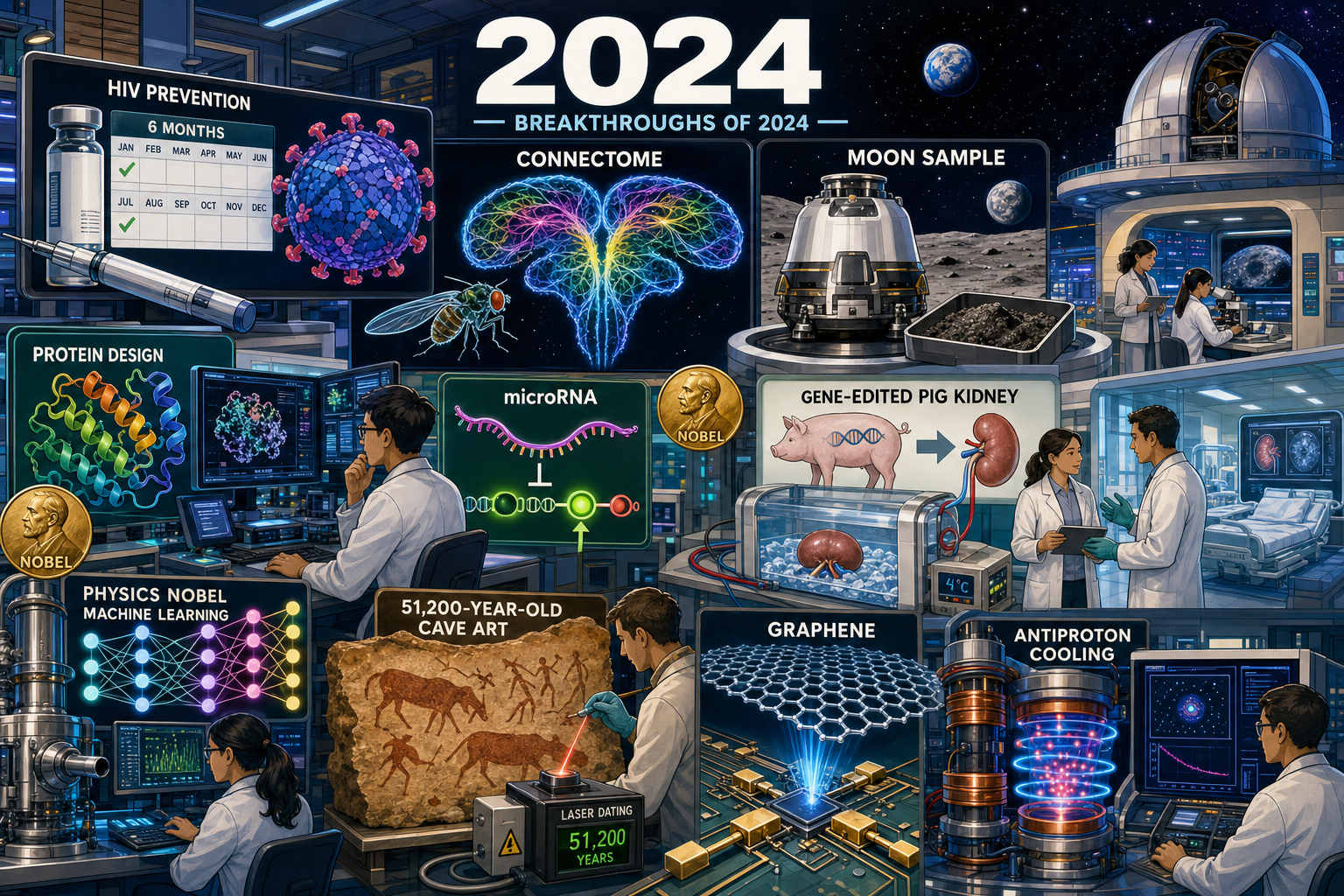
Science Breakthroughs — 2024
2024-01-01