Image Collections
Exoplanets — 25 TOI 1452 b
Strong candidate for a deep global ocean world
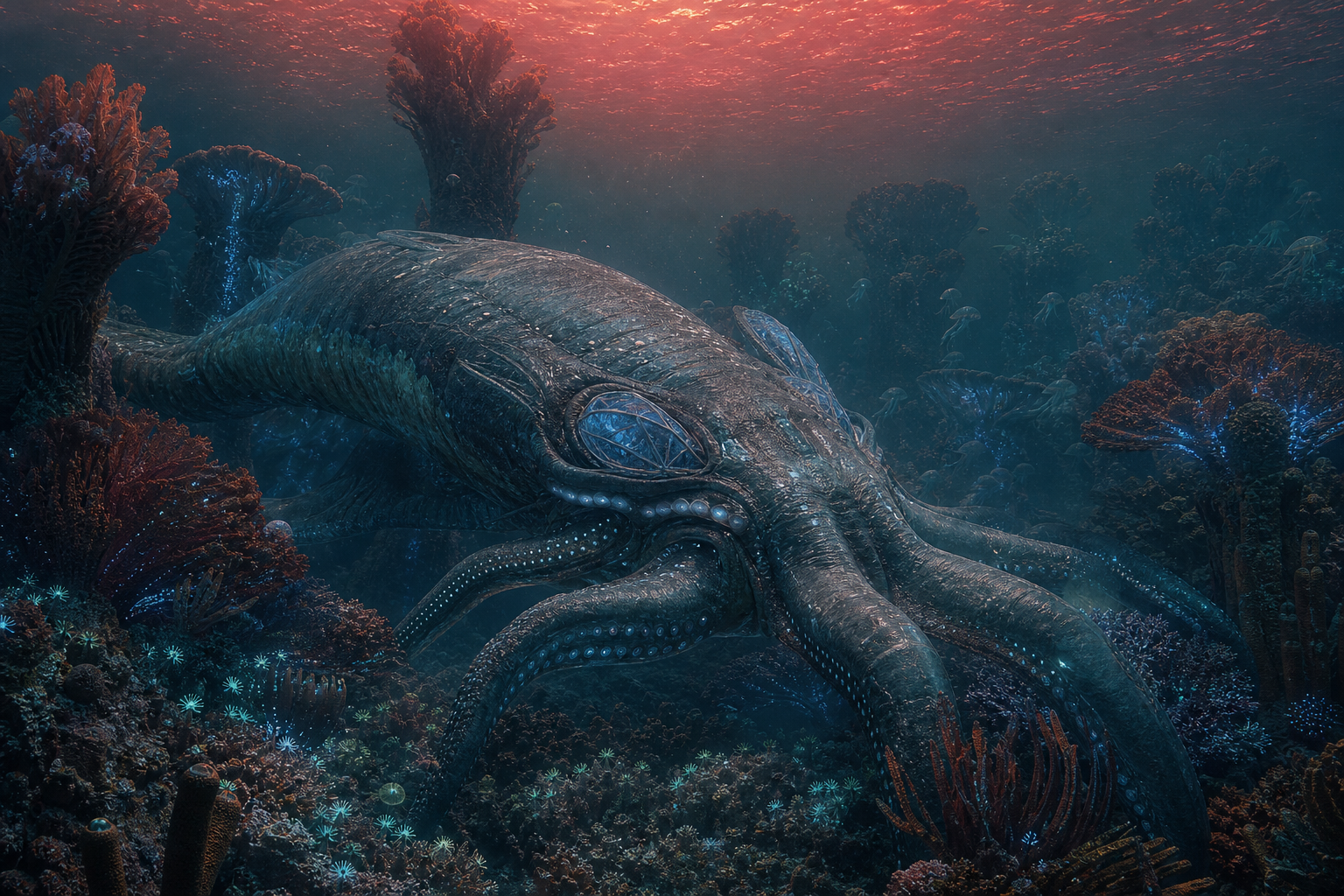
Exoplanets: TOI-1452 b
- Planet: TOI-1452 b
- Sequence: 25
- Saved image path:
My-Library/Images/Collections/Exoplanets/Images/Exoplanets_25-TOI-1452-b.png - Model: built-in gpt-image
- Generation date: 2026-07-23
Planet Profile
- Planet type: Super-Earth
- Host star: Binary M-dwarf system
- Radius: ~1.67 Earth radii
- Estimated mass: ~5 Earth masses
- Strong candidate for a deep global ocean world
- Atmosphere: Unknown
Environment
- Gravity: Approximately 1.7–2.0g
- Surface: Potentially covered by a global ocean
- Climate: Cool to temperate
- Light: Soft red illumination from its host stars
Creature Design Direction
Gigantic deep-ocean filter feeders, intelligent cephalopod analogues, floating colonial organisms, and bioluminescent reef ecosystems adapted to immense water pressure.
Planet / Habitat Depicted
A colossal, compact cephalopod analogue moves through a deep blue-green global ocean beneath soft red surface light. Its pressure-resistant mantle, powerful tentacles, crystalline sensory organs, and bioluminescent markings are surrounded by towering coral-like forests, smaller drifting organisms, suspended particles, and a living reef on the seafloor.
Sources
- Data provided in the collection plan (
Prompts/generate-exoplanets-collection.md); measurements are from published exoplanet catalogs. No web research performed for this collection.
Final Prompt Used
Create a scientifically plausible alien creature from TOI-1452 b. A colossal intelligent cephalopod-like alien from TOI-1452 b, deep global ocean beneath red dwarf light, immense pressure-resistant body, glowing bioluminescent tentacles, crystalline sensory organs, swimming through towering alien coral forests, ultra-realistic scientific natural history illustration.

Requirements:
- Planet profile: super-Earth in a binary M-dwarf system, radius approximately 1.67 Earth radii, estimated mass approximately 5 Earth masses, strong candidate for a deep global ocean world, atmosphere unknown.
- Environment: approximately 1.7–2.0g gravity, potentially global ocean, cool to temperate climate, soft red illumination from its host stars filtering through the water.
- Body plan visibly reflects high gravity and immense water pressure: broad, compact, muscular mantle; thick pressure-resistant tissues; powerful low-profile tentacles rather than delicate trailing limbs; stable controlled swimming. Crystalline sensory organs and bioluminescent signaling imply intelligence and adaptation to dim red underwater light.
- Depict the planet as well as the creature: an expansive deep global ocean, dark blue-green water, soft red light filtering from the distant surface, suspended particles, pressure haze, a readable seafloor horizon, towering alien coral-like forests, floating colonial organisms, and bioluminescent reef ecosystems.
- Creature and habitat physically connected: tentacles gently brace against coral structures, currents bend reef fronds, displaced water and sediment show its immense scale, smaller filter-feeding organisms provide scale.
- Surface-level or habitat-level underwater view only. Do not show the planet as a separate sphere, and do not add moons, extra planets, spacecraft, divers, ruins, or technology.
- Avoid humanoid anatomy and fantasy-monster styling.
- Style: natural-history field-guide image, realistic scientific/anatomical illustration, ultra-detailed documentary lighting, NASA-meets-natural-history-museum speculative astrobiology, one unified scene.
- Composition: exact 3:2 wide landscape, 1536×1024 intent; balance a clear full creature portrait with a readable planetary ocean habitat; wide enough to understand the world, not a tight crop.
- No text or labels baked into the image. No logos, no real people, no border, no watermark.
More from Image Collections
Internet Culture Timeline — 2025
2025-01-01
Music Yearbooks — 2025
2025-01-01

News & Culture — 2025
2025-01-01

NFL Super Bowls — 2025
2025-01-01
Science Breakthroughs — 2025
2025-01-01
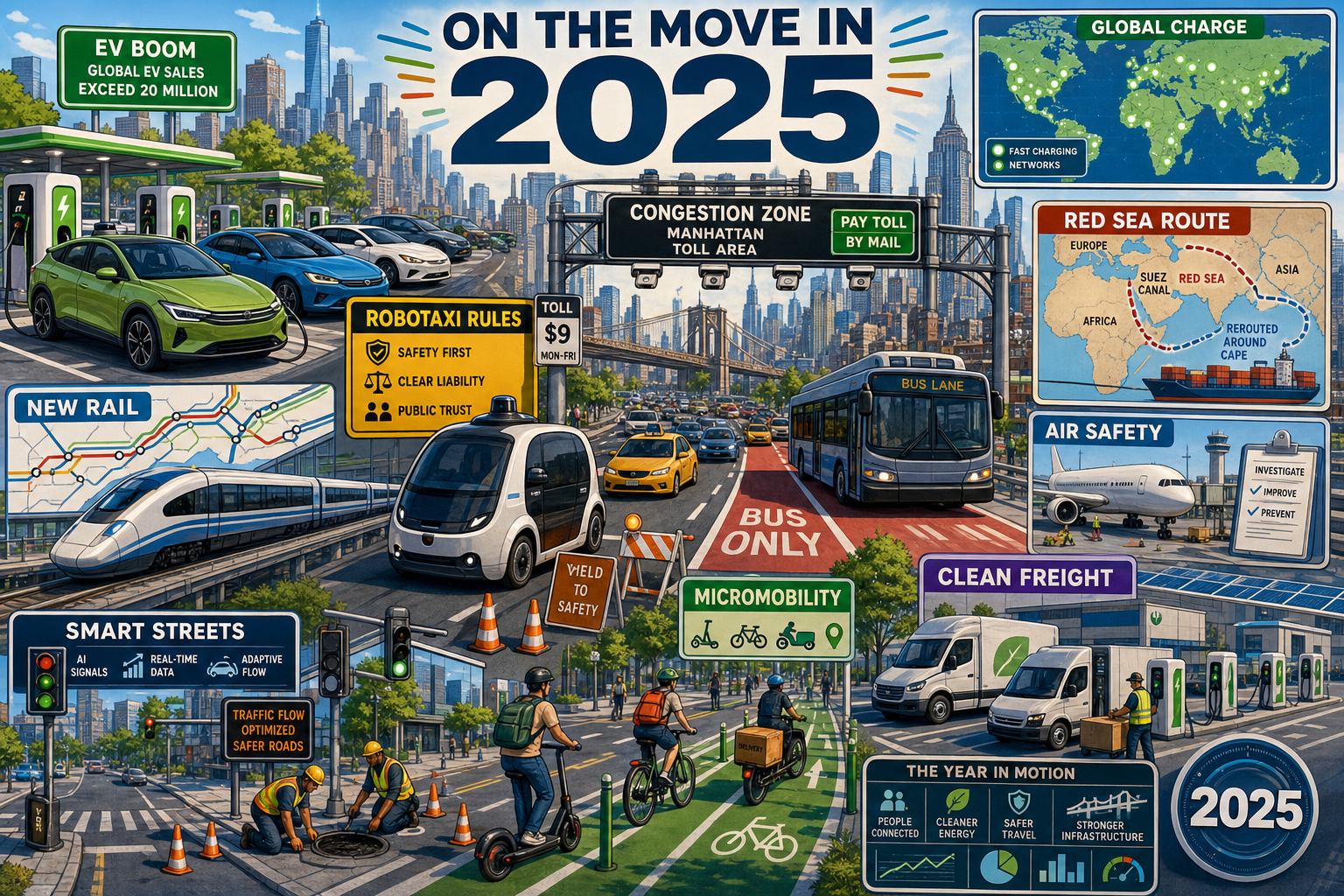
Transportation & Mobility — 2025
2025-01-01
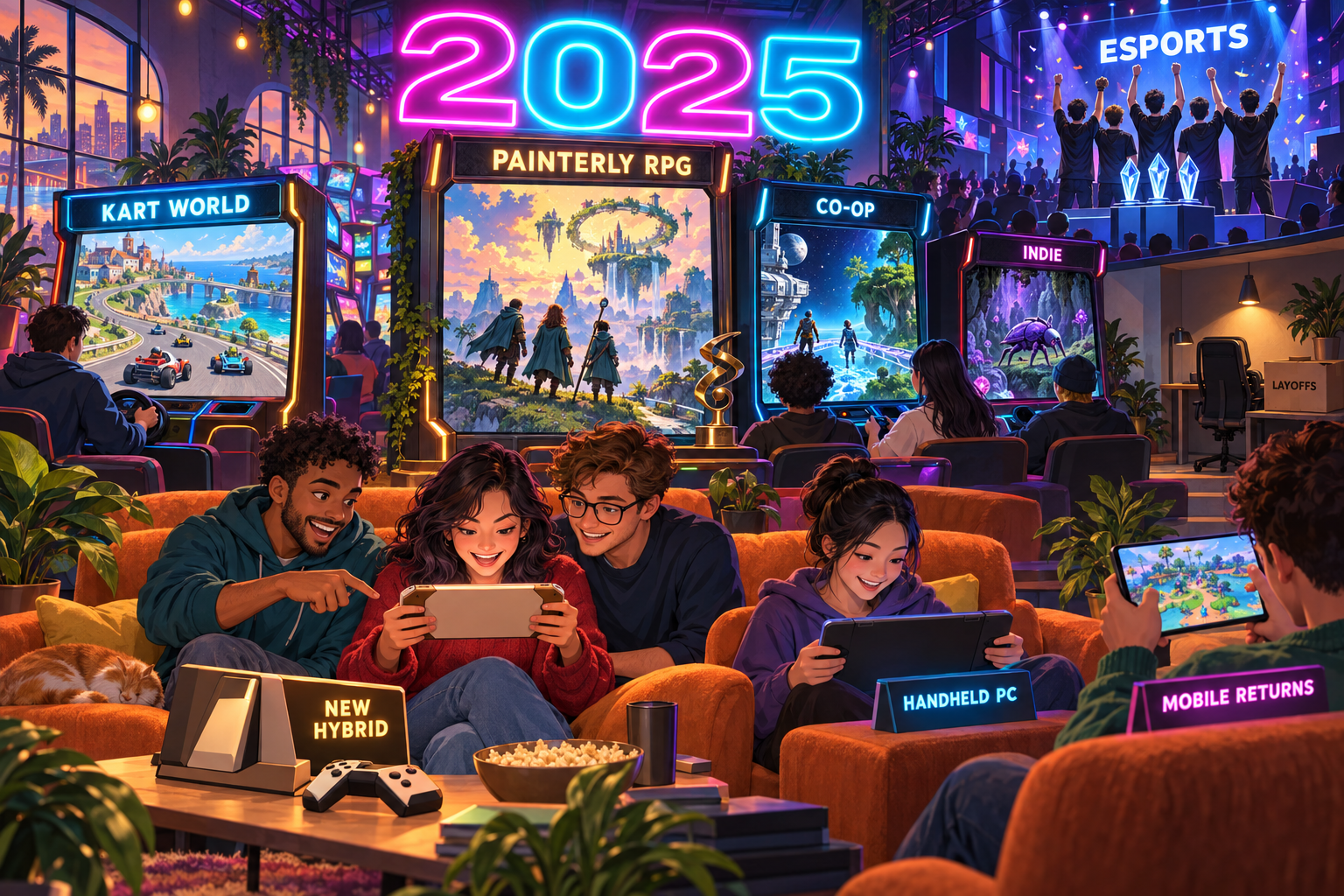
Video Game History — 2025
2025-01-01
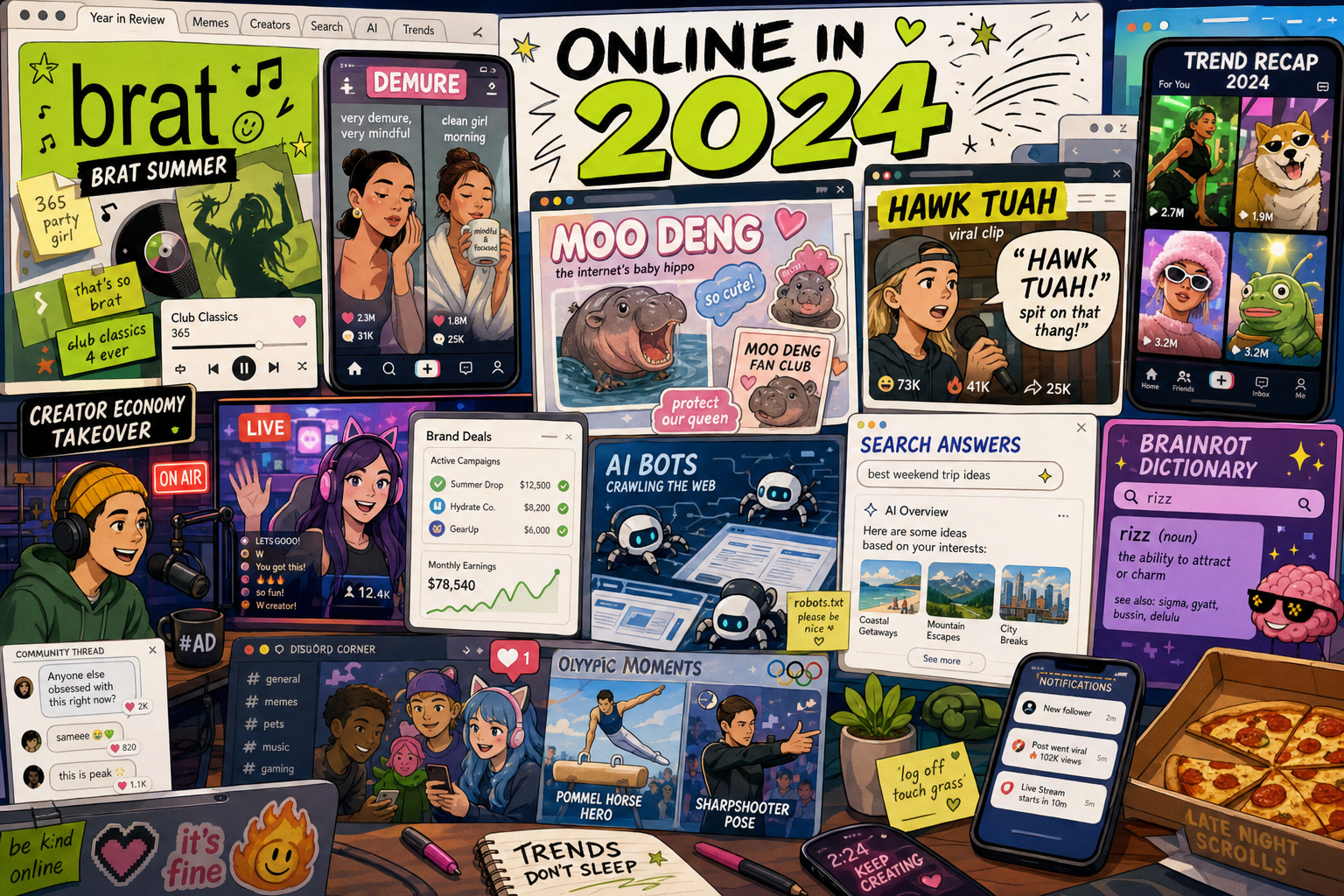
Internet Culture Timeline — 2024
2024-01-01
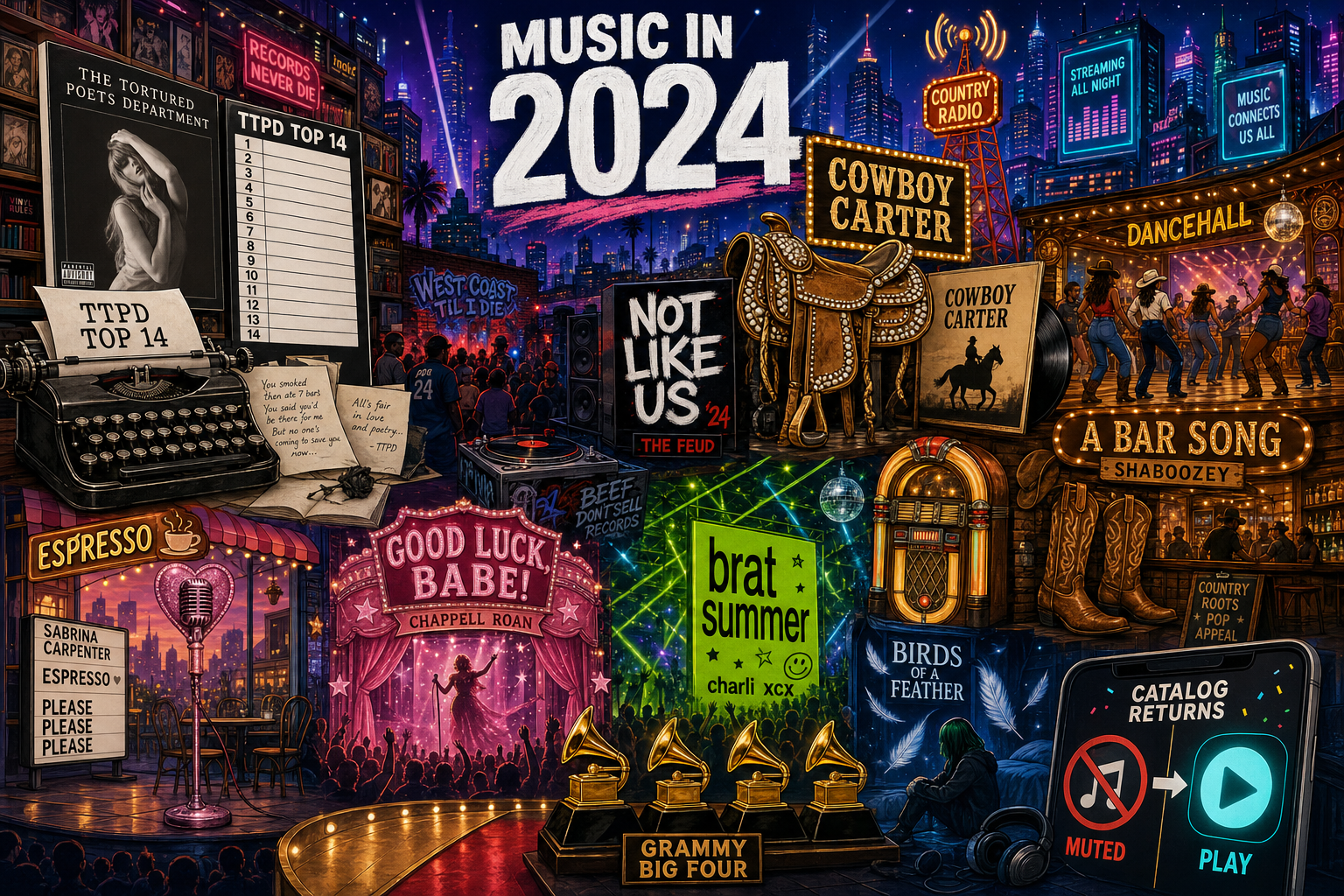
Music Yearbooks — 2024
2024-01-01
News & Culture — 2024
2024-01-01

NFL Super Bowls — 2024
2024-01-01
Science Breakthroughs — 2024
2024-01-01