Image Collections
Technology Milestones — 34 GPS
Era / approximate date: U.S. NAVSTAR development from the 1970s, first satellite in 1978, global operational service in the 1990s, and major civilian-accuracy shift in 2000.
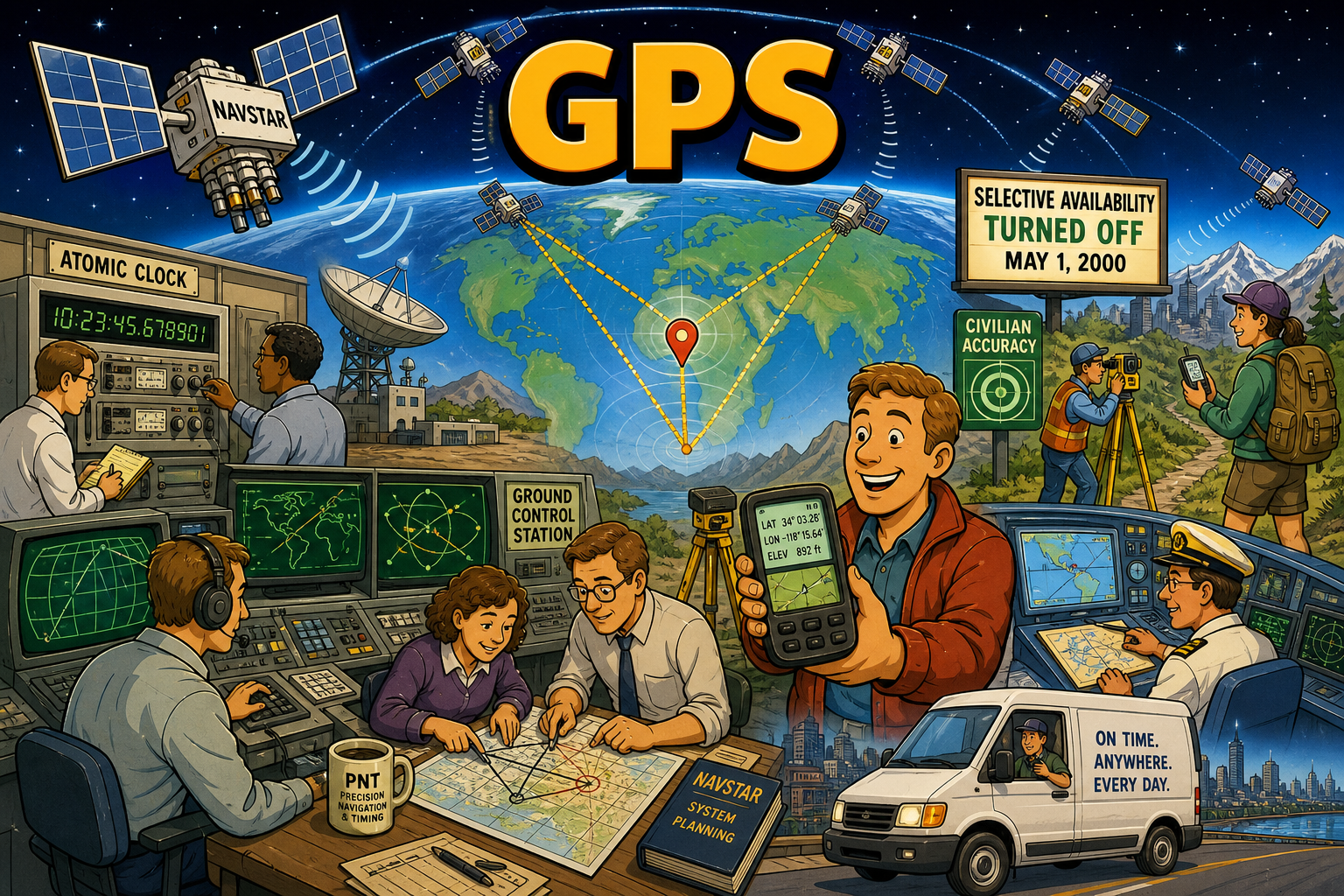
Technology Milestones: GPS
- Sequence number: 34
- Milestone slug:
GPS - Milestone name: Global Positioning System
- Era / approximate date: U.S. NAVSTAR development from the 1970s, first satellite in 1978, global operational service in the 1990s, and major civilian-accuracy shift in 2000.
- Saved image path:
My-Library/Images/Collections/Technology-Milestones/Images/Technology-Milestones_34-GPS.png - Model: built-in gpt-image (recovered from session transcript)
- Generation date: 2026-07-07
Why It's A Milestone
GPS made precise satellite positioning and timing available globally, transforming navigation, surveying, logistics, emergency response, mobile maps, finance timing, and everyday location-aware computing.
Key Visual Elements
- NAVSTAR satellite constellation arcing across a map-like sky.
- Engineers working with atomic-clock timing, CRT terminals, and orbit tracks.
- Ground-control station and four-satellite triangulation geometry.
- Civilians using handheld navigation after high-accuracy public signals became available.
- Survey tripod, ship navigation, hiker, and delivery route cues showing broad civilian impact.
Sources
- https://www.nasa.gov/general/global-positioning-system-history/
- https://aerospace.org/article/brief-history-gps
- https://space.commerce.gov/selective-availability-feature-eliminated-from-gps-iii-satellites/
- https://odimpact.org/case-united-states-opening-gps-data-for-civilian-use.html
- https://www.engineering.org.cn/engi/EN/10.1016/j.eng.2021.02.001
Final Prompt Used
Use case: illustration-story
Asset type: technology-milestone cartoon collection entry
Primary request: Create a clean, friendly cartoon editorial illustration for the Technology Milestones "GPS" entry, depicting Global Positioning System satellite navigation becoming a world-changing technology, with people using, building, and discovering satellite-based positioning.

Historical setting: late Cold War to early civilian GPS era, United States defense aerospace lab and everyday navigation world, approximately 1978-2000. Show an era-appropriate environment with researched architecture, clothing, tools, materials, and props: NAVSTAR satellite model, orbital constellation diagram, atomic clock timing bench, engineers at CRT terminals and paper maps, ground-control consoles, handheld GPS receiver, survey tripod, ship navigator, delivery van and hiker using map coordinates.

Subject: combine these visual elements into one unified scene: a stylized GPS satellite constellation arcing across the sky, engineers aligning timing signals from atomic clocks, a ground-control station with orbit tracks, civilians using handheld navigation after Selective Availability is turned off, and a world map with triangulation lines from four satellites. Keep the human figures expressive, active, and central to the moment.

Embedded title text: include a short, bold, correctly spelled title naming the milestone: "GPS". The title must be readable at web thumbnail size.

Optional labels: a few short readable labels on props are allowed: "NAVSTAR", "ATOMIC CLOCK", "SATELLITE SIGNAL", "CIVILIAN ACCURACY". No long captions, no fake paragraphs, no sequence numbers.

Style/medium: clean, friendly cartoon / editorial illustration, bold confident outlines, flat-to-soft cel shading, warm expressive characters, simple readable shapes, magazine-quality cartoon art. One unified scene, not a grid of panels or a sticker collage.

Composition/framing: wide 3:2 landscape image with foreground human activity, midground invention/breakthrough, and background era context. Make GPS recognizable at web thumbnail size: satellites, map pins, timing waves, and triangulation geometry.

Lighting/mood: bright, optimistic, and era-appropriate, with lab glow, satellite signal arcs, daylight outside, and a sense of precise global coordination.

Color palette: varied and era-grounded: aerospace whites, map greens and ocean blues, CRT green, warm lab tan, orange signal accents, and dark space blue. Avoid a one-note palette.

Text constraints: embedded title and labels must be short, high-contrast, and correctly spelled. No long captions, no modern signage that does not fit the era.

Avoid: photorealism, official modern logos, exact brand/product trademarks, photorealistic real-person likenesses, copyrighted characters, gore, disconnected symbol collage, unreadable tiny labels, and generic stock clip-art look. Generic/stylized cues for agencies and people are fine.
More from Image Collections

Internet Culture Timeline — 2025
2025-01-01

Music Yearbooks — 2025
2025-01-01
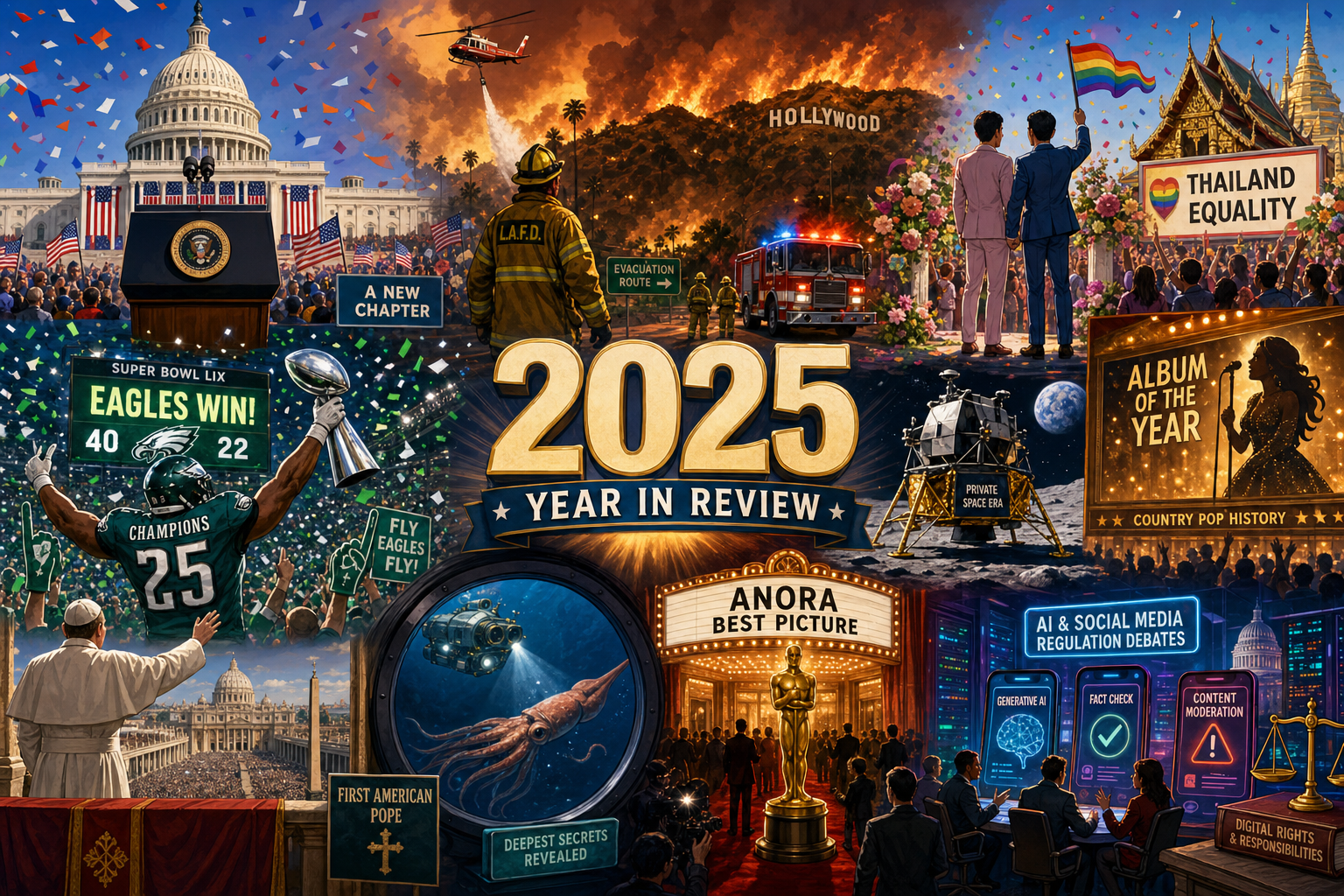
News & Culture — 2025
2025-01-01

NFL Super Bowls — 2025
2025-01-01

Science Breakthroughs — 2025
2025-01-01

Transportation & Mobility — 2025
2025-01-01

Video Game History — 2025
2025-01-01

Internet Culture Timeline — 2024
2024-01-01
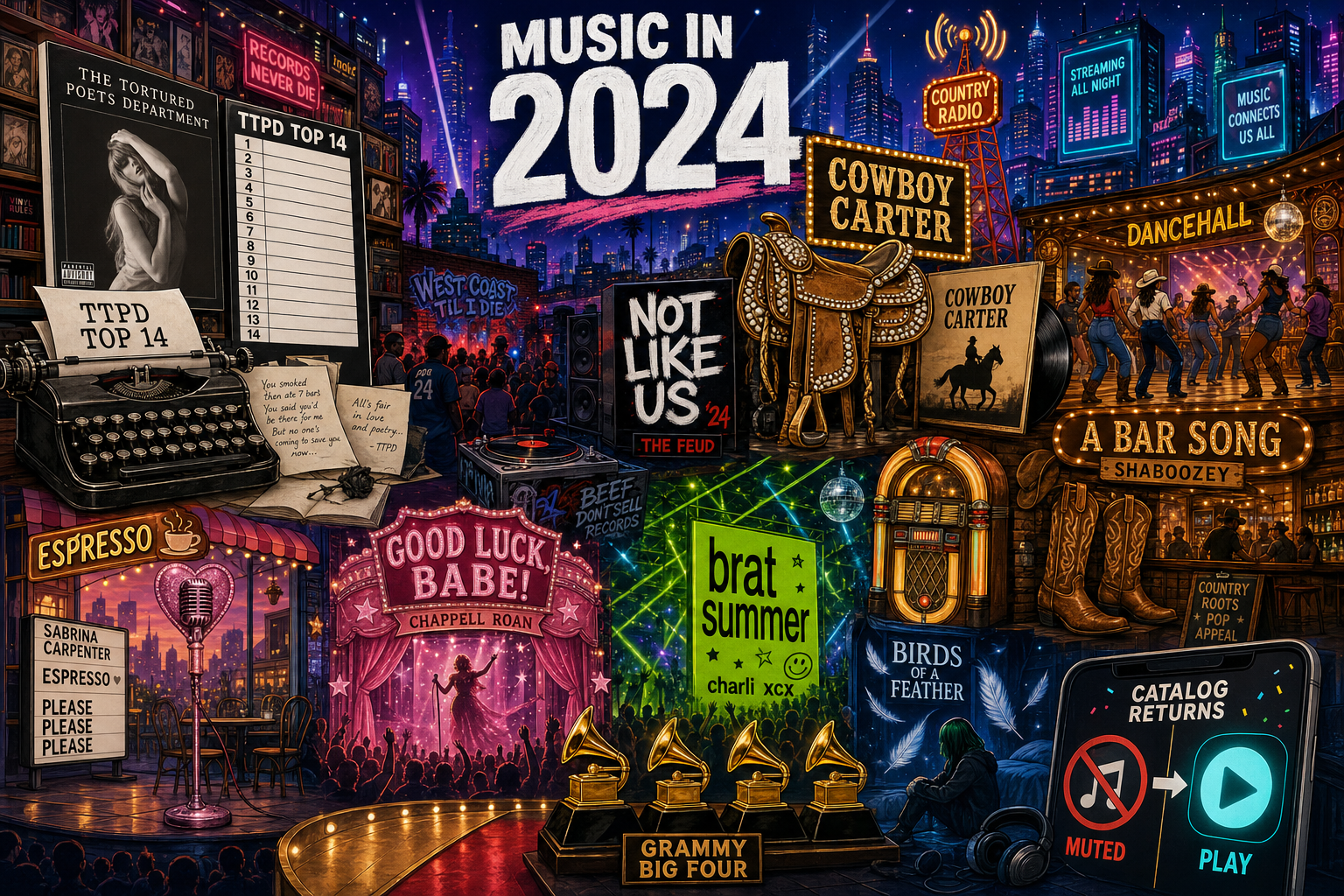
Music Yearbooks — 2024
2024-01-01
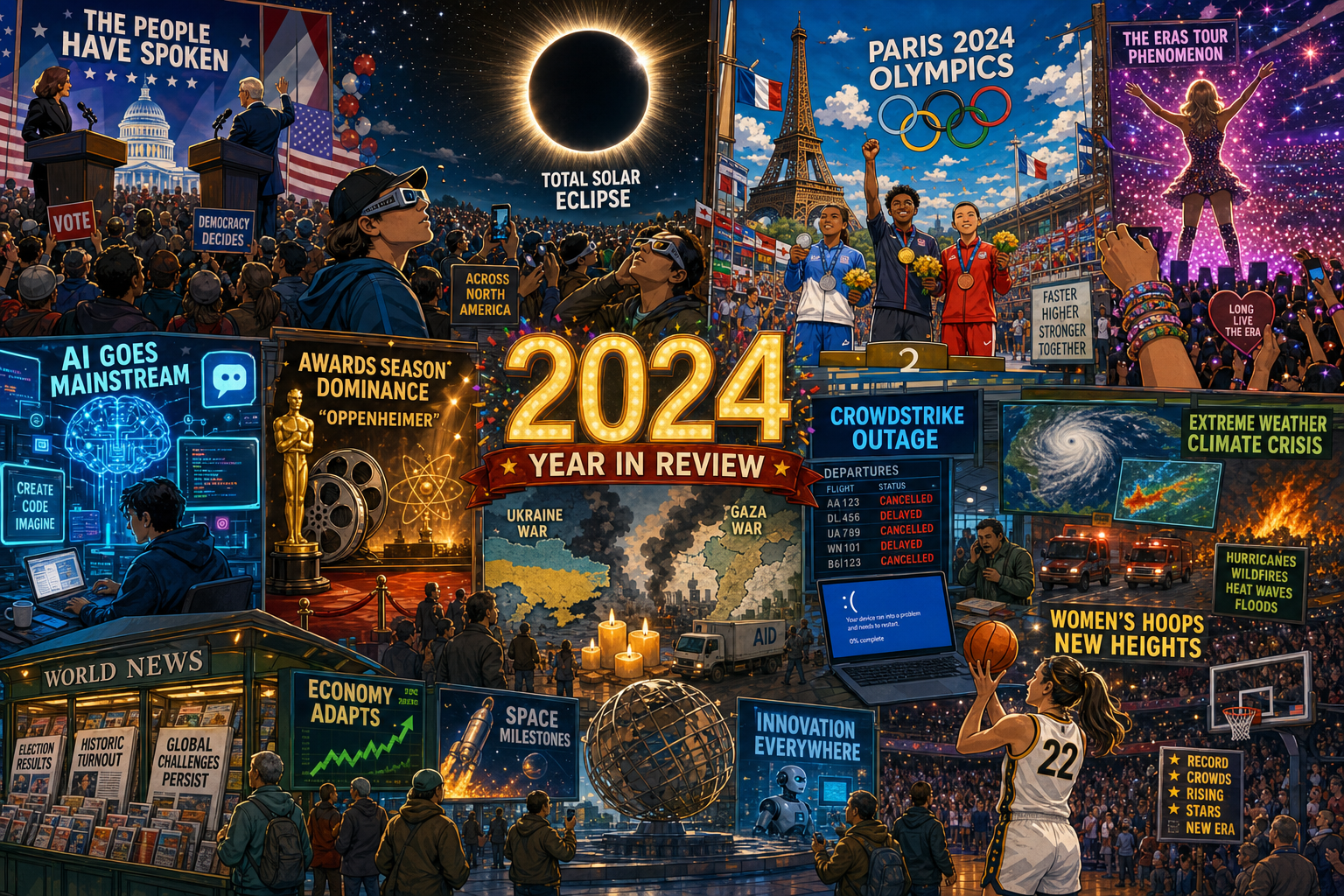
News & Culture — 2024
2024-01-01
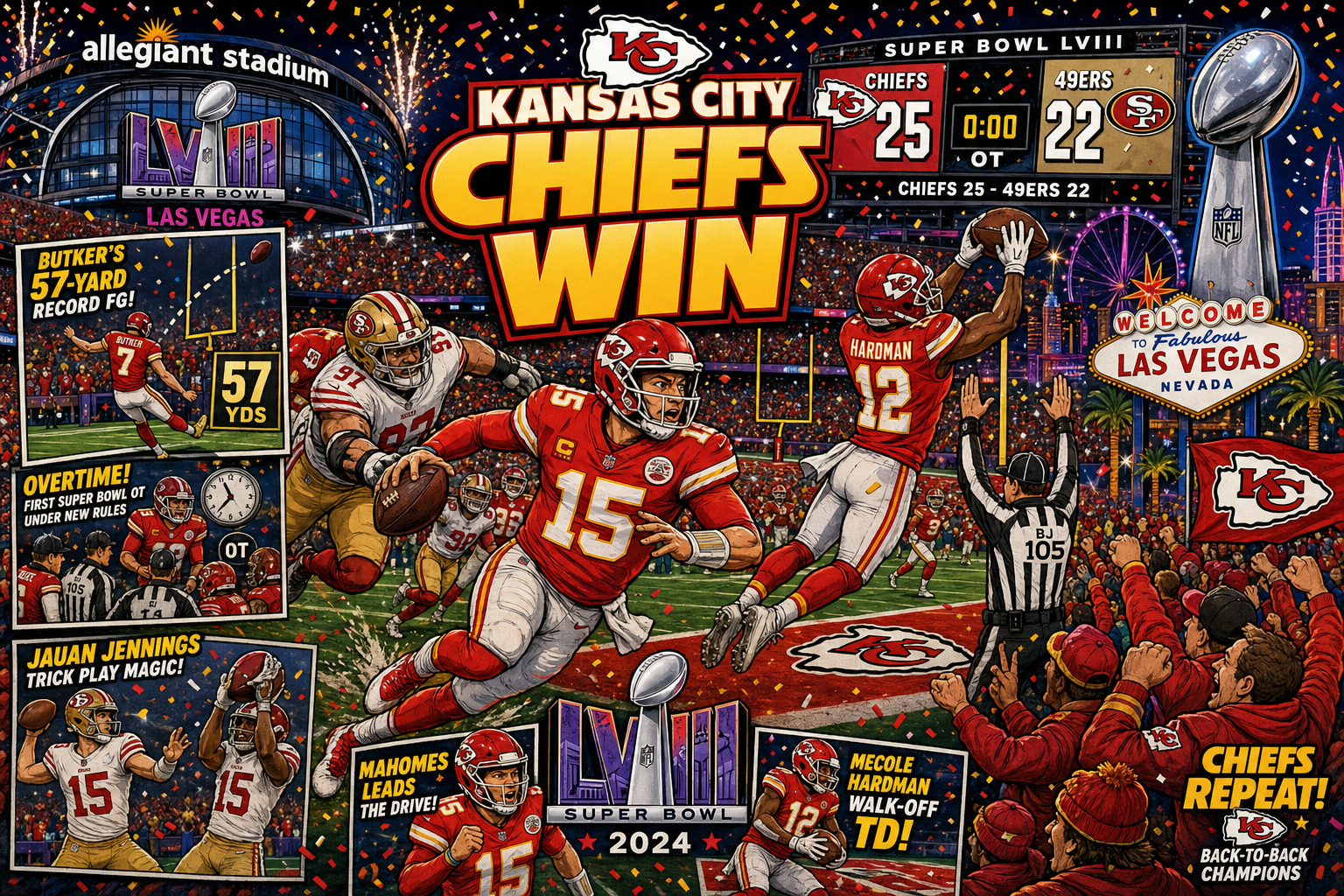
NFL Super Bowls — 2024
2024-01-01
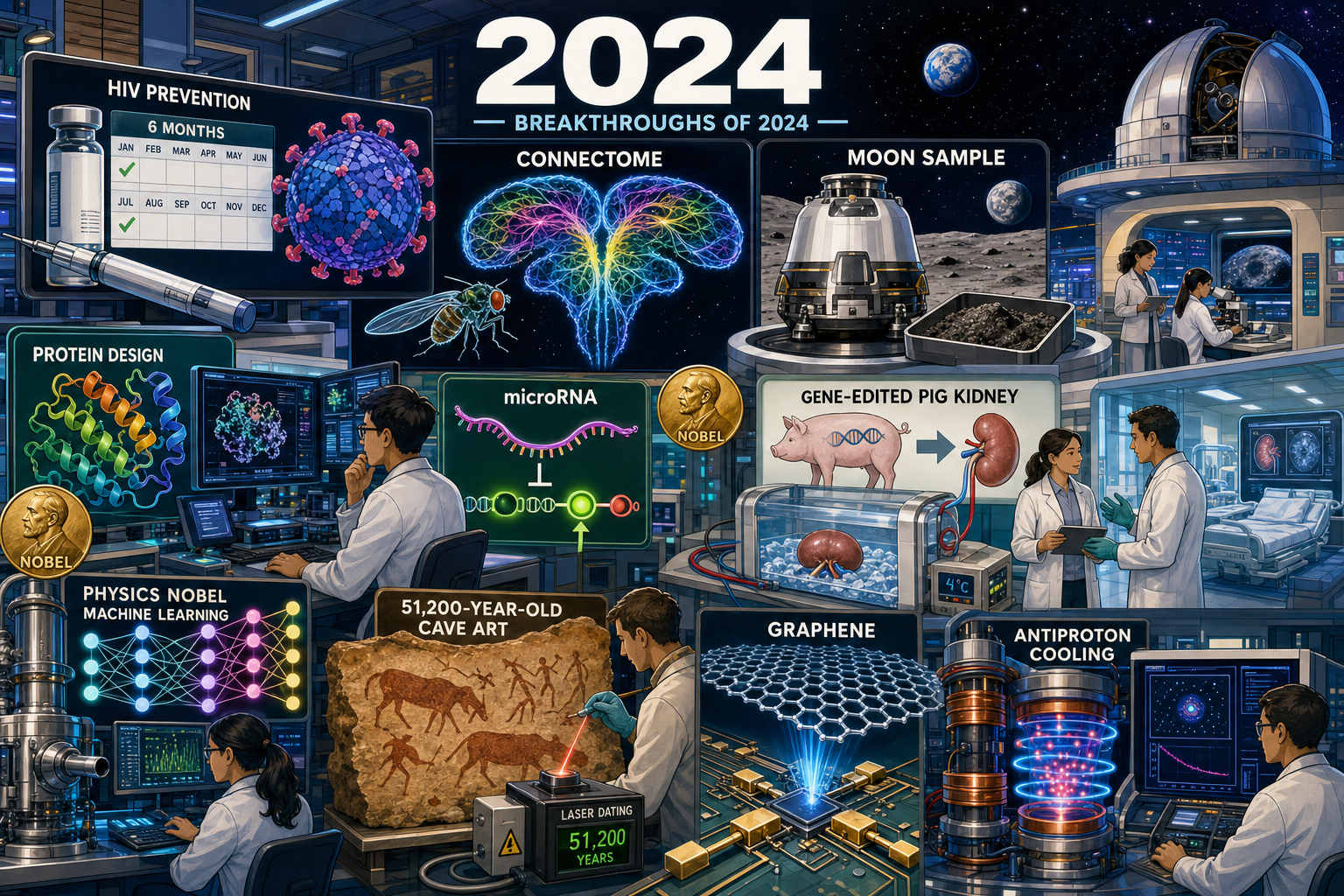
Science Breakthroughs — 2024
2024-01-01