Image Collections
Exoplanets — 20 GJ 1002 b
Habitable-zone candidate
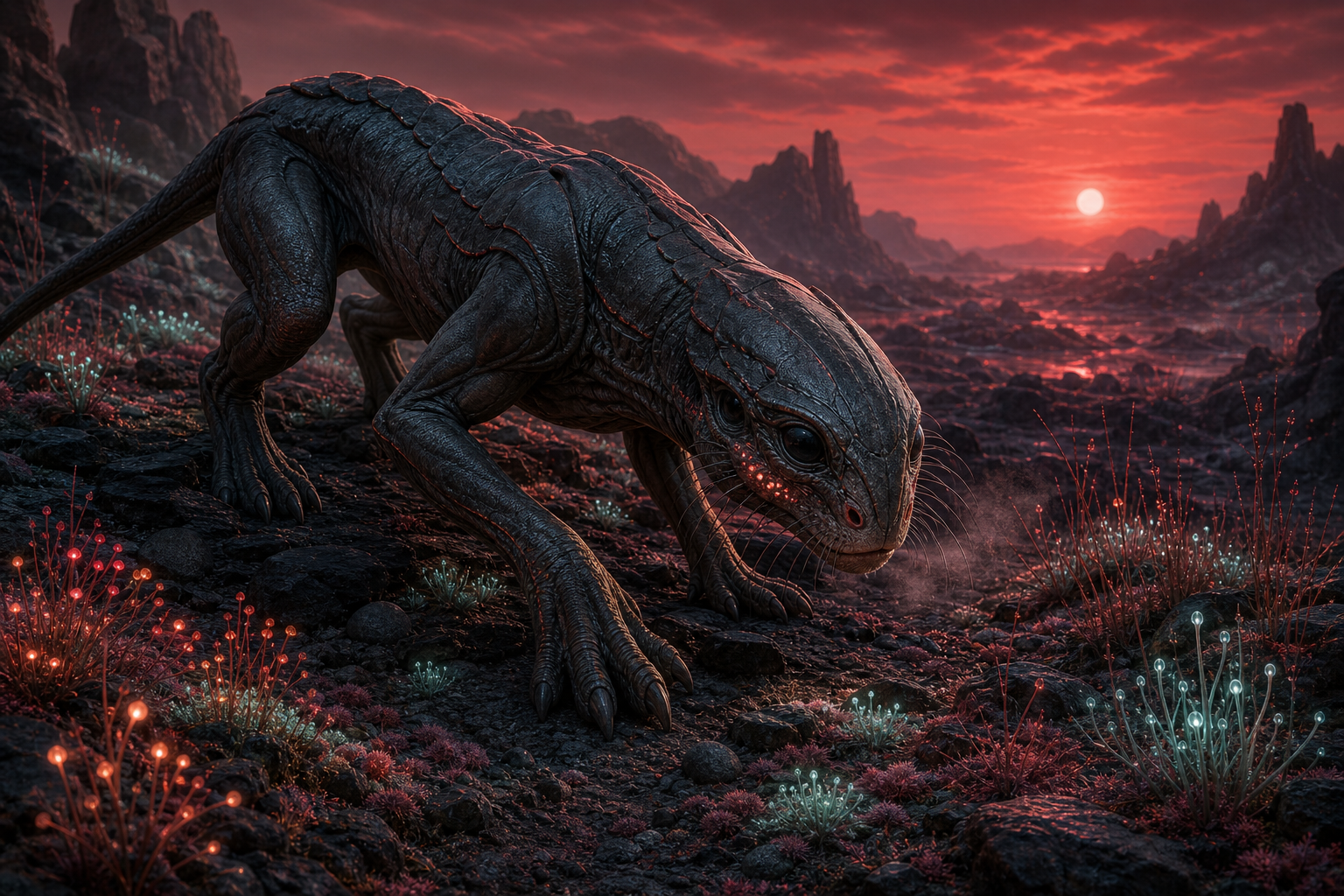
Exoplanets: GJ 1002 b
- Planet: GJ 1002 b
- Sequence: 20
- Saved image path:
My-Library/Images/Collections/Exoplanets/Images/Exoplanets_20-GJ-1002-b.png - Model: built-in gpt-image (recovered from session transcript)
- Generation date: 2026-07-21
Planet Profile
- Planet type: Rocky terrestrial planet
- Host star: Red dwarf
- Minimum mass: ~1.1 Earth masses
- Habitable-zone candidate
- Atmosphere: Unknown
Environment
- Gravity: Approximately Earth-like
- Surface: Rocky
- Climate: Potentially temperate
- Light: Deep red spectrum
Creature Design Direction
Semi-nocturnal predators with enhanced smell, heat sensing, and silent movement.
Planet / Habitat Depicted
A surface-level rocky red-dwarf twilight habitat with dark basalt, crimson sky, thin haze, cool mist, mineral outcrops, and bioluminescent vegetation. The creature is a low, silent, non-humanoid predator with matte charcoal skin, large low-light eyes, heat-sensing facial pits, scent organs, padded feet, and a stalking posture that visibly interacts with the ground and plants.
Sources
- Data provided in the collection plan (
Prompts/generate-exoplanets-collection.md); measurements are from published exoplanet catalogs. No web research performed for this collection.
Final Prompt Used
Create a scientifically plausible alien creature from GJ 1002 b.
A stealth predator from GJ 1002 b, Earth-gravity rocky exoplanet around a red dwarf, sleek muscular frame, heat-sensitive facial pits, matte charcoal skin, stalking through glowing alien vegetation beneath crimson twilight.

Requirements:
- Body plan reflects approximately Earth-like gravity: agile, balanced, muscular, low-silent stalking posture rather than exaggerated bulk or spindly low-gravity anatomy.
- Sensory organs reflect deep red-dwarf lighting: large low-light eyes shielded by dark ridges, heat-sensitive facial pits, enhanced scent organs, and subtle whisker-like sensory filaments.
- Skin and armor reflect a potentially temperate rocky world with unknown atmosphere: matte charcoal, faint iridescent red edging, tough sealed skin plates, flexible joints, and quiet padded feet.
- Locomotion fits rocky terrain and alien vegetation: the creature places its limbs carefully on basalt stones and mosslike luminous plants, leaving shallow prints and bending vegetation as it stalks.
- Depict the planet as well as the creature: show a rocky habitable-zone landscape, crimson twilight sky, deep red host-star glow at the horizon, thin atmospheric haze, dark basalt ground, scattered mineral outcrops, bioluminescent alien vegetation, and a cool temperate dusk mood.
- The environment should communicate this is a rocky red-dwarf world even without captions: red-spectrum light, twilight horizon, low glowing flora, dark stone, quiet predator ecology.
- Make creature and environment physically connected: feet contacting rock, vegetation disturbed by movement, breath or mist in the cool air, body held low against a light wind.
- Use a surface-level habitat view. Do not show the planet as a separate sphere in the sky; do not add unexplained moons or extra planets.
- Avoid humanoid anatomy.
- Show the creature in its natural habitat with enough space in the frame to read the world around it.
- Style: natural-history field-guide illustration, realistic scientific/anatomical detail, documentary lighting, one unified scene.
- Composition: 3:2 wide landscape; balance a clear creature portrait with a readable planetary landscape. Do not crop so tightly that the world is reduced to a blurred background.
- No text or labels baked into the image. No official logos, no photorealistic real people.
More from Image Collections

Internet Culture Timeline — 2025
2025-01-01

Music Yearbooks — 2025
2025-01-01

News & Culture — 2025
2025-01-01

NFL Super Bowls — 2025
2025-01-01

Science Breakthroughs — 2025
2025-01-01
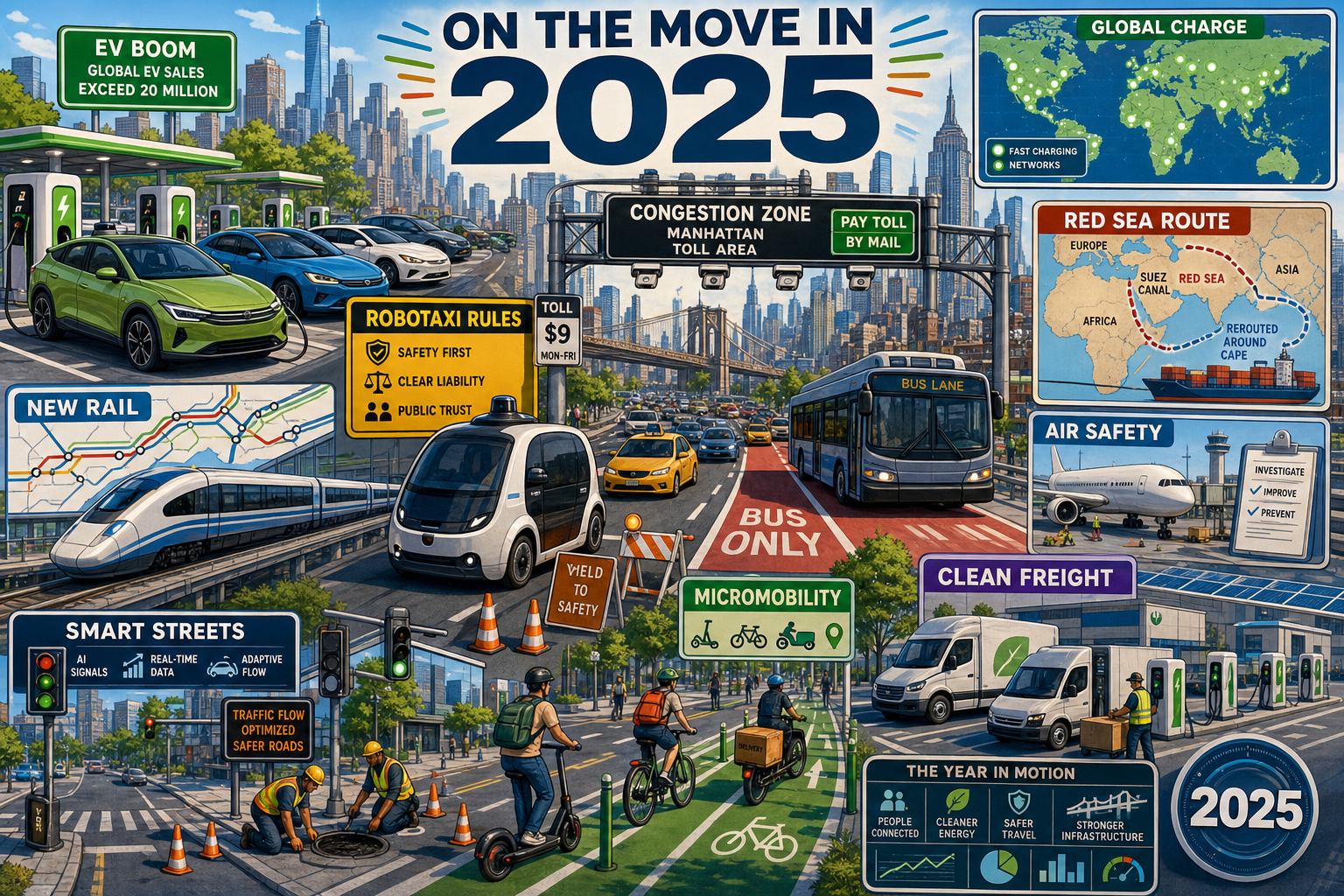
Transportation & Mobility — 2025
2025-01-01

Video Game History — 2025
2025-01-01

Internet Culture Timeline — 2024
2024-01-01

Music Yearbooks — 2024
2024-01-01

News & Culture — 2024
2024-01-01

NFL Super Bowls — 2024
2024-01-01
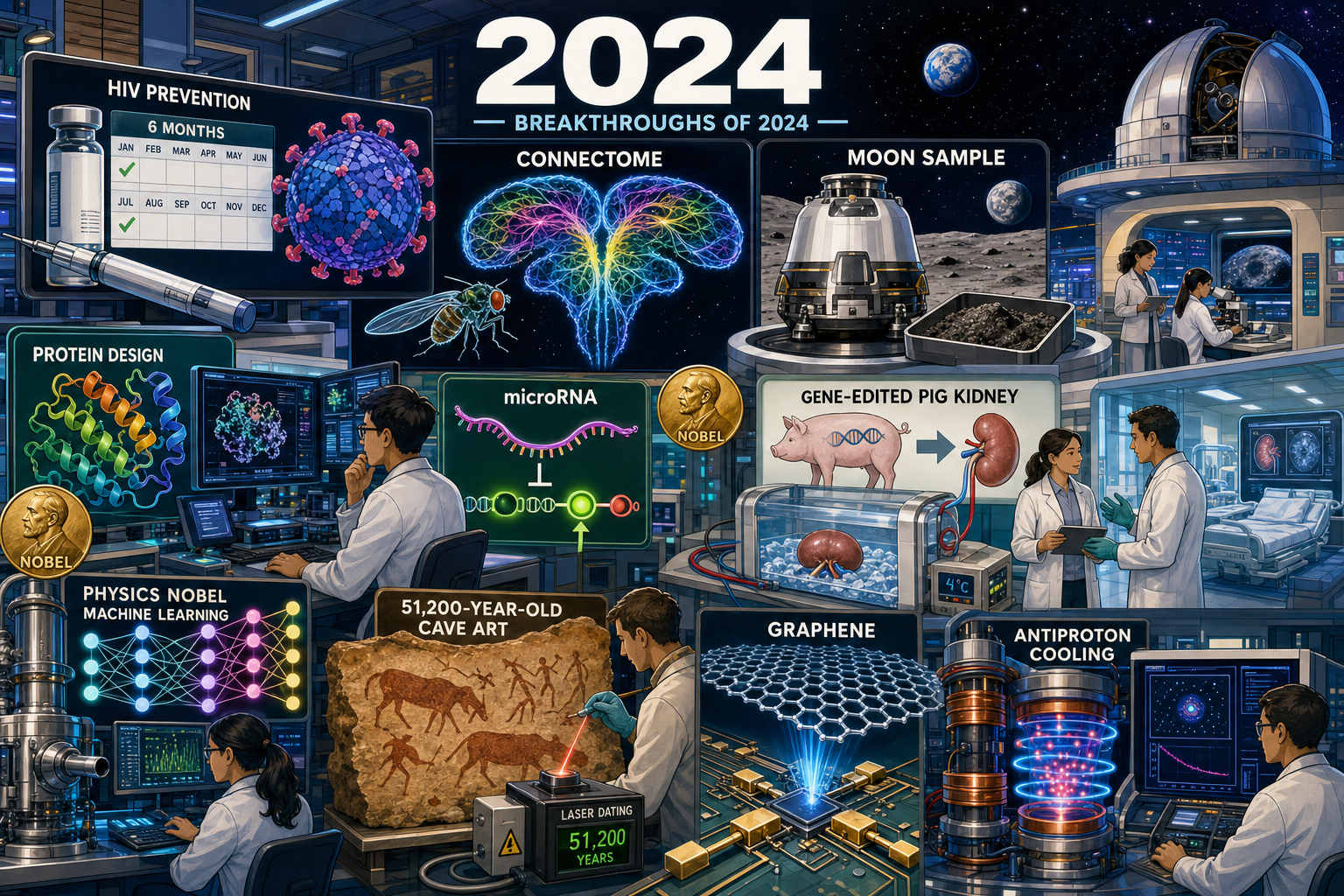
Science Breakthroughs — 2024
2024-01-01