Image Collections
Exoplanets — 22 Kepler 452 b
Receives sunlight similar to Earth
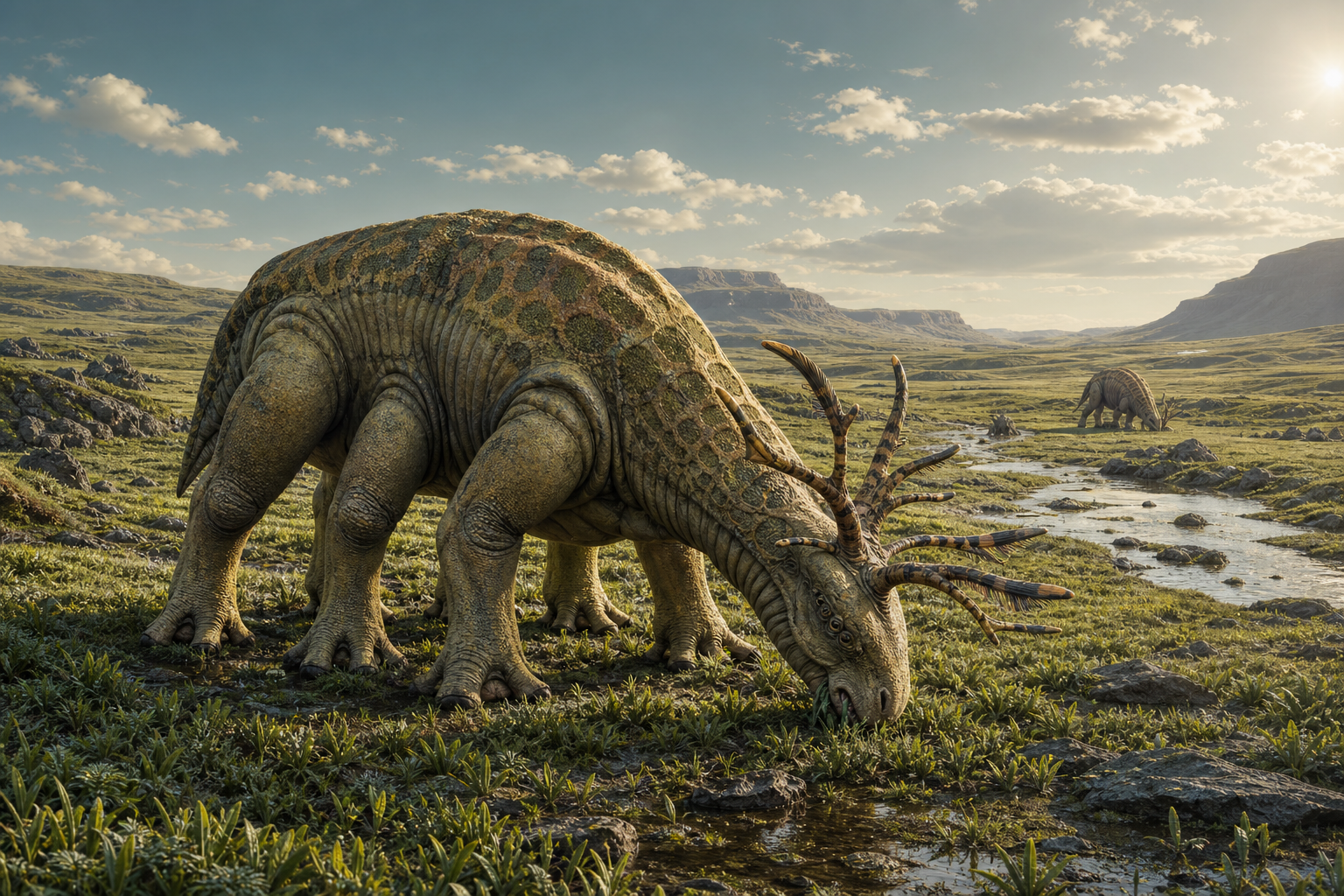
Exoplanets: Kepler-452 b
- Planet: Kepler-452 b
- Sequence: 22
- Saved image path:
My-Library/Images/Collections/Exoplanets/Images/Exoplanets_22-Kepler-452-b.png - Model: built-in gpt-image
- Generation date: 2026-07-22
Planet Profile
- Planet type: Super-Earth candidate
- Host star: G2 Sun-like star
- Radius: ~1.6 Earth radii
- Orbital period: ~385 days
- Receives sunlight similar to Earth
- Atmosphere: Unknown
Environment
- Gravity: Moderately above Earth
- Light: Very similar to Earth's sunlight
- Surface: Possibly rocky
- Climate: Potentially Earthlike if atmosphere exists
Creature Design Direction
Large terrestrial herbivores and predators with familiar vertebrate-like body plans but distinctly alien anatomy.
Planet / Habitat Depicted
A broad, muscular six-legged grazer crops low alien vegetation beside a shallow braided stream. Its low center of mass and thick load-bearing legs reflect moderately higher gravity, while branching sensory horns and multiple small eyes suit a sunlit open habitat. Rocky grasslands, compressed footprints, rolling plateaus, and warm G2-star illumination establish the possibly rocky, potentially Earthlike setting without asserting an atmospheric composition.
Sources
- Data provided in the collection plan (
Prompts/generate-exoplanets-collection.md); measurements are from published exoplanet catalogs. No web research performed for this collection.
Final Prompt Used
Use case: scientific-educational
Asset type: Exoplanets natural-history field-guide collection image
Primary request: Create a scientifically plausible alien creature from Kepler-452 b.
A giant grazing alien from Kepler-452 b, Sun-like illumination, lush alien grasslands, muscular six-legged body, branching sensory horns, patterned hide, realistic speculative evolution artwork.

Known constraints from the collection plan: super-Earth candidate; G2 Sun-like host star; radius approximately 1.6 Earth radii; orbital period approximately 385 days; receives sunlight similar to Earth; atmosphere unknown. Environment: gravity moderately above Earth; light very similar to Earth's sunlight; surface possibly rocky; climate potentially Earthlike if an atmosphere exists. Creature direction: large terrestrial herbivores and predators with familiar vertebrate-like body plans but distinctly alien anatomy.

Requirements:
- Design one non-humanoid giant grazing herbivore with a short, broad, muscular six-legged body reflecting moderately-above-Earth gravity; six thick load-bearing legs with wide splayed feet; low center of mass; deep ribbed torso; heavy neck; branching sensory horns that function as vibration, scent and polarized-light antennae rather than Earth antlers; broad lateral mouth cropping grass analogues; multiple small warm-light eyes; patterned ochre, umber and moss-green hide with subtle pebbled texture; distinctly alien anatomy, not a copied mammal or dinosaur.
- Show the full adult creature in three-quarter profile while it grazes, with one smaller distant herd member for ecological scale; muscular motion and plausible weight distribution across all six legs.
- Depict Kepler-452 b as a co-equal subject: wide lush alien grassland on a possibly rocky surface, bands of low blade-like vegetation and fern-like ground analogues, weathered dark stone outcrops, shallow braided stream, rolling high-gravity hills, distant plateau, sunlike golden-white G2 illumination, blue-green sky with modest atmospheric haze without asserting a measured composition, warm afternoon clouds and a broad readable horizon.
- Make creature and habitat physically connected: feet compressing damp soil, disturbed grass around the grazing mouth, shallow footprints, patterned hide catching sun, horn tips sensing wind, water reflecting the Sun-like light.
- Body plan reflects gravity; sensory organs reflect familiar Sun-like lighting; locomotion fits rocky grassland terrain; do not invent atmospheric measurements.
- Surface/habitat-level view only. Do not show the planet as a globe. Do not add moons, extra planets, spacecraft, structures or people.
- Style: natural-history field-guide illustration, realistic scientific and anatomical detail, documentary lighting, plausible speculative astrobiology, NASA-meets-National-Geographic realism, one unified scene.
- Composition: wide 3:2 landscape, 1536x1024; balance a clear full-body creature portrait occupying roughly one third of the frame with a sharply readable grassland environment extending to the horizon.
- No text or labels baked into the image. No logos. No people. No humanoid anatomy.
Avoid: random fantasy alien clichés, humanoids, Earth bison/deer/dinosaur copy, magical glow, implausibly thin legs, Earth flowers, modern objects, unexplained moons, planet sphere in sky, text, watermark, border, photorealistic real people.
More from Image Collections
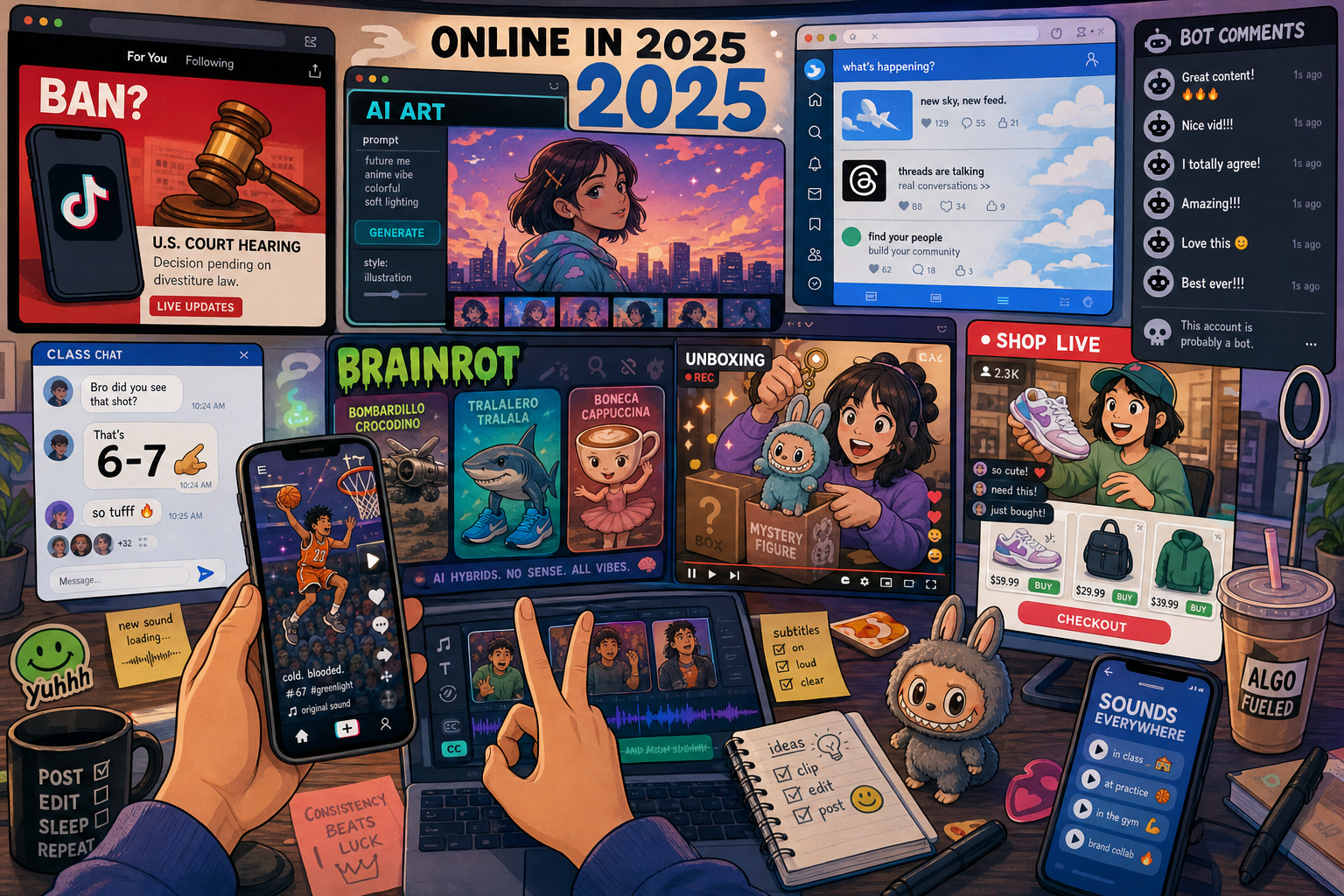
Internet Culture Timeline — 2025
2025-01-01
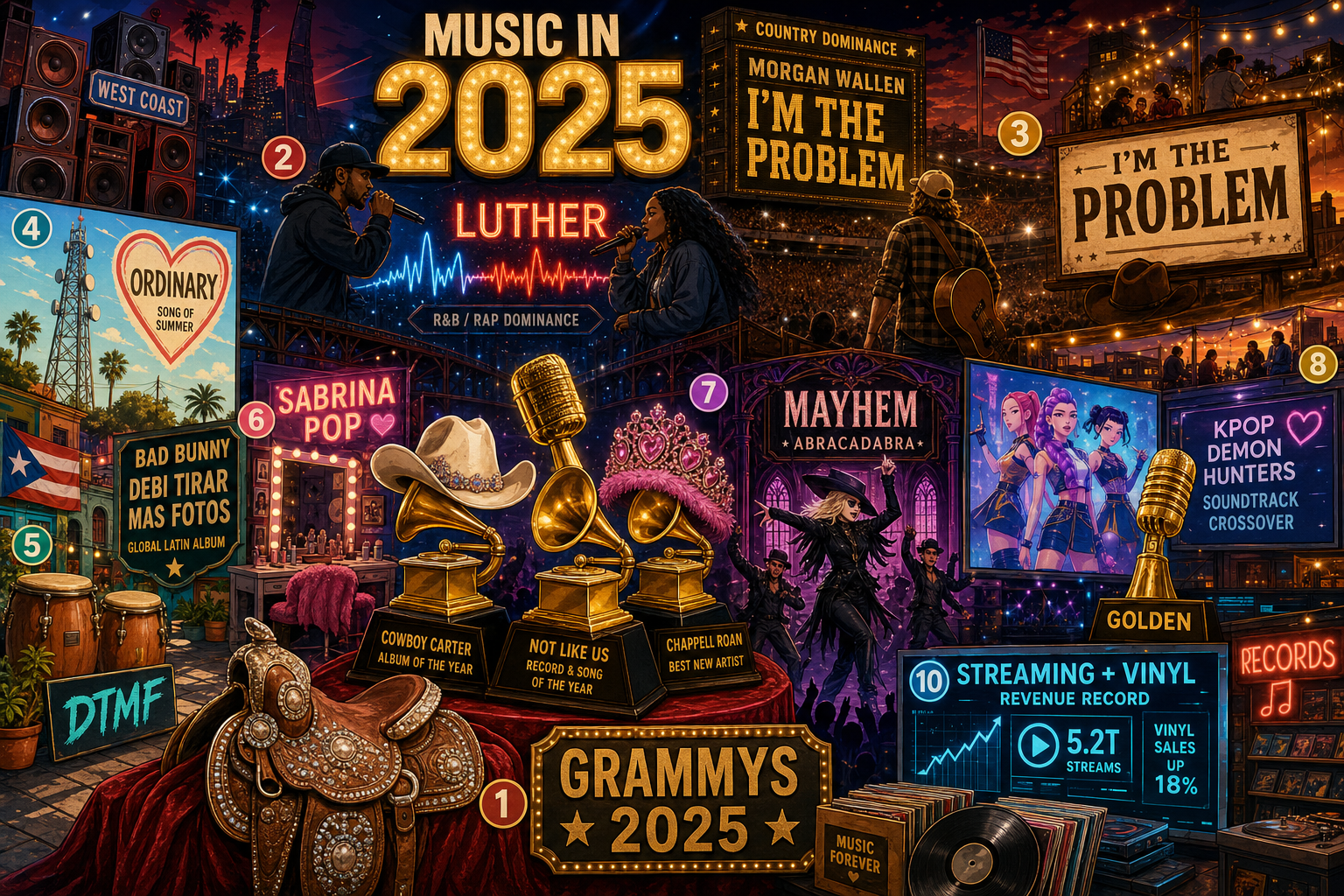
Music Yearbooks — 2025
2025-01-01

News & Culture — 2025
2025-01-01

NFL Super Bowls — 2025
2025-01-01
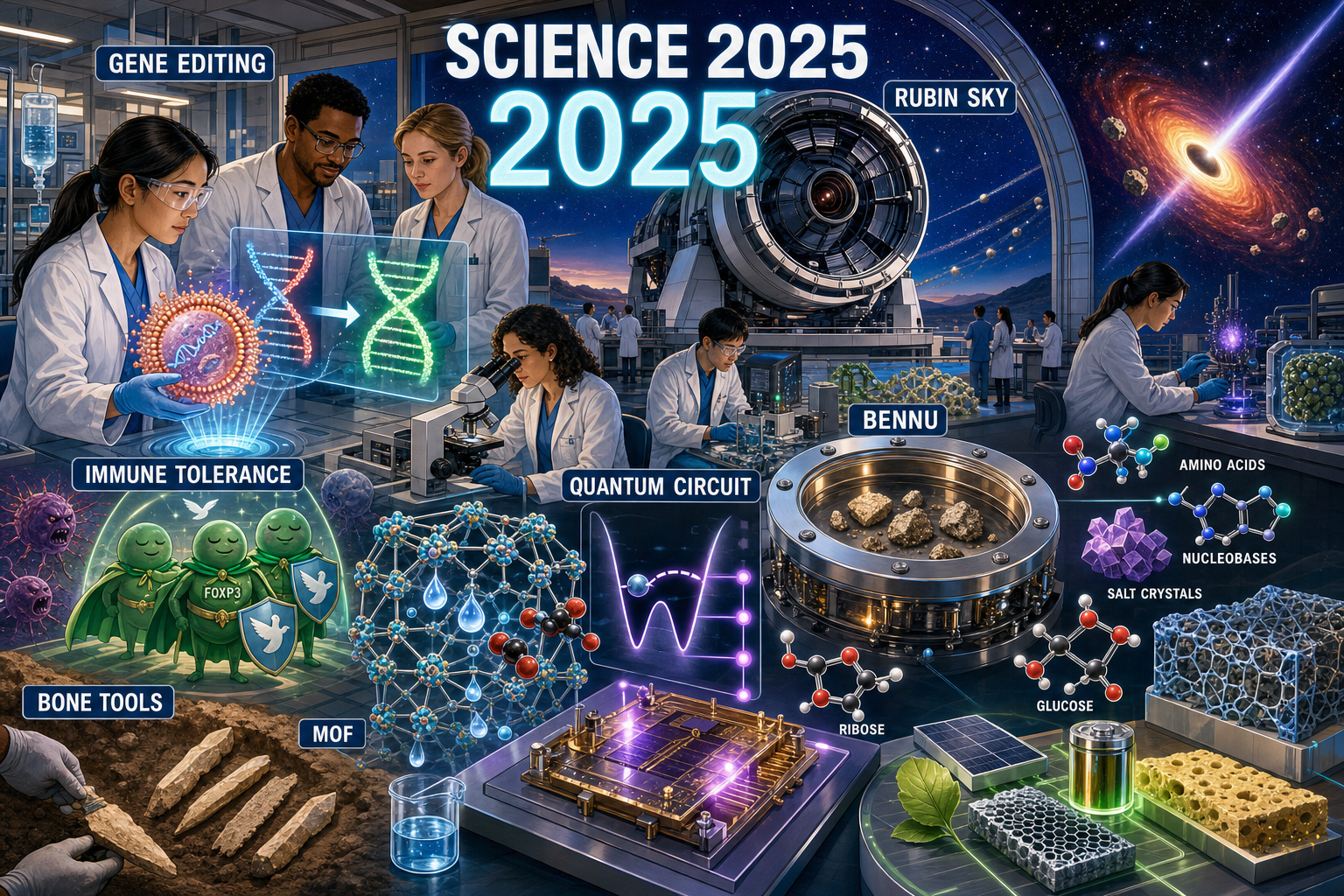
Science Breakthroughs — 2025
2025-01-01
Transportation & Mobility — 2025
2025-01-01
Video Game History — 2025
2025-01-01
Internet Culture Timeline — 2024
2024-01-01
Music Yearbooks — 2024
2024-01-01
News & Culture — 2024
2024-01-01

NFL Super Bowls — 2024
2024-01-01
Science Breakthroughs — 2024
2024-01-01