Image Collections 1991-01-01
Music Yearbooks — 1991
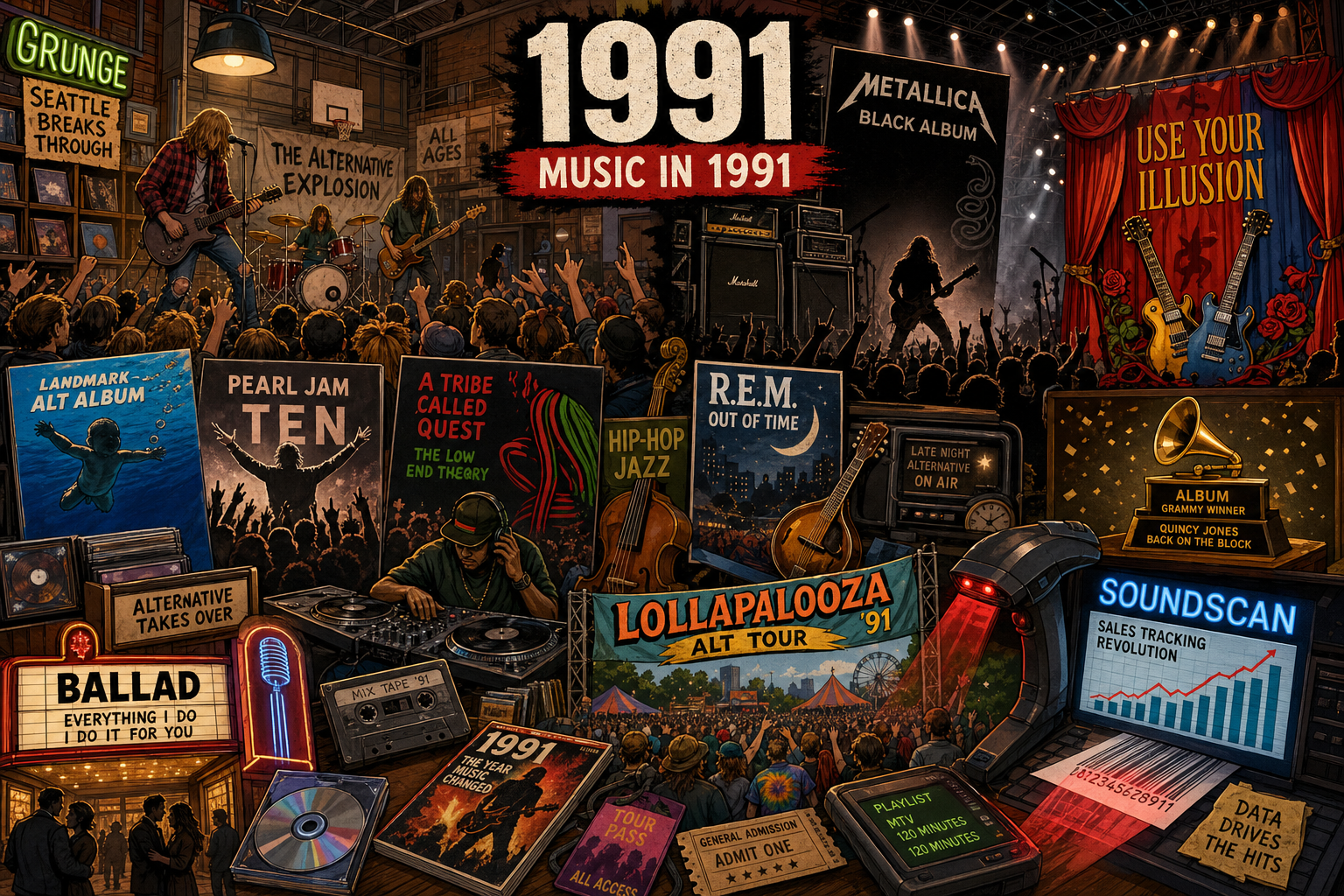
Seattle grunge breaks into the mainstream: selected because 1991 releases helped push alternative rock from underground scenes into mainstream rock culture.
Music Yearbook 1991
Generation date: 2026-07-02
Model: built-in gpt-image (recovered from session transcript)
Saved image path: My-Library/Images/Collections/Music-Yearbooks/Images/Music-Yearbook_1991.png
Selected Music Moments
- Seattle grunge breaks into the mainstream: selected because 1991 releases helped push alternative rock from underground scenes into mainstream rock culture. Depicted with anonymous flannel-clad performers and a school-gym-style stage. Source: https://www.loudersound.com/music-industry/seven-weeks-in-1991-that-rocked-the-world-changed-music
- Nirvana's
Nevermind: selected as a defining alternative-rock album of 1991. Depicted through a generic blue-wave record sleeve, avoiding exact album art. Source: https://www.loudersound.com/music-industry/seven-weeks-in-1991-that-rocked-the-world-changed-music - Pearl Jam's
Ten: selected as a key 1991 debut in the Seattle rock wave. Depicted through anonymous arena-rock silhouettes and a raised-hands crowd. Source: https://en.wikipedia.org/wiki/Ten_%28Pearl_Jam_album%29 - Metallica's self-titled Black Album: selected as a huge hard-rock/metal crossover moment. Depicted with a stark black sleeve and heavy guitar amps. Source: https://www.loudersound.com/music-industry/seven-weeks-in-1991-that-rocked-the-world-changed-music
- Guns N' Roses'
Use Your Illusion: selected as a blockbuster hard-rock release era. Depicted through twin theatrical curtains and generic guitars. Source: https://en.wikipedia.org/wiki/1991_in_music - R.E.M.'s
Out of Time: selected for alternative-pop crossover and Grammy recognition. Depicted through a mandolin and moonlit radio. Source: https://the-rearview-mirror.com/2020/09/11/1991-the-greatest-year-in-music/ - A Tribe Called Quest's
The Low End Theory: selected as a defining alternative hip-hop/jazz-rap release. Depicted with jazz bass and turntables. Source: https://en.wikipedia.org/wiki/1991_in_music - First Lollapalooza tour: selected because it helped define touring alternative festival culture. Depicted with a generic
ALT TOURfestival sign and mixed-genre crowd. Source: https://catalog.rockhall.com/rrhof-ais/Details/archive/110000155 - Bryan Adams' movie-ballad hit: selected as a major 1991 pop-chart moment. Depicted with a cinema marquee and glowing microphone. Source: https://musicchartsarchive.com/artists/bryan-adams
- Billboard/SoundScan shift: selected because sales-data methodology began changing chart power in 1991. Depicted with a barcode scanner over a sales chart. Source: https://www.theringer.com/2021/05/25/music/soundscan-billboard-charts-streaming-numbers
- Quincy Jones' Grammy sweep: selected as the 33rd Annual Grammy Awards' major story. Depicted with a generic gold trophy labeled
Album. Source: https://www.grammy.com/artists/quincy-jones/11020/
Rights And Sensitivity Notes
The image uses anonymous performers, generic record sleeves, and symbolic props. It avoids exact album-cover reproduction, official logos, and photorealistic real-artist likenesses.
Final Prompt Used
Use case: illustration-story
Asset type: year-by-year music yearbook collection image
Primary request: Create a vibrant cartoon-editorial music-yearbook montage for the year 1991, showing the landmark albums, hit songs, dominant genres, festivals, awards, tours, and music-business moments that defined the year.

Scene/backdrop: a cohesive concert-poster-meets-magazine montage set in a record shop opening into a festival stage, with a wall of generic record sleeves, a grunge club stage, a hip-hop DJ table, a metal arena light rig, a trophy shelf, and a small music-industry sales-chart desk. The scene should feel like one unified music world rather than disconnected stickers.

Subject: combine these selected moments into one unified illustrated montage: Seattle grunge breaking into the mainstream with a flannel-clad anonymous band and a school-gym-style stage, a generic baby-in-water-inspired blue wave record sleeve symbolizing a landmark alternative album without copying cover art, Pearl Jam's Ten represented by an anonymous arena-rock silhouette and hands raised in a crowd, Metallica's Black Album represented by a stark black record sleeve and heavy guitar amps, Guns N' Roses' Use Your Illusion represented by twin theatrical stage curtains and two generic hard-rock guitars, R.E.M.'s Out of Time and alternative-pop crossover represented by a mandolin and moonlit radio, A Tribe Called Quest's The Low End Theory represented by a jazz-bass-and-turntable hip-hop corner, Lollapalooza's first touring festival represented by an alternative festival sign and mixed-genre crowd, Bryan Adams' huge movie-ballad hit represented by a cinema marquee and glowing microphone, Billboard's SoundScan shift represented by a barcode scanner over a sales chart, Quincy Jones' Grammy sweep represented by a generic gold trophy labeled "Album".

Year text requirement: include clear readable text in the image that says: "1991"

Optional title text: include a short readable title: "MUSIC IN 1991"

Style/medium: polished vibrant cartoon-editorial illustration, concert-poster energy, magazine-quality digital art. Stages, instruments, crowds, record sleeves, cassettes and CDs, award trophies, marquee text, genre-specific motifs, expressive anonymous performers, dynamic stage lighting.

Composition/framing: wide 3:2 landscape image, 1536x1024 feel, one unified scene rather than separate panels. Use foreground instruments/records/barcode scanner, midground anonymous performers and crowd, and background stage/festival/record-shop context. Make grunge/alternative's breakthrough, the festival wave, and the sales-chart technology shift most prominent, with smaller references integrated as posters, marquees, record sleeves, trophies, and stage props.

Lighting/mood: energetic, celebratory, nostalgic, and readable, with stage-light glow, spotlights, record-shop warmth, and clear visual hierarchy.

Color palette: varied and era-aware -- grunge-era muted greens and browns, black metal-stage accents, warm record-shop wood, bright festival poster colors, gold trophies, and cool blue chart-screen highlights. Avoid a one-note palette.

Text constraints: short readable labels are allowed on posters, marquees, record sleeves, trophies, ticket stubs, or screens. Use 1-5 words per label: "GRUNGE", "ALT TOUR", "SOUNDSCAN", "HIP-HOP JAZZ", "BALLAD". Keep text high-contrast, correctly spelled, and large enough to read. Do not use long captions, fake paragraphs, or a row of labels at the bottom.

Avoid: official label/network/platform/brand logos, exact album-art reproduction, photorealistic real-artist likenesses, copyrighted character likenesses, graphic depictions of tragedy, hateful imagery, cluttered sticker-collage layout, tiny unreadable labels, distorted lettering, fake full article text, and generic stock imagery.
More from Image Collections
Internet Culture Timeline — 2025
2025-01-01
Music Yearbooks — 2025
2025-01-01
News & Culture — 2025
2025-01-01
NFL Super Bowls — 2025
2025-01-01

Science Breakthroughs — 2025
2025-01-01
Transportation & Mobility — 2025
2025-01-01
Video Game History — 2025
2025-01-01
Internet Culture Timeline — 2024
2024-01-01
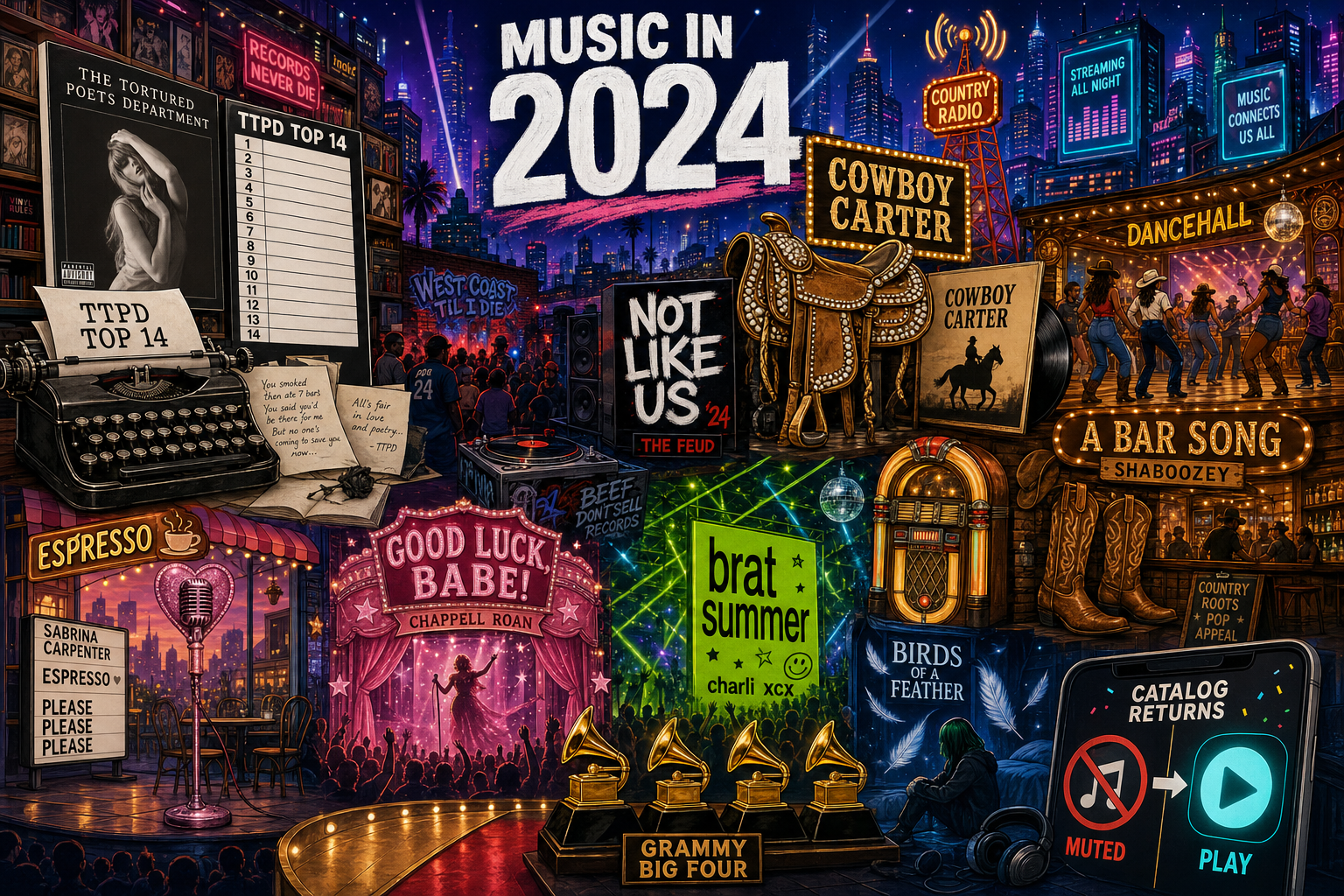
Music Yearbooks — 2024
2024-01-01
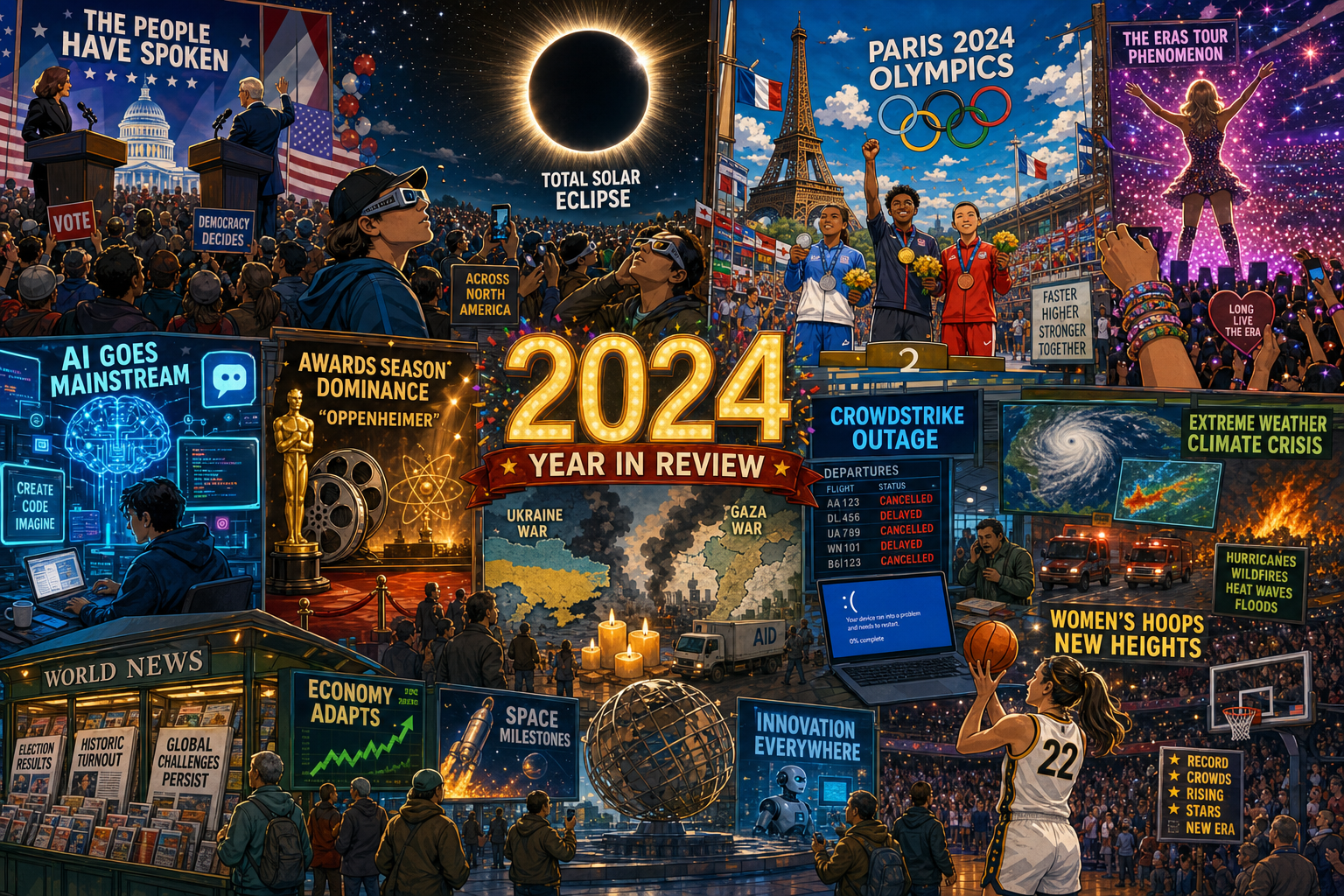
News & Culture — 2024
2024-01-01
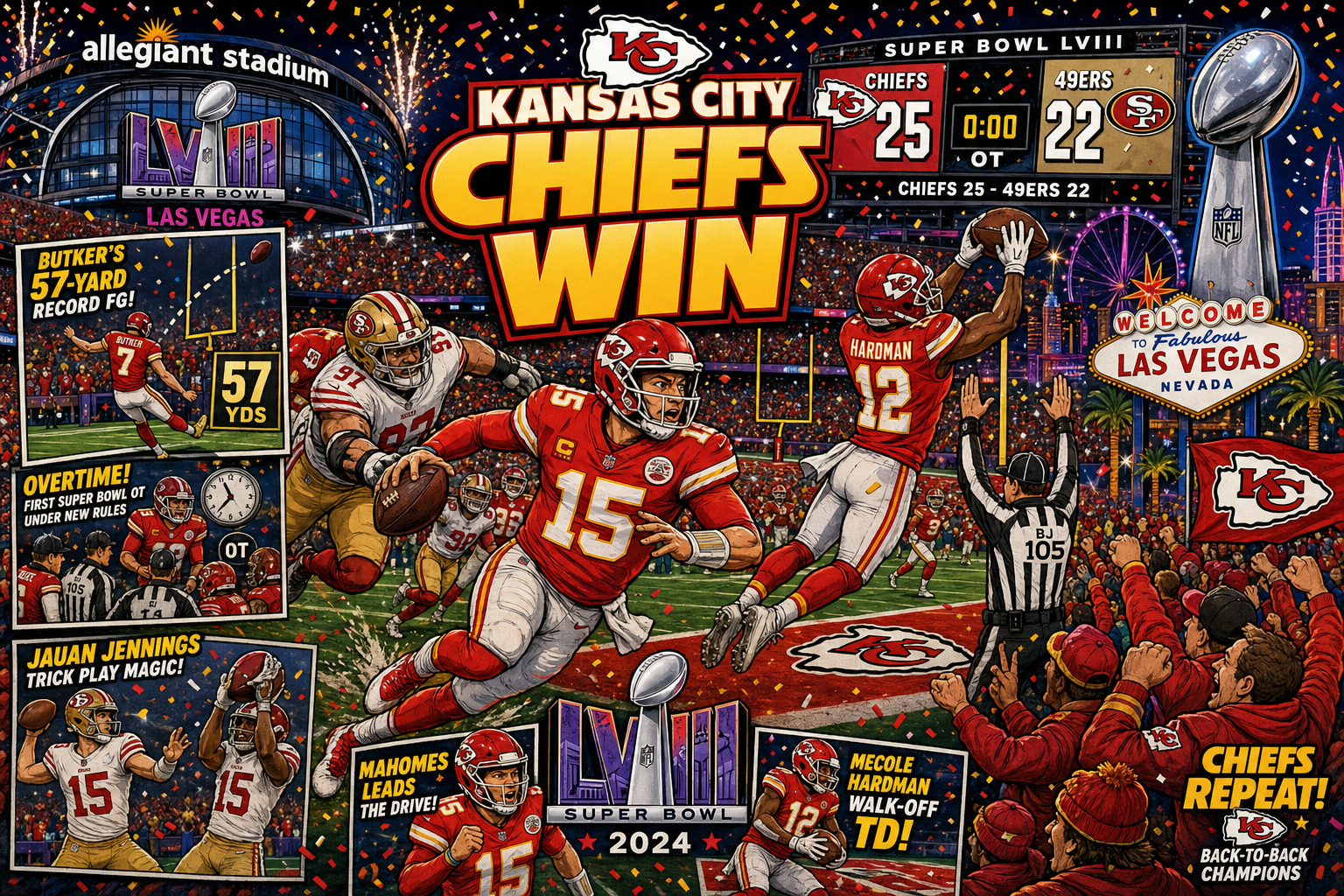
NFL Super Bowls — 2024
2024-01-01
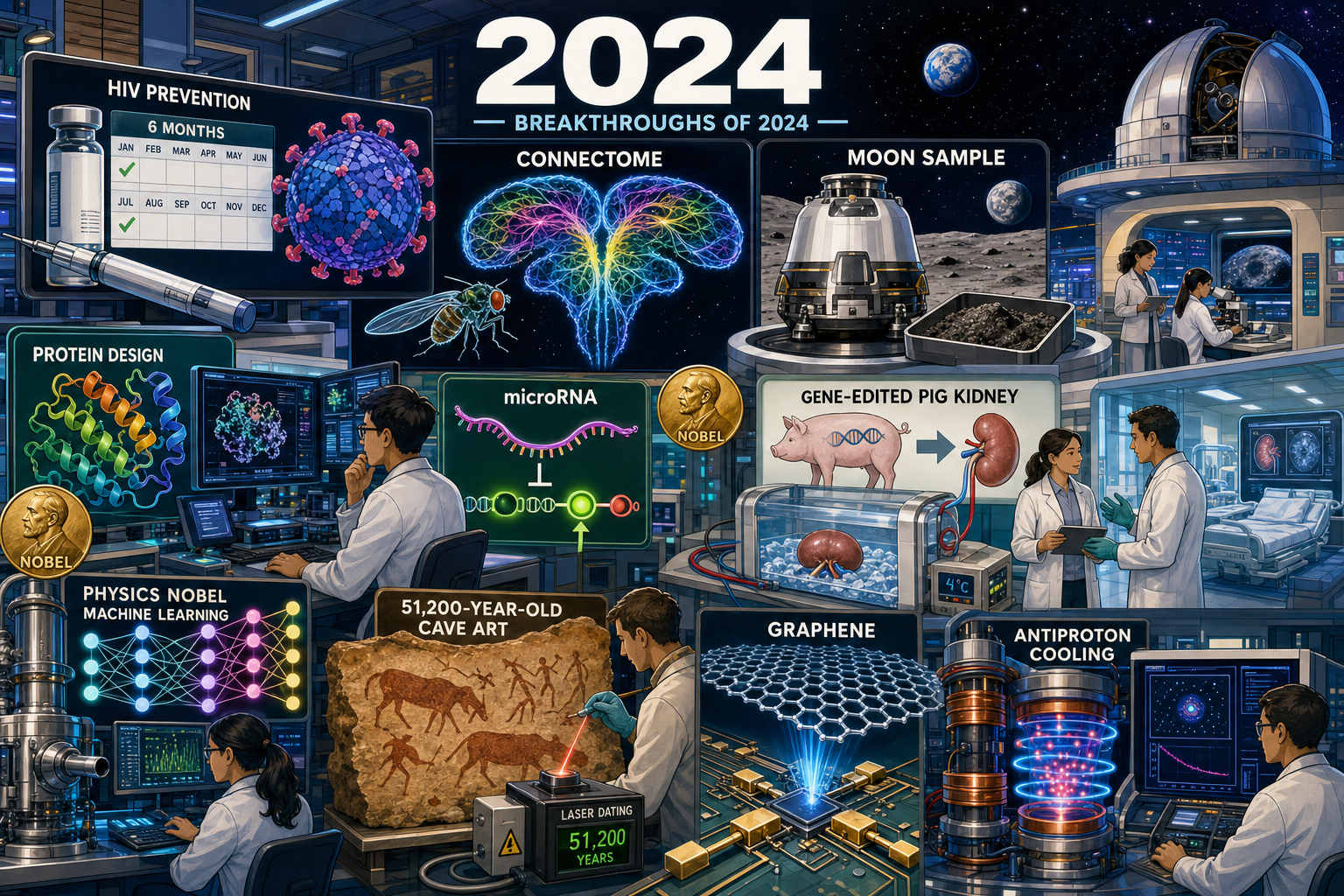
Science Breakthroughs — 2024
2024-01-01