Image Collections 1997-01-01
Music Yearbooks — 1997
Alternative art-rock and OK Computer-era acclaim: selected because 1997 was a defining year for ambitious guitar albums and technology-anxiety themes.
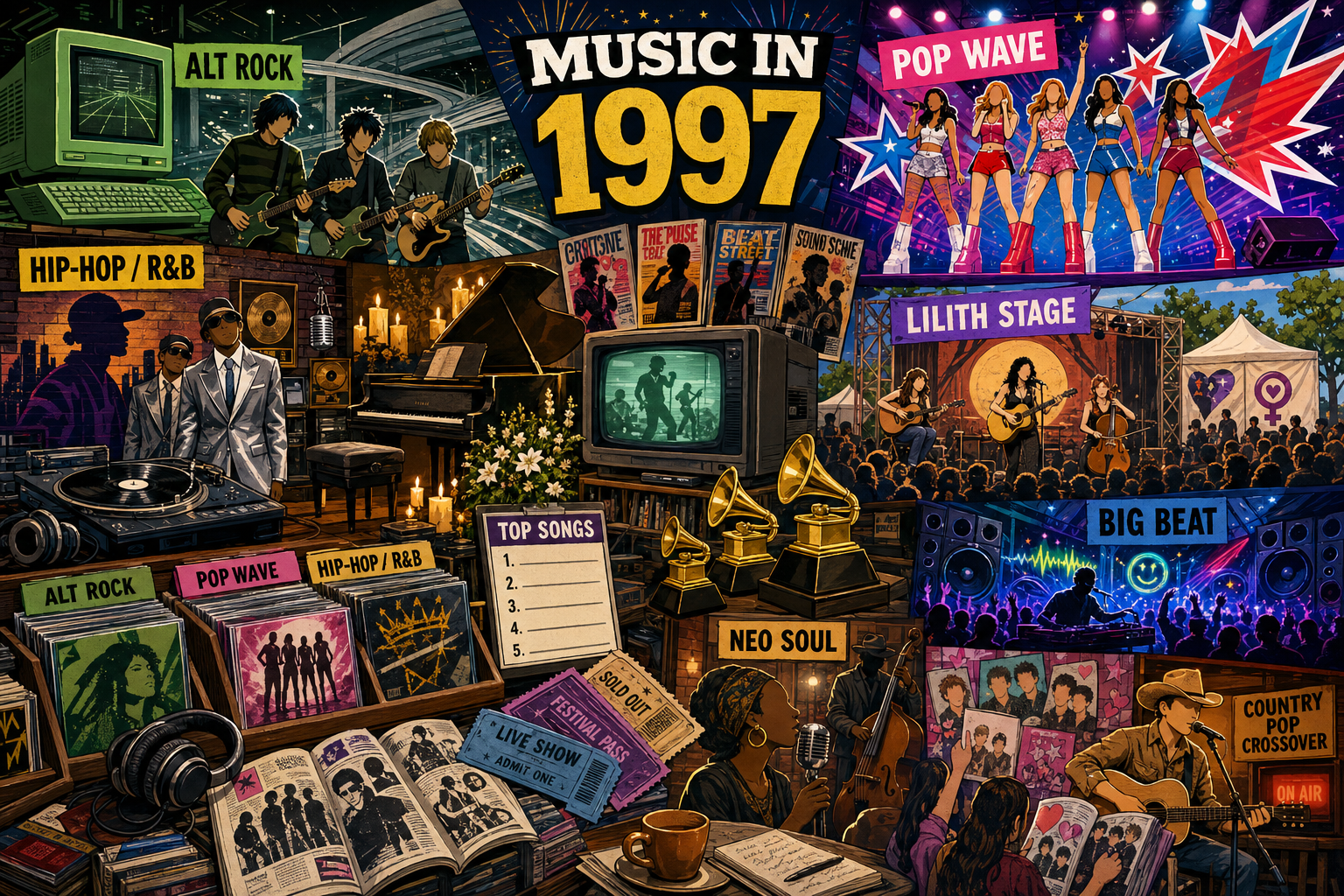
Music Yearbook: 1997
- Year: 1997
- Saved image path:
My-Library/Images/Collections/Music-Yearbooks/Images/Music-Yearbook_1997.png - Model: built-in gpt-image (recovered from session transcript)
- Generation date: 2026-07-06
Selected Music Moments
- Alternative art-rock and
OK Computer-era acclaim: selected because 1997 was a defining year for ambitious guitar albums and technology-anxiety themes. Depicted with a generic CRT terminal, abstract highway lines, and anonymous guitar performers. Source: https://pitchfork.com/features/ok-computer-at-20/10038-exit-music-how-radioheads-ok-computer-destroyed-the-art-pop-album-in-order-to-save-it Candle in the Wind 1997as a massive tribute single: selected as Billboard's top Hot 100 single of 1997. Depicted symbolically with a candlelit piano and flowers. Source: https://en.wikipedia.org/wiki/Billboard_Year-End_Hot_100_singles_of_1997- Global girl-group pop: selected because Spice Girls'
Spiceled the Billboard 200 year-end album list and girl-group pop became a major visual and commercial force. Depicted with anonymous platform-shoe performers and pop starburst shapes. Source: https://bestsellingalbums.org/year-end/Billboard_Top_Albums_1997 - Posthumous hip-hop and Bad Boy-era rap/R&B: selected because
Life After Death,No Way Out, and multiple rap/R&B singles shaped the year's charts. Depicted with anonymous city mural, turntables, gold records, and studio lights. Sources: https://bestsellingalbums.org/year-end/Billboard_Top_Albums_1997 and https://www.newsweek.com/ok-computer-radiohead-zaireeka-23-best-albums-1997-626409 - Lilith Fair: selected because the 1997 women-led tour became a major cultural and touring-business milestone. Depicted as an outdoor acoustic festival stage and charity tent. Source: https://www.vanityfair.com/style/2019/09/an-oral-history-of-lilith-fair
- Electronic big beat and rave crossover: selected because late-90s electronic acts crossed into mainstream festival and album culture. Depicted with a rave tent, waveform graphics, and huge speakers. Source: https://grooveist.com/lineups/lollapalooza-1997-lineup/
- Teen-pop and fan-zine culture: selected because teen-oriented pop groups and harmonies were visible in the year-end singles and album charts. Depicted with fictional posters, harmonizing silhouettes, and fan zines. Sources: https://en.wikipedia.org/wiki/Billboard_Year-End_Hot_100_singles_of_1997 and https://bestsellingalbums.org/year-end/Billboard_Top_Albums_1997
- Neo-soul and coffeehouse R&B: selected because Erykah Badu and related R&B sounds entered mainstream year-end visibility. Depicted with a coffeehouse mic, upright bass, and poetry notebook. Source: https://en.wikipedia.org/wiki/Billboard_Year-End_Hot_100_singles_of_1997
- Country-pop crossover: selected because country-pop singles and albums held major chart positions. Depicted with an anonymous acoustic radio-stage inset. Sources: https://en.wikipedia.org/wiki/Billboard_Year-End_Hot_100_singles_of_1997 and https://bestsellingalbums.org/year-end/Billboard_Top_Albums_1997
- Awards and year-end acclaim: selected to represent the year's Grammy-style recognition, charts, and magazine-list culture. Depicted with generic gold trophies and chart cards. Source: https://pitchfork.com/features/ok-computer-at-20/10038-exit-music-how-radioheads-ok-computer-destroyed-the-art-pop-album-in-order-to-save-it
Rights / Sensitivity Notes
The image uses fictionalized performers, symbolic props, invented magazine/poster designs, and generic genre labels. It avoids exact album covers, official logos, real artist likenesses, and graphic depictions of tragedy.
Final Prompt Used
Use case: illustration-story
Asset type: year-by-year music yearbook collection image
Primary request: Create a vibrant cartoon-editorial music-yearbook montage for the year 1997, showing the landmark albums, hit songs, dominant genres, festivals, awards, tours, and music-business moments that defined the year, WITHOUT showing real artist likenesses, official publication names, exact album covers, exact logos, or readable real brand names.

Scene/backdrop: a cohesive late-1990s record-shop-meets-festival-stage montage. Include CD racks with fictional sleeve art, cassette bins, a magazine wall with invented magazine titles only, a small generic music-video TV, ticket stubs, stage lights, and anonymous performers. The scene should feel like one unified music world rather than disconnected stickers.

Subject: combine these selected 1997 moments using symbolic, generic visual cues only: futuristic art-rock anxiety represented by a green CRT computer, abstract highway lines, and an anonymous guitar trio; a candlelit piano tribute single represented by a black grand piano, candles, and a memorial flower arrangement; global girl-group pop represented by five anonymous pop performers in bright 1990s platform-shoe stagewear with generic red-white-blue starburst shapes, not copied outfits; posthumous hip-hop memorial and shiny-suit rap/R&B represented by an anonymous city mural silhouette, turntables, gold records, silver suits, and studio lights; Lilith Fair represented by an outdoor women-led acoustic festival stage and charity tent; electronic big beat represented by a rave tent, huge speakers, breakbeat waveform graphics, and neon crowd lights; teen-pop and boy-band fan culture represented by fan zines, posters with fictional faces, and harmonizing silhouettes; neo-soul represented by a coffeehouse mic, upright bass, headwrap silhouette, and poetry notebook; country-pop crossover represented by a young anonymous singer with acoustic guitar on a radio-stage inset; and award/year-end acclaim represented by generic gold gramophone-style trophies and chart cards.

Year text requirement: include clear readable text in the image that says: "1997"

Optional title text: include a short readable title: "MUSIC IN 1997"

Style/medium: polished vibrant cartoon-editorial illustration, concert-poster energy, magazine-quality digital art. Stages, instruments, crowds, CD jewel cases, headphones, award trophies, marquee text, genre-specific motifs, expressive anonymous performers, dynamic stage lighting.

Composition/framing: wide 3:2 landscape image, one unified scene rather than separate panels. Use foreground instruments, CDs, microphones, and ticket stubs; midground record-shop wall and festival stage; background genre/era context with music-video TV glow and rave lights. Make the biggest 2-3 music shifts prominent: alternative art-rock, global pop groups, Lilith Fair, and hip-hop/R&B memorial energy. Smaller references should appear as fictional posters, generic marquees, invented record sleeves, trophies, TV screens, and stage props.

Lighting/mood: energetic, celebratory, nostalgic, and readable, with colorful stage-light glow, spotlights, CD-case reflections, and clear visual hierarchy.

Color palette: varied and era-aware - late-90s chrome and jewel-case shine, alternative-rock greens and grays, pop brights, hip-hop gold accents, festival daylight, and rave neon. Avoid a one-note palette.

Text constraints: only these short readable labels are allowed: "1997", "MUSIC IN 1997", "ALT ROCK", "POP WAVE", "LILITH STAGE", "BIG BEAT", "NEO SOUL", "HIP-HOP / R&B", "TOP SONGS". Keep text high-contrast, correctly spelled, and large enough to read. Do not use real artist names, real album titles, real magazine names, brand logos, long captions, fake paragraphs, or a row of labels at the bottom.

Avoid: official label/network/platform/brand logos, exact album-art reproduction, real artist names, exact real-artist likenesses, photorealistic people, copyrighted character likenesses, graphic depictions of tragedy, hateful imagery, cluttered sticker-collage layout, tiny unreadable labels, distorted lettering, fake full article text, and generic stock imagery.
More from Image Collections
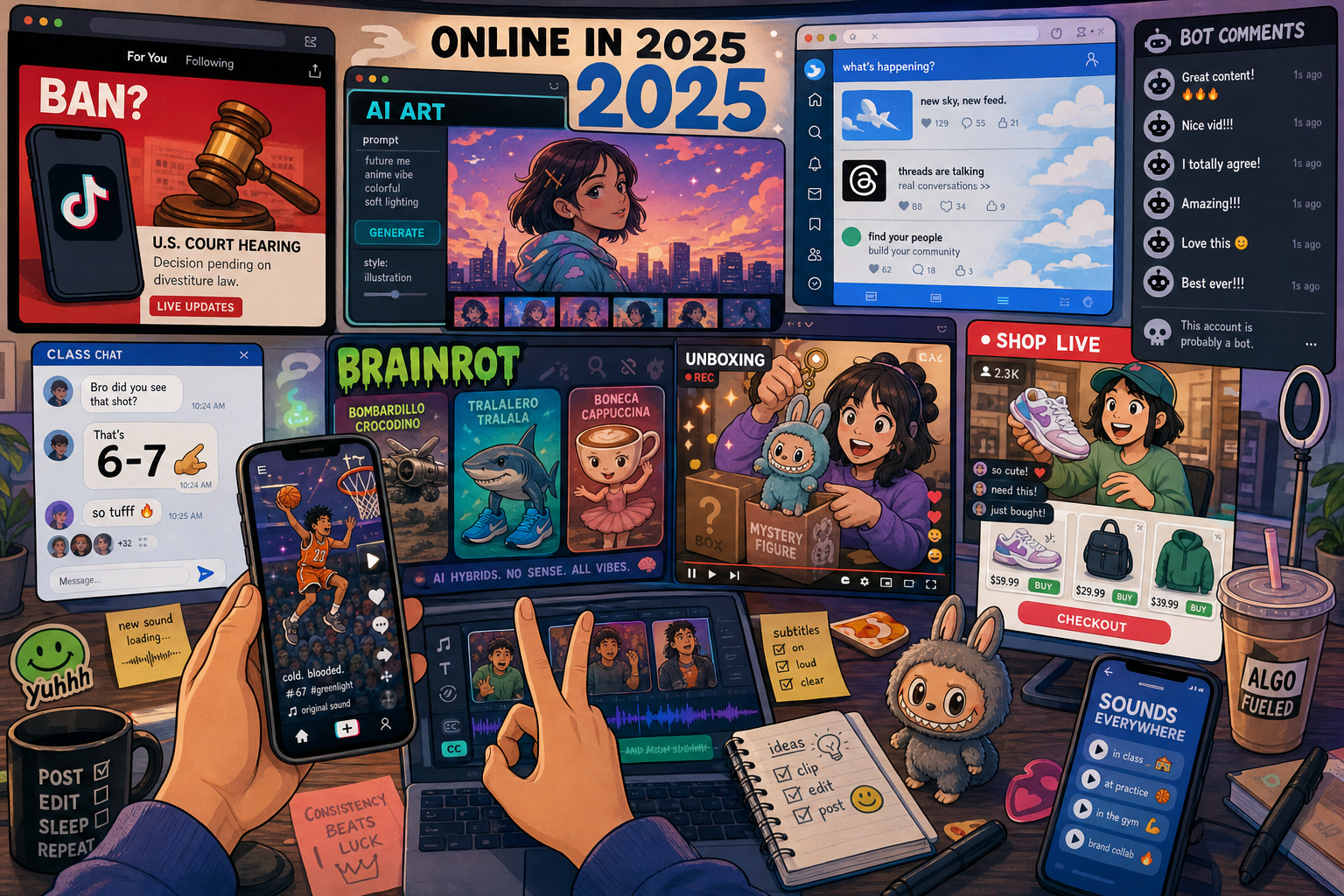
Internet Culture Timeline — 2025
2025-01-01
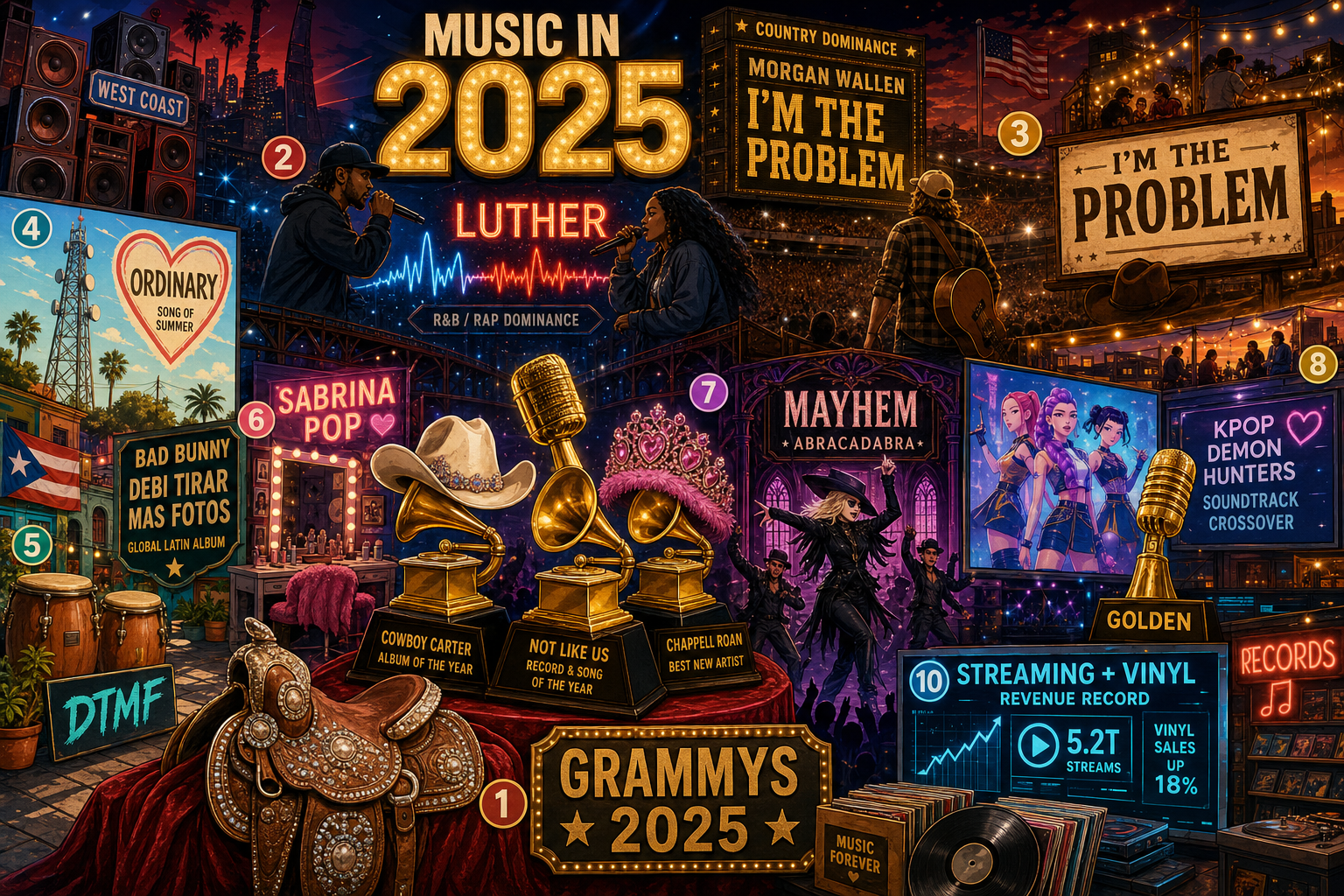
Music Yearbooks — 2025
2025-01-01
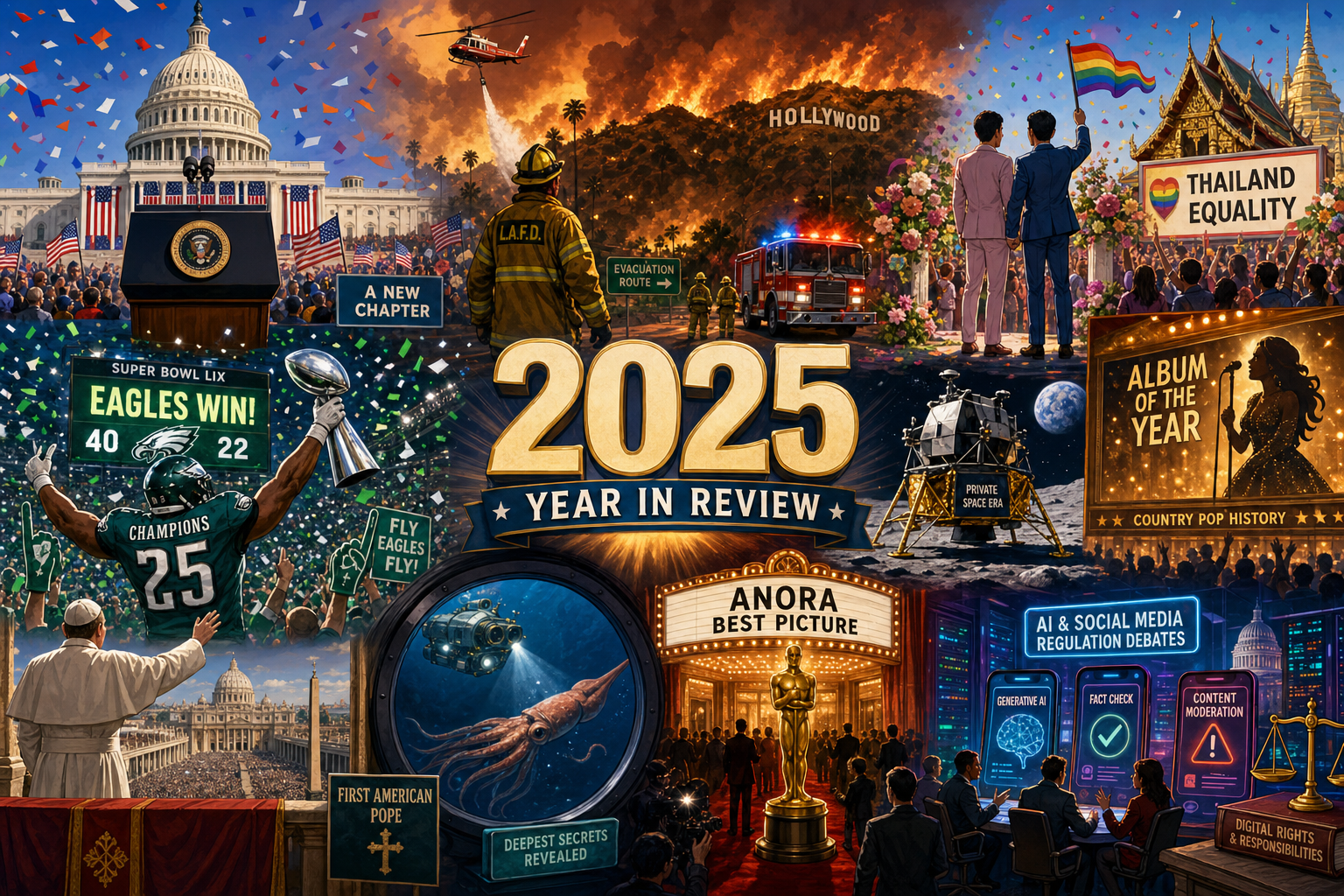
News & Culture — 2025
2025-01-01
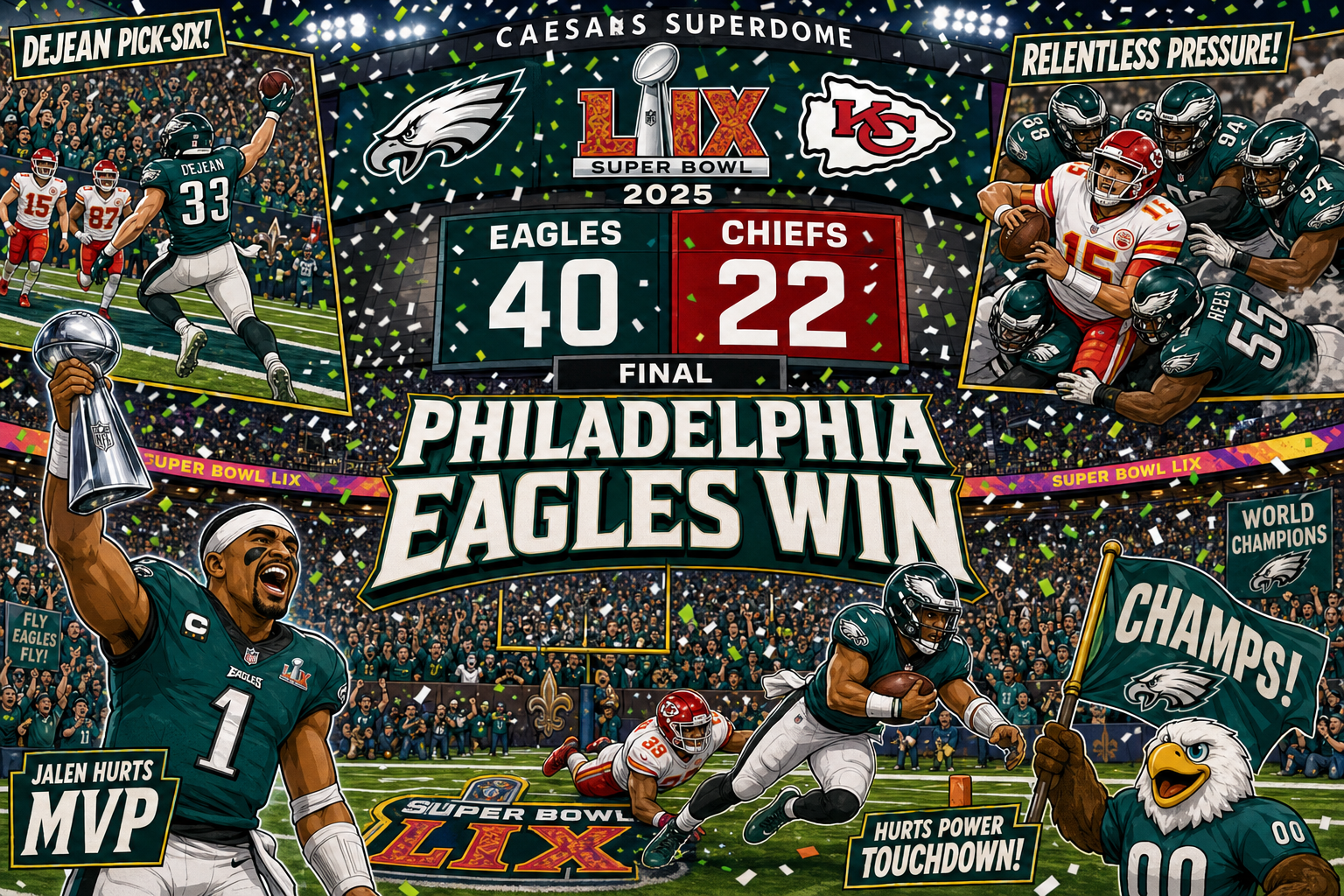
NFL Super Bowls — 2025
2025-01-01
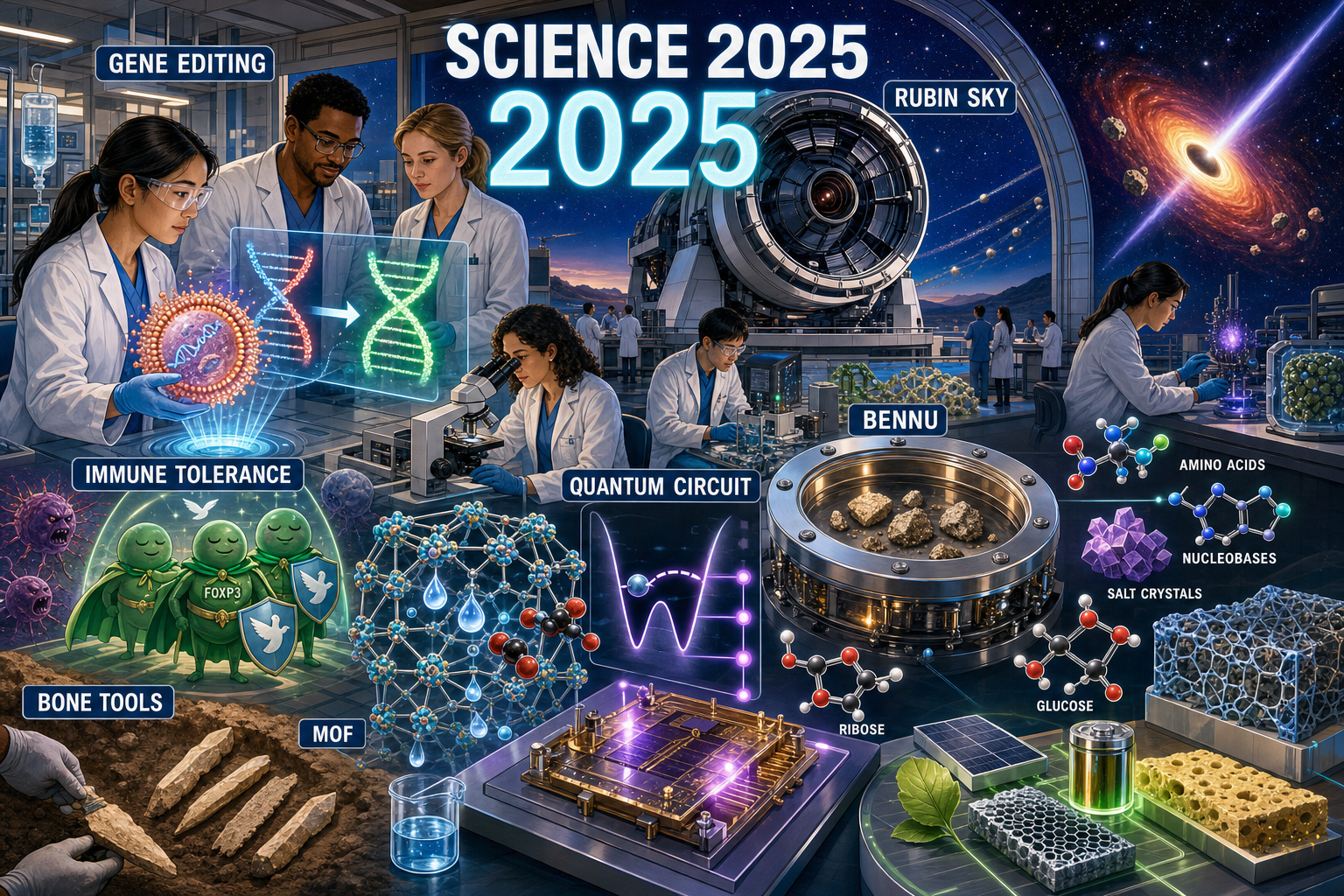
Science Breakthroughs — 2025
2025-01-01
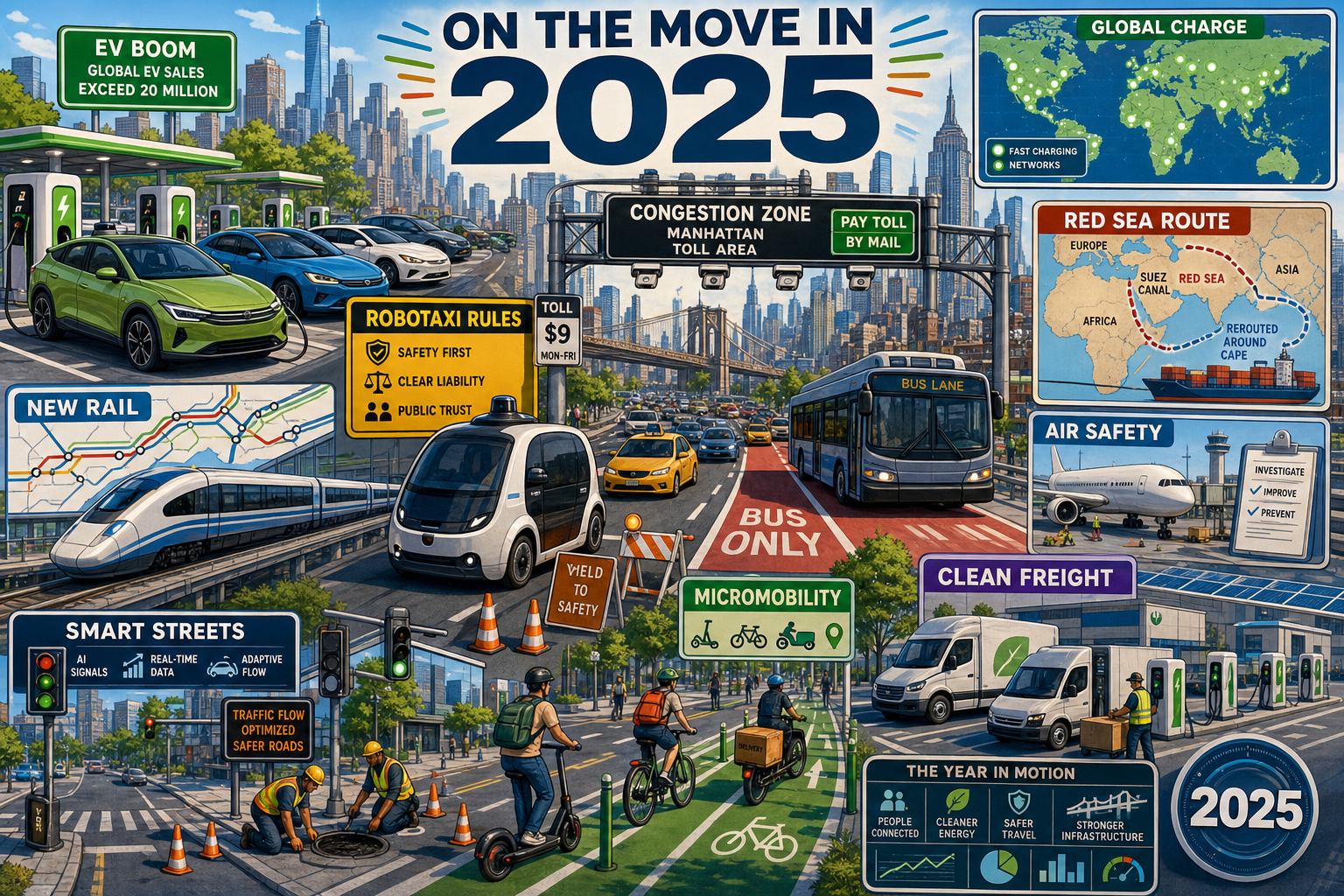
Transportation & Mobility — 2025
2025-01-01
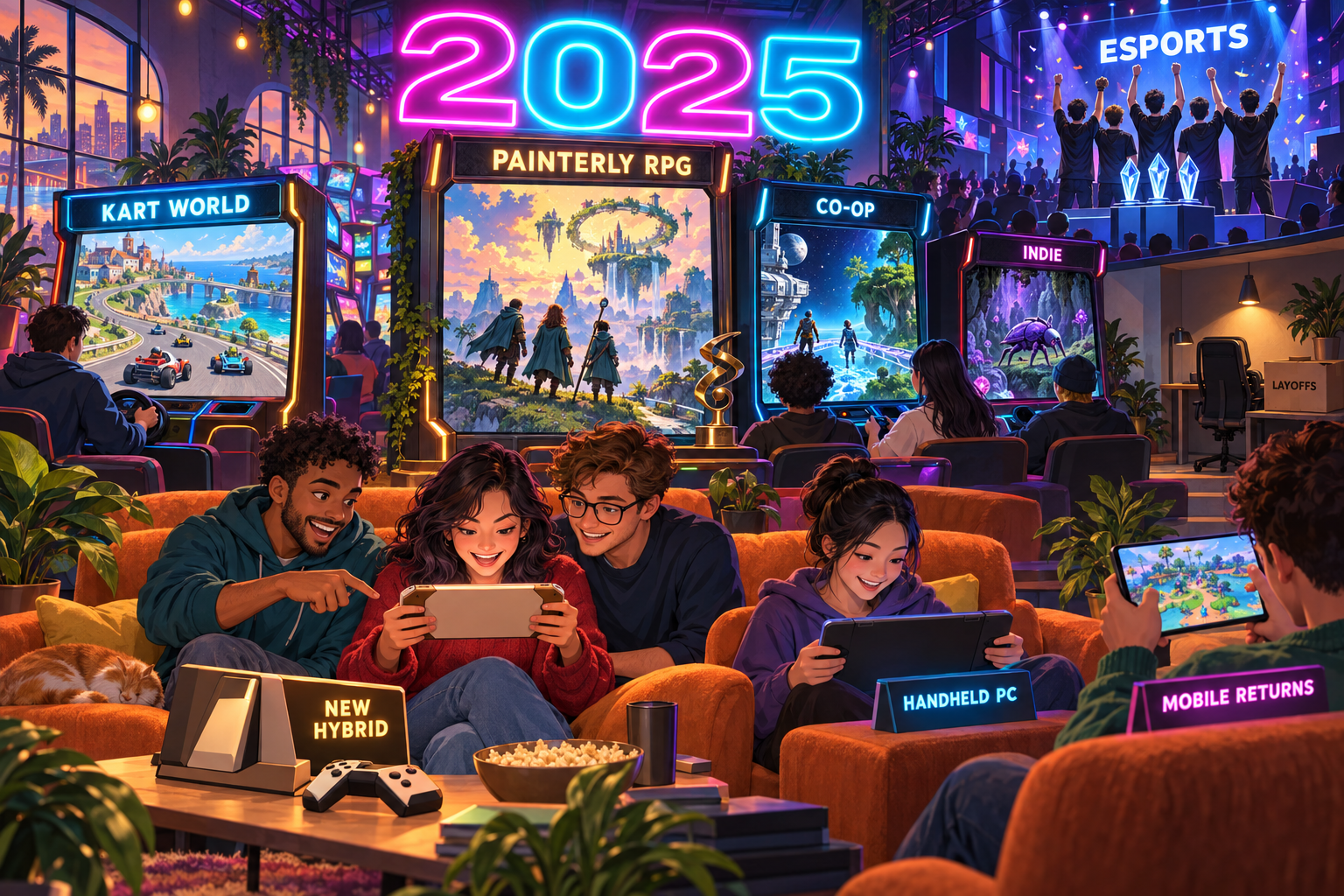
Video Game History — 2025
2025-01-01
Internet Culture Timeline — 2024
2024-01-01
Music Yearbooks — 2024
2024-01-01
News & Culture — 2024
2024-01-01
NFL Super Bowls — 2024
2024-01-01
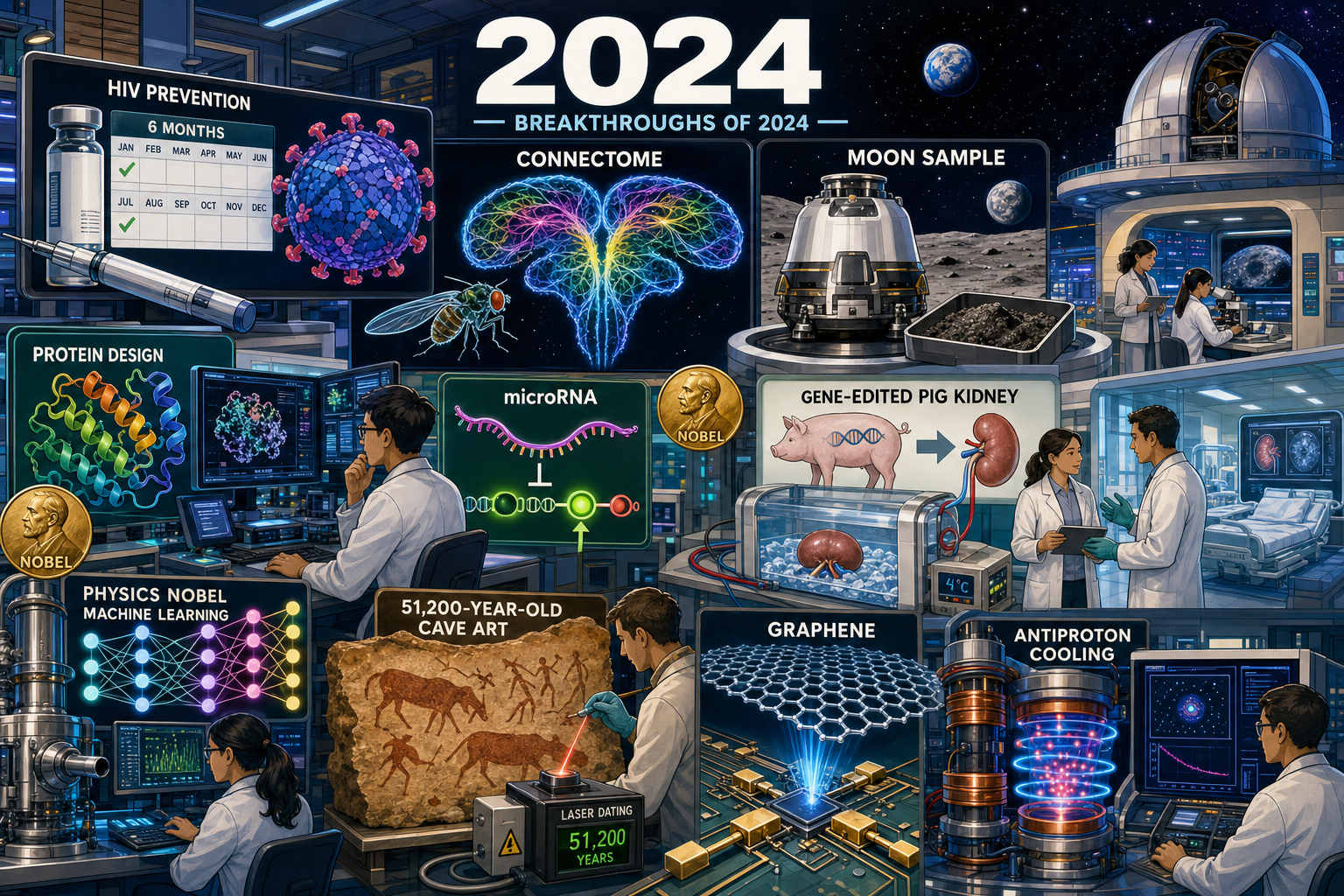
Science Breakthroughs — 2024
2024-01-01