Image Collections 1998-01-01
Music Yearbooks — 1998
Neo-soul and hip-hop/R&B breakthrough albums: selected because 1998 produced era-defining albums and a major awards breakthrough; depicted as an anonymous singer, classroom-style sleeve, and soul/R&B…
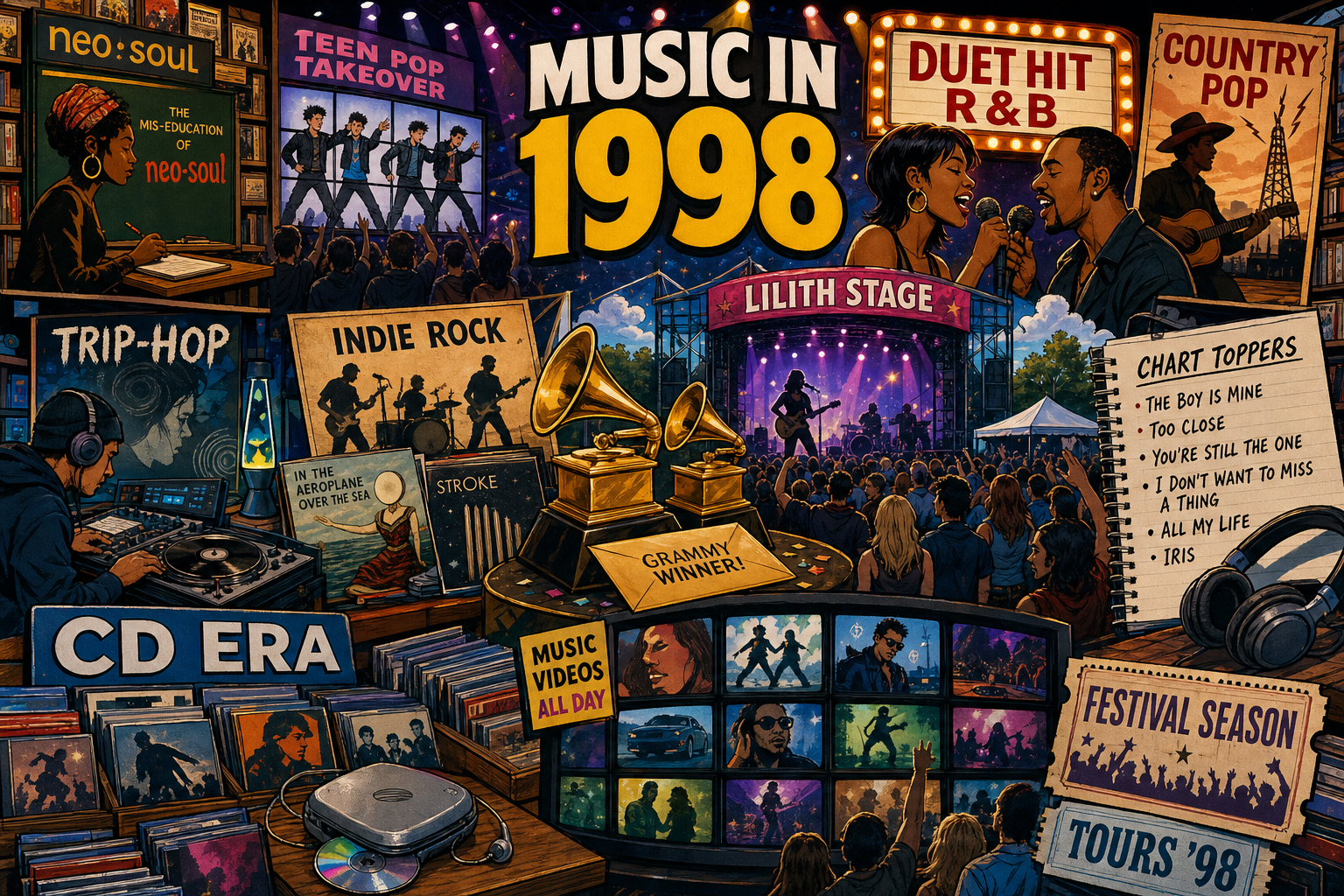
Music Yearbook: 1998
- Year: 1998
- Saved image path:
My-Library/Images/Collections/Music-Yearbooks/Images/Music-Yearbook_1998.png - Model: built-in gpt-image (recovered from session transcript)
- Generation date: 2026-07-06
Selected Music Moments
- Neo-soul and hip-hop/R&B breakthrough albums: selected because 1998 produced era-defining albums and a major awards breakthrough; depicted as an anonymous singer, classroom-style sleeve, and soul/R&B stage cues.
- R&B duet chart dominance: selected because R&B singles were central to the year's pop charts; depicted as anonymous duet singers under a "DUET HIT" marquee.
- Teen-pop explosion: selected because late-1990s choreographed pop groups became a mainstream force; depicted as an anonymous pop group on a generic TV wall.
- Country-pop crossover: selected because country-pop singles reached broad pop audiences; depicted with a cowboy hat, pop radio tower, and "COUNTRY POP" label.
- Electronic and trip-hop albums: selected because 1998 was a strong year for downtempo, trip-hop, and electronic records; depicted with turntables, samplers, and smoky blue speakers.
- Indie-rock cult albums: selected because several 1998 indie releases became long-tail classics; depicted as surreal generic record sleeves and an acoustic band silhouette.
- Women-led festival culture: selected because Lilith Fair remained a defining late-1990s touring festival; depicted as a women-led festival stage.
- CD-store and music-video culture: selected because CDs and televised music-video promotion still dominated music discovery; depicted as CD racks, portable CD player, and generic video screens.
Sources
- Billboard Year-End Hot 100 singles of 1998 overview: https://en.wikipedia.org/wiki/Billboard_Year-End_Hot_100_singles_of_1998
- Grammy reflection on The Miseducation of Lauryn Hill: https://www.grammy.com/news/lauryn-hill-the-miseducation-of-lauryn-hill-25th-anniversary-reflection/
- Spotify newsroom, iconic albums from 1998: https://newsroom.spotify.com/2018-12-11/10-iconic-albums-from-1998-were-still-playing/
- Pitchfork, The 50 Best Albums of 1998: https://pitchfork.com/features/lists-and-guides/the-50-best-albums-of-1998/
- Lilith Fair background: https://en.wikipedia.org/wiki/Lilith_Fair
- JME/NPR-linked retrospective on Lilith Fair: https://jaxmusic.org/jme/2022/07/lilith-fair-anniversary-25/
Rights And Sensitivity Notes
The illustration avoids exact artist likenesses, official label/network/platform logos, and exact album-cover reproduction. Artist and album references are represented with anonymous performers, generic props, and descriptive labels.
Final Prompt Used
Use case: illustration-story
Asset type: year-by-year music yearbook collection image, 3:2 wide landscape PNG
Primary request: Create a vibrant cartoon-editorial music-yearbook montage for the year 1998, showing the landmark albums, hit songs, dominant genres, festivals, awards, tours, and music-business moments that defined the year.
Scene/backdrop: a cohesive concert-poster-meets-magazine montage inside a busy late-1990s record shop opening onto an arena stage. The scene should feel like one unified music world rather than disconnected stickers.
Subject: combine these selected moments into one unified illustrated montage: anonymous soulful singer and classroom-style record sleeve for late-1990s neo-soul, choreographed anonymous teen-pop group on a TV wall, two anonymous duet singers under a "DUET HIT" marquee for R&B chart dominance, cowboy hat and pop radio tower for country-pop crossover, turntables and samplers for electronic and trip-hop, surreal neutral record sleeves and acoustic band silhouette for indie-rock cult albums, women-led festival stage, Grammy-style trophies and award envelopes, CD-store endcap and portable CD player culture, and a generic music-video screen wall.
Year text requirement: include clear readable text in the image that says: "1998"
Optional title text: include a short readable title: "MUSIC IN 1998"
Style/medium: polished vibrant cartoon-editorial illustration, concert-poster energy, magazine-quality digital art. Stages, instruments, crowds, festival field cues, headphones, CD racks, award trophies, marquee text, genre-specific motifs, expressive anonymous performers, dynamic stage lighting.
Composition/framing: wide landscape image, one unified scene rather than separate panels. Use foreground performers, microphones, CDs and records; midground crowd and stage; background TV music-video screens and record shop posters. Make the biggest 2-3 music moments most prominent, with smaller references integrated as posters, marquees, record sleeves, trophies, ticket stubs, or screens.
Lighting/mood: energetic, celebratory, nostalgic, readable, with stage-light glow, spotlights, and clear visual hierarchy.
Color palette: varied late-1990s palette: glossy pop brights, warm record-shop wood, silver CD reflections, deep trip-hop blues, festival greens, gold trophy accents. Avoid a one-note palette.
Text constraints: short readable labels only: "1998", "MUSIC IN 1998", "DUET HIT", "COUNTRY POP", "LILITH STAGE", "CD ERA", "R&B", "TRIP-HOP". Keep labels high-contrast, correctly spelled, and large enough to read. Do not use long captions or fake paragraphs.
Avoid: official label/network/platform/brand logos, exact album-art reproduction, photorealistic real-artist likenesses, copyrighted character likenesses, graphic depictions of tragedy, hateful imagery, cluttered sticker-collage layout, tiny unreadable labels, distorted lettering, fake full article text, generic stock imagery.
More from Image Collections
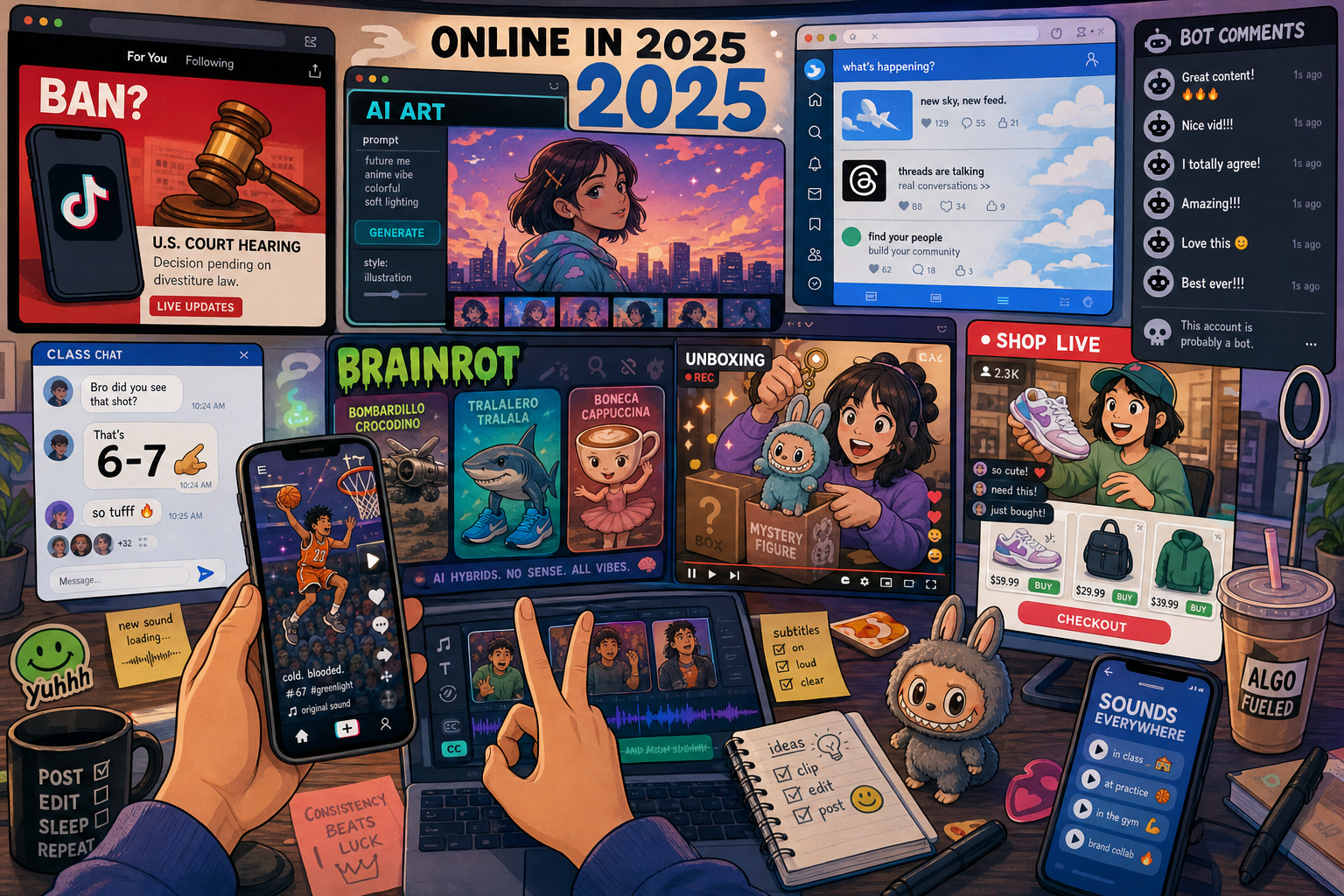
Internet Culture Timeline — 2025
2025-01-01
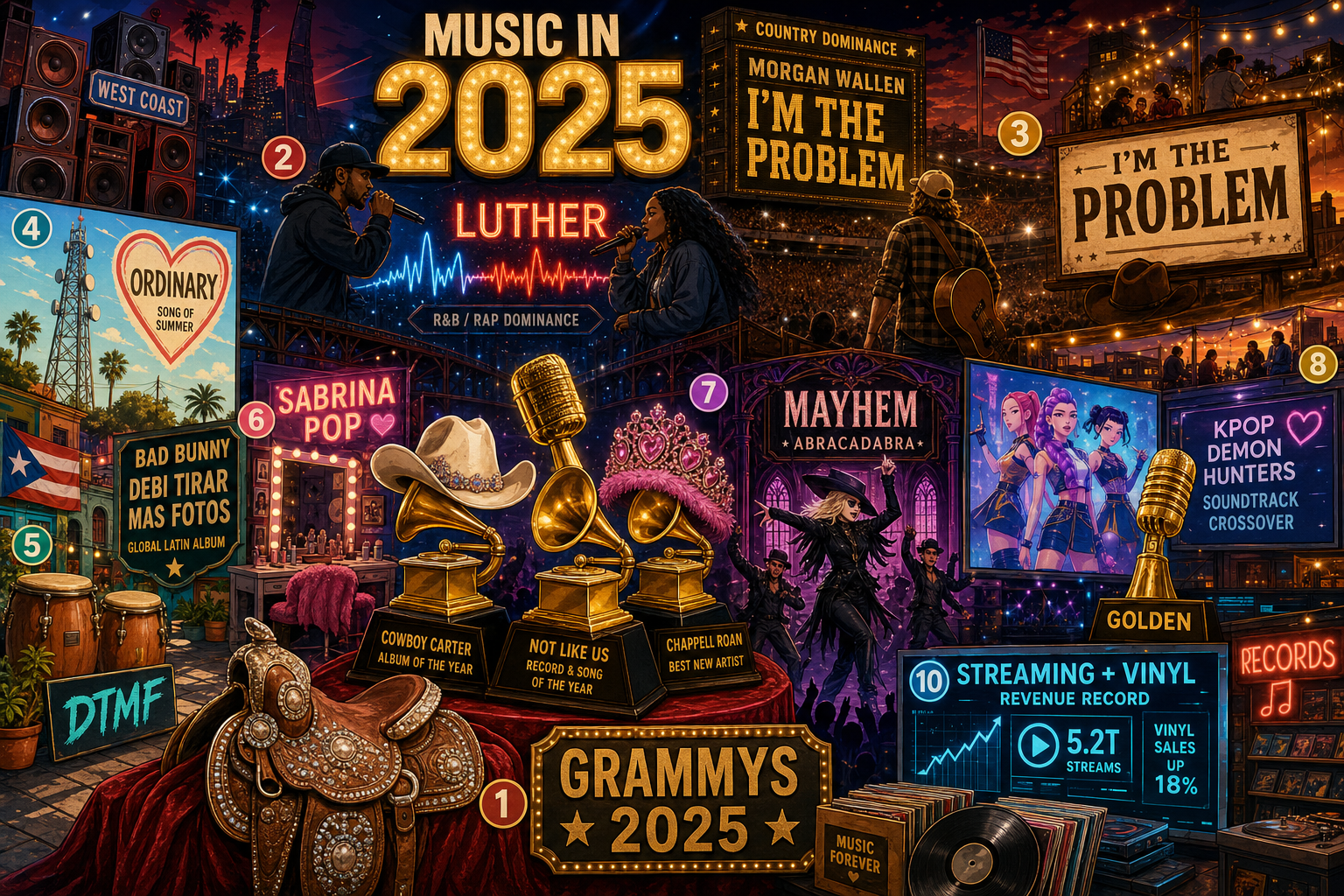
Music Yearbooks — 2025
2025-01-01
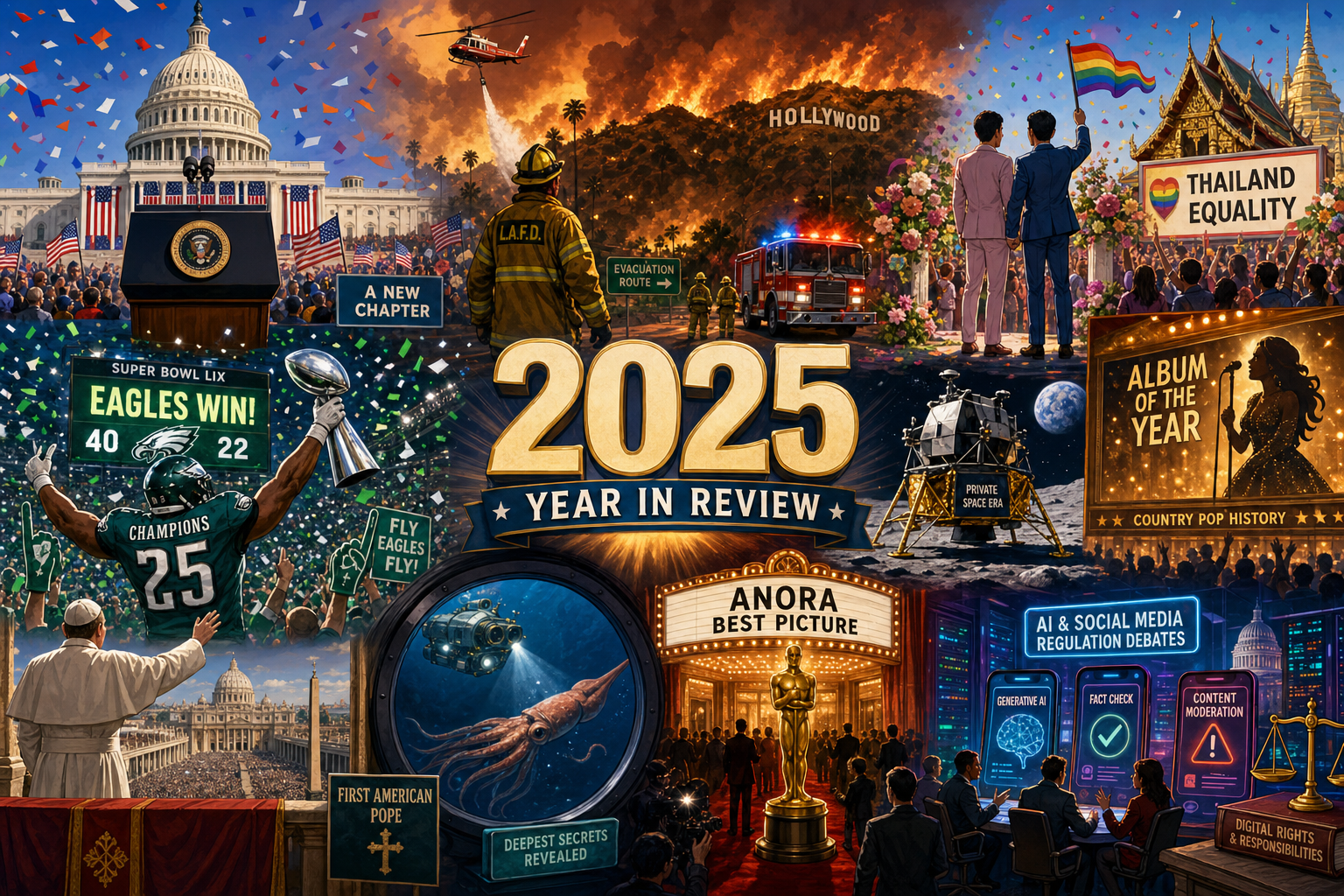
News & Culture — 2025
2025-01-01
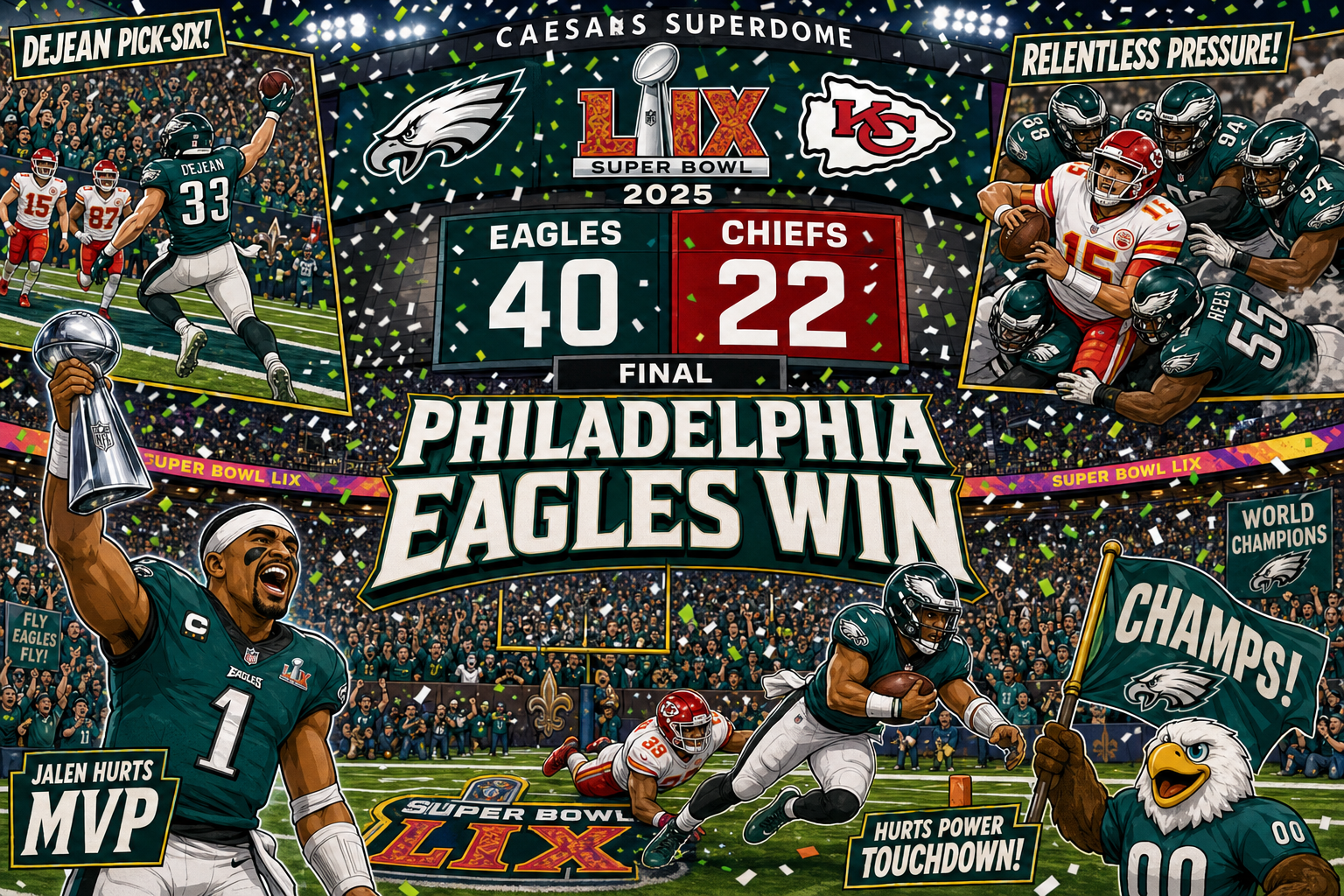
NFL Super Bowls — 2025
2025-01-01

Science Breakthroughs — 2025
2025-01-01
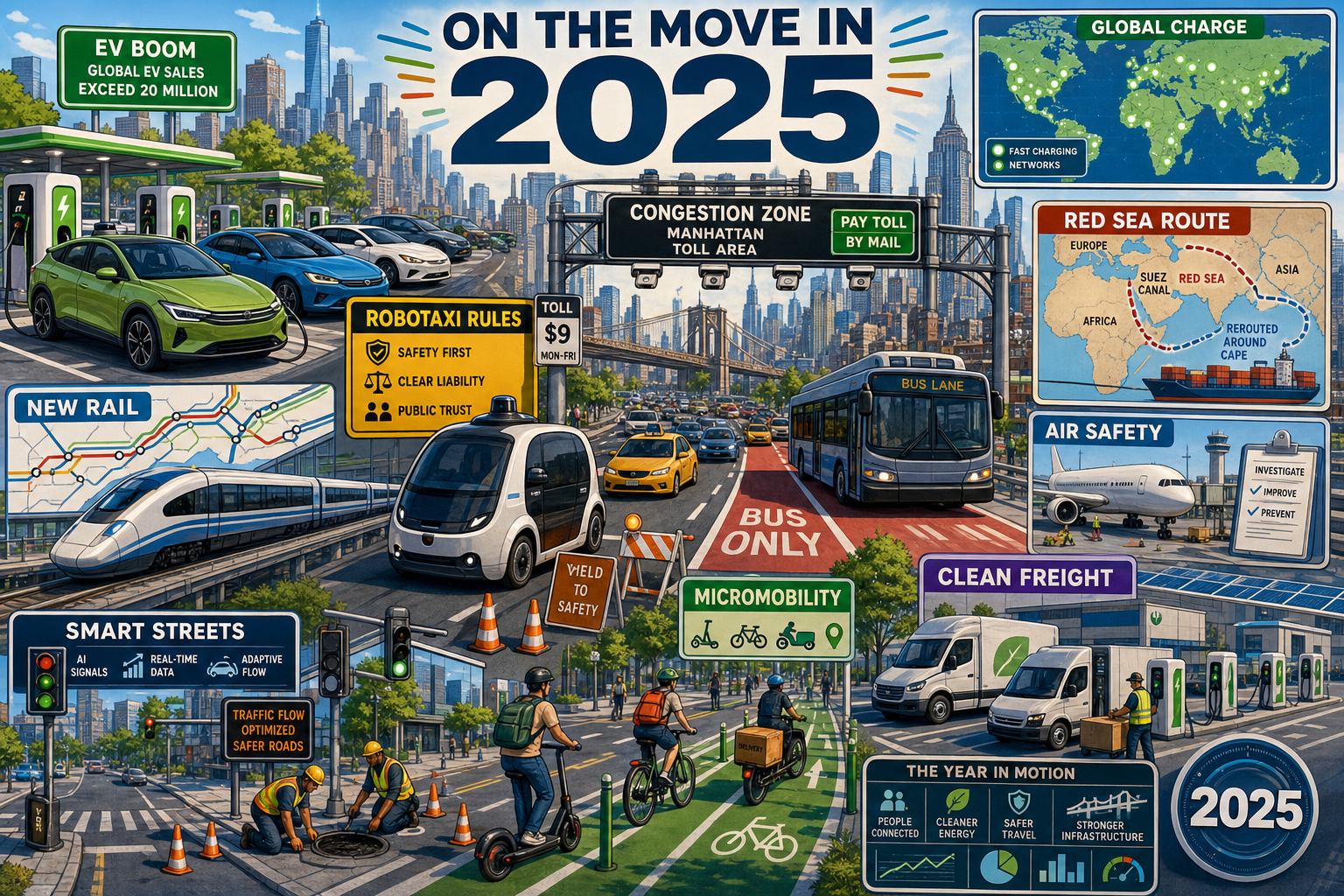
Transportation & Mobility — 2025
2025-01-01
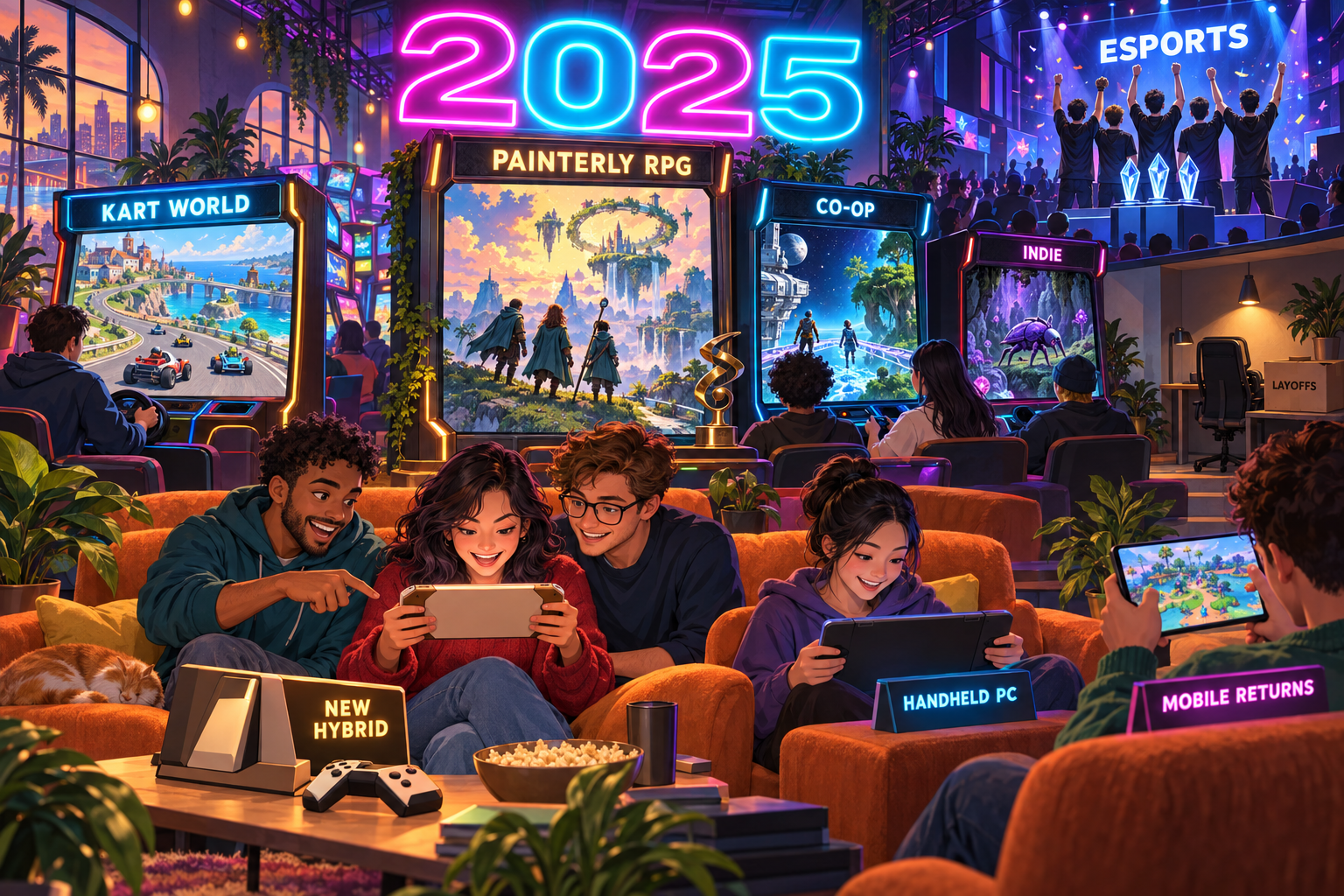
Video Game History — 2025
2025-01-01
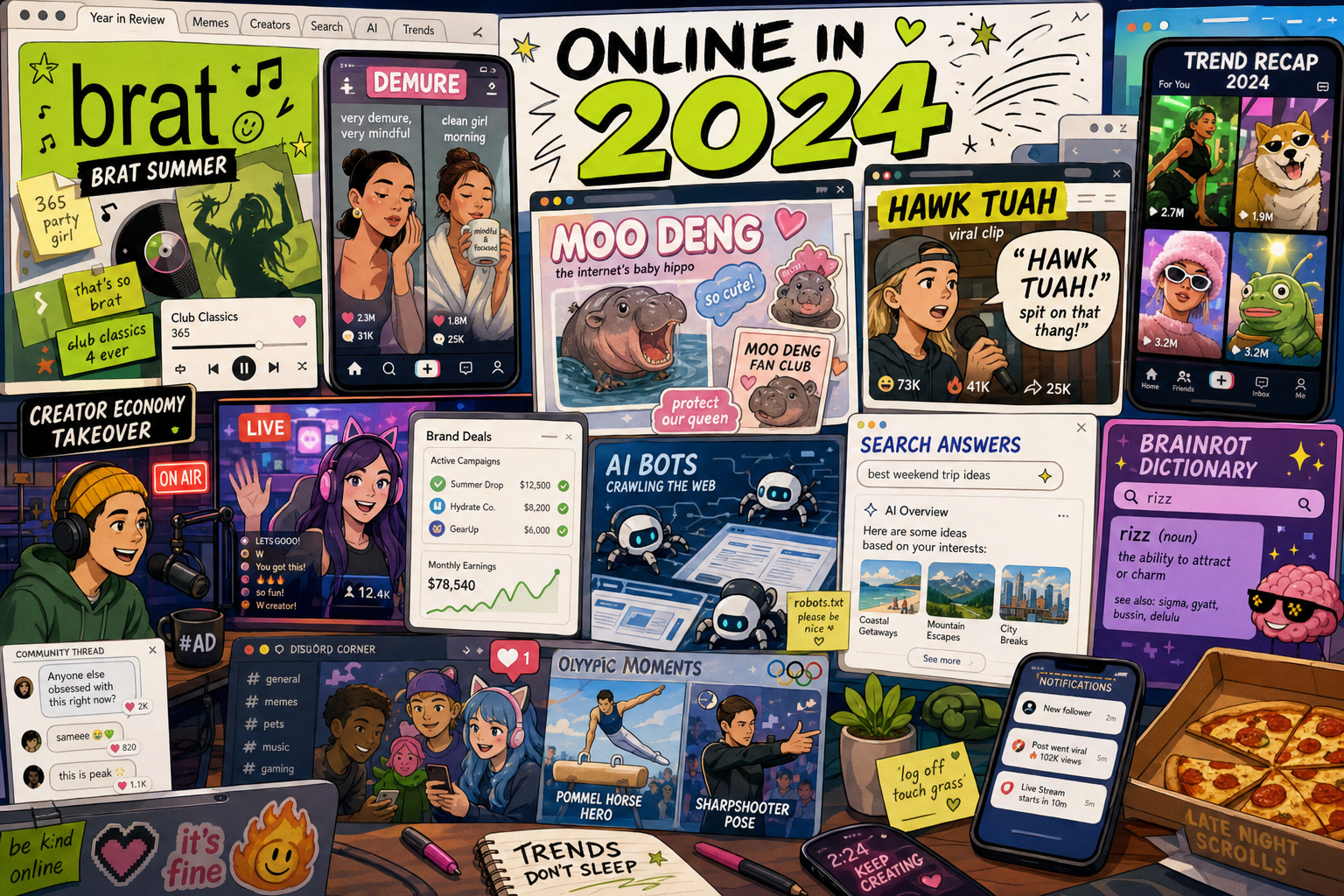
Internet Culture Timeline — 2024
2024-01-01
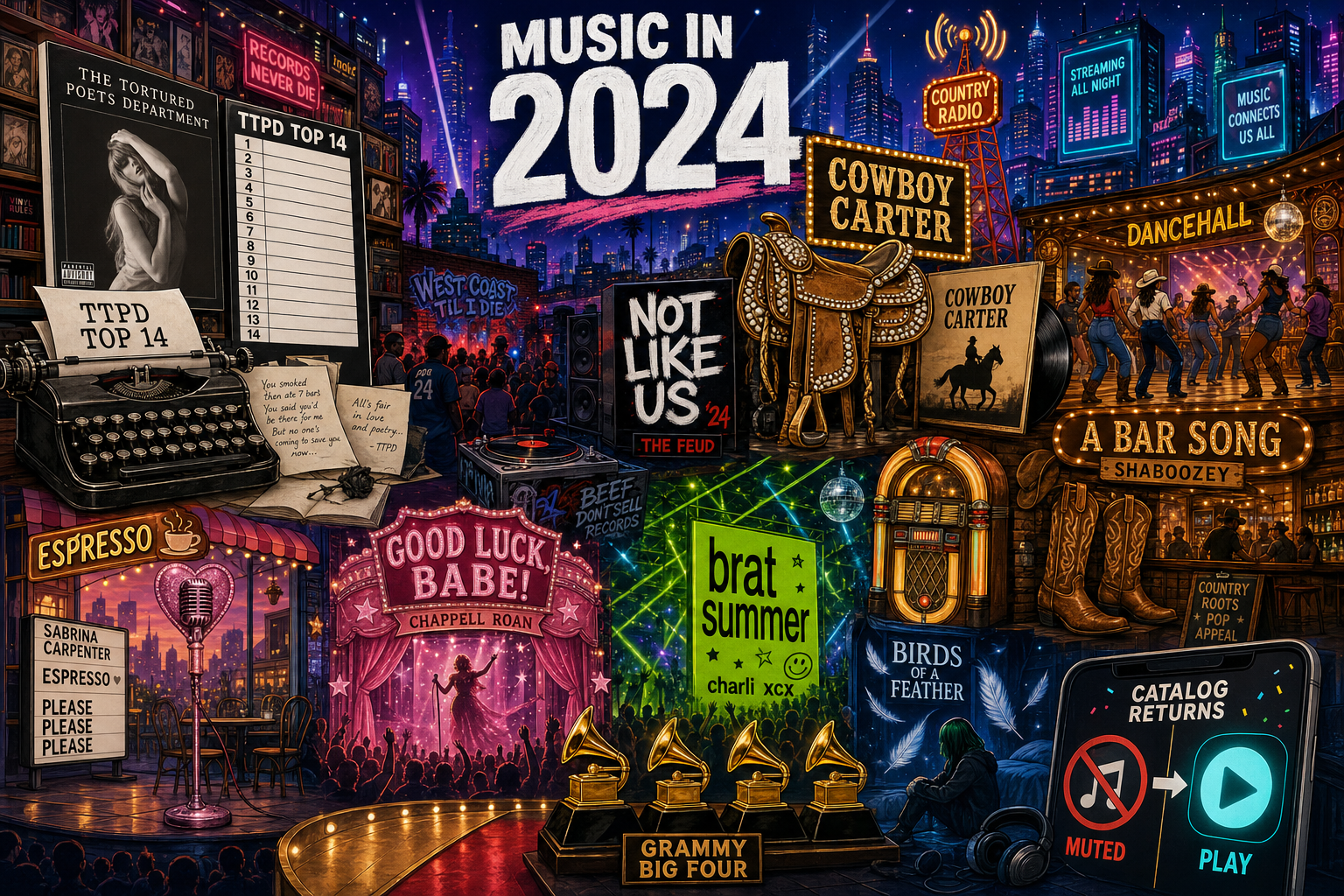
Music Yearbooks — 2024
2024-01-01
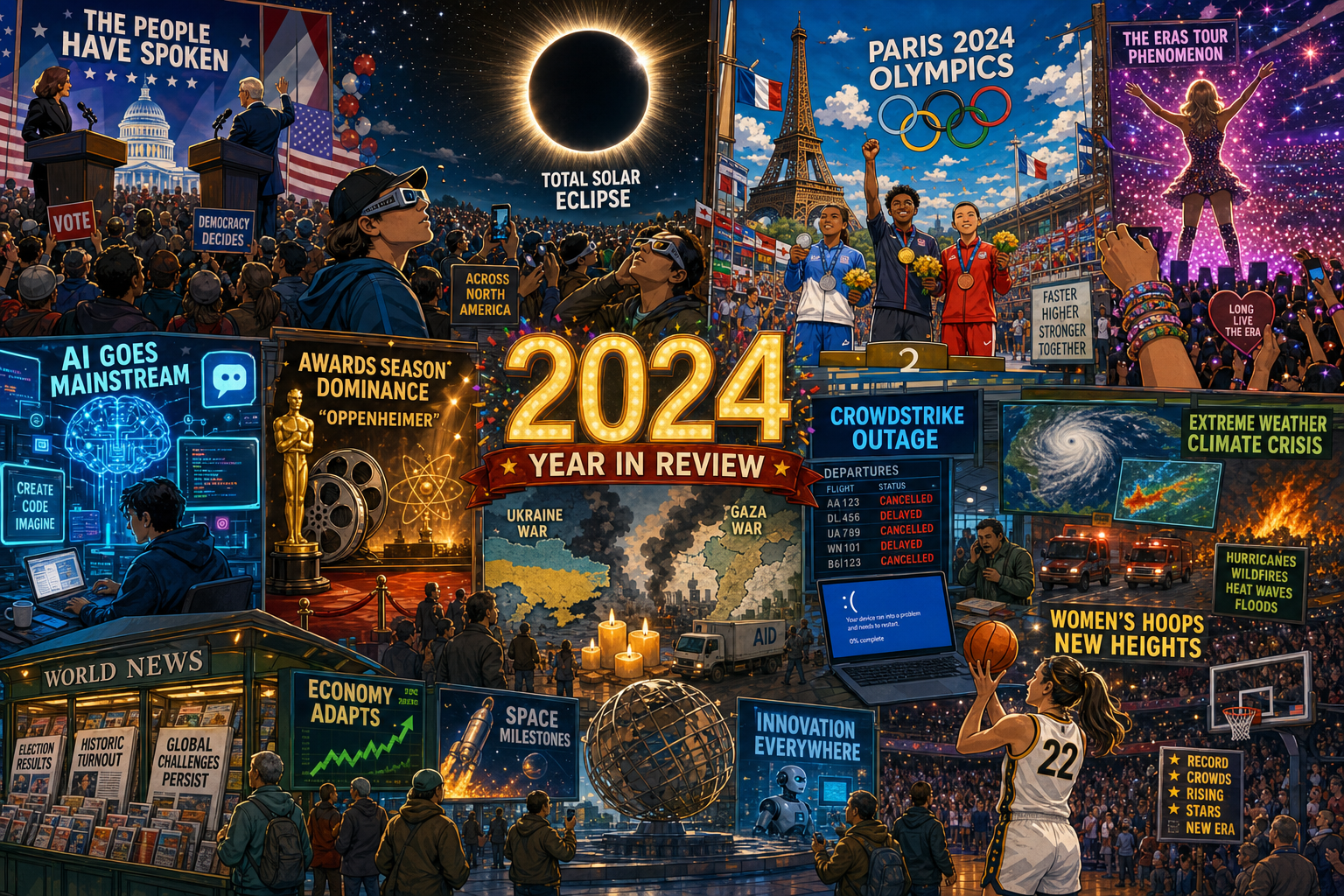
News & Culture — 2024
2024-01-01
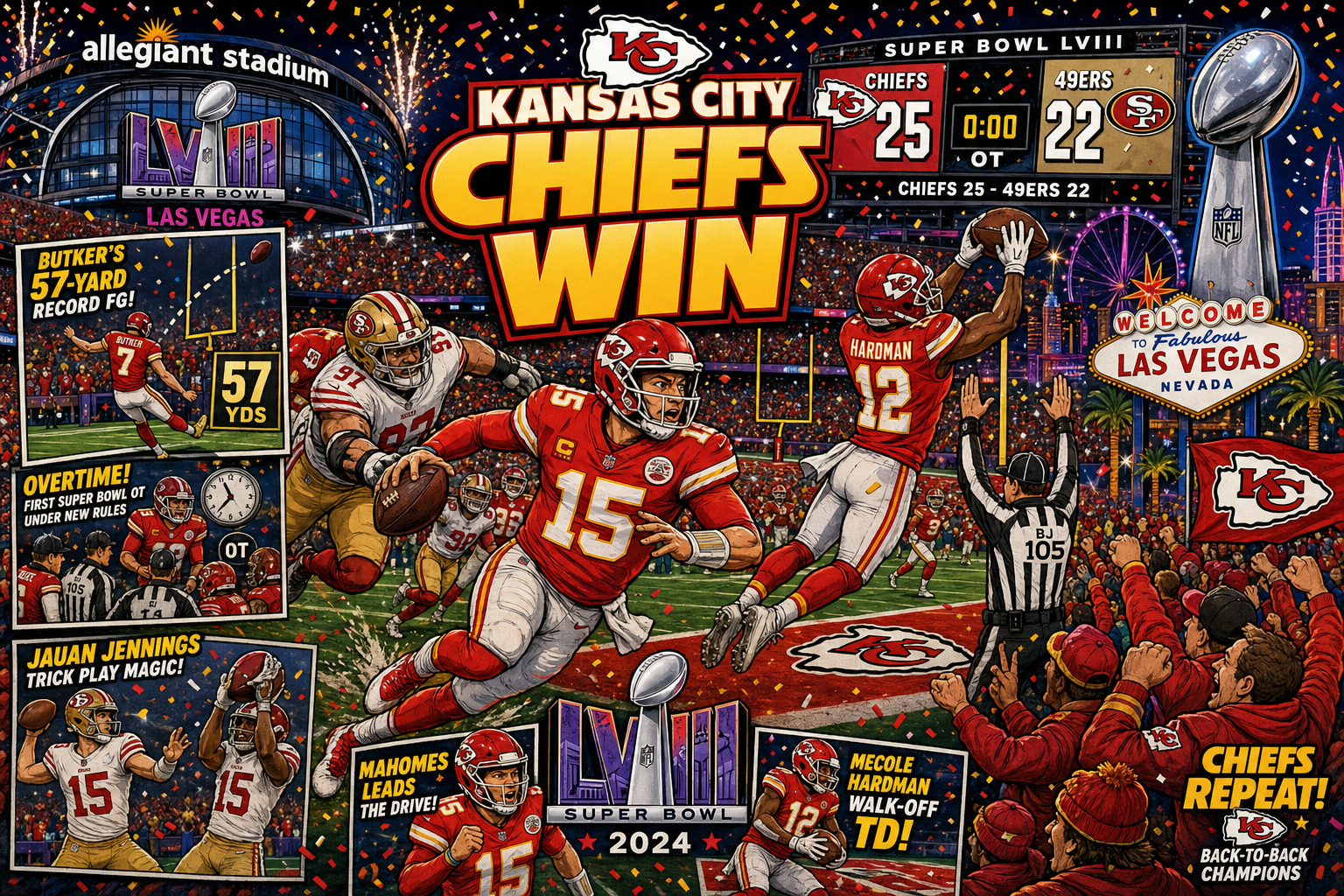
NFL Super Bowls — 2024
2024-01-01
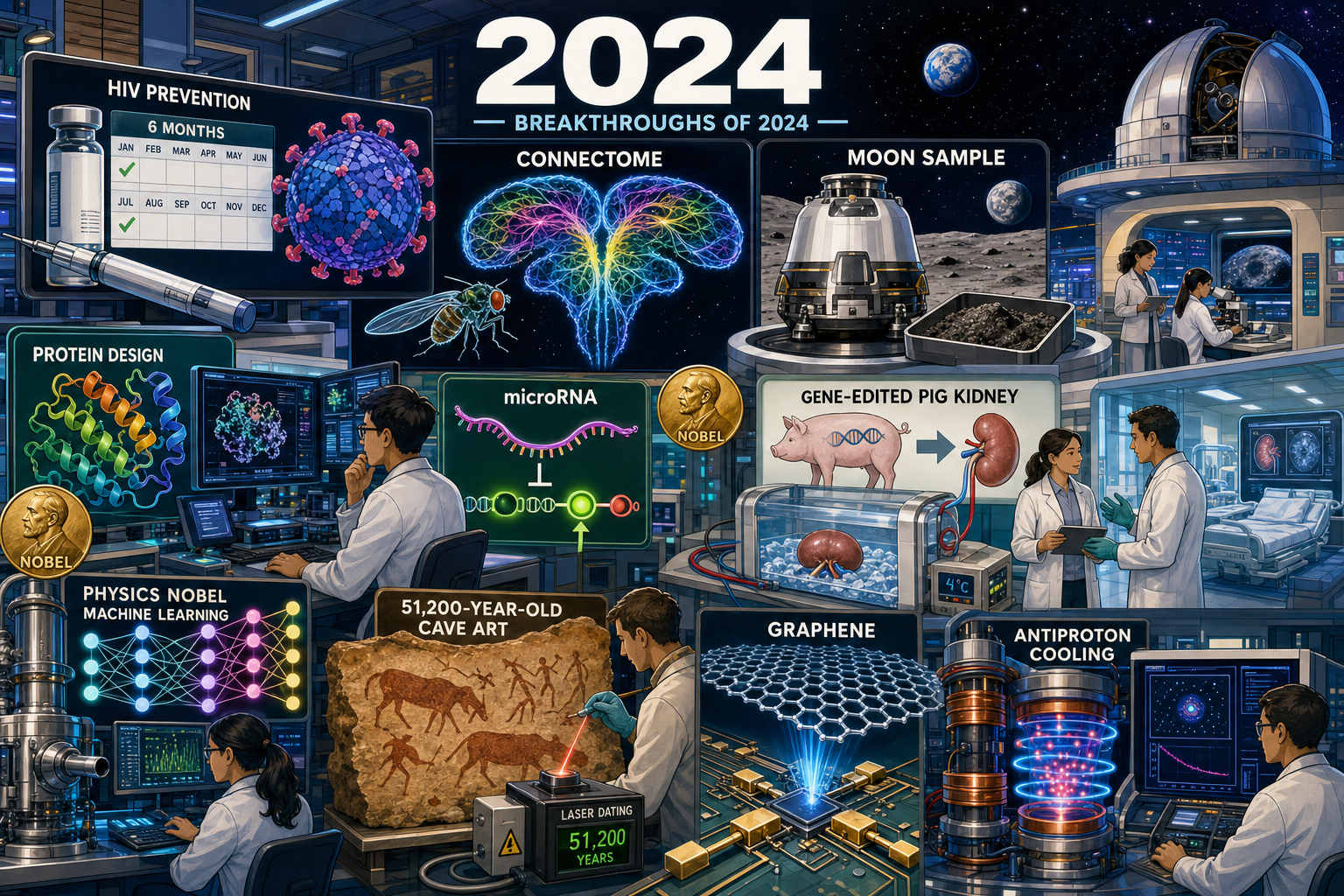
Science Breakthroughs — 2024
2024-01-01