Image Collections 2003-01-01
Science Breakthroughs — 2003
Human Genome Project completion. Selected as the largest genetics milestone of the year. Source: https://www.genome.gov/about-genomics/educational-resources/fact-sheets/human-genome-project
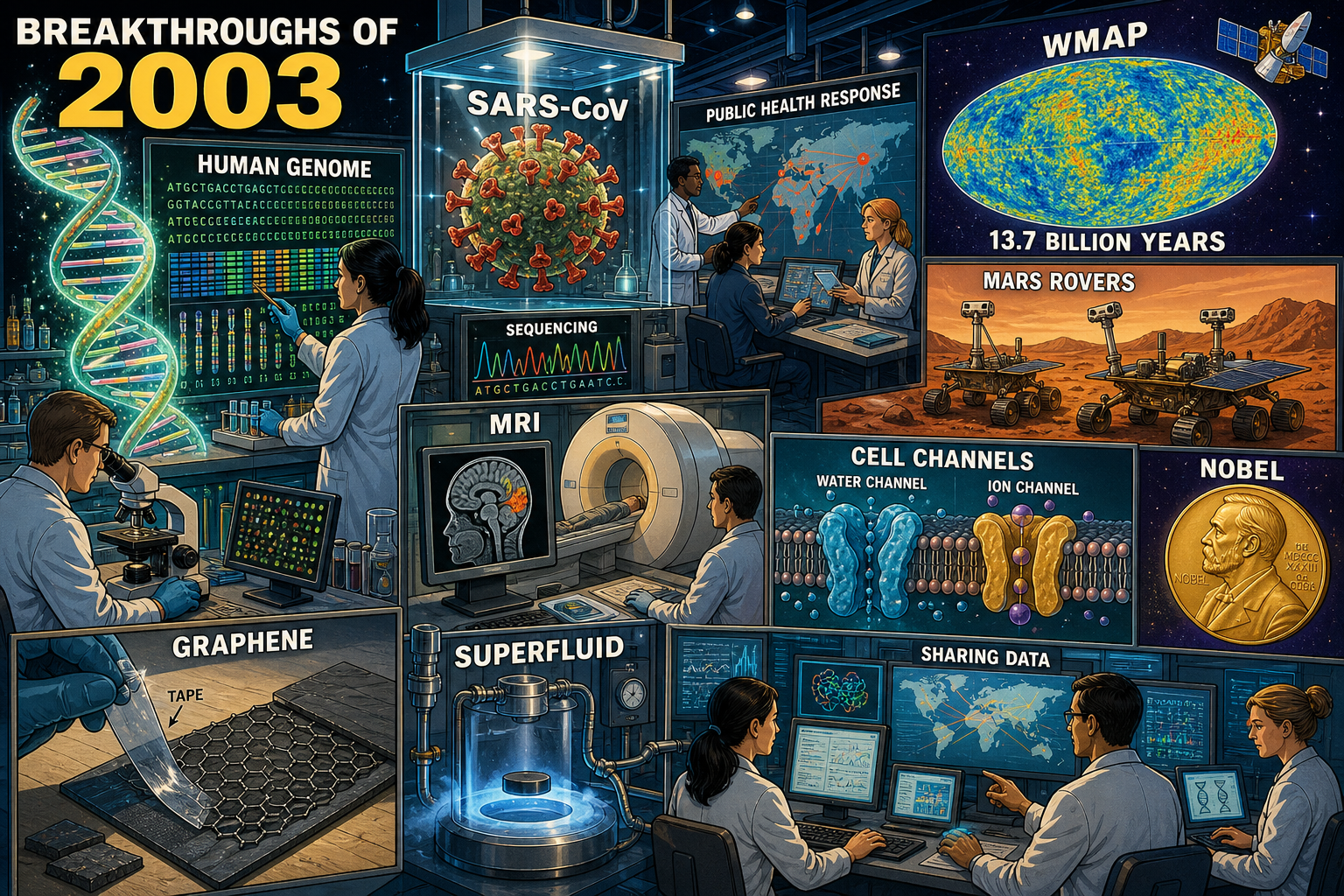
Science Breakthroughs: 2003
- Year: 2003
- Saved image path:
My-Library/Images/Collections/Science-Breakthroughs/Images/Science-Breakthroughs_2003.png - Model: built-in gpt-image (recovered from session transcript)
- Generation date: 2026-07-07
Selected Science Breakthroughs
- Human Genome Project completion. Selected as the largest genetics milestone of the year. Source: https://www.genome.gov/about-genomics/educational-resources/fact-sheets/human-genome-project
- SARS coronavirus identification and sequencing. Selected as a defining public-health and virology breakthrough from the 2003 outbreak response. Source: https://archive.cdc.gov/www_cdc_gov/sars/lab/sequence.html
- Mars Exploration Rover launches. Selected as a major planetary-science and astrobiology mission milestone. Source: https://www.jpl.nasa.gov/missions/mars-exploration-rover-opportunity-mer/
- WMAP first-year cosmology results. Selected because the 2003 results refined the age and composition of the universe. Source: https://ui.adsabs.harvard.edu/abs/2003ApJS..148....1B/abstract
- Nobel Prize in Physiology or Medicine for MRI. Selected as the year's Nobel-recognized medical imaging breakthrough. Source: https://www.nobelprize.org/prizes/medicine/2003/summary/
- Nobel Prize in Chemistry for channels in cell membranes. Selected as a molecular biology/chemistry anchor. Source: https://www.nobelprize.org/prizes/chemistry/2003/summary/
- Nobel Prize in Physics for superconductivity and superfluidity. Selected as the physics Nobel anchor. Source: https://www.nobelprize.org/prizes/physics/2003/summary/
- Early graphene isolation. Selected as a materials-science cue tied to 2003 laboratory work and later 2D-materials impact. Source: https://journal.sciencemuseum.ac.uk/article/story-of-graphene/
- Global outbreak coordination and data sharing. Selected to show the research collaboration behind SARS control. Source: https://www.who.int/health-topics/severe-acute-respiratory-syndrome
- Public genome data and special HGP completion publications. Selected as a scientific communication cue. Source: https://doe-humangenomeproject.ornl.gov/landmark-hgp-papers/
Rights / Sensitivity Notes
Medical and outbreak topics are depicted symbolically through clean research displays and public-health maps. No patient imagery, casualties, official institutional logos, or named-laureate likenesses are used.
Final Prompt Used
Use case: illustration-story
Asset type: year-by-year science breakthroughs collection image
Primary request: Create a lively illustrated science-magazine montage for the year 2003, showing the medicine, physics, biology, genetics, energy, archaeology/materials, and Nobel-worthy discoveries that defined science that year.

Scene/backdrop: a cohesive laboratory-and-discovery montage: a bright research world with lab benches, microscopes and telescopes, a molecule/DNA model, a cosmic microwave background star-chart wall, a Mars mission monitor, a clean hospital imaging room, and a materials-science bench. The scene should feel like one unified science world rather than disconnected stickers.

Subject: combine these selected breakthroughs into one unified illustrated montage: the Human Genome Project completion represented by a large glowing DNA helix and sequence map labeled "HUMAN GENOME", SARS coronavirus identification and rapid sequencing represented by a symbolic virus model in a containment display labeled "SARS-CoV", the 2003 Mars Exploration Rover launches represented by twin generic rover models on red terrain screens labeled "MARS ROVERS", WMAP first-year cosmology results represented by a colorful oval cosmic microwave background map labeled "13.7 BILLION YEARS", the 2003 Nobel Prize in Physiology or Medicine for MRI represented by a stylized MRI scanner and brain image labeled "MRI", the 2003 Nobel Prize in Chemistry for channels in cell membranes represented by water-channel and ion-channel molecule diagrams labeled "CELL CHANNELS", the 2003 Nobel Prize in Physics for superconductivity and superfluidity represented by a cold blue lab apparatus labeled "SUPERFLUID", early graphene isolation represented by tape lifting a thin carbon sheet from graphite labeled "GRAPHENE", public-health researchers coordinating outbreak maps, and generic researchers sharing data across computer screens.

Year text requirement: include clear readable text in the image that says: "2003"

Optional title text: include a short readable title: "BREAKTHROUGHS OF 2003"

Style/medium: polished cartoon-editorial illustration in a popular-science-magazine style; stylized lab equipment, glowing screens, molecule and DNA models, star charts, expressive researcher figures, magazine-quality digital art.

Composition/framing: 3:2 wide landscape image, one unified scene rather than separate panels. Use foreground researchers and instruments, midground lab benches and specimen displays, and background observatory/cosmic map, Mars rover monitor, and hospital MRI context. Make the biggest 2-3 breakthroughs most prominent: Human Genome Project completion, SARS virus sequencing/public health response, WMAP/Mars exploration.

Lighting/mood: bright, curious, and optimistic, with clean lab lighting, glowing screens and instruments, and clear visual hierarchy.

Color palette: varied and field-aware: clinical whites and teals for medicine, deep-space blues and purples for astronomy, DNA greens and molecular oranges for biology/chemistry, red Mars tones, cold superconductivity blues, and graphite gray for materials science. Avoid a one-note palette.

Text constraints: short readable labels only on chalkboards, screens, specimen tags, wall charts, and posters. Use 1-5 words per label: "HUMAN GENOME", "SARS-CoV", "MARS ROVERS", "MRI", "WMAP", "GRAPHENE", "NOBEL". Keep text high-contrast, correctly spelled, and large enough to read. Do not use long captions, fake paragraphs, or a row of labels at the bottom.

Avoid: official logos, exact institutional branding, trademark-accurate equipment or product designs, photorealistic likenesses of real people including named scientists/laureates, graphic illness/injury/casualties, hateful symbols, cluttered sticker-collage layout, tiny unreadable labels, distorted lettering, fake full article text, and generic stock imagery.
More from Image Collections
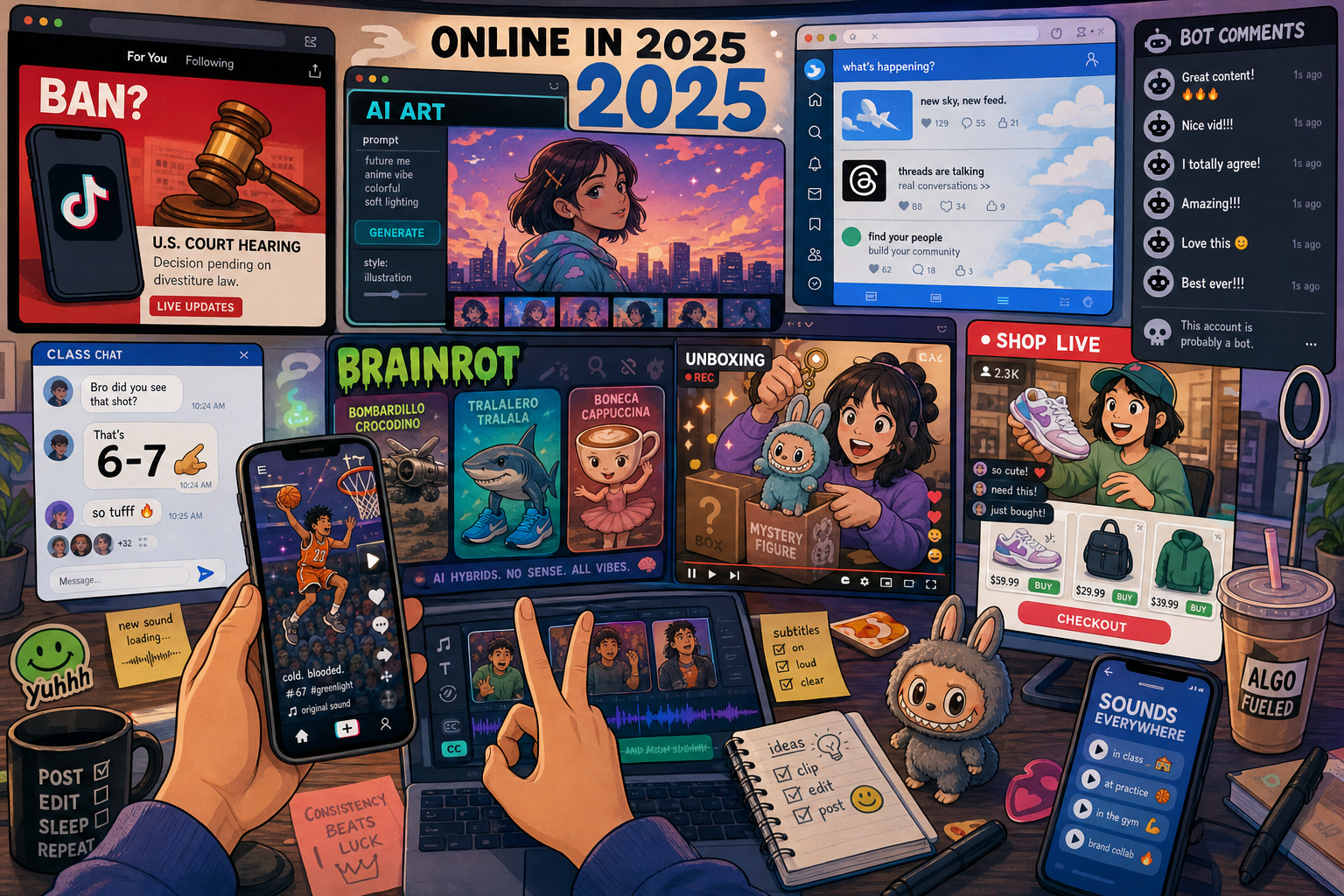
Internet Culture Timeline — 2025
2025-01-01
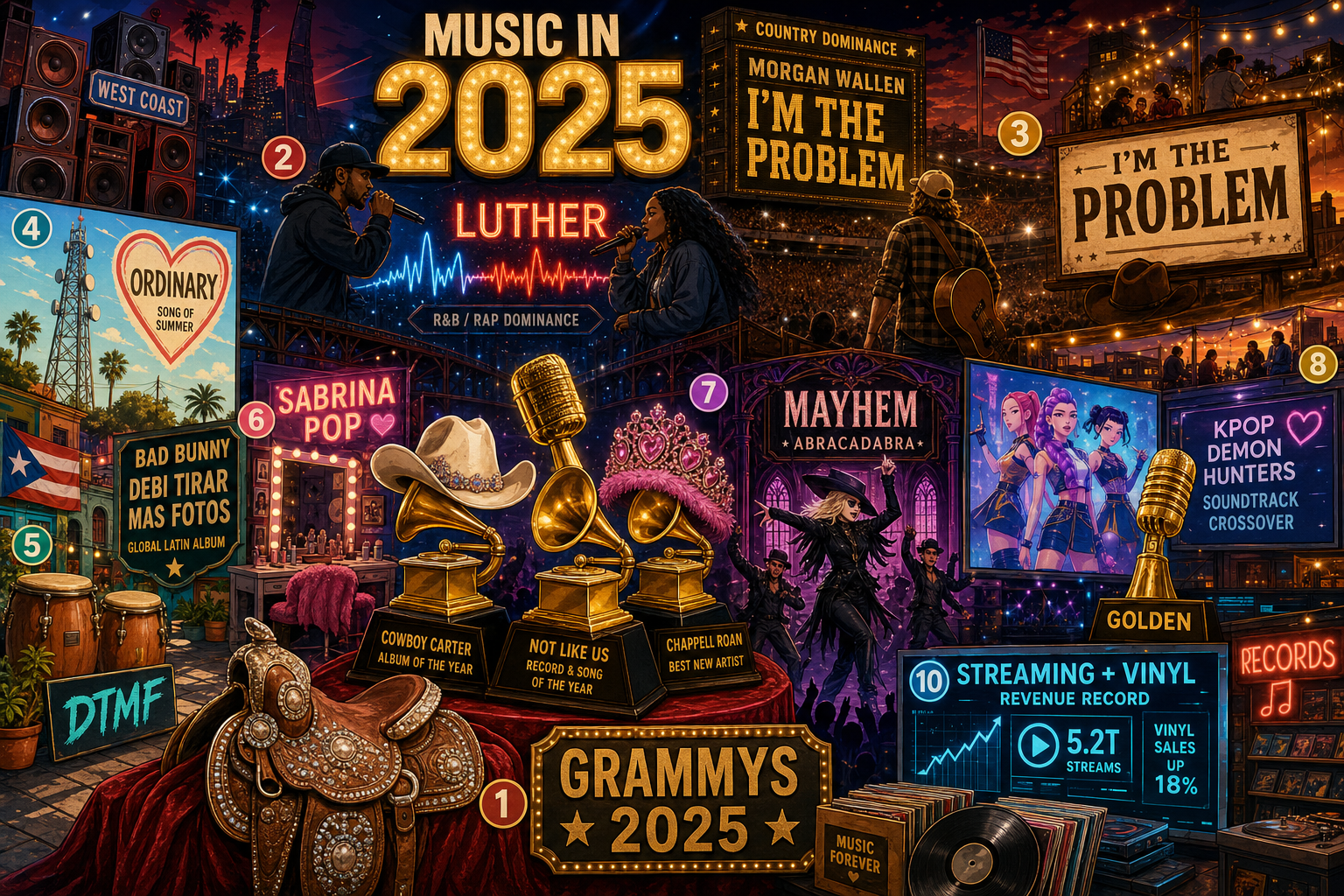
Music Yearbooks — 2025
2025-01-01

News & Culture — 2025
2025-01-01

NFL Super Bowls — 2025
2025-01-01
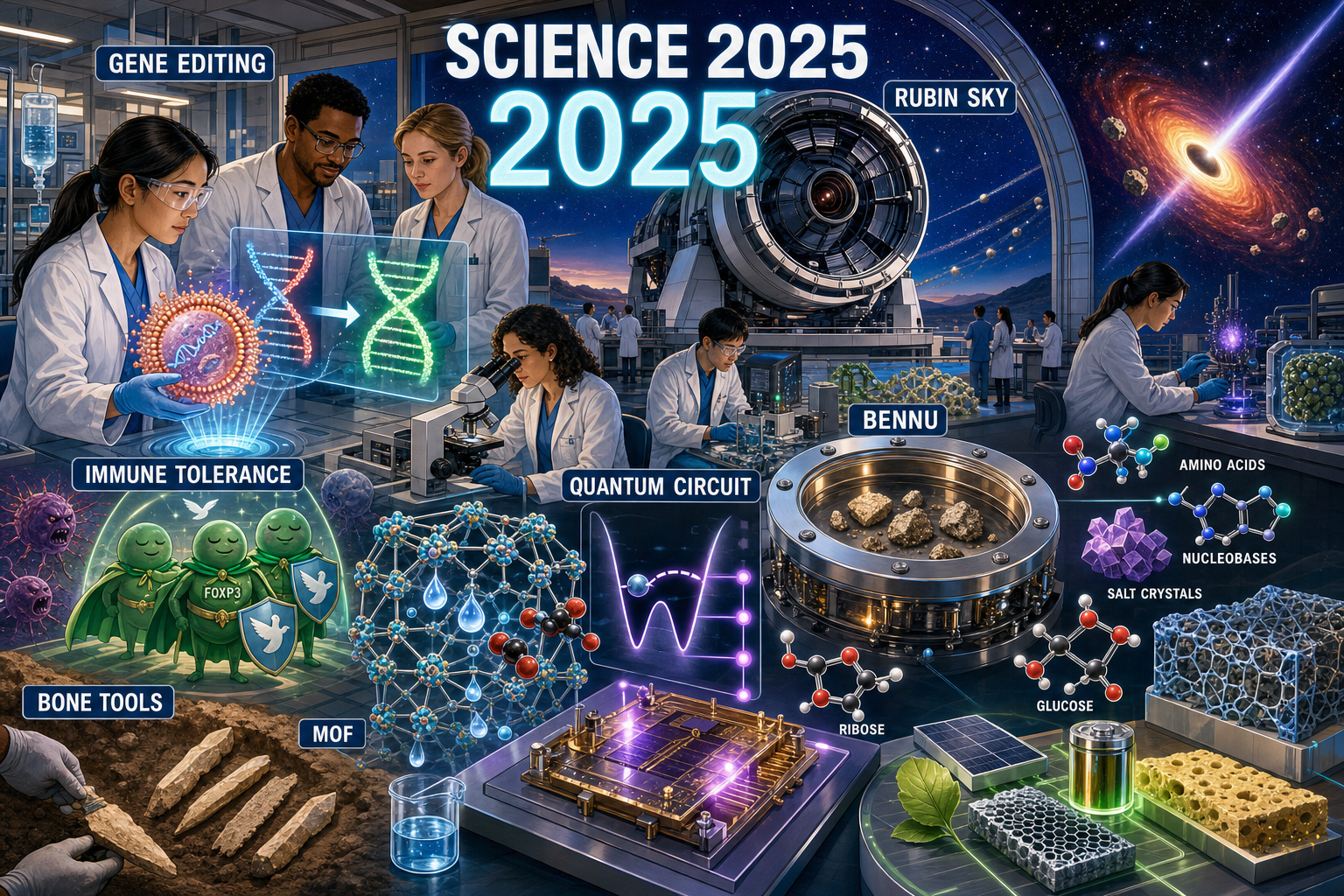
Science Breakthroughs — 2025
2025-01-01
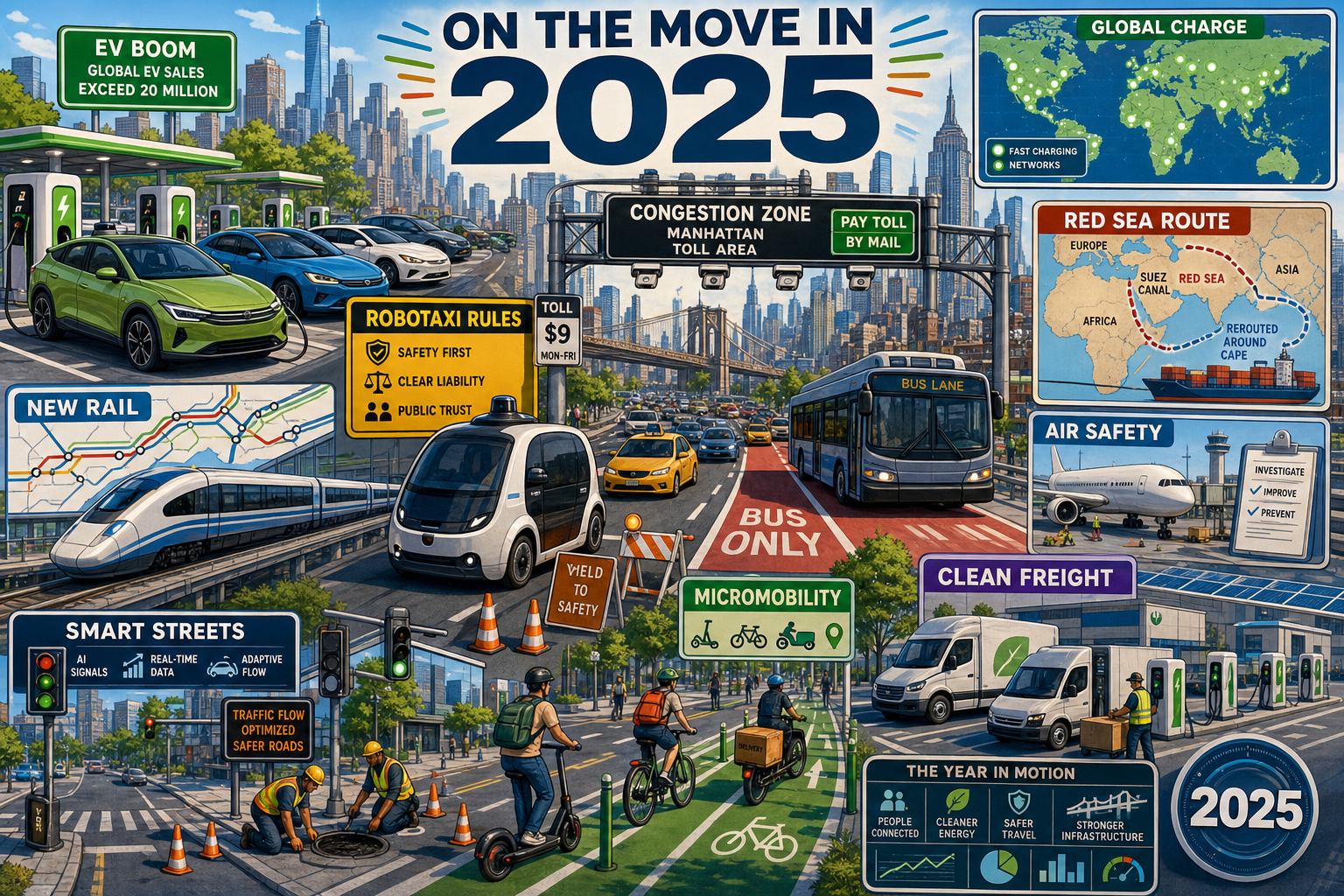
Transportation & Mobility — 2025
2025-01-01
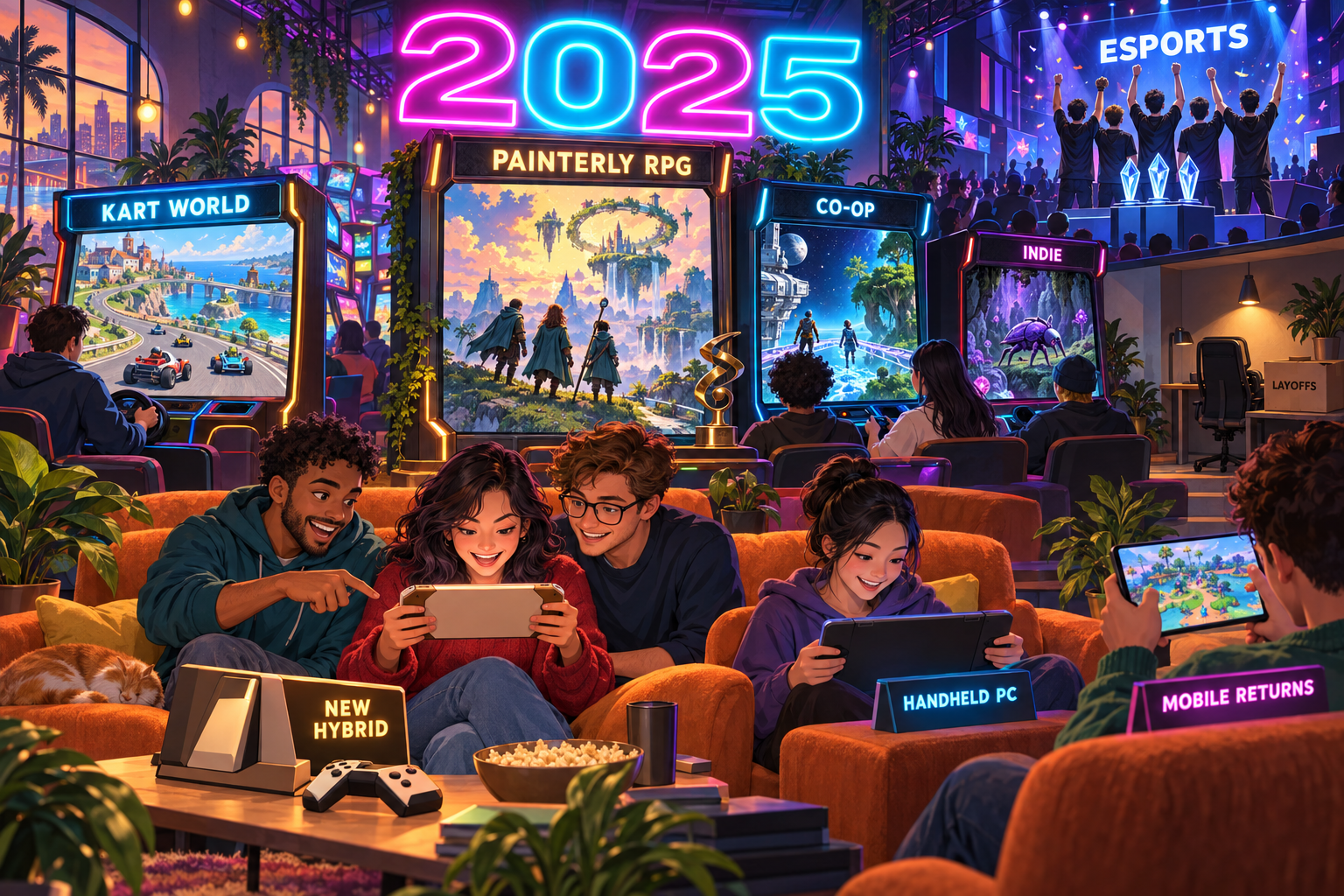
Video Game History — 2025
2025-01-01
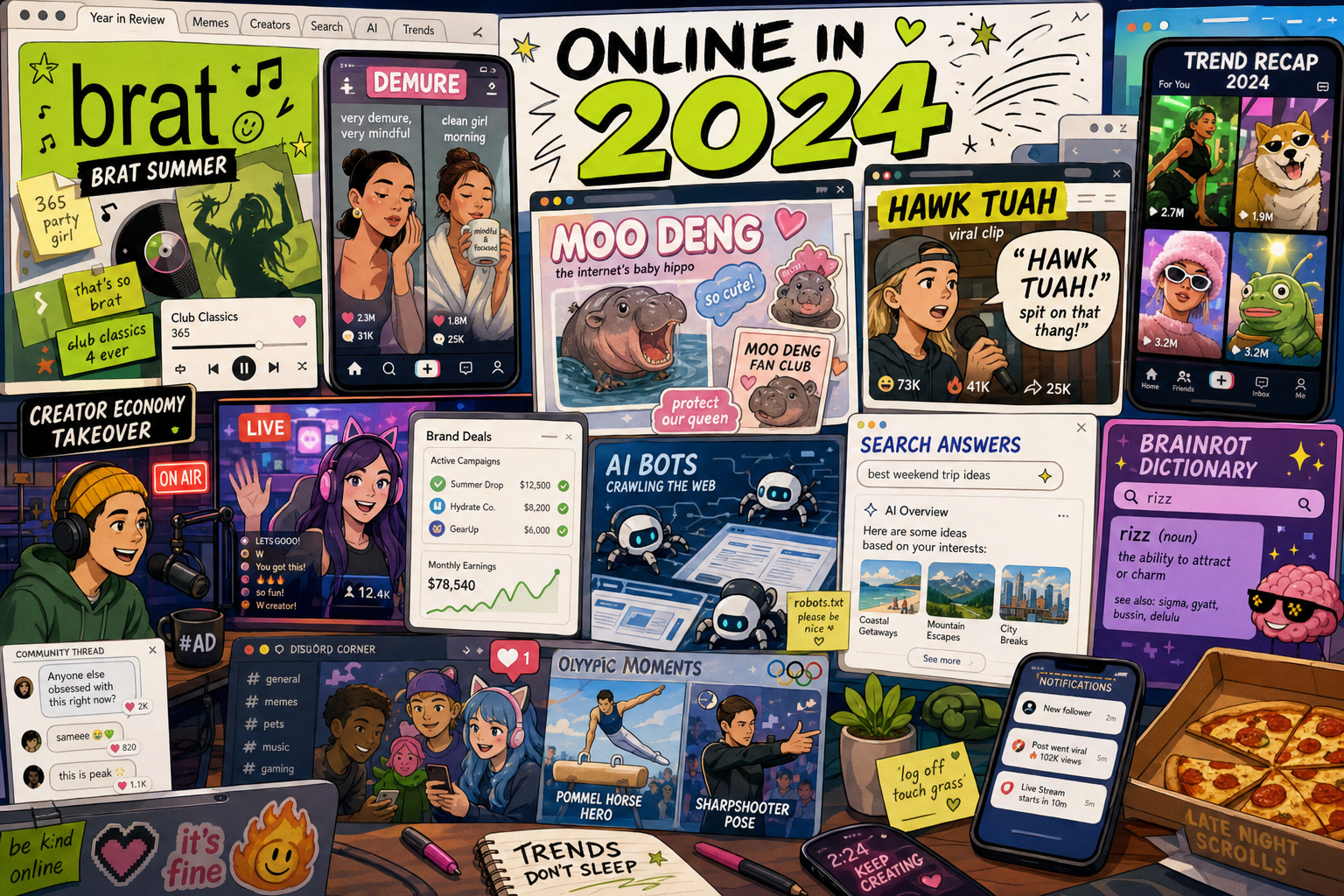
Internet Culture Timeline — 2024
2024-01-01
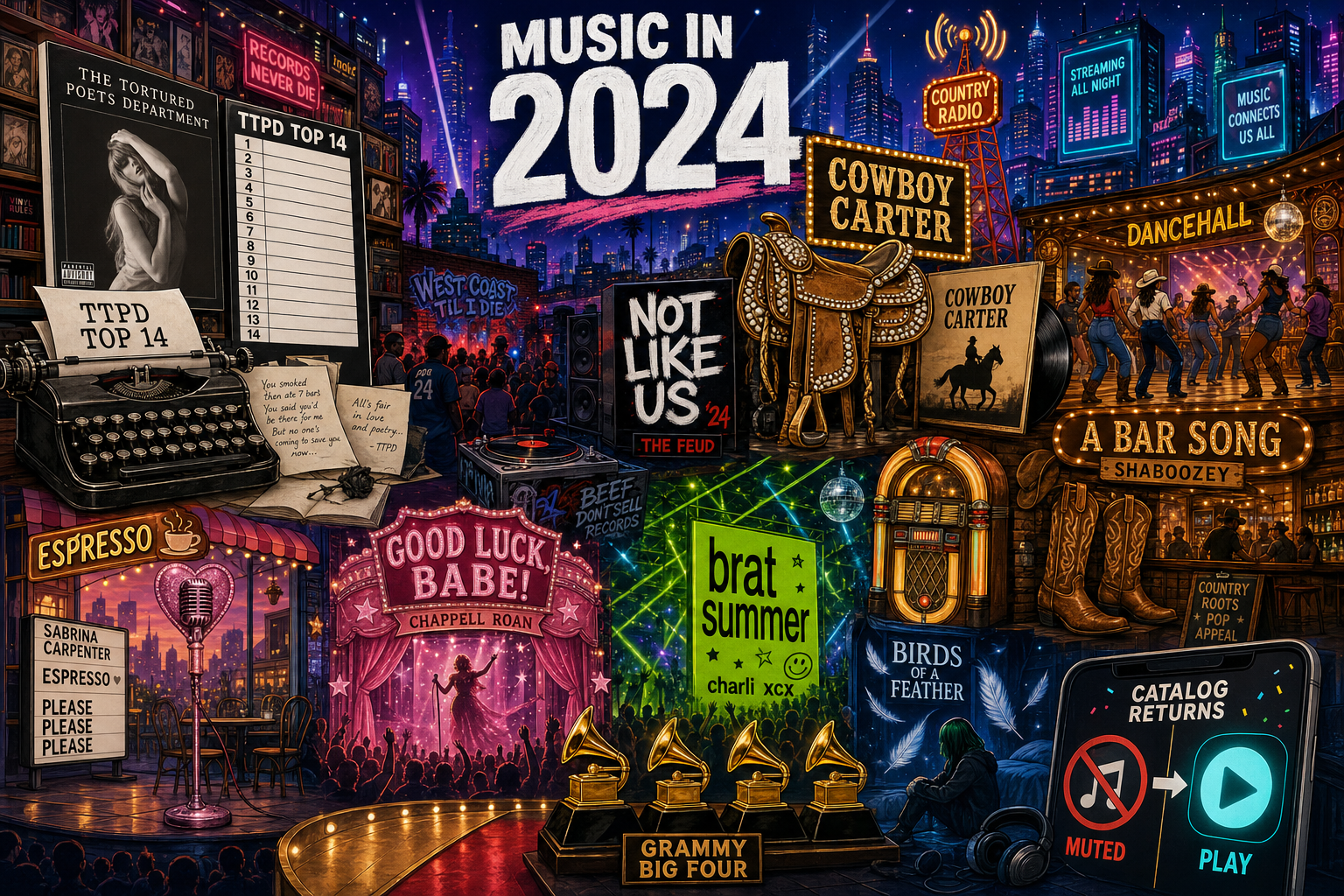
Music Yearbooks — 2024
2024-01-01
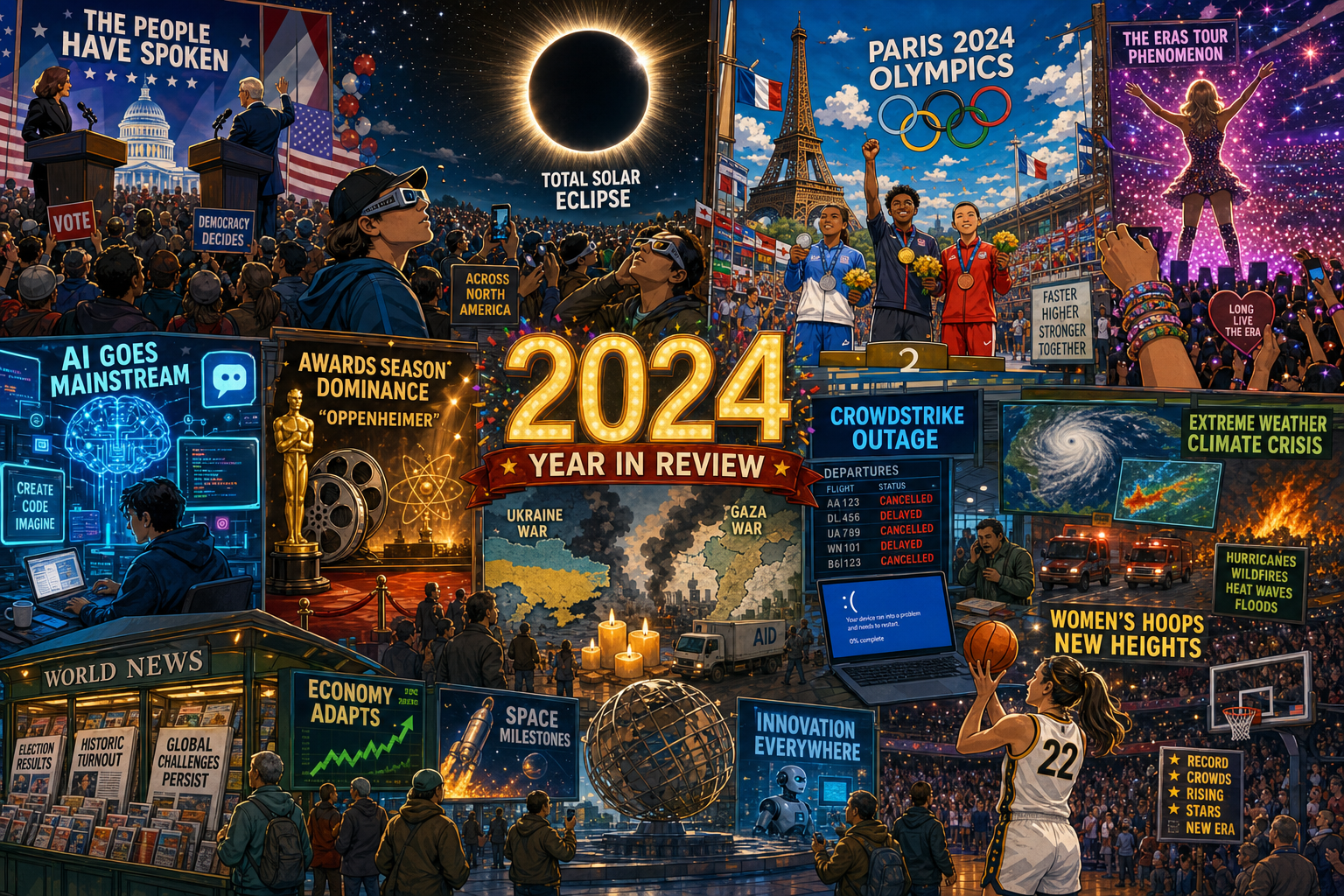
News & Culture — 2024
2024-01-01
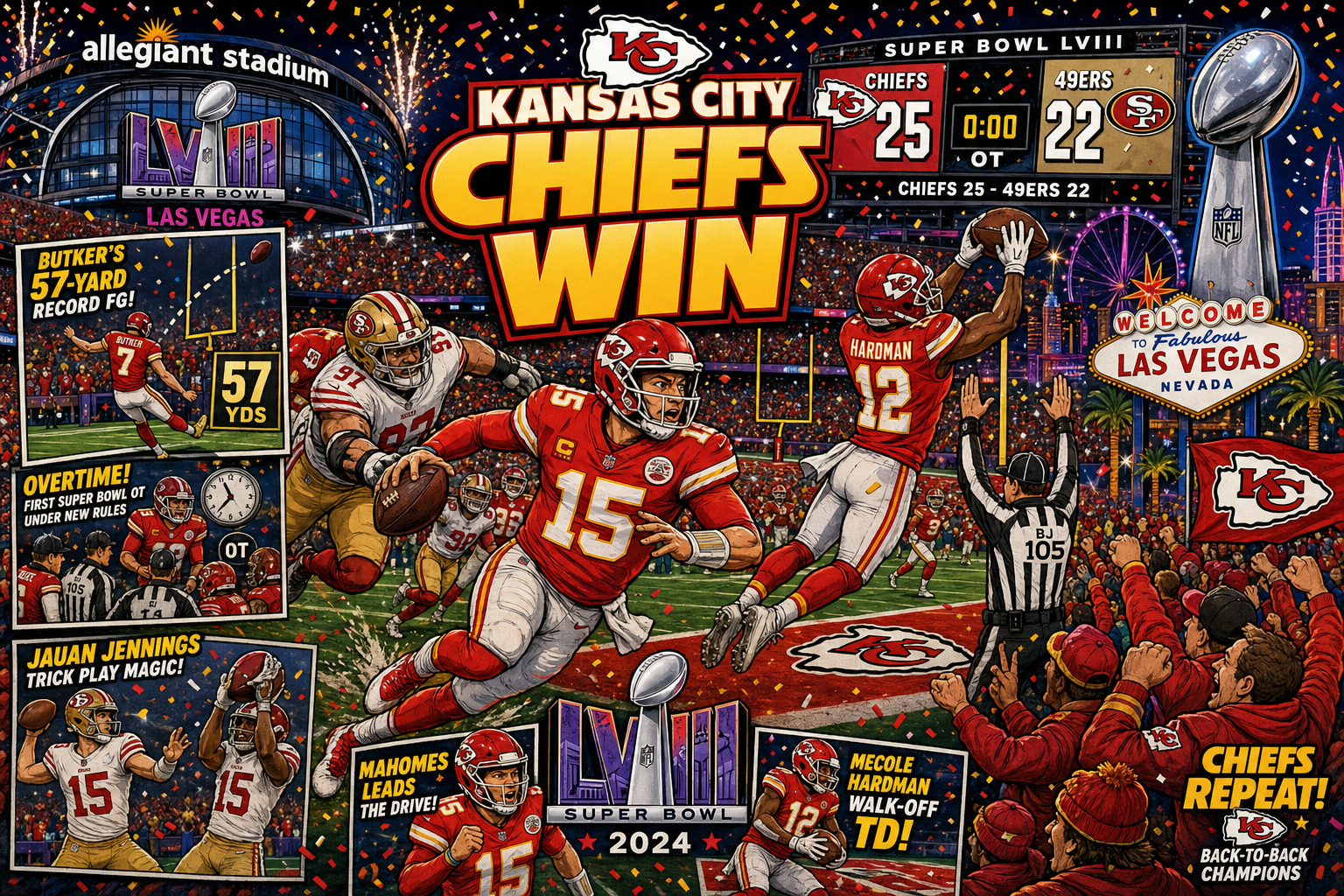
NFL Super Bowls — 2024
2024-01-01
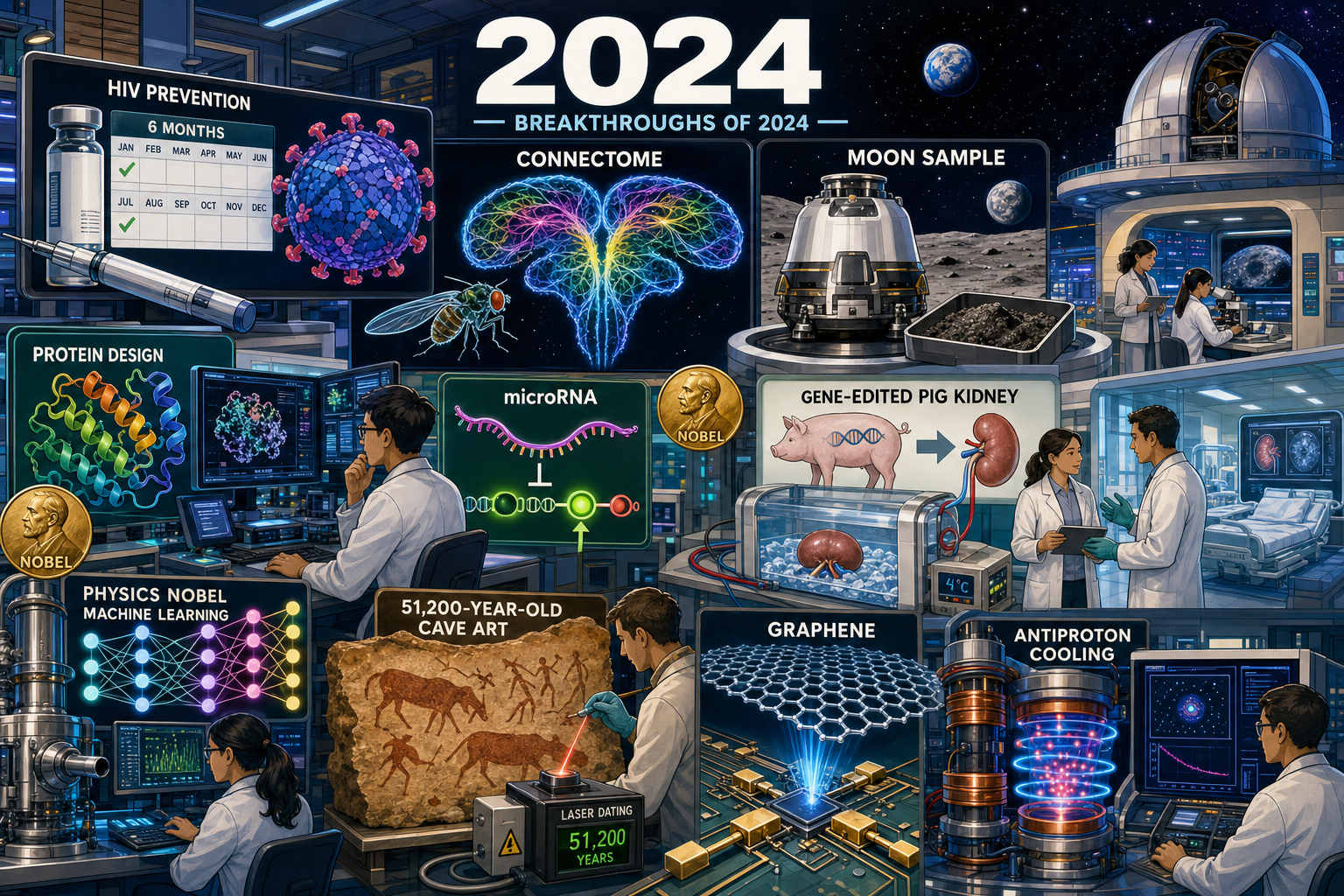
Science Breakthroughs — 2024
2024-01-01