Image Collections 2008-01-01
Science Breakthroughs — 2008
Cellular reprogramming and induced pluripotent stem-cell advances.
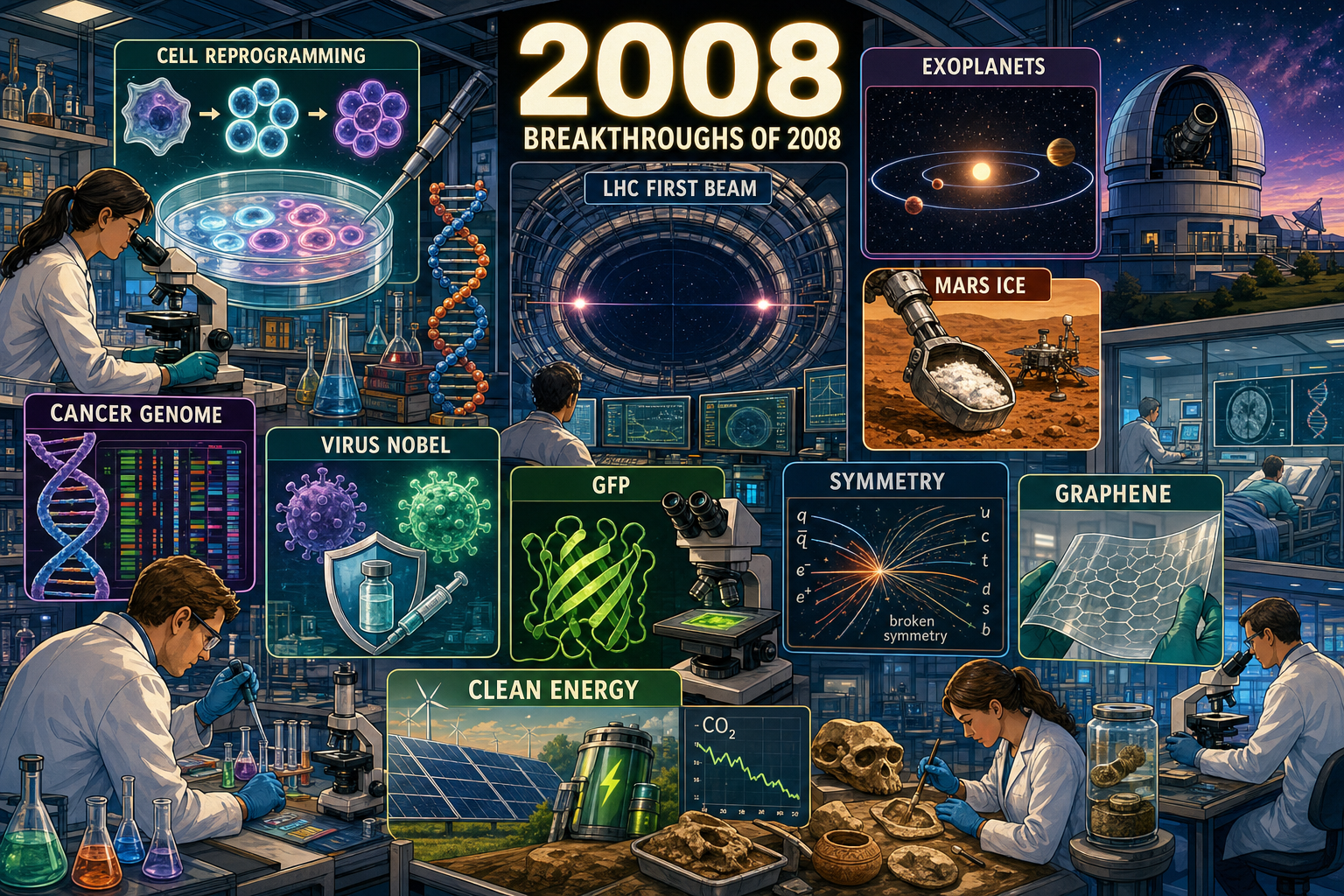
Science Breakthroughs: 2008
- Year: 2008
- Saved image path:
My-Library/Images/Collections/Science-Breakthroughs/Images/Science-Breakthroughs_2008.png - Model: built-in gpt-image (recovered from session transcript)
- Generation date: 2026-07-11
Selected Science Breakthroughs
- Cellular reprogramming and induced pluripotent stem-cell advances.
- Field: Genetics / biotechnology
- Why selected: Science named cellular reprogramming the 2008 Breakthrough of the Year.
- Visual depiction: Glowing cells changing state in a petri dish labeled "CELL REPROGRAMMING."
- Rights/sensitivity notes: Generic lab scene, no named scientist likenesses.
- Source: https://www.science.org/doi/10.1126/science.322.5909.1766
- Large Hadron Collider first beam.
- Field: Physics
- Why selected: The first beam around the 27 km ring was a major particle-physics milestone.
- Visual depiction: Circular accelerator diagram labeled "LHC FIRST BEAM."
- Rights/sensitivity notes: No institutional logo.
- Source: https://www.bnl.gov/newsroom/news.php?a=1834
- First direct images of a planetary family around a normal star.
- Field: Astronomy
- Why selected: Gemini and Keck observations produced first direct images of a multi-planet system around a normal star.
- Visual depiction: Telescope screen showing small planets around a star labeled "EXOPLANETS."
- Rights/sensitivity notes: Generic observatory screen.
- Source: https://www.gemini.edu/news/press-releases/gemini0808
- Phoenix Mars Lander confirmed water ice.
- Field: Planetary science
- Why selected: NASA confirmed frozen water in Martian soil.
- Visual depiction: Robotic scoop holding white icy soil labeled "MARS ICE."
- Rights/sensitivity notes: Generic lander details.
- Source: https://www.jpl.nasa.gov/news/nasa-phoenix-mars-lander-confirms-frozen-water/
- First whole cancer genome sequencing.
- Field: Medicine / genomics
- Why selected: Washington University researchers decoded a cancer patient's genome and traced acute myeloid leukemia mutations.
- Visual depiction: DNA ribbons and genome map labeled "CANCER GENOME."
- Rights/sensitivity notes: Symbolic, no patient depiction.
- Source: https://source.washu.edu/2008/11/washington-university-scientists-first-to-sequence-genome-of-cancer-patient/
- Nobel Prize in Physiology or Medicine for HPV and HIV discoveries.
- Field: Medicine / virology
- Why selected: 2008 Nobel medicine recognized discoveries of major disease-causing viruses.
- Visual depiction: Abstract virus models and research shield labeled "VIRUS NOBEL."
- Rights/sensitivity notes: No laureate likenesses; non-graphic.
- Source: https://www.nobelprize.org/prizes/medicine/2008/illustrated-information/
- Nobel Prize in Chemistry for green fluorescent protein.
- Field: Chemistry / biology tools
- Why selected: GFP became a key biological marker and visualization tool.
- Visual depiction: Glowing green protein structures and microscope slides labeled "GFP."
- Rights/sensitivity notes: No laureate likenesses.
- Source: https://www.nobelprize.org/prizes/chemistry/2008/summary/
- Nobel Prize in Physics for broken symmetry.
- Field: Physics
- Why selected: 2008 Nobel physics honored foundational work on symmetry breaking and quark families.
- Visual depiction: Particle-track chalkboard labeled "SYMMETRY."
- Rights/sensitivity notes: No laureate likenesses.
- Source: https://www.nobelprize.org/prizes/physics/2008/summary/
- Graphene and transparent conductor research.
- Field: Materials science
- Why selected: Graphene was emerging as a promising transparent conductive material.
- Visual depiction: Flexible transparent sheet with hexagonal carbon pattern labeled "GRAPHENE."
- Rights/sensitivity notes: Generic material sample.
- Source: https://www.researchgate.net/publication/222388322_Graphene_a_promising_transparent_conductor
- Clean-energy and climate urgency.
- Field: Energy / climate
- Why selected: 2008 energy-price and climate concerns kept clean-energy research in the annual science context.
- Visual depiction: Solar panels and battery prototype beside a CO2 chart labeled "CLEAN ENERGY."
- Rights/sensitivity notes: Generic equipment.
- Source: https://www.energy.gov/lm/timeline-events-2008
Top Anchor Breakthroughs
- Cellular reprogramming.
- LHC first beam.
- Direct exoplanet-family imaging.
Final Prompt Used
Use case: illustration-story
Asset type: year-by-year science breakthroughs collection image
Primary request: Create a lively illustrated science-magazine montage for the year 2008, showing the medicine, physics, biology, genetics, energy, archaeology, and materials-science breakthroughs — including the year's Nobel-worthy discoveries — that defined science that year.

Scene/backdrop: a cohesive laboratory-and-discovery montage: a bright popular-science annual-review cover world with lab benches, microscopes, a DNA model, a particle-collider ring diagram on the wall, a Mars lander sample tray, an observatory star chart, a clean hospital research room, specimen tables, and clean-energy/materials prototypes. The scene should feel like one unified science world rather than disconnected stickers.

Subject: combine these selected breakthroughs into one unified illustrated montage: cellular reprogramming and induced pluripotent stem-cell work as glowing cells changing state in a petri dish labeled "CELL REPROGRAMMING"; the Large Hadron Collider first beam as a circular accelerator diagram with two bright dots labeled "LHC FIRST BEAM"; first direct images of a multi-planet system around a normal star as a telescope screen with three small dots around a star labeled "EXOPLANETS"; Phoenix Mars Lander confirming water ice as a robotic scoop holding white icy soil labeled "MARS ICE"; the first whole cancer genome sequencing as DNA ribbons and a genome map labeled "CANCER GENOME"; Nobel medicine discoveries of HPV and HIV represented by abstract virus models and a vaccine/research shield labeled "VIRUS NOBEL"; Nobel chemistry for green fluorescent protein represented by glowing green protein structures and microscope slides labeled "GFP"; Nobel physics for broken symmetry and quark families represented by particle tracks on a blackboard labeled "SYMMETRY"; graphene and transparent conductor promise represented by a flexible transparent sheet with hexagonal carbon pattern labeled "GRAPHENE"; climate/energy urgency represented by solar panels and a battery prototype near a CO2 chart labeled "CLEAN ENERGY".

Top anchors: cell reprogramming, LHC first beam, and first direct exoplanet-family images.

Year text requirement: include clear readable text in the image that says: "2008"
Optional title text: include a short readable title: "BREAKTHROUGHS OF 2008"

Style/medium: polished cartoon-editorial illustration in a popular-science-magazine style — stylized lab equipment, glowing screens, molecule and DNA models, star charts, expressive generic researcher figures, magazine-quality digital art.

Composition/framing: wide 3:2 landscape image, one unified scene rather than separate panels. Use foreground researchers and instruments, midground lab benches and specimen tables, and background observatory, collider, and hospital-research context. Make cell reprogramming, the collider ring, and the exoplanet telescope screen most prominent, with smaller references integrated as chalkboard diagrams, screen readouts, specimen labels, wall charts, and poster insets.

Lighting/mood: bright, curious, and optimistic, with clean lab lighting, glowing screens and instruments, and clear visual hierarchy. Medical topics should be symbolic and non-graphic.

Color palette: varied field-aware palette: clinical whites and teals for medicine, deep-space blues and purples for astronomy, DNA greens and molecular oranges for biology/chemistry, clean-energy yellows and greens, and earthy Mars tones. Avoid a one-note palette.

Text constraints: short readable labels only: "2008", "BREAKTHROUGHS OF 2008", "CELL REPROGRAMMING", "LHC FIRST BEAM", "EXOPLANETS", "MARS ICE", "CANCER GENOME", "VIRUS NOBEL", "GFP", "SYMMETRY", "GRAPHENE", "CLEAN ENERGY". Keep text high-contrast, correctly spelled, and large enough to read. Do not use long captions, fake paragraphs, or a row of labels at the bottom.

Avoid: official logos, exact institutional branding, trademark-accurate equipment or product designs, photorealistic likenesses of real people including named scientists or laureates, graphic illness/injury/casualties, hateful symbols, cluttered sticker-collage layout, tiny unreadable labels, distorted lettering, fake full article text, and generic stock imagery.
More from Image Collections
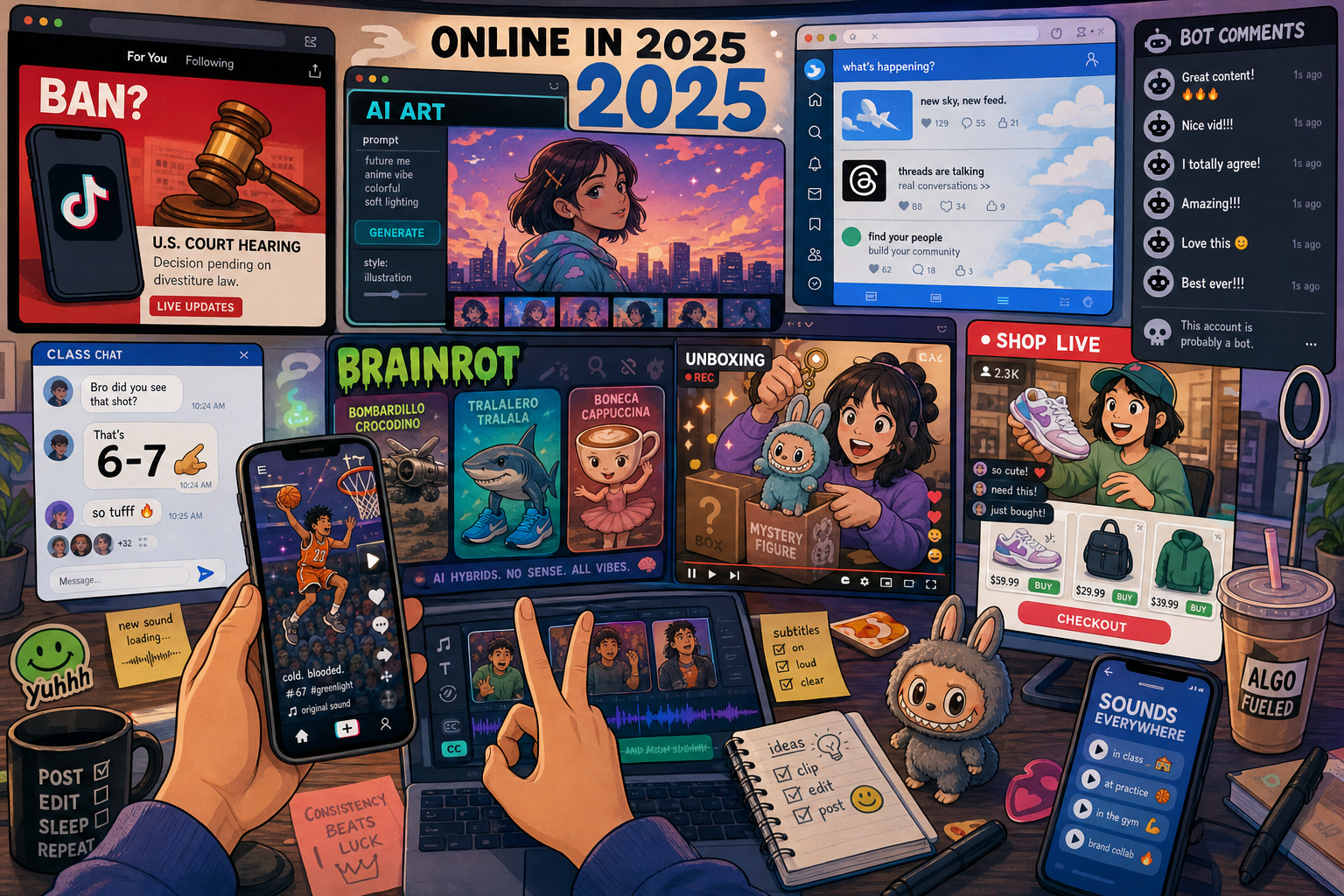
Internet Culture Timeline — 2025
2025-01-01
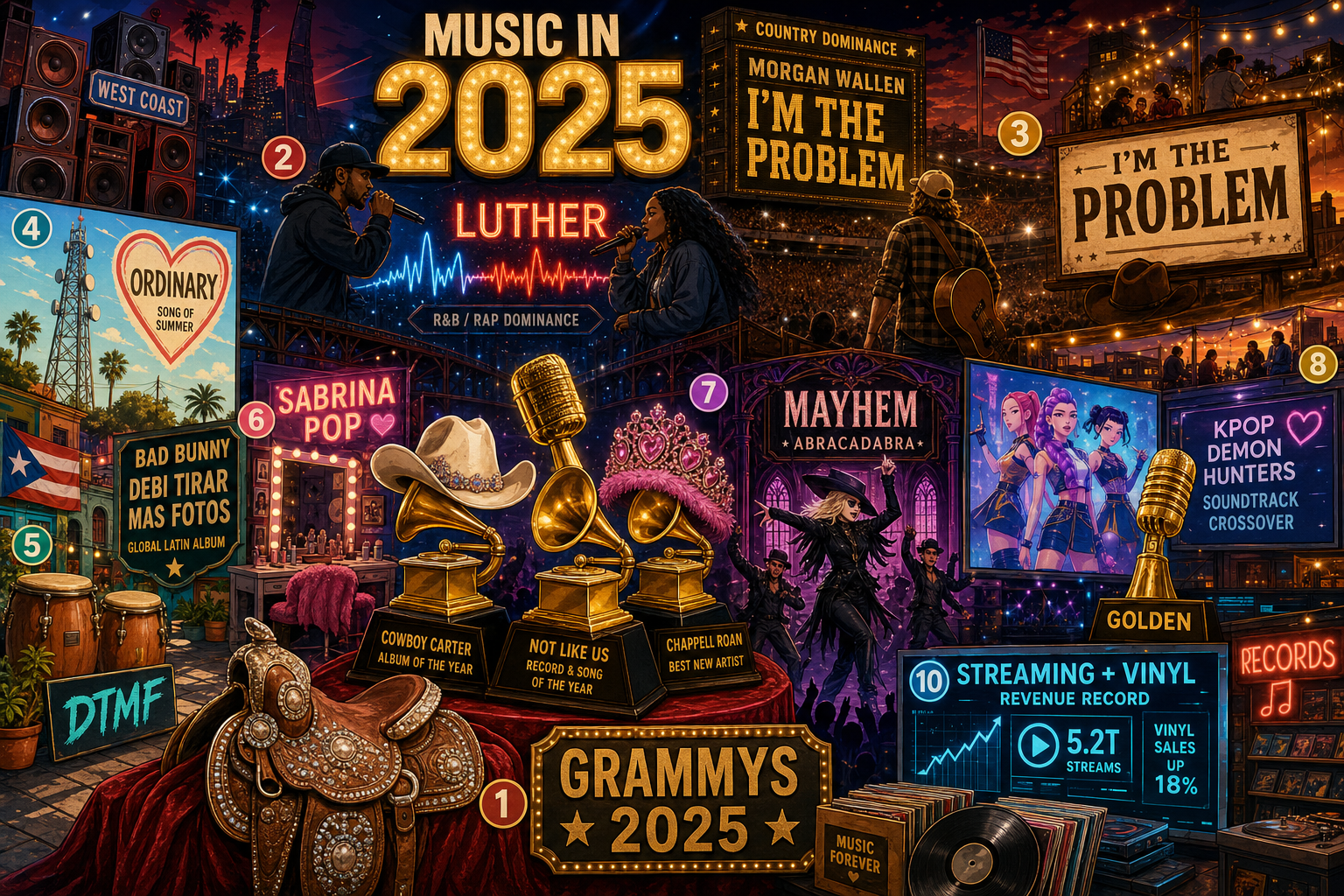
Music Yearbooks — 2025
2025-01-01
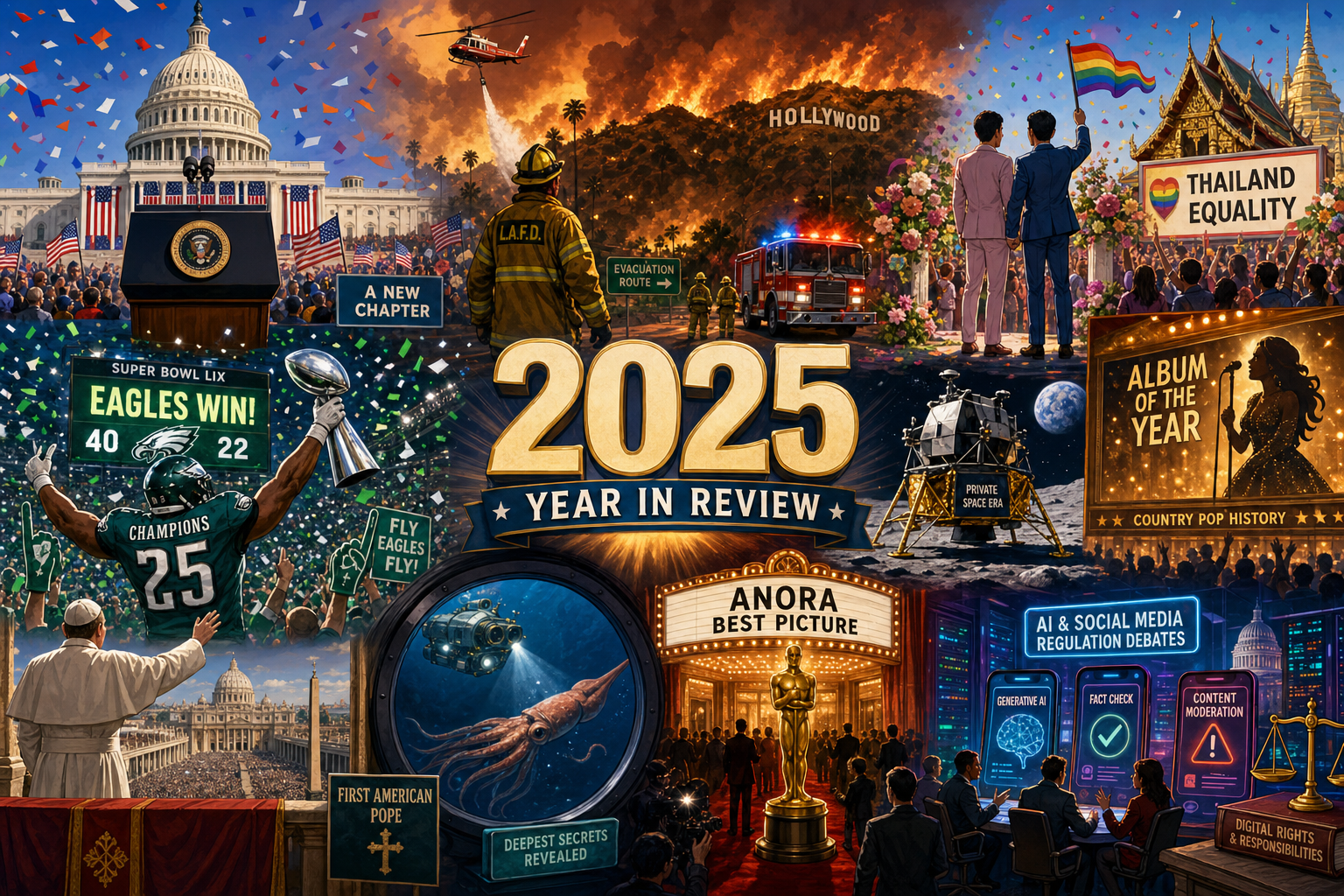
News & Culture — 2025
2025-01-01

NFL Super Bowls — 2025
2025-01-01
Science Breakthroughs — 2025
2025-01-01
Transportation & Mobility — 2025
2025-01-01
Video Game History — 2025
2025-01-01
Internet Culture Timeline — 2024
2024-01-01
Music Yearbooks — 2024
2024-01-01
News & Culture — 2024
2024-01-01

NFL Super Bowls — 2024
2024-01-01
Science Breakthroughs — 2024
2024-01-01