Image Collections 2017-01-01
Science Breakthroughs — 2017
Colliding neutron stars / multimessenger astronomy: selected as Science's 2017 Breakthrough of the Year and a defining astronomy event.
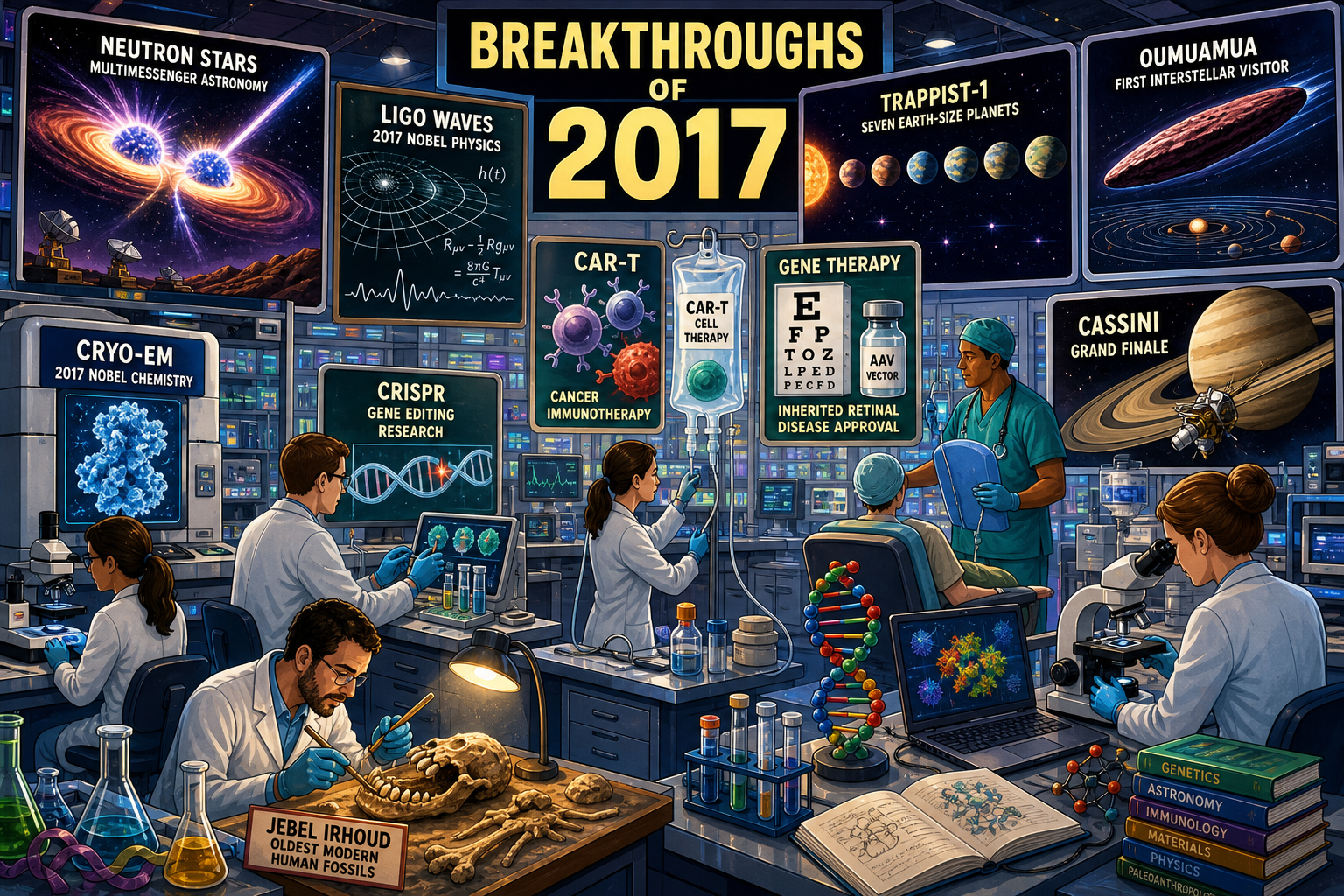
Science Breakthroughs: 2017
- Year: 2017
- Saved image path:
My-Library/Images/Collections/Science-Breakthroughs/Images/Science-Breakthroughs_2017.png - Model: built-in gpt-image (recovered from session transcript)
- Generation date: 2026-07-21
Selected Science Breakthroughs
- Colliding neutron stars / multimessenger astronomy: selected as Science's 2017 Breakthrough of the Year and a defining astronomy event. Visualized as neutron stars, spacetime ripples, and observatory screens. Source: https://www.science.org/content/article/breakthrough-2017
- Nobel Physics for gravitational waves: selected as the year's official Nobel physics recognition. Visualized as a generic LIGO-style wave diagram, without scientist likenesses or institutional logos. Source: https://www.nobelprize.org/prizes/physics/2017/press-release/
- CAR-T immunotherapy approvals: selected because the first CAR-T approvals were watershed cancer-treatment milestones. Visualized as clean engineered immune-cell icons and infusion equipment. Sources: https://www.cancer.gov/news-events/cancer-currents-blog/2017/yescarta-fda-lymphoma, https://www.fda.gov/vaccines-blood-biologics/cellular-gene-therapy-products/kymriah
- Inherited-retinal-disease gene therapy approval: selected as a landmark U.S. gene-therapy approval for a rare form of inherited vision loss. Visualized as an eye chart and gene-vector vial. Source: https://www.fda.gov/vaccines-blood-biologics/cellular-gene-therapy-products/luxturna
- CRISPR embryo mutation-repair research: selected as a notable and debated 2017 gene-editing result. Visualized as a DNA repair workstation, not clinical use. Source: https://news.ohsu.edu/2017/08/02/study-in-nature-demonstrates-method-for-repairing-genes-in-human-embryos-that-prevents-inherited-diseases
- TRAPPIST-1 seven Earth-size planets: selected as a major exoplanet discovery and astrobiology moment. Visualized as seven small worlds on a red-star astronomy display. Source: https://www.nasa.gov/news-release/nasa-telescope-reveals-largest-batch-of-earth-size-habitable-zone-planets-around-single-star/
- First confirmed interstellar visitor,
Oumuamua: selected as a new kind of solar-system visitor. Visualized as a fast red-brown object on a solar-system map. Source: https://www.nasa.gov/solar-system/oumuamua/ - Cassini's Grand Finale: selected as the concluding landmark of a major planetary science mission. Visualized symbolically as a small probe near Saturn's rings. Source: https://science.nasa.gov/mission/cassini/grand-finale/overview/
- Jebel Irhoud Homo sapiens fossils: selected as an archaeology/human-origins breakthrough that pushed early Homo sapiens evidence back. Visualized as careful fossil trays and stone tools. Source: https://www.nhm.ac.uk/discover/news/2017/june/oldest-known-homo-sapiens-fossils-discovered-in-morocco.html
- Nobel Chemistry for cryo-electron microscopy: selected as a molecular-imaging breakthrough that changed structural biology. Visualized as frozen biomolecule structures and a stylized microscope. Source: https://www.nobelprize.org/prizes/chemistry/2017/summary/
Rights / Sensitivity Notes
Medical advances are depicted as clean research scenes, not patient suffering. No exact institutional logos, branded equipment, or photorealistic scientist/laureate likenesses were requested.
Final Prompt Used
Use case: illustration-story
Asset type: year-by-year science breakthroughs collection image
Primary request: Create a lively illustrated science-magazine montage for the year 2017, showing the medicine, physics, biology, genetics, energy, archaeology, and materials-science breakthroughs, including Nobel-worthy discoveries, that defined science that year.

Scene/backdrop: a cohesive laboratory-and-discovery montage: a bright popular-science annual-review lab with benches, microscopes, a cryo-electron microscope, DNA model, star chart wall, gravitational-wave display, fossil specimen table, clean hospital research room, and telescope screens. The scene should feel like one unified science world rather than disconnected stickers.

Subject: combine these selected breakthroughs into one unified illustrated montage: colliding neutron stars and multimessenger astronomy labeled "NEUTRON STARS" with a star-chart screen and rippling spacetime waves; the 2017 Nobel Physics gravitational-wave detectors labeled "LIGO WAVES" on a chalkboard diagram; CAR-T cancer immunotherapy approvals with a clean cell-therapy infusion bag and engineered immune-cell icons labeled "CAR-T"; first U.S. inherited-retinal-disease gene therapy approval with an eye chart and gene vector vial labeled "GENE THERAPY"; CRISPR embryo mutation-repair research shown as a DNA repair workstation labeled "CRISPR"; TRAPPIST-1 seven Earth-size planets on an astronomy display labeled "TRAPPIST-1"; first interstellar visitor as a fast red-brown object crossing a solar-system map labeled "OUMUAMUA"; Cassini's Saturn grand finale as a small probe diving symbolically near ringed Saturn on a wall display labeled "CASSINI"; oldest Homo sapiens fossils from Morocco on a careful fossil table labeled "JEBEL IRHOUD"; and Nobel Chemistry cryo-electron microscopy shown as frozen biomolecule structures labeled "CRYO-EM".

Year text requirement: include clear readable text in the image that says: "2017"

Optional title text: include a short readable title: "BREAKTHROUGHS OF 2017"

Style/medium: polished cartoon-editorial illustration in a popular-science-magazine style, stylized lab equipment, glowing screens, molecule and DNA models, star charts, expressive generic researcher figures, magazine-quality digital art.

Composition/framing: wide 3:2 landscape image, one unified scene rather than separate panels. Foreground researchers and instruments, midground lab benches and specimen tables, background observatory screens, collider/wave diagram, and hospital-research context. Make the biggest 2-3 breakthroughs most prominent: neutron-star collision, CAR-T/gene therapy, and cryo-EM. Smaller references appear as short labels on screens, specimen tags, wall charts, and poster insets.

Lighting/mood: bright, curious, optimistic, clean lab lighting with glowing screens and instruments, clear visual hierarchy.

Color palette: varied field-aware palette: clinical whites and teals for medicine, deep-space blues and purples for astronomy, DNA greens and molecular oranges for biology and chemistry, warm fossil-earth tones for archaeology, and clean yellow highlights. Avoid a one-note palette.

Text constraints: short readable labels only, 1-5 words each, high-contrast and correctly spelled. No long captions, fake paragraphs, or row of labels at the bottom.

Avoid: official logos, exact institutional branding, trademark-accurate equipment or product designs, photorealistic likenesses of real people including named scientists or laureates, graphic illness/injury/casualties, hateful symbols, cluttered sticker-collage layout, tiny unreadable labels, distorted lettering, fake full article text, and generic stock imagery.
More from Image Collections
Internet Culture Timeline — 2025
2025-01-01
Music Yearbooks — 2025
2025-01-01
News & Culture — 2025
2025-01-01
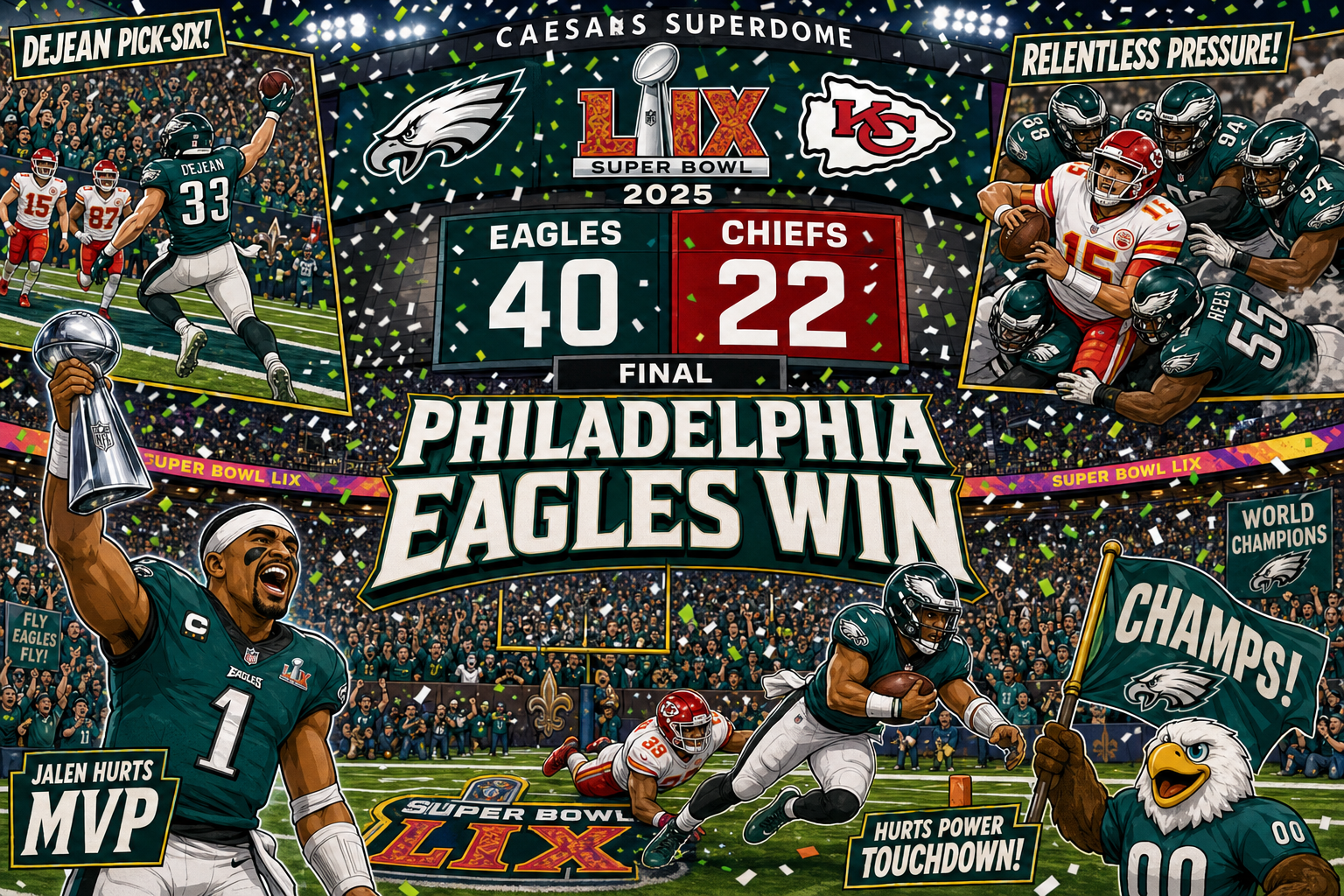
NFL Super Bowls — 2025
2025-01-01
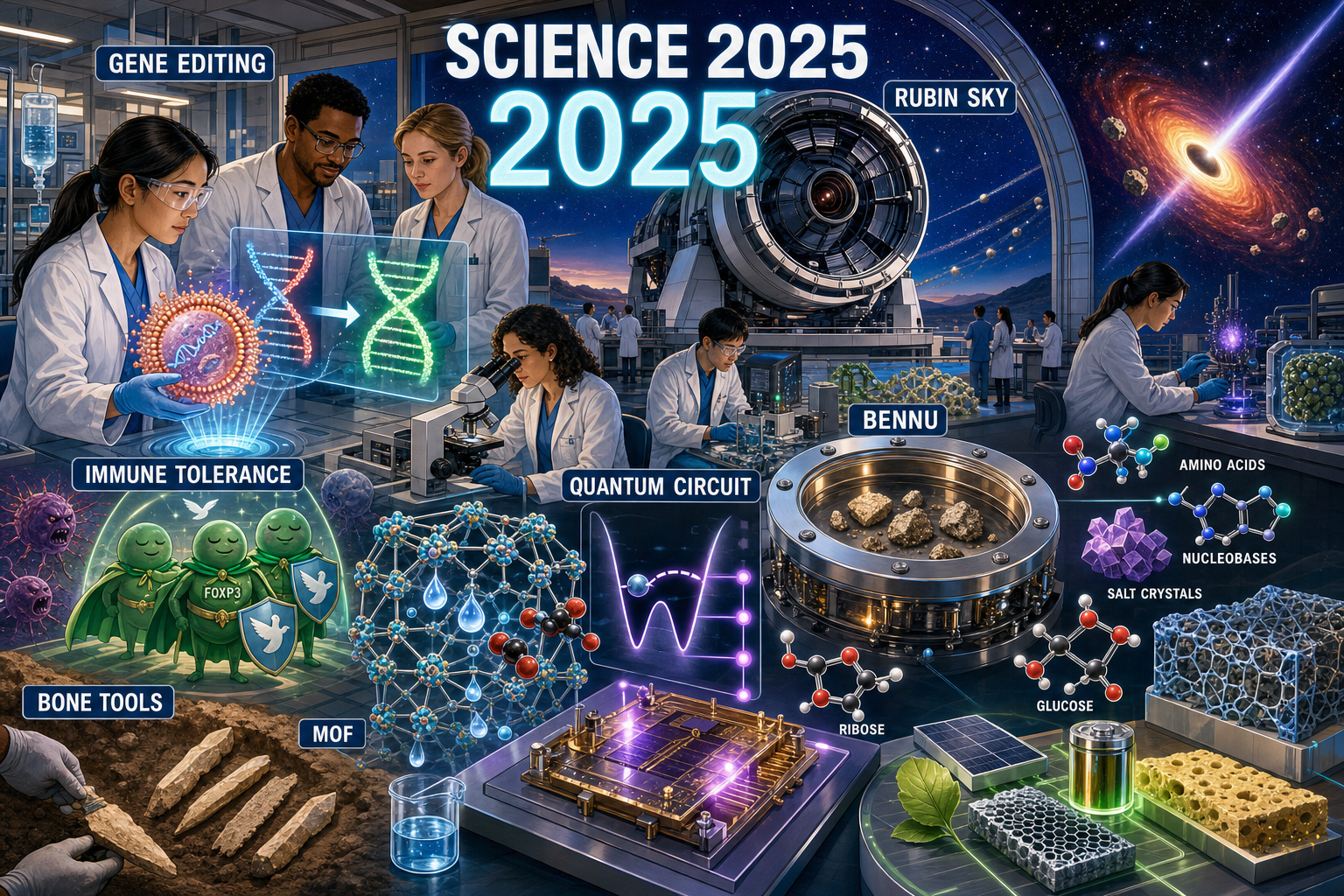
Science Breakthroughs — 2025
2025-01-01
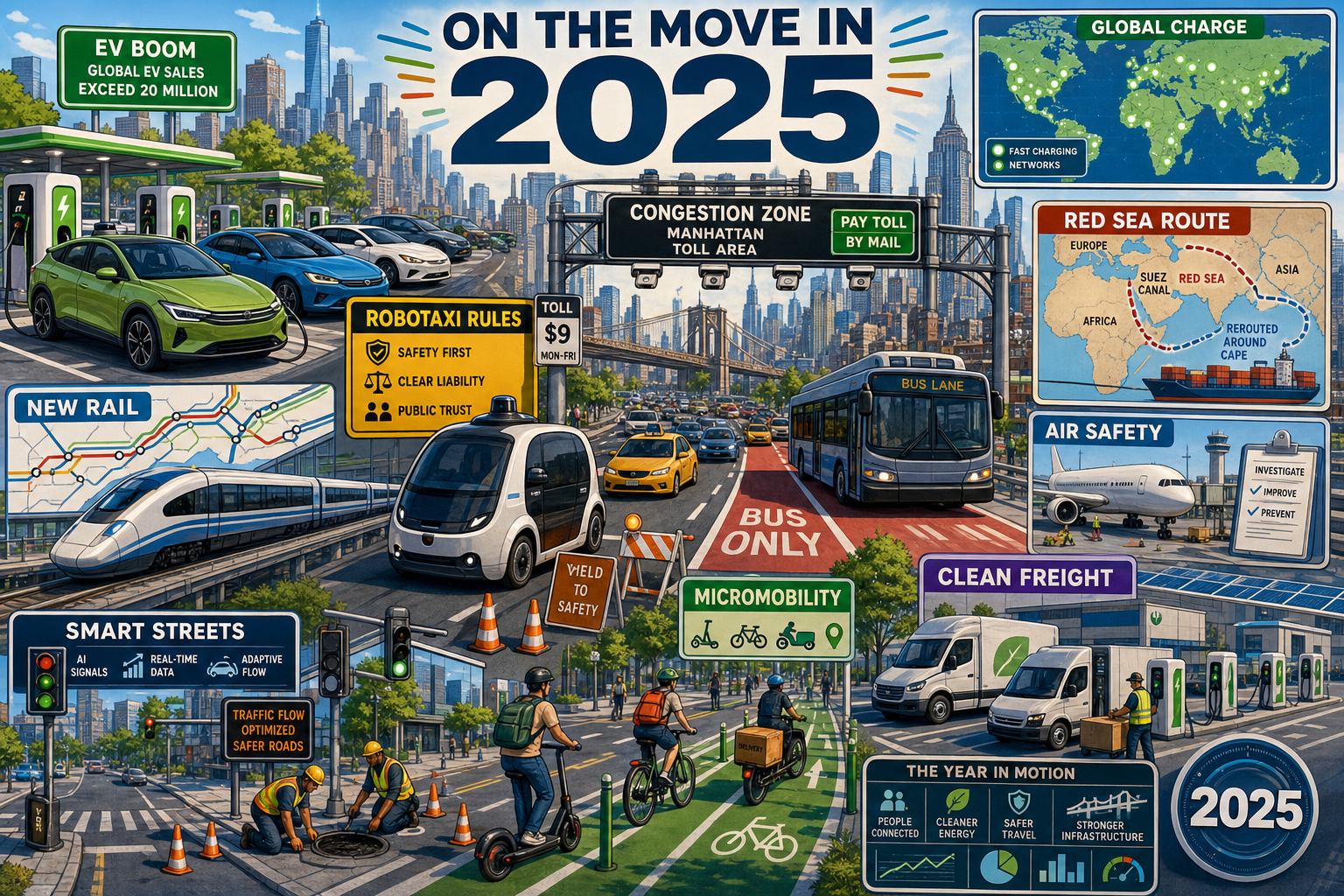
Transportation & Mobility — 2025
2025-01-01
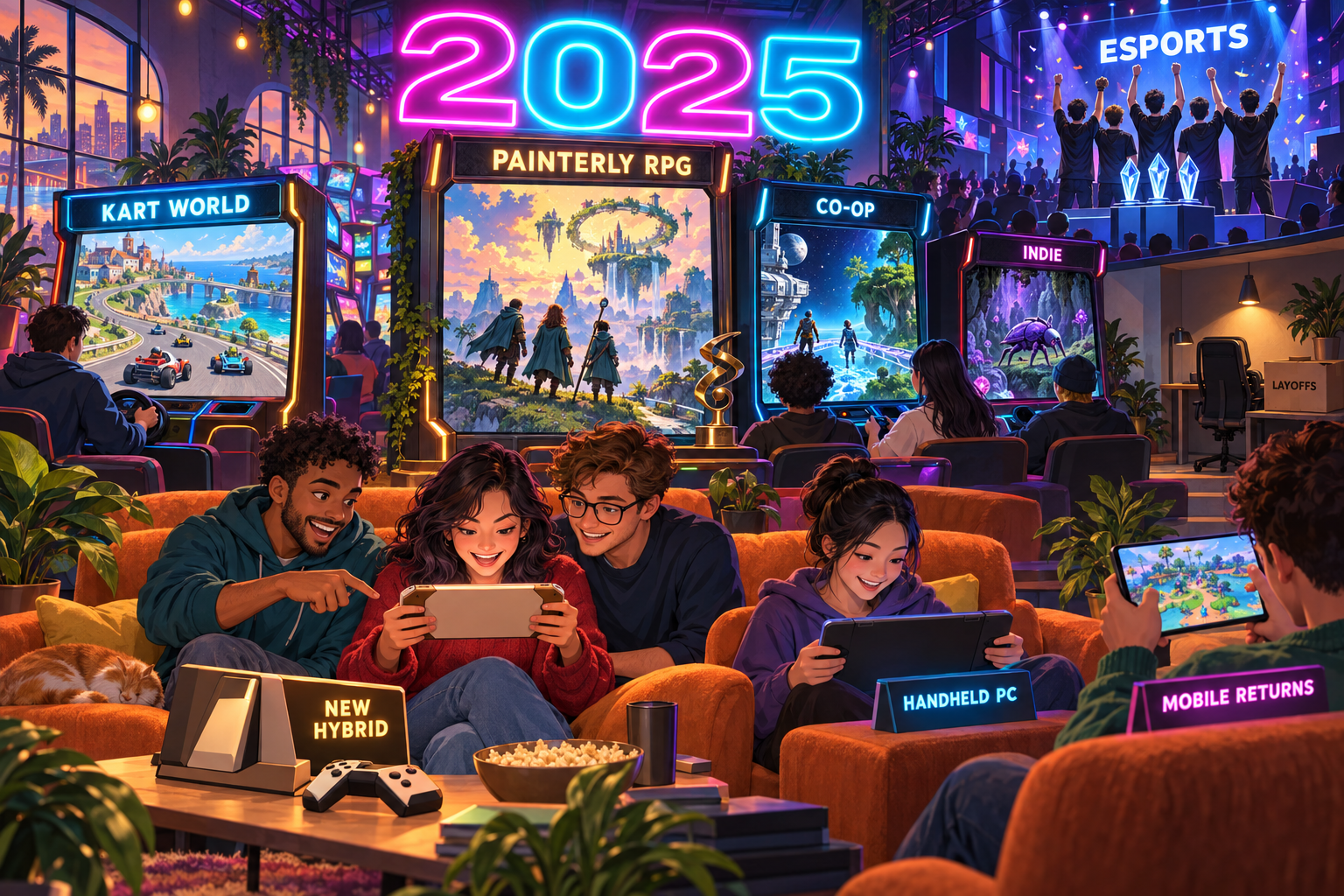
Video Game History — 2025
2025-01-01
Internet Culture Timeline — 2024
2024-01-01
Music Yearbooks — 2024
2024-01-01
News & Culture — 2024
2024-01-01
NFL Super Bowls — 2024
2024-01-01
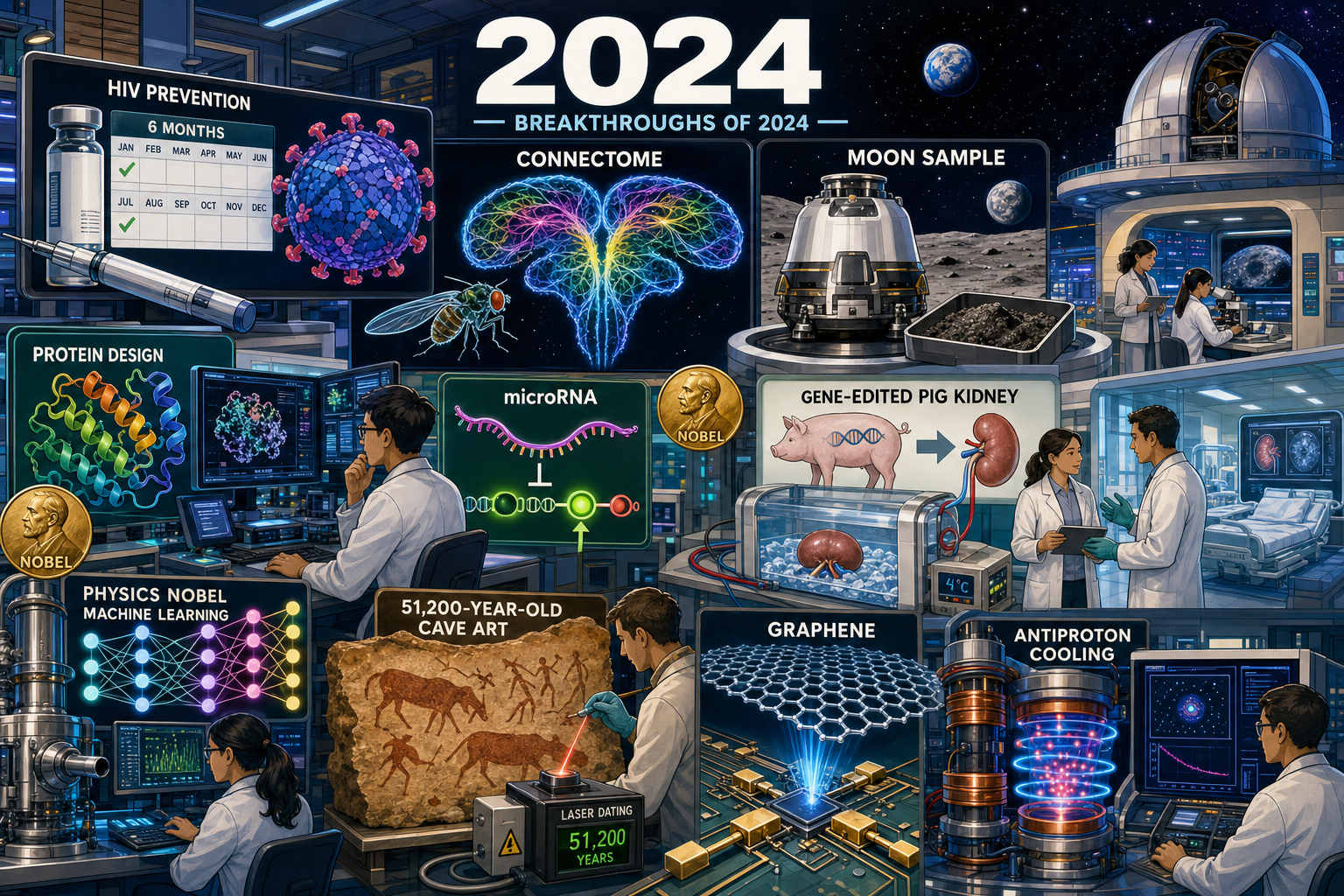
Science Breakthroughs — 2024
2024-01-01