Image Collections
Technology Milestones — 23 Radio
Era / approximate date: wireless experiments from the 1890s through early commercial broadcasting around 1920, especially Pittsburgh, Pennsylvania.
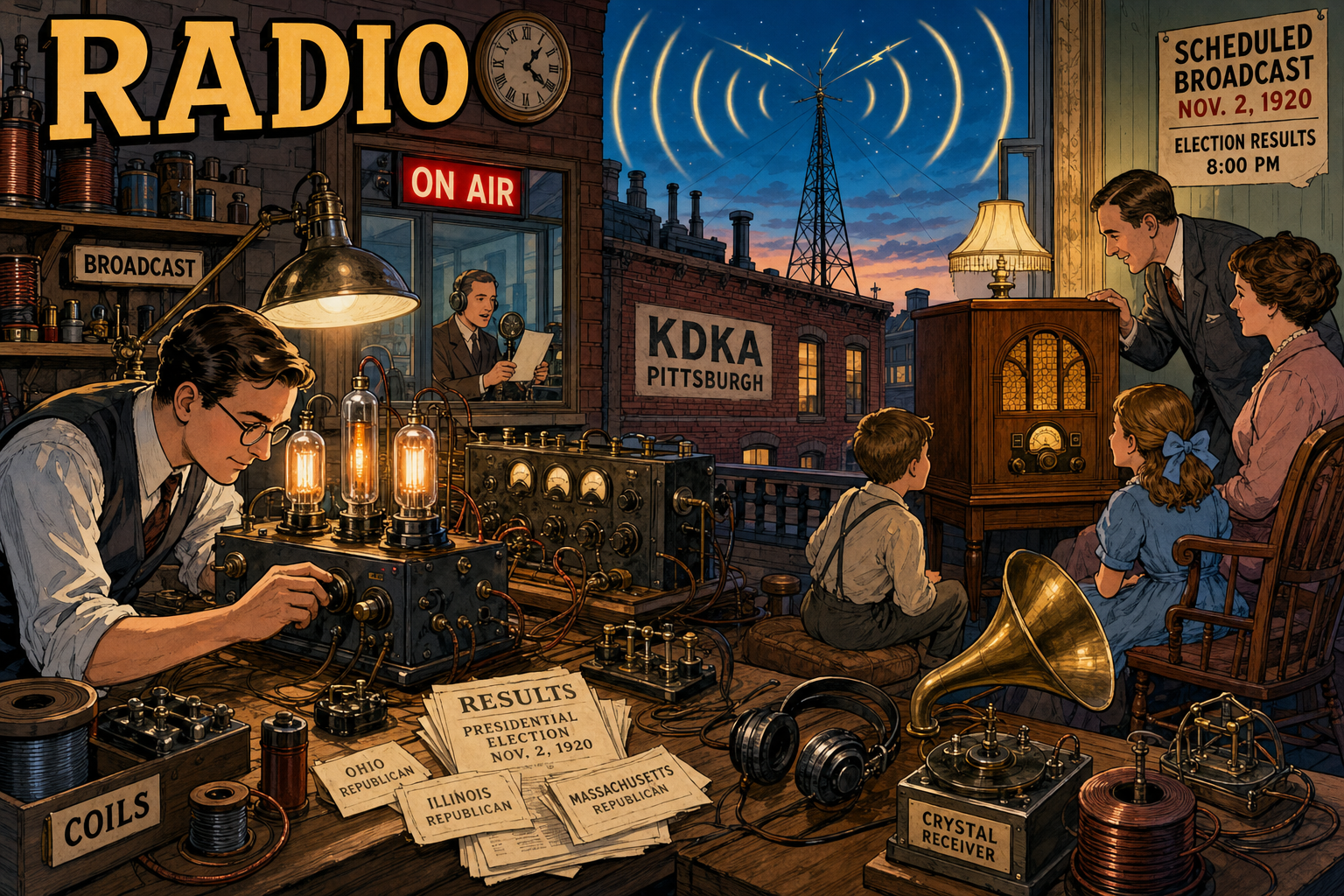
Technology Milestones 23 - Radio
Generation date: 2026-07-02
Model: built-in gpt-image (recovered from session transcript)
Saved image path: My-Library/Images/Collections/Technology-Milestones/Images/Technology-Milestones_23-Radio.png
Milestone
- Sequence number: 23
- Milestone slug:
Radio - Milestone name: Radio broadcasting
- Era / approximate date: wireless experiments from the 1890s through early commercial broadcasting around 1920, especially Pittsburgh, Pennsylvania.
Why This Milestone
Radio turned wireless communication into a mass broadcast medium. Early scheduled broadcasts made news, music, speech, sports, and entertainment available to dispersed audiences in real time, changing politics, advertising, emergency communication, and home culture.
Key Visual Elements
- A glowing vacuum-tube transmitter and coil-filled workbench.
- An engineer tuning radio equipment with headphones and a telegraph key.
- Radio waves rising from an antenna mast above a brick station.
- A family gathered around an early wooden radio receiver in a parlor.
- Election-result slips suggesting KDKA's 1920 scheduled broadcast.
- Short readable labels:
RADIO,ON AIR,BROADCAST,RESULTS.
Sources
- https://www.fcc.gov/media/radio/history-of-commercial-radio
- https://www.pbs.org/wgbh/aso/databank/entries/dt20ra.html
- https://ethw.org/KDKA%2C_First_Commercial_Radio_Station
- https://pabook.libraries.psu.edu/literary-cultural-heritage-map-pa/feature-articles/kdka-broadcastings-pioneer-station
- https://www.elon.edu/u/imagining/time-capsule/150-years/back-1890-1930/
Final Prompt Used
Use case: illustration-story
Asset type: technology-milestone cartoon collection entry
Primary request: Create a clean, friendly cartoon editorial illustration for the Technology Milestones "Radio" entry, depicting radio broadcasting -- the invention/breakthrough -- with people using, building, and listening to it.

Historical setting: early commercial radio era in Pittsburgh and an electrical workshop, approximately 1906-1920. Show an era-appropriate environment with researched architecture, clothing, tools, materials, and props: a 1920s brick radio-station room, wooden workbench, vacuum-tube transmitter, coils, telegraph key, headphones, crystal radio set, horn speaker, paper election-result slips, family parlor with wooden receiver cabinet, period suits and dresses, warm lamp light.

Subject: combine these visual elements into one unified scene: an engineer tuning a glowing vacuum-tube transmitter, radio waves radiating from an antenna mast above a brick station, a family gathered around an early wooden radio receiver, headphones and Morse-code equipment on the workbench, election-result paper slips suggesting the 1920 scheduled broadcast, shelves of coils and batteries. Keep the human figures expressive, active, and central to the moment.

Embedded title text: include a short, bold, correctly spelled title naming the milestone: "RADIO". The title must be readable at web thumbnail size.

Optional labels: a few short readable labels (1-5 words each) on props, signs, or panels are allowed, such as "ON AIR", "BROADCAST", "RESULTS". No long captions, no fake paragraphs, no sequence numbers.

Style/medium: clean, friendly cartoon / editorial illustration -- bold confident outlines, flat-to-soft cel shading, warm expressive characters, simple readable shapes, magazine-quality cartoon art. One unified scene, not a grid of panels or a sticker collage.

Composition/framing: wide 3:2 landscape image, 1536x1024 feel, with foreground human activity, midground transmitter and receiver, and background antenna/station context. Make the radio milestone recognizable at web thumbnail size.

Lighting/mood: bright, optimistic, and era-appropriate with warm lamplight, glowing vacuum tubes, and visible radio-wave arcs. Convey wonder and discovery.

Color palette: varied and era-grounded -- polished wood, brass, copper wire, cream paper, brick red, warm amber tube glow, muted blue evening sky. Avoid a one-note palette.

Text constraints: the embedded title and any labels must be short, high-contrast, and correctly spelled. No long captions, no modern signage that doesn't fit the era.

Avoid: photorealism, exact modern logos, exact brand or product trademarks, photorealistic real-person likenesses, copyrighted characters, gore, disconnected symbol collage, unreadable tiny labels, and generic stock clip-art look. Generic or stylized cues for people are fine.
More from Image Collections

Internet Culture Timeline — 2025
2025-01-01
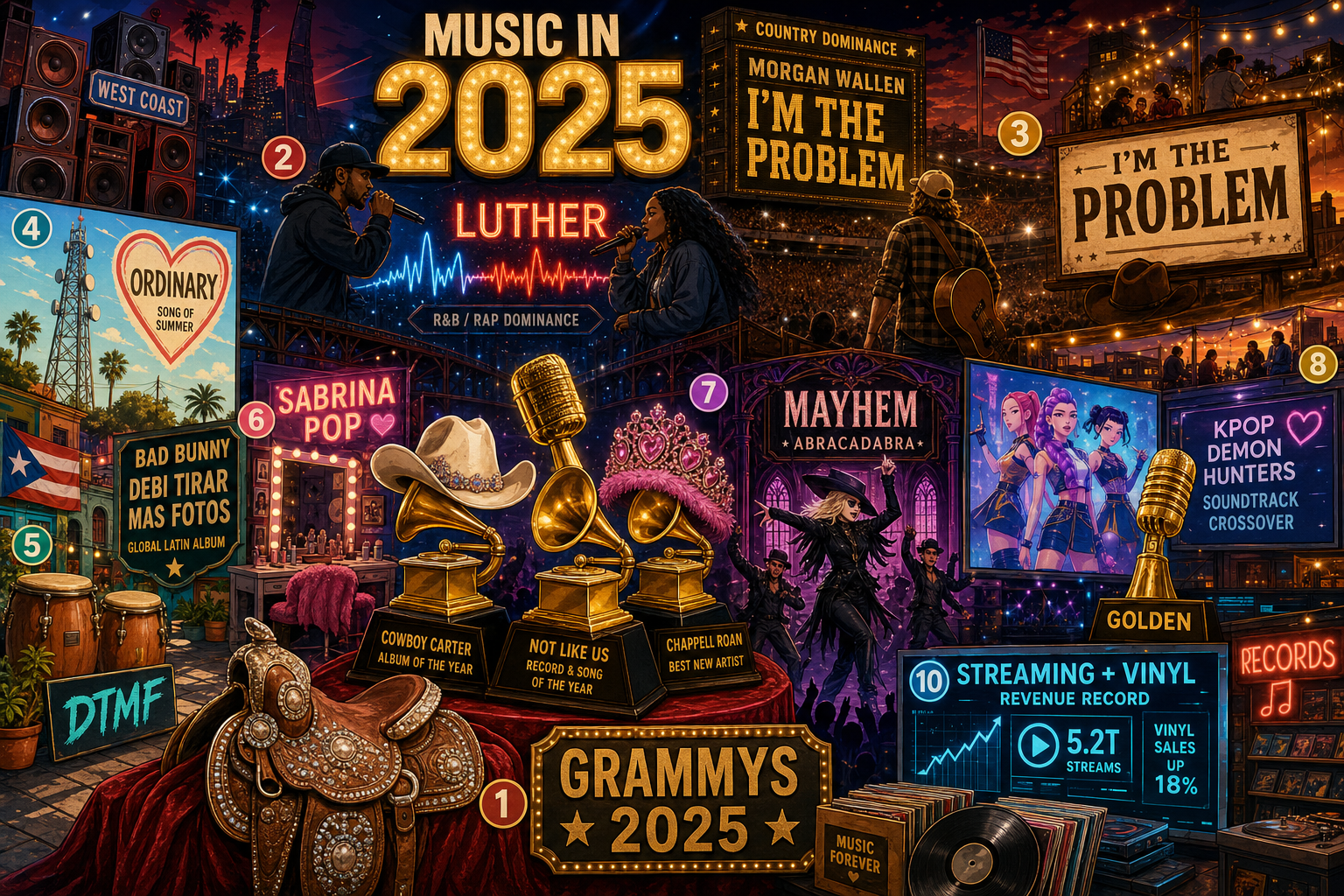
Music Yearbooks — 2025
2025-01-01
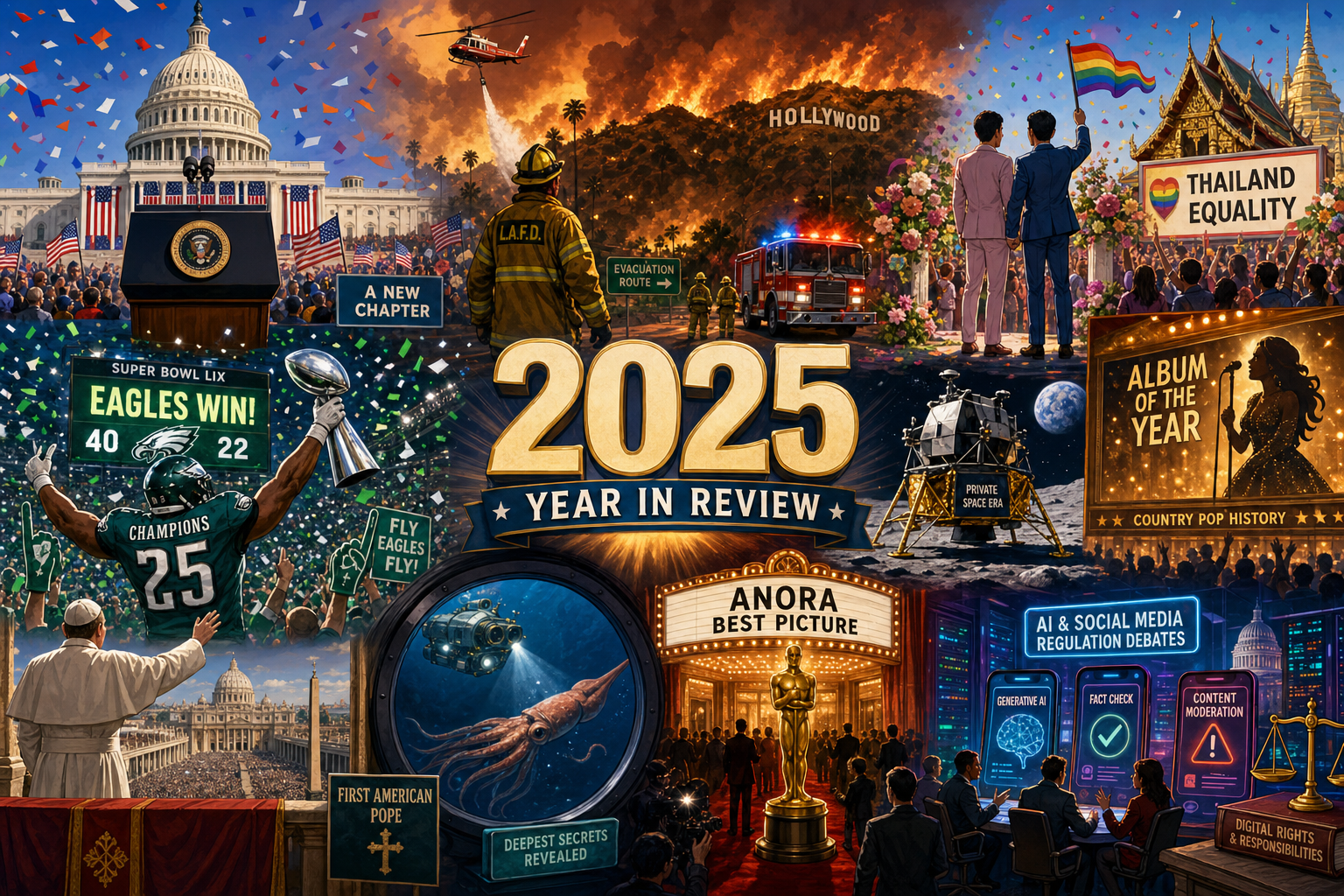
News & Culture — 2025
2025-01-01

NFL Super Bowls — 2025
2025-01-01

Science Breakthroughs — 2025
2025-01-01
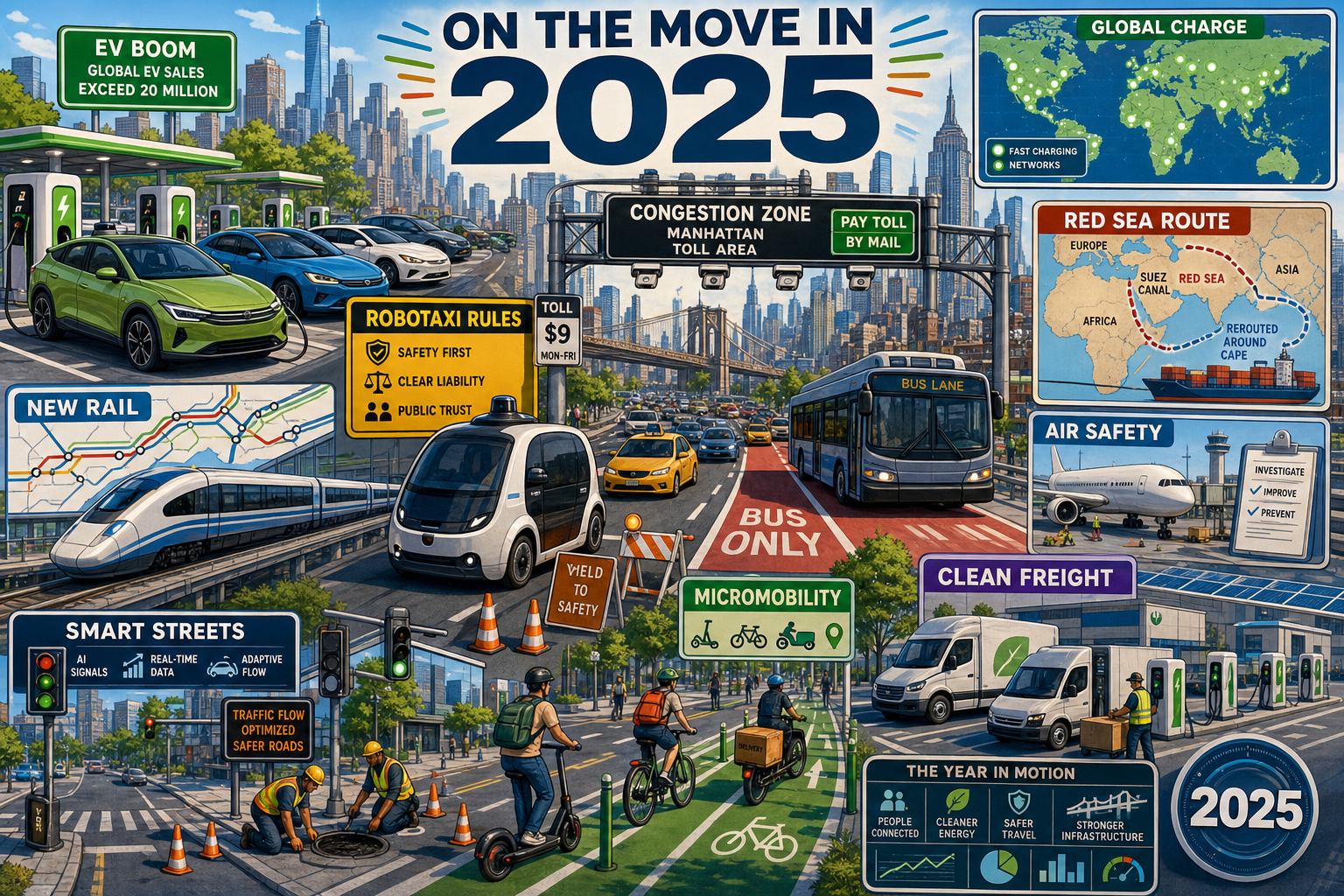
Transportation & Mobility — 2025
2025-01-01

Video Game History — 2025
2025-01-01

Internet Culture Timeline — 2024
2024-01-01
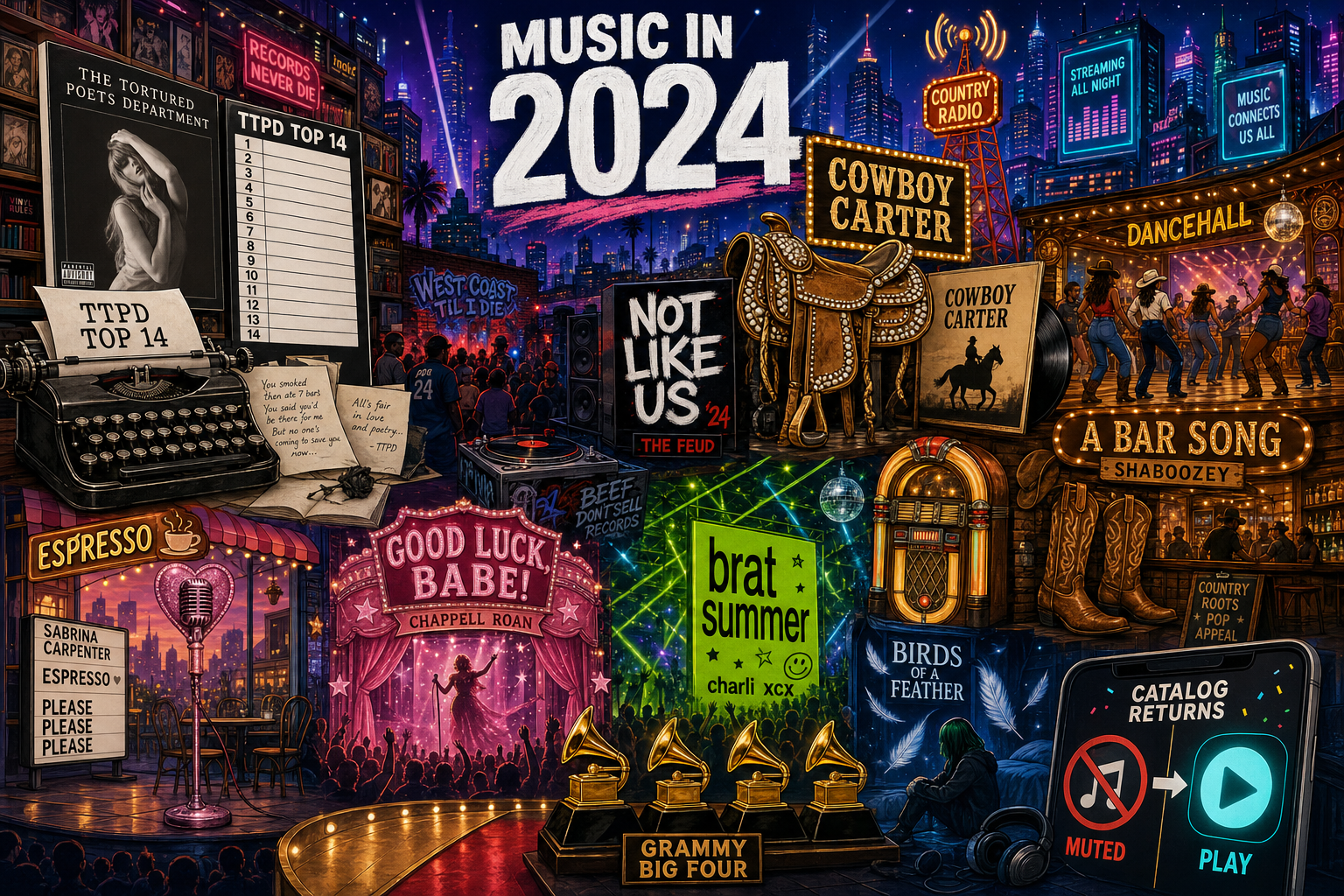
Music Yearbooks — 2024
2024-01-01
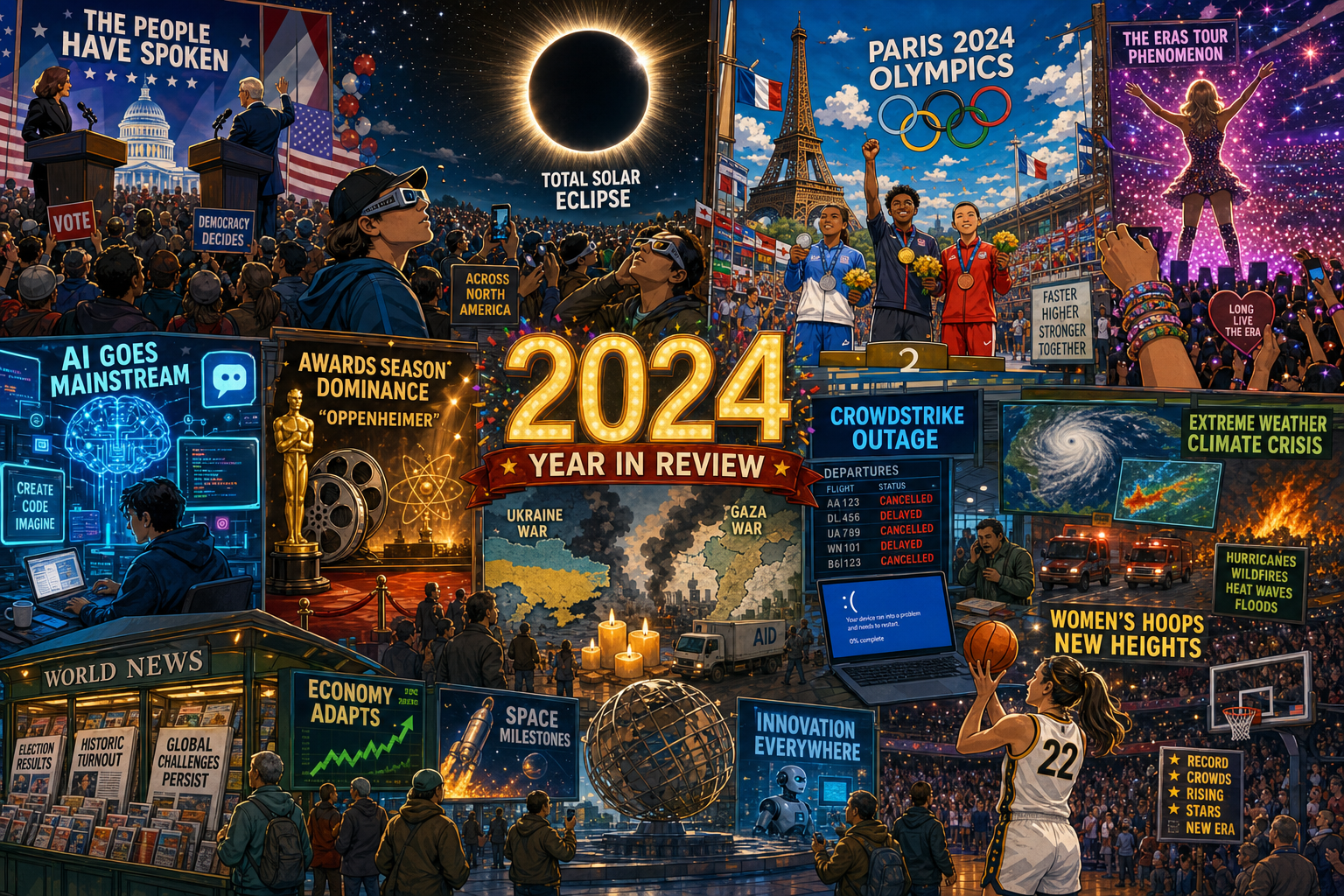
News & Culture — 2024
2024-01-01
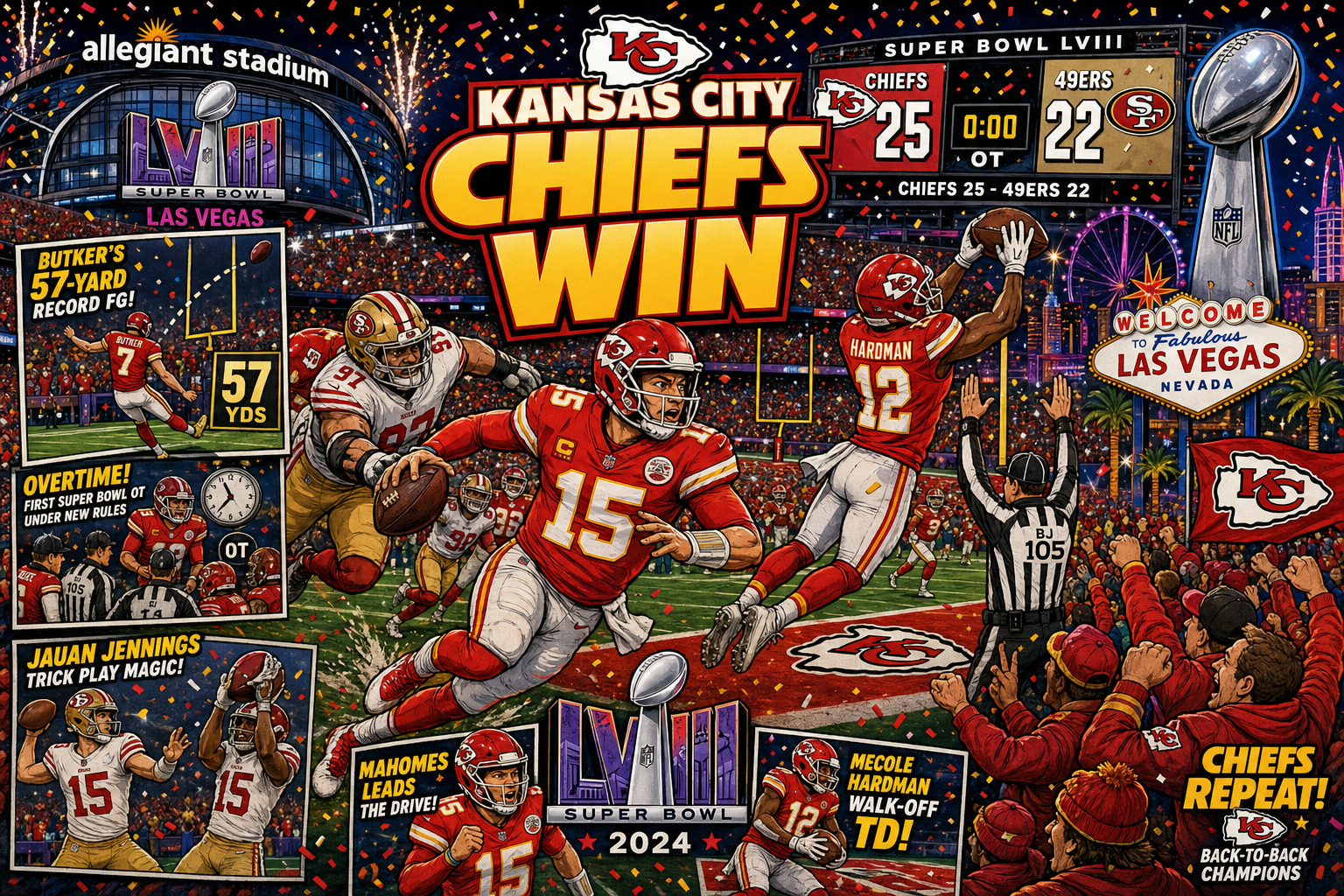
NFL Super Bowls — 2024
2024-01-01
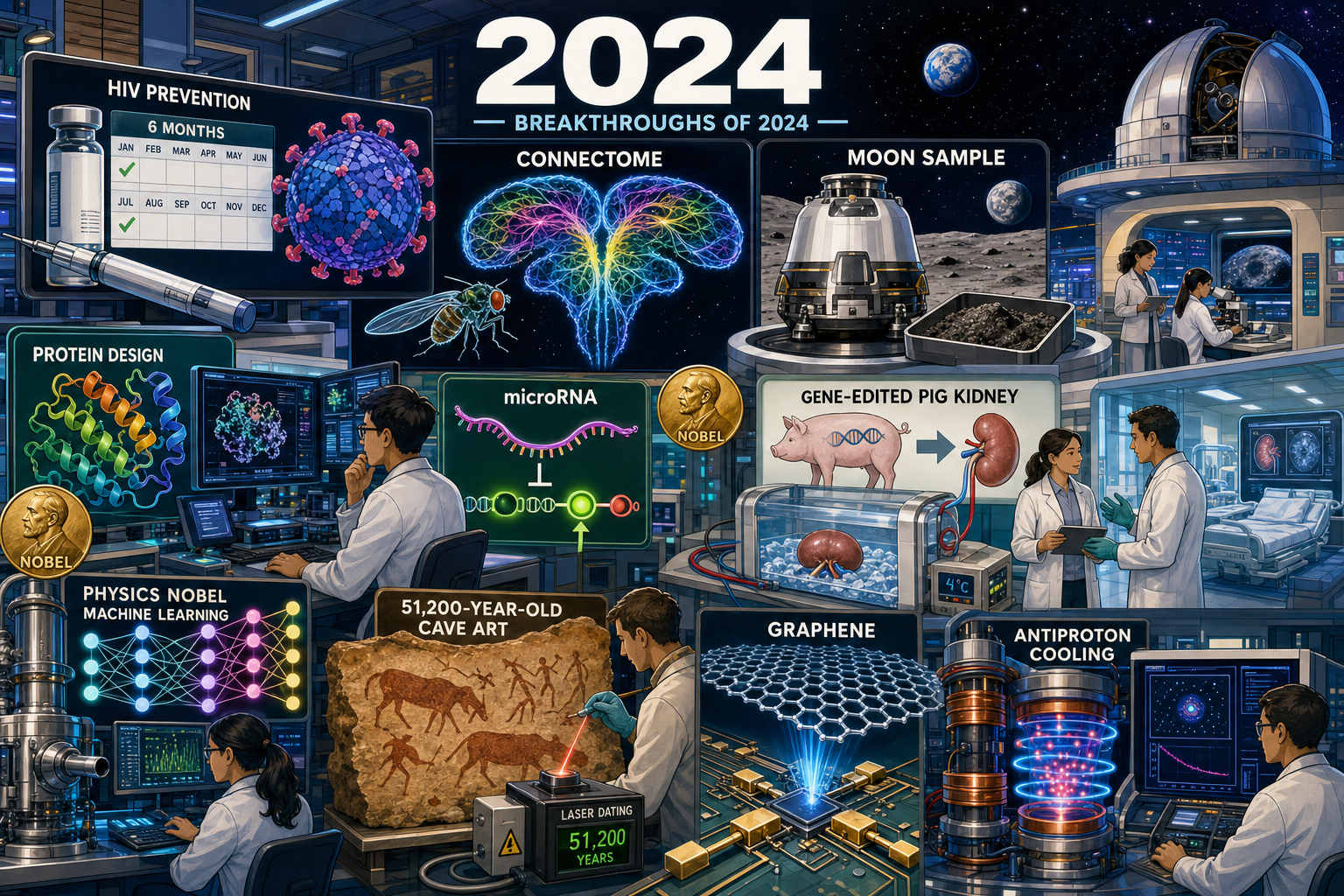
Science Breakthroughs — 2024
2024-01-01