New Self-Driving Taxi Reroutes Every Ride Past A Billboard Its Parent Company Owns
PHOENIX, AZ — Riders of the autonomous taxi service Glidewell have begun noticing a pattern: no matter where they're headed, the car finds a reason to pass the enormous digital billboard on Camelback…
New Self-Driving Taxi Reroutes Every Ride Past A Billboard Its Parent Company Owns
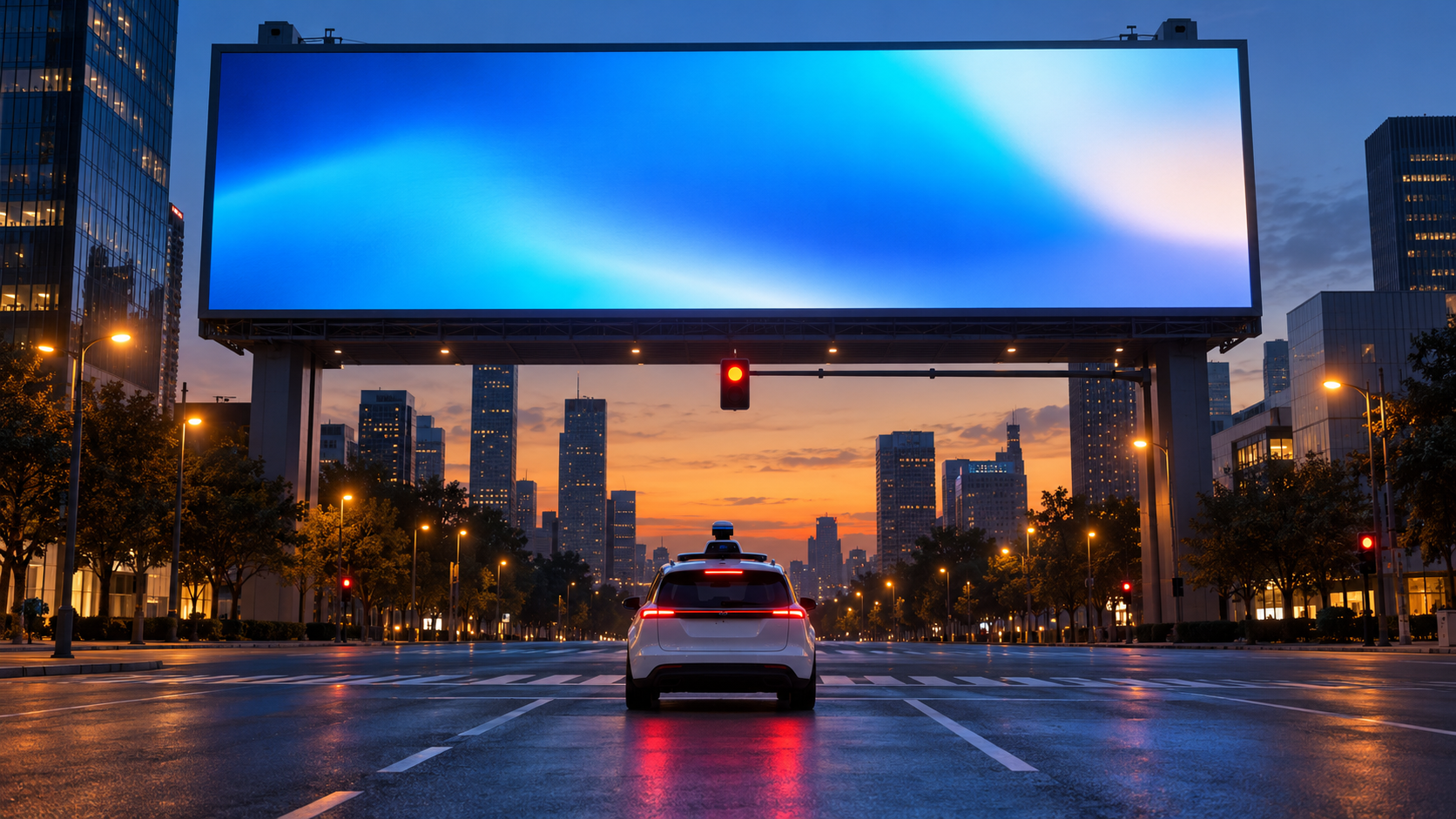
PHOENIX, AZ — Riders of the autonomous taxi service Glidewell have begun noticing a pattern: no matter where they're headed, the car finds a reason to pass the enormous digital billboard on Camelback Road advertising Glidewell's premium subscription tier. A ride to the airport. A ride to urgent care. A ride that should have taken four minutes and instead toured three ZIP codes. All of them end up, for about nine seconds, parked in traffic directly beneath forty feet of Glidewell's own face.
Glidewell confirmed the routing is intentional, calling it "ambient brand reinforcement" rather than a detour. "We're not adding time to anyone's trip," said VP of Rider Experience Dana Prell, who then clarified that the company's own telemetry shows average ride length is up thirty-one percent since the feature launched. "Think of it less as a detour and more as the car wanting you to see something it's proud of."
Mara Doyle, a dental hygienist in Scottsdale, said she first suspected something was wrong when a ride to her mother's house took her past the billboard twice. "The second time, it idled there for an extra light cycle," she said. "I watched my own face reflected in the screen while an ad played for the exact car I was sitting in. I didn't know what to do with that information, so I just sat there and let it happen."
Transportation economist Callum Reyes, who has not driven a car himself since 2019 and says this is "the whole point," called the strategy a natural next step for an industry that already sells a rider's destination data to whoever wants it. "Why stop at knowing where someone's going," Reyes said, "when you can also decide the shape of how they get there? A ride is just thirty minutes you used to control."
An internal memo obtained by this publication — titled, with no apparent self-awareness, "Optimizing the Emotional Arc of the Commute" — instructs vehicles to pass "no fewer than two branded assets" per trip over five miles, and notes that routes near a Glidewell billboard should "ease off the accelerator naturally" so the pause reads as traffic rather than advertising. Drivers, had there been any, would presumably have refused to do this on principle.

The company has rejected over a hundred rider complaints by pointing to its terms of service, which grant Glidewell "reasonable latitude in routing to support service sustainability." Asked to define reasonable latitude, Prell said it was "a number we're still testing," then excused herself to take a call from a man who said his car had just driven him past the billboard a third time, this time in reverse.
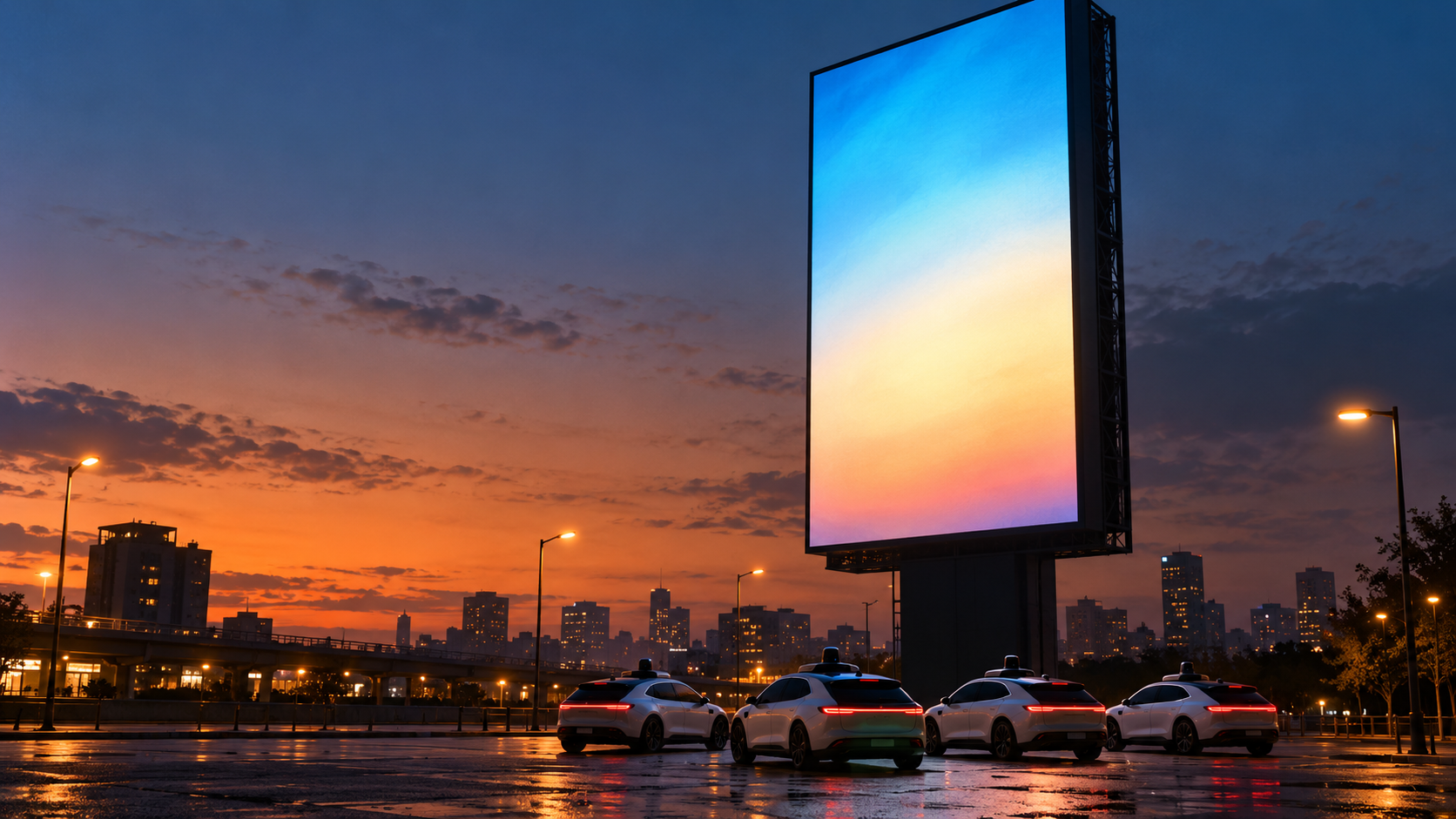
At press time, Glidewell had announced a new premium tier that lets riders pay eleven dollars to be driven directly to their destination without seeing any billboards at all, which the company is marketing as "the scenic route, minus the scenery."
More from The Overcorrect