Recall Rush
Design brief
Flip two tiles to recall where a symbol was, bank a match before the clock eats your lead, and each round packs more tiles into a shorter glimpse.
Date: 2026-10-21 Genre: memory card match Status: Playable build
Concept
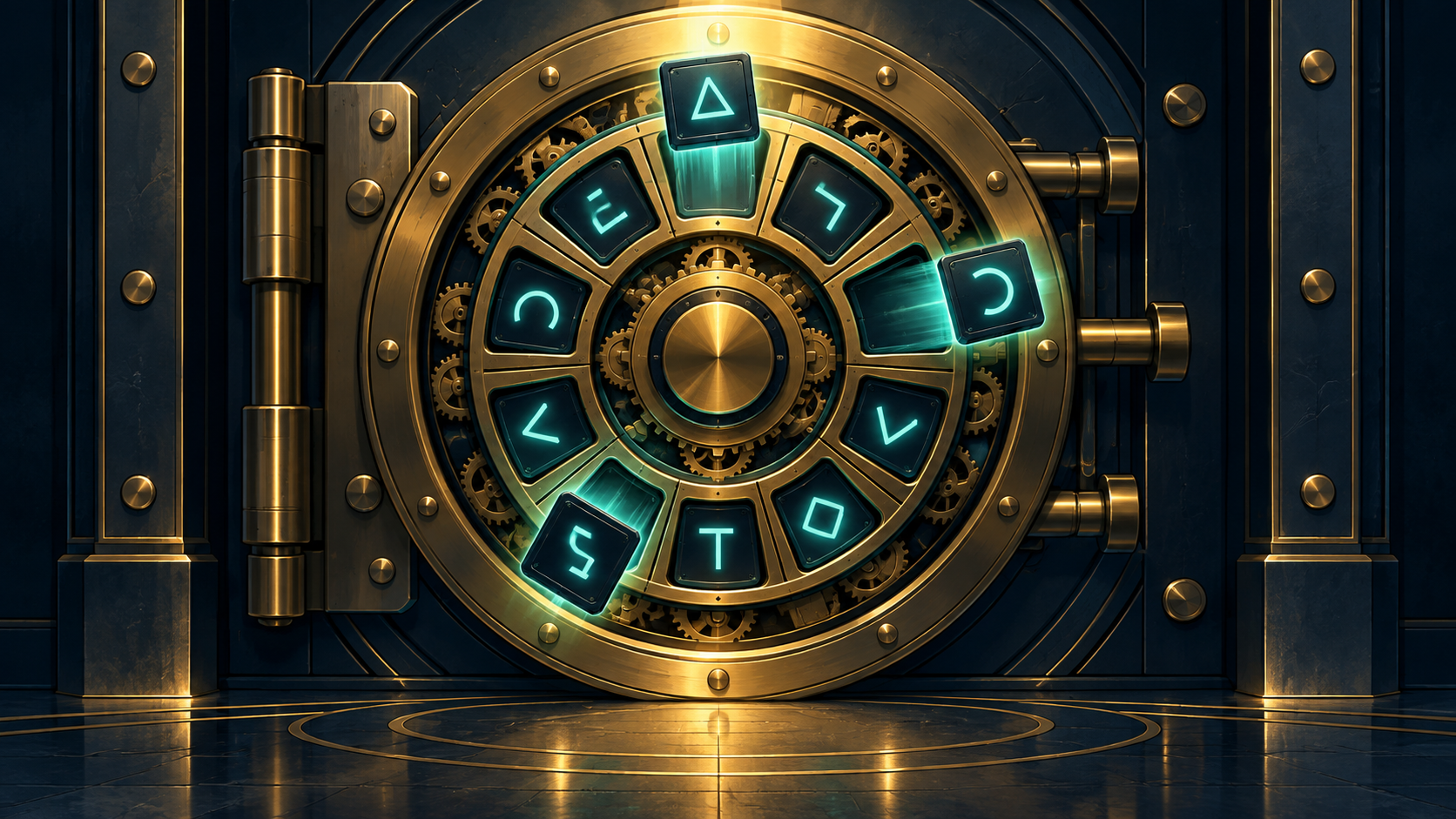
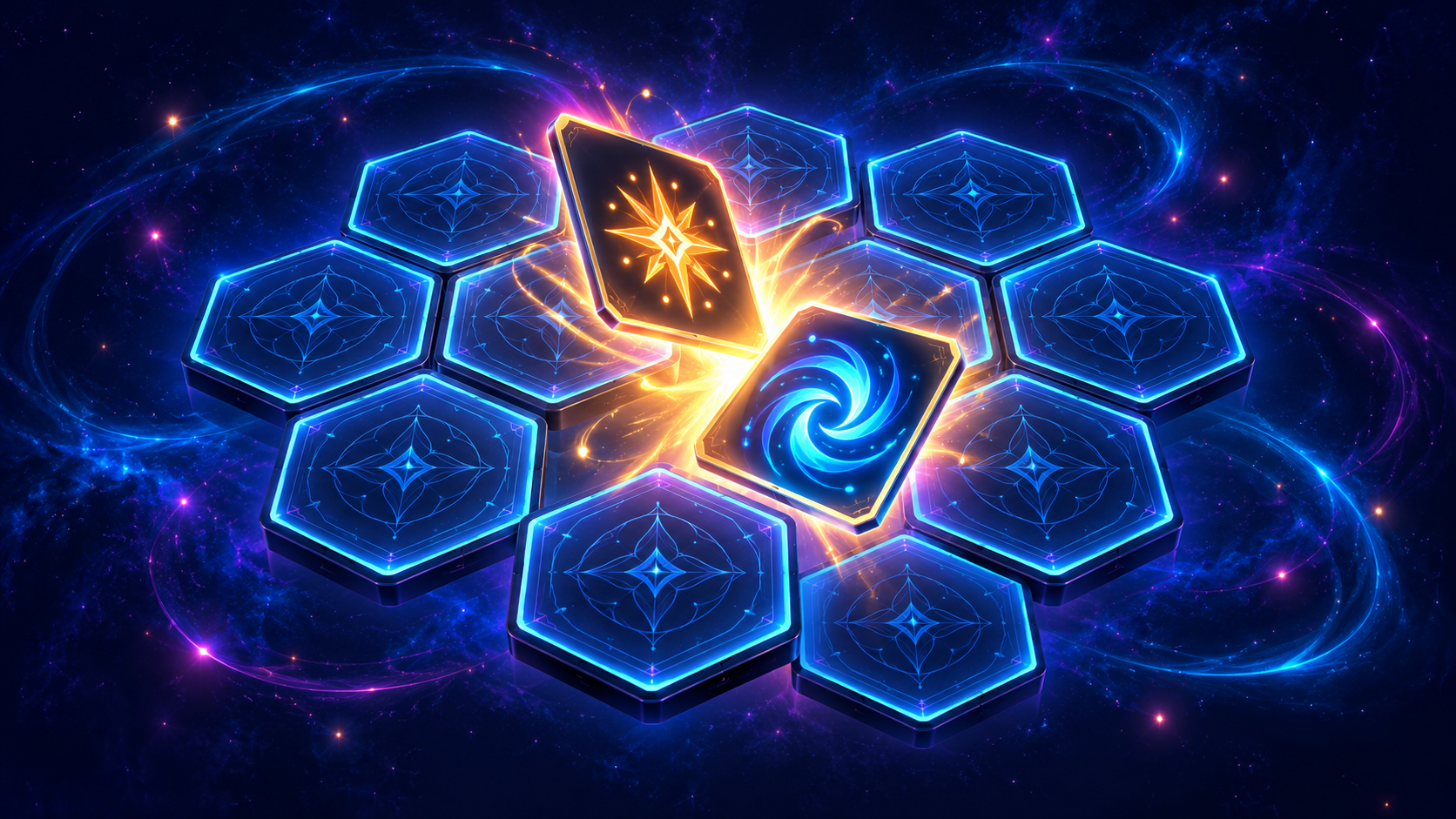
A grid of tiles flashes face-up for a few seconds, then flips face-down. From there it's pure recall: pick two tiles that match and you keep them open, gain time, and watch a combo multiplier climb. Guess wrong and the clock drops two full seconds while your combo resets to zero. Nothing pauses while you think it over. Your own clock decides how long you get.
How to play
Clear a level by matching every pair before the timer hits zero. Click or tap any face-down tile to flip it; flip a second one and the game checks for a match. On keyboard, arrow keys move a highlight square and Enter or Space flips the highlighted tile. Clearing a level adds a six-second bonus and deals a new, denser board with a shorter preview. Press R any time to restart, M to mute.
Core mechanics
- Preview-then-recall: every level opens with all tiles revealed, the window shrinking from three seconds down to about 1.2 seconds by level four.
- Time as the only resource: correct matches add three seconds, wrong ones cost two, and clearing a level banks six. There's no separate "lives" system, just the clock.
- Combo multiplier: each consecutive match raises your multiplier by a quarter step up to 4x; one miss zeroes it out.
- Escalating boards: 12 tiles at level one, climbing to 24 by level four, where the grid holds and only the preview window keeps shrinking.
- Four rotating symbol sets (space, fruit, sea creatures, elements) so returning players don't just memorize the same icons.
Progression & scoring
Score per match is 100 points times your current combo multiplier, so a cold streak is worth four times a shaky one. Levels step up in exactly four stages, with pair count, grid shape, and preview length all shifting together, then plateau at the level-four board so skill, not escalating chaos, decides how long a run lasts. A best-score readout (saved locally) gives you a number to chase on the next attempt.
Look & feel
Dark navy backdrop with a faint dot grid, tiles lit from neon accent colors tied to each symbol theme (cyan for the space set, amber for fruit, and so on). Matched pairs pulse gently in their accent color and throw a small particle burst. Tiles flip with a real squash-and-stretch motion rather than an instant swap. All sound is synthesized: a short blip on flip, a rising chime on a match, a falling buzz on a miss, and a ticking cue that gets faster once the clock drops under ten seconds.
What makes it fun
- The two-second mismatch penalty makes a blind guess cost something real, so you're rewarded for actually remembering, not for clicking fast.
- The combo multiplier turns a clean streak into the highest-value play, so the greedy move (chase the chain instead of banking a safe single match) is also the smart one.
- Levels shrink the preview instead of raising a generic difficulty number, so the pressure stays cognitive. You're racing your own memory, not the game's speed.