Nebula Tapper
Design brief
Tap drifting stardust for shards, spend them on collectors with climbing costs, and decide when a permanent reset pays off more than one more purchase.
Date: 2026-08-20 Genre: idle incremental Platform: Mobile (portrait, touch-first) Status: Playable build
Concept
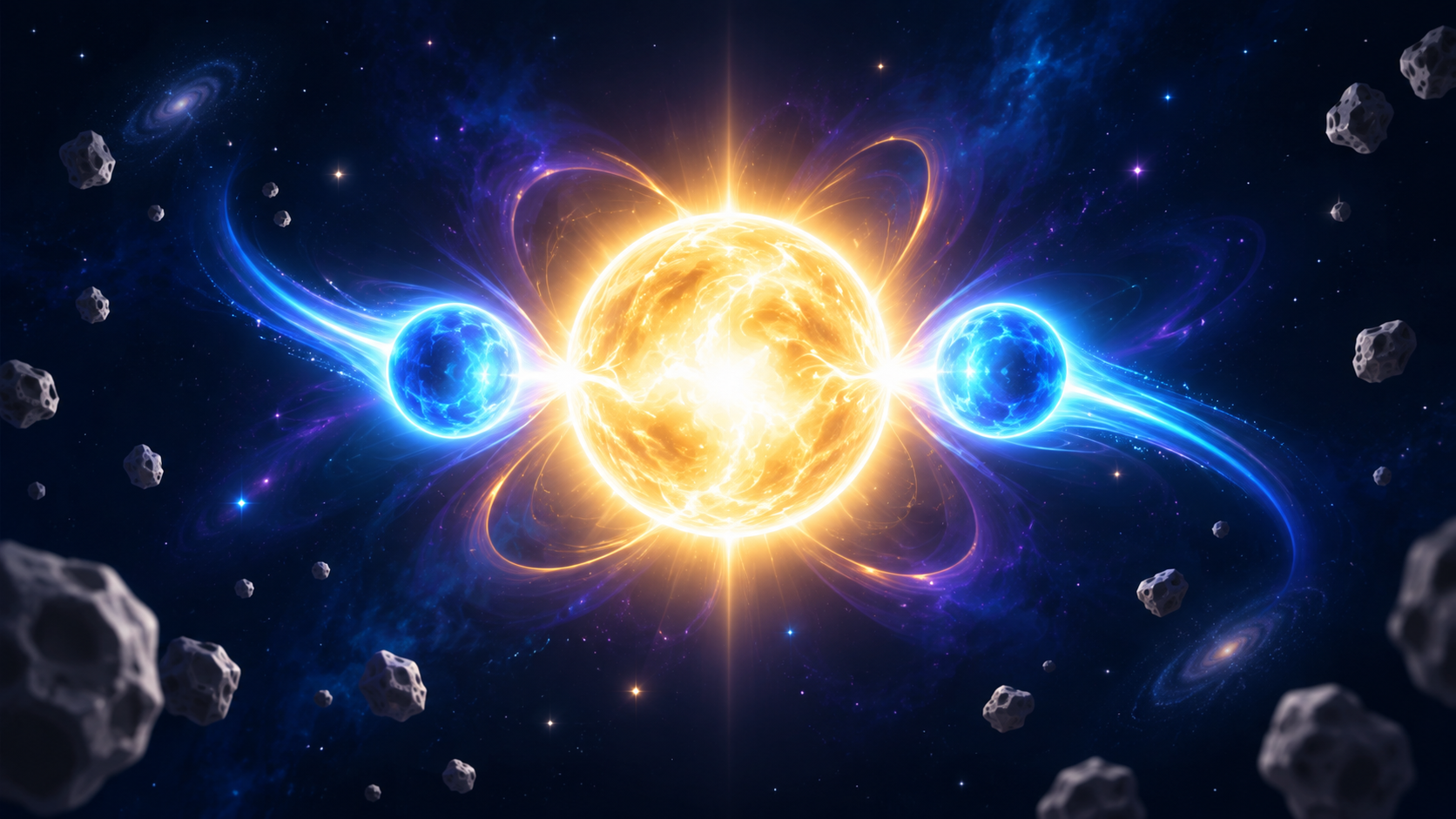
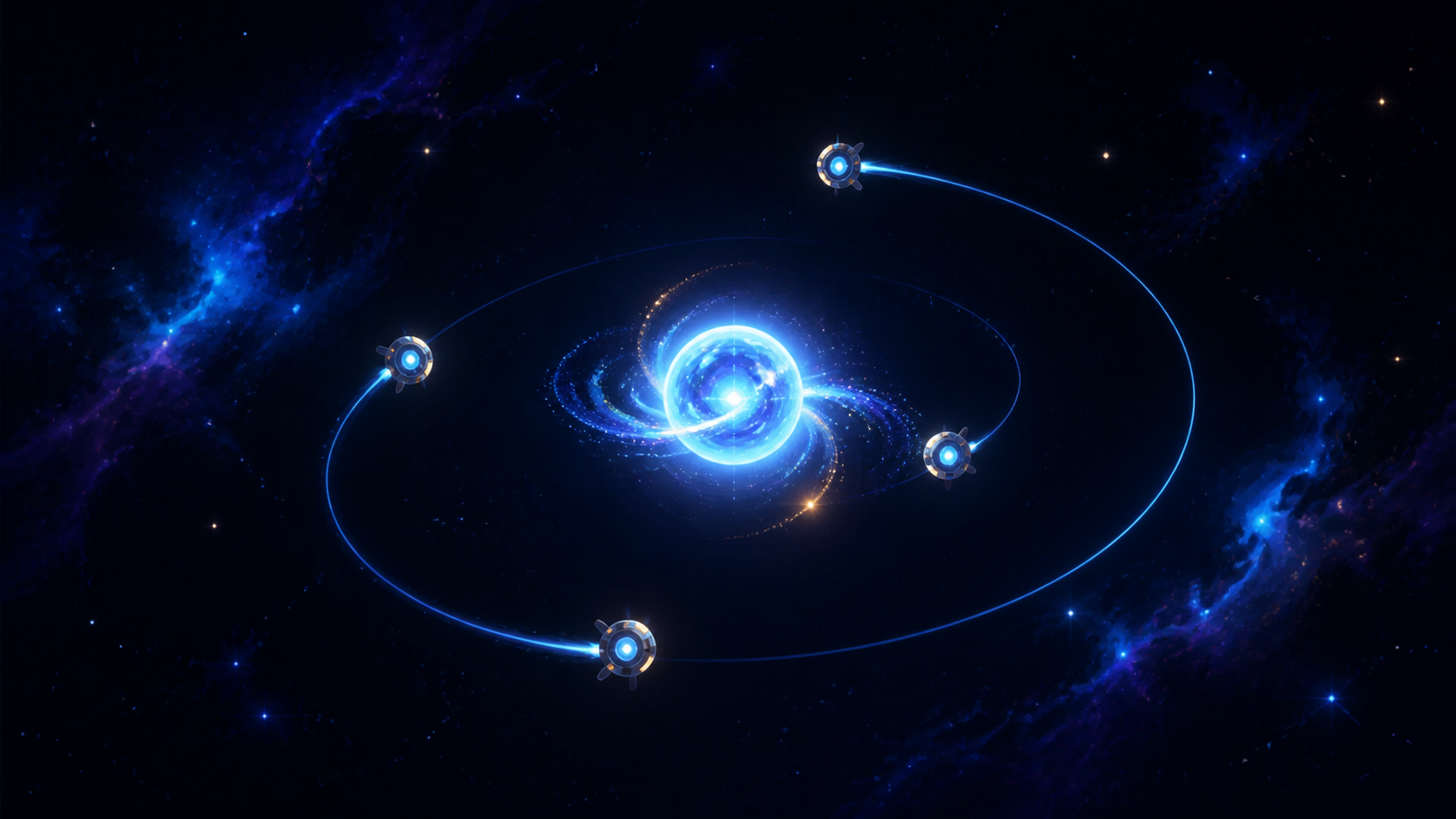
A single glowing orb drifts around a starfield. Tap it and it jumps somewhere new, so the game rewards a steady rhythm of taps as much as patience. Between taps, four tiers of automated collectors keep earning shards on their own, and the real game is a math problem: build more collectors, or wipe the board for a permanent multiplier and start climbing again, faster.
How to play
Tap the stardust orb to collect shards; rapid taps chain into a combo that boosts each hit. Tap a row in the collector list to buy a Probe, Satellite, Station, or Array — each one adds passive shards per second, and each purchase raises that row's price. Once lifetime shards clear a threshold, the Supernova button unlocks: it wipes your shards and collectors but grants permanent crystals that raise all future income. There's no losing here — Restart (or R twice) wipes everything if you want a clean slate. Desktop: Space taps the orb, 1–4 buy a collector, P triggers Supernova.
Core mechanics
- Tap-to-collect with combo decay — taps within 0.6 seconds of each other build a combo up to 20 stacks (up to 3x shards per tap); stop tapping and it resets.
- Four collector tiers — Probe (15 shards, +0.6/sec), Satellite (120, +5/sec, unlocks at 80 lifetime shards), Station (1,400, +38/sec, unlocks at 900), Array (16,000, +260/sec, unlocks at 9,000). Each purchase raises that tier's cost by roughly 15–18%.
- Supernova prestige — available once lifetime shards clear 5,000, rising ×1.5 after each use. Resets current shards and collectors, grants crystals equal to the square root of lifetime shards ÷ 1,000, and each crystal adds a permanent +2% to all income.
- Passive generation while you're doing anything else — collectors keep producing shards per second even while you're deciding what to buy next.
Progression & scoring
Shards climb from single digits to thousands within the first couple of minutes, both from taps and from stacking collectors. The pressure isn't a timer — it's the collector price curve outrunning your income until a Supernova reset becomes the better move. Score is just the live shard total plus the growing crystal count, which is the number that actually persists in spirit across resets: more crystals means the next climb to 5,000 shards takes half the time.
Look & feel
Deep-space palette — near-black backgrounds, cool blue starlight, a pulsing white-and-indigo orb with a soft glow that scales up on a hit. Small particle bursts and floating "+N" text mark every tap; a warm orange flash and swelling tone mark a Supernova. All rendered on canvas, no images. Sound is a handful of synthesized WebAudio tones — a light ping for taps, a firmer blip for purchases, a low sweep for prestige — unlocked on the first touch. The whole thing sits inside an on-screen phone frame with a scrollable collector list under the tap area, sized for one-handed portrait play.
What makes it fun
- The core tension is a running bet against yourself: is the next Array purchase worth more than banking crystals now? The game never tells you the right answer.
- Combo decay means even an idle game rewards paying attention — walk away and you're leaving shards on the table.
- Crystals visibly compress your next run. Reaching 5,000 shards the second time is noticeably faster than the first, which is the actual hook to go again.