New Ozempic Side Effect Has Users' Feet Quietly Skipping Lunch
ROCHESTER, MN — A peer-reviewed study published Monday in the New England Journal of Endocrinology has confirmed what dozens of GLP-1 patients have quietly suspected for months: their feet have…
New Ozempic Side Effect Has Users' Feet Quietly Skipping Lunch
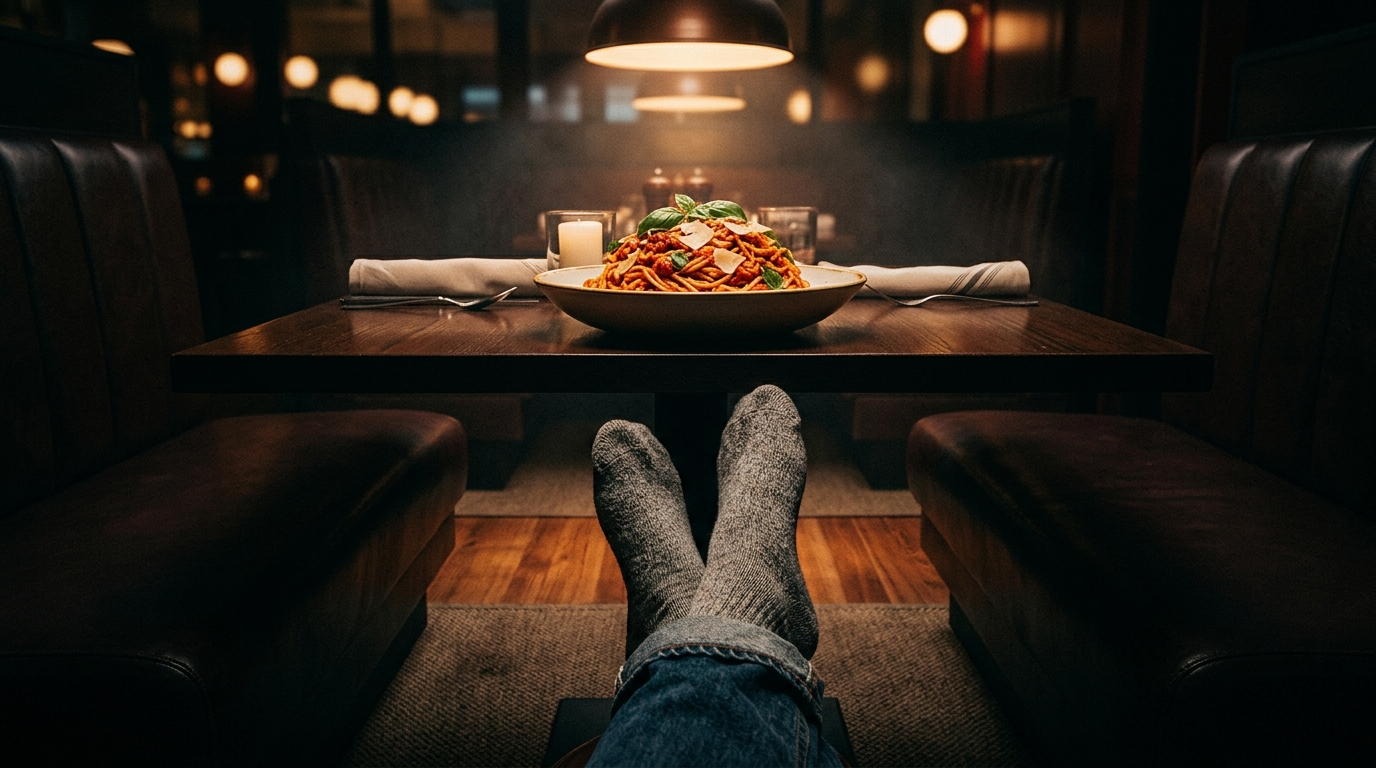
ROCHESTER, MN — A peer-reviewed study published Monday in the New England Journal of Endocrinology has confirmed what dozens of GLP-1 patients have quietly suspected for months: their feet have stopped eating.
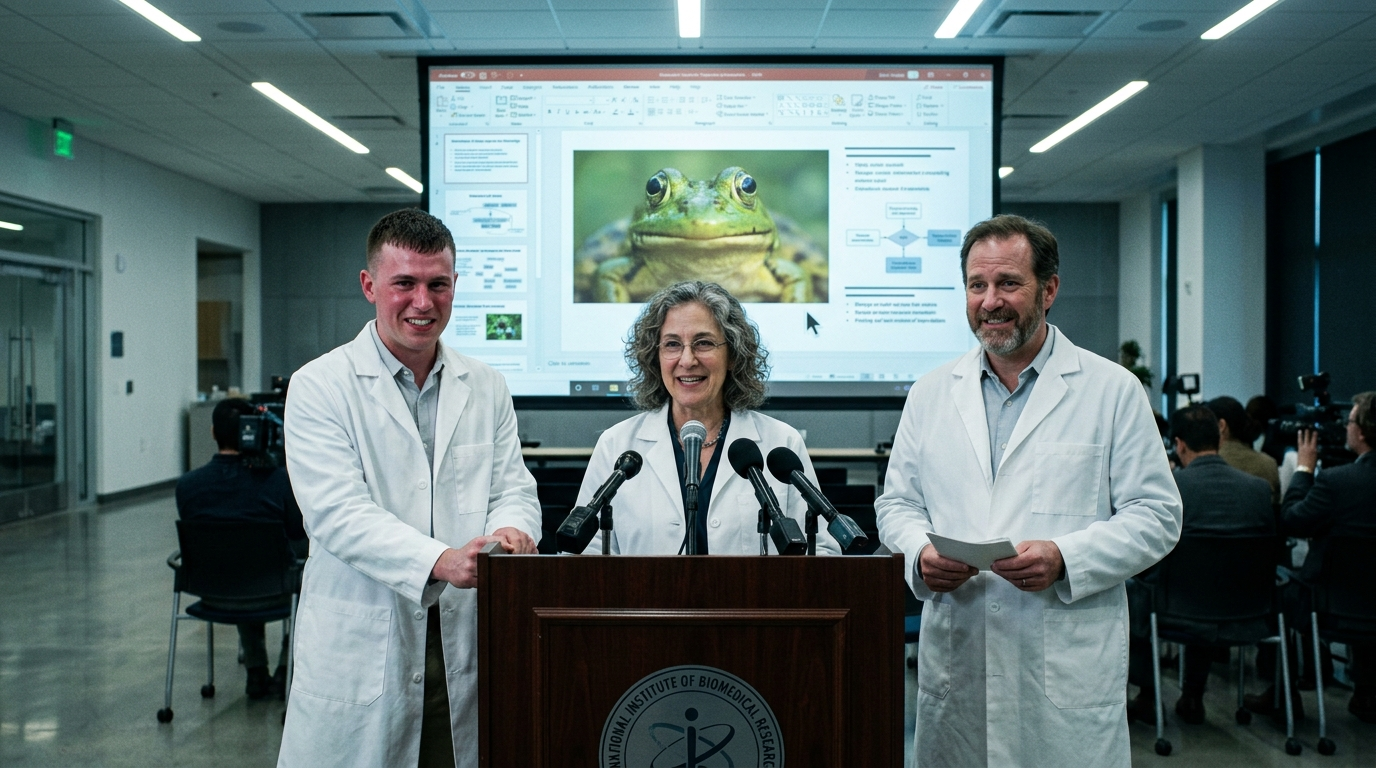
Researchers at the Mayo Clinic Center for Metabolic Innovation tracked 2,400 semaglutide users over 18 months and found that 16% reported their feet had begun exhibiting food-aversion behaviors typically associated with patients actively on appetite-suppressing medication — despite the feet having no stomach, no mouth, and no demonstrated awareness that food exists.
"We were expecting some peripheral changes," said Dr. Renata Phills, the study's lead author and director of the clinic's Department of Things That Shouldn't Be Happening. "We were not expecting Mr. Hendricks' left foot to refuse to enter an Olive Garden."
The phenomenon, which researchers have tentatively named "distal appetite suppression" — or, informally, "foot quietness" — appears linked to the drug's sweeping effects on the nervous system. Patients report that affected feet feel lighter, seem "more intentional," and in several documented cases have stopped walking toward bakeries entirely.
"I used to take the long route to work just to pass by that doughnut place on Elm," said Brian Garber, 44, a supply chain analyst from Burnsville who has been on Wegovy for seven months. "Now my feet just... don't go that way. They find other routes. I honestly don't feel like I'm making the decision anymore."
Garber added that his feet seemed pleased with themselves.
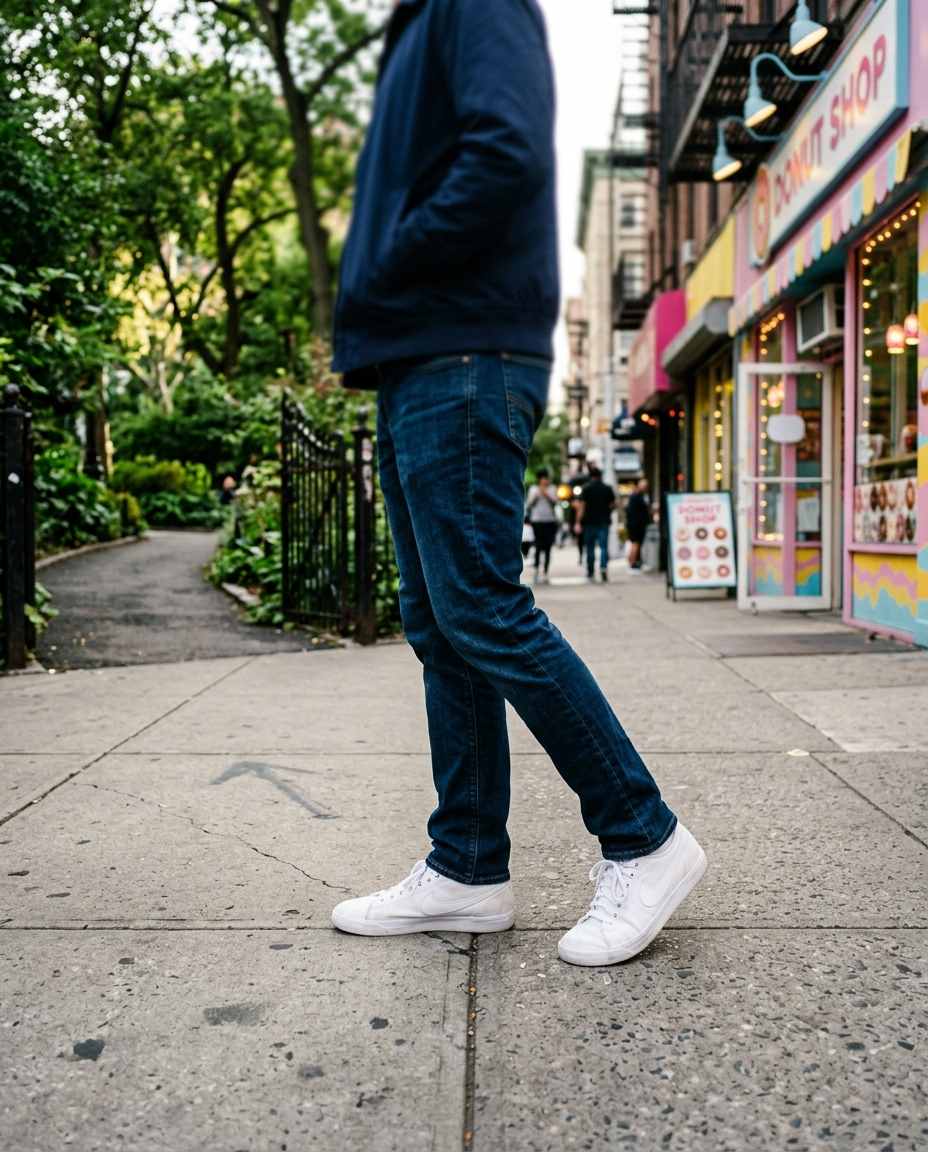
The study found the effect was most pronounced in users who had achieved significant weight loss, suggesting the feet may, in some sense, be keeping score. A podiatrist consulted by the research team noted that while the feet of affected patients showed improved circulation and reduced inflammation, they also appeared "a little smug."
"Clinically speaking, these are very healthy feet," said Dr. Samuel Greer, a podiatrist with Minneapolis Foot Associates who reviewed five of the case files. "But when I asked one patient to wiggle her toes, they wiggled in a way that felt like they were tolerating me."
The findings drew immediate attention from pharmaceutical companies and footwear brands alike. Nike has announced a new line of GLP-1-compatible running shoes called the Air Suppressant, featuring a proprietary cushioning system designed to "meet your feet where they are on their journey." A Novo Nordisk spokesperson declined to comment but said the company was "monitoring foot developments closely."

In a finding the authors described as "unexpected and frankly a little unnerving," 3% of patients surveyed said their feet had also begun weighing in on podcast choices — refusing to keep moving during episodes featuring food-centric content, or shows whose hosts seemed, in the feet's apparent estimation, to eat too much.
The FDA said it was aware of the study and would review the findings before determining whether "involuntary foot autonomy" warranted a label update.
At press time, a Tempe, Arizona man reported that his feet had begun scheduling their own appointments at a wellness spa and had declined to share the details with the rest of him.
More from The Overcorrect