Researchers Track Down Extra Hour Americans Gained From Daylight Saving Time, Find It Was Spent Watching Strangers Pressure-Wash Driveways
BOULDER, CO — Ending a two-day search that involved 40 federal timekeepers, a borrowed atomic clock and what one official called "a frankly upsetting amount of screen-time data," researchers at the…
Researchers Track Down Extra Hour Americans Gained From Daylight Saving Time, Find It Was Spent Watching Strangers Pressure-Wash Driveways
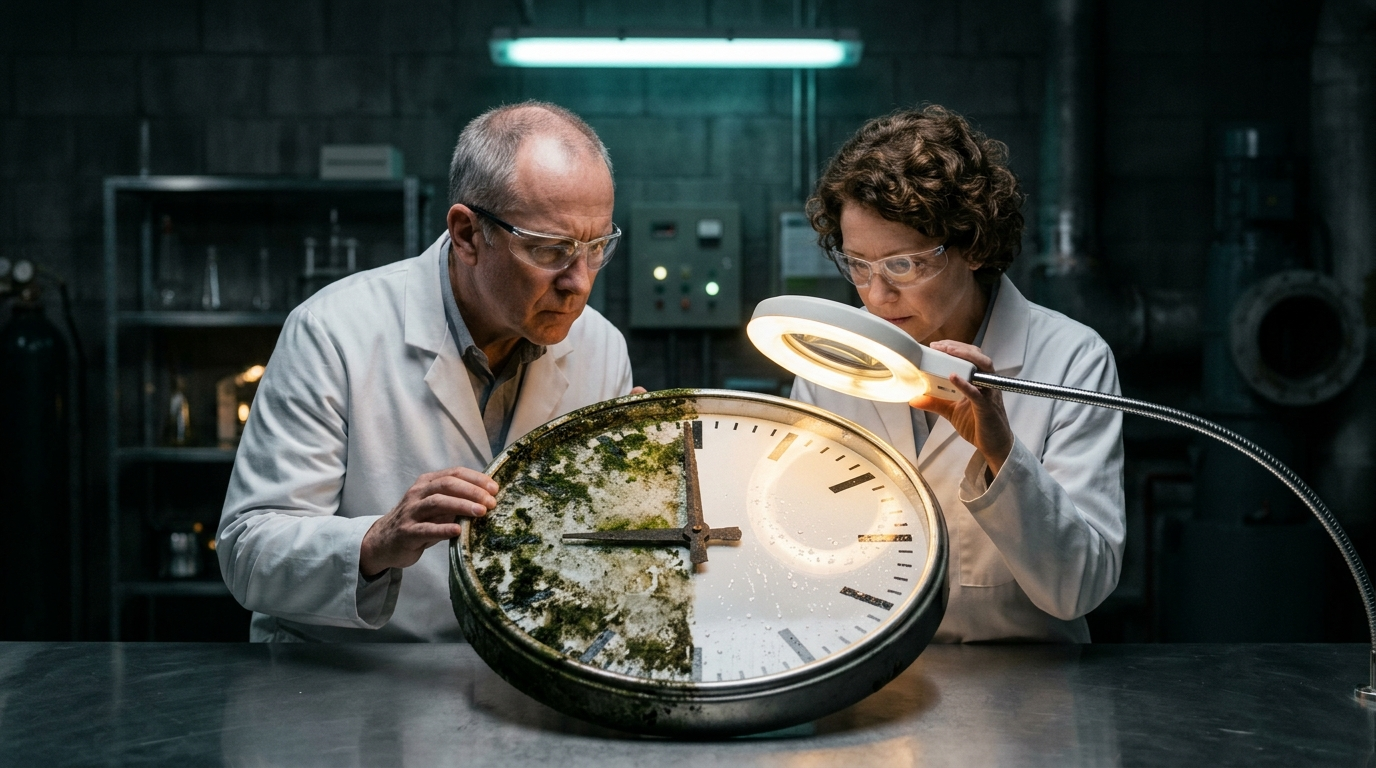
BOULDER, CO — Ending a two-day search that involved 40 federal timekeepers, a borrowed atomic clock and what one official called "a frankly upsetting amount of screen-time data," researchers at the National Institute for Temporal Accounting announced Tuesday that they had located the extra hour Americans gained when clocks fell back Sunday, and that 94 percent of it went to watching strangers pressure-wash their driveways.
"We went in hoping to find people sleeping, reading, maybe calling their mothers," said lead investigator Dr. Paula Wrenfield, standing beside a wall-sized chart of the hour shaded almost entirely gray. "Instead we found 260 million people watching a man named Dale take ten years of grime off a concrete slab in Tucson. Many of them watched it twice. Several watched it at half speed."
According to the institute's 88-page report, the hour unfolded the same way in nearly every household. Participants woke at what their phones insisted was 6:14 a.m., felt briefly triumphant, and resolved to "use the time." Within four minutes most had opened a video app "just to check something." The report files the remaining 56 minutes under "the clean line," its term for the moment a nozzle first cuts a bright stripe through a dark, mossy surface.
"That first stripe does something to the human brain we don't fully understand," said Dr. Marcus Oyelaran, a neuroscientist who reviewed the findings and asked that his own screen-time numbers not be published. "We put subjects in an MRI and showed them a dirty patio. Nothing. Then the water hit it, and the reward centers lit up like a slot machine. One man started crying and asked us who owned the patio."

The other 6 percent proved harder to account for. Investigators traced about 3 percent to people resetting the microwave clock, a task most respondents got wrong and then abandoned. Another 2 percent went to couples arguing over whether the hour had been gained or lost. The final 1 percent belonged to a single household in Ohio that reportedly used the time to clean its gutters, and the institute has sent a team to interview them.
"Honestly, best hour I've had all year," said Glen Haskett, 47, of Rochester, NY, who told investigators he does not own a pressure washer or a driveway and lives on the eleventh floor of an apartment building. "There was one where the guy did a whole brick walkway, and you could see what color the bricks were originally. Red. I had no idea they were red."
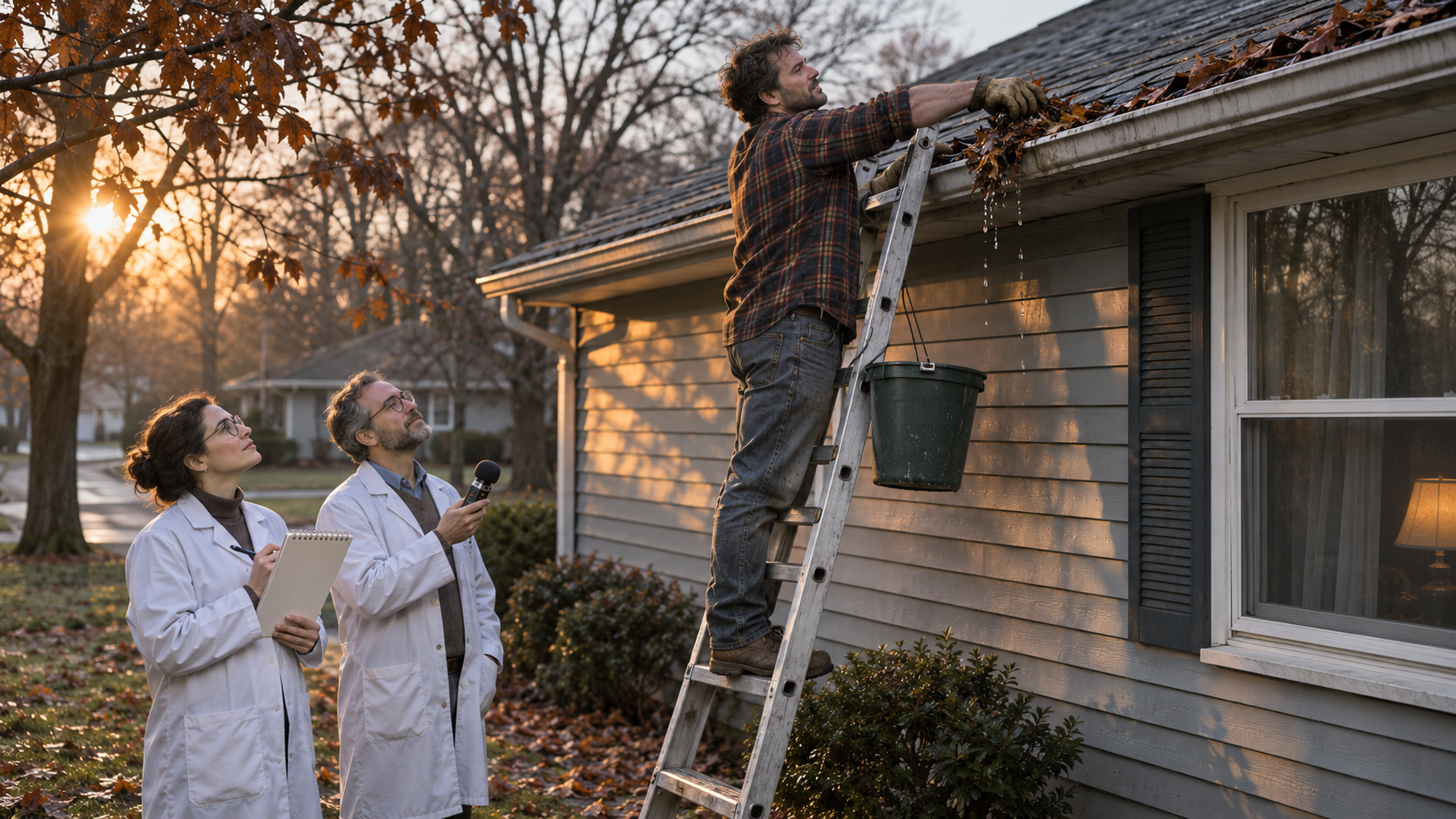
Federal officials said the findings would shape the long-running fight over whether to scrap the clock change entirely. A Senate subcommittee is expected to take up a compromise that keeps the twice-yearly switch but routes the extra hour straight to a pressure-washing channel, cutting out what one staffer called "the middleman."
At press time, Wrenfield confirmed the institute had begun searching for the hour Americans will lose in March, which preliminary models show has already been spent on the same videos.
More from The Overcorrect