NASA Awards $600 Million To 41 Companies Tasked With Figuring Out What To Do About The Dust
HOUSTON, TX — NASA announced Monday it has selected 41 commercial partners and committed nearly $600 million toward solving what agency officials are calling "the dust situation," confirming that…
NASA Awards $600 Million To 41 Companies Tasked With Figuring Out What To Do About The Dust
HOUSTON, TX — NASA announced Monday it has selected 41 commercial partners and committed nearly $600 million toward solving what agency officials are calling "the dust situation," confirming that after 57 years of lunar exploration, humanity's most advanced spacefaring nation remains fundamentally unprepared for a floor being dirty.
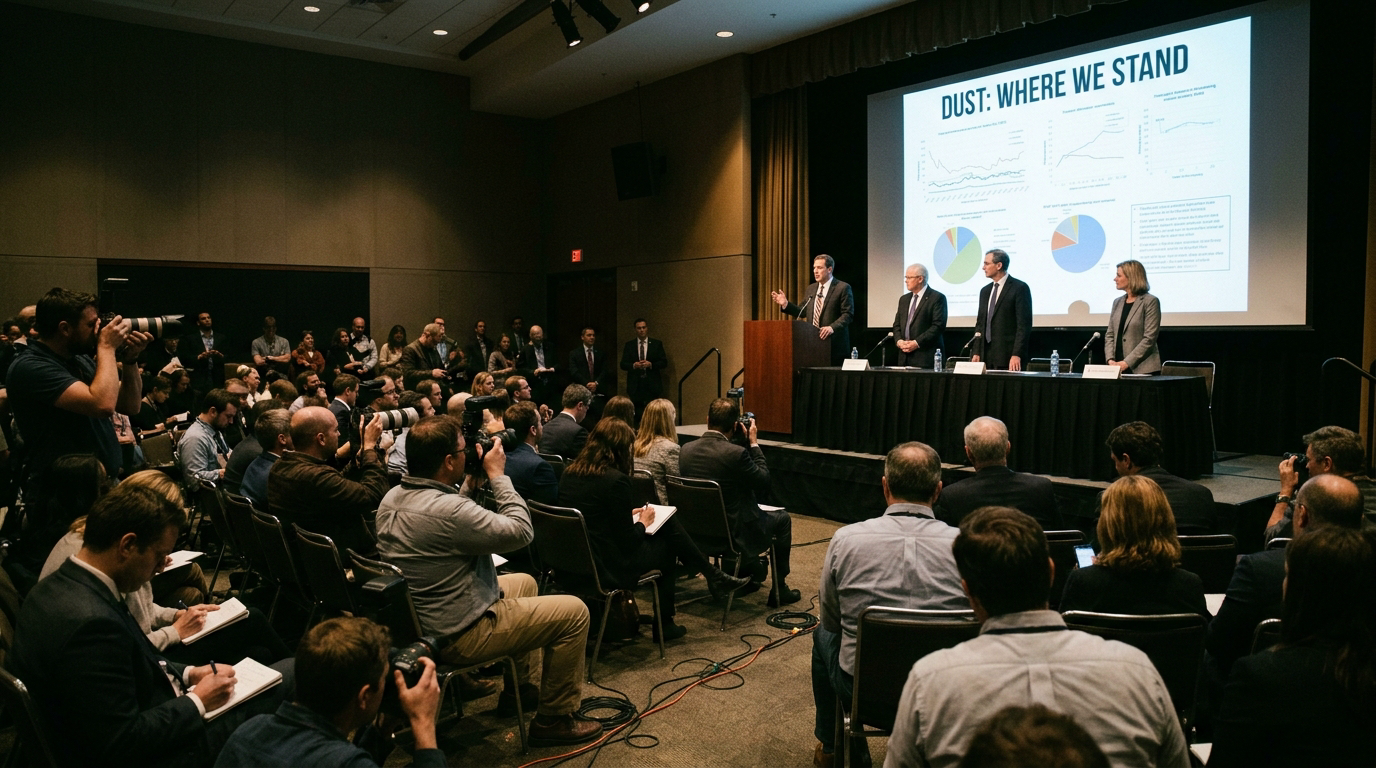
"We've put a man on the moon. Twice, soon to be more," said NASA Associate Administrator Carol Vance at a press briefing that ran eleven minutes over its scheduled time due to what a spokesperson described as "some dust getting into the microphone, ironically." "What we have not done is figure out how to keep that same moon from getting into our spacecraft, our spacesuits, our air filtration systems, and, we've recently learned, our lunch." Vance said the dust, technically known as regolith, is "sharp, clingy, and frankly a little rude," and that of the 41 selected companies, fourteen are proposing electrostatic repulsion systems, nine are proposing specialized textiles, and one, according to internal documents, submitted a single-page bid that simply read "a big broom."
The contract comes ahead of four commercial Moon landings planned for late 2028, each of which will carry instruments specifically designed to study the dust that engineers have spent six decades failing to sweep. Buzz Halloran, lead systems engineer at lunar contractor Regolith Dynamics, told reporters his team's $38 million proposal "fundamentally reimagines dust mitigation" through a technology he described only as "kind of like a Swiffer, but for a moon."
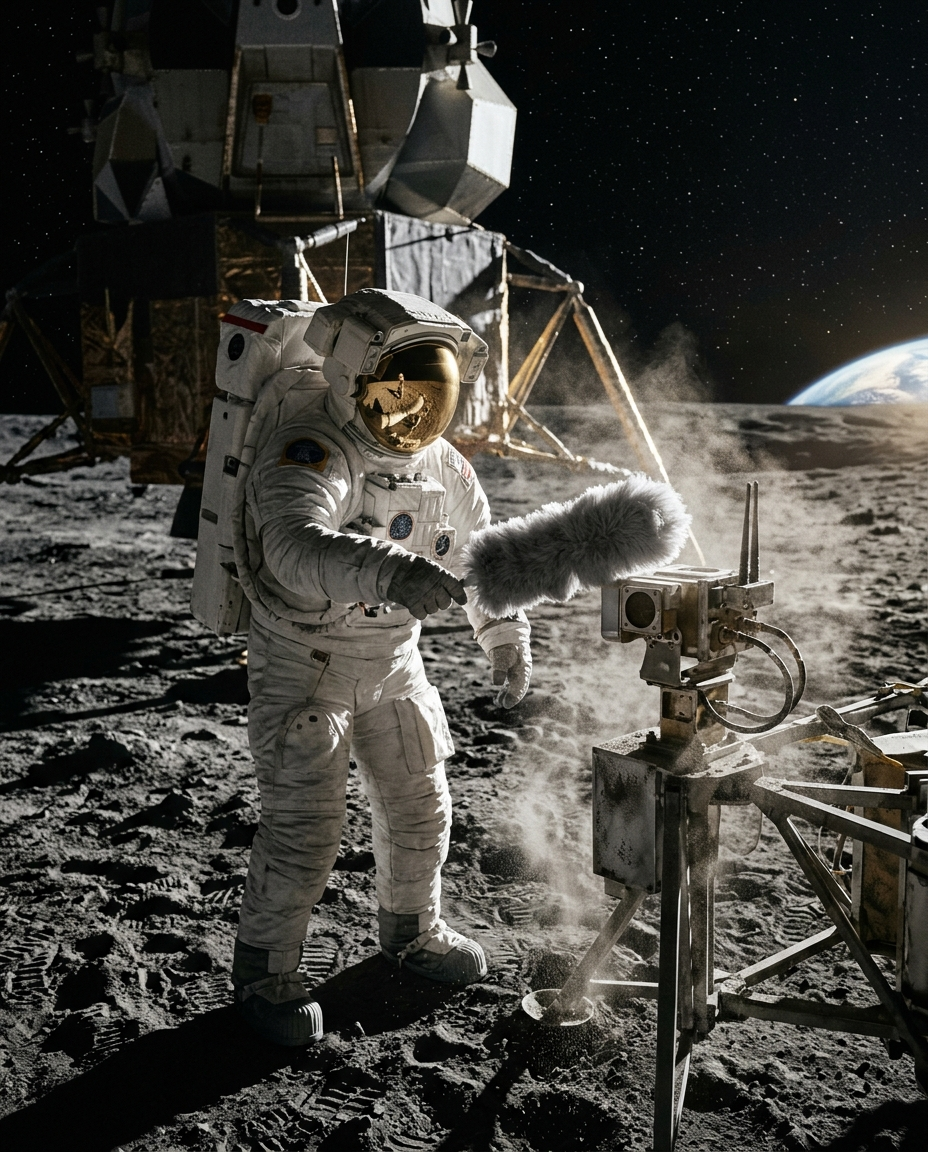
At a closed-door subcommittee hearing, Senator Pat Kowalczyk reportedly asked why the dust problem hadn't simply been solved during Apollo, to which a NASA historian present in the room clarified that Apollo-era astronauts had, in fact, also complained extensively about the dust, got it all over the Lunar Module, and then flown home and left it as a problem for future generations, a decision the historian called "the original punt." Kowalczyk requested this be entered into the record as "deeply disappointing but extremely relatable."
A separate NASA-commissioned study found that lunar dust is so abrasive it degraded spacesuit boot soles within three days during Apollo 17, prompting one agency engineer to note that the dust has now outlasted two Space Shuttle programs, one International Space Station, and, at last count, four different NASA administrators. Meanwhile, at a Houston conference hall, representatives from all 41 winning companies gathered for a mandatory "dust synergy summit," where sources say the room grew tense after a vendor selling magnetic dust shields accused a rival vendor selling static-cling dust shields of "solving a problem that doesn't exist, unlike my problem, which is real and important."

NASA maintains the investment is essential to Artemis's long-term success and has assured Congress that a comprehensive dust solution will be ready well before any astronaut needs one, provided nothing gets sandy first. At press time, three of the 41 contractors had already missed their kickoff deadline after their proposal documents were, according to an internal memo, "somehow covered in dust."
More from The Overcorrect