NASA Discovers Earth-Like Planet, Immediately Calculates It's Only 400 Light-Years Away From Being Completely Ruined By Us
PASADENA, CA — NASA announced Thursday the discovery of Kepler-908b, a rocky, temperate exoplanet with liquid water, breathable atmospheric chemistry, and what researchers are calling "genuinely…
NASA Discovers Earth-Like Planet, Immediately Calculates It's Only 400 Light-Years Away From Being Completely Ruined By Us
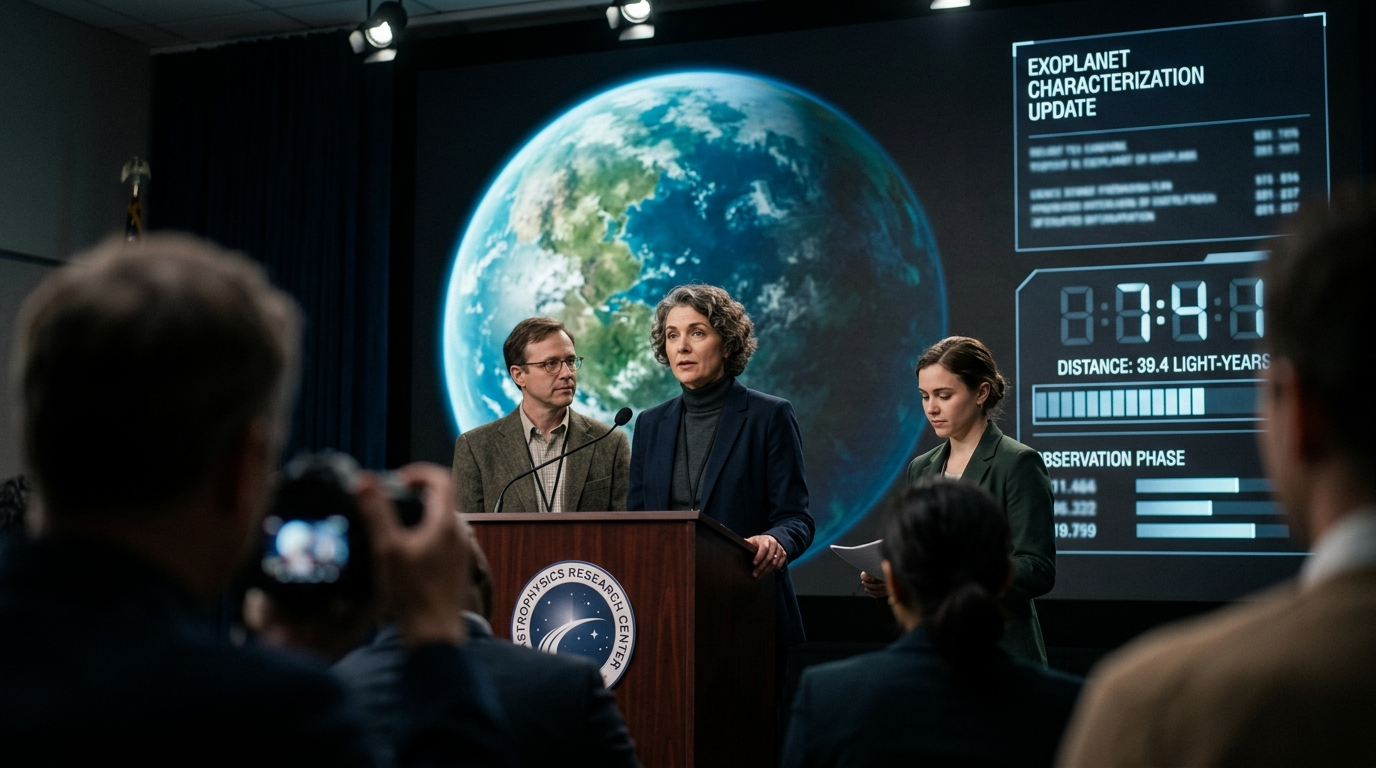
PASADENA, CA — NASA announced Thursday the discovery of Kepler-908b, a rocky, temperate exoplanet with liquid water, breathable atmospheric chemistry, and what researchers are calling "genuinely upsetting" biodiversity potential — before adding, almost immediately, that the planet is a mere 400 light-years from being completely ruined by human beings.
"We ran the standard habitability index, and Kepler-908b scores a 9.7 out of 10," said Dr. Elena Vasquez, lead astrophysicist on the discovery team, at a Thursday press briefing. "Then we ran our internal metric, which is just 'how long until somebody puts a Chili's there,' and the number came back at 400 light-years, give or take a strip mall." Vasquez clarified that the figure is not a measure of distance, but of inevitability. "Distance was never really the variable we were worried about."
Within hours of the announcement, GreenStar Interstellar Properties, a real estate firm previously known for time-shares on land it does not own in Nevada, began accepting refundable deposits on "pre-construction beachfront parcels" along Kepler-908b's northern hemisphere. "We're not saying you'll see it in your lifetime," said GreenStar spokesperson Todd Renn. "We're saying your great-great-great-grandchildren will absolutely receive a maintenance fee notice."

Commodities traders were similarly swift. By Thursday afternoon, exoplanet futures — a financial instrument that did not exist Wednesday — were trading actively on a hastily assembled desk at a midtown investment firm, with analysts pricing in "first strip-mine within 300 years" and "first exploitative streaming service" as key risk factors. "Kepler-908b's fundamentals are strong," said senior trader Brant Okafor, adjusting a headset. "Pristine ecosystem, no existing regulatory framework, and best of all, nobody down there knows we're coming. That's what we call a growth story."

A peer-reviewed follow-up study out of the University of Ohio's Department of Planetary Doom Modeling found that Earth-like planets, on average, take approximately 400 light-years from initial telescope detection to their first Applebee's, a figure researchers describe as "eerily, almost insultingly consistent" across seventeen previously catalogued exoplanets. "We used to think it was about the water," said lead author Priya Nakamura. "Turns out it was never about the water."
Local resident and self-described "space guy" Gary Holt, reached for comment outside a Pasadena hardware store, said the discovery gave him hope. "Fresh start, clean slate, nobody's messed anything up yet," Holt said, before pausing. "Four hundred light-years, though. That's basically next Tuesday for us."
At press time, NASA confirmed it has already begun drafting the apology.
More from The Overcorrect