Cosmic Wallpapers — 4 August 2026
Credits — Cosmic Wallpapers, 4 August 2026
All 5 wallpapers are published by ESA/Webb, ESA/Hubble under CC BY 4.0 (https://creativecommons.org/licenses/by/4.0/) — free to share and adapt with attribution.
Abstract Cosmic Flow — abstract-cosmic-flow.jpg
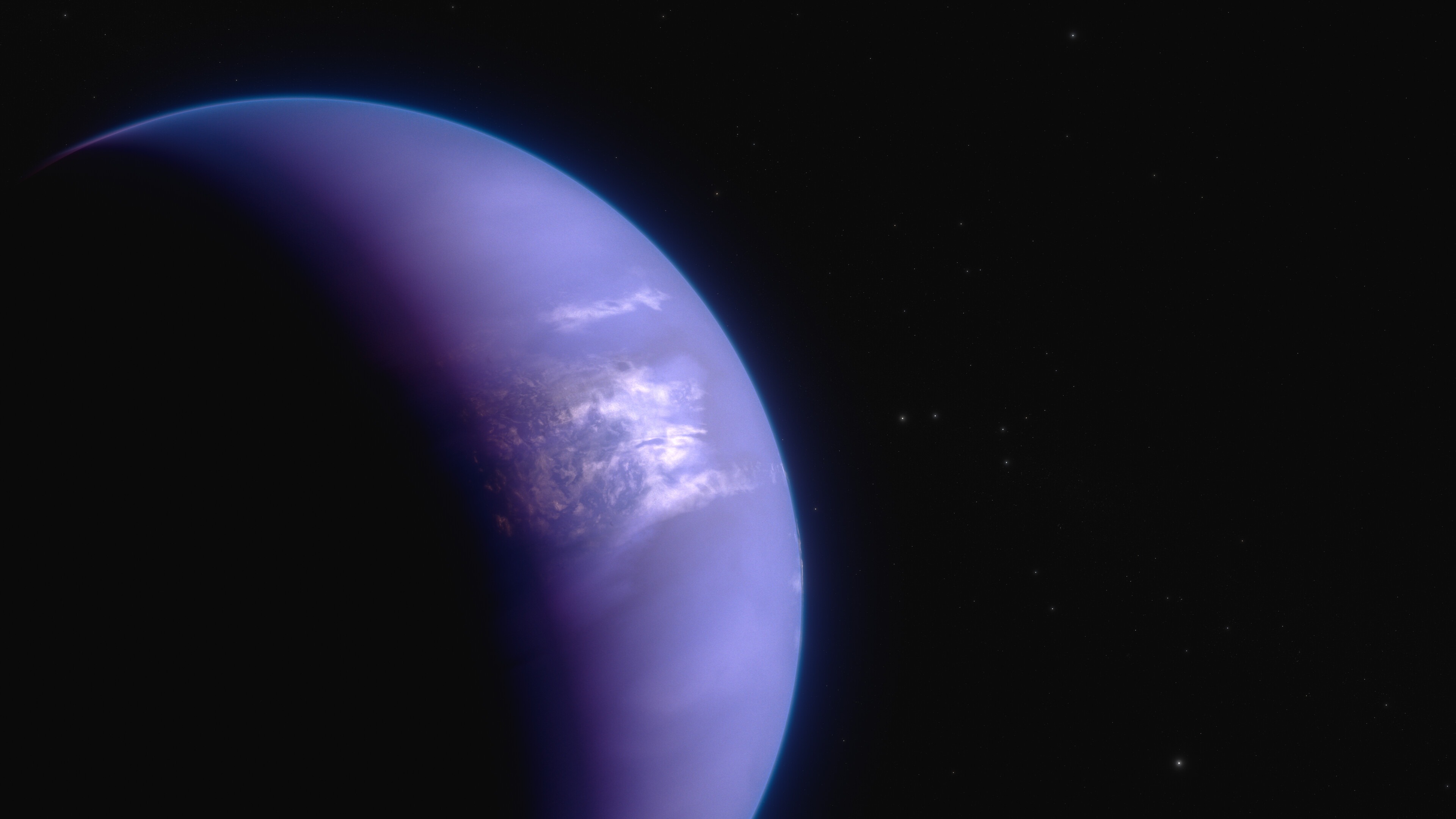
Hot gas giant exoplanet WASP-39 b (artist’s concept)
- Credit: NASA, ESA, CSA, R. Crawford (STScI)
- Source: ESA/Webb — https://esawebb.org/images/wasp39b-1/
- Licence: CC BY 4.0 (https://creativecommons.org/licenses/by/4.0/)
- Image type: Artwork
- Native resolution: 3840x2160
This artist’s concept shows what the exoplanet WASP-39 b could look like based on indirect transit observations from the NASA/ESA/CSA James Webb Space Telescope as well as other space- and ground-based telescopes. WASP-39 b is a hot, puffy gas giant that orbits a G-type star that is slightly smaller and less massive than the Sun. WASP-39 b orbits relatively close to this star, just 0.0486 astronomical units (7,250,000 kilometres) away. WASP-39 b has a mass 0.28 times Jupiter (0.94 times Saturn) and a diameter 1.3 times greater than Jupiter. WASP-39 b is tidally locked, with one side facing the star at all times. This means the planet has a terminator (a boundary that separates the planet’s dayside and nightside) where there is an eternal sunrise and sunset. By analysing a transmission spectrum of WASP-39 b from Webb’s NIRSpec (Near-Infrared Spectrograph), a technique that studies the exoplanet’s terminator, astronomers confirmed a temperature difference between the morning and evening, with the evening appearing hotter by about 200 Celsius degrees. They also found evidence for different cloud cover, with the morning being likely cloudier than the evening. Webb has not captured a direct image of WASP-39 b. [Image description: Illustration of a planet, zoomed in on the planet’s dayside/nightside boundary. The planet encompasses takes up the full image. At the bottom left, the image is dark, depicting the nightside covering the planet in a dark shadow. In the right side of the image, the planet has a fuzzy orange-pink atmosphere with hints of longitudinal wispy cloud bands. The right upper corner is bright, where the star (not illustrated) shines.]
Galaxy Spiral — galaxy-spiral.jpg
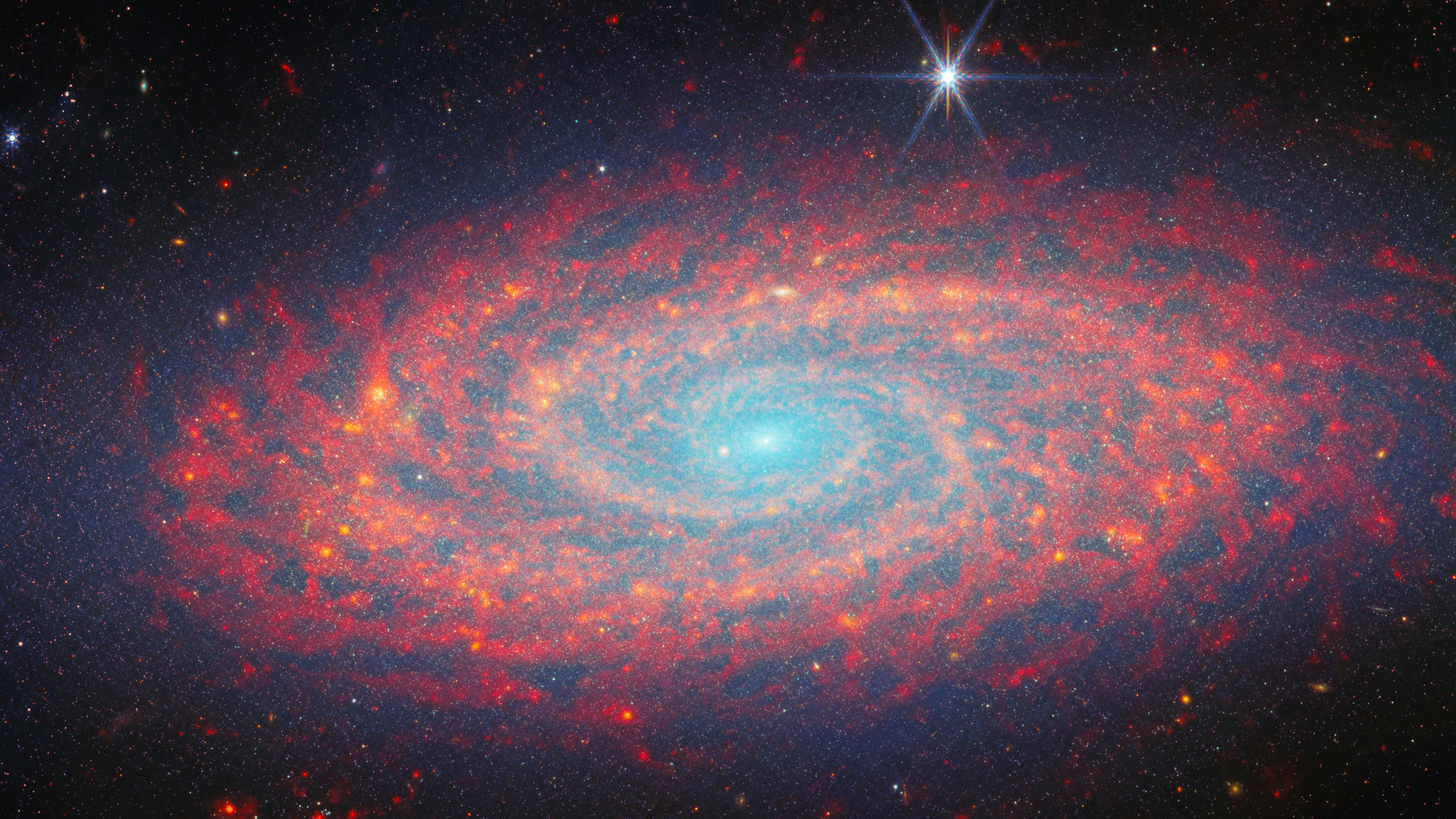
Tracing spiral arms in infrared
- Credit: ESA/Webb, NASA & CSA, A. Leroy
- Source: ESA/Webb — https://esawebb.org/images/potm2411a/
- Licence: CC BY 4.0 (https://creativecommons.org/licenses/by/4.0/)
- Image type: Observation
- Native resolution: 4380x4168
Featured in this NASA/ESA/CSA James Webb Space Telescope Picture of the Month is the spiral galaxy NGC 2090, located in the constellation Columba. This combination of data from Webb’s MIRI and NIRCam instruments shows the galaxy’s two winding spiral arms and the swirling gas and dust of its disc in magnificent and unique detail. This was one of the group of galaxies studied early on by the NASA/ESA Hubble Space Telescope, observing Cepheid variable stars in it as part of refining the measurement of the Hubble constant. The Cepheid-based measurement from that study in 1998 put NGC 2090 as 37 million light-years away; the newest measurements have NGC 2090 slightly farther away, at 40 million light-years. Hubble is to this day surveying galaxies in visible and ultraviolet light; alongside this Webb image a new Hubble image of NGC 2090 has also been published this week, which you can find here. Before and since that project, NGC 2090 has been well studied as a very prominent nearby example of star formation. It has been described as a flocculent spiral, meaning a spiral galaxy with a patchy, dusty disc and arms that are flaky or not visible at all. Visible-light images show this well, but the near-infrared data from NIRCam used in this image reveal the spiral arms with remarkable clarity. NIRCam also picks up bright light from stars, displayed by the blue colours most visible in the centre. Meanwhile, mid-infrared light emitted mainly by the important carbon-based compounds known as polycyclic aromatic hydrocarbons along the many strands of gas and dust is captured by MIRI and shown here in red. These data on NGC 2090 were collected as part of an observing programme (#3707) taking a census of nearby massive, star-forming galaxies much like it. These galaxies are at just the right distance, with the right size and level of activity, that Webb’s instruments can capture a comprehensive picture of the star-forming activity, including the tightly-bound clusters that stars often form in, and the clouds of gas in the galaxy in which stars can be born. The rich collection of detailed images like this one will be of value to astronomers studying this area for years to come. [Image Description: A spiral galaxy with a wide, oval-shaped disc. It has a shining spot at the centre from which two curving, pale red spiral arms emerge, wrapping once each around the galaxy. They’re surrounded by a whirl of bright threads and patches of dust, with spots of star formation scattered throughout. The glow of the disc fades smoothly into the background where some patches of dust can be seen, as well as foreground stars.] Links Slider Tool: Webb and Hubble's views of NGC 2090 Video: Pan of NGC 2090 Video: Hubble and Webb's views of NGC2090 Image on ESA website
Planetary Vista — planetary-vista.jpg
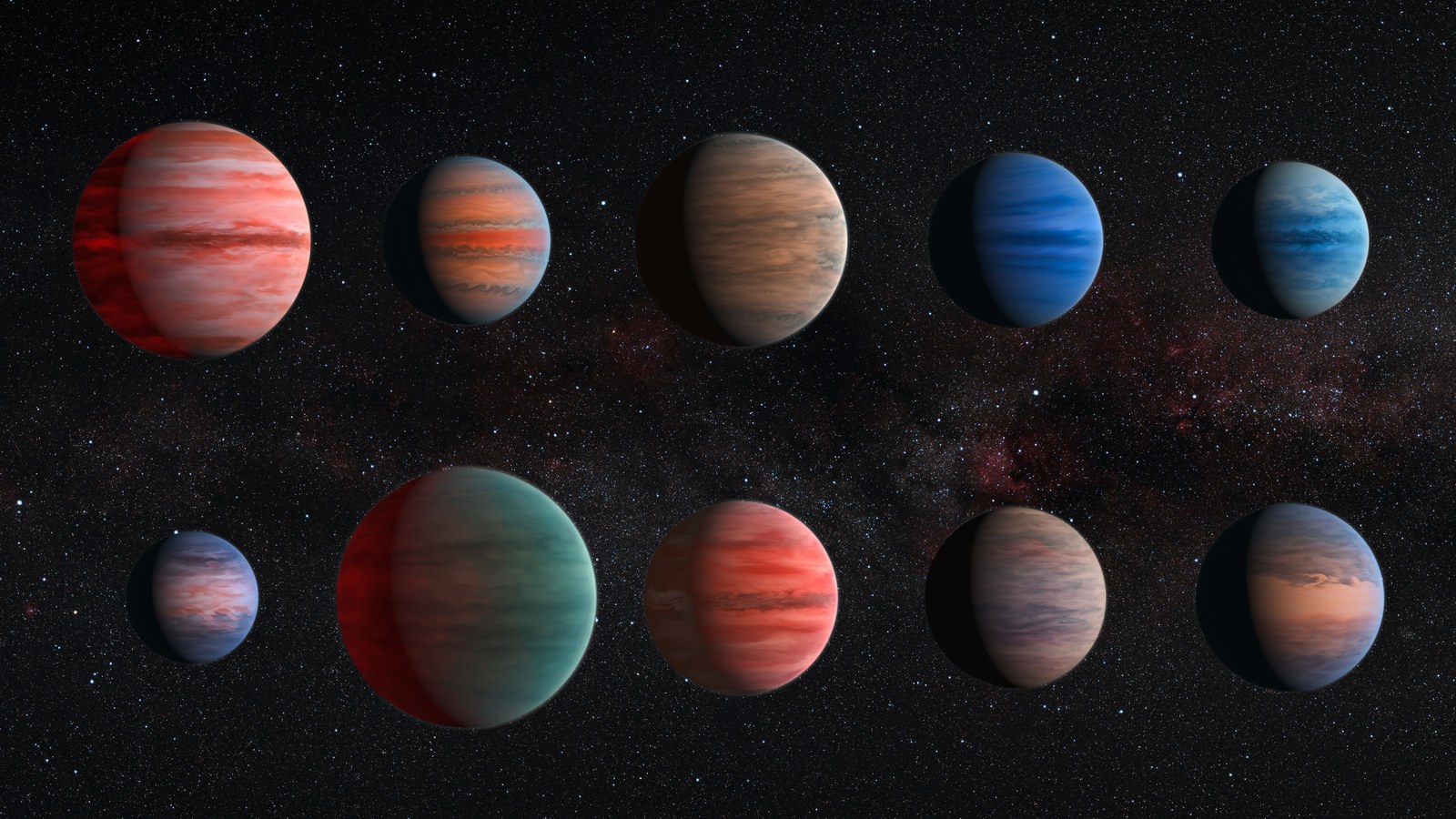
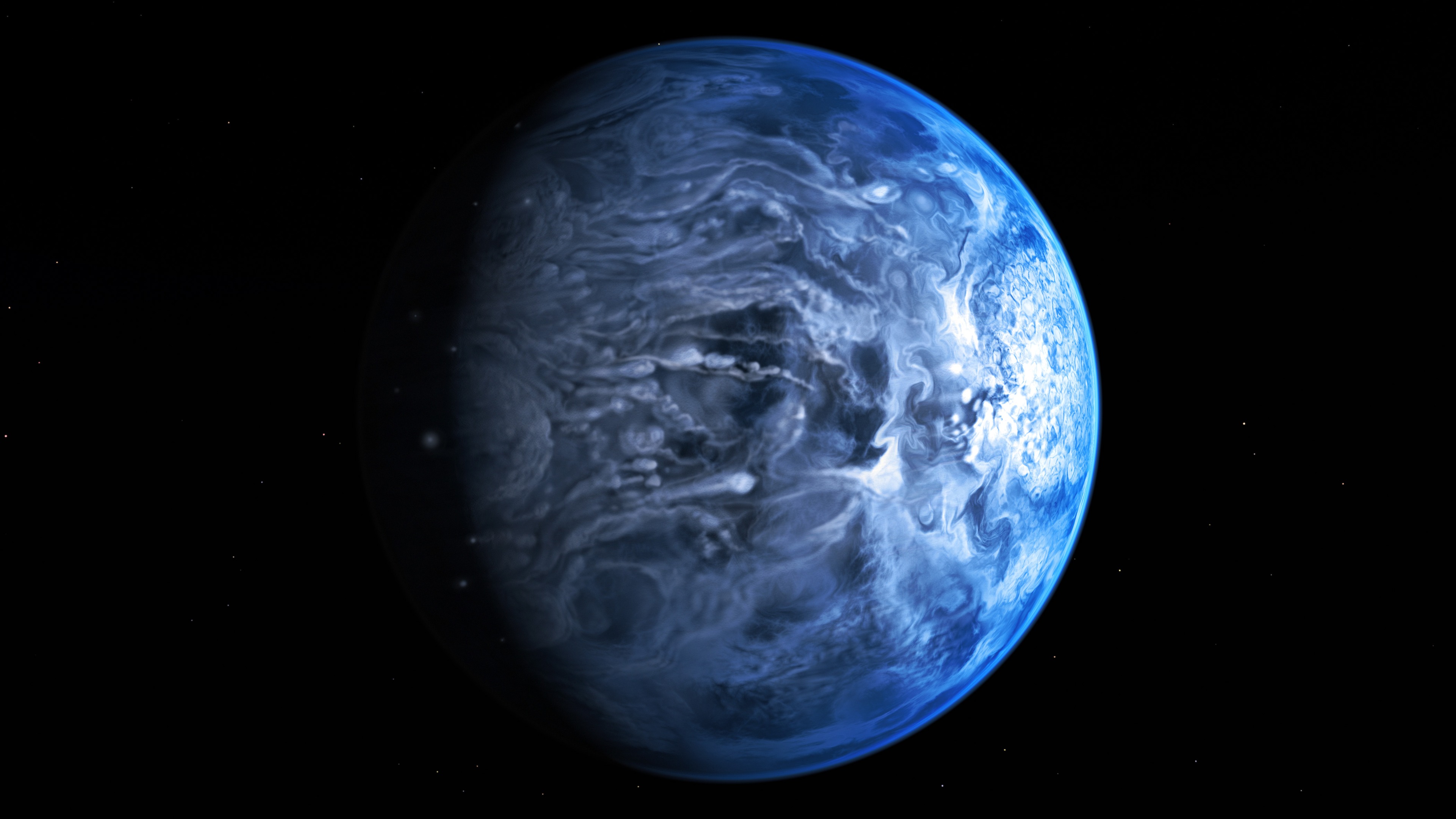
Artist’s impression of the deep blue planet HD 189733b
- Credit: NASA, ESA, M. Kornmesser
- Source: ESA/Hubble — https://esahubble.org/images/heic1312a/
- Licence: CC BY 4.0 (https://creativecommons.org/licenses/by/4.0/)
- Image type: Artwork
- Native resolution: 4200x3000
This illustration shows HD 189733b, a huge gas giant that orbits very close to its host star HD 189733. The planet's atmosphere is scorching with a temperature of over 1000 degrees Celsius, and it rains glass, sideways, in howling 7000 kilometre-per-hour winds. At a distance of 63 light-years from us, this turbulent alien world is one of the nearest exoplanets to Earth that can be seen crossing the face of its star. By observing this planet before, during, and after it disappeared behind its host star during orbit, astronomers were able to deduce that HD 189733b is a deep, azure blue — reminiscent of Earth's colour as seen from space.
Star Cluster — star-cluster.jpg
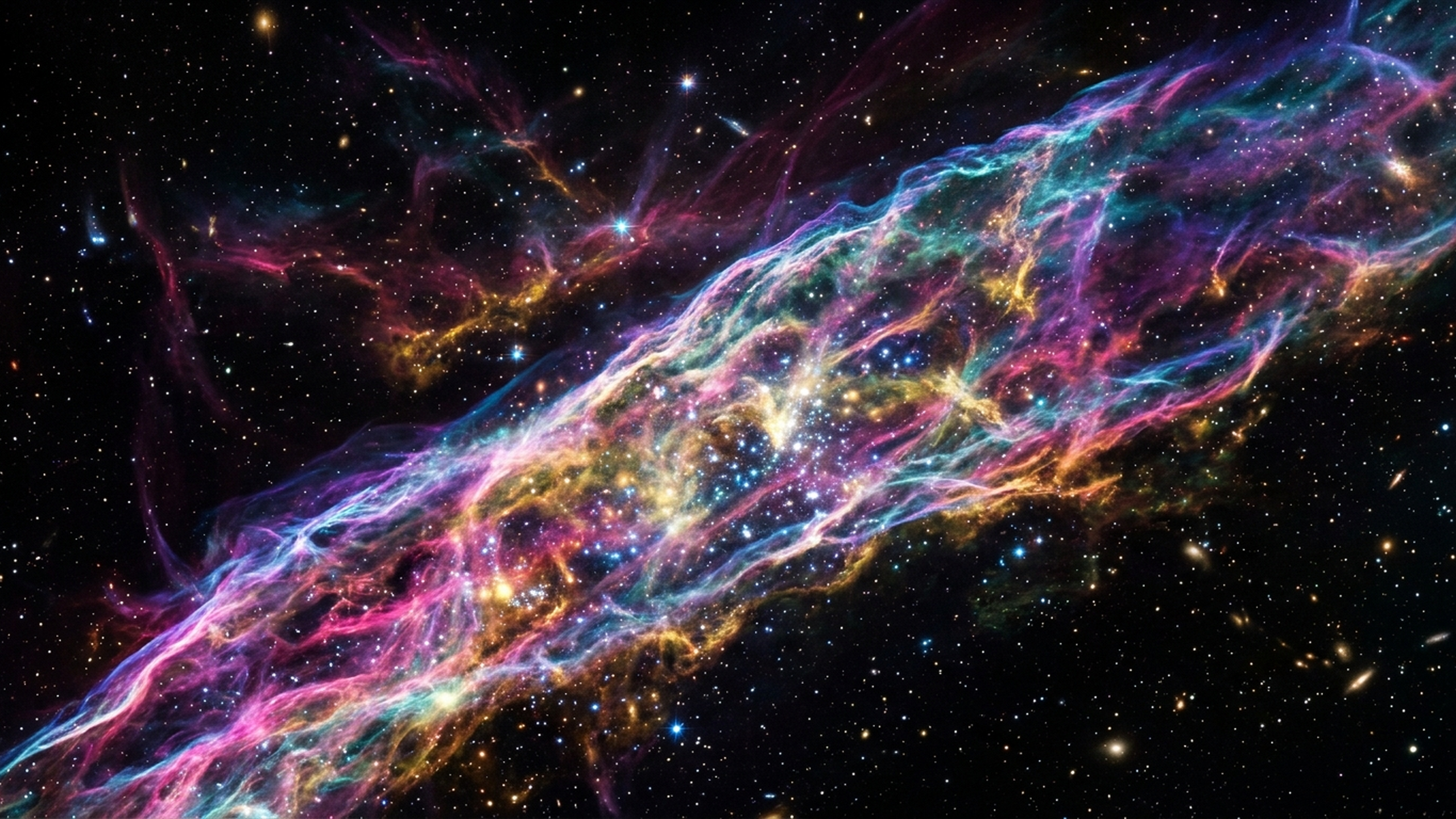
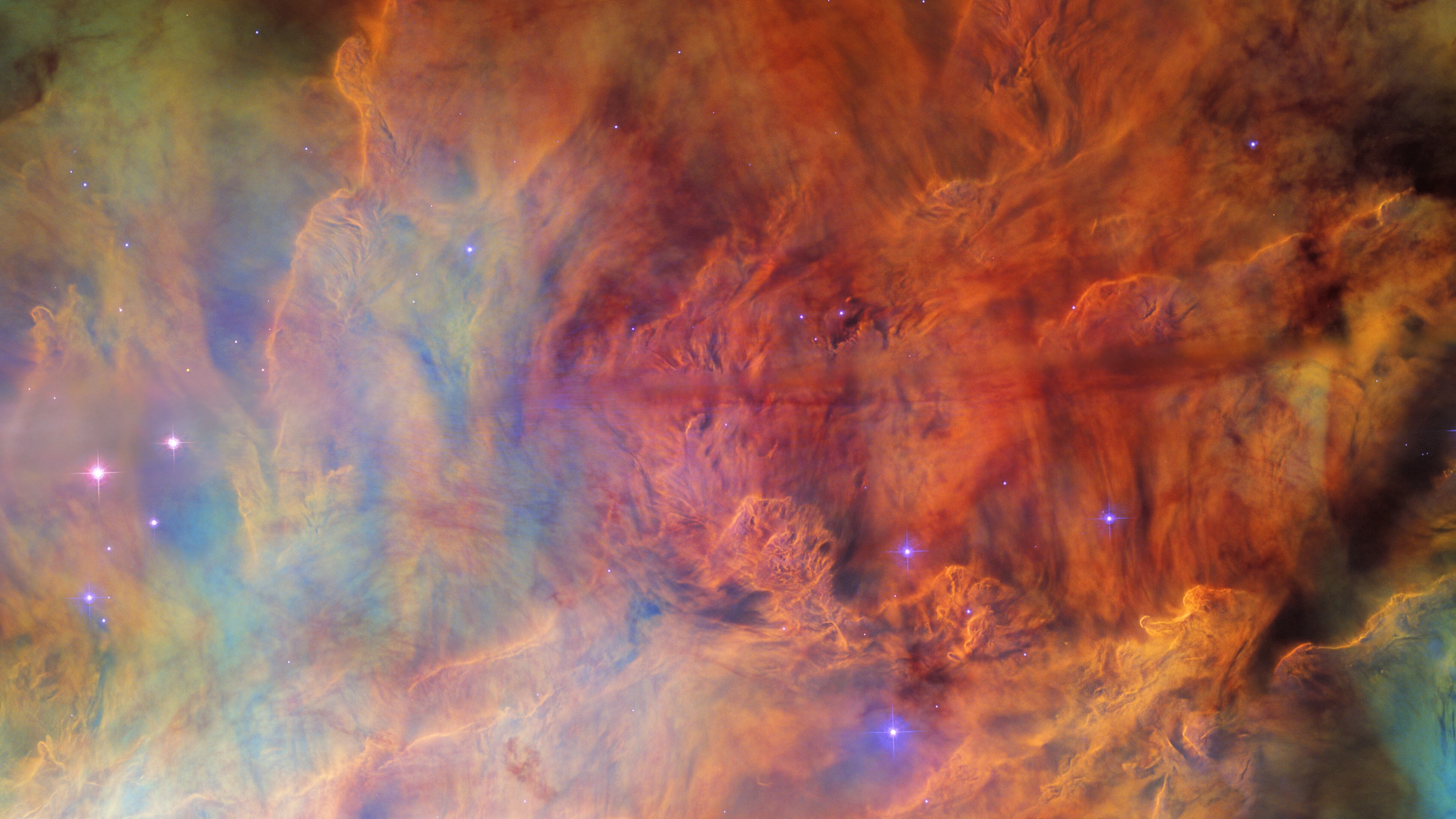
Cosmic Smokescreen
- Credit: ESA/Hubble & NASA, ESO, O. De MarcoAcknowledgement: M. H. Özsaraç
- Source: ESA/Hubble — https://esahubble.org/images/potw2250a/
- Licence: CC BY 4.0 (https://creativecommons.org/licenses/by/4.0/)
- Image type: Observation
- Native resolution: 3880x3845
A portion of the open cluster NGC 6530 appears as a roiling wall of smoke studded with stars in this image from the NASA/ESA Hubble Space Telescope. NGC 6530 is a collection of several thousand stars lying around 4350 light-years from Earth in the constellation Sagittarius. The cluster is set within the larger Lagoon Nebula, a gigantic interstellar cloud of gas and dust. It is the nebula that gives this image its distinctly smokey appearance; clouds of interstellar gas and dust stretch from one side of this image to the other.Astronomers investigated NGC 6530 using Hubble’s Advanced Camera for Surveys and Wide Field Planetary Camera 2. They scoured the region in the hope of finding new examples of proplyds, a particular class of illuminated protoplanetary discs surrounding newborn stars. The vast majority of proplyds have been found in only one region, the nearby Orion Nebula. This makes understanding their origin and lifetimes in other astronomical environments challenging.Hubble’s ability to observe at infrared wavelengths — particularly with Wide Field Camera 3— have made it an indispensable tool for understanding starbirth and the origin of exoplanetary systems. In particular, Hubble was crucial to investigations of the proplyds around newly born stars in the Orion Nebula. The new NASA/ESA/CSA James Webb Space Telescope’s unprecedented observational capabilities at infrared wavelengths will complement Hubble observations by allowing astronomers to peer through the dusty envelopes around newly born stars and investigate the faintest, earliest stages of starbirth.[Image description: Clouds of gas cover the entire view, in a variety of bold colours. In the centre the gas is brighter and very textured, resembling dense smoke. Around the edges it is more sparse and faint. Several small, bright blue stars are scattered over the nebula.] Links Video of A Cosmic Smokescreen
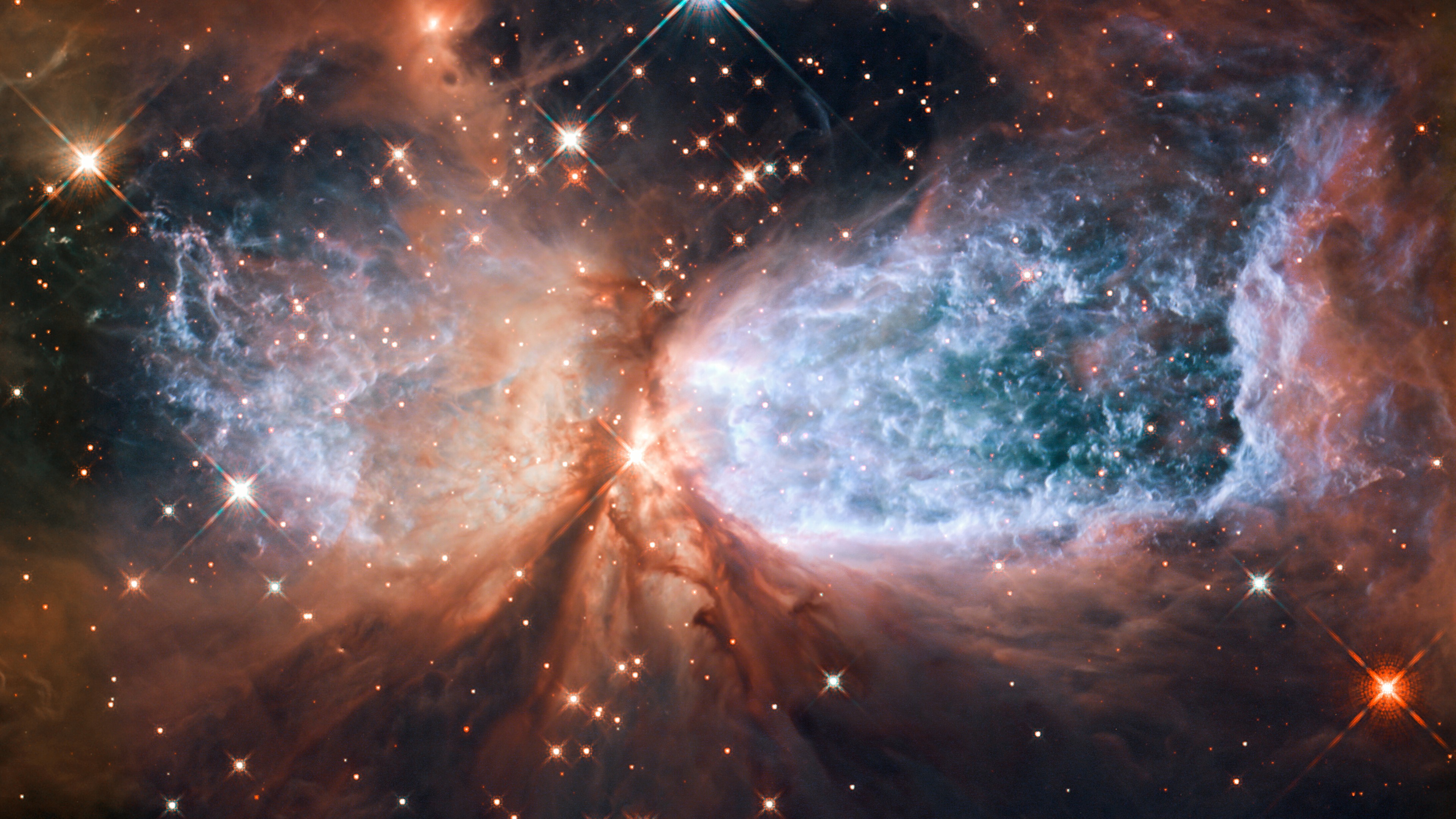
Stellar Nursery — stellar-nursery.jpg
Hubble view of star-forming region S106
- Credit: NASA & ESA
- Source: ESA/Hubble — https://esahubble.org/images/heic1118a/
- Licence: CC BY 4.0 (https://creativecommons.org/licenses/by/4.0/)
- Image type: Observation
- Native resolution: 4356x3202
This image from the NASA/ESA Hubble Space Telescope shows Sh 2-106, or S106 for short. This is a compact star forming region in the constellation Cygnus (The Swan). A newly-formed star called S106 IR is shrouded in dust at the centre of the image, and is responsible for the surrounding gas cloud’s hourglass-like shape and the turbulence visible within. Light from glowing hydrogen is coloured blue in this image.