New Study Finds Universe Expanding Away From Earth At Alarming, Personal Rate
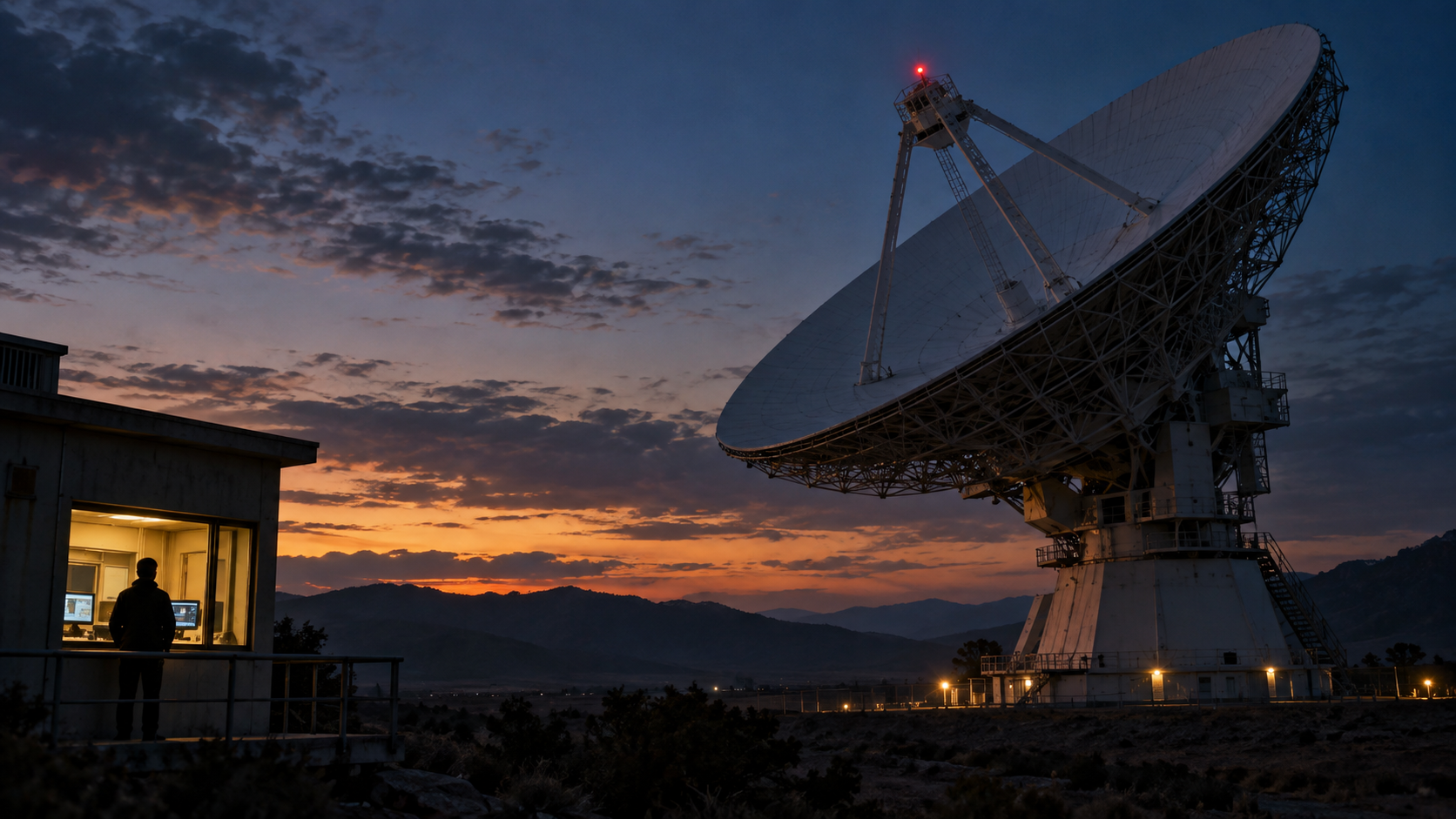
PASADENA, CA — Astronomers at the Carnegie Institute for Deep Space Studies confirmed Thursday that the universe is expanding away from Earth measurably faster than it is expanding toward Earth, a…
New Study Finds Universe Expanding Away From Earth At Alarming, Personal Rate
PASADENA, CA — Astronomers at the Carnegie Institute for Deep Space Studies confirmed Thursday that the universe is expanding away from Earth measurably faster than it is expanding toward Earth, a discrepancy the institute's own internal summary described, after four rounds of review, as "not nothing."
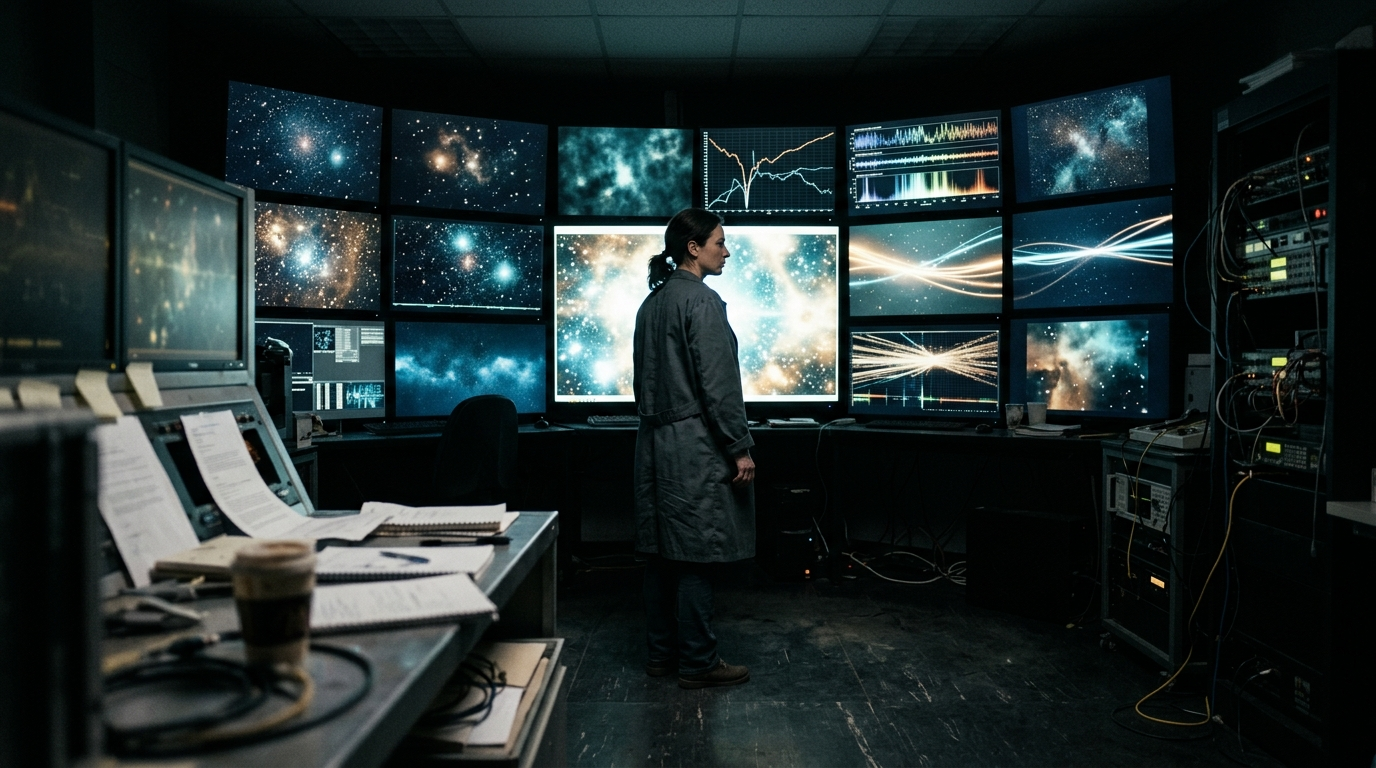
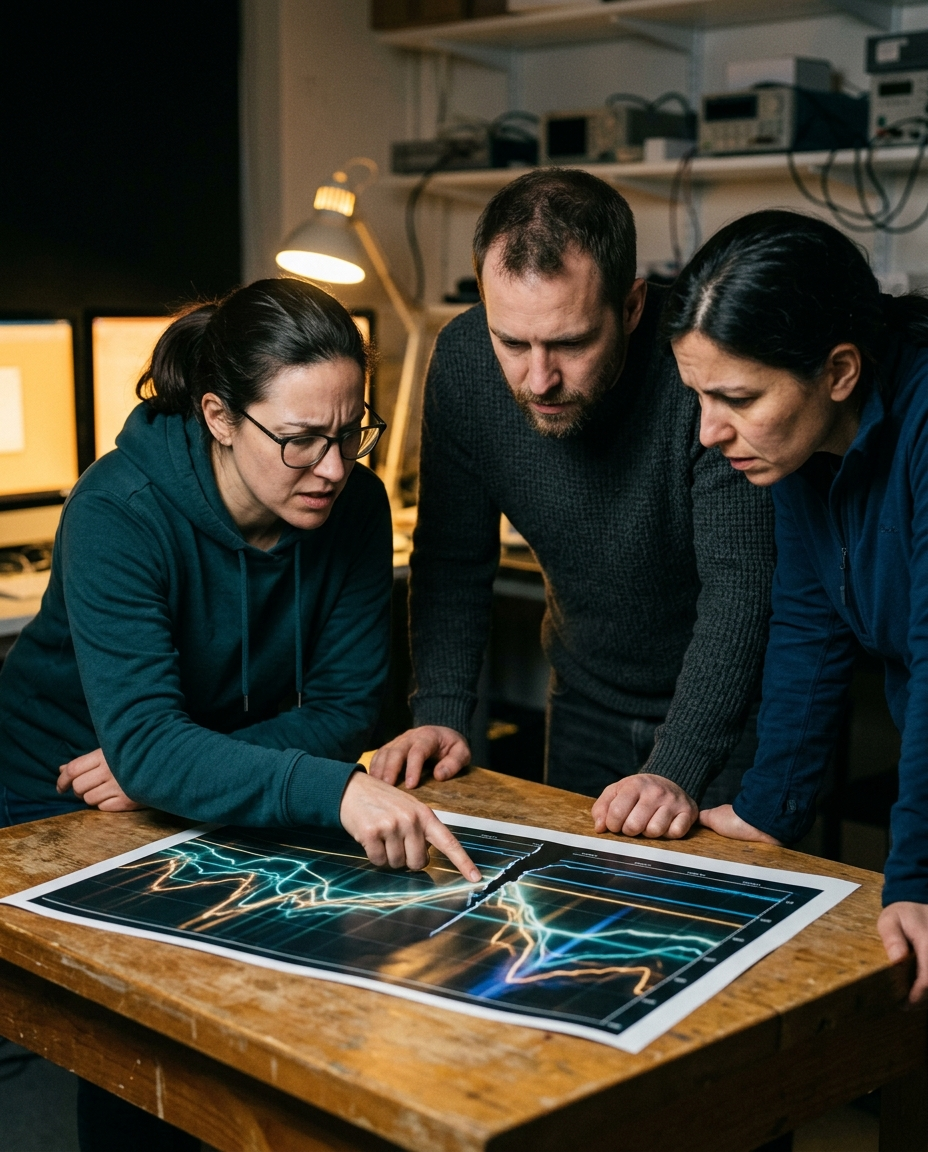
The finding came out of a three-year survey of more than 40,000 galaxies, checked against three decades of prior expansion data. In every direction researchers pointed a telescope, the recession rate came back higher outbound than inbound. Lead cosmologist Dr. Helena Brandt said her team spent six months hunting for a calibration error before admitting there wasn't one. "We wanted it to be a rounding problem," Brandt said. "It is not a rounding problem."
The gap works out to roughly 9 kilometers per second per megaparsec beyond the accepted Hubble constant, a number the institute quietly stopped calling "the Brandt anomaly" after a junior researcher pointed out what that sounded like. Brandt now refers to it only as "the offset" and declines to speculate on cause in front of reporters, though she has reportedly stopped declining to speculate on cause in front of her husband.
Word spread fast through the broader astrophysics community, where reception has been mixed. Dr. Prakash Iyer, a cosmologist at an unaffiliated Ohio observatory who reran Brandt's numbers on backyard equipment, said he got the same result, plus a little extra. "I measured a 12 percent stronger effect specifically along the axis pointing at my old high school," Iyer said. "I don't know what to do with that information, but I have it now."
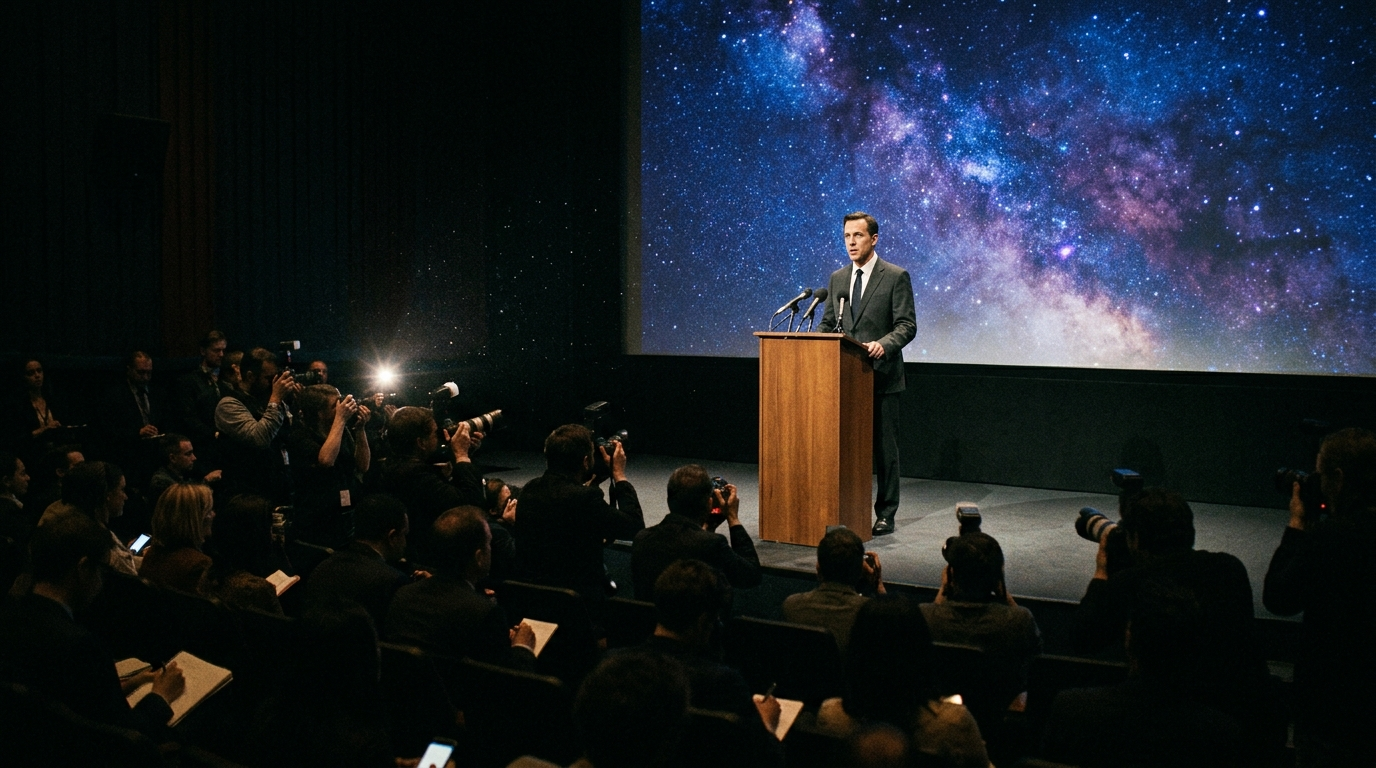
Institute director Walter Osei tried to lower the temperature at a Thursday press conference, telling reporters the finding "reflects standard cosmic inflation and nothing more," a line he read twice, the second time slower. Asked whether the universe might, in some sense, be leaving, Osei paused for eleven seconds before restating that the finding reflects standard cosmic inflation.
Not everyone at the institute is taking it personally. Graduate student Theo Ruiz, who processed roughly a third of the raw data himself, said he has made his peace with it. "Once you accept the number, it's kind of freeing," Ruiz said. "Nothing here matters, and it's leaving faster every day. I sleep great now."
A follow-up survey is scheduled for next spring, though Brandt confirmed the observation window has already been quietly pushed back twice, both times to a later date.
At press time, the gap had widened by another 0.3 kilometers per second per megaparsec, a figure Brandt said she would not be reading aloud for the rest of the press conference.
More from The Overcorrect