The Bullet Nobody Saw
What if… China's earliest outbreak warnings are believed and acted on in the first days of January 2020, Hubei is sealed before the Lunar New Year travel rush, and the coronavirus burns out as a…
Synopsis
When Wuhan's doctors are believed in the first days of 2020, Hubei seals its borders before the Lunar New Year travel rush, and the coronavirus burns out as a contained regional epidemic, remembered like the 2003 SARS scare. The pandemic that reshaped our world never happens. The 2020s that follow are eerily ordinary: the Tokyo Olympics open on schedule, offices stay full, the remote-work revolution never begins, and there is no stimulus flood and no 2022 inflation shock. But the world pays quietly for its luck. The mRNA vaccine breakthrough that our pandemic forced into existence stays an unproven promise, and the public-health reflexes never get built, leaving the world fumbling when a strain of bird flu tests it in 2024. It is a timeline that got to stay the same, and never found out what that was worth.
The Bullet Nobody Saw
What if… China's earliest outbreak warnings are believed and acted on in the first days of January 2020, Hubei is sealed before the Lunar New Year travel rush, and the coronavirus burns out as a regional epidemic instead of becoming a global pandemic.
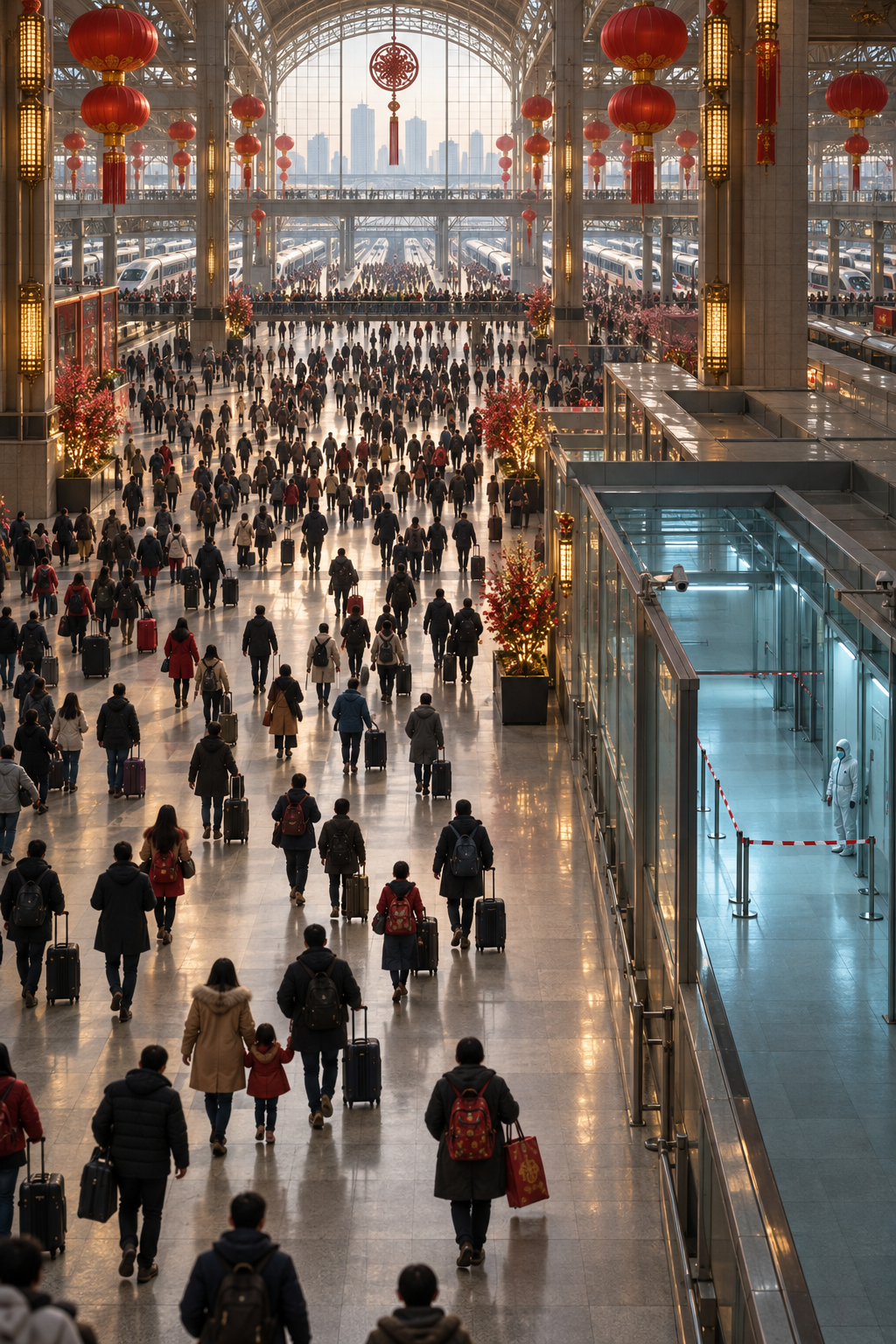
In late December 2019, doctors in Wuhan noticed a cluster of pneumonia that answered to no familiar cause. On December 30, an ophthalmologist named Li Wenliang messaged colleagues to warn them. In our history, police reprimanded him for it, officials called human-to-human spread unlikely, and the city was not sealed until January 23, by which time the virus had already boarded planes to every continent. Change one thing: the warning is believed. Local officials escalate within days instead of weeks. Hubei's borders close in the first week of January, before hundreds of millions travel for the Lunar New Year. The outbreak burns hot inside one province and then goes out, the way SARS did in 2003. The world never learns to say quarantine.
The Sealed Province
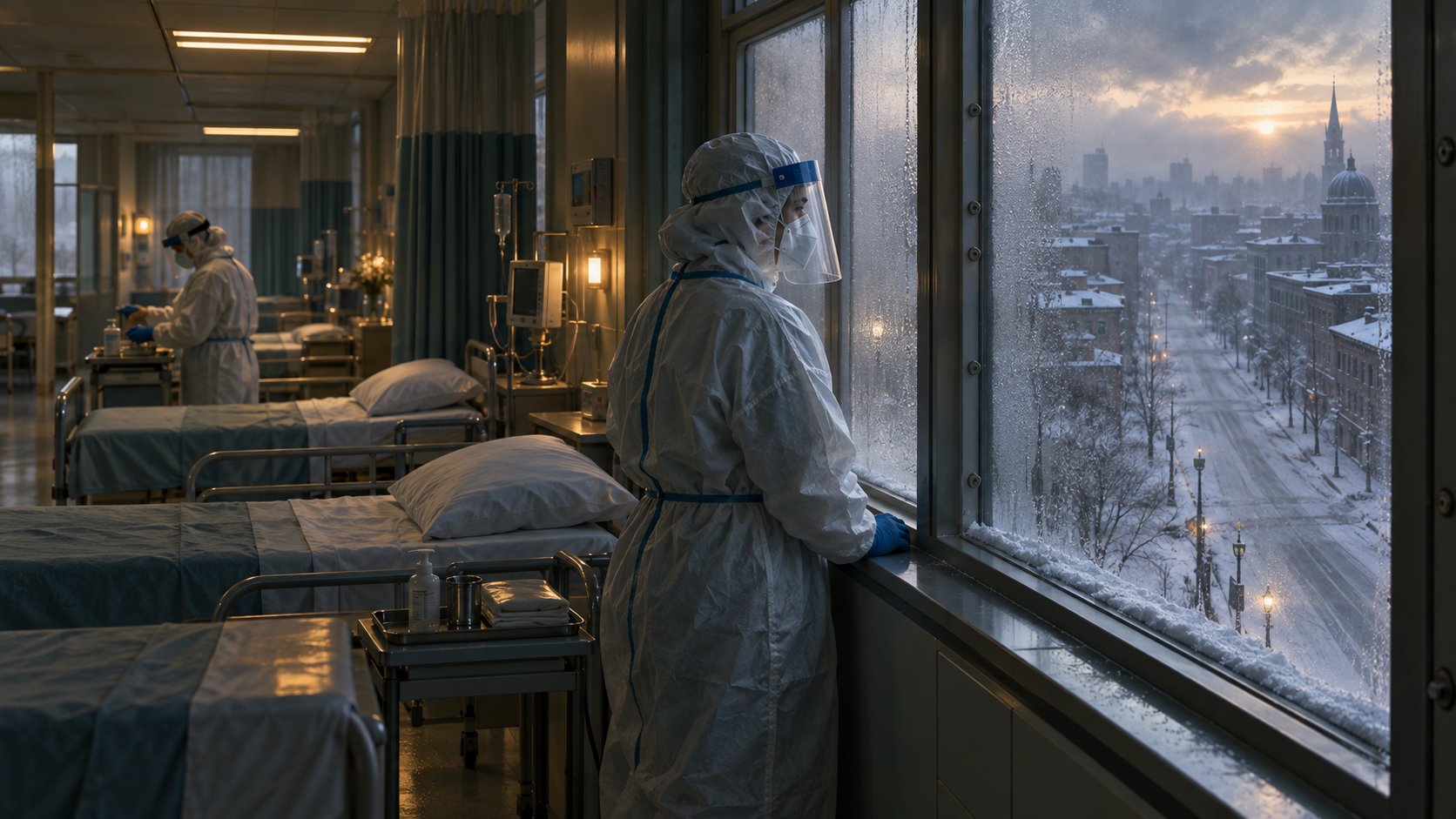
By the second week of January, checkpoints ringed Hubei. Trains stopped at the provincial line and turned back. Inside, a nurse named Wen worked shifts in a ward where the windows fogged from the pressure seals, counting the same faces each morning to see who had improved. The numbers everyone feared never arrived. Cases climbed past a thousand, then leveled, then fell. By March the wards emptied. The official tally settled near four thousand infections and a few hundred dead, a hard winter for one province and a headline that faded fast everywhere else. Foreign papers ran a week of alarm about a 'new SARS,' then moved on to other things. The planes kept flying. Nobody canceled anything.
The Year That Happened On Schedule
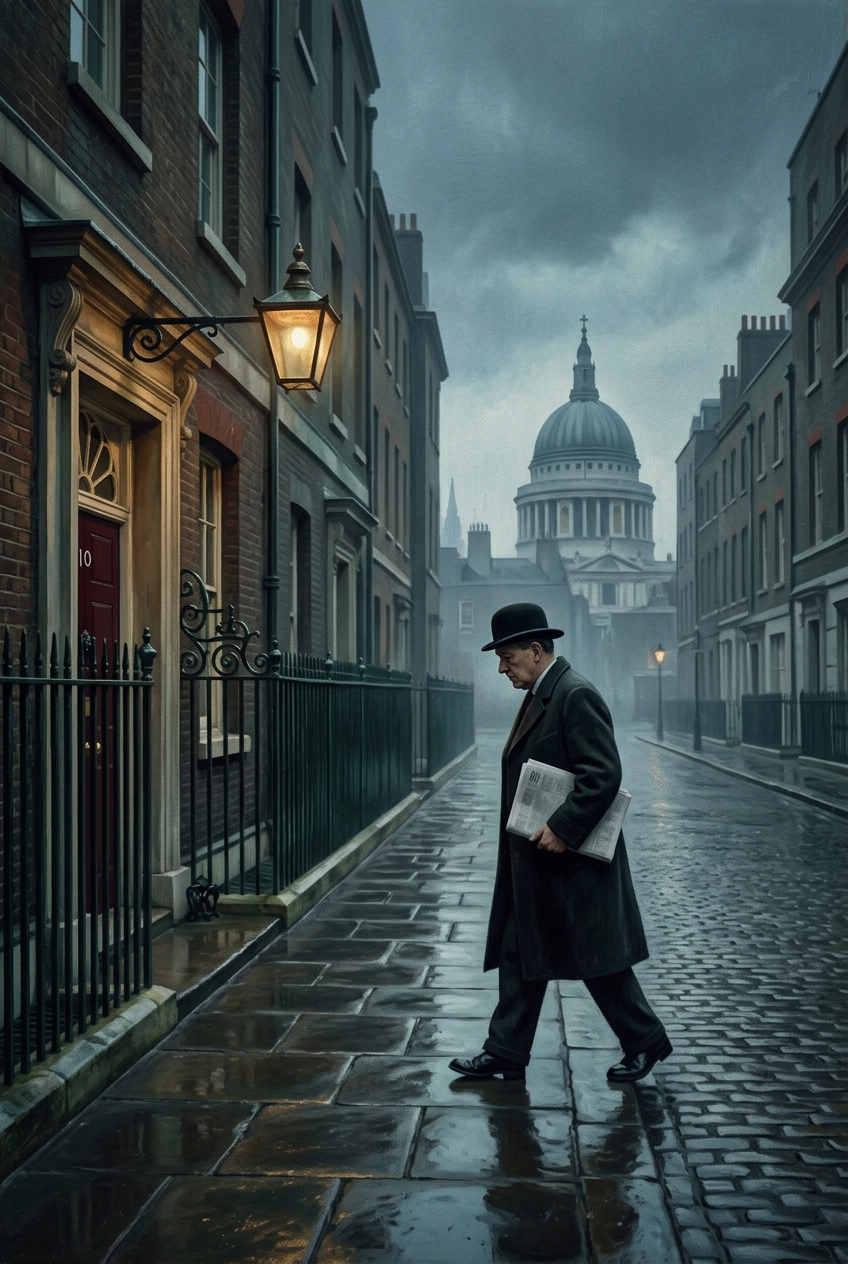
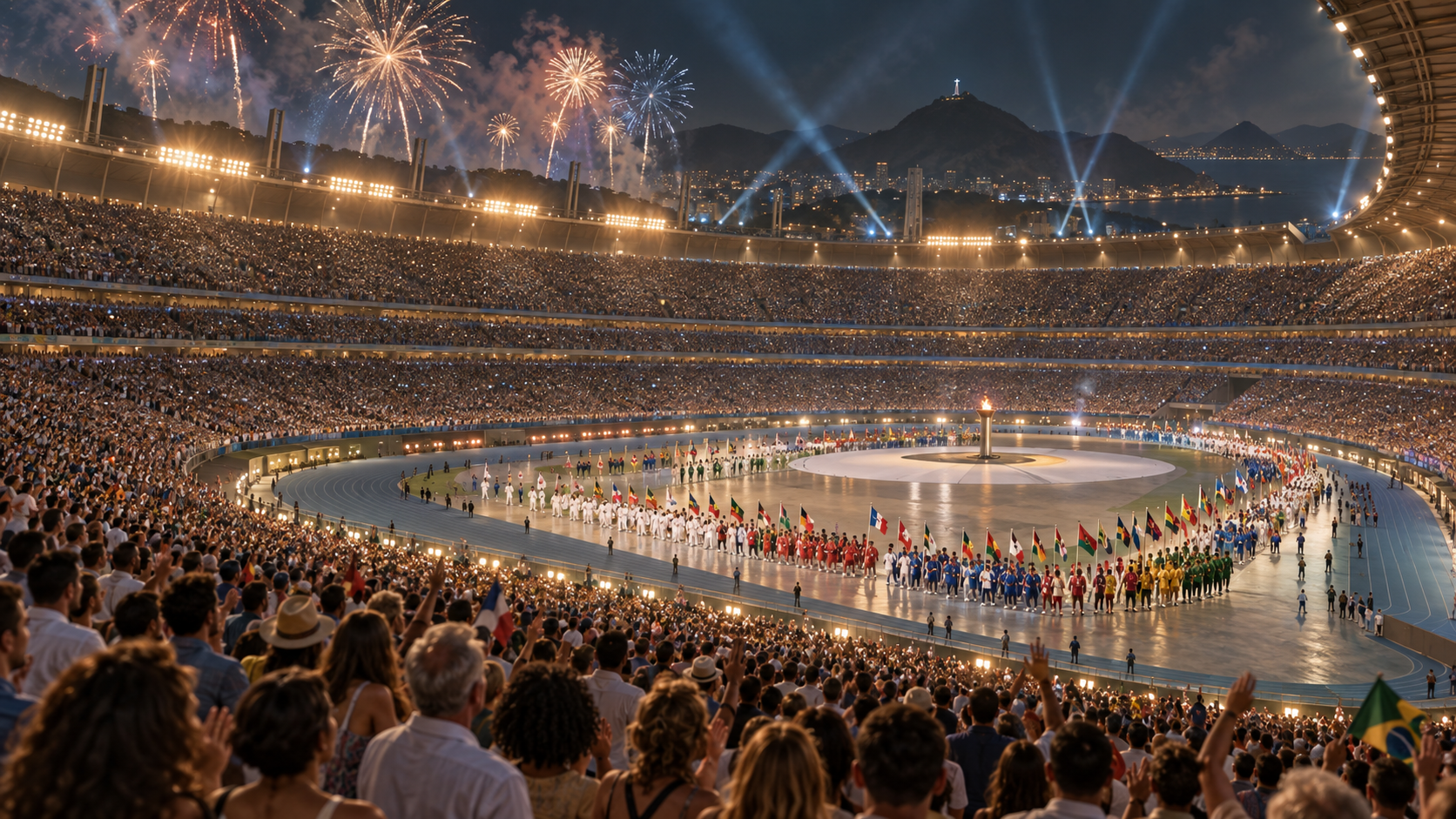
The spring of 2020 unfolded like any other. Offices filled on Monday mornings. Restaurants took reservations months out. In July, the Tokyo Olympics opened to a full stadium of sixty thousand who had no reason to sit apart, the torch passing hand to hand. Graduations happened in gymnasiums. Weddings ran their guest lists long. The words that would have defined the year in another timeline, lockdown, social distancing, essential worker, stayed unspoken, because there was nothing to name. Economists spent the year arguing about ordinary things: trade tariffs, oil prices, a housing market that was warm but not on fire. It was, by every measure anyone kept, an unremarkable year. That was the remarkable part.
November
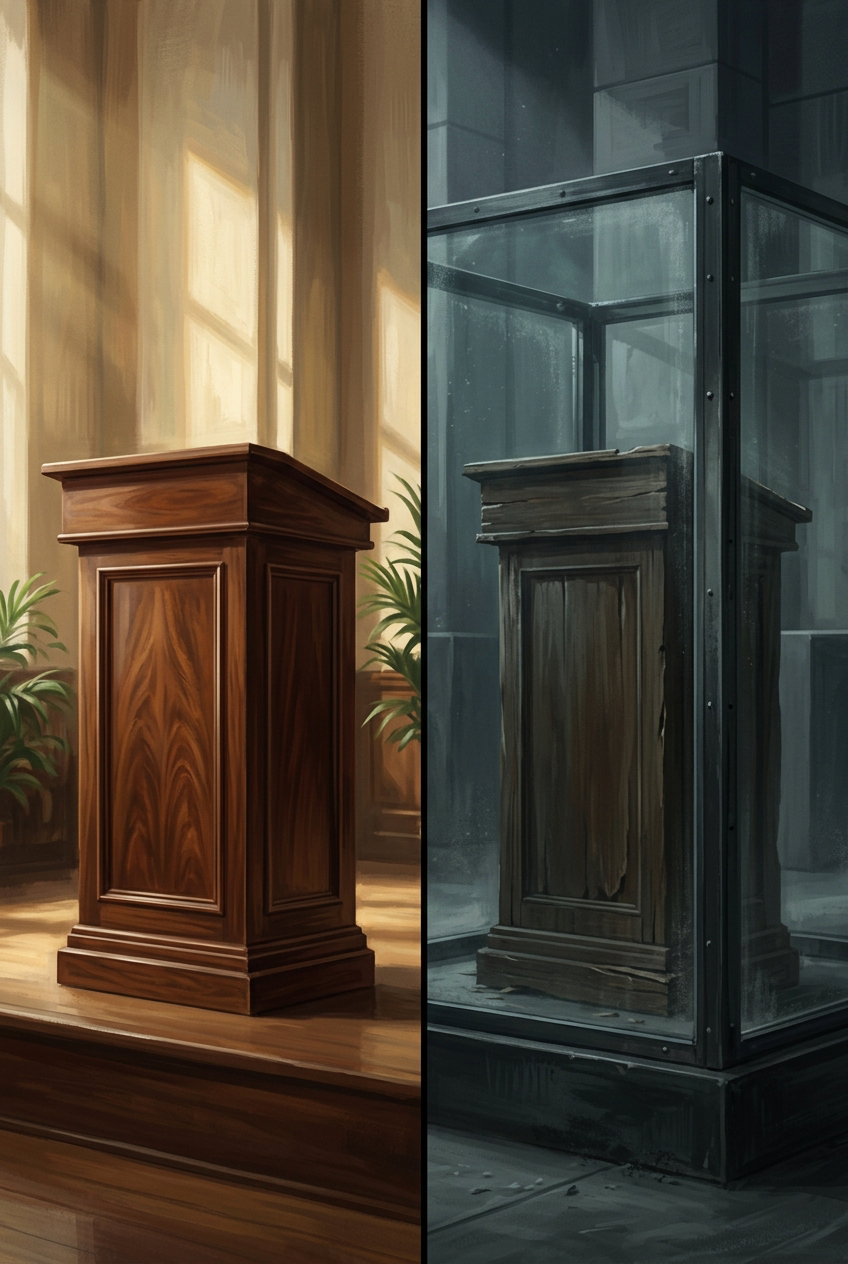
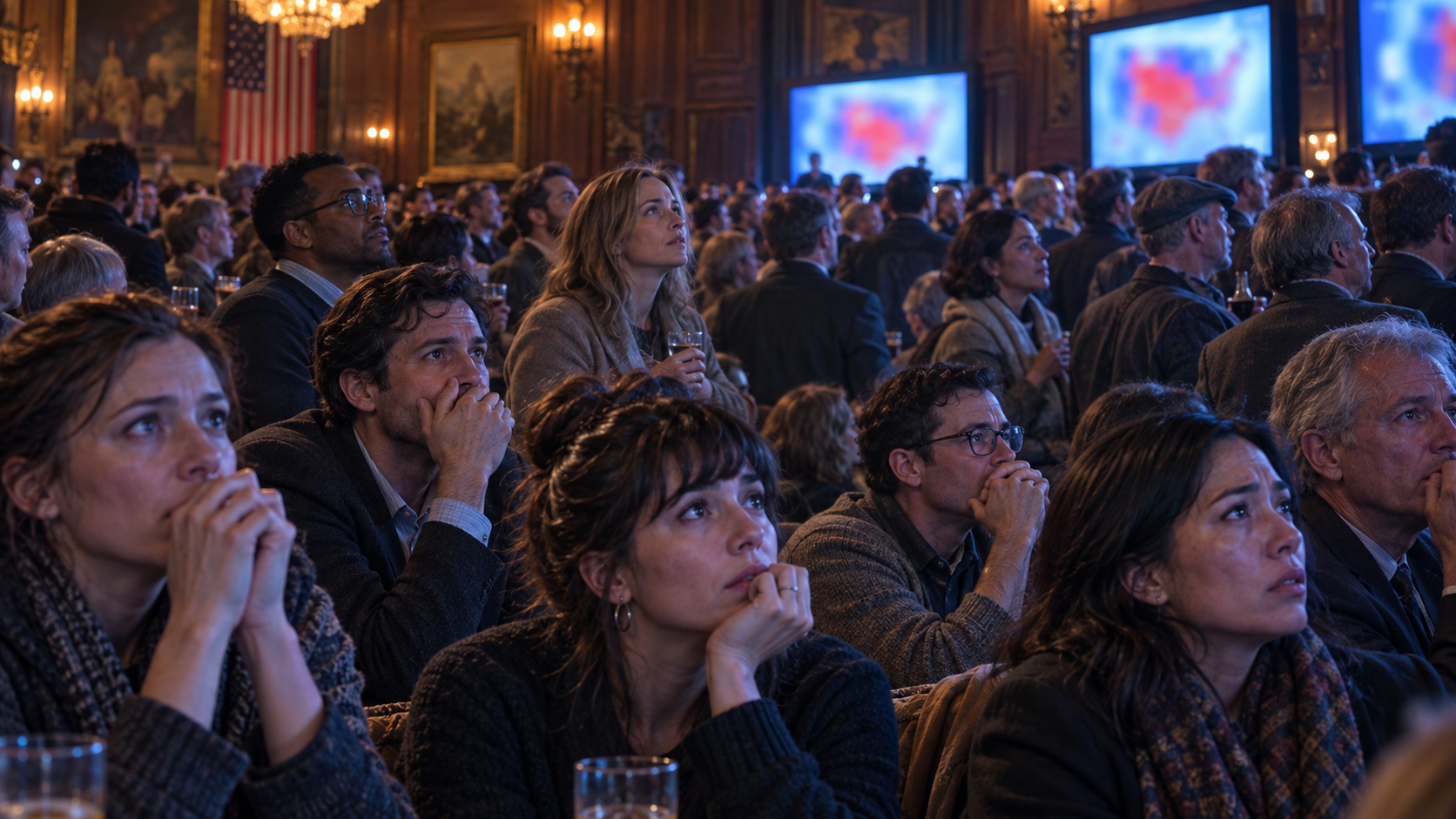
The American election ran its course in November without the argument that consumed it in our timeline. There were no fights over mail-in ballots, no debates conducted from podiums held far apart, no closing case built on a body count. People stood in ordinary lines at ordinary polling places. The incumbent campaigned on an economy that had not cracked, unemployment low, the markets high, and that record made the race his to lose in a way it never was when the hospitals filled. It stayed close anyway. It turned on the things elections usually turn on: who showed up, which states shifted, how a few hundred thousand voters in a handful of counties felt about their own lives. The result, whatever it was, would not carry an asterisk.
The Acceleration That Never Came
Some inventions need a disaster to find their moment. Video calling had one waiting and never got to use it. Through 2021, the tools for working from home stayed where they had been: useful for the occasional sick day, novel enough that using one for a whole meeting felt slightly rude. Commuter trains stayed packed at eight in the morning. Downtown lunch counters kept their lines. A software company in California that had bet on remote collaboration watched its stock drift sideways for want of a reason anyone needed it. Cities never emptied, so no one wrote the essays about whether the office was dead. The great rearrangement of where people lived and worked, the one that felt inevitable afterward, simply did not begin.
The Vaccine That Stayed a Promise
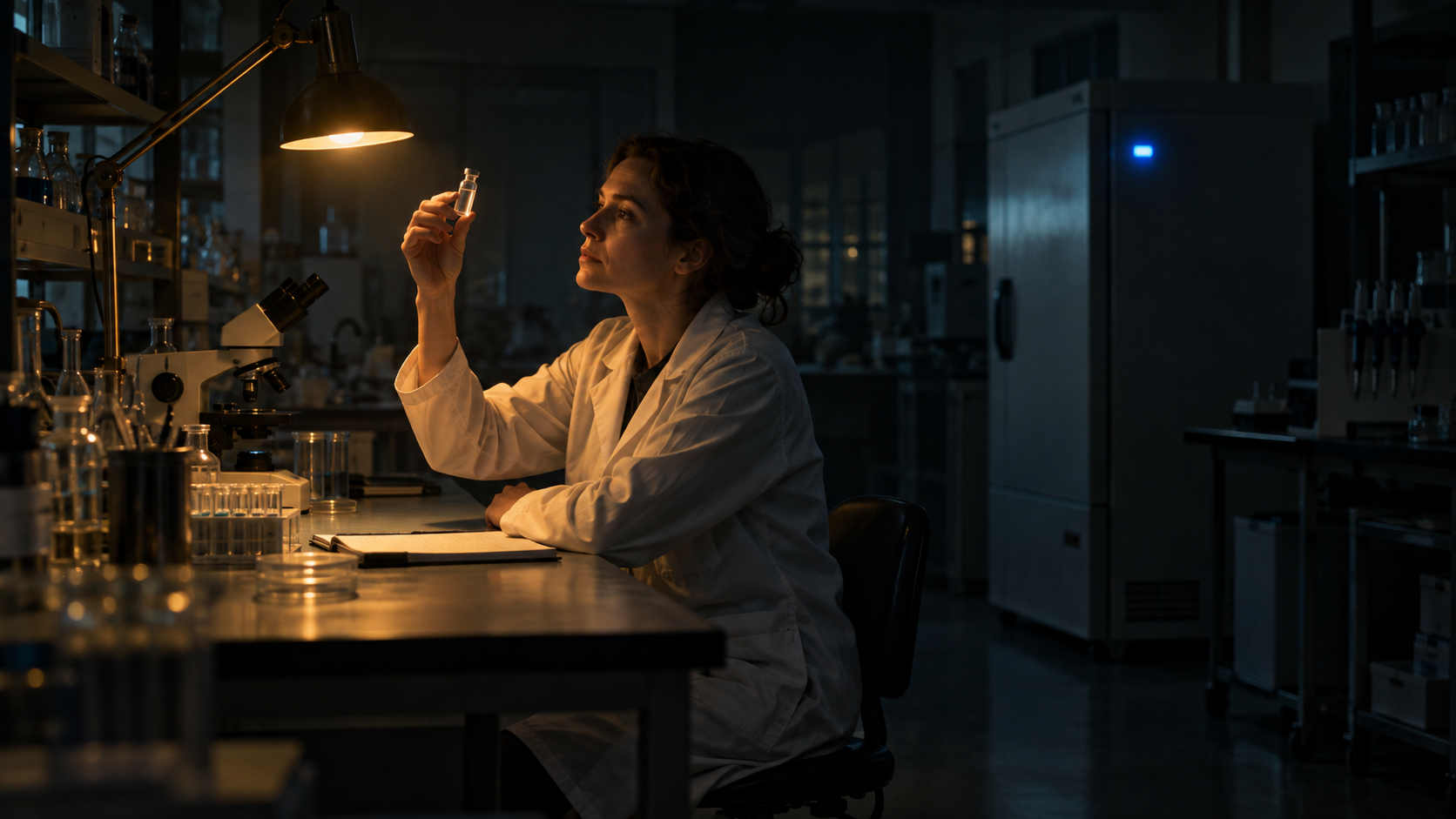
For two decades, a handful of scientists had been chasing a way to turn the body into its own drug factory, coaxing cells to build a protein from a strip of genetic instructions. The idea was elegant and unproven, always a few years from its first big success. In our history, the pandemic handed it a proving ground and a blank check, and within a year it saved millions of lives and rewrote what medicine thought was possible. Here, it kept waiting. The labs kept publishing. The cancer trials crept forward on ordinary funding and ordinary timelines. The technology that might have arrived in a single furious year instead arrived the slow way, a paper at a time, its largest test still somewhere off in the future.
The Economy That Kept Its Shape
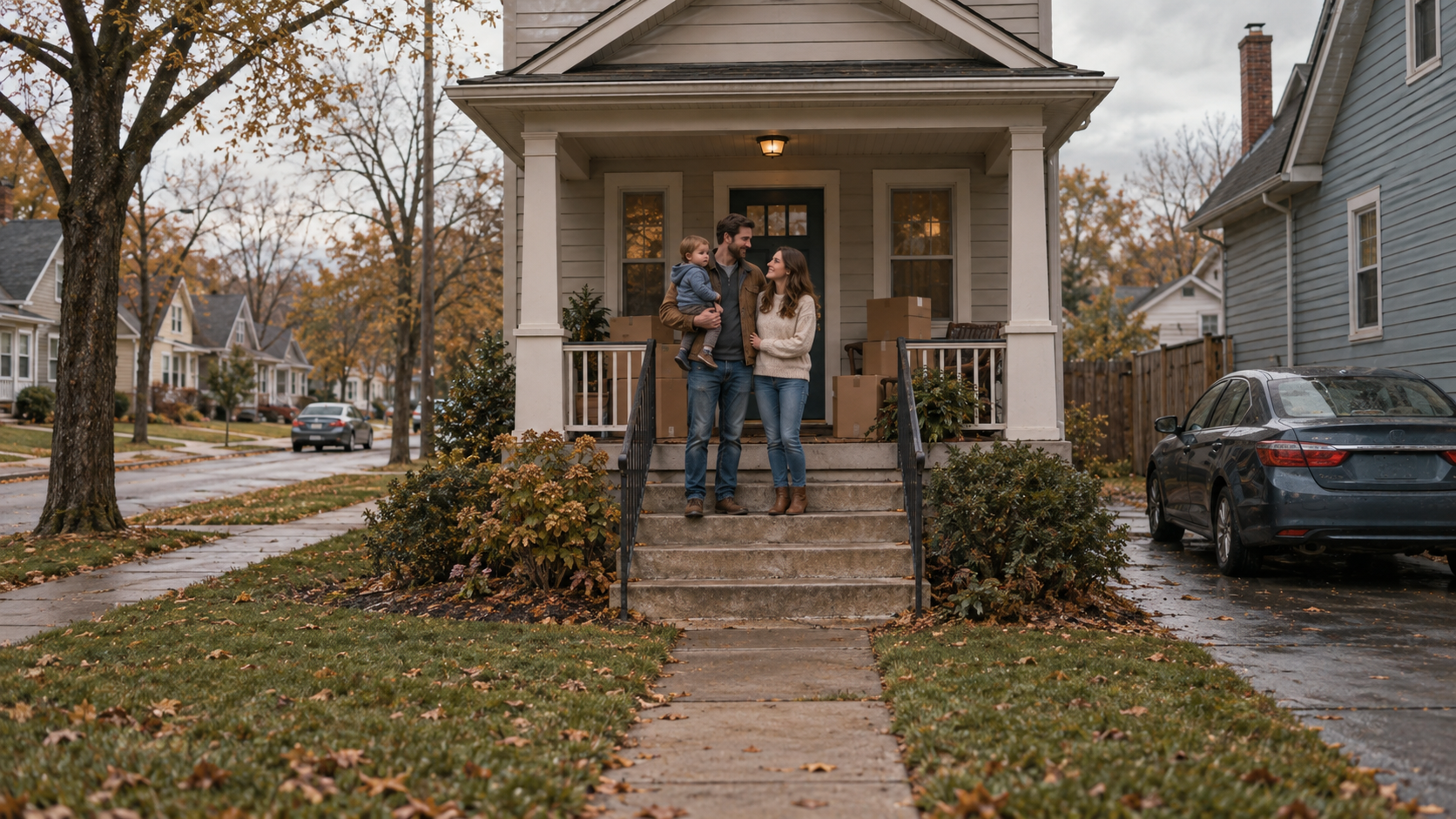
No government printed money to keep a frozen economy breathing, because nothing froze. There was no five trillion dollars in emergency spending, no stretch of years at zero interest, no wall of savings piling up in accounts because there was nowhere to spend it. So the price shock of 2022 never came. Bread and gasoline cost about what they had the year before. A couple in Ohio bought their first house at an interest rate their parents would have recognized, and the bidding war they braced for never materialized. Supply chains held, because no factory in Asia had ever gone dark and no port had ever backed up for months. The economists who had spent careers warning about inflation kept warning. It kept not happening.
The Muscle Nobody Built
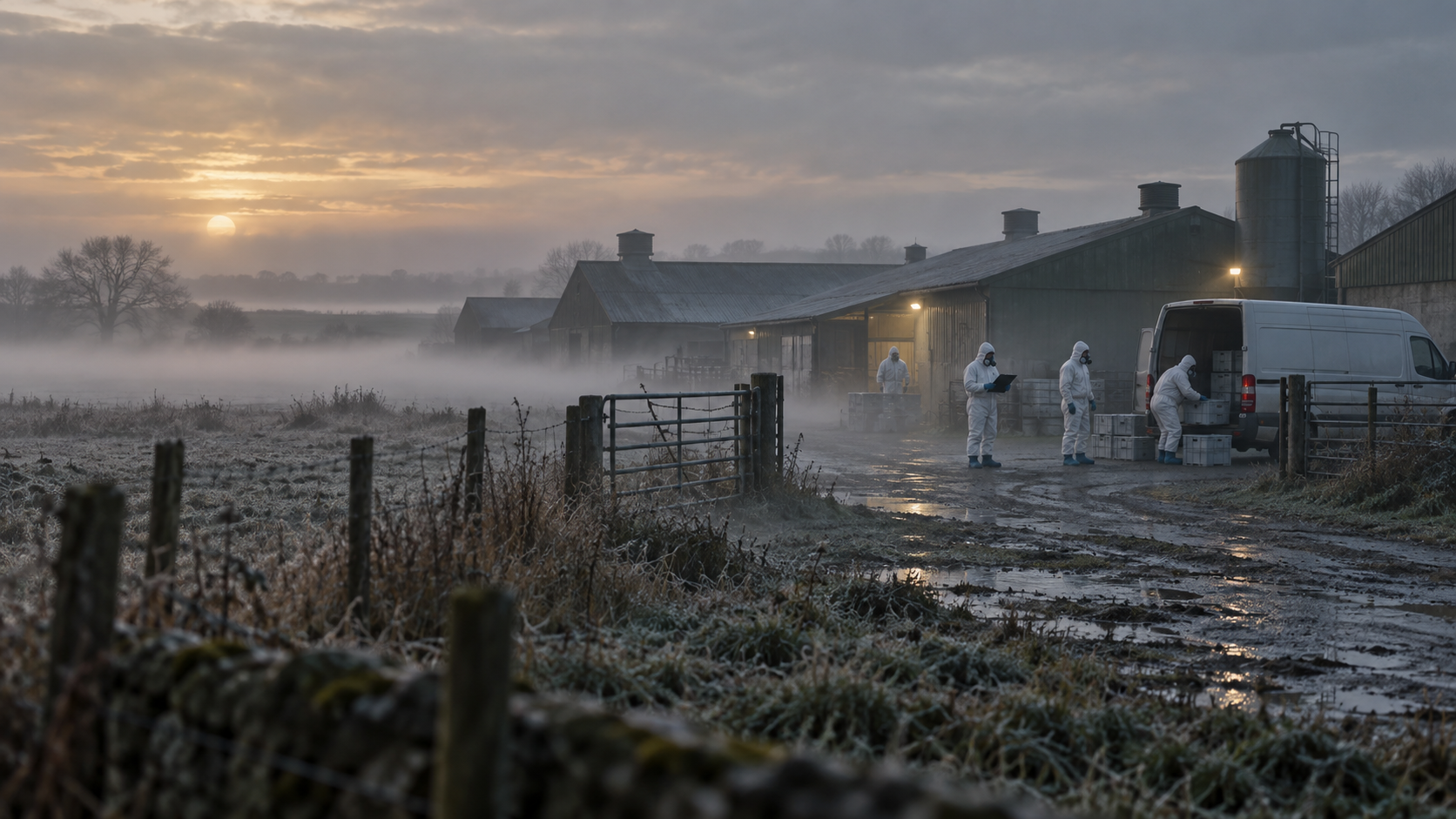
There is a cost to dodging a bullet you never see. The world had run no drill, so it built no reflexes. Pandemic preparedness stayed a line item that was easy to cut, its warehouses half-stocked, its early-warning networks funded on the assumption that the big one was always hypothetical. When a strain of bird flu began jumping to farm workers in 2024, the response looked a lot like the fumbling of early 2020 in our timeline: slow tests, mixed messages, a scramble for supplies that should have been sitting ready. It was contained, barely, and mostly by luck. The people whose job was to worry about these things spent the following winter writing memos that read like warnings from a country that had already forgotten how close it once came.
What We Never Knew
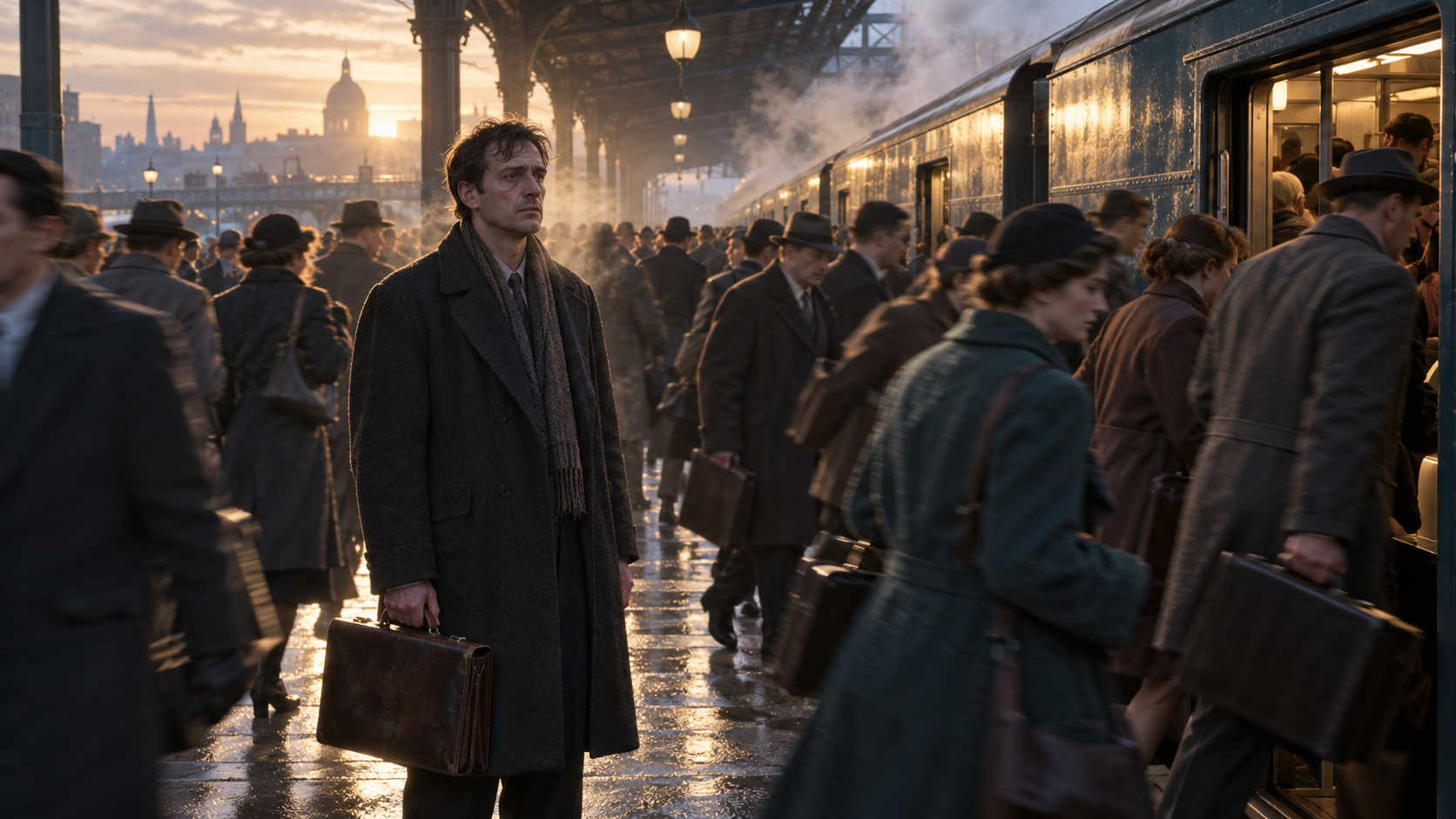
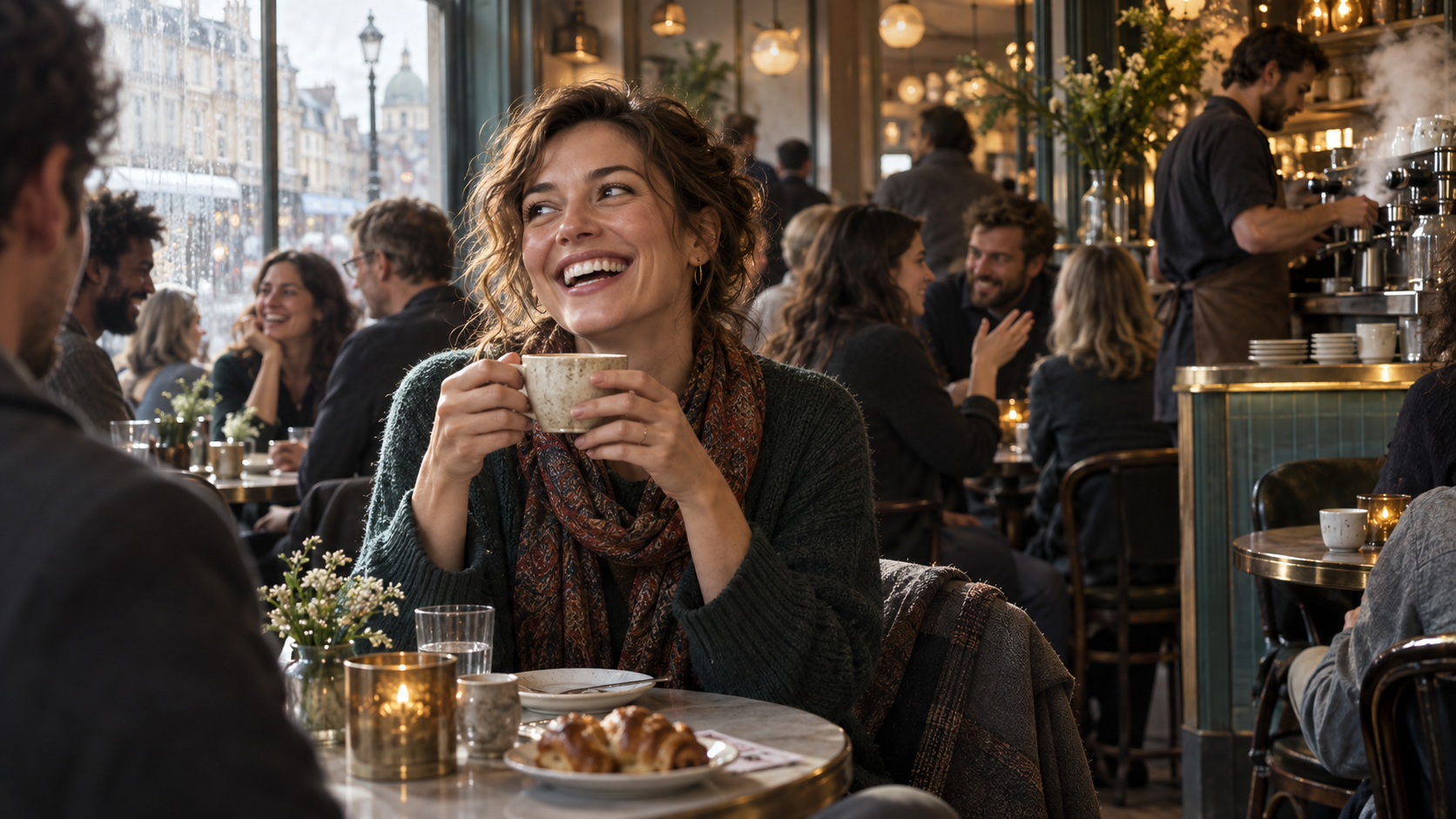
By 2026 the missed catastrophe had no shape, because it had never happened. There was no lost spring anyone mourned, no year with a hole in it, no generation of kids who learned to read faces by the eyes alone. 'Quarantine' stayed a word from the history books, filed next to the 2003 SARS scare. Nobody knew the office they still commuted to might have emptied, or the grandparent still at the dinner table might not have been. You cannot grieve a thing that never occurred, and you cannot thank the doctors in Wuhan who believed a warning. In a crowded café on an ordinary Tuesday, the whole thing sat unnoticed: a world that got to stay the same, and never found out what that was worth.
More from Alternate History