The Square Holds
What if… What if the 2011 uprisings had ended in negotiated transitions to elected, durable governments instead of coups, civil wars, and restored autocracies?
Synopsis
A two-page agreement in Cairo gives Egypt a constitution before it has an election. The sequence is copied in Tunisia, and it shapes negotiations in Libya, Yemen, Bahrain, and Syria, where wars that happened in our history are bargained down into uneasy exits. The new democracies are poor, loud, and fractious. Governments fall, subsidies are fought over, and unemployment stays high. But power changes hands by vote, there is no 2015 refugee exodus, and by 2026 a generation has grown up expecting to be asked.
The Square Holds
What if… What if the 2011 uprisings had ended in negotiated transitions to elected, durable governments instead of coups, civil wars, and restored autocracies?
In December 2010 a Tunisian fruit seller named Mohamed Bouazizi set himself on fire in Sidi Bouzid, and within a month President Ben Ali had fled the country. Protests spread to Egypt, where eighteen days in Tahrir Square ended with Hosni Mubarak's resignation on 11 February 2011. What followed in our history is well known. The army council ruled for sixteen months, the elections it ran left liberals and Islamists distrusting each other, and in July 2013 the military removed the elected president. Libya, Syria, and Yemen fell into war. In this timeline, two days after Mubarak leaves, the generals and the square sign something instead of waiting each other out.
Two Pages in the Defence Ministry
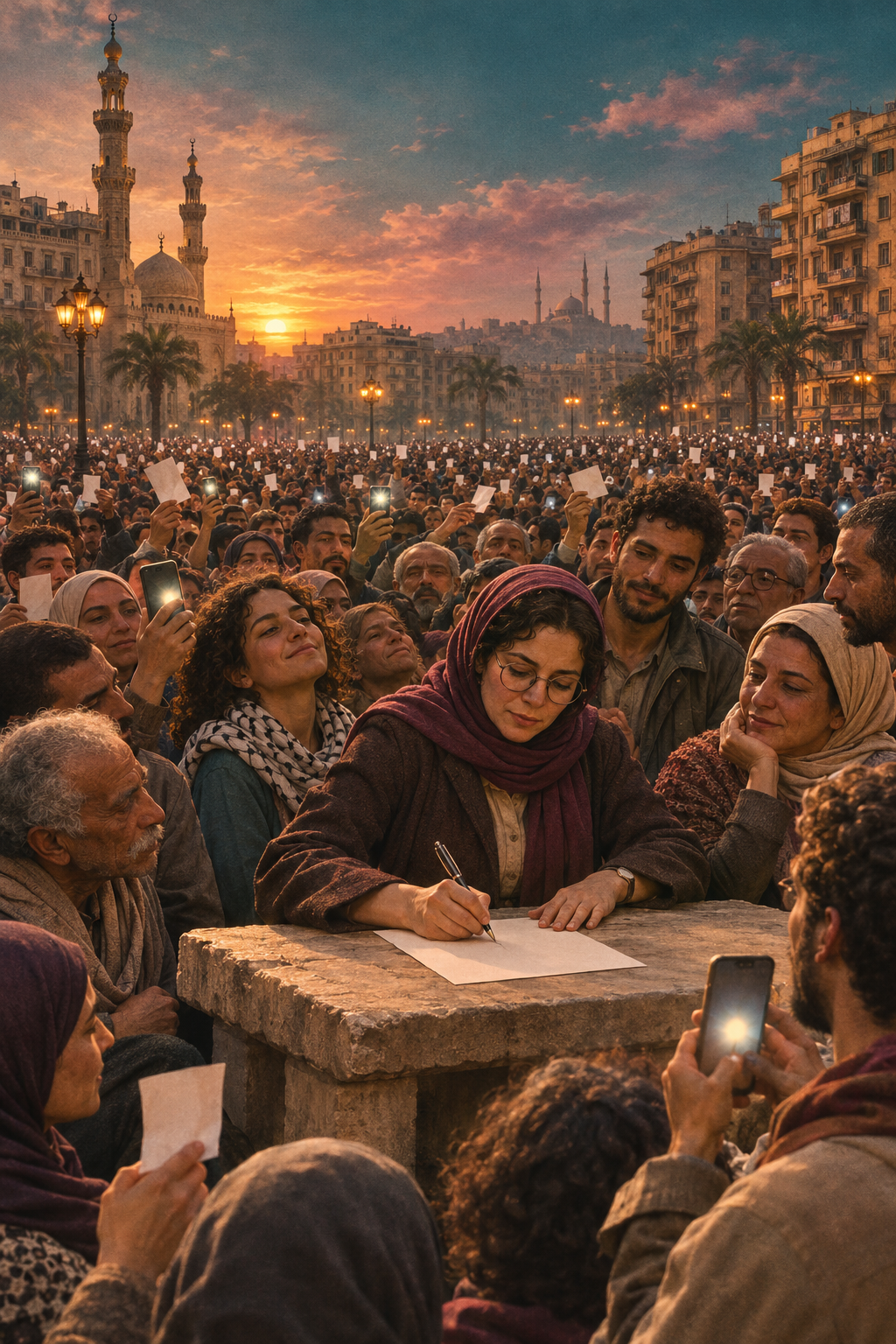
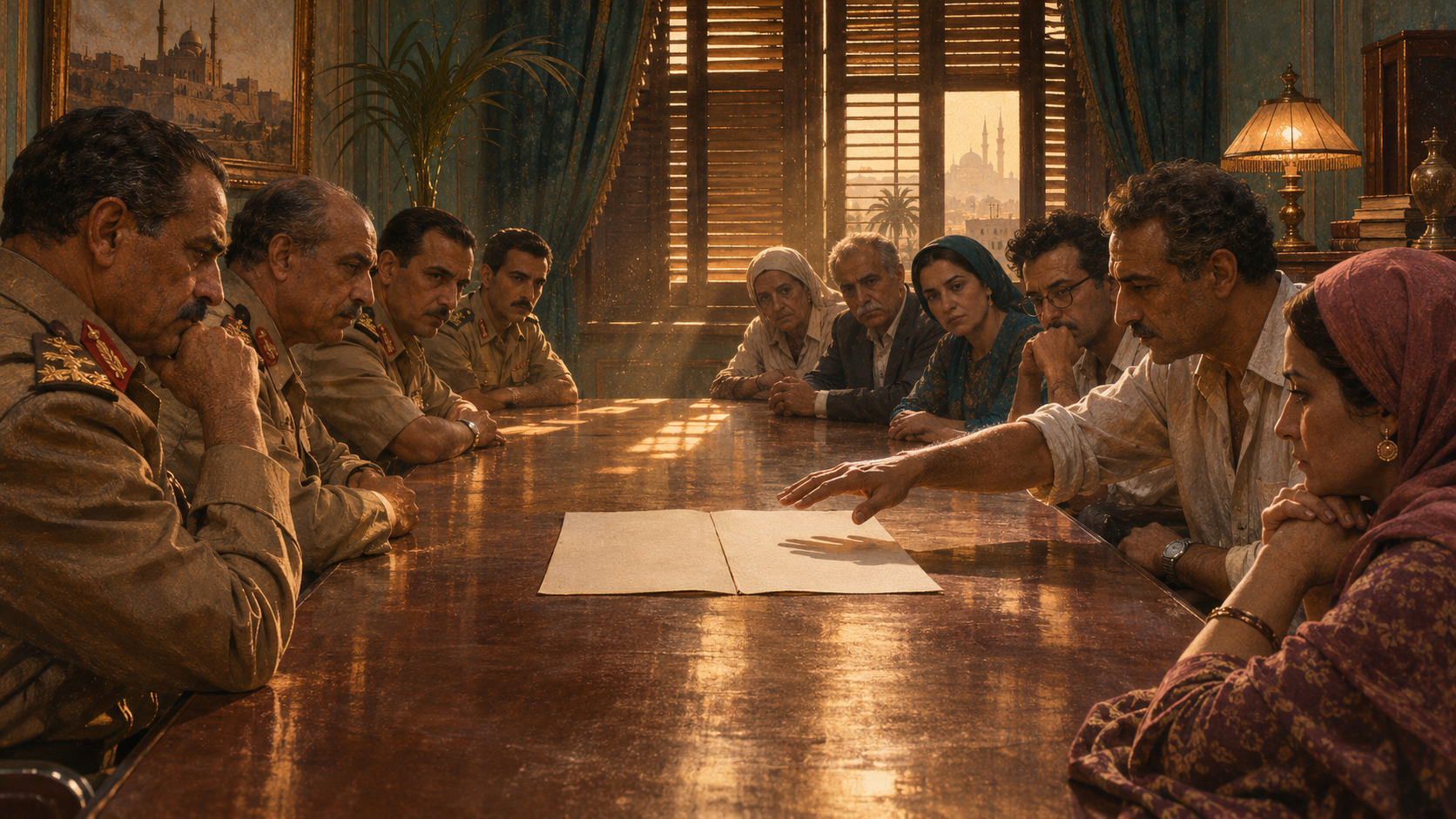
Mubarak resigned on 11 February 2011, and the Supreme Council of the Armed Forces took charge. In our history it promised elections and kept the state intact. Here, on 13 February, Field Marshal Tantawi's council sits down with delegates from the youth coalitions, the Muslim Brotherhood, the Wafd Party, and the judges' club. The paper they sign is two pages long. It creates a civilian transitional council, requires a constitution before any vote, and puts the army's budget before parliament. In return, officers not charged with killing protesters get amnesty. Nobody loves it. A young organiser tells a reporter it is the first contract she has ever seen the state sign.
Constitution First
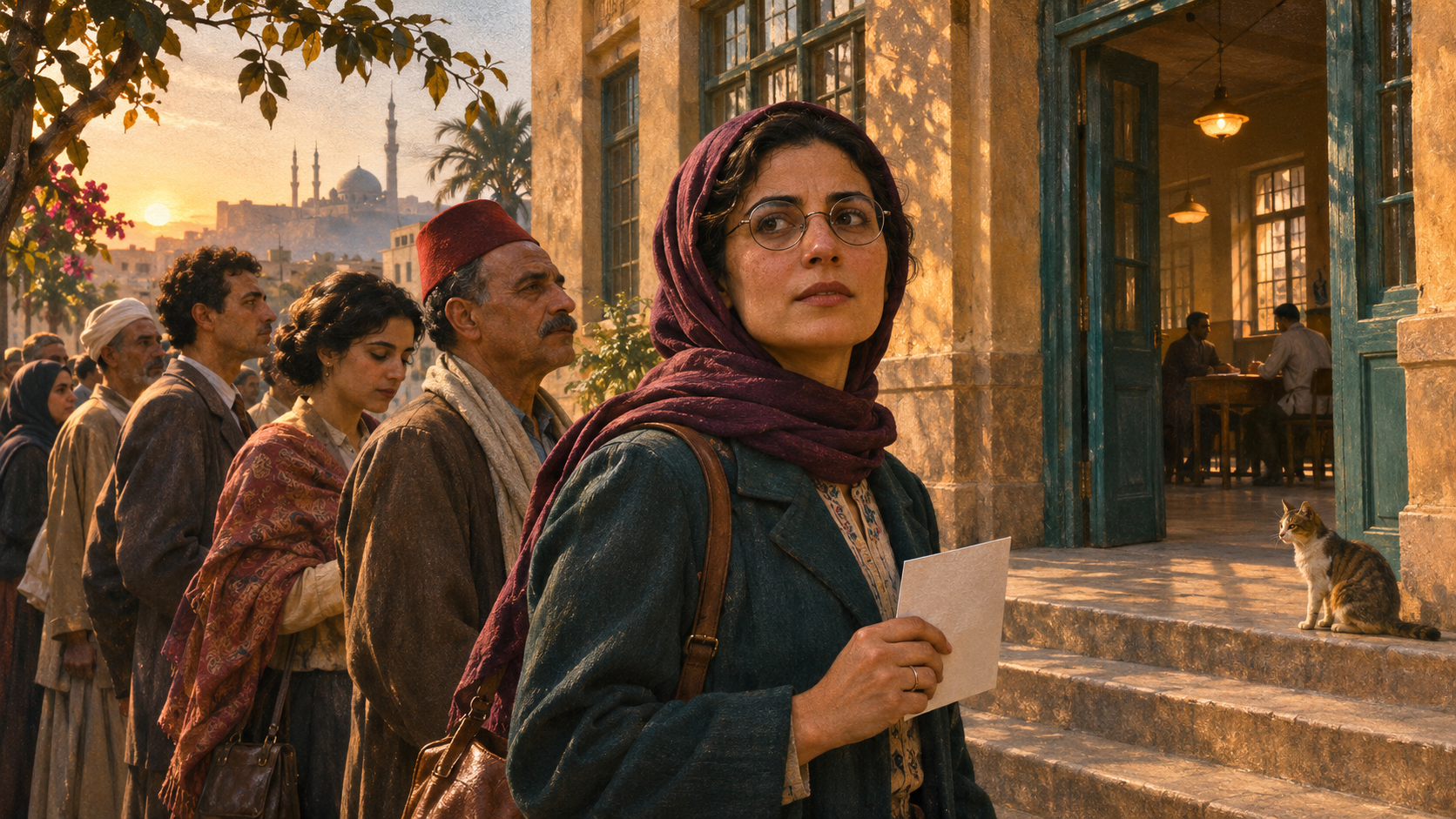
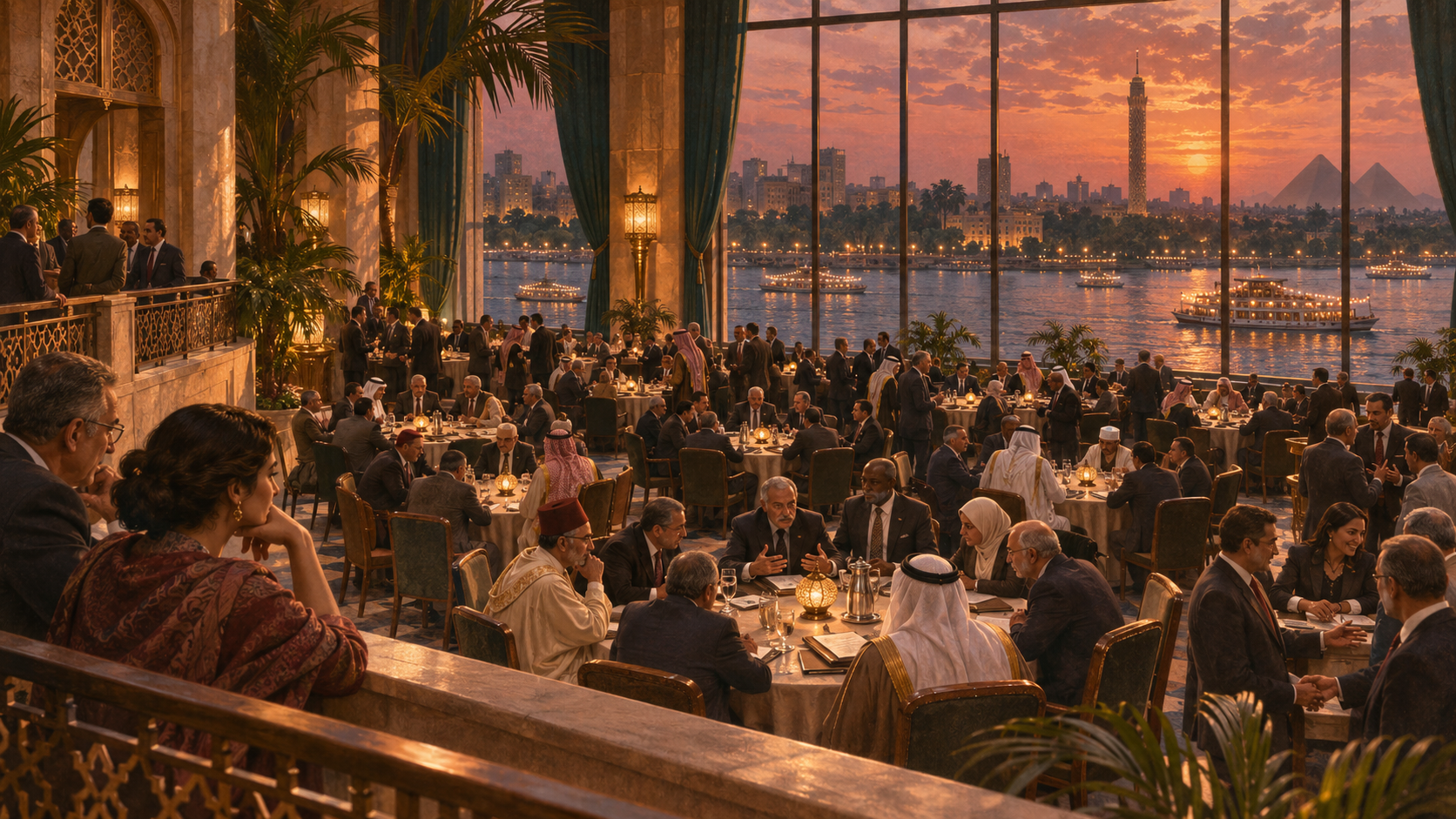
The drafting assembly sits for nine months in a converted hall on the Nile. It argues over the role of Islamic law, the army's economic holdings, and whether the president can dissolve parliament. The Brotherhood concedes the third point and wins part of the first. The generals lose control of their factories and hotels, and get a fixed pension fund in exchange. Tunisia, already drafting its own text, sends delegates to compare clauses. A referendum in December 2011 passes with 64 percent. Parliamentary elections follow in 2012, and the Brotherhood finishes first with under a third of the seats. Liberals form the opposition, and the squares empty without being cleared.
Tripoli Takes the Offer
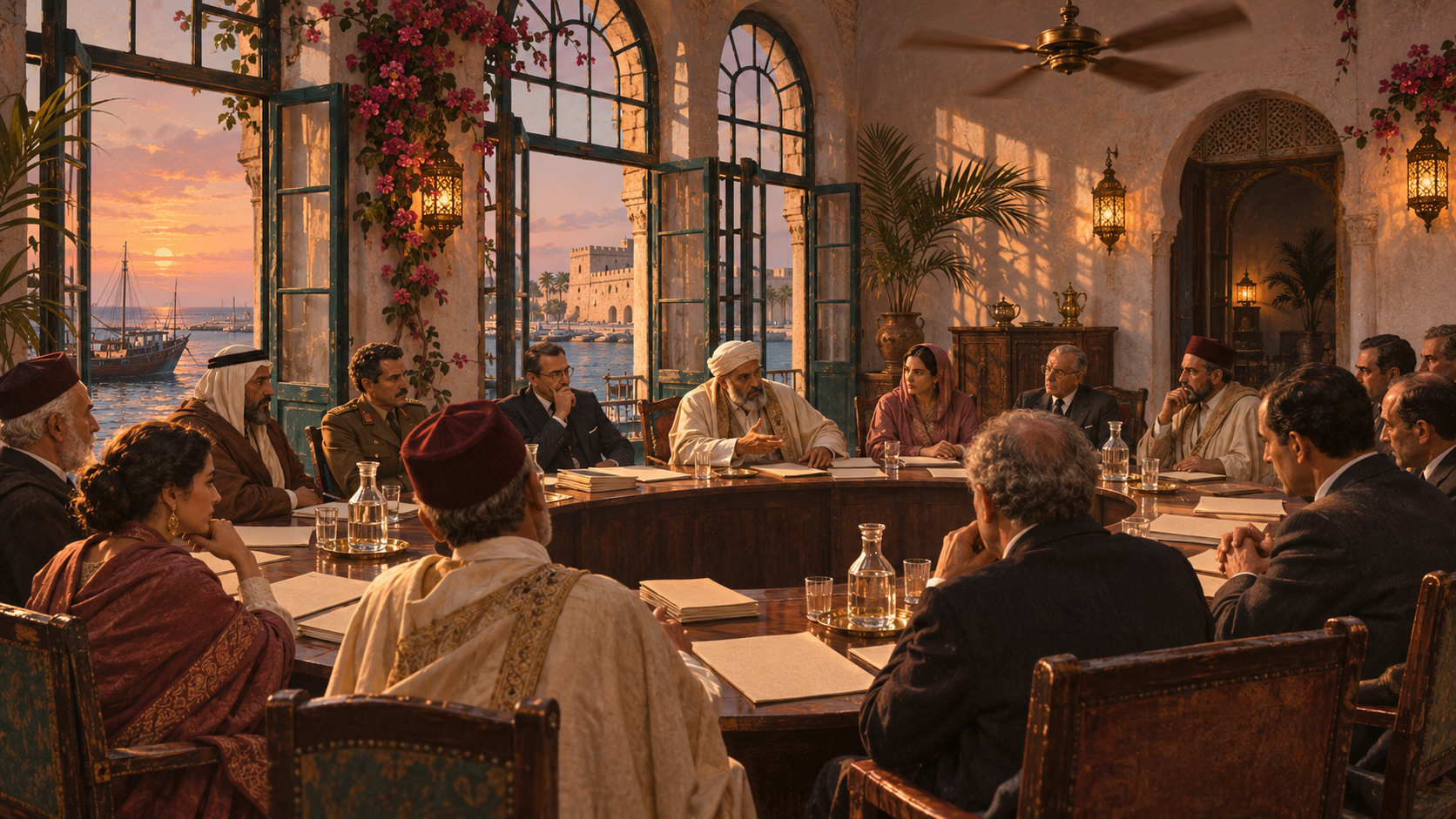
Libya's uprising begins in Benghazi in February 2011, and Colonel Gaddafi's forces move east. In our history NATO intervenes and the country fractures. Here, Cairo and Tunis are no longer just neighbours but evidence. The Arab League, with Egypt's new council leading, offers Gaddafi's inner circle what the Egyptian generals received: amnesty, a pension, and a seat at a constitutional convention. Gaddafi himself refuses and leaves for exile in Equatorial Guinea in October. The convention in Tripoli runs badly and late, and militias keep their weapons in the south. But the oil terminals stay open, and Benghazi's hospitals never fill.
Sanaa and Manama Make Room
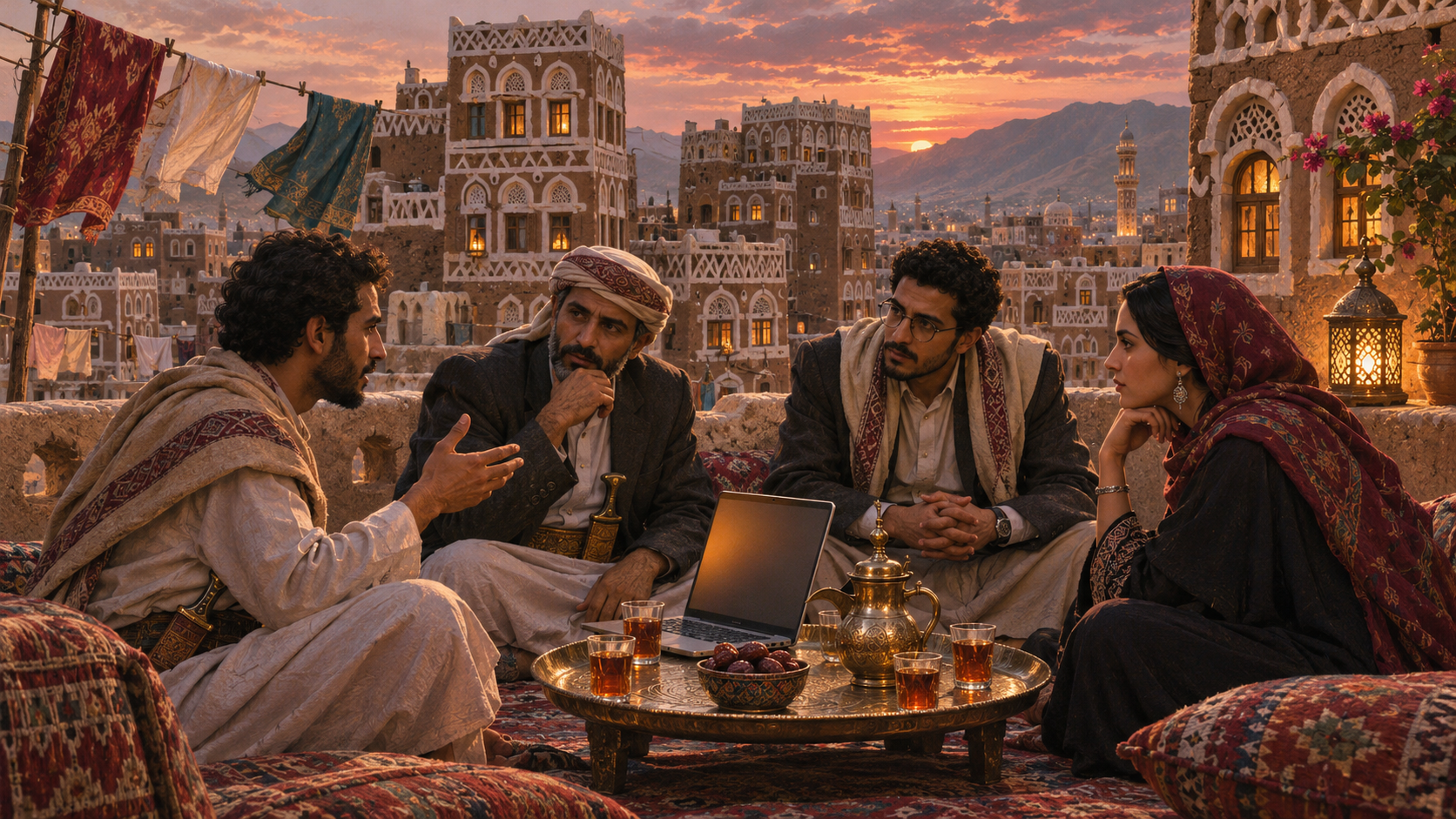
Yemen's President Saleh signs a Gulf-brokered exit deal in 2011, as he did in our history. The difference is the dialogue that follows. Egyptian and Tunisian constitutional lawyers sit in the Sanaa sessions, and the Houthi delegation is offered a federal region rather than a siege. It holds, narrowly. In Bahrain, King Hamad accepts an elected parliament with real budget powers in 2012, after Saudi Arabia, watching a stable Egyptian democracy next door, decides not to send tanks across the causeway. Neither state becomes a model. Both avoid the war that, elsewhere, took years to burn out.
The War That Did Not Start
Syria's protests begin in Deraa in March 2011, and the security services answer with arrests. By early 2012 the Arab League, Turkey, and a newly confident Cairo are pressing Bashar al-Assad toward a deal. Russia holds out for guarantees on its naval base at Tartus. In September 2012, with Moscow's backing, Assad leaves for Moscow and a transitional council takes Damascus. The Alawite coast is promised its own security commission. It is not quiet. Assassinations happen, and the first free election in 2014 is contested in half the provinces. But Aleppo's markets stay open, and the four million Syrians who fled in our history spend the decade at home.
Bread and Coalitions
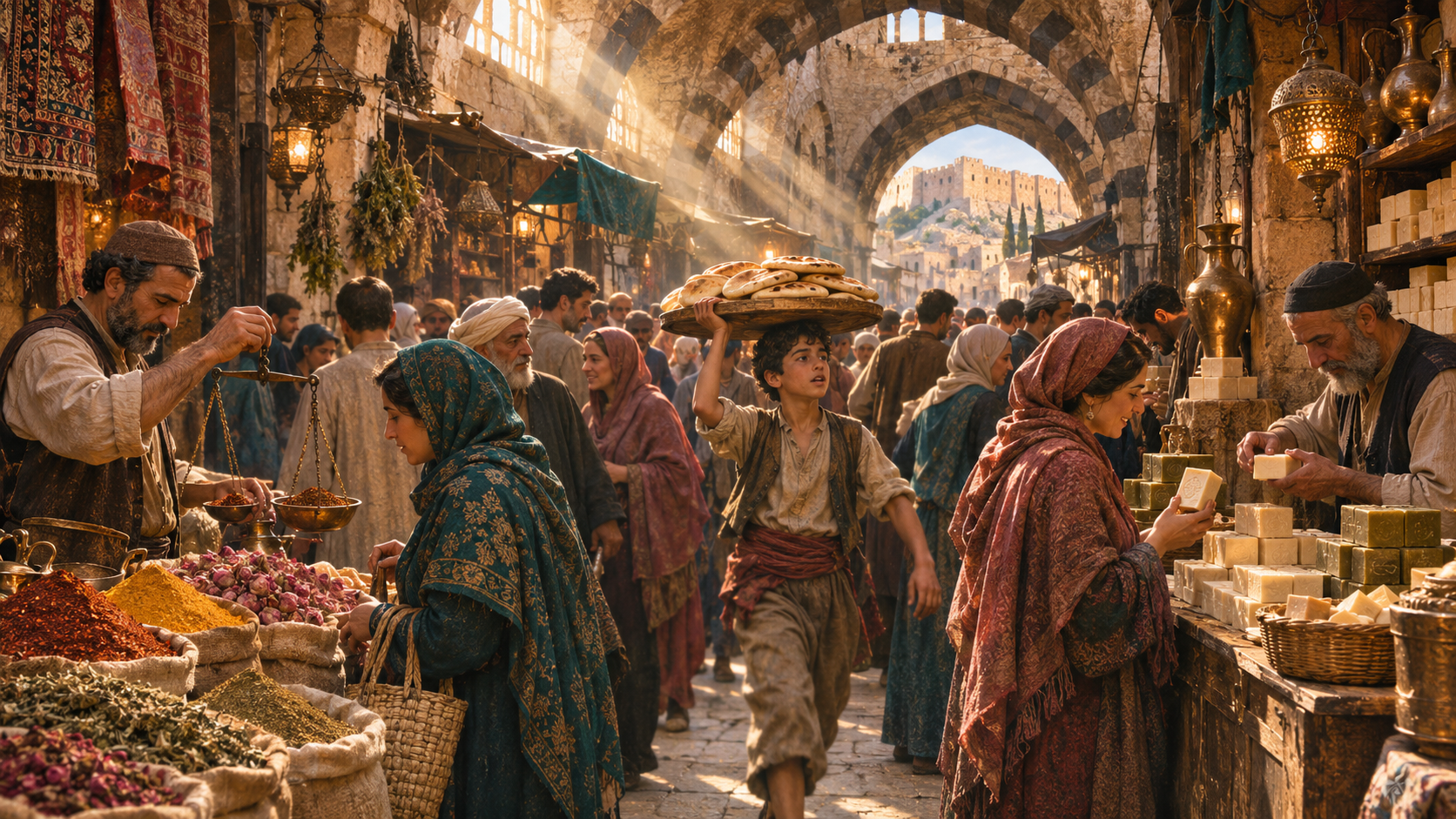
Democracy does not fix prices. Egypt's wheat subsidy is cut in 2014 and restored after three weeks of street protest. Governments fall in 2015, 2017, and 2019, each time through a vote of no confidence and not a crowd. Unemployment among young graduates stays above 25 percent. Tourism returns slowly, and the Suez Canal revenue is split between the treasury and a development fund the army no longer controls. In Tunis a coalition of five parties spends a winter arguing over a fuel tax. Voters are furious and keep voting. A taxi driver in Alexandria tells a visiting journalist that he complains more now, and is listened to more.
A Quieter Mediterranean
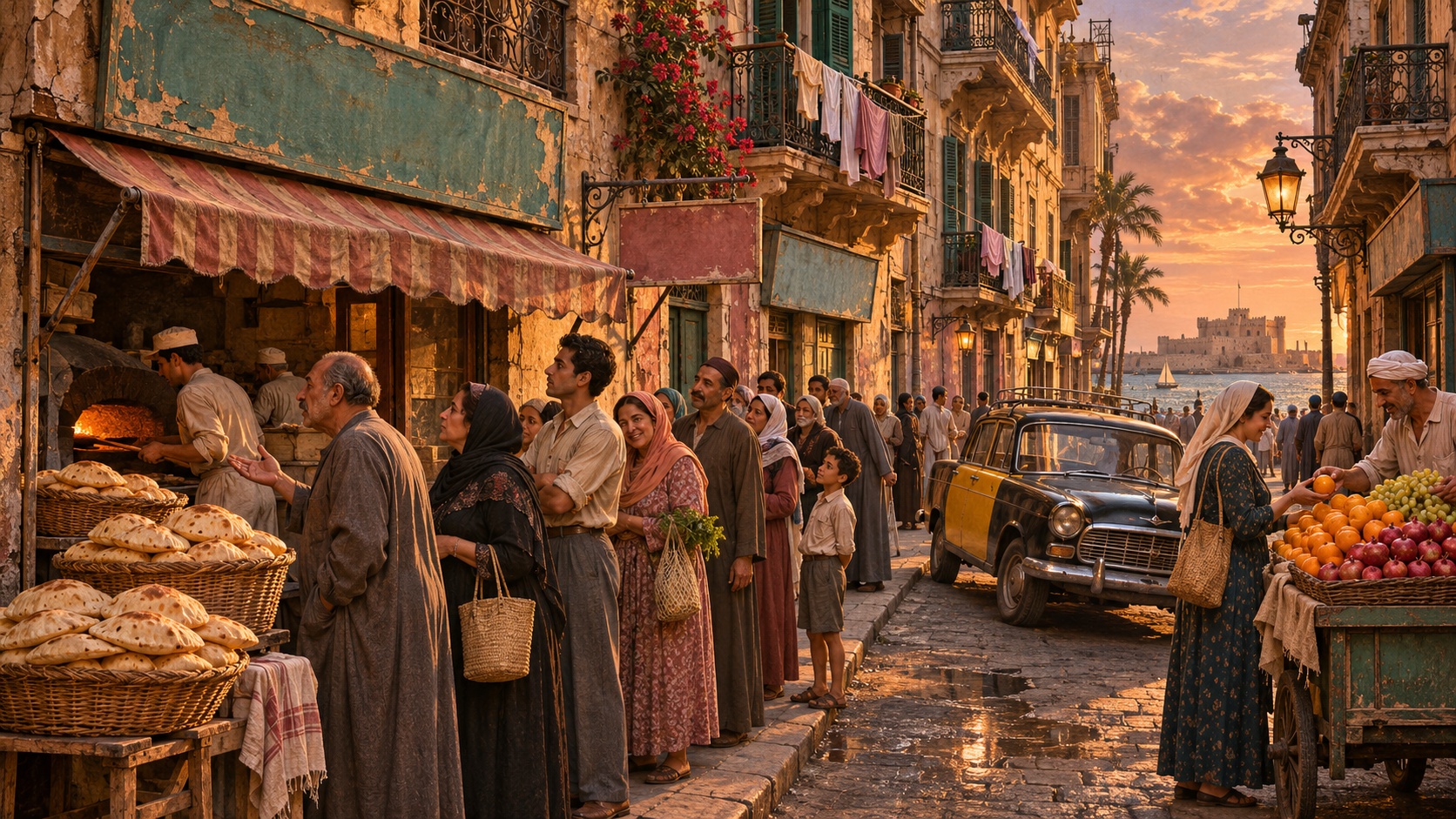
Without the Syrian war there is no 2015 surge of refugees at Europe's gates, and the continent's politics take a different shape. German and Greek governments spend that year on bank rescues instead. Gulf monarchies, watching Manama, quietly widen their advisory councils. Egypt keeps its treaty with Israel, though its parliament debates it every year, loudly. Oil prices fall in 2014 as they did in our history, and the new democracies absorb the shock badly but without a coup. Foreign investors call the region noisy and cautious, in the same breath. Cairo hosts a regional summit in 2019 where the leaders of six elected governments are, for once, the ones asking each other for votes.
The Square in 2026
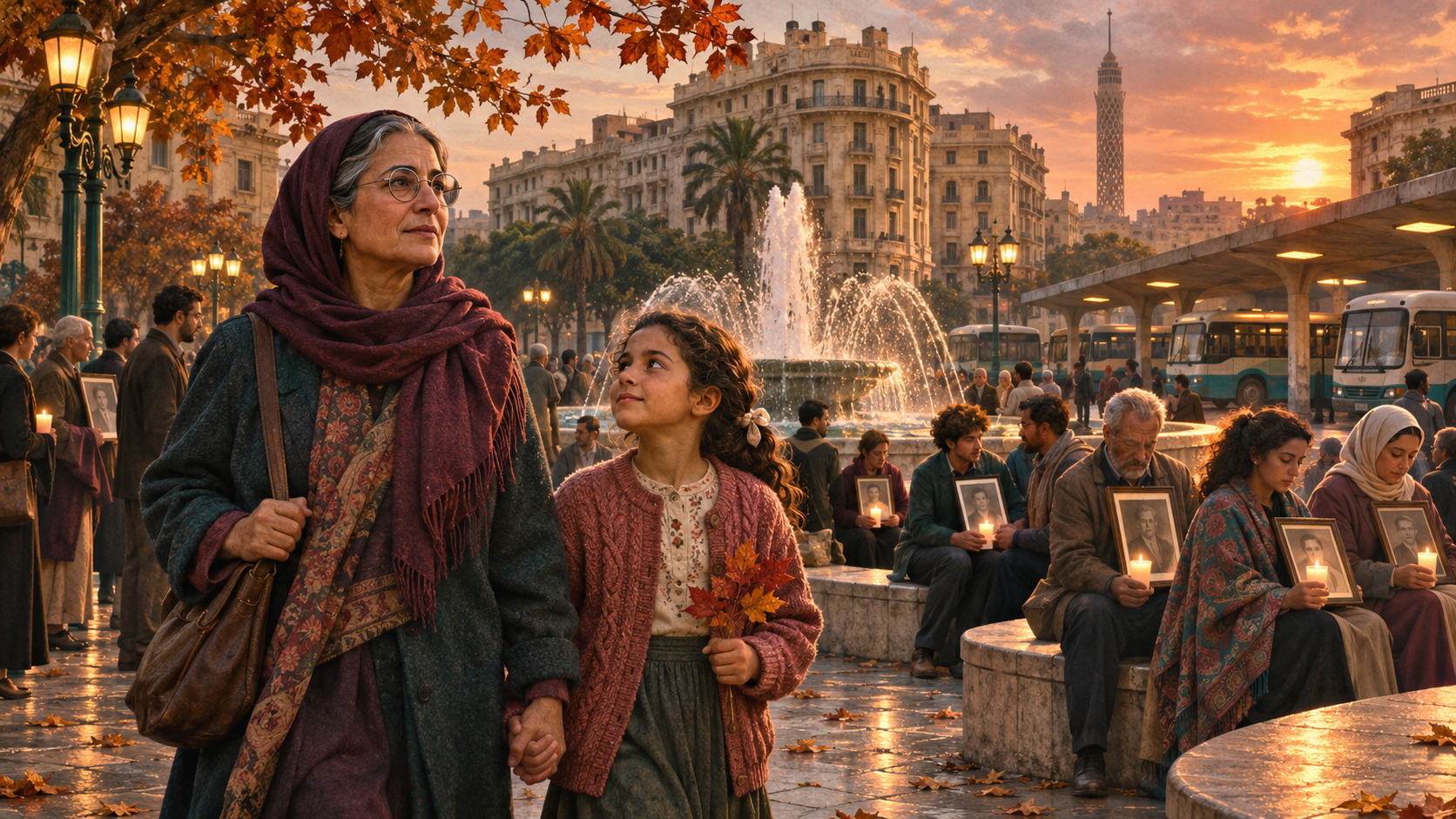
On the fifteenth anniversary of the compact, Tahrir Square is mostly a bus interchange with a fountain. A small crowd gathers anyway, holding photographs of those killed in the eighteen days. Elections the previous spring returned a government the old guard disliked and the young organisers also disliked, which many call proof of the system. The woman who signed as a twenty-five-year-old delegate is now a deputy minister of planning, grey at the temples. Her daughter, nine, asks why the paper had only two pages. She says it was all they could agree on, and that agreeing was the hard part.
More from Alternate History