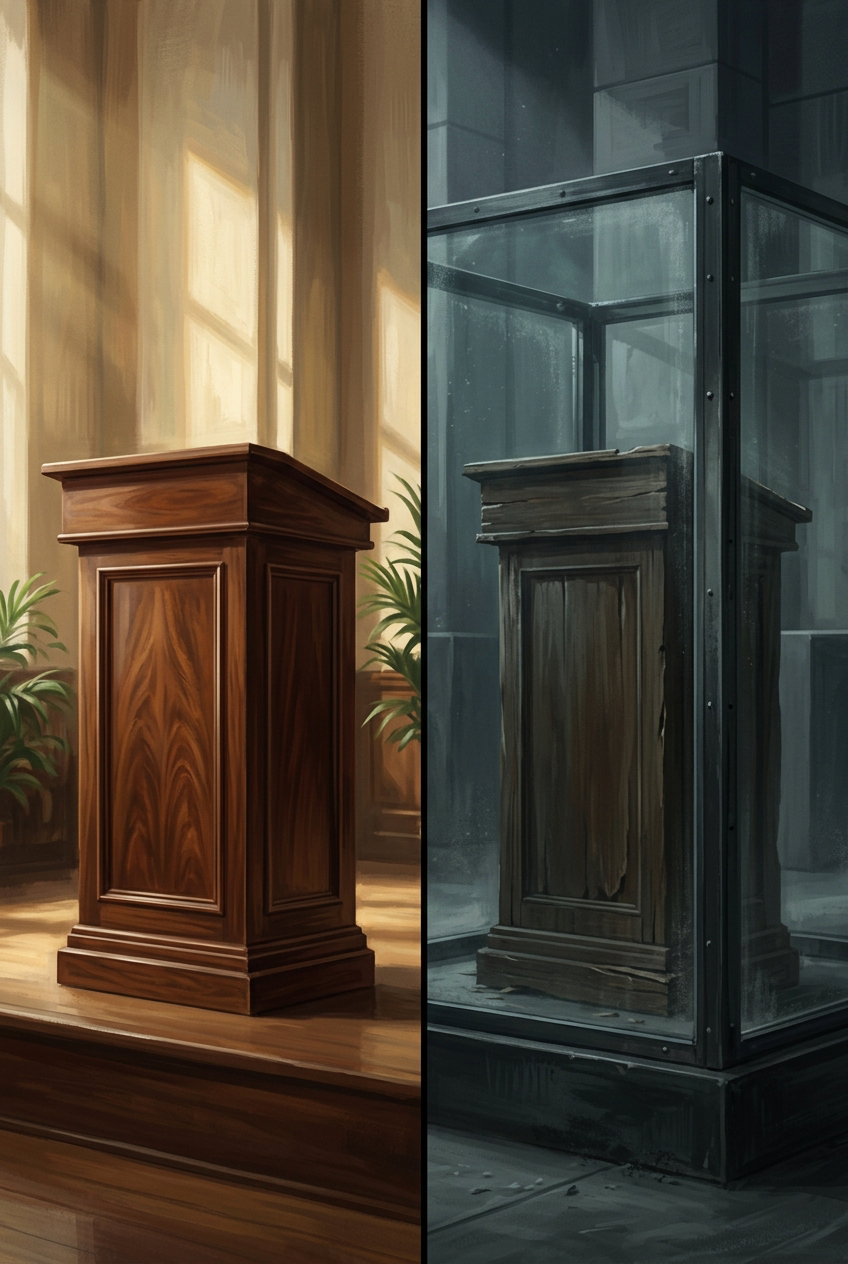
The Line You Apply For
What if… What if the internetworking protocols had been classified in 1975, leaving the world's data networks to be built, licensed, and metered by state telephone monopolies?
Synopsis
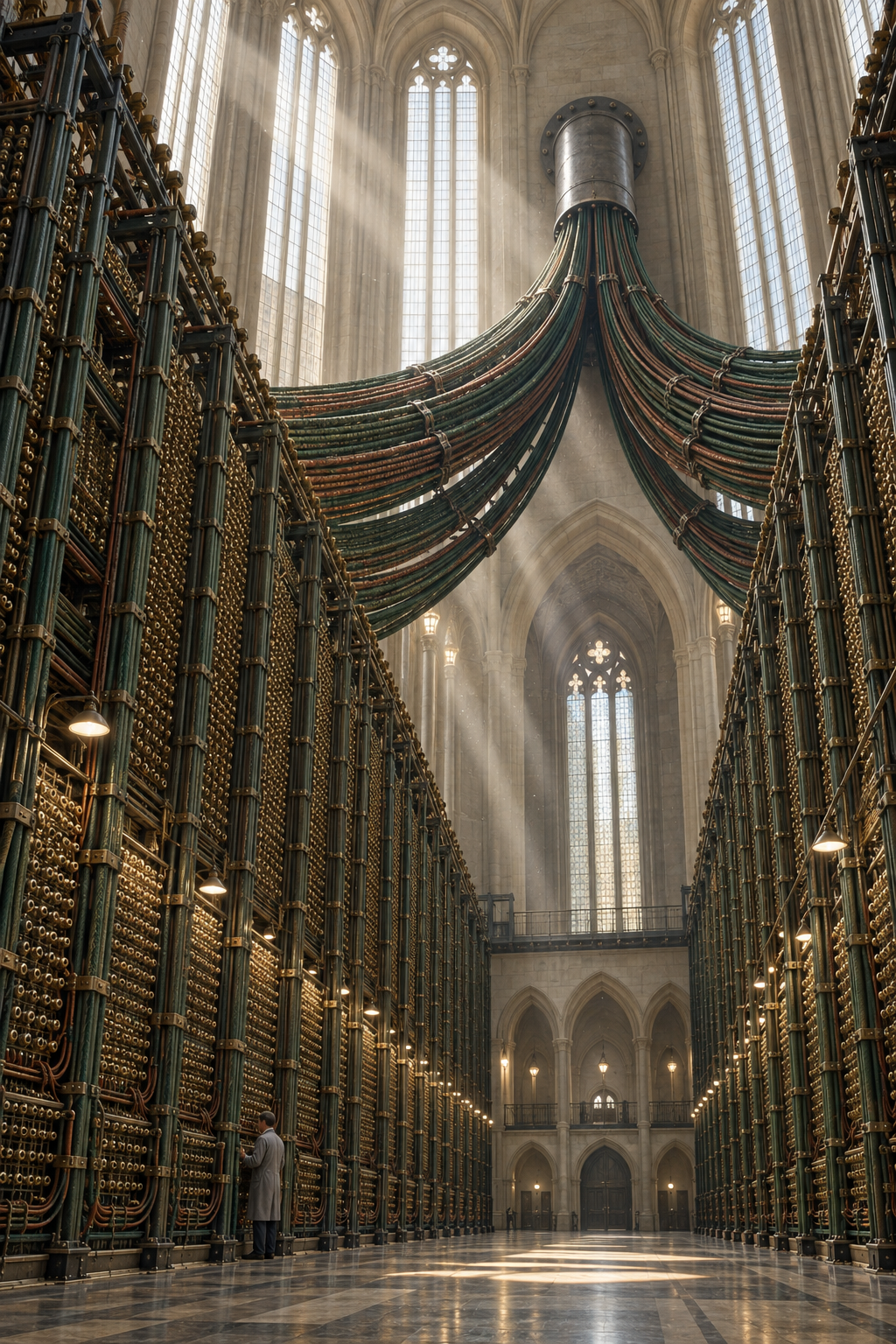
With the open protocol work locked behind a clearance, the only remaining way to join computers across distance is the one the state telephone administrations were already building: X.25, a metered virtual circuit opened by the carrier between two subscribers it has on file. Datapac, Transpac and their siblings become the civilian data world, and free post-office terminals put a green screen in nine million kitchens. Hypertext is invented on time at CERN and cannot cross a border. Data traffic is settled between countries on accounting rates like international calls; unlicensed bridges draw fines. Mobile phones arrive closed, software moves on tape and at conferences, and no commons forms for code or corpora. The closed net turns out to be genuinely good at some things and quietly ruinous at others, and by the 2020s the original four-page design circulates as a photocopy among radio hobbyists.
The Line You Apply For
What if… What if the internetworking protocols had been classified in 1975, leaving the world's data networks to be built, licensed, and metered by state telephone monopolies?
In May 1974 Vint Cerf and Robert Kahn published a protocol for joining dissimilar computer networks. Its premise was that the network should be stupid and the machines at its edges smart: any host could speak to any other, and nobody had to ask permission first. In July 1975 the Defense Communications Agency took over day-to-day operation of the ARPANET from ARPA. In our history the DCA ran the wires while DARPA went on funding the protocol work in the open, publishing specifications that anyone with a compiler could implement. Here the agency reads the same memos and reaches the opposite conclusion. In September 1975 the internetworking specifications are classified, and every machine that wants to join needs a sponsoring agency and a cleared operator.
Four pages, September 1975
The classification order ran to four pages. It covered the internetworking specifications, the gateway designs, and the address assignment tables. Work already published stayed published, so the 1974 paper sat on open library shelves describing a thing nobody outside the program was permitted to build.
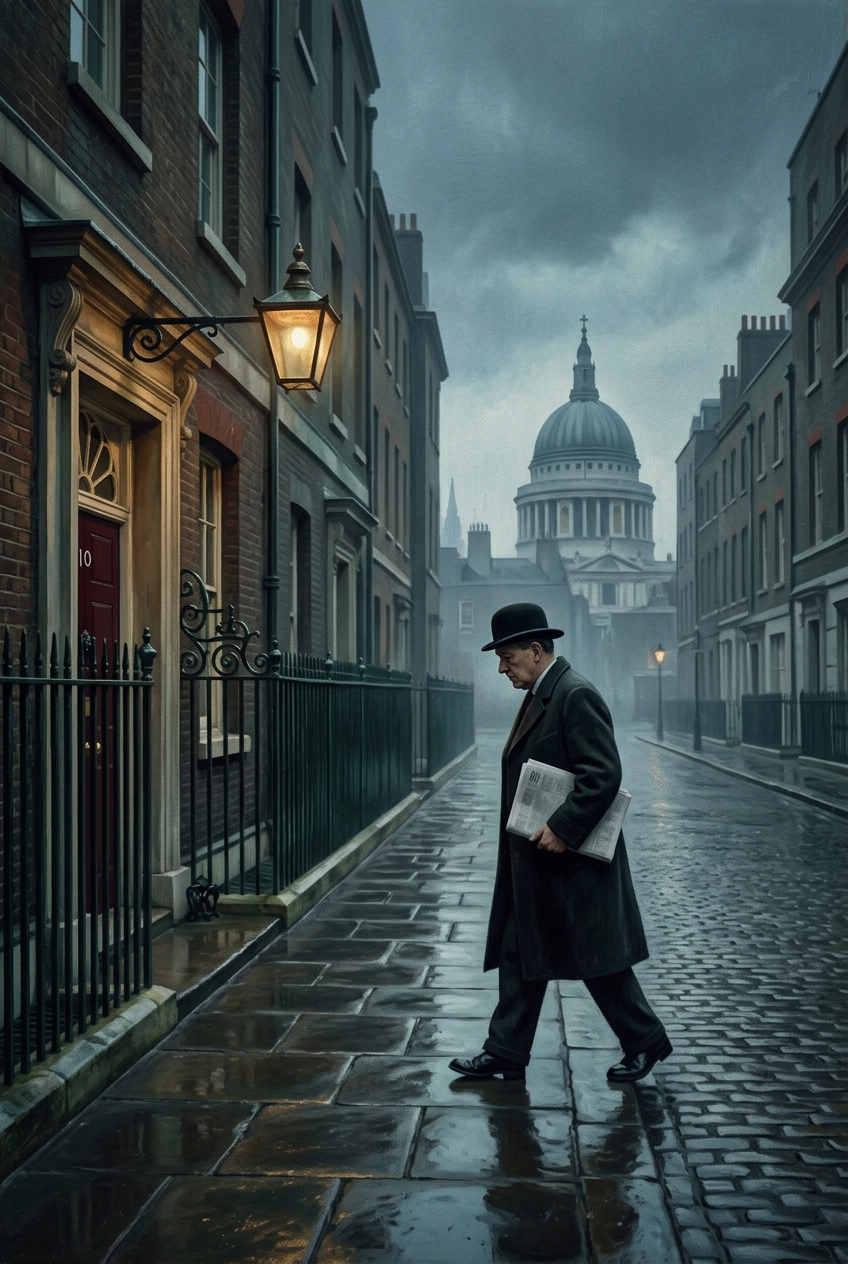
At Stanford, graduate students who had been reading draft specs over breakfast were asked to return them, and signed a receipt for the binders. Two of them left for the telephone labs. University College London and the Norwegian seismic array kept their links, now metered and logged through a gateway in Arlington.
Nothing went dark. The research simply stopped being a conversation and became a contract, and the people who could have implemented it in one summer went and did something else.
The post office wins, 1976
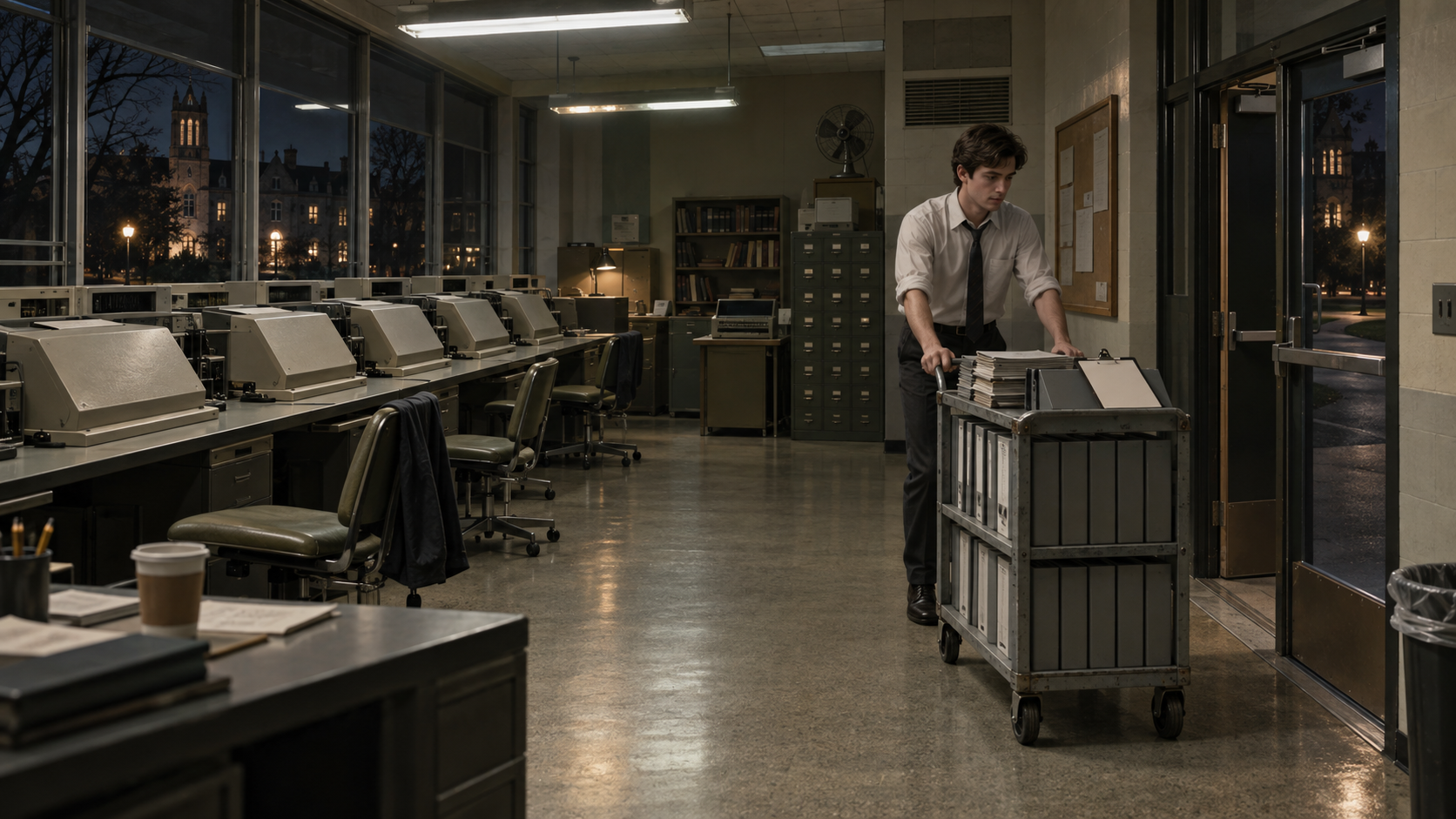
In March 1976 the CCITT approved X.25, a standard written by state telephone administrations for state telephone administrations. It put the intelligence inside the network. A connection was a circuit the carrier opened, supervised, and billed by the packet, and it existed only between two parties the carrier had on file.
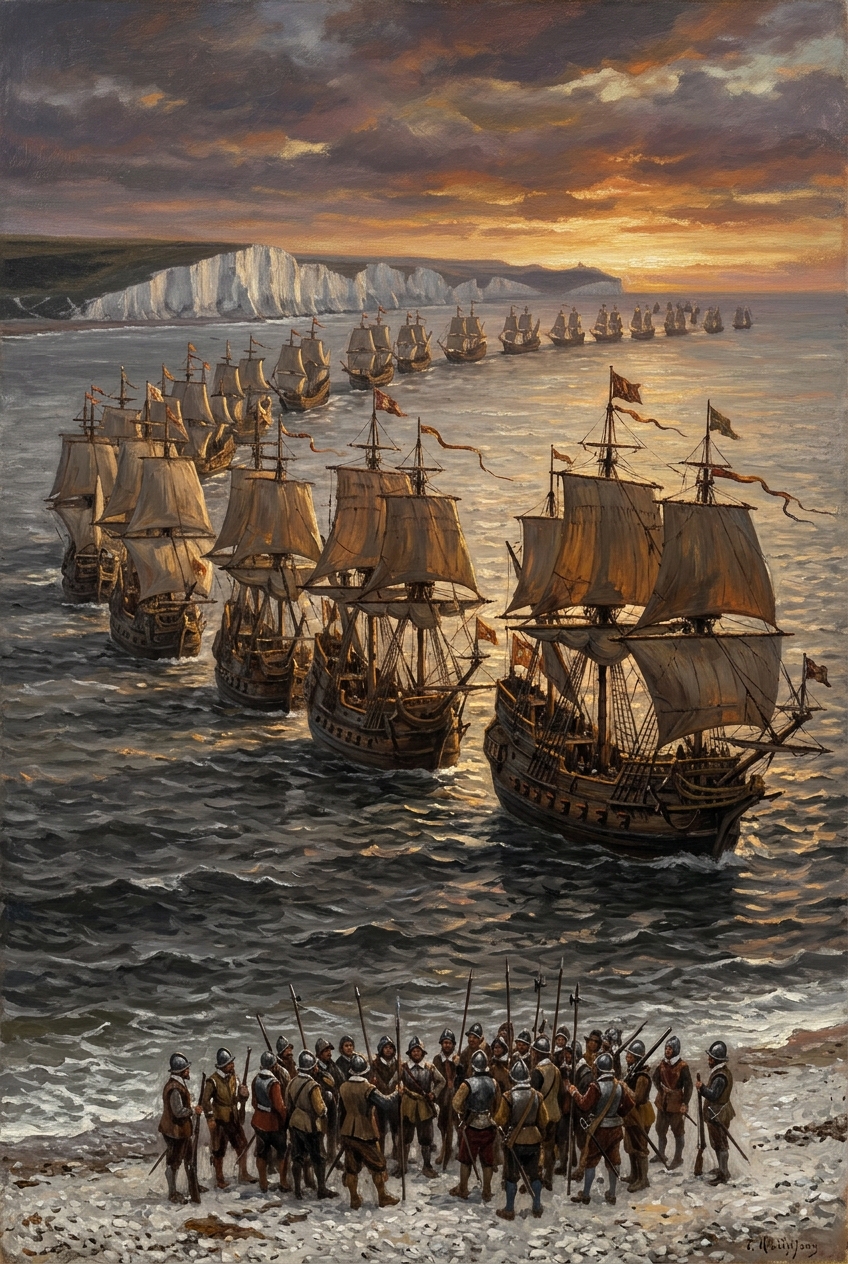
With the American work behind a clearance, X.25 had no rival. Datapac opened in Canada in 1977, Transpac in France the year after, Britain's service in 1980. France's own datagram experiment, CYCLADES, lost its funding in 1978; its designer had spent five years arguing that the intelligence belonged at the edges.
A firm that wanted a line applied to the post office. In Lyon in 1979 the wait ran eleven weeks, and the form asked what the traffic was for.
Nine million terminals, 1984
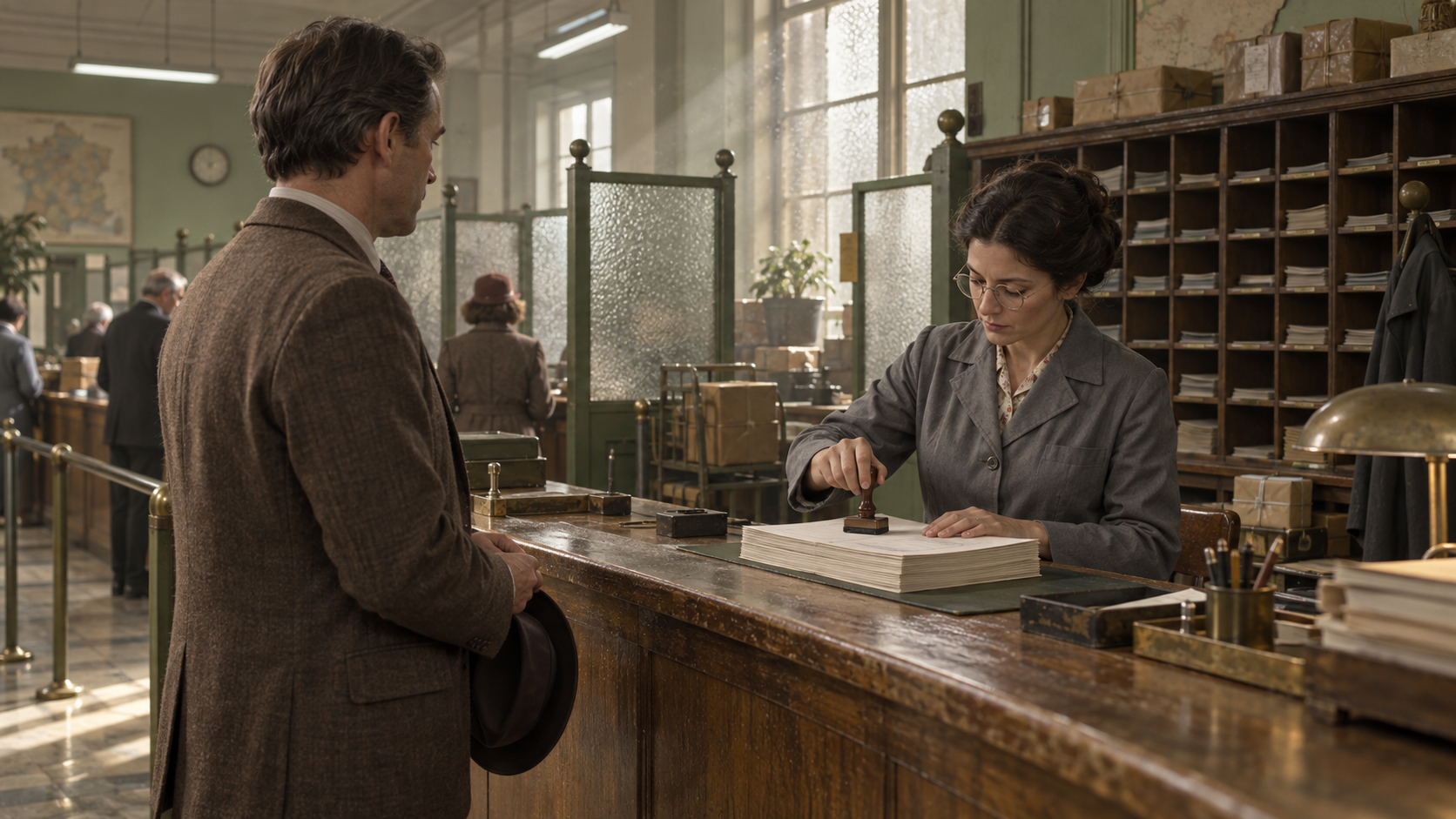
The terminals were free. You collected one at the post office counter and signed for it, and it replaced the paper directory, which was the reason the post office wanted you to have it.
By 1984 there were nine million in France, four million in Japan, and the British sets had begun to arrive. Train times. Bank balances. The classifieds. A doctor's rota. Every service on the menu carried a licence, a numeric code, and a per-minute rate the operator collected on the quarterly bill.
Home computers sold well and connected to nothing. Games came on cassette through the post. Boys in Coventry traded floppy disks in a supermarket car park on Saturday mornings, because there was no other way to move a program between two houses.

Internal use only, 1991
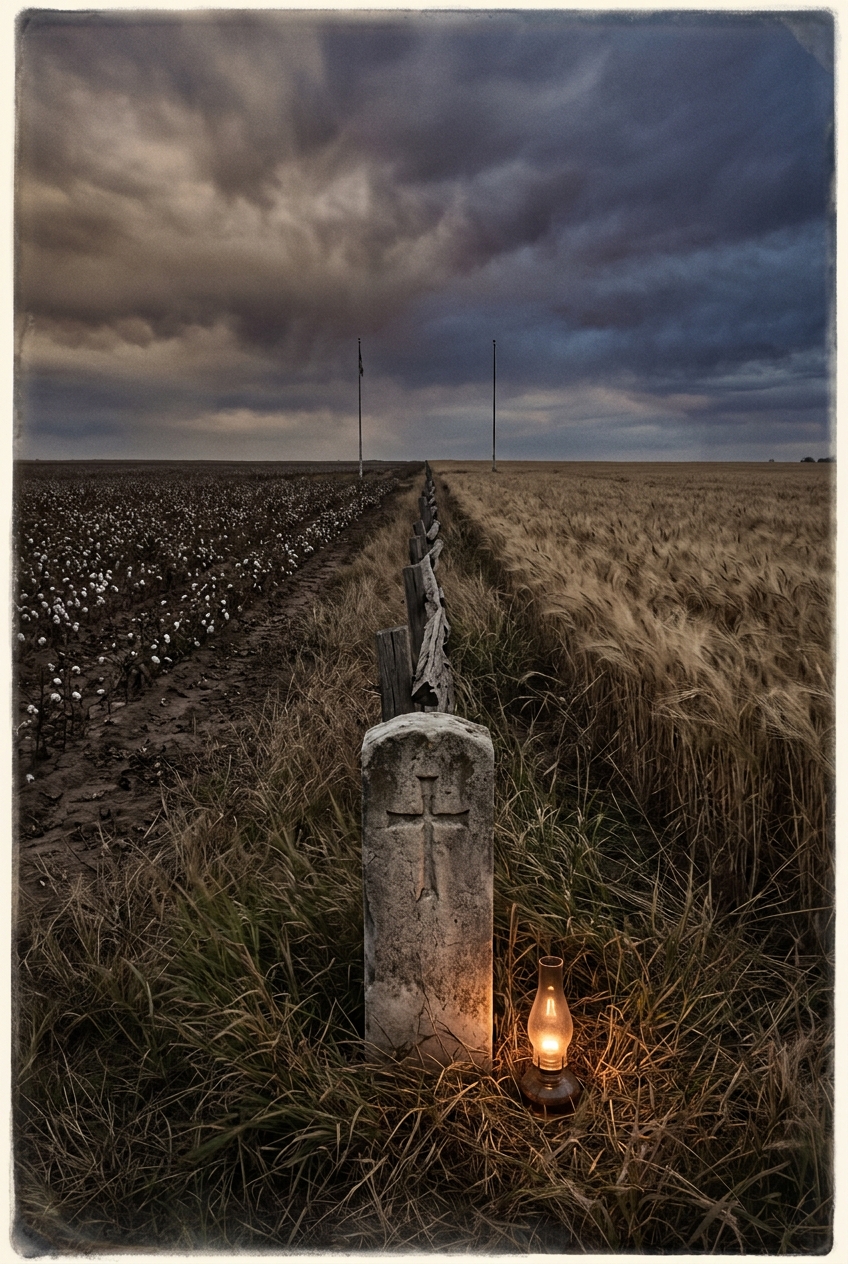
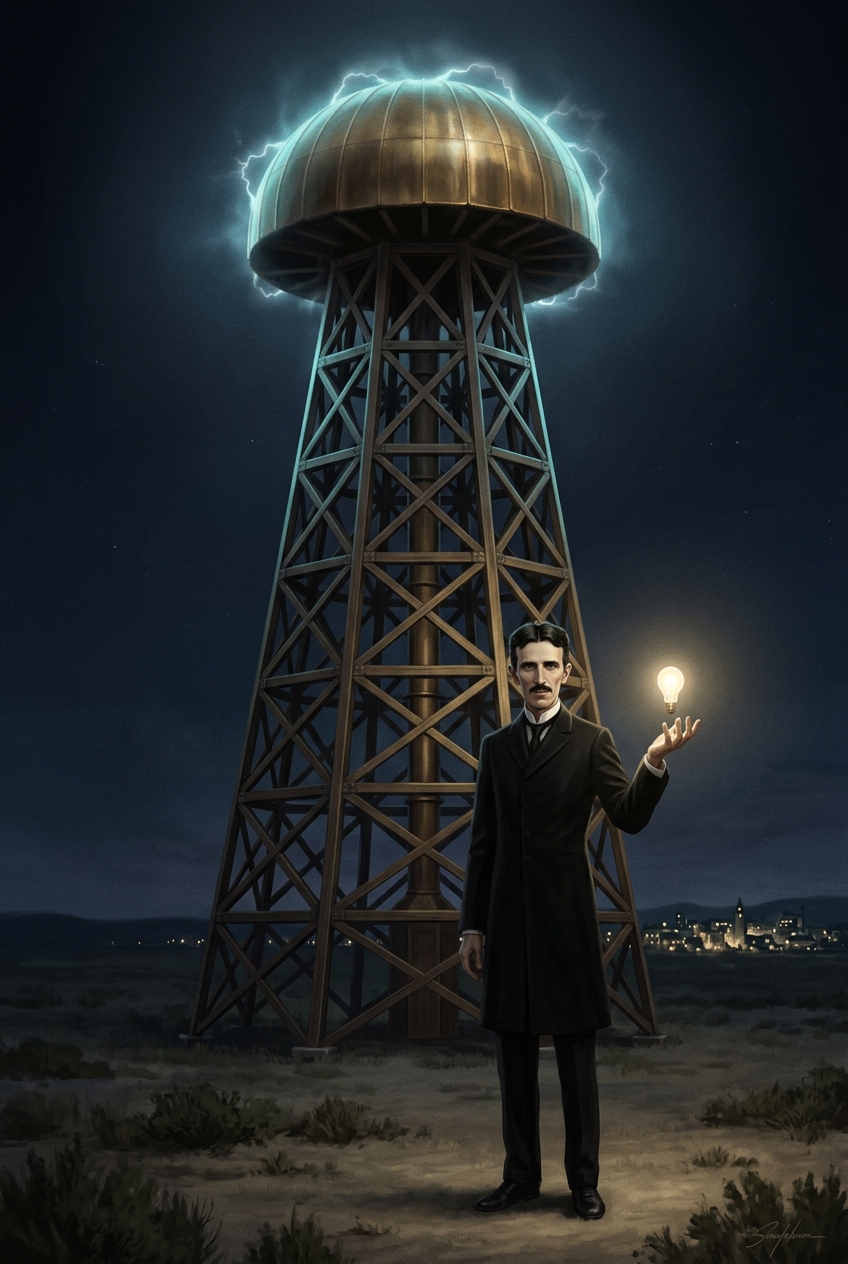
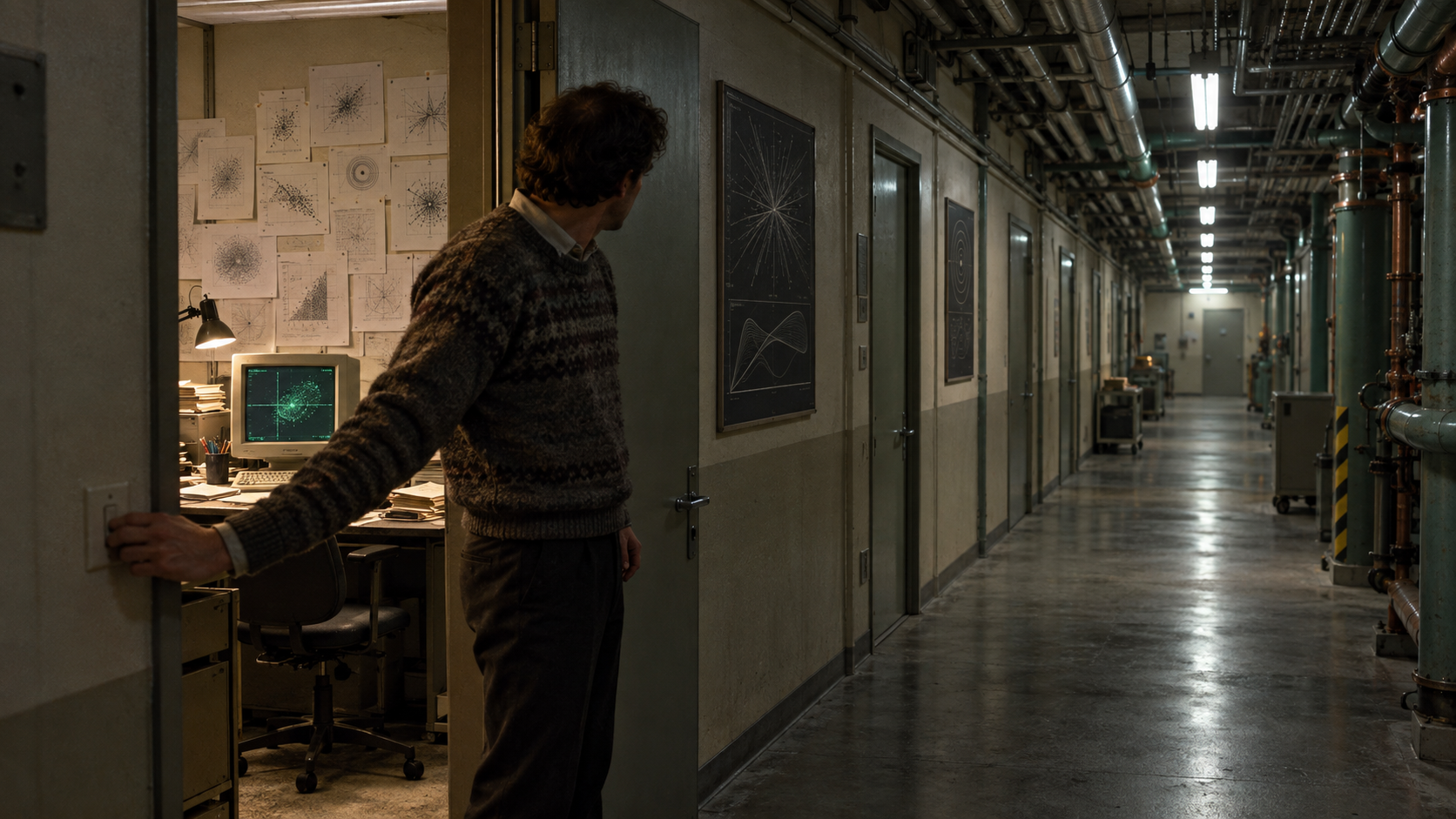
Tim Berners-Lee wrote his proposal for a linked document system in March 1989 and had it running at CERN by the end of 1990. The physics network it ran on belonged to a consortium of national research councils, and the councils had rules about who could attach to it.
CERN tried to give the thing away in 1993. Giving it away turned out to mean very little. Anyone could have the source. Nobody could carry the traffic without a licensed circuit, and circuits were issued to institutions rather than to people.
So hypertext spread the way conference proceedings spread. By 1994 there were browsers in eleven countries, each sitting on a separate network, each unable to follow a link across a frontier.
Settlement rates, 1996
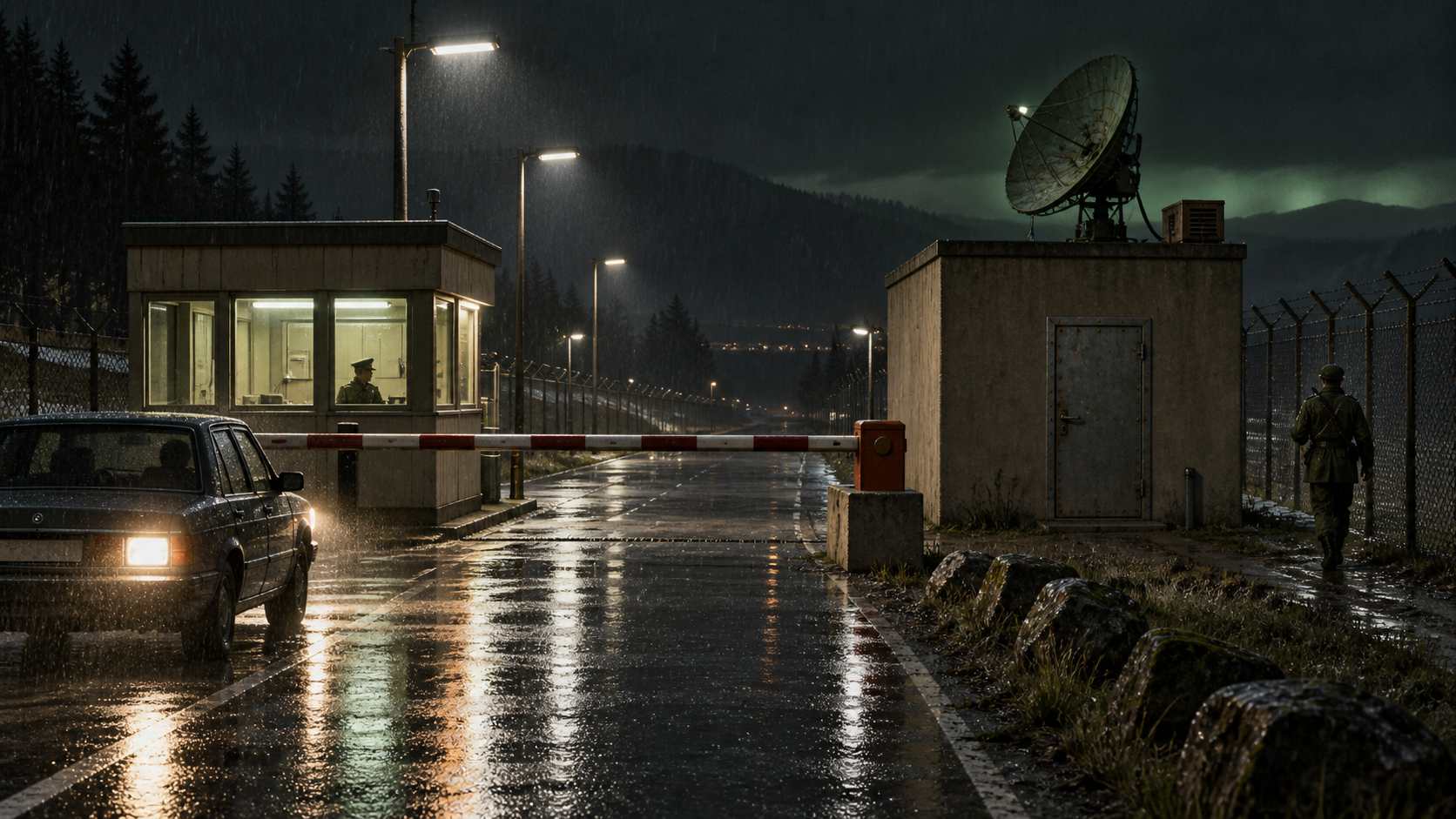
Data crossed borders the way telephone calls did, on accounting rates negotiated between administrations and settled twice a year in Swiss francs. A message from Hamburg to Milan was priced, logged, and attributable to a named subscriber at both ends.
Universities built bridges anyway. A leased voice line, a pair of modems, a scrambler in a stationery cupboard, and two departments could swap files at a cost their deans preferred not to itemise.
Sweden prosecuted four of them in 1997. The charge was operating an unlicensed circuit; the penalty was a fine and the removal of the equipment from the building. The Netherlands wrote its research bridges into the statute instead and charged nothing for them. Which approach a country took mattered enormously to the people inside it.
National champions, 2004
Mobile phones arrived on schedule and arrived closed. The operator owned the menu, approved every service on it, and took its cut at the top. A developer in Portugal who wanted five million users needed a meeting in Lisbon and a contract, and the contract had exclusivity clauses in it.
Software moved on physical media and at conferences. There was no public code repository, because there was no public place to put one. Collaborative projects ran by post: a maintainer in Helsinki, a tape in a padded envelope, a six-week cycle.
Operating systems stayed commercial. Writing one from scratch, alone, inside one country, cost more than most countries were willing to spend, so most of them bought.
What it was good at, 2011
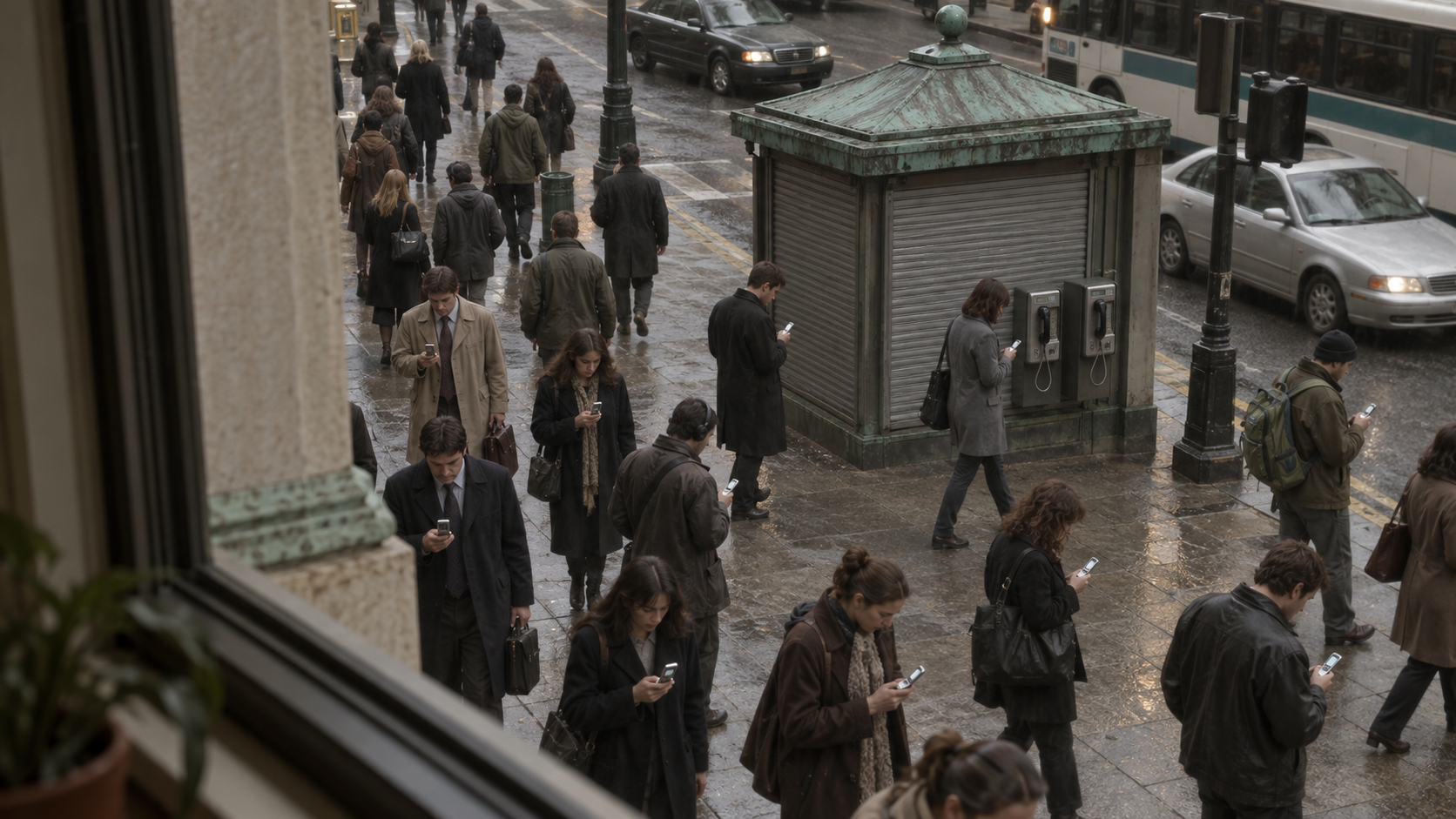
Spam did not exist. Neither did payment fraud at any scale, because payment ran through the operator's ledger and the operator knew exactly who you were. Parents worried very little about what their children found on the terminal, and were mostly right not to.
The same ledger told the interior ministry who had read what. When the bread riots reached a Mediterranean capital in the spring of 2011, the crowd learned what was happening three streets away from a transistor radio, and by evening the ministry had the subscriber list of everyone who had looked up bus routes to the square that morning.
Machine learning worked. It worked on whatever corpus a national licensor had cleared, which meant it worked best in the four largest languages.

Reading room, 2026
The 1974 paper was declassified in 2019 along with about four thousand pages around it. It went into the national archive and mostly sat there.
It circulates anyway, photocopied and handed along at the edges of the radio clubs, where people build short-range packet meshes that stay legal because nobody has yet bothered to make them otherwise. The meshes carry gossip, chess games, and weather reports. They do not scale, and every operator running one knows they do not.
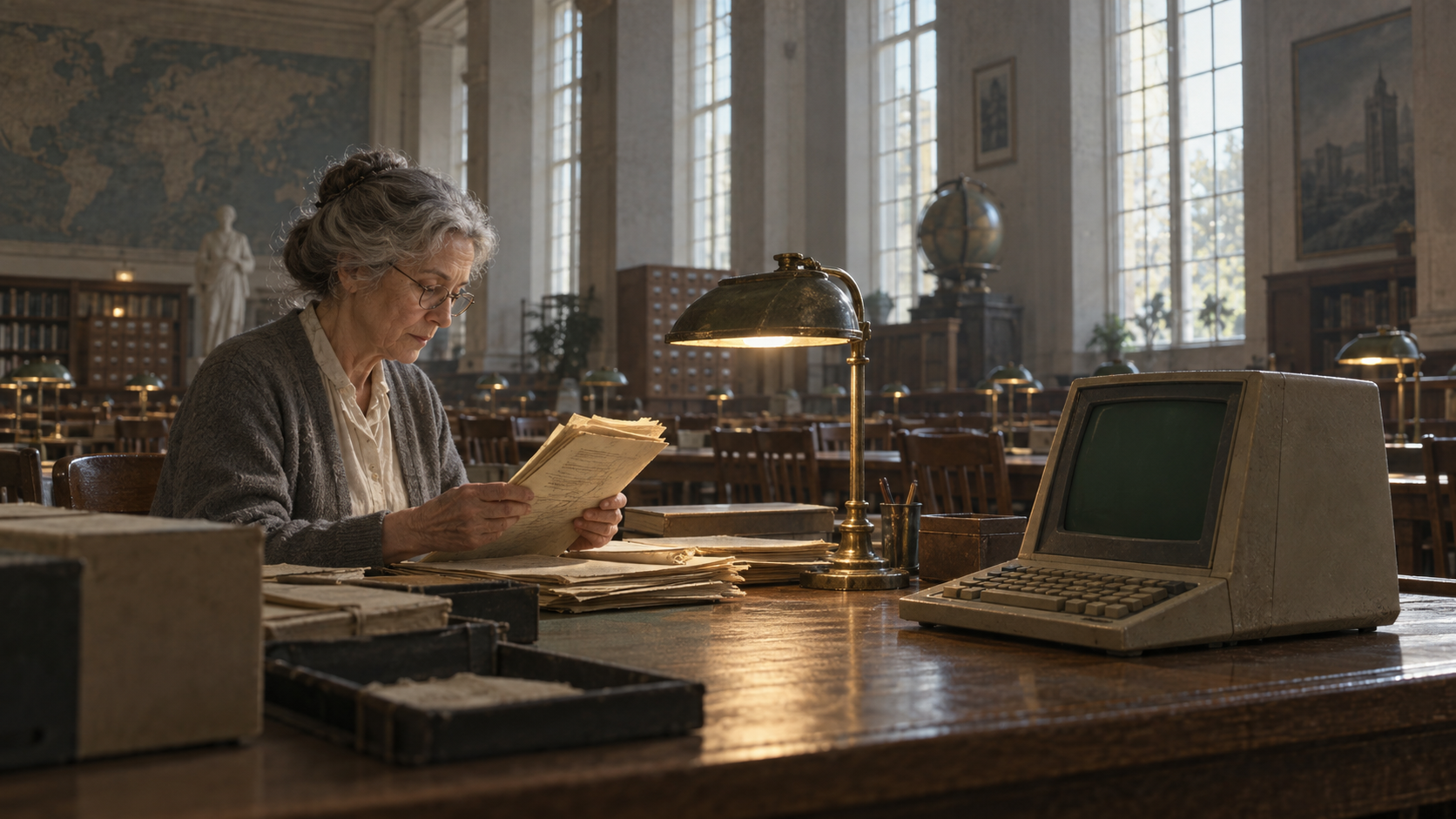
In the reading room, a woman who spent thirty-one years installing subscriber lines for the post office read the paper through twice. The whole design was four pages. It assumed the network would never need to know who she was.
More from Alternate History