The Number He Got Right
What if… What if, in 1942, Werner Heisenberg had told Hitler's armaments minister the truth about how small and how soon an atomic bomb could be, and Germany had built one first?
Synopsis
Given full backing in 1942, the German bomb program keeps its heavy water, brings a reactor critical under a church at Haigerloch, and tests a single device on a Baltic island in March 1945, months ahead of the Americans. Cornered and collapsing, the regime uses its one working bomb on a Soviet staging town east of the Oder. The strike does not win the war; it freezes it. When the United States reveals its own bomb that July, mutual terror arrives years early. No peace is signed. Europe is cut in half by wire, a crippled and isolated Reich survives behind its few weapons, its crimes trailing off into locked archives, and two generations grow up rehearsing for the sirens.
The Number He Got Right
What if… What if, in 1942, Werner Heisenberg had told Hitler's armaments minister the truth about how small and how soon an atomic bomb could be, and Germany had built one first?
In the summer of 1942, German physics was ahead of everyone. Otto Hahn had split the uranium nucleus in a Berlin laboratory four years earlier, and a cluster of first-rate scientists, Werner Heisenberg among them, understood the theory of a chain reaction as well as anyone alive. In early June, Heisenberg sat with the armaments minister, Albert Speer, in Harnack House in Dahlem and was asked a plain question: could this make a weapon, and how soon? In our history he hedged. He spoke of years, of reactors, of daunting quantities of material, and Speer filed the bomb away as a long shot. Here, Heisenberg does the arithmetic aloud, gets it right, and says two years.
The arithmetic
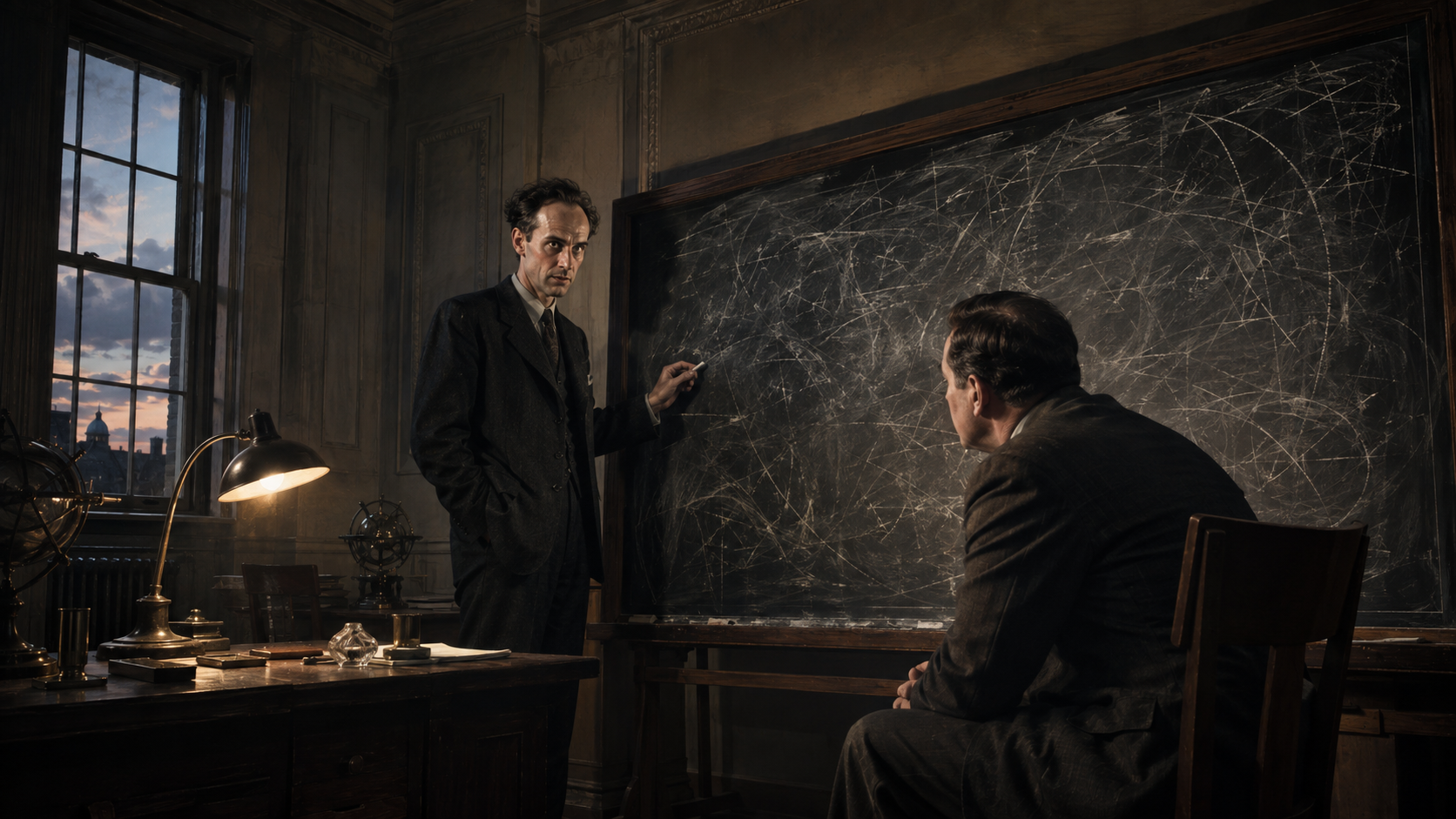
Speer had expected another cautious professor. Instead Heisenberg went to the blackboard and worked the number in front of him: not tons of uranium but kilograms, if you separated the rare isotope, and a device small enough to fit inside an aircraft. Give me priority over the reactor people, he said, protected labor, and the isotope plants, and you will have a weapon in about two years. Speer was an organizer before he was a believer, and he recognized a man who had stopped hedging. Within a month the project carried the top procurement rating in the Reich. Diebner's reactor group and Gerlach's administrators were folded under one roof. The money stopped being a research budget and became a war program.
Heavy water
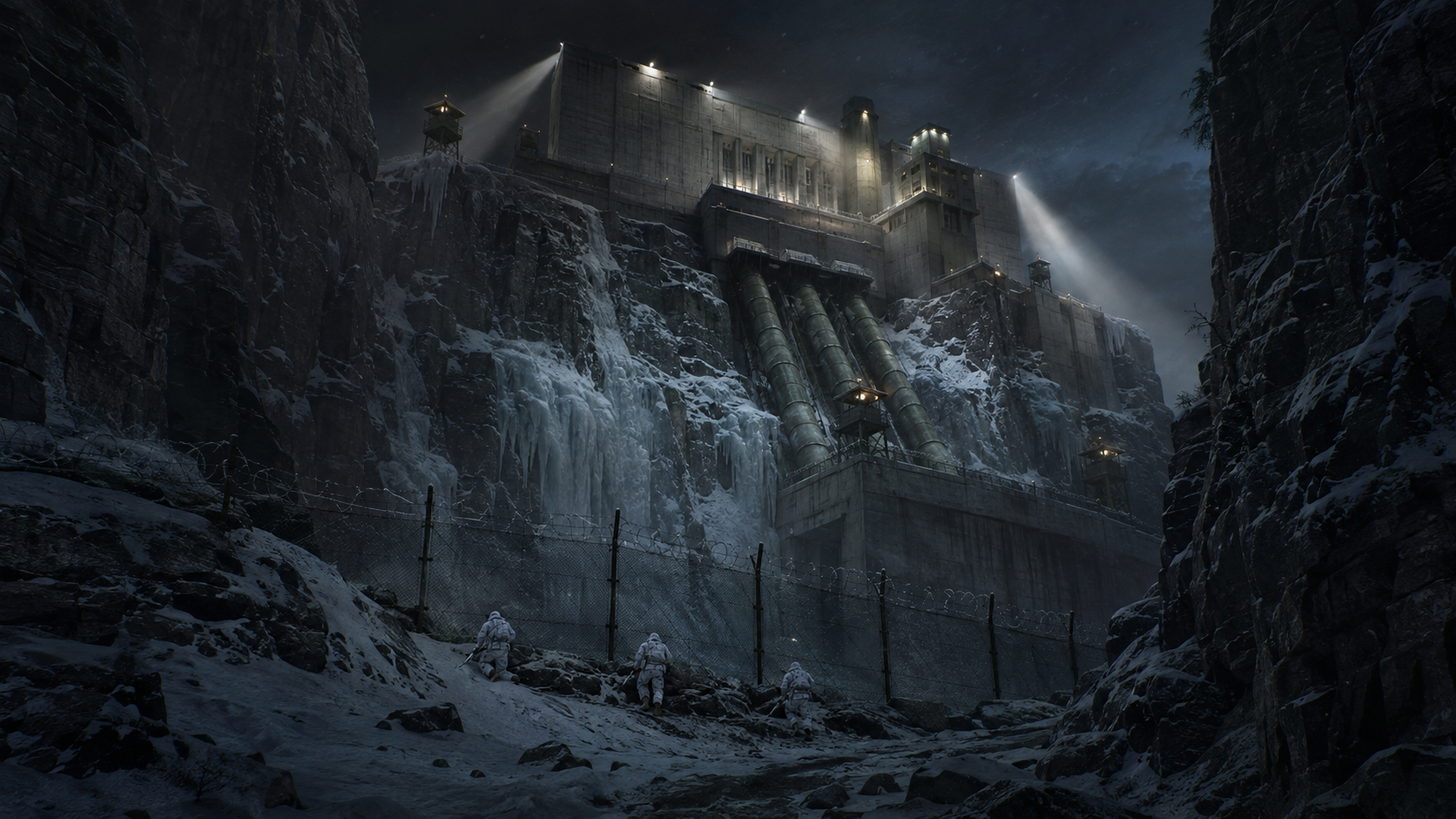
The one thing they could not improvise was heavy water, and all of it came from a single plant clinging to a gorge at Vemork in occupied Norway. In our history a handful of Norwegian commandos climbed that gorge in the winter of 1943 and blew the plant apart. Here the plant is already a fortress, floodlit, mined, the garrison tripled the month before. The raiders reach the fence and no further. The heavy water keeps moving south by rail. Under a church at Haigerloch, in a cave cut into the rock, a lattice of uranium cubes hangs in a tank and inches toward criticality. The work went fast. The counting of who paid for it came later.
The island
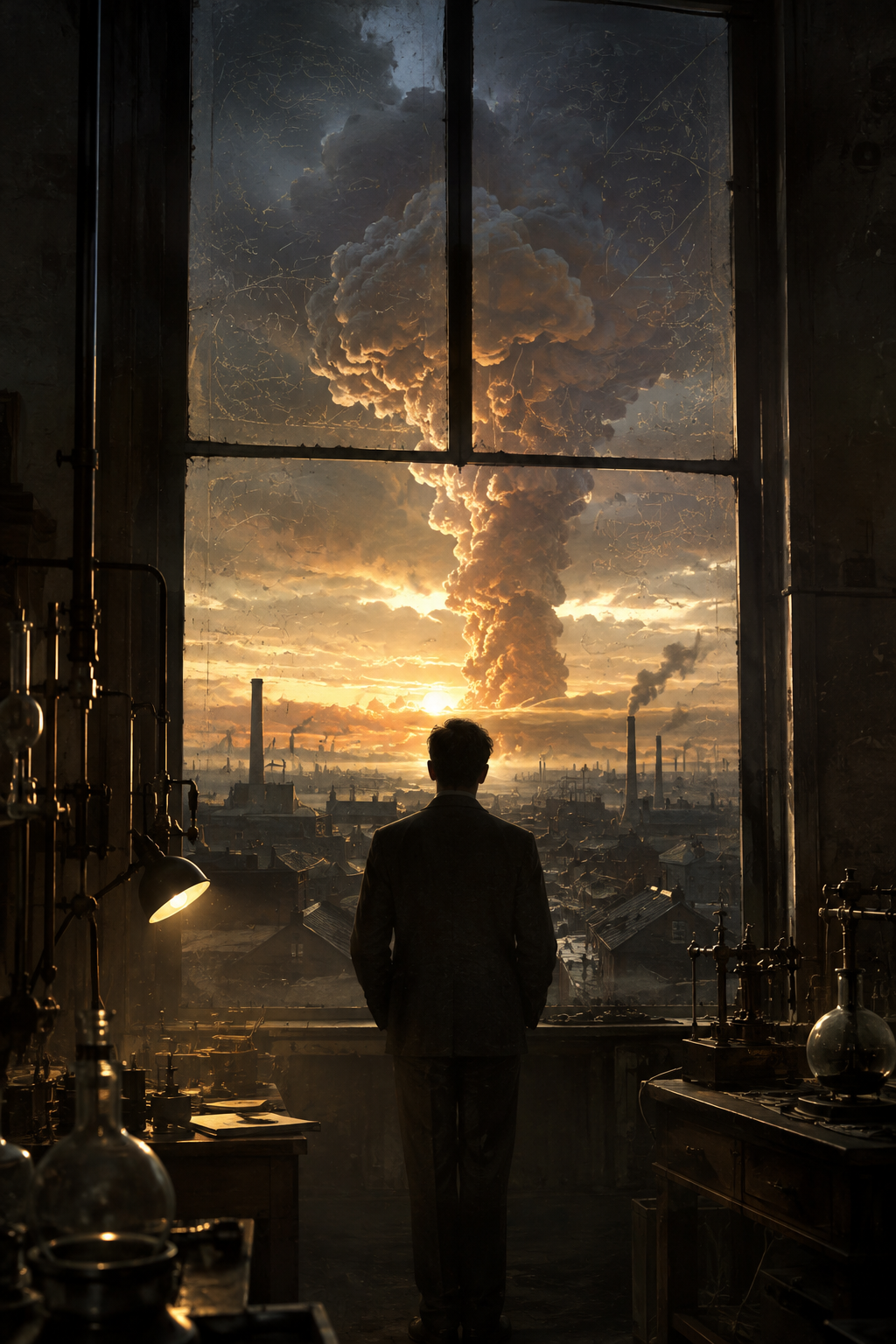
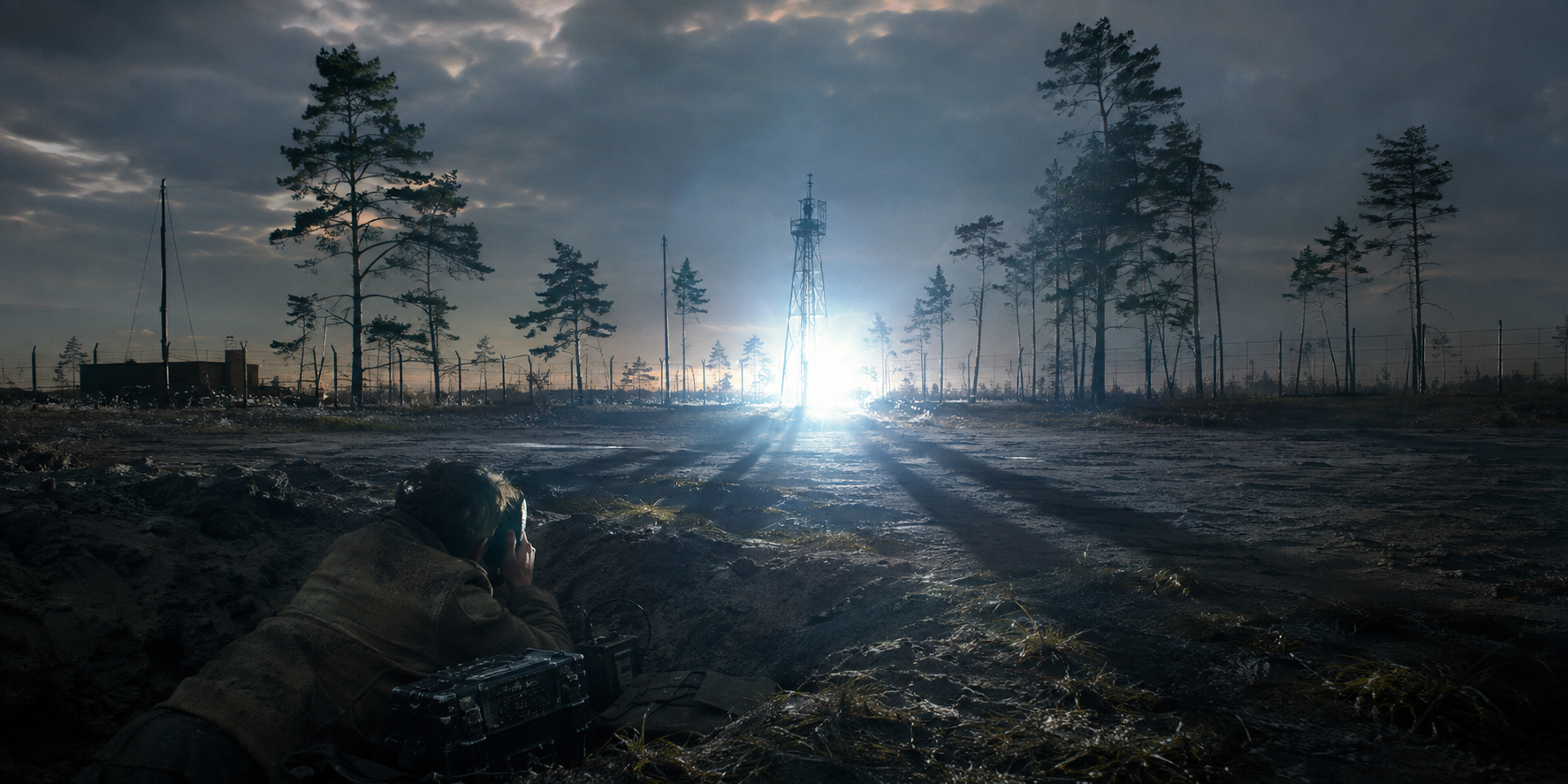
By the autumn of 1944 the pile under the church was alive, and a second complex was breeding the material a bomb would need. It went slower than Heisenberg's two years; the bombing of the rail yards saw to that. But in the first grey week of March 1945, on a fenced range on an island in the Baltic, they were ready to try the thing itself. Erwin, a young instrument technician, lay in a trench four kilometers off with smoked glass pressed to his face and counted down through a field telephone. The light came before the sound, whiter than any morning, and threw the shadows of the pines the wrong way. Then the ground shrugged, and he understood they had done it.
The ultimatum
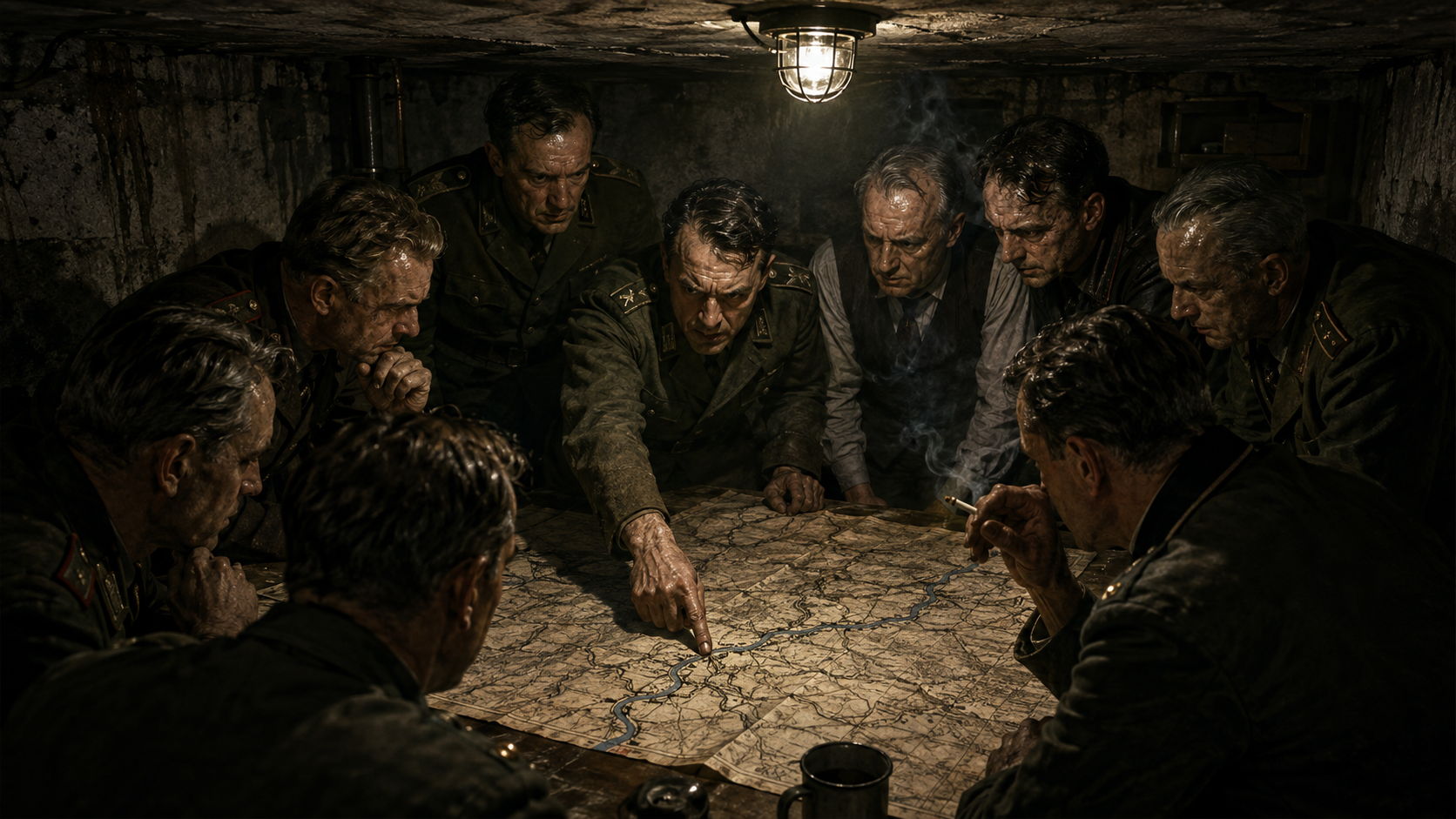
They had one weapon that worked and the makings of a second, and almost nothing else. The Rhine was lost. Soviet artillery could be heard from the eastern suburbs of the capital on still nights. In a concrete room below the Chancellery garden the argument ran for days. The soldiers wanted it dropped on the Red Army massing east of the Oder, to buy the front a season. Others wanted a demonstration over open water, filmed, with terms attached: stop at these lines, or the next one falls on a city. In the end the regime, cornered and out of time, chose the target that promised the most fear from a single bomb. They chose the army.
The flash
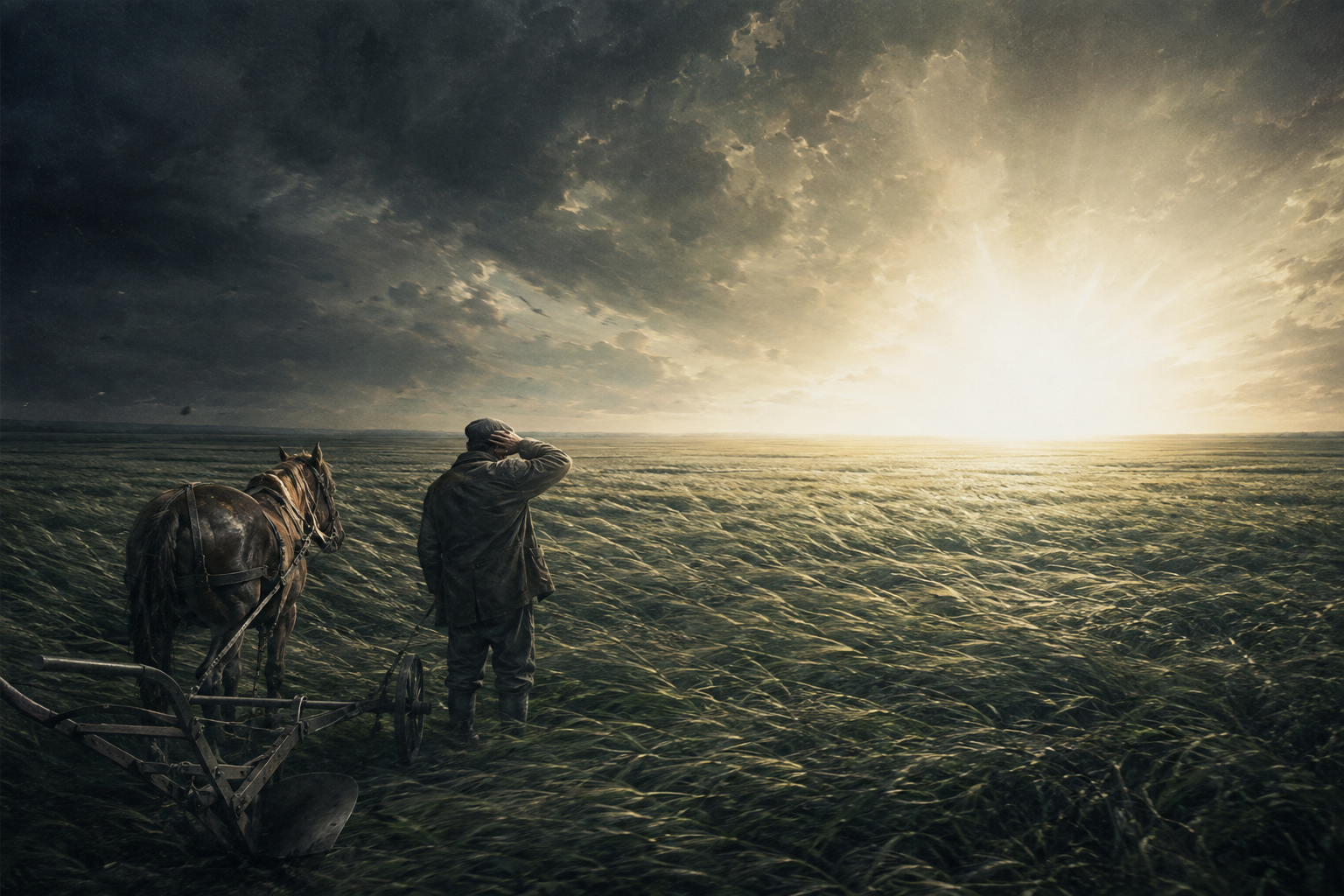
The bomber went out before dawn with a fighter escort it did not really need, because nobody was expecting what it carried. The target was a rail town behind the Soviet lines, swollen to five times its size with men and fuel and shells waiting for the last push west. A Polish farmer named Tadeusz, plowing a field eight kilometers south, saw the sky turn to a sheet of white and felt the heat on the side of his face like an open oven door. Then a wind came that was not weather and laid the young wheat flat. He never learned the name of what he had seen. For a long time afterward the birds did not come back to that valley.
Two suns
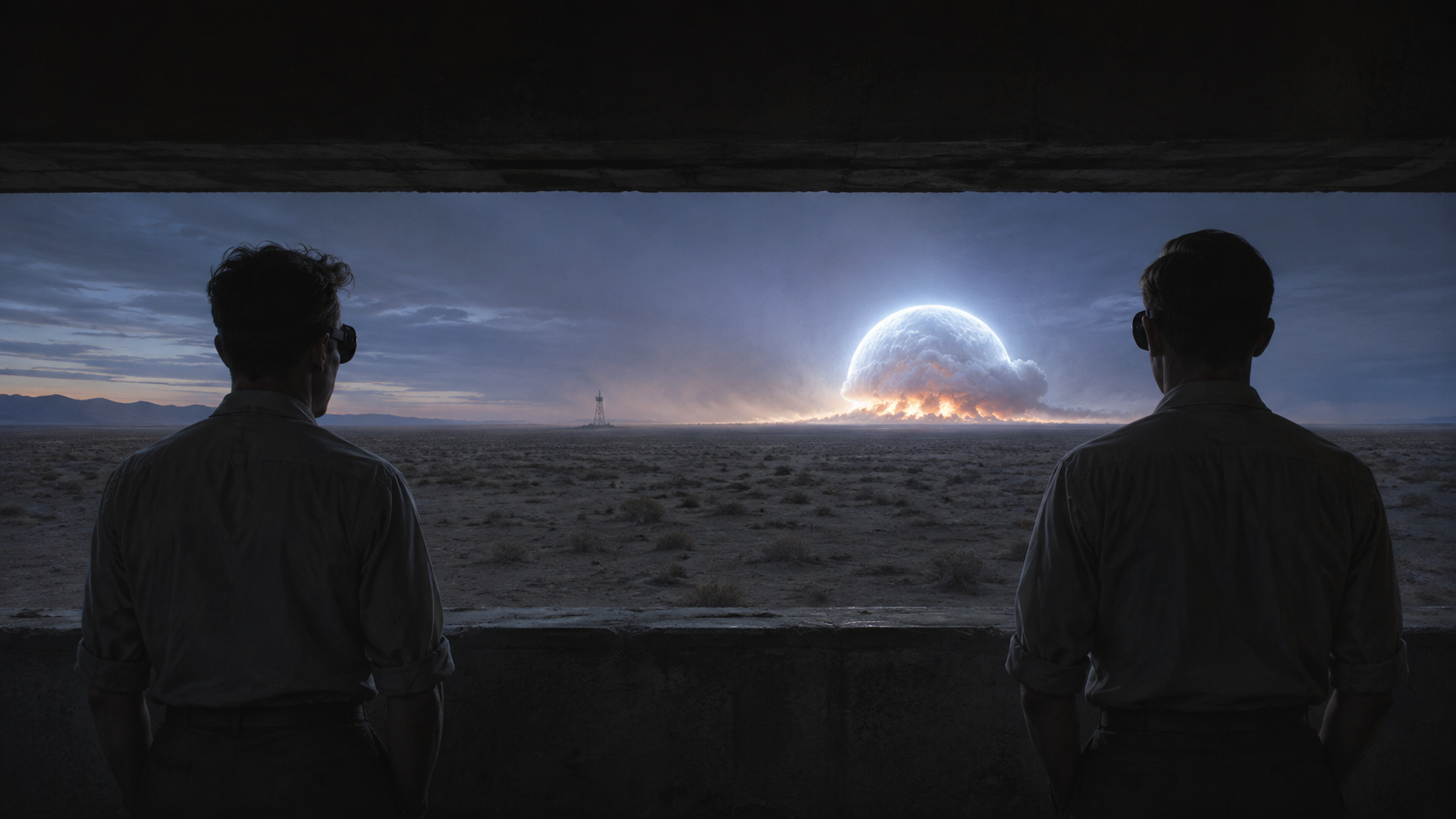
What followed was not surrender, which the regime had gambled on, but silence and then fury. Stalin did not negotiate; he ordered the advance to continue across the poisoned ground and let no ally see how the news had shaken him. In Washington and in the New Mexico desert, men who had believed themselves first went pale, and then went faster. On the sixteenth of July a second false sun rose over American sand, and the war changed shape again. Neither side had an arsenal, only a handful of terrible eggs and the certainty the other could make more. The fighting did not stop so much as freeze, army against army, along the lines where the armies happened to stand.
The frozen map
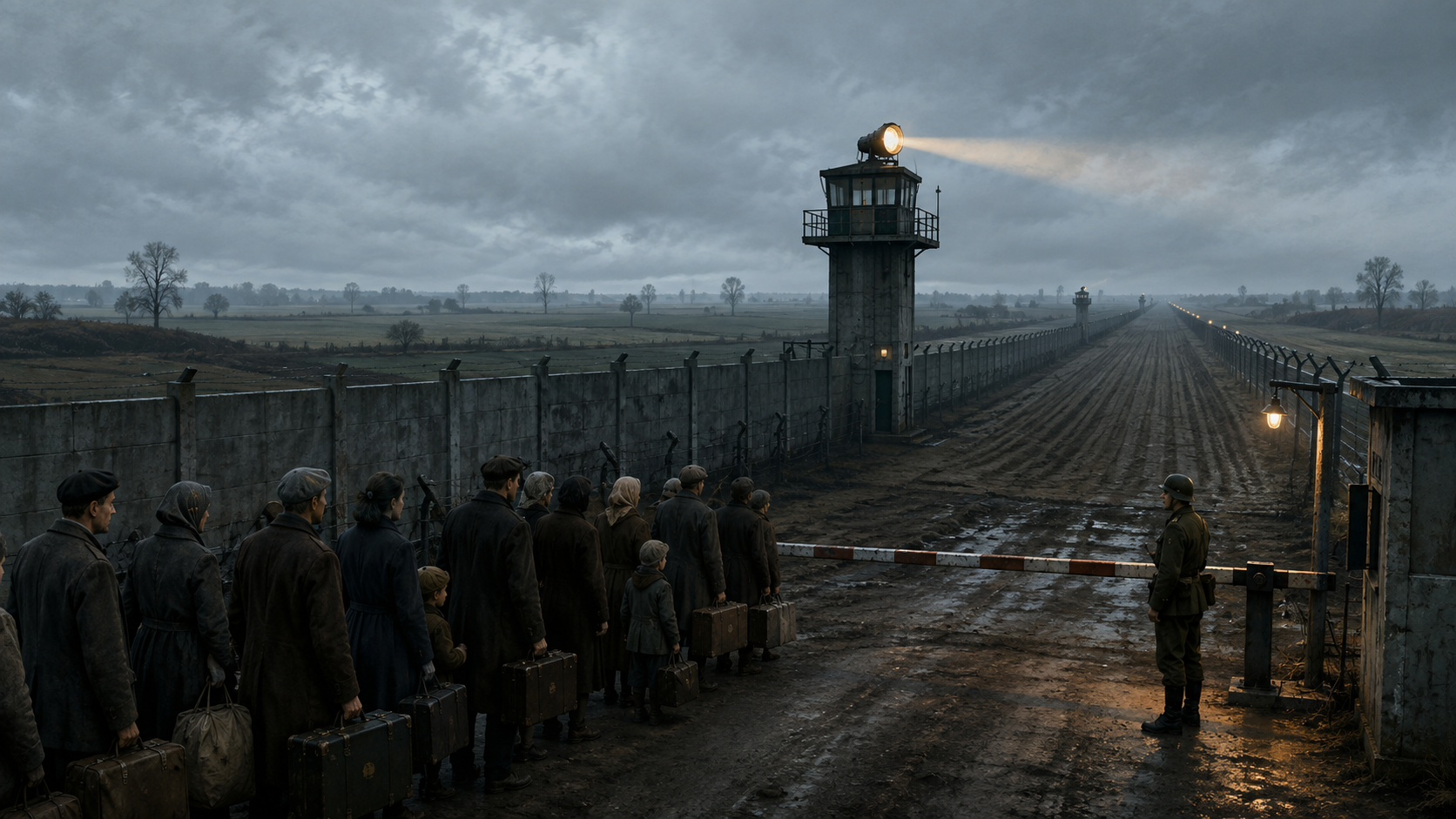
No one signed a peace, because no one could design a peace that a cornered nuclear state would accept. What emerged instead was a line of wire and watchtowers drawn across the middle of Europe and left there. The Reich survived, smaller, poorer, hated, and armed, a garrison state living behind its few bombs and the promise of more. The crimes committed in its camps did not end in a courtroom, as they should have, but trailed off into denial and locked archives the victors could not reach. Children in Lyon and Chicago and Kiev grew up practicing what to do when the sirens ran long. The world had bought forty years of Cold War in a single spring, and paid full price.
What they made
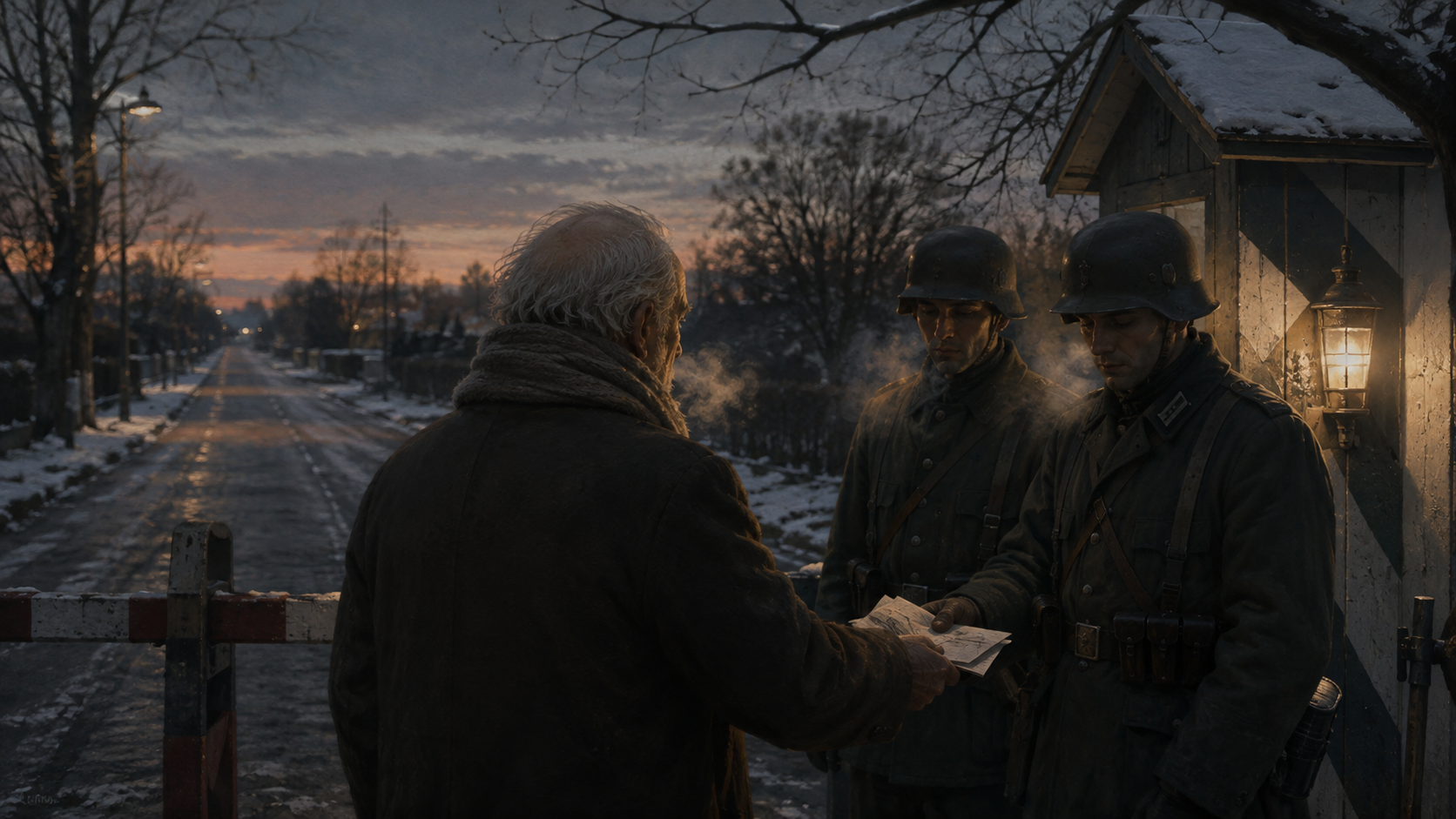
Heisenberg lived into old age a decorated man in a country few others would visit. Students still came to hear him, and now and then one would ask, carefully, whether he had understood in 1942 what the number on that blackboard would buy. He never gave the same answer twice. In the timeline where he hedged, no one could ever prove whether his caution had been conscience or plain error, and those who wished to would call it the great mercy of the century. Here there was no such argument to have. On winter evenings the old man walked out past the checkpoint at the end of his road, showed his papers to boys younger than his grandsons, and stood a while looking east, at the dark where the other suns were kept.
More from Alternate History