The Note That Was Answered
What if… What if the Western Allies had tested rather than dismissed Stalin's 1952 offer of a reunified, neutral Germany, so the country was never split and the Berlin Wall was never built?
Synopsis
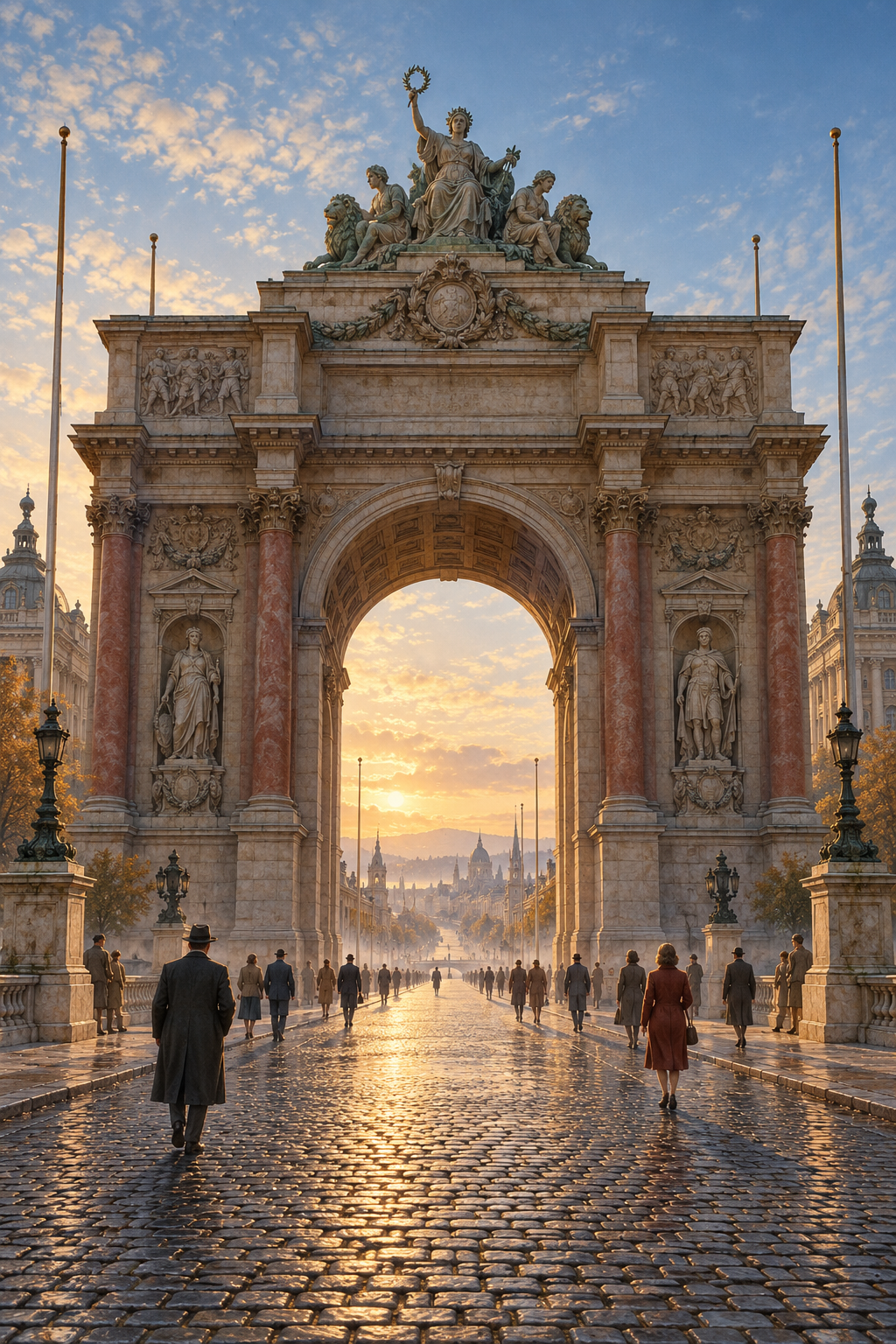
When the Western Allies test rather than dismiss Stalin's 1952 offer, four-power talks and Stalin's death the next year clear the way for free all-German elections in 1954 and a single, neutral, lightly armed Germany. The Warsaw Pact forms weak and late, NATO loses its forward edge, and Berlin is never walled. A prosperous neutral country in the heart of Europe becomes a standing example the Soviet bloc cannot refute, straining its satellites for decades without toppling them outright. The Cold War grinds on, but its central wound never opens, and the Europe that emerges by the 1980s is built around a wide neutral band instead of a line drawn through a divided nation.
The Note That Was Answered
What if… What if the Western Allies had tested rather than dismissed Stalin's 1952 offer of a reunified, neutral Germany, so the country was never split and the Berlin Wall was never built?
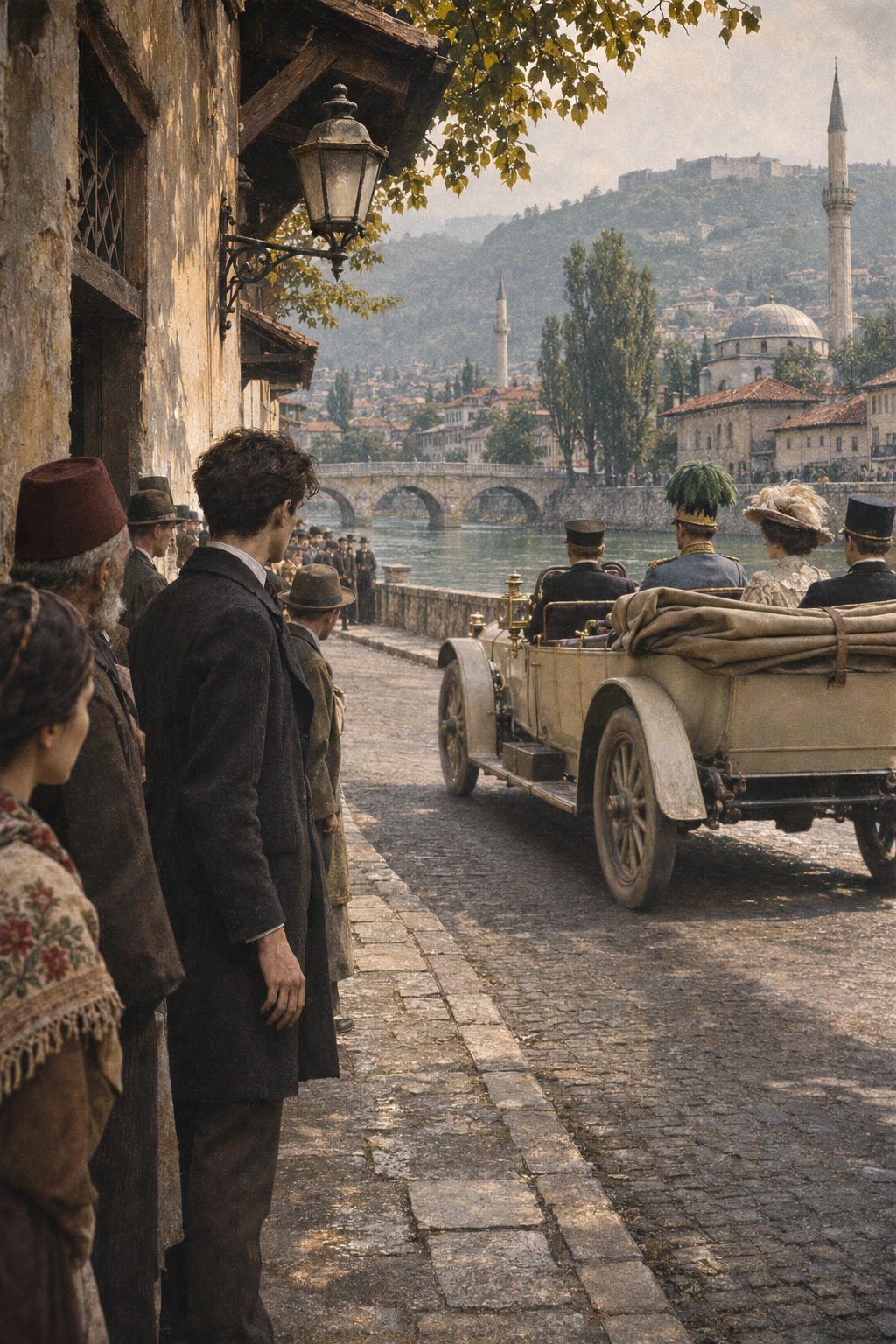
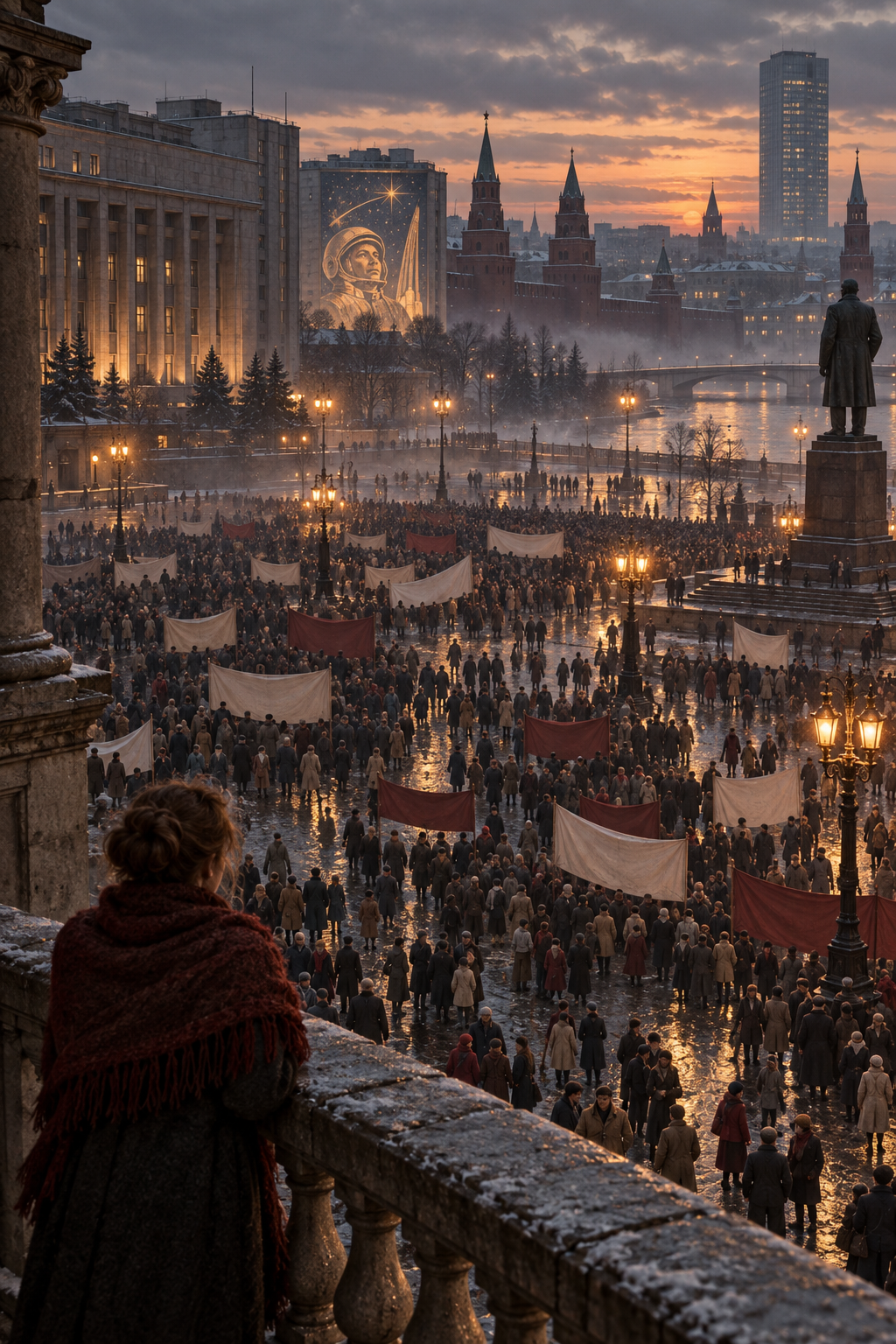
By 1952 Germany had been split for seven years into zones of occupation, hardening into two states: a Western republic tied to Washington, a Soviet-run east. In March, Stalin sent the Western capitals a note. Pull your blocs back, he wrote, and let Germans vote in one free election for one neutral, disarmed country. In our history, Konrad Adenauer and the Allies read it as a ploy to keep West Germany out of their camp, and answered with conditions designed to make Moscow walk away. Millions of Germans wanted the offer tested anyway. In this telling, they get their wish: the West drafts a reply that takes Stalin at his word and asks him to prove it at the table.
A Reply, Not a Refusal
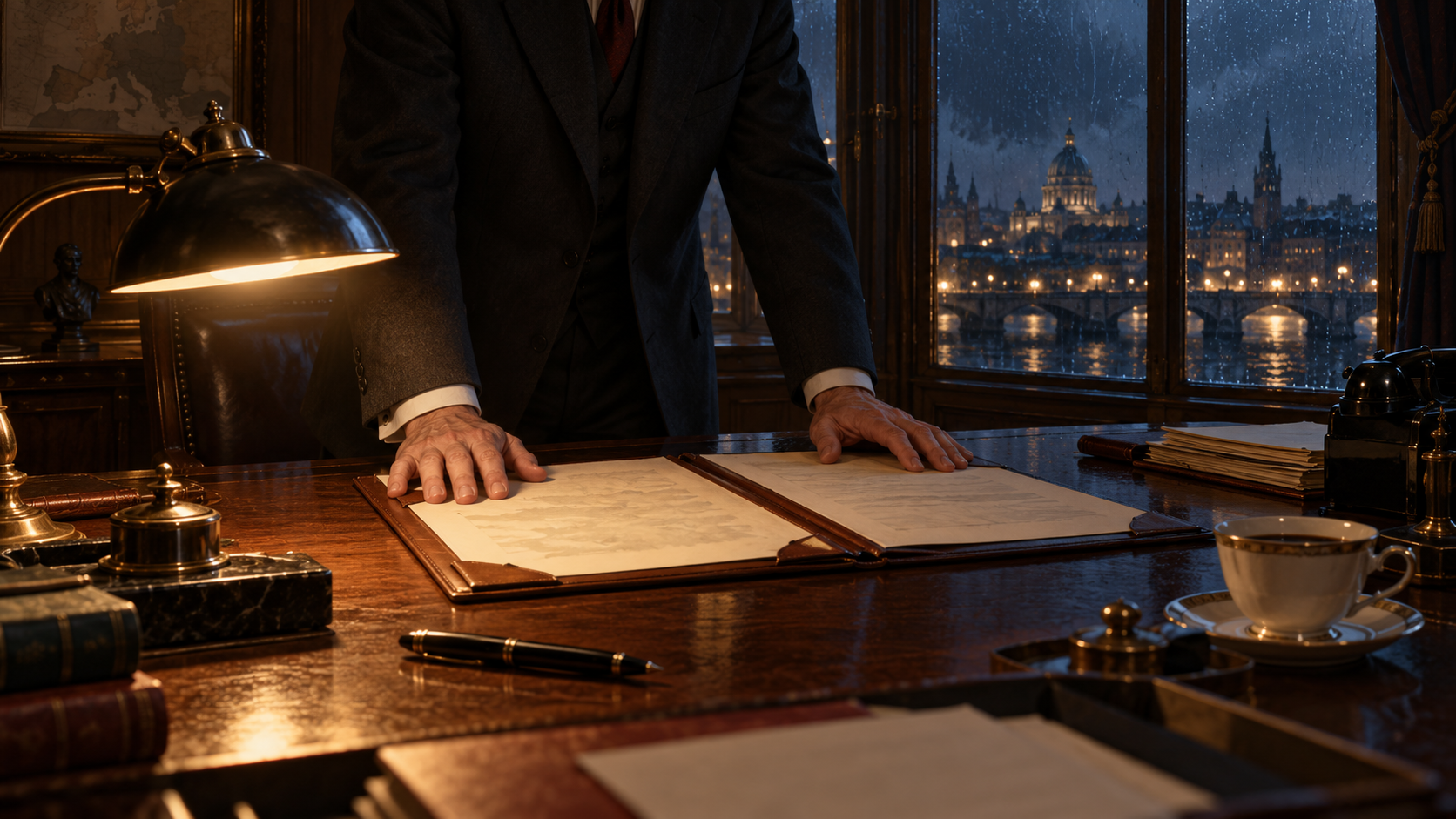
The second Western note, sent that spring, dropped the clauses meant to make Moscow walk away. It accepted the principle of neutrality and asked only that the elections be watched by observers both sides could name. In Bonn, Adenauer argued the whole thing was theater; his cabinet backed a reply anyway, cornered by a parliament and a press that would not let reunification die quietly. In London, Churchill, back in office and hungry for one last summit, leaned on Washington to answer rather than stall. Moscow replied within the month. By summer, four foreign ministers had agreed to meet in Vienna and argue over what a free German vote would actually look like.
The Table at Vienna
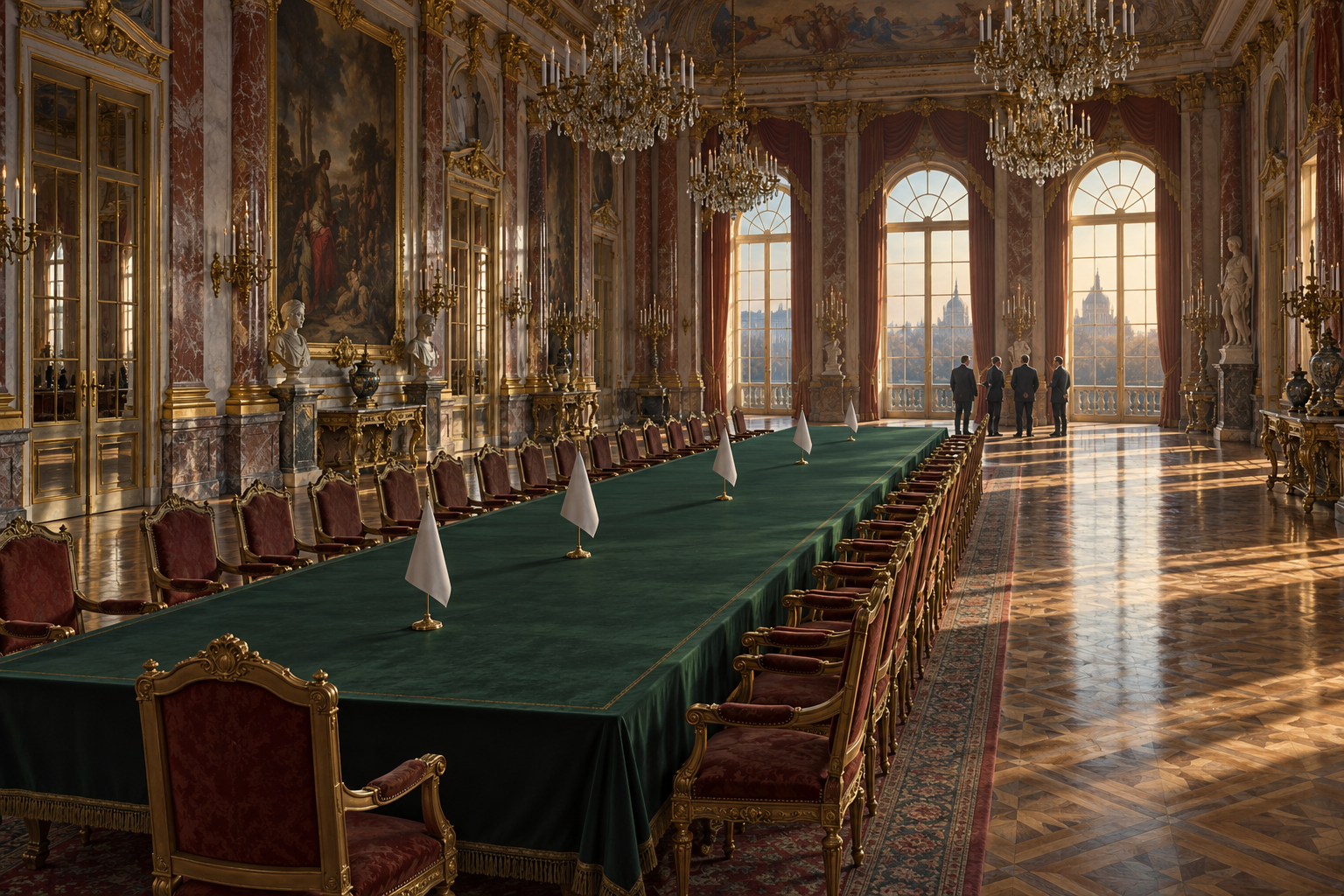
The talks opened in a Habsburg palace and nearly collapsed twice over who would supervise the count. Then, in March 1953, Stalin died, and the men who followed him wanted quiet on their western edge more than they wanted a garrison state. Lavrentiy Beria, briefly powerful, had already told colleagues the east German project was not worth the cost of propping up. His rivals removed him by summer, but they kept the opening he had named. A reunified neutral Germany, disarmed and barred from either alliance, began to look less like propaganda and more like a Soviet exit from an expensive occupation. The observers were agreed on by autumn.
One Ballot, One Country
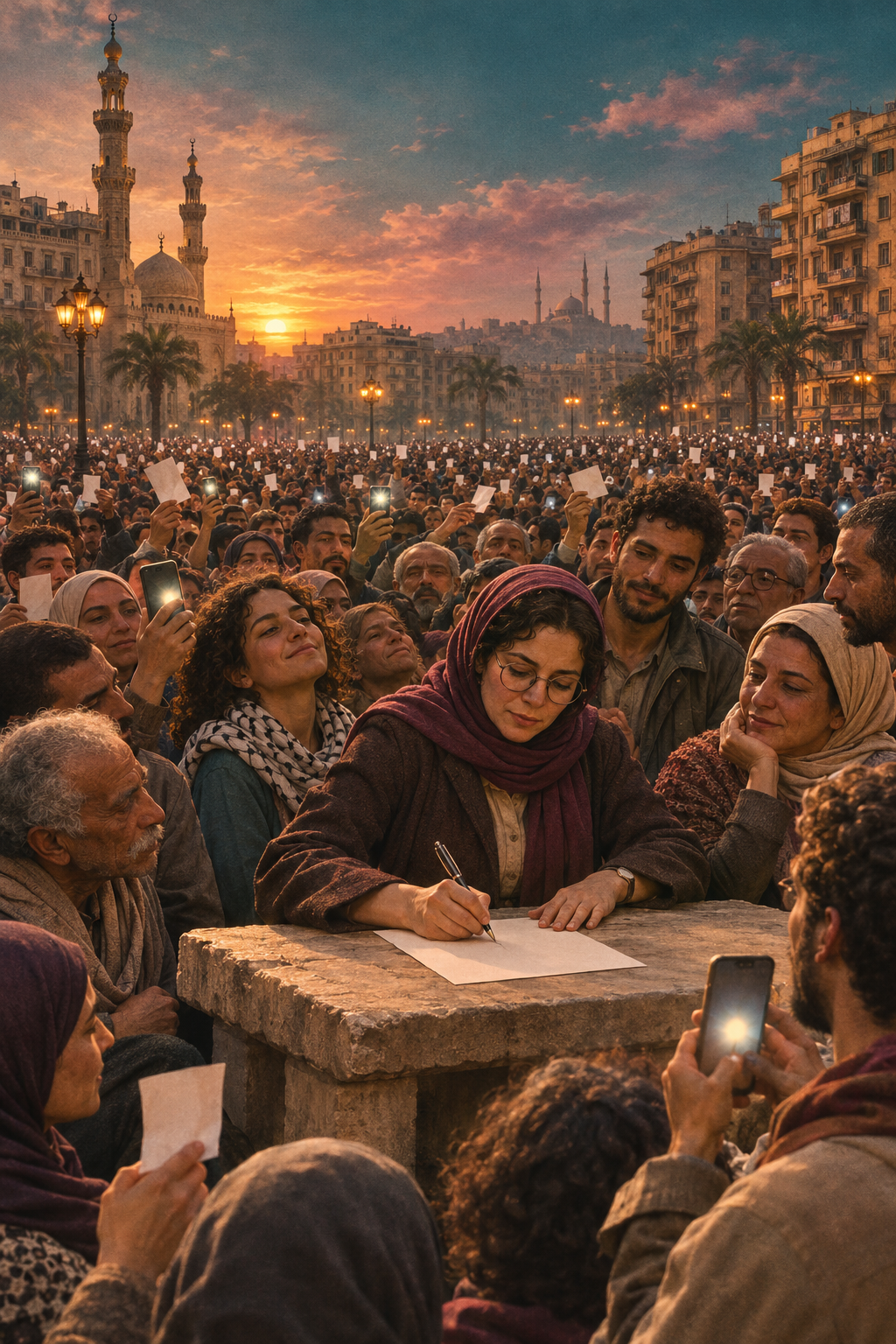
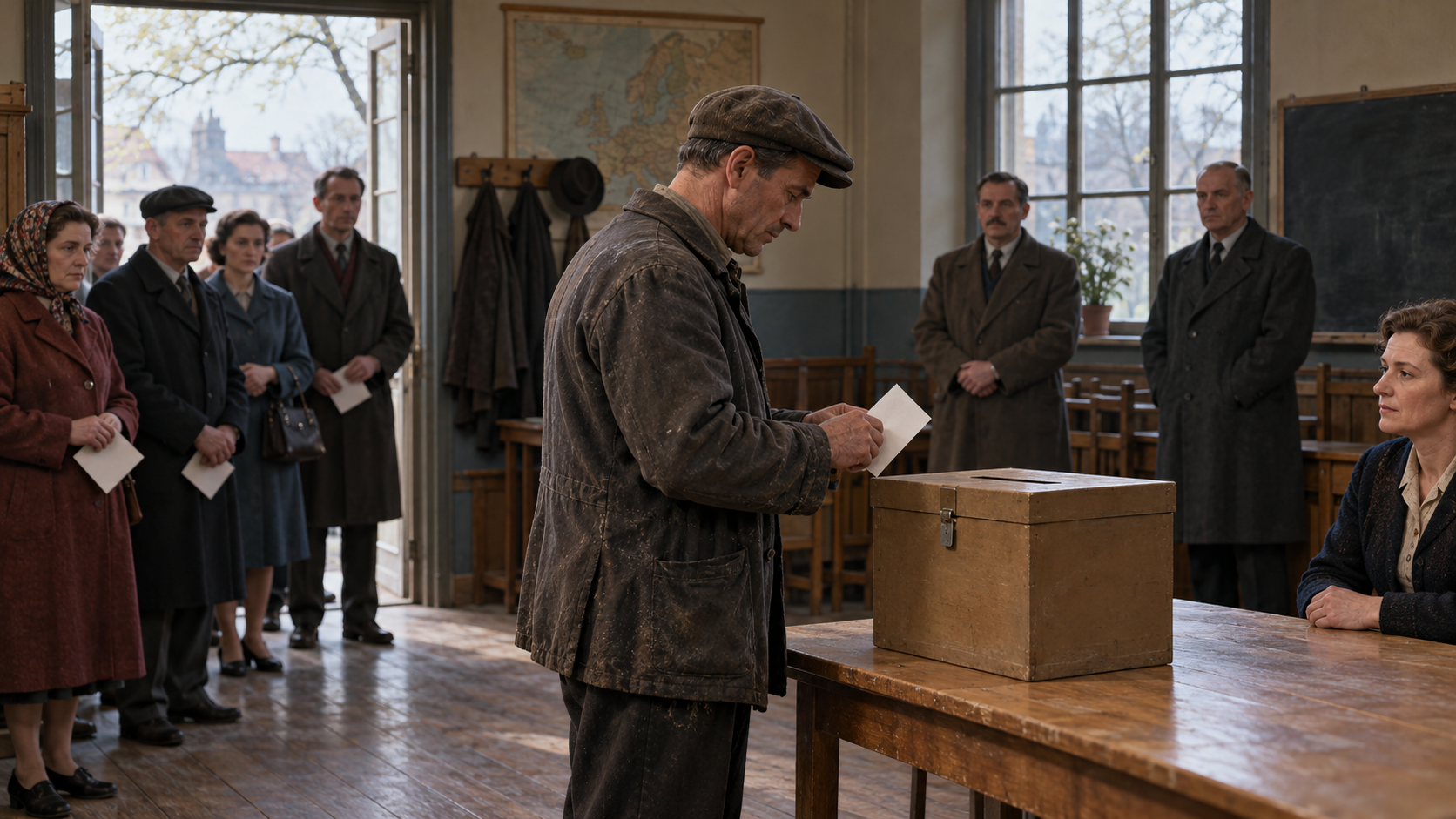
They voted on a cold Sunday in the spring of 1954, from Aachen to the Oder, under the eyes of Swedish and Indian monitors. A machinist in Dresden who had spent eight years being told the vote would never come folded his ballot twice before he let it drop. The count ran three days. The parties of the democratic center took the largest share; the communists, running openly across the whole country for the first time, polled badly outside their old strongholds. A single Germany had a parliament again, neutral by treaty, its army capped at a size that could guard borders and not much else. The occupiers began drafting timetables to go home.
The Pact That Never Formed
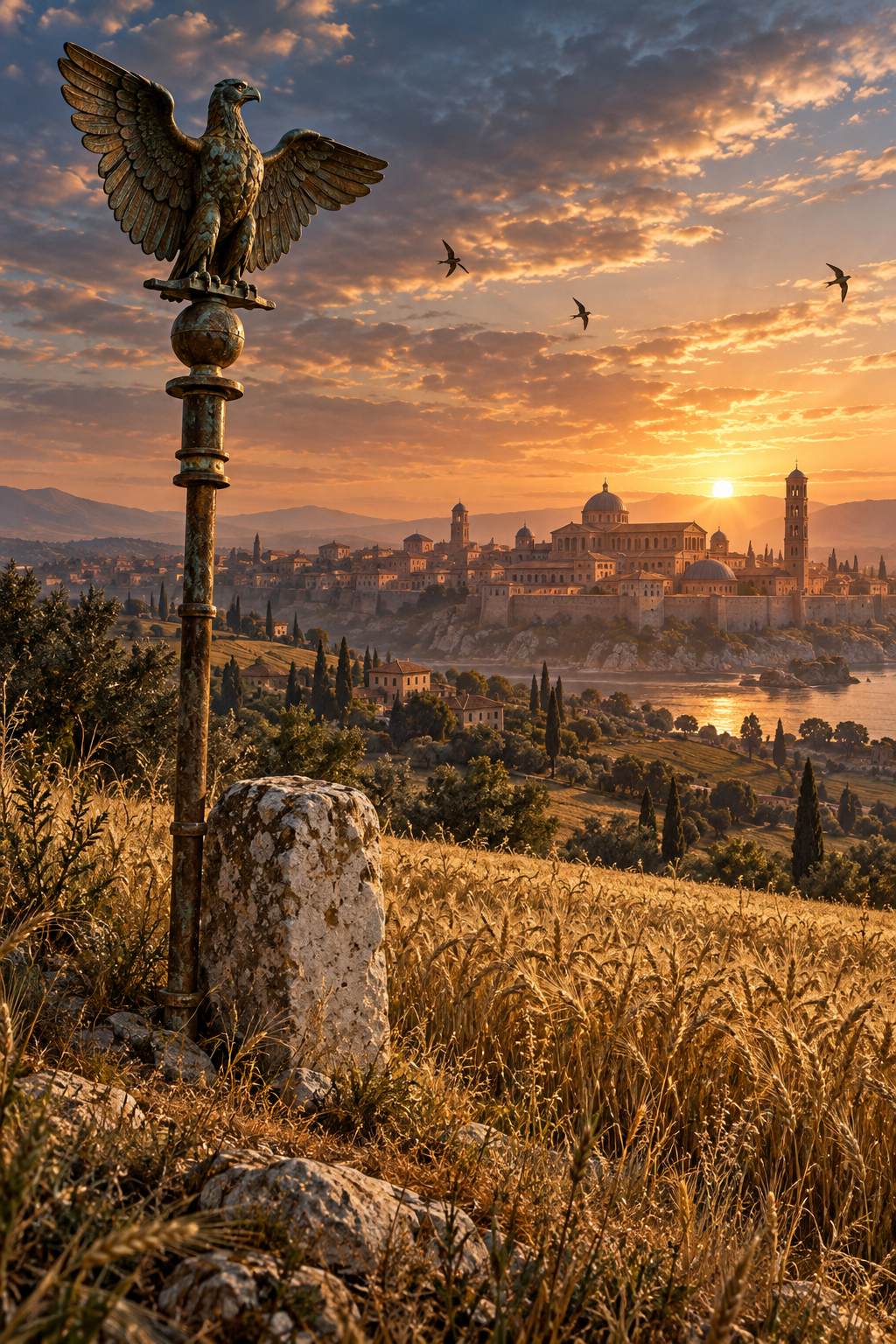
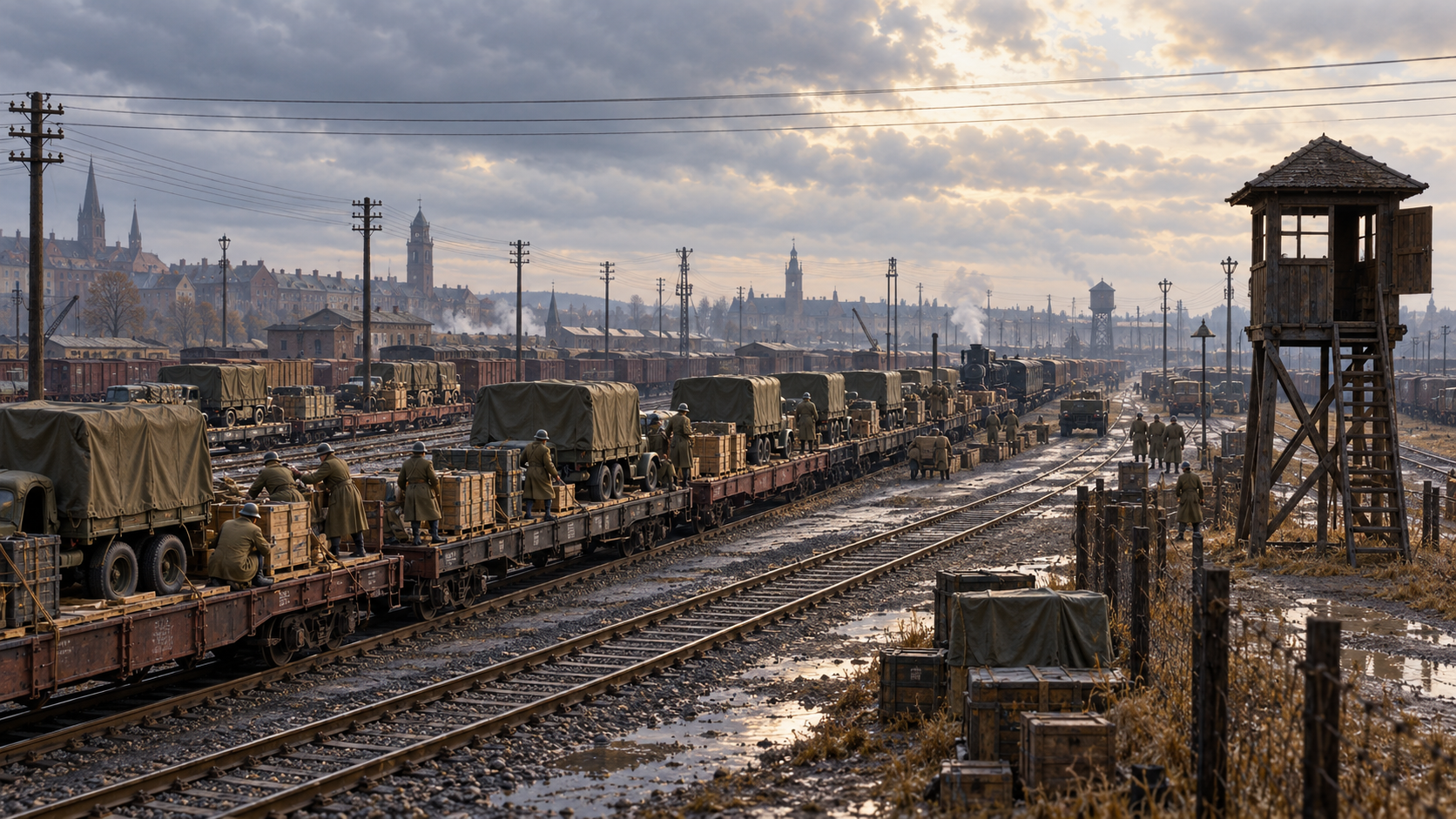
The bargain rearranged everything built around a divided Germany. West German troops were to have been NATO's shield on the central front; now there were no West German troops and no front there at all. The Warsaw Pact, which in our history Moscow founded in 1955 chiefly to answer that rearmament, had far less to answer. It came together smaller and later, more a paper alliance than a cordon. NATO kept its western anchor but lost its forward edge; American divisions that would have sat in Hesse now argued their way into France and Italy instead. Europe's military line no longer ran down the middle of Germany. It ran, vaguely, somewhere east of it.
The Summer the Wall Didn't Come
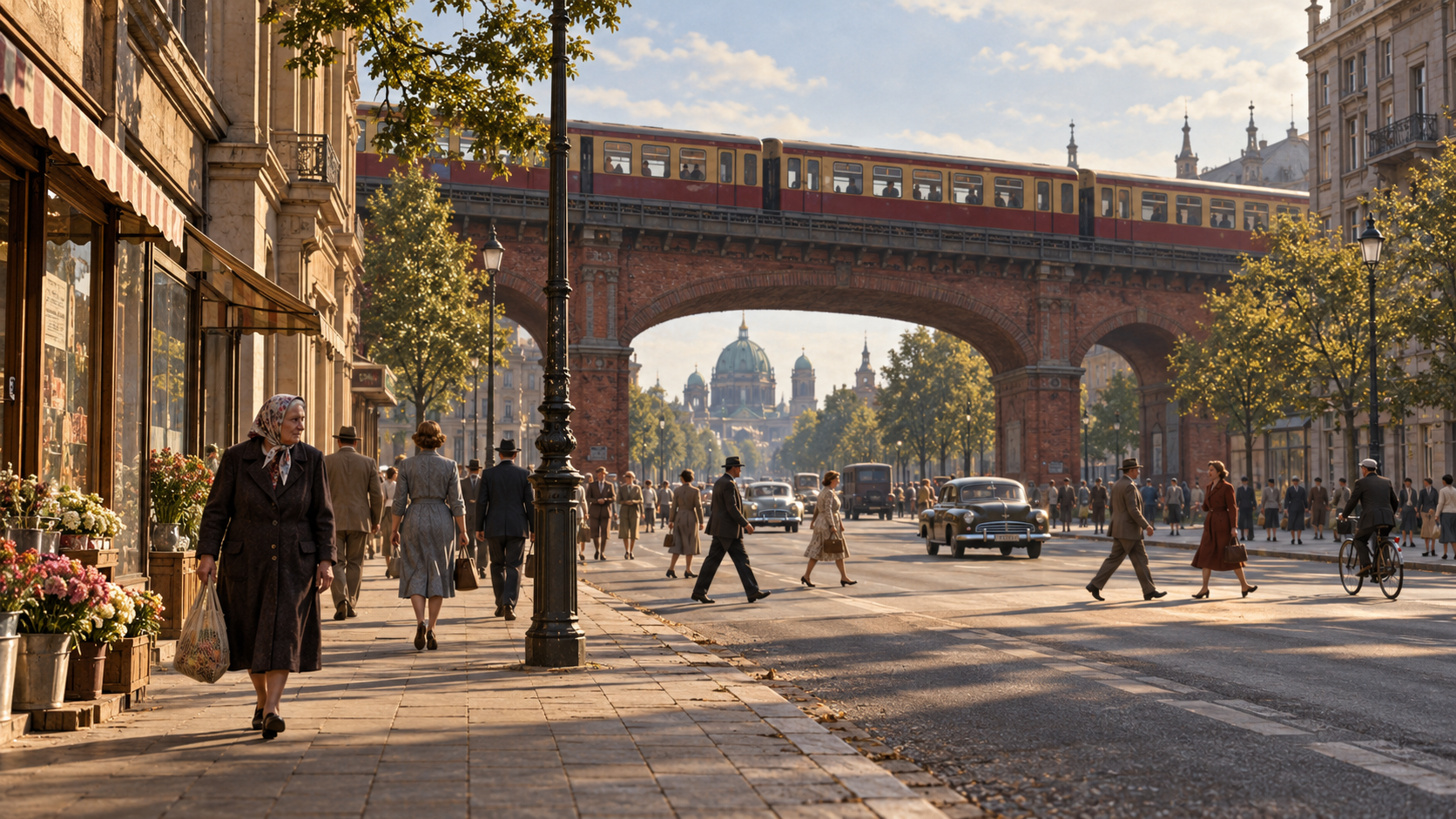
Berlin stayed one city. In August 1961, the month that in another timeline would be remembered for coils of wire laid across streets in the dark, a whole generation of Berliners did nothing more historic than take the S-Bahn across town to work. There was no checkpoint on Friedrichstrasse, no death strip, no families waving across a line they could not cross. The city was poorer and stranger than the western half alone would have been, rebuilt unevenly, full of arguments between people who had spent a decade under different flags. But a grandmother in Prenzlauer Berg could ride out to see her son in Charlottenburg on a Sunday, and did, and thought nothing of it.
Neither Side's Germany
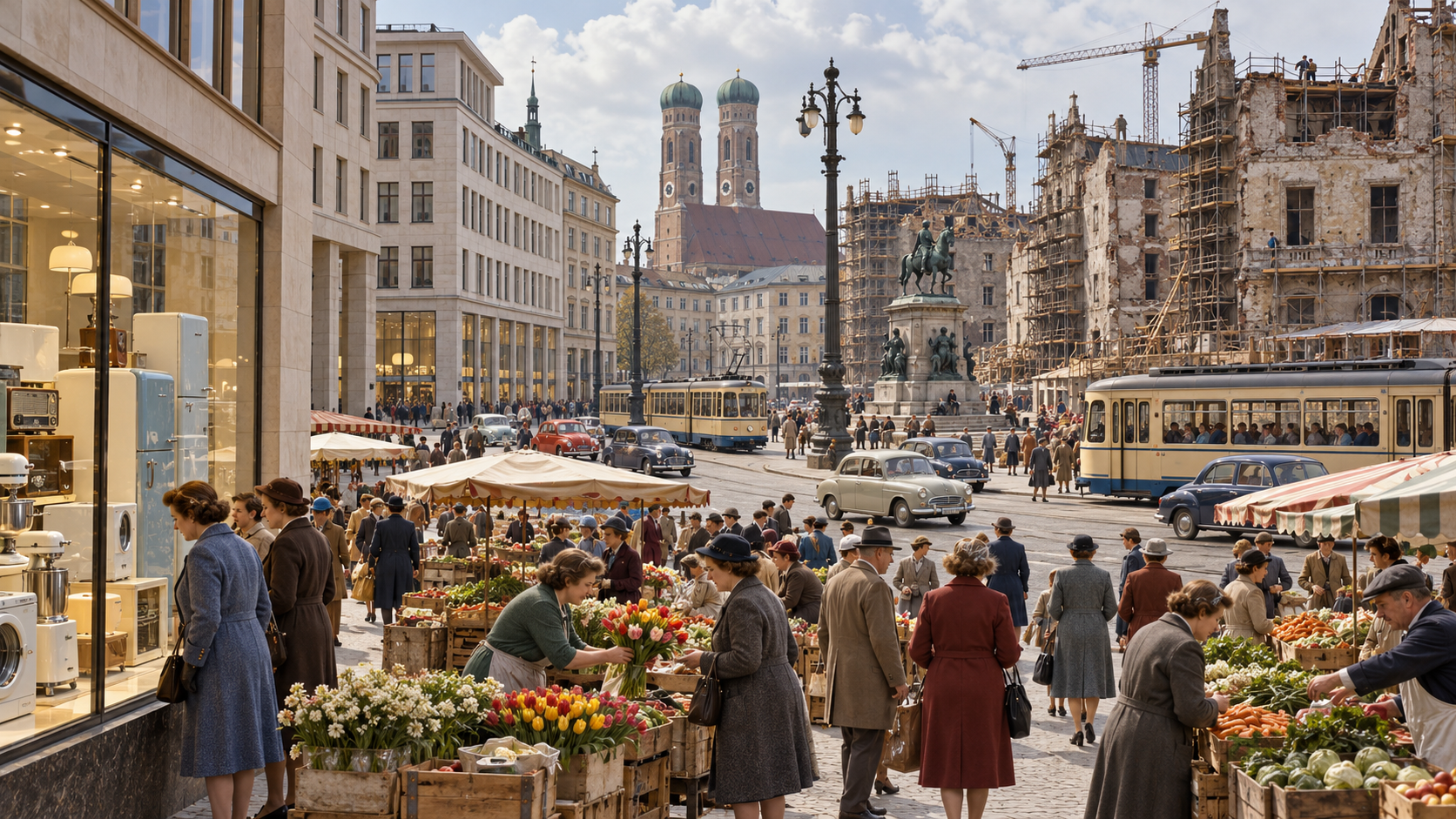
Through the sixties the neutral republic grew rich the way the western half alone had in our history, except the boom now reached the old eastern cities too, slower and patchier. Bonn (or rather a compromise capital, the ministries split between Frankfurt and a revived Berlin) traded with both blocs and lectured neither. Washington worried aloud that a Germany courting Moscow's markets would drift into its orbit; Moscow worried the reverse. Neutrality meant living with both suspicions at once. Its real weight fell east, on the satellite states: Poles and Czechs could now see, through an open German window, a neighbor that had stepped out of the Soviet system and done well. That was harder to explain away than a wall.
The Window Nobody Could Close
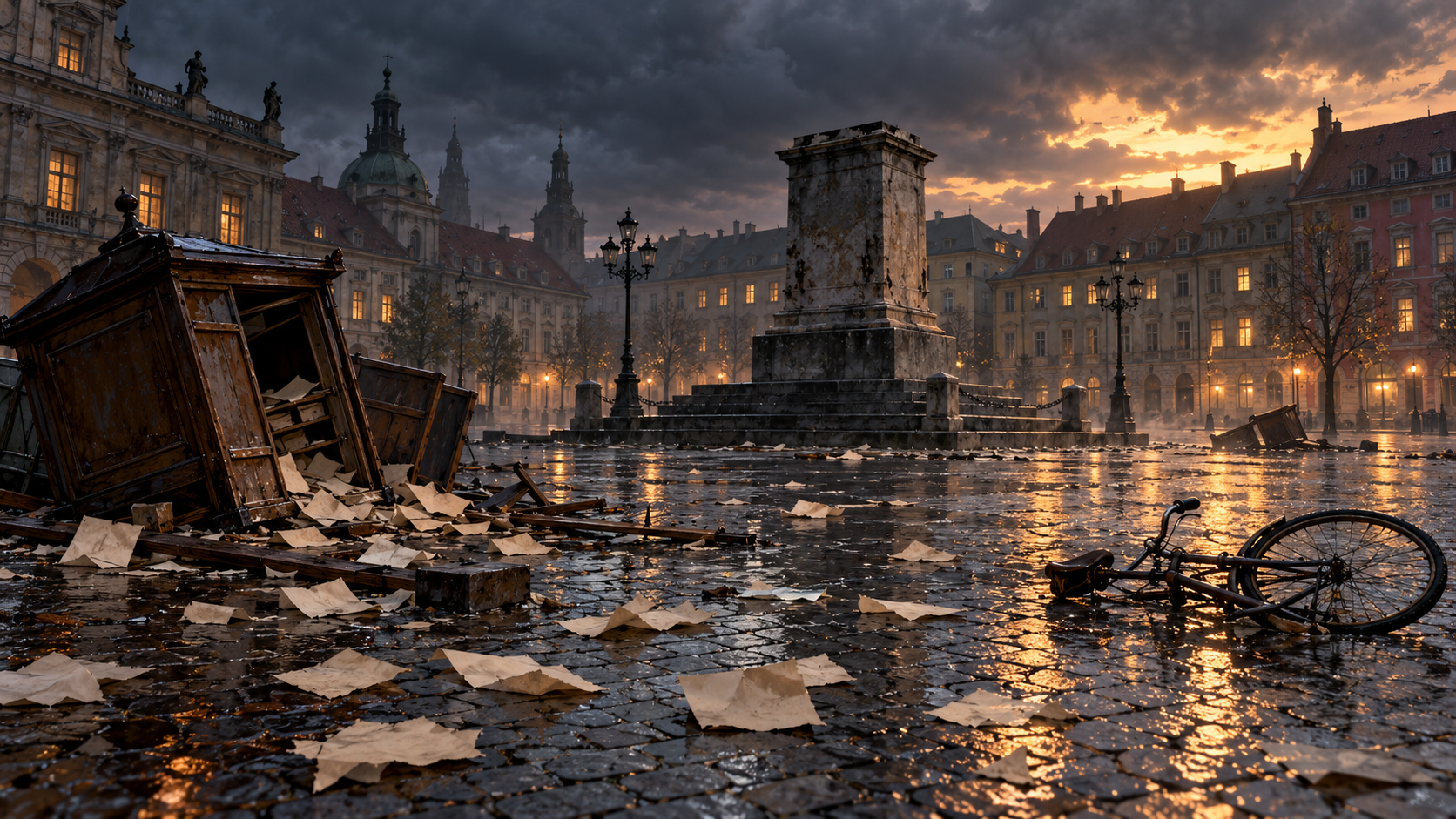
The example did not free anyone overnight. When Hungarians rose in 1956 and their prime minister declared the country neutral, pointing openly at the German settlement as his model, Soviet tanks answered as they had before. The lesson Moscow drew was that one neutral Germany was a price it had chosen to pay, not a door it would hold open for the rest. But the door would not quite shut. Reform circles in Warsaw and Prague kept the German case in their arguments through the next decade, and the Prague spring of 1968 borrowed its vocabulary wholesale. Each time, the Kremlin paid a steeper price in credibility to hold the line it had already conceded in Germany.
A Different Map
By the 1980s the center of Europe held a wide neutral band — Germany, Austria, a hedging Scandinavia — that both superpowers courted and neither owned. The common market the western states built still grew, but it grew around a Germany that was already whole, so the arguments were about tariffs and farm prices rather than how to knit two broken economies back together. There was no night in 1989 when a wall came down, because there had never been a wall to fall. A man who had voted as a young machinist in Dresden in 1954 was old now, and when his grandchildren asked what he had done that ever mattered, he told them about folding a ballot twice, and letting it go.
More from Alternate History