The Sea That Kept Us Safe
What if… What if Japan, instead of attacking Pearl Harbor, struck only Britain and the Netherlands in December 1941, and a neutral United States stayed out of the Second World War?
Synopsis
In December 1941 Japan seizes the oil of Southeast Asia but spares American territory, and a United States that wants no war does not enter one. America stays the arsenal, not the army: its factories grow rich while Britain loses its Asian empire and fights Japan alone. With no second front in Europe, Hitler pours his strength east, and the Soviet Union grinds Germany down by itself, at a cost beyond counting. When the Red Army finally takes Berlin in 1946, there is no western force to meet it, and the continent falls under Moscow from the Baltic to the Adriatic. America wakes late to a world it let harden, rearms in a panic, and builds the bomb years behind where it might have, inheriting a colder, lonelier age behind the oceans it trusted.
The Sea That Kept Us Safe
What if… What if Japan, instead of attacking Pearl Harbor, struck only Britain and the Netherlands in December 1941, and a neutral United States stayed out of the Second World War?
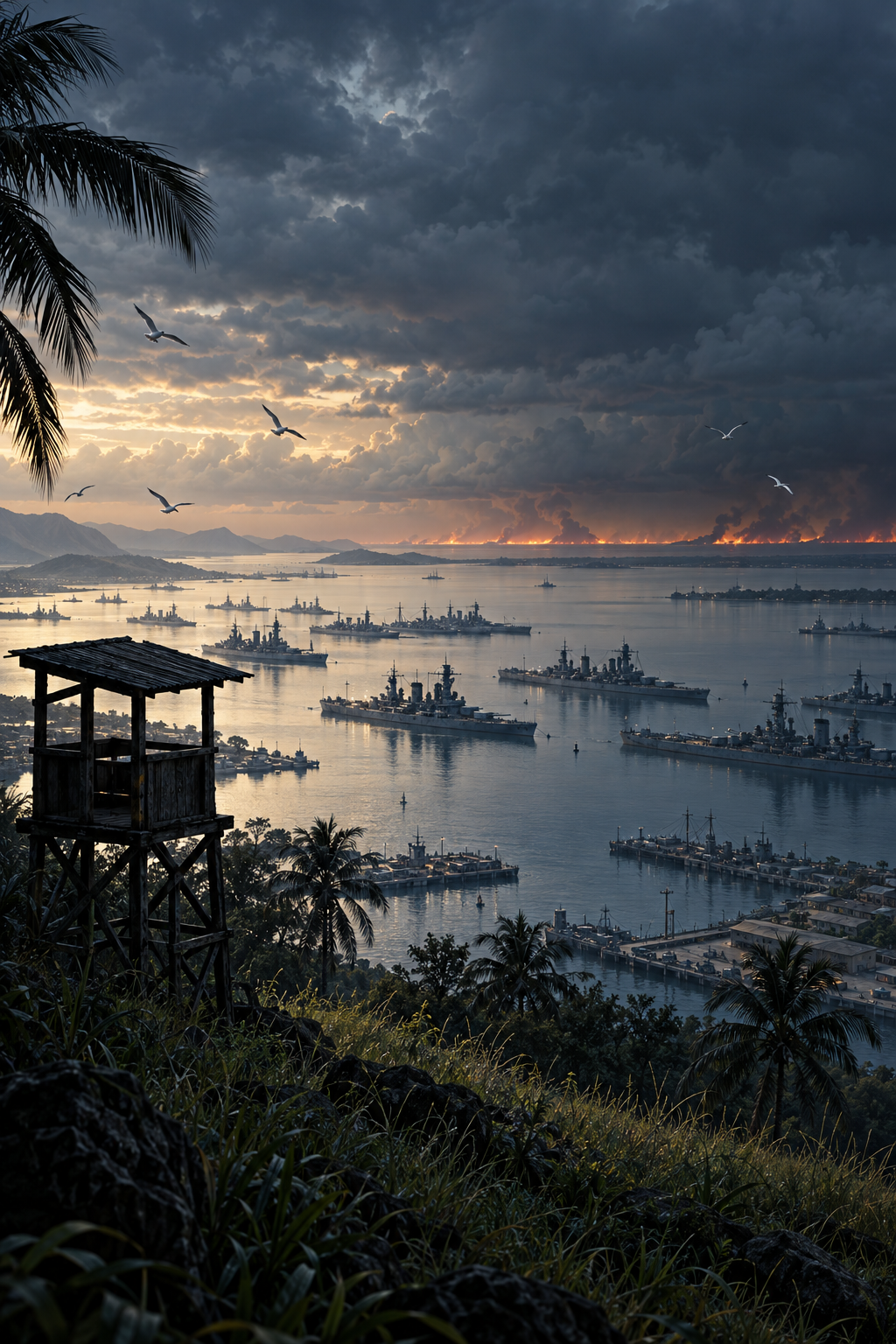
By the autumn of 1941 Japan was running out of oil. The American embargo that July, a response to Japanese troops moving into southern Indochina, had cut off most of its supply, and the fleet had perhaps a year and a half of fuel left. In the real war, Japan's answer was to seize the oil of the Dutch East Indies and, to protect that conquest, destroy the American Pacific Fleet at Pearl Harbor on December 7. Here the gamble runs the other way. In the Imperial Conference, the faction that calls an attack on America suicidal wins the argument. Japan takes the oil and the British and Dutch colonies that guard it, and leaves every American ship and island untouched, betting that a nation that wants no war will stay out of one.
The Quiet Harbor
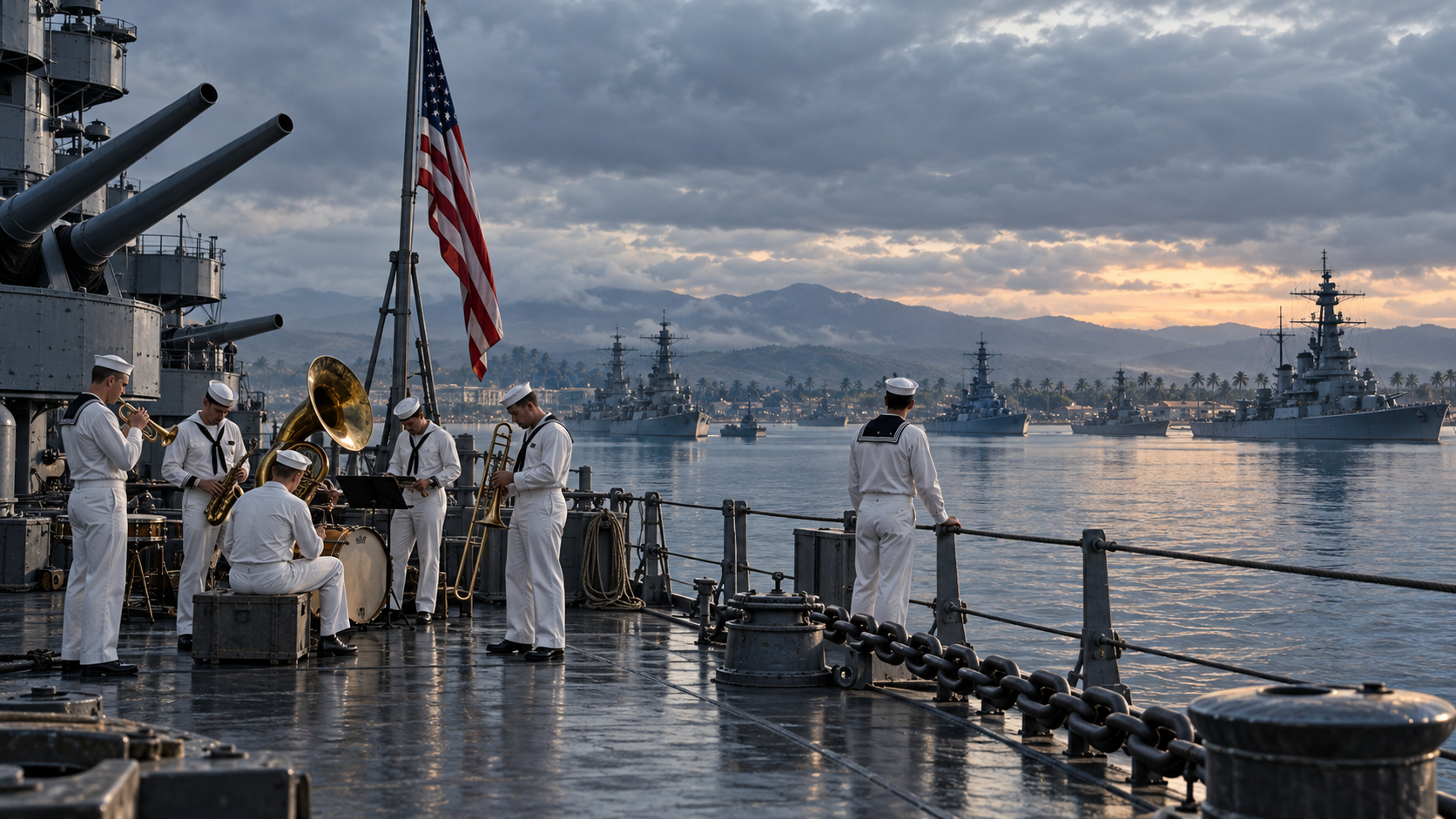
The first reports reached Washington before dawn on December 8: Japanese troops ashore in Malaya, bombers over Hong Kong, landings in the Dutch islands where the oil was. Then the reports stopped. Nothing came from Pearl Harbor, because nothing happened there. In Honolulu the fleet rode at anchor through an ordinary Sunday; sailors slept late, a band tuned up for the morning colors. Cordell Hull waited for the cable that would let the President speak to Congress, and it never came. Japan had hit the British and the Dutch and stepped around the United States as carefully as a man steps around a sleeping dog. There was outrage in the papers. There was no attack to answer.
The Arsenal, Not the Army
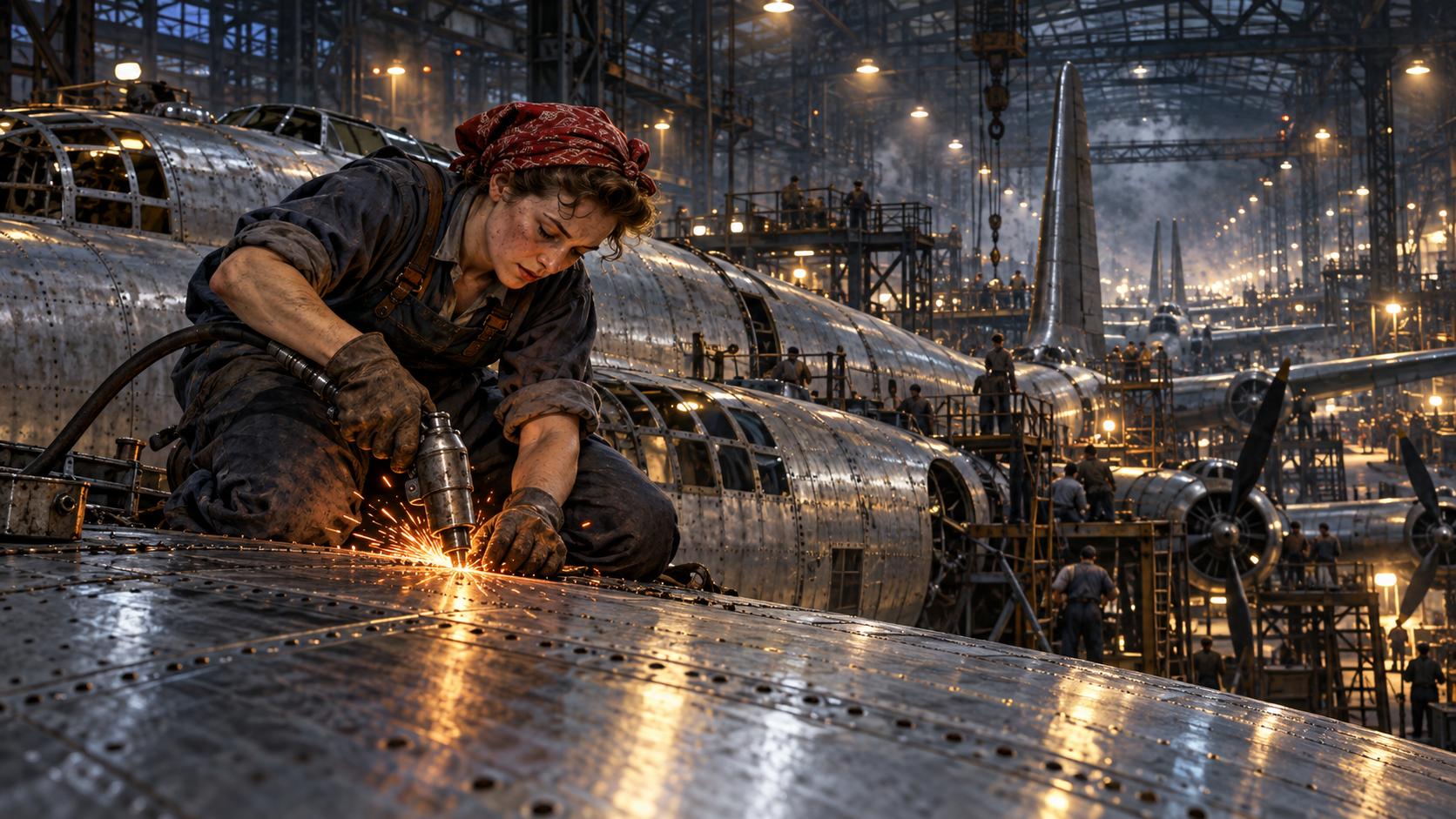
Roosevelt could rage in private, and he did, but he could not take a country to war over Singapore. The America First committees, which might have folded overnight, instead felt vindicated, and Congress with them. So the United States did what it had been doing since the spring of 1941: it sold. Lend-Lease widened into a flood. In Willow Run and a hundred towns like it the lines ran three shifts, and a riveter named Dorothy Kowalski bought her first car with money from a war she was not in. Ships left New York full and came back empty, and the sea between was somebody else's problem. America got rich and stayed dry.
Singapore's Fall and the Empire's Ebb
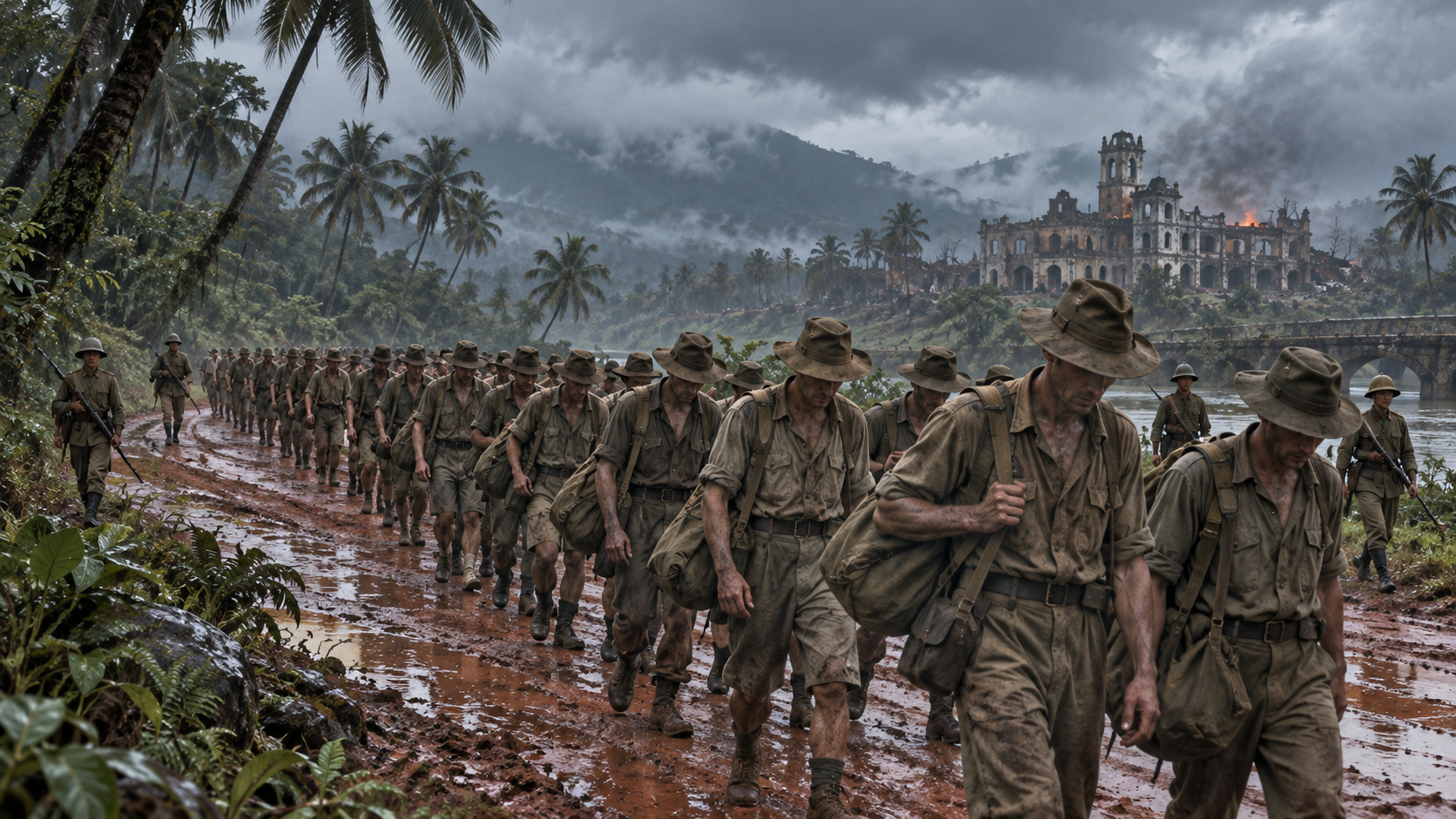
Singapore surrendered in February, eighty thousand men walking into captivity, the worst defeat a British army had ever handed over. Without an American fleet to worry about, Japan took its time and took everything: Burma by spring, the oil running for Tokyo by summer, the Indian border close enough to frighten Delhi. The Royal Navy had no carriers to spare and no ally in the Pacific to lend any. Churchill, who had staked everything on bringing America in, found he had brought in only its factories. In the villages of Bengal the rice requisitions began, and the famine that followed would kill far more people than the fighting.
The Long East
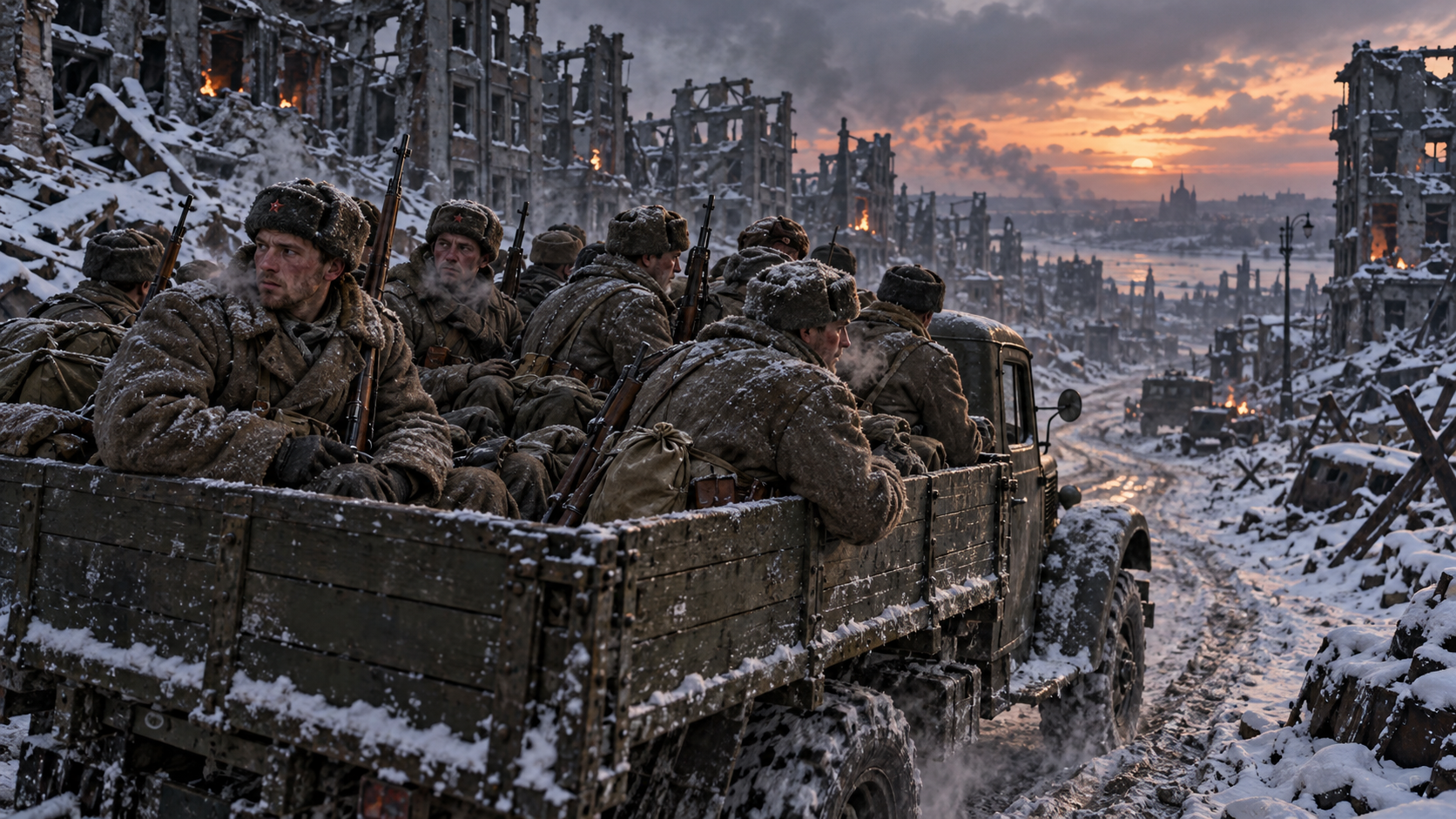
On the Eastern Front the arithmetic did not change as much as Berlin had hoped. American aid still reached Russia; the convoys that had started before December kept running, and Soviet riflemen rode to the front in Studebaker trucks and ate tinned American pork. But no invasion threatened France, so Hitler kept his best divisions in the east and fed them in. Stalingrad still broke the Wehrmacht's back over that winter, block by frozen block, yet the bleeding was slower now, and no western front drew a single German battalion away from it. A sergeant outside the city wrote home that the Germans seemed to have no bottom. He was wrong, but only just.
No Second Front
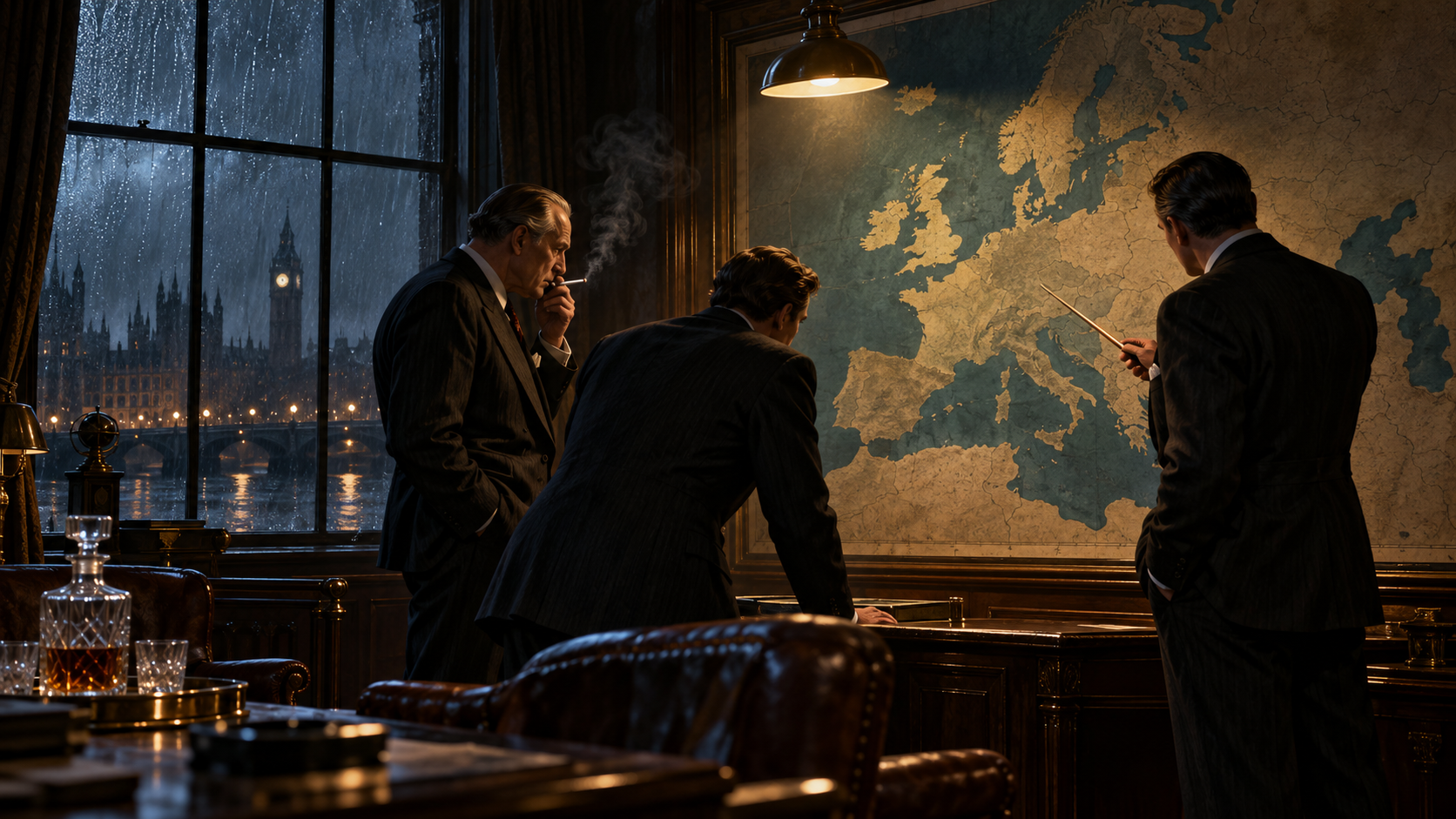
The war America was not in settled into a shape no one had planned. There was no landing in North Africa that November, so the desert campaign dragged along the coast as a private quarrel between Britain and the Axis. There was no army gathering in England for France, because there was no American army to gather. Planners in London drew up invasions and shelved them; you cannot cross the Channel with a Commonwealth alone and a treasury that is empty. By 1944 the talk in the clubs had turned quiet and practical. The continent would be decided in the east, by Russians, and Britain would have to learn to live beside whatever won.
The Red Tide
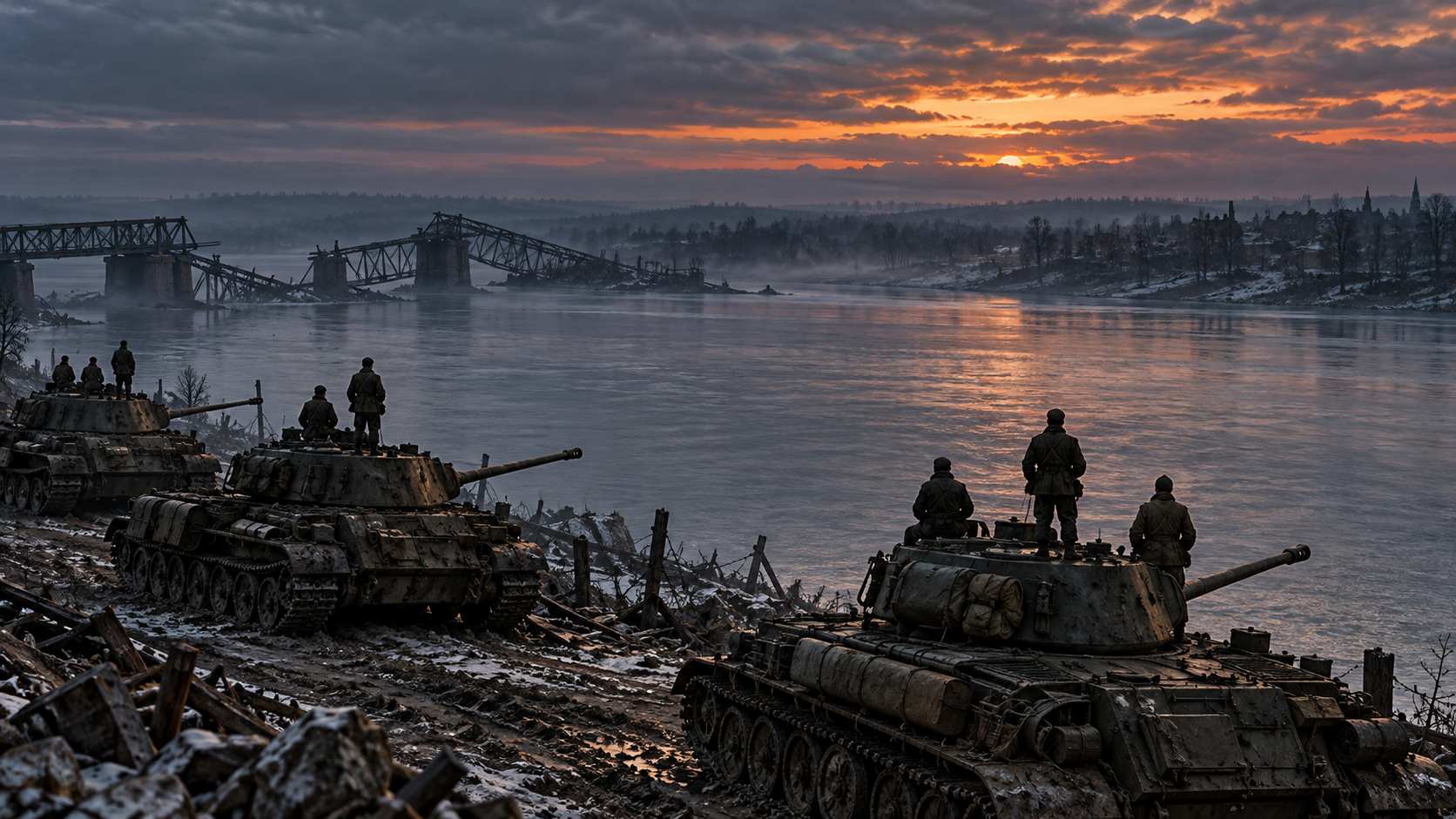
The end came from the east, slowly, and it did not stop where anyone expected. The Red Army that broke out of Russia in 1944 had learned its trade the hard way and had no one to share Germany with. It crossed Poland, it crossed the Oder, and when Berlin fell in the spring of 1946 there was no line down the middle of Europe, because there was no western army to draw one. Soviet tanks sat on the Rhine and looked across at nothing. From the Baltic to the Adriatic the map answered to Moscow. The cost had been thirty million lives and a country gutted, and Stalin meant to be paid for every one of them.
The Late Awakening
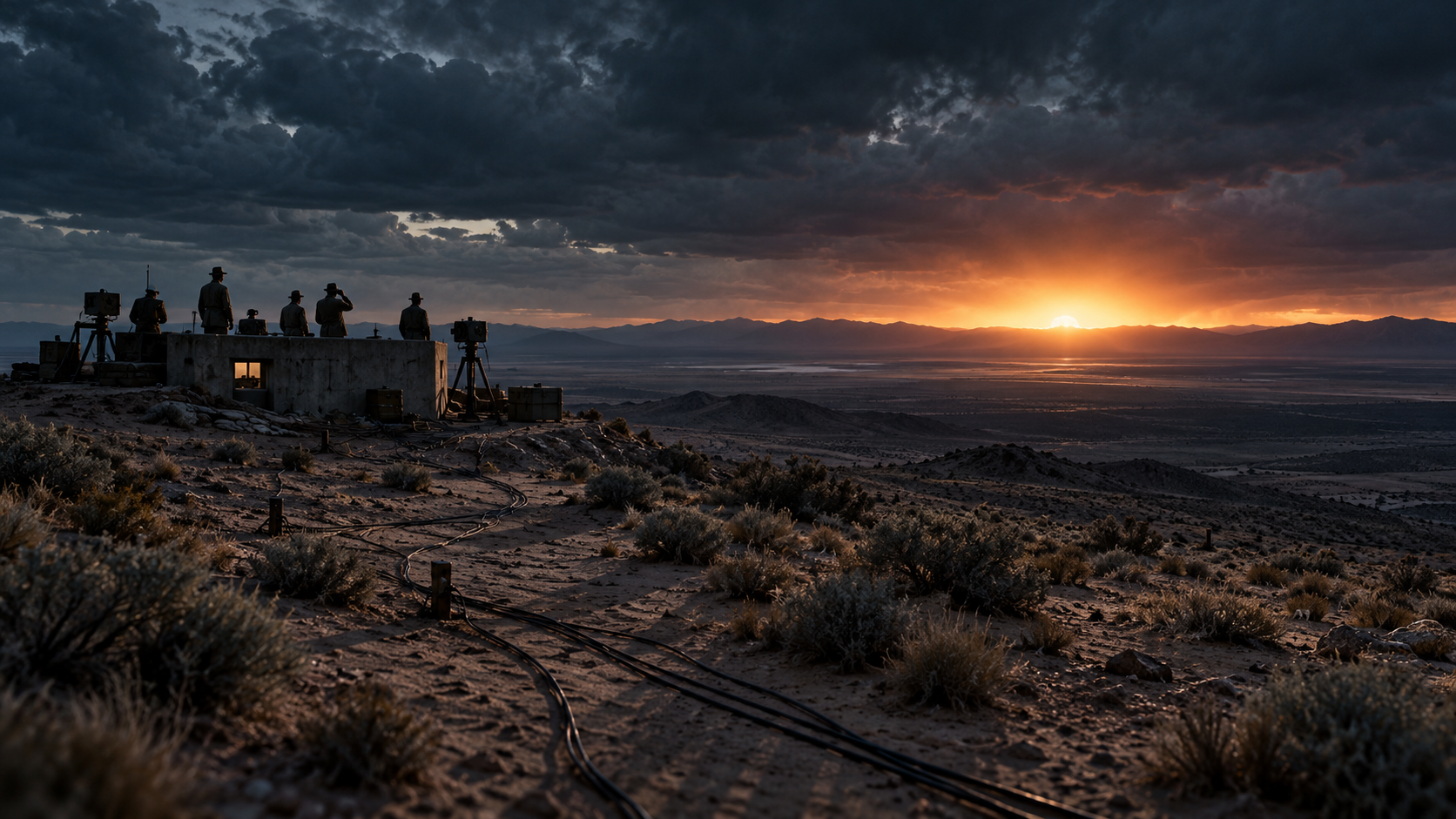
Americans who had cheered the distance of the oceans woke to find the whole of Europe under one government, and it was not one they liked. The mood turned fast. The men who had kept the country out were voted out, and a government that had sworn never to meddle abroad began, almost overnight, to build. The bomb that had sat for years as a careful laboratory question now got money without limit, and the first one went off over the New Mexico desert in 1948, late and frightening. Across the ocean, Soviet scientists worked the same problem with captured German help. The oceans that had kept America safe had also kept it blind, and now they were only oceans.
The World We Sat Out
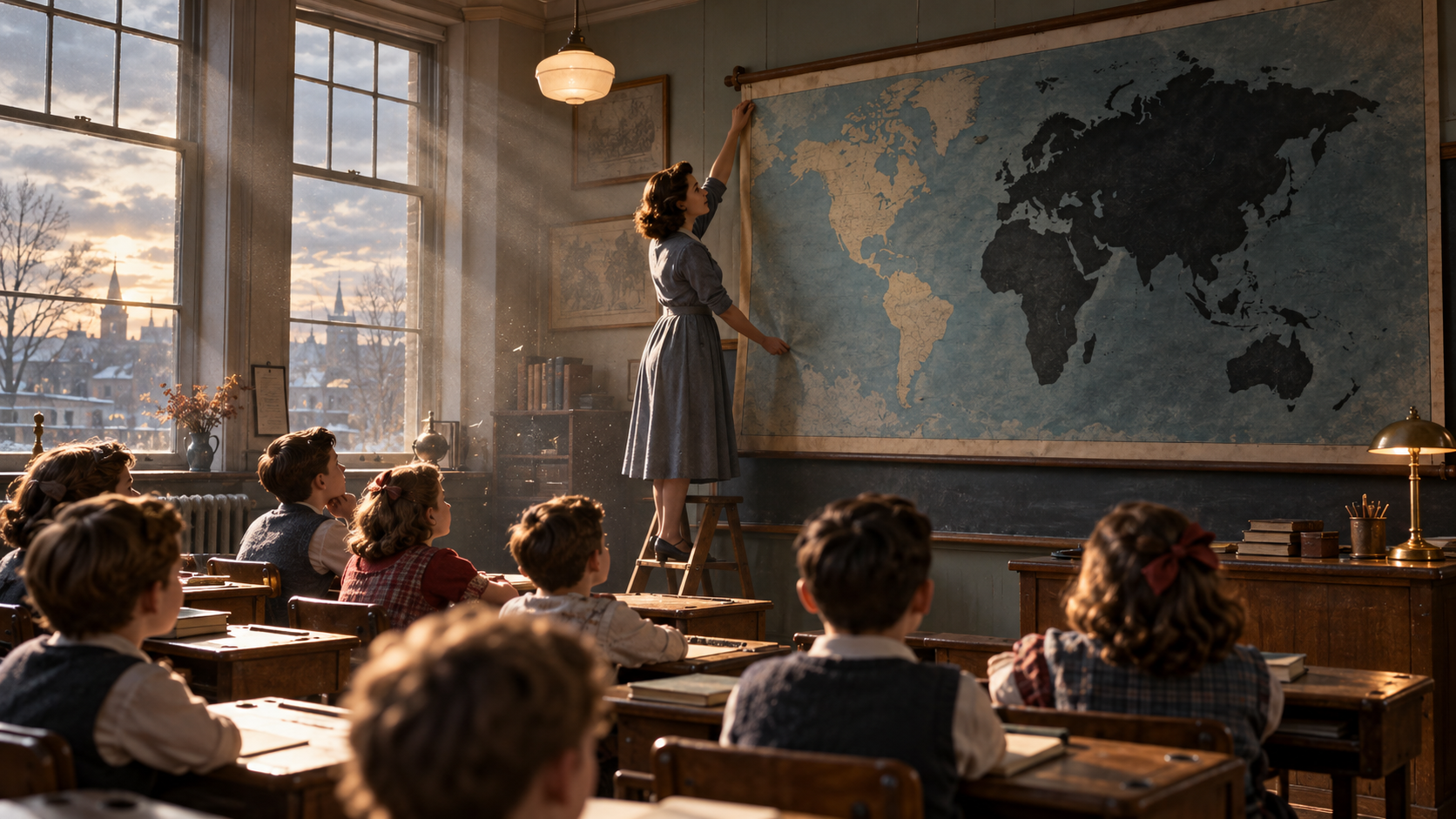
By the 1950s the world had set into its new shape, and an American could live a whole life without touching the edges of it. The country was the richest it had ever been and the loneliest among the great powers, ringed by allies it had made too late. Europe west of the Rhine kept its flags and little else; east of it, the lights of a dozen capitals burned on Moscow's schedule. In Asia a tired Japanese empire held more than it could keep, and men in Jakarta and Hanoi were already sharpening the knives of independence. A schoolteacher in Ohio, pinning a map to the wall, told her class that the sea had kept them safe. She believed it, mostly.
More from Alternate History