The Fever That Broke Too Early
What if… What if, over the weekend of September 13–14, 2008, Washington backstopped Lehman Brothers' trading book and Barclays absorbed the firm, so the crash that defined the Great Recession never…
Synopsis
Lehman Brothers is quietly absorbed instead of collapsing, and the acute panic of September 2008 never ignites. But the underlying rot, bad mortgage debt, over-leveraged banks, a deflating housing bubble, is still there, and without a single catastrophic weekend to force action, it is never purged. The recession arrives slowly instead of all at once: expensive credit, no great stimulus, unemployment that climbs without ever screaming. A narrowly re-empowered Republican White House inherits a Japan-style stagnation; Europe's sovereign-debt crisis lands on banks that were never made to clean their books; the reform that Lehman's fall produced in our world never gets written. A decade on, the country is left not with a crash to rebuild from but with a long grey tiredness, a fever that broke too early and hid the illness underneath.
The Fever That Broke Too Early
What if… What if, over the weekend of September 13–14, 2008, Washington backstopped Lehman Brothers' trading book and Barclays absorbed the firm, so the crash that defined the Great Recession never detonated?
On the weekend of September 13, 2008, the American financial system came to the edge of a cliff. Lehman Brothers, a 158-year-old investment bank drowning in bad mortgage debt, spent three days at the New York Federal Reserve while its rivals were asked to save it. In our history the rescue fell apart: British regulators would not let Barclays waive a shareholder vote, Washington would not guarantee Lehman's trades, and on Monday the firm filed the largest bankruptcy the country had ever seen. The shock froze global credit and set off the Great Recession. But it was a close-run thing, decided by a few officials over a few sleepless nights. Change one decision that weekend, and the crash that defined a generation never quite goes off.
The Weekend That Held
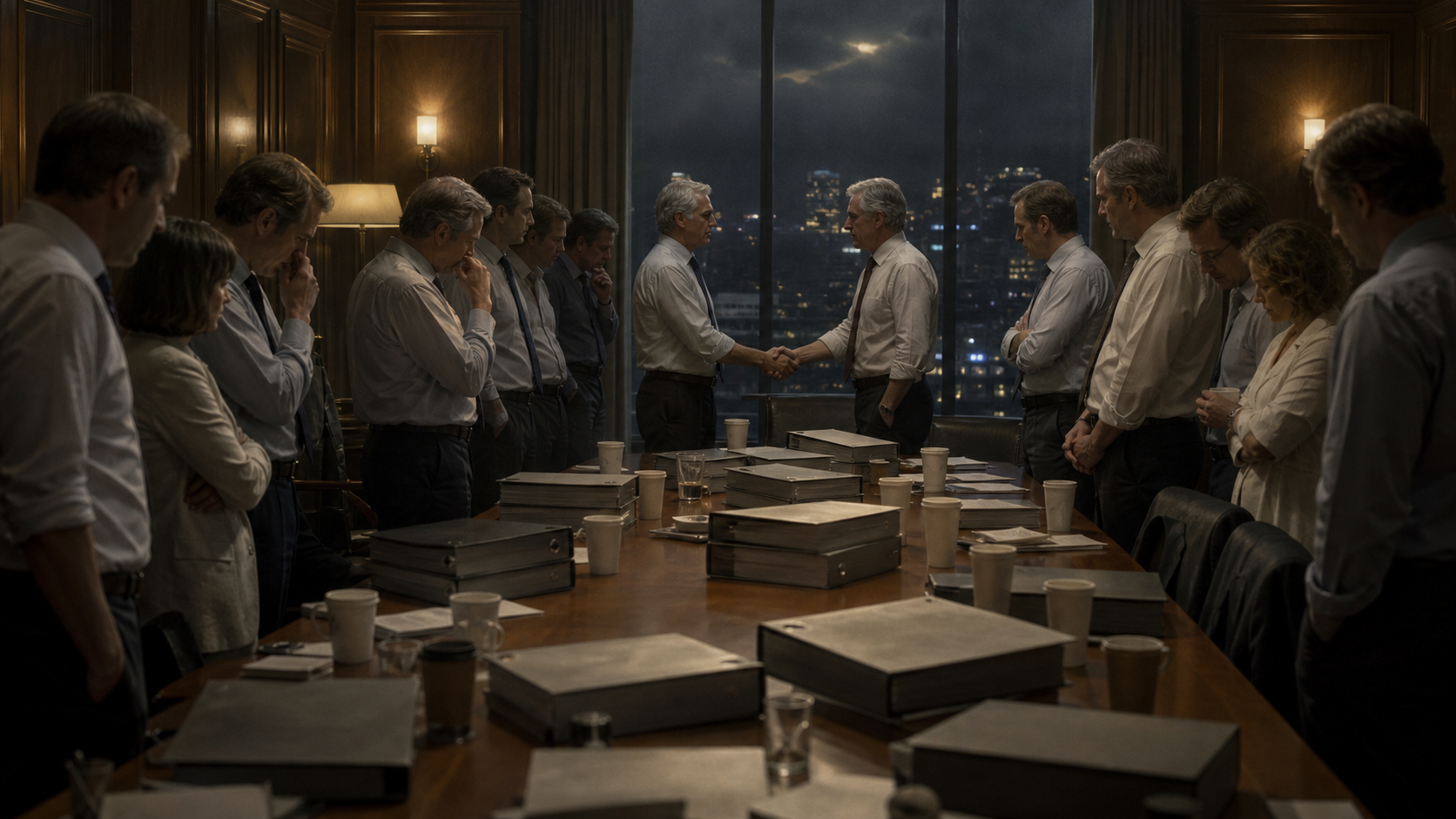
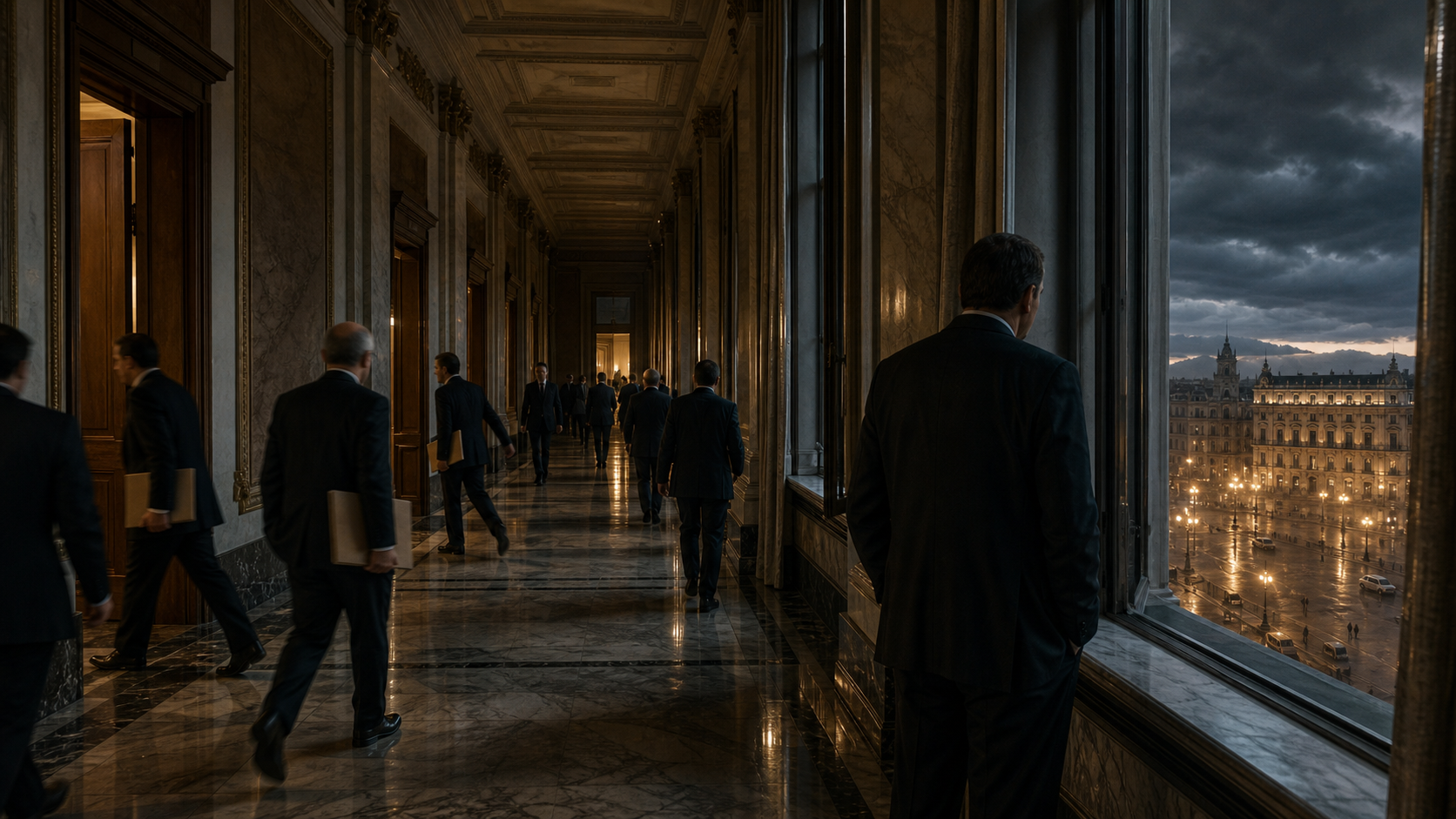
On Friday, September 12, 2008, the heads of Wall Street's banks were summoned to the New York Federal Reserve and told to save Lehman Brothers themselves. In our history the talks collapsed: Barclays' British regulators refused to waive a shareholder vote, Washington refused to guarantee Lehman's trades, and on Monday the firm filed the largest bankruptcy the country had ever seen. Here, on Saturday night, Treasury blinked. It agreed to backstop Lehman's trading book for thirty days, long enough for Barclays to move. By Sunday the lawyers had a deal. Monday's papers ran a photograph of two chairmen shaking hands, and the market opened not to a funeral but to a reprieve nobody quite trusted.
The Panic That Never Came
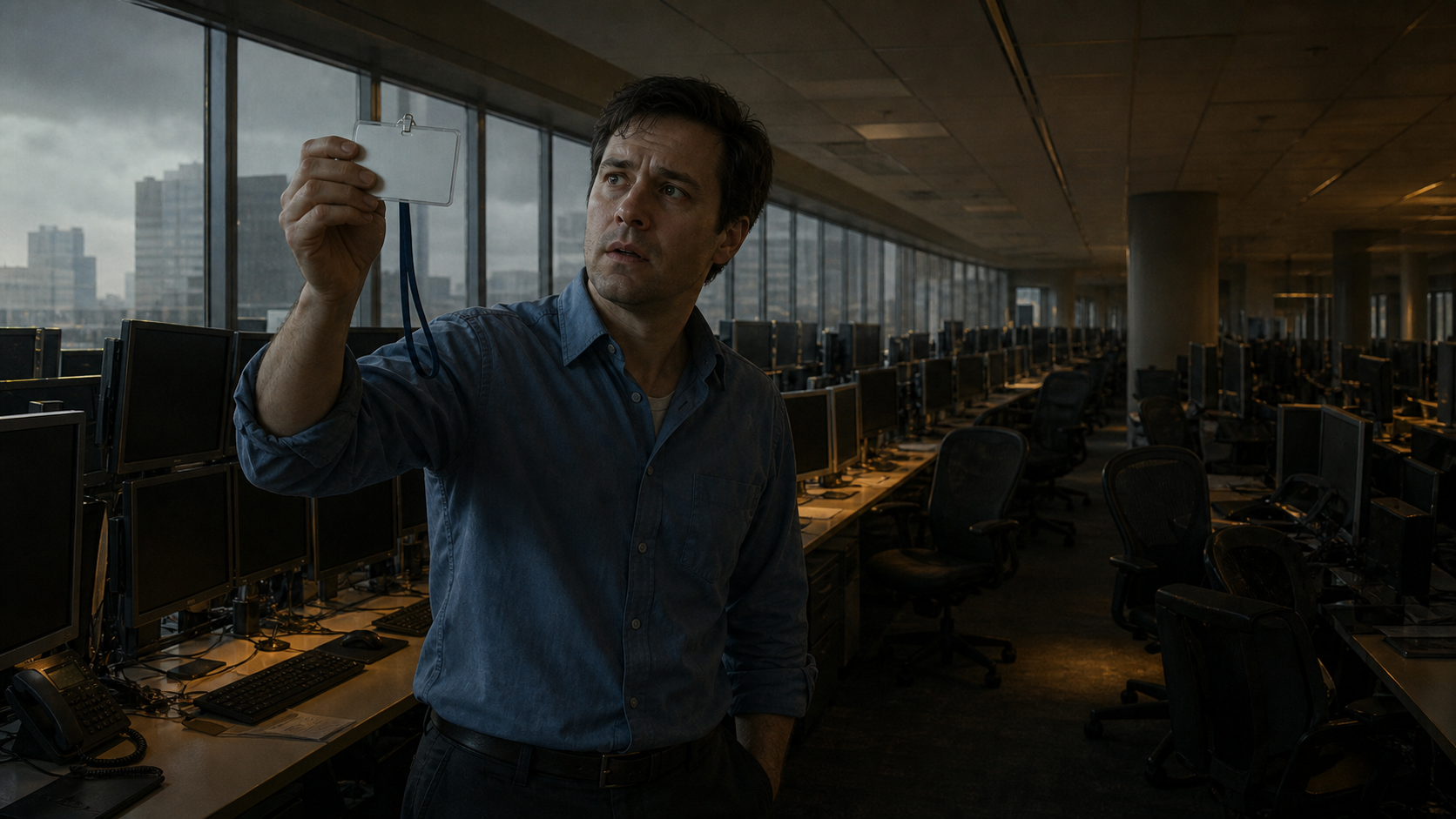
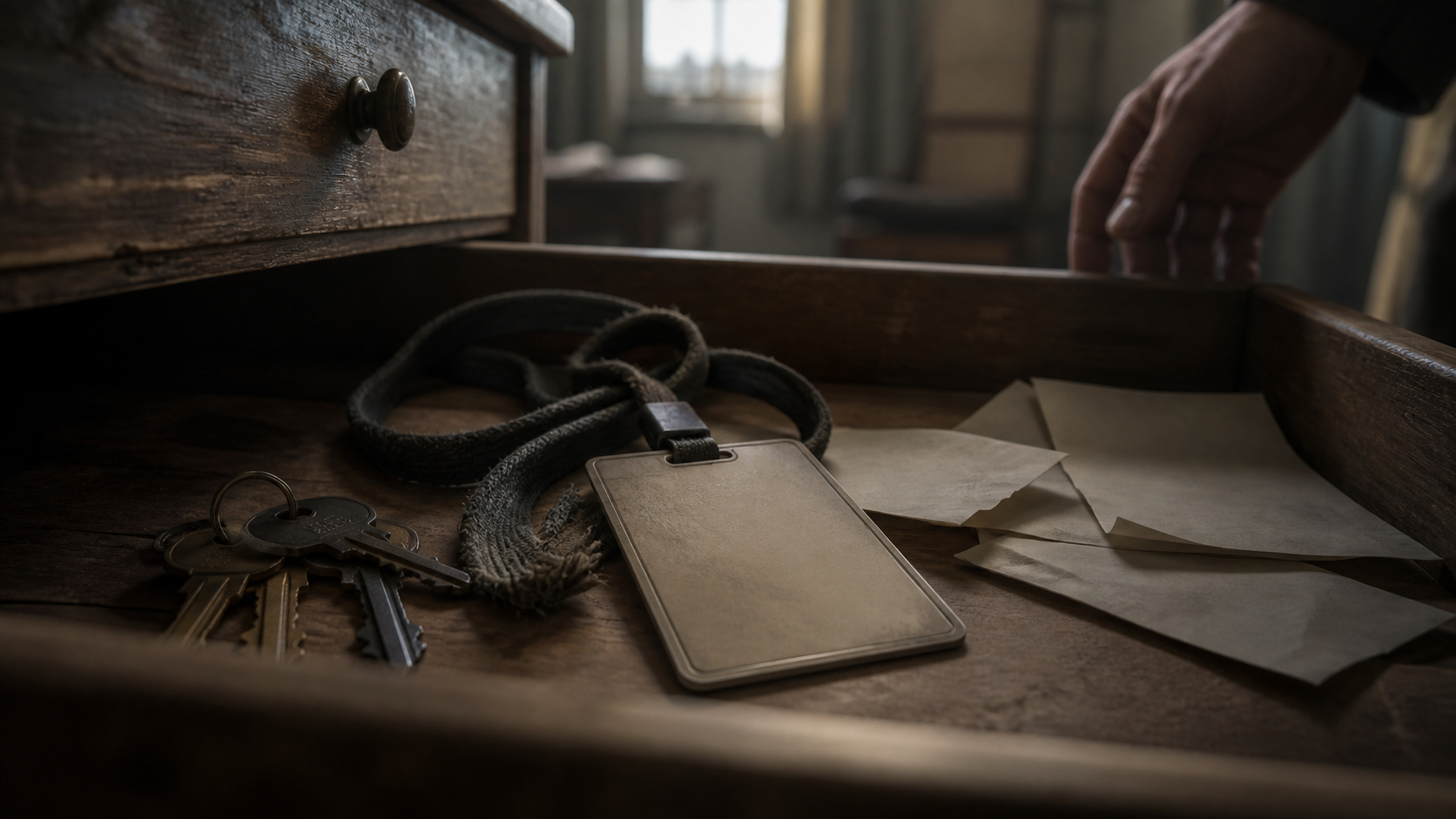
The following week was supposed to end the world. Instead it was quiet. The Reserve Primary Fund, which held Lehman paper, never broke the buck, so the money-market runs that froze corporate payrolls in our timeline never started. AIG, still bleeding from its credit bets, was wound down over months in closed rooms rather than rescued overnight in a panic. Jim Vaughan, a mid-level trader on Lehman's fixed-income desk, came in Monday expecting to pack a box and found his badge still worked. He kept it for years, half as a souvenir, half as a warning. The absence of catastrophe felt, to almost everyone, like proof the system had been sound all along.
The Long Slow Leak
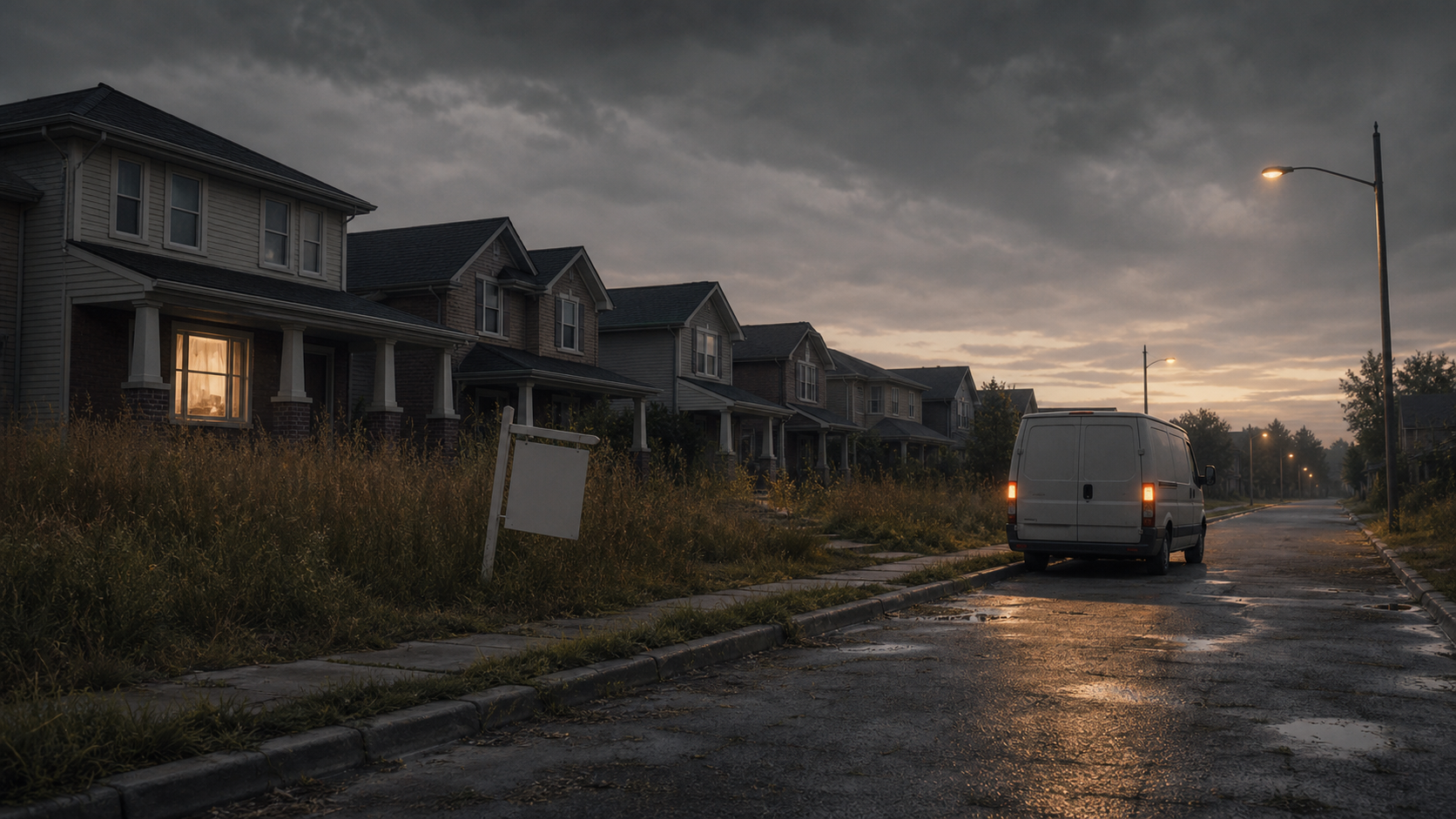
The recession still came; it just came slowly. Housing prices kept sliding, and the banks that had gorged on mortgage bonds now sat on them, unwilling to sell at a loss and unable to lend freely. Without a single terrifying weekend to concentrate minds, there was no appetite in Congress for a seven-hundred-billion-dollar rescue or a trillion in stimulus. Money stayed expensive. Firms trimmed hours instead of announcing layoffs, so unemployment climbed in a way that never quite screamed. Economists reached for the same word again and again: Japan. The slump had no bottom you could point to, no morning the papers called the crash. It simply went on, a little worse each quarter, for years.
A Narrow Thing in November
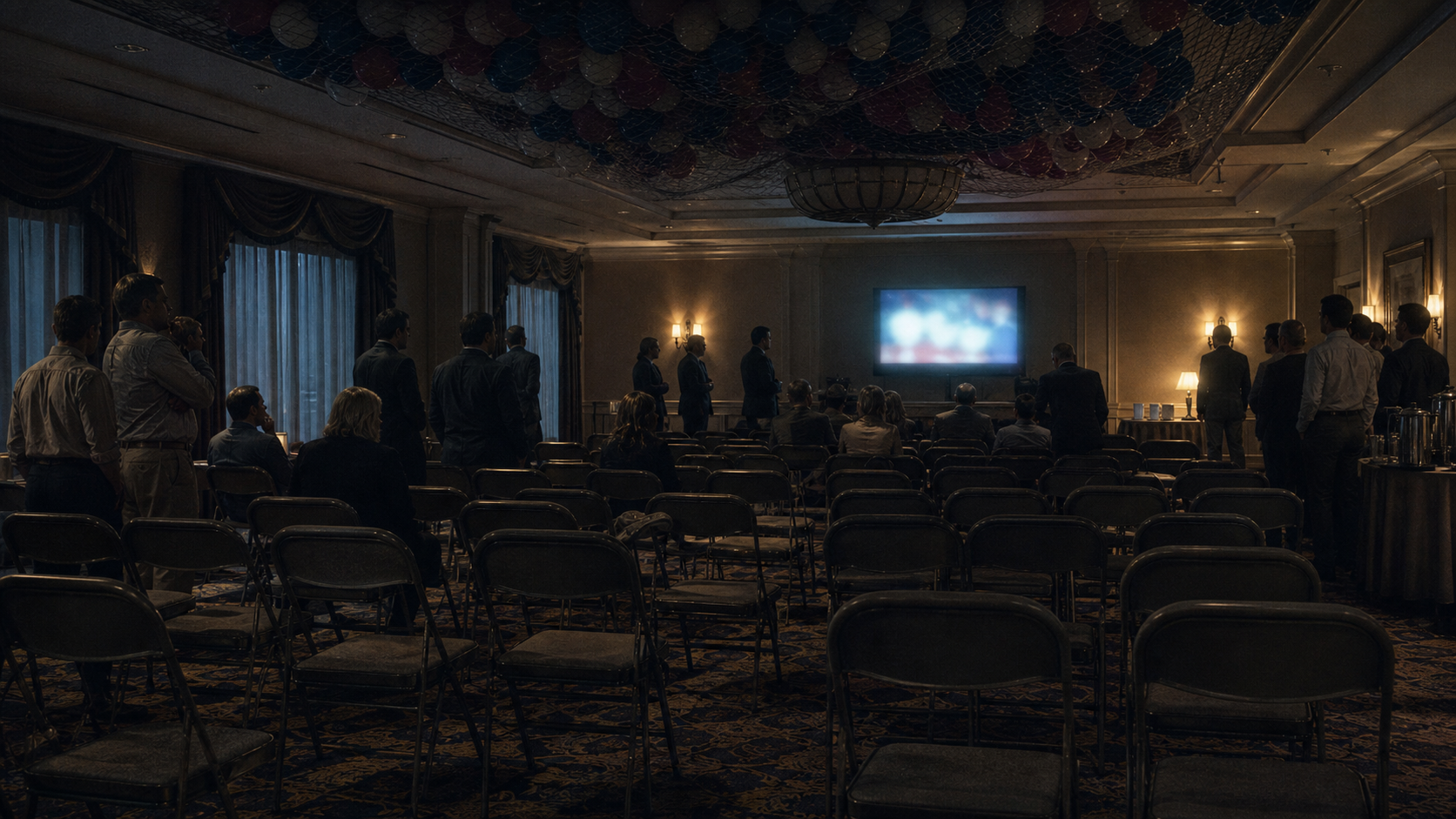
For six weeks in the autumn of 2008 the American election turned on a slow economy instead of a sudden collapse. In our timeline the September panic broke John McCain's momentum and carried Barack Obama to a comfortable win. Here the ground stayed harder. With no crash to hang on the incumbents, McCain held his September lead through a grim, grinding October and took three swing states by a hair. He entered office in January facing an economy sinking one point at a time, a Democratic Congress in no mood to help, and a public that had been told, repeatedly, that the worst was already behind them. It was not.
Europe Finds Out Anyway
Europe's reckoning arrived on schedule and found the continent less ready. In late 2009 Greece admitted its deficits had been disguised for years, and the bond markets turned on Athens, then Dublin, then Lisbon. But the European banks that in our timeline had been forced, however grudgingly, to raise capital after Lehman were here still stuffed with the same bad assets, propped up and unexamined. When Greek debt cracked, the German and French lenders that had quietly bought it had no cushion. The euro's first real crisis hit balance sheets that had never been cleaned. Brussels spent 2010 and 2011 improvising rescues for banks and countries at once, and the union's northern taxpayers began, for the first time, to ask aloud what they had signed up for.
The Reform That Never Came
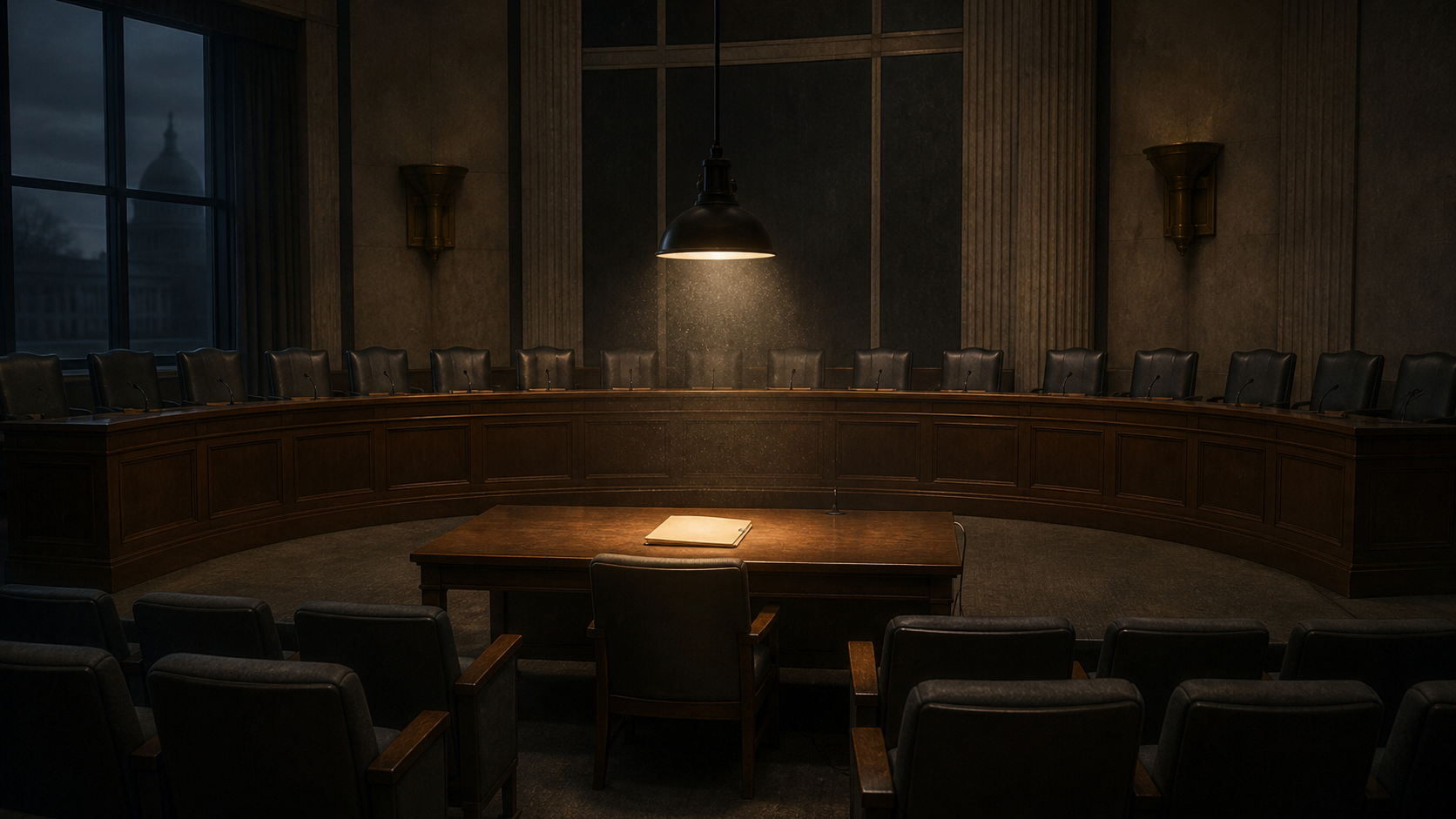
In our history, Lehman's collapse became the argument that ended the argument. It gave reformers their photograph of consequences and produced, two years later, the Dodd-Frank Act. Without the collapse, the photograph never existed. There was no empty headquarters, no bankers filing out with boxes, nothing for a congressman to hold up. Reform bills were written and quietly died in committee. The banks, rescued in the dark and never shamed in the light, kept their scale and most of their bonuses. Traders who had made ruinous bets were reassigned, not ruined. The lesson the industry took from 2008 was not caution but relief: that Washington, faced with the choice, would always find a way to catch them.
The Decade That Didn't End
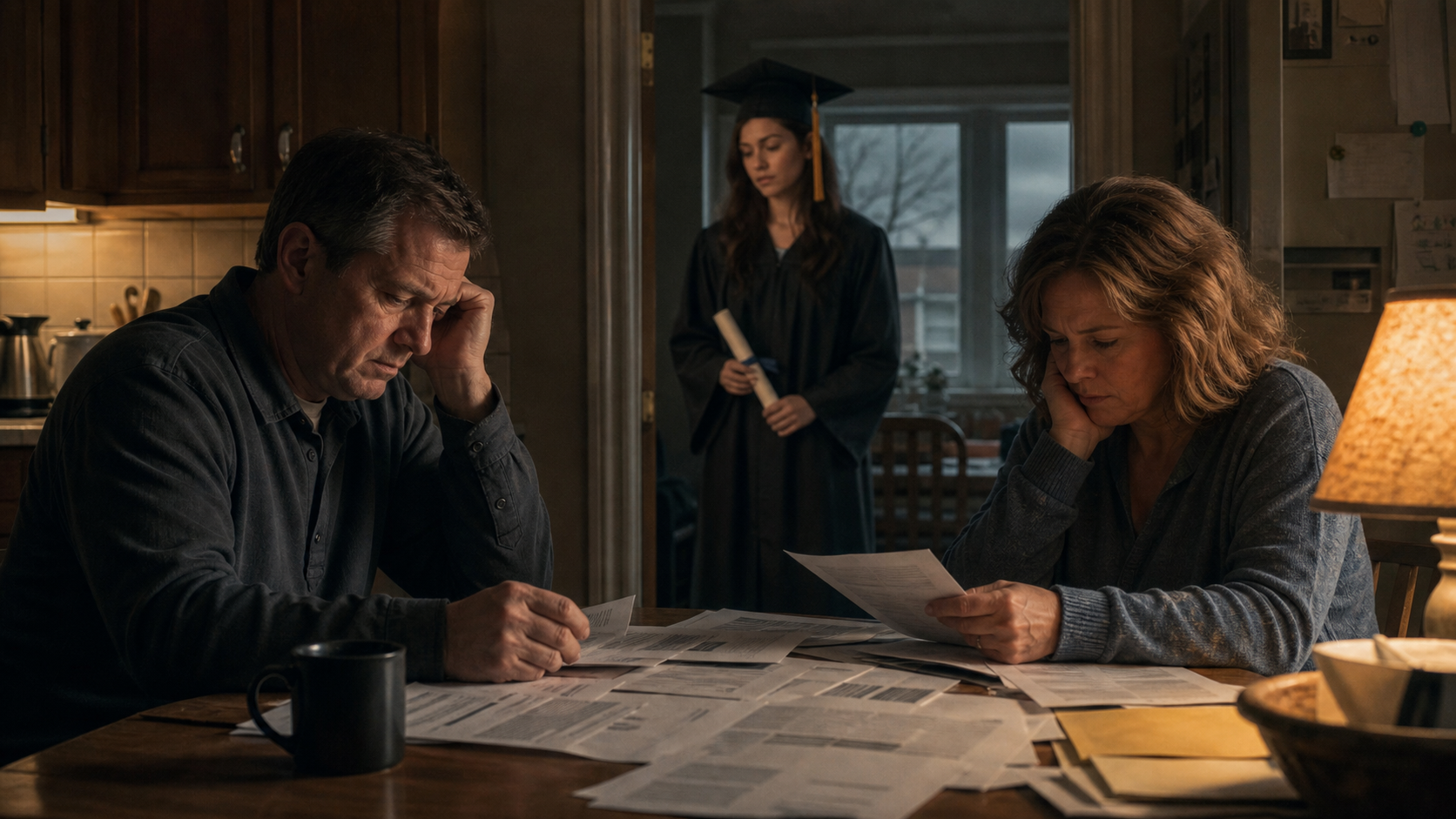
By 2013 the slump had a texture people knew by heart. In Ohio, the Reyes family had not been foreclosed on in a single dramatic week; they had simply spent four years falling behind, refinancing, falling behind again, while the bank that held their mortgage was in no hurry to seize a house it would only have to sell into a dead market. Their daughter graduated into a job market that had been flat since she was fifteen. Nobody called it a crash, so nobody called it a recovery either. The second downturn, when it came in 2014, barely registered as news. You cannot rally against a thing that never announces itself. The country was tired in a way it had no word for.
The World That Held Its Breath
A decade on, the counterfactual is impossible to prove and hard to shake. No Occupy encampments, because there was no single villain to camp against; no Tea Party in quite the same furious shape, because there was no bailout vote to rage over. The anger was real but diffuse, a low static that governments never had to answer. The banks were larger. Trust in institutions was lower, and quieter about it. People who lived through it mostly remember not a catastrophe but a long grey tiredness, the feeling of a fever that broke too early and left the illness underneath. Somewhere in a drawer, a former trader still keeps a Lehman badge that never stopped working.
More from Alternate History