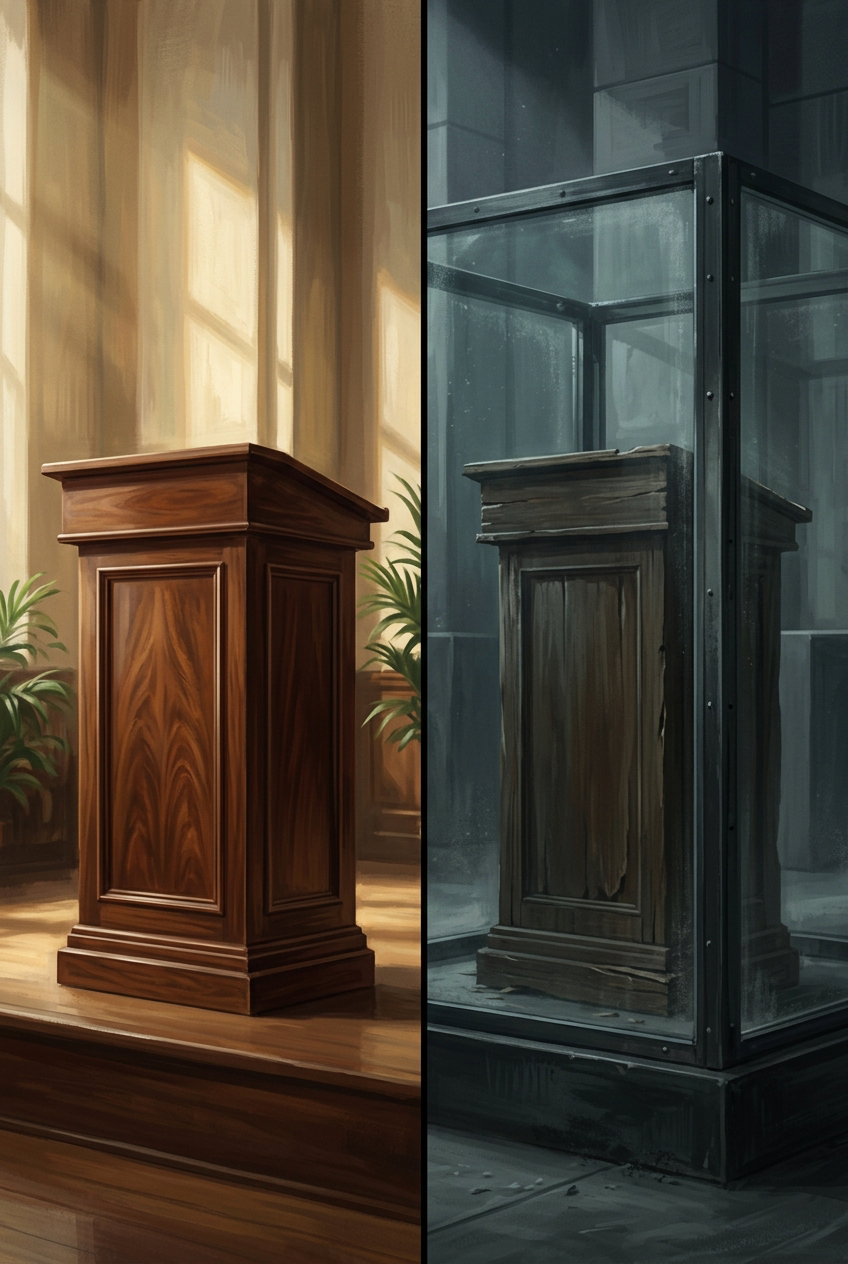
Two Flags Over the Ohio
What if… What if a Confederate courier never lost Lee's battle plans in September 1862, so the South won on Northern soil, drew in Britain and France, and secured permanent independence?
Synopsis
A single lost order is never lost. Lee wins in Maryland in 1862, Britain and France recognize the Confederacy, and a war-weary North votes Lincoln out in 1864. An 1865 armistice leaves two American republics facing each other across the Ohio. The Confederacy clings to slavery into the 1890s even as cotton loses its markets and its people walk north; the Union pours its grievance into factories and immigration and never stops planning to redraw the line. When the world wars come, a divided continent brings only half its weight, and both wars come slower. A century on, two nations trade and mourn along the same river, each telling a different story about the four years that split them.
Two Flags Over the Ohio
What if… What if a Confederate courier never lost Lee's battle plans in September 1862, so the South won on Northern soil, drew in Britain and France, and secured permanent independence?
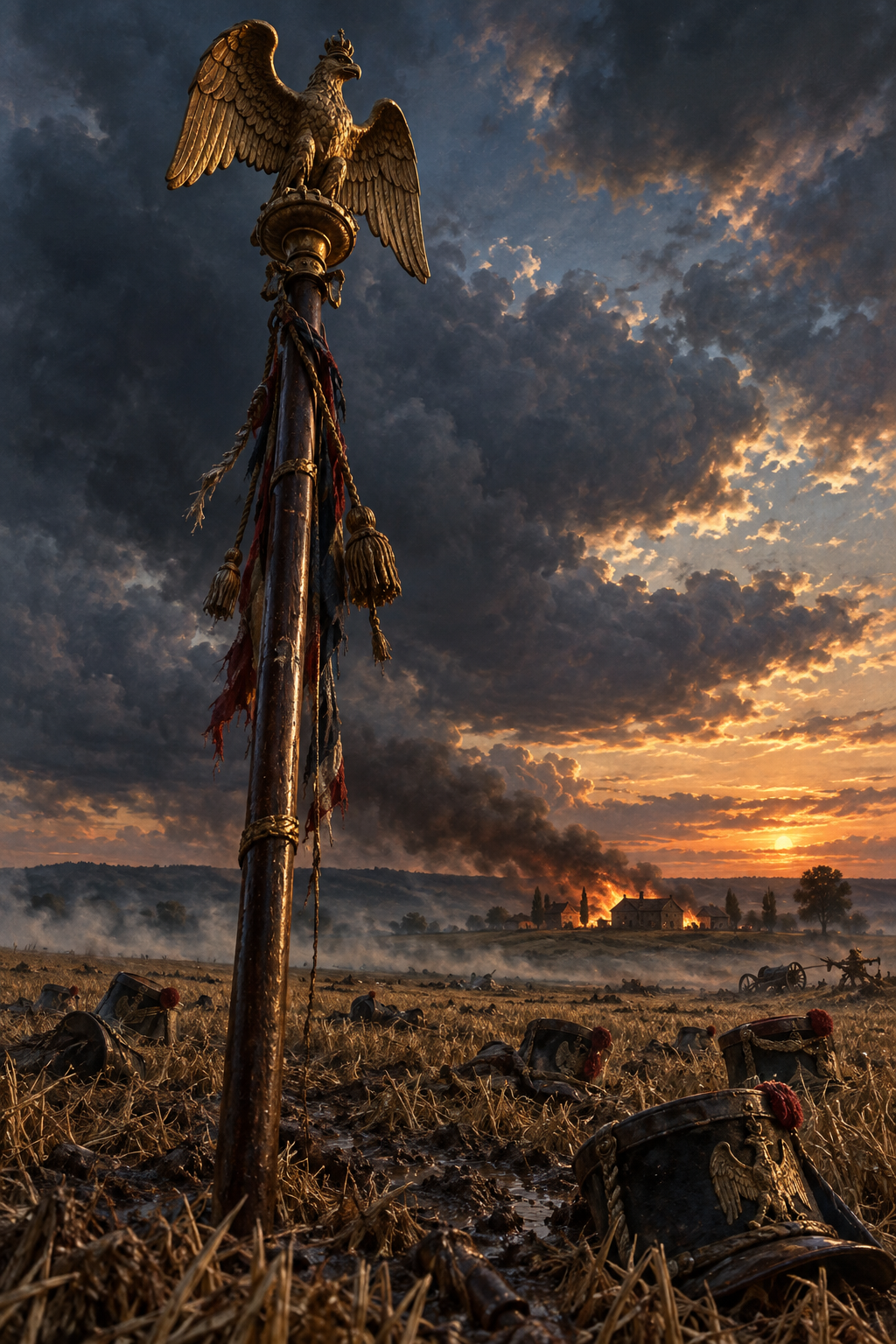
In September 1862, Robert E. Lee gambled. He split his army inside Maryland and wrote the plan down as Special Order 191. In our history a copy slipped loose, wrapped around three cigars, and two Union soldiers found it in a trampled field. George McClellan suddenly knew where every piece of Lee's army stood. The armies collided at Antietam Creek on the seventeenth, the bloodiest day the country had yet seen, and the check was enough: Lincoln freed the enslaved, and Britain and France kept their distance. Change one thing. The courier keeps his cigars, and the order stays in his coat. McClellan marches blind, Lee pulls his scattered divisions back together, and the war turns on a Maryland hillside.
The Order That Stayed Lost
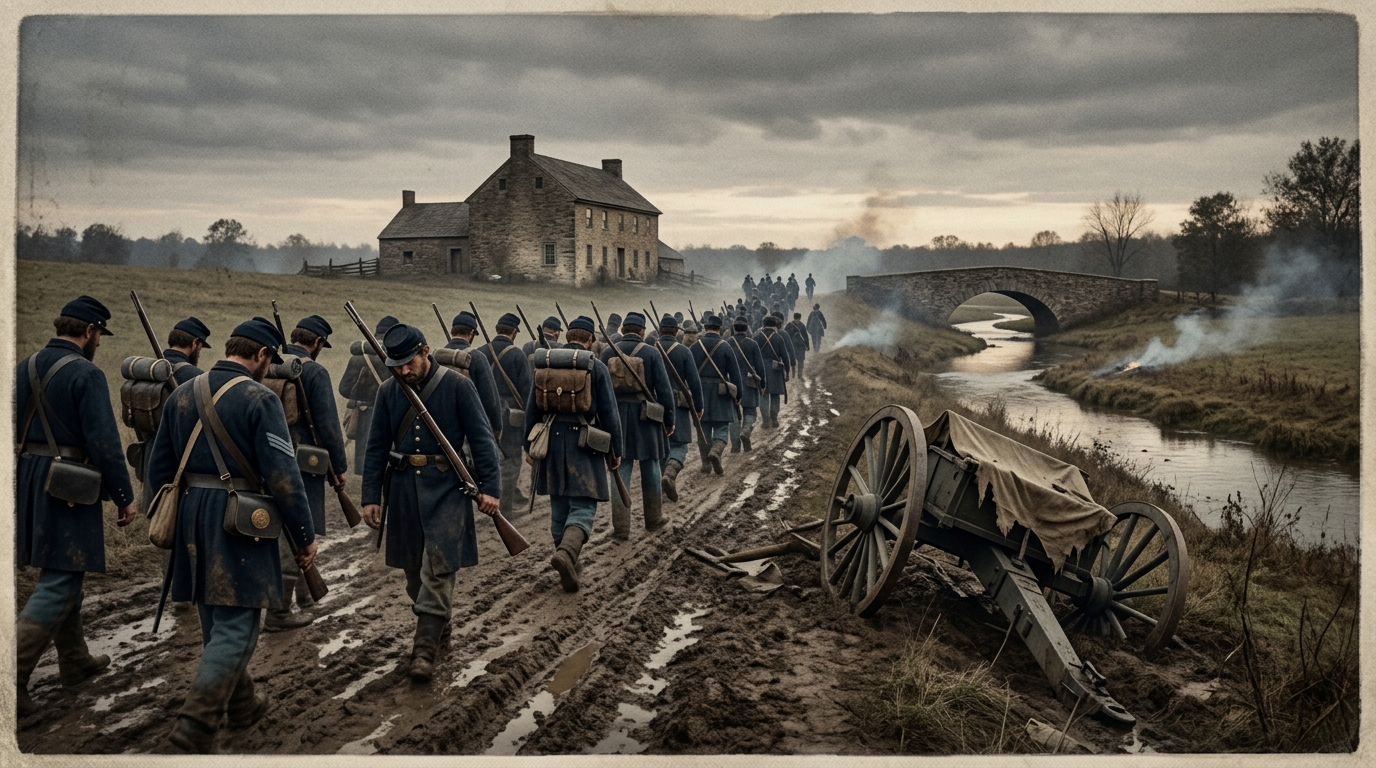
A Confederate courier kept his cigars, and the order wrapped around them stayed buttoned in his coat. So McClellan, cautious by habit, moved as though Lee's whole army stood in front of him instead of scattered down three roads. It did not. Lee drew his divisions back together on the high ground above Sharpsburg, chose his position, and waited for the Union to come to him. The day's fighting pushed the Federals back toward Frederick by dark. The news reached Washington the next morning: the Army of the Potomac in retreat on its own soil, the road behind it open. Clerks in the War Department burned files and kept watch on the river.
Two Capitals Say Yes
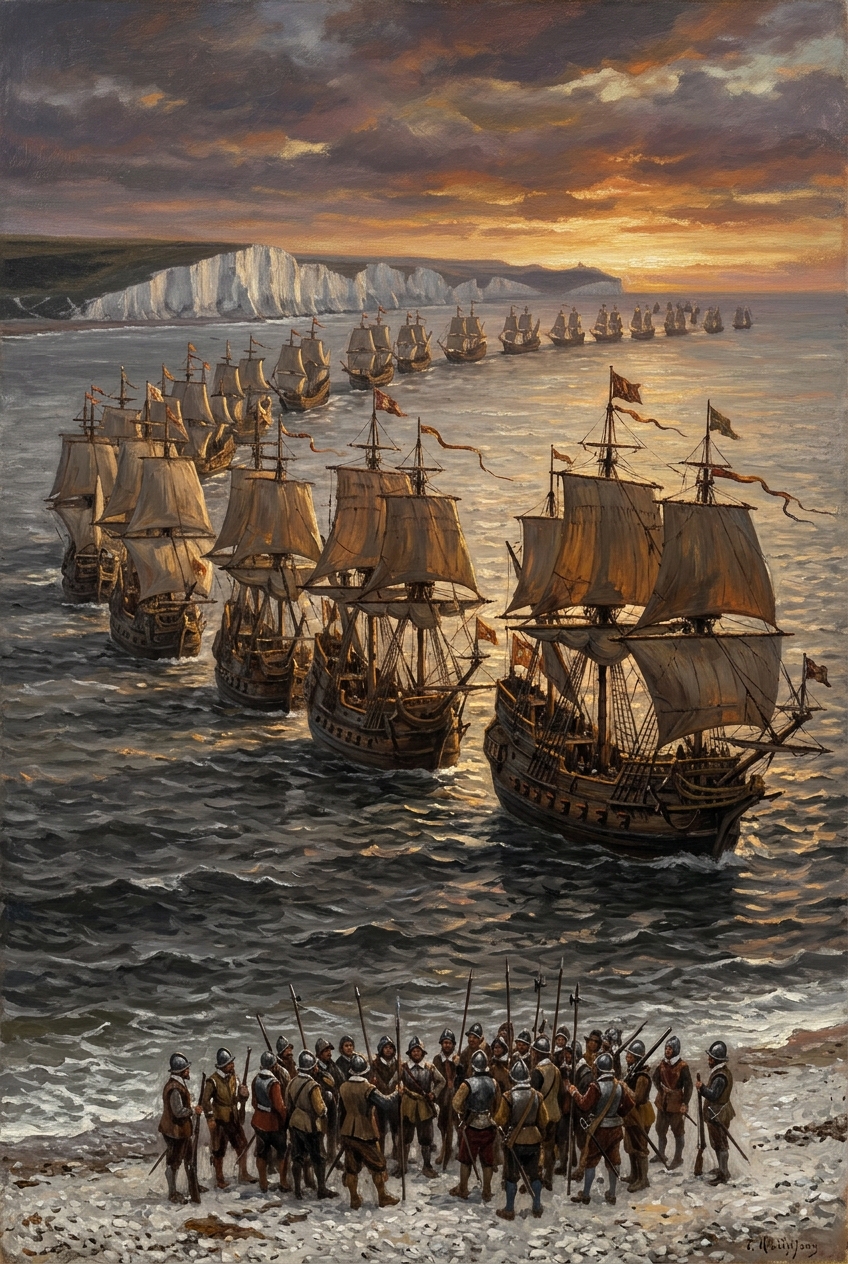
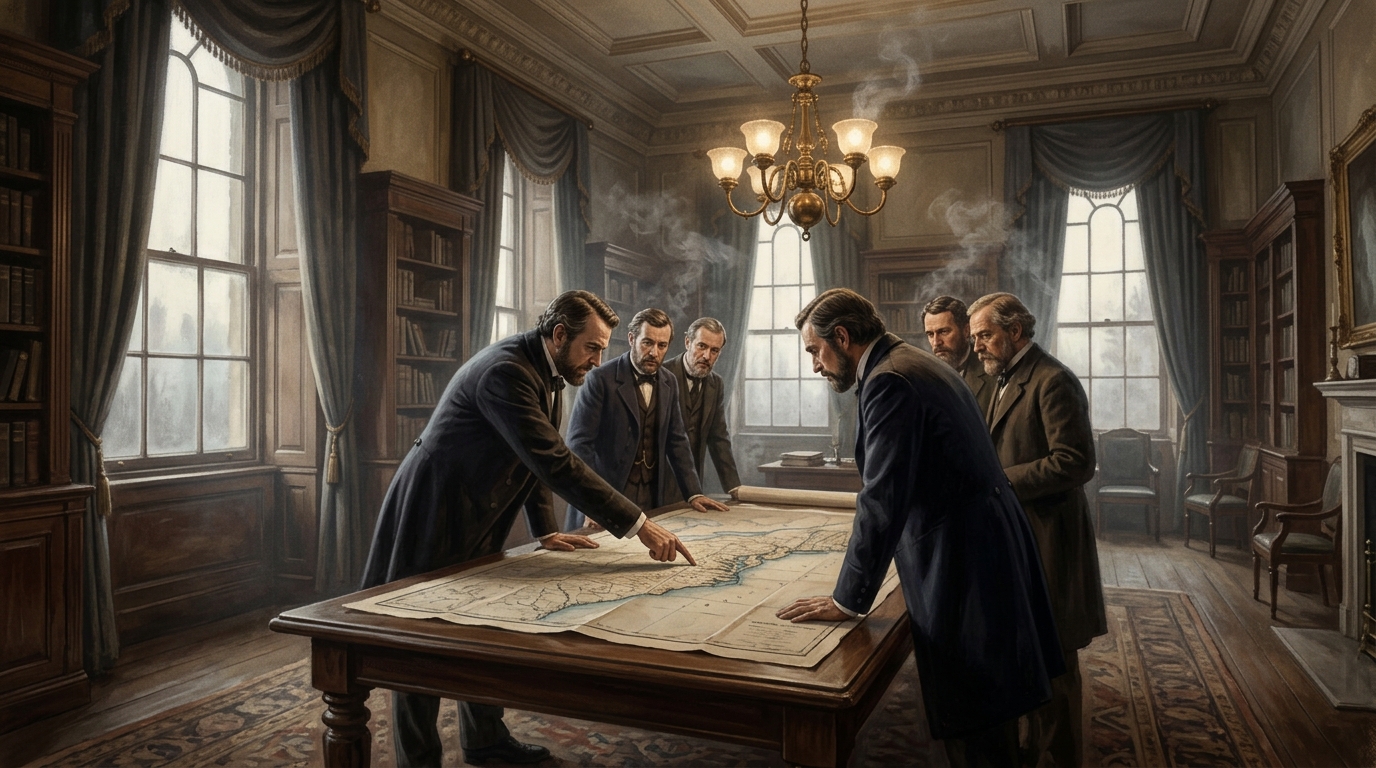
In London the news landed on ministers already halfway to a decision. The mills of Lancashire had run short of Southern cotton, and thousands of weavers sat idle on parish relief. Palmerston's cabinet had spent the autumn arguing over mediation, and a Confederate victory on Northern ground ended the argument. Late in 1862 Britain offered to mediate, and when Washington refused, London and Paris recognized the Confederate States as a nation. Napoleon III, already landing troops in Mexico, welcomed a weaker republic to his north. The blockade frayed as British yards kept turning out Confederate cruisers. Lincoln had counted on Antietam to keep Europe out of it. Now Europe was in.
The Armistice
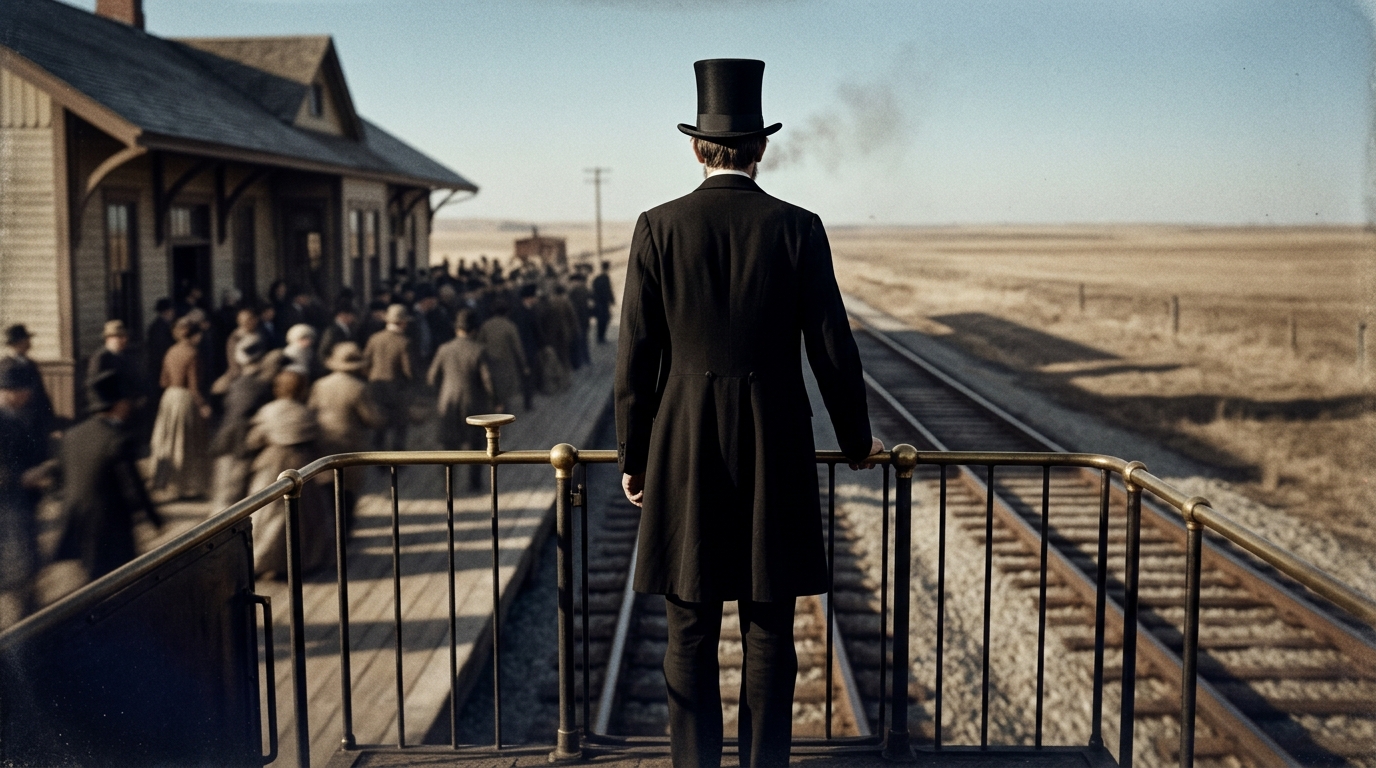
By 1864 the North was tired in a way that showed at the polls. Two years of defeats, a recognized enemy, and no clear road forward pushed voters toward the Democrats and a platform that called the war a failure. Lincoln lost. The new administration opened talks near Niagara Falls, and in the spring of 1865 the two governments signed an armistice that left the Confederacy independent from Virginia to Texas. There was no surrender at Appomattox, no long procession of the freed. Lincoln went home to Springfield a private citizen who had held the Union together for four years and then watched it come apart. The map of North America now carried a second flag.
Drawing the Line
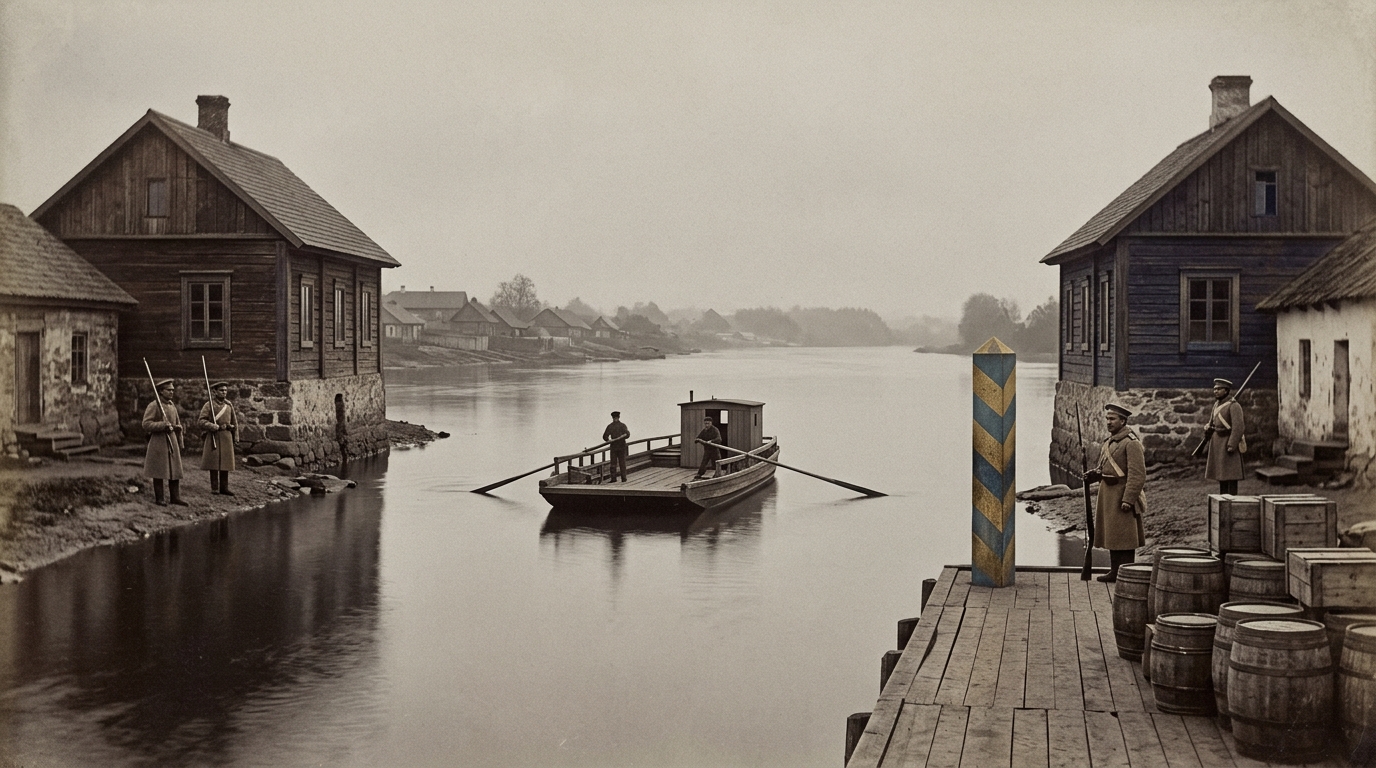
The border was the hardest thing to fix. Kentucky and Missouri had sent men to both armies, and both governments claimed them; commissioners spent years settling the line county by county, with plebiscites that satisfied nobody. The western territories split along it, so a homesteader in Kansas and one in the New Mexico Territory now woke in different countries. Two customs houses faced each other across the Ohio. The worst friction was over people: enslaved men and women who crossed north, and the Confederate agents who came to bring them back. The old fugitive-slave quarrels became a matter of foreign law, argued between embassies instead of on the floor of Congress.
King Cotton's Long Decline
Independence did not make cotton king again. During the war Britain had planted Egypt and India, and those fields kept producing; Southern planters came home to a market that no longer needed them at the old price. The enslaved economy ground on anyway, because the men who ran it could imagine nothing else. Hannah, born on a Georgia place in 1866, grew up hearing that the free states lay eleven days' walk north. She went at nineteen, moving by night through the pine country, guided by people whose names she never learned. Thousands walked it every year. Each was a small hole in the wall the Confederacy had built, and the wall could not be patched fast enough.

The Northern Century
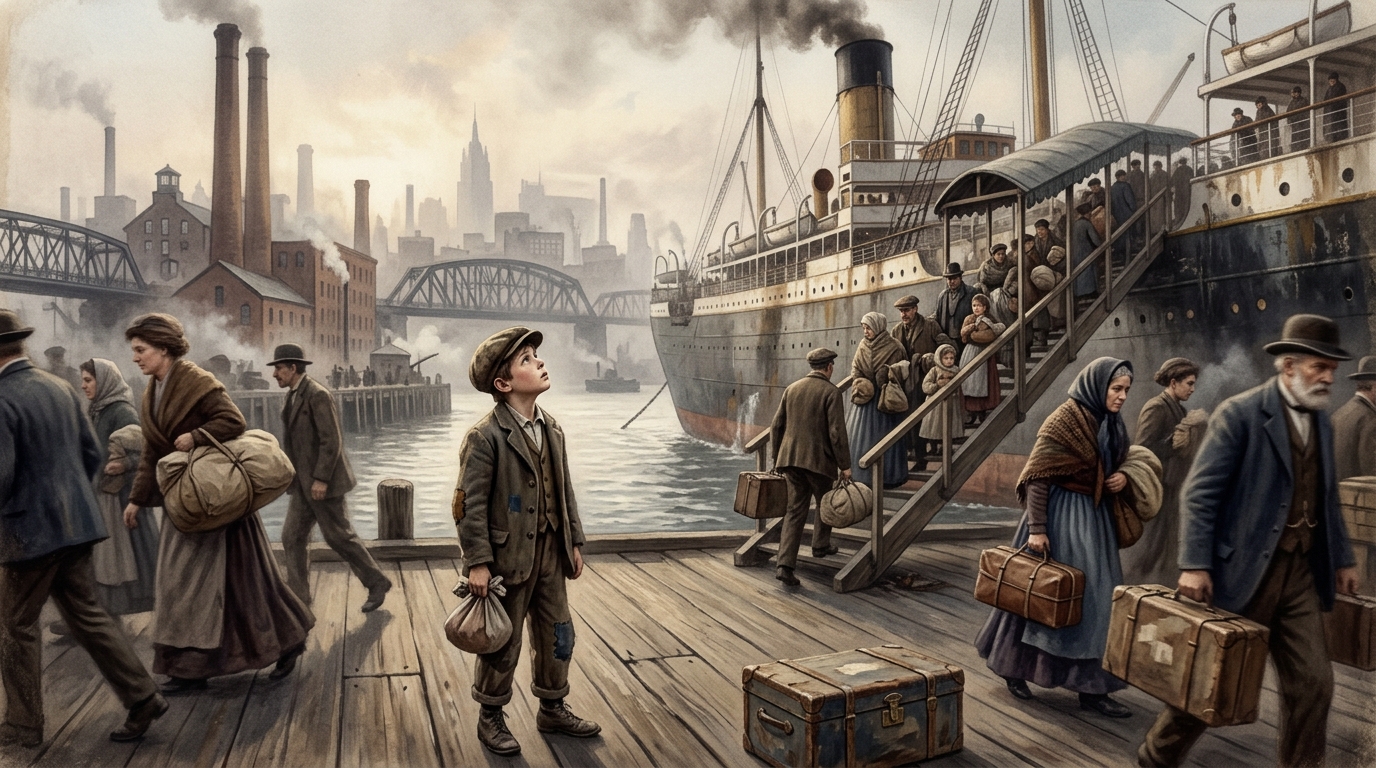
The Union turned its grief into furnaces. Cut off from Southern cotton and Southern votes, the North built mills, laid rail, and threw its politics open to the millions arriving from Europe. A boy from Naples or Krakow could find work in Pittsburgh within a week of stepping off the boat. What the North could not do was forget. School readers taught the war as a wound and not a defeat, and a generation of Northern politicians ran on the promise of one day redrawing the line. Every census that showed the Union pulling ahead in people and steel fed the same quiet question in Washington: not whether the country would try again, but when.
A Continent That Could Not Move as One
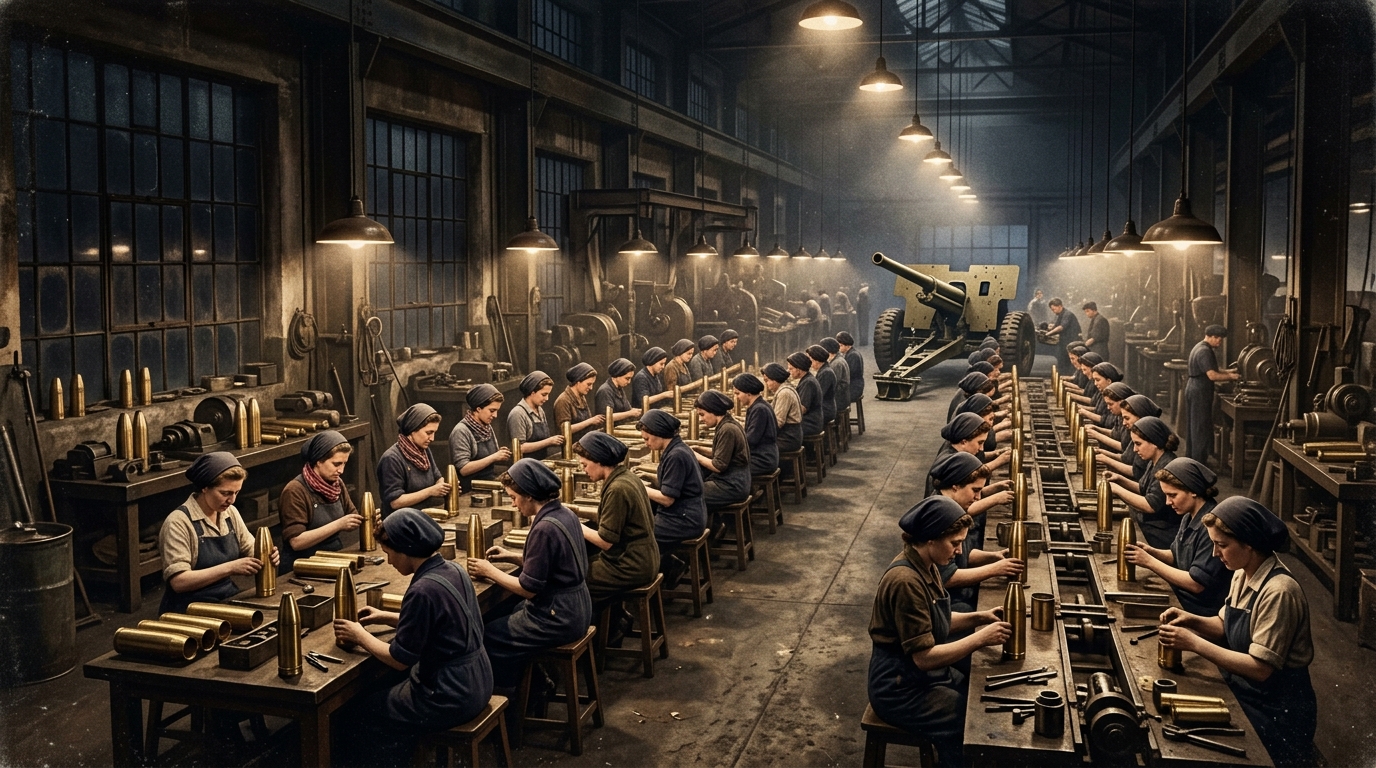
When Europe went to war in 1914, North America answered with two voices. The Union sent men and factories to the Allies. The Confederacy, bound to Britain by cotton and old gratitude, sent raw material and stayed formally neutral. Neither American power carried the weight a single United States might have, and the war ground on longer for it. The pattern held when the next war came in the 1940s: two governments, two armies, a continent that could not act as one body. A united America might have tipped both wars early. The divided one never brought its full strength to bear at the same moment, and everyone in Europe who counted soldiers understood exactly why.
The Fault Line
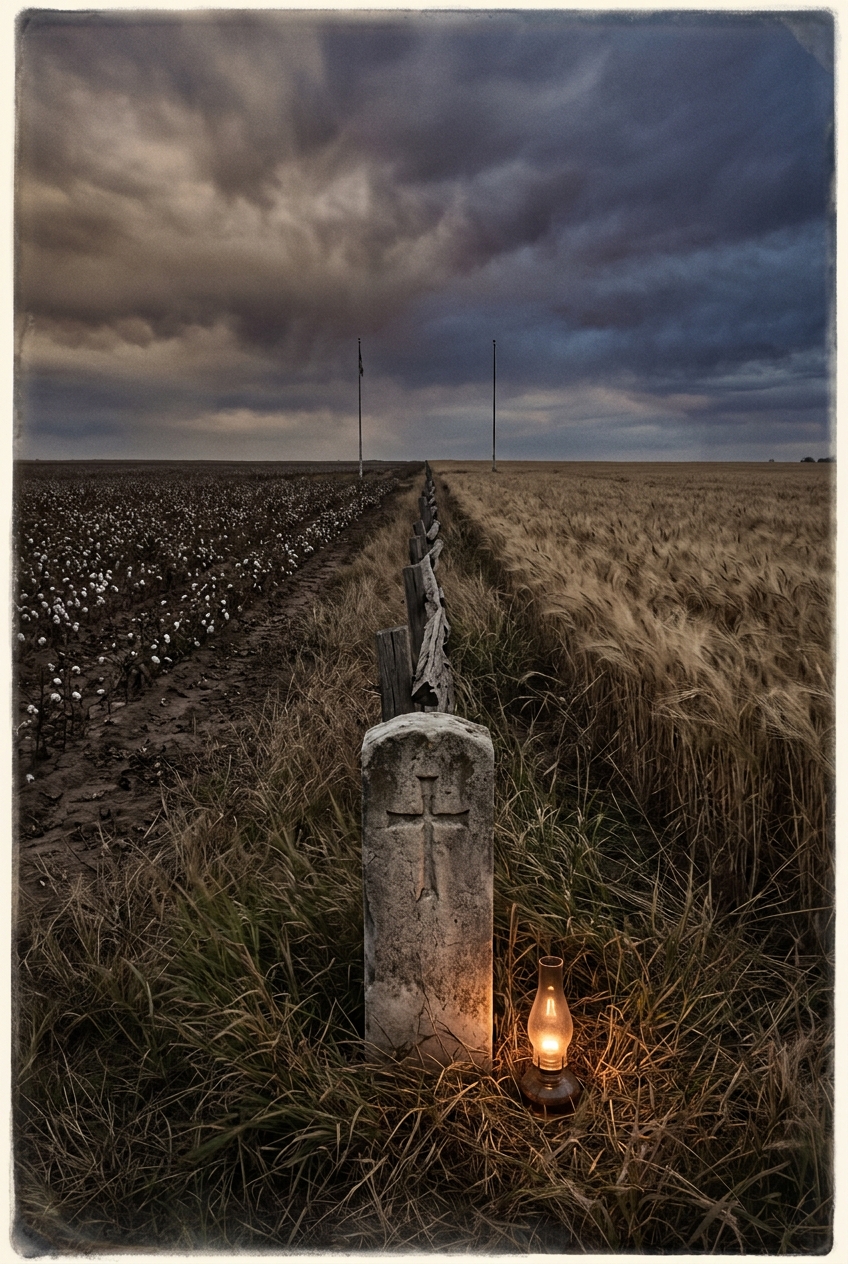
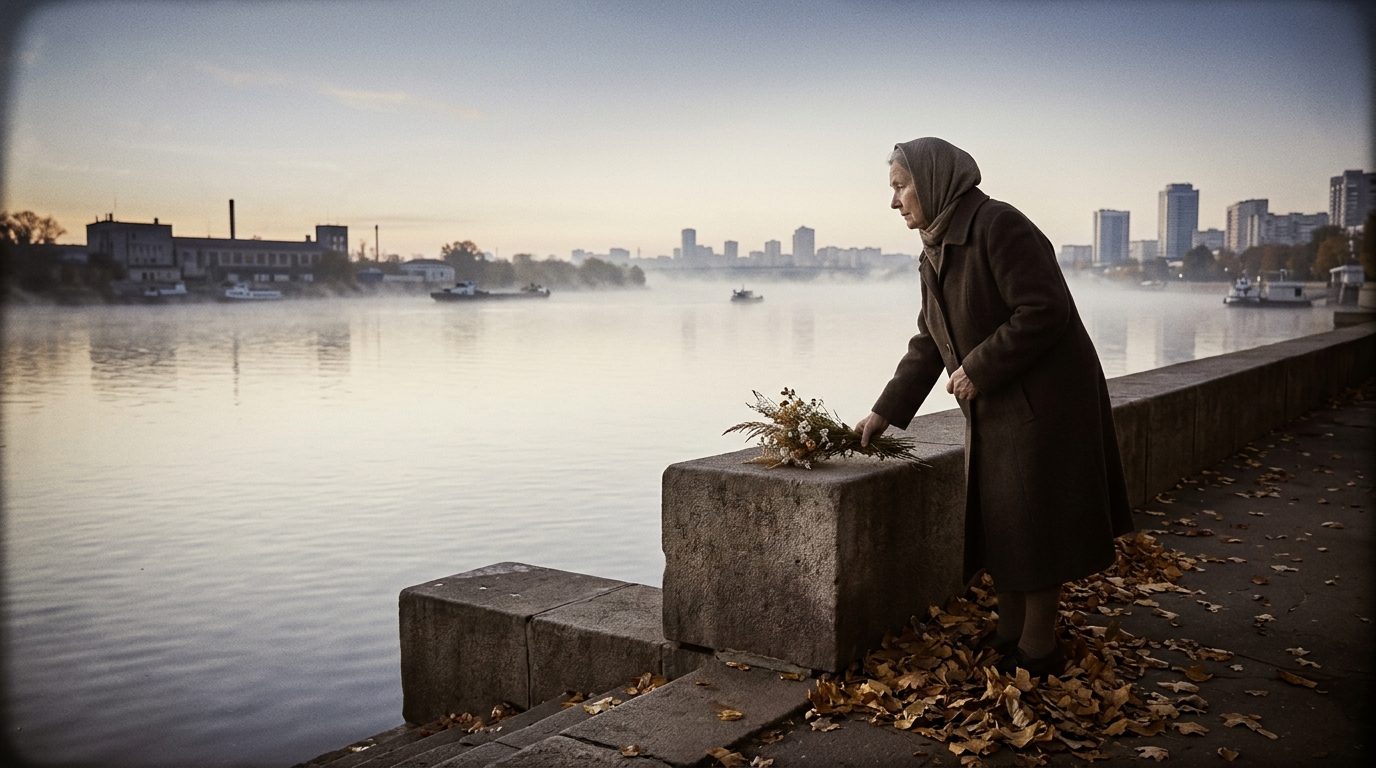
By the end of the century the Confederacy had finally let slavery go, worn down through the 1890s by empty markets, foreign contempt, and the steady drain of people walking north. What came after was poorer and quieter than the boom its founders had promised. The two nations trade now, and their citizens cross the Ohio with passports and complaints about the rate of exchange. There are museums on both banks telling different stories about the same four years. On the anniversary each September, an old woman in Cincinnati whose grandmother walked north lays flowers on the ledge above the water and looks across at a country that could have been hers, and never was.
More from Alternate History