Thawline
Design brief
Learn what the mountain is made of by risking your hands on it, then abandon everything you built before the frost finishes learning your name.
Date: 2026-08-03 Genre: survival crafting Platform: PC (Windows; keyboard & mouse, full controller support) Status: Concept
Target player
Someone who has put four hundred hours into Valheim or Ark and can recite the tech tree from memory — and is tired of it. They want the tools, the cold, the workbench, but not another checklist of pre-known recipes to grind through. They read the discourse around Subnautica 2's early-access launch this year and sided with the reviewers worried that co-op was going to flatten the isolation that made the first game work. They finish games. A survival title that never ends is, to this player, not really a game — it's a second job with a crafting menu. They want a season that closes.
Core loop
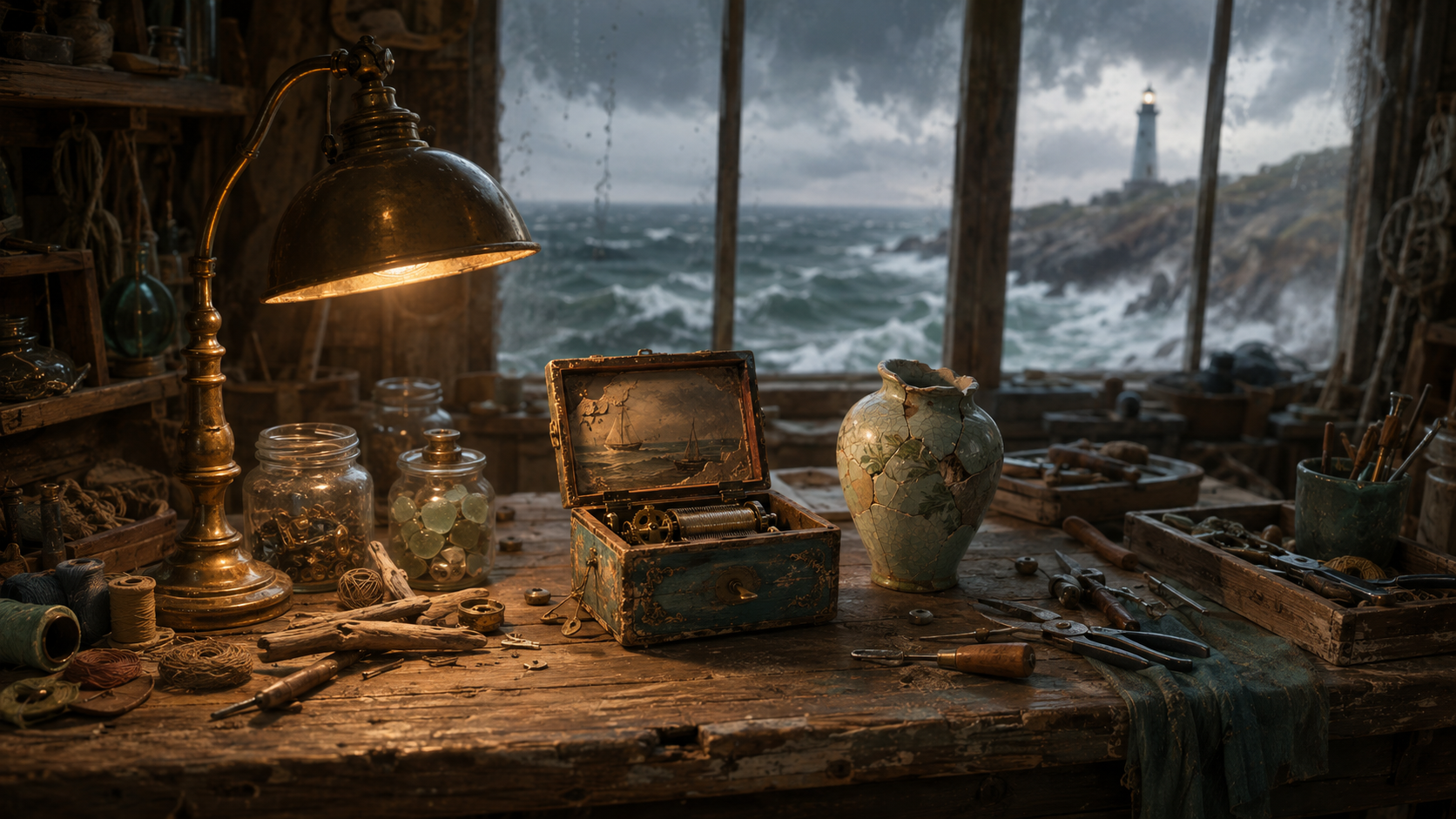
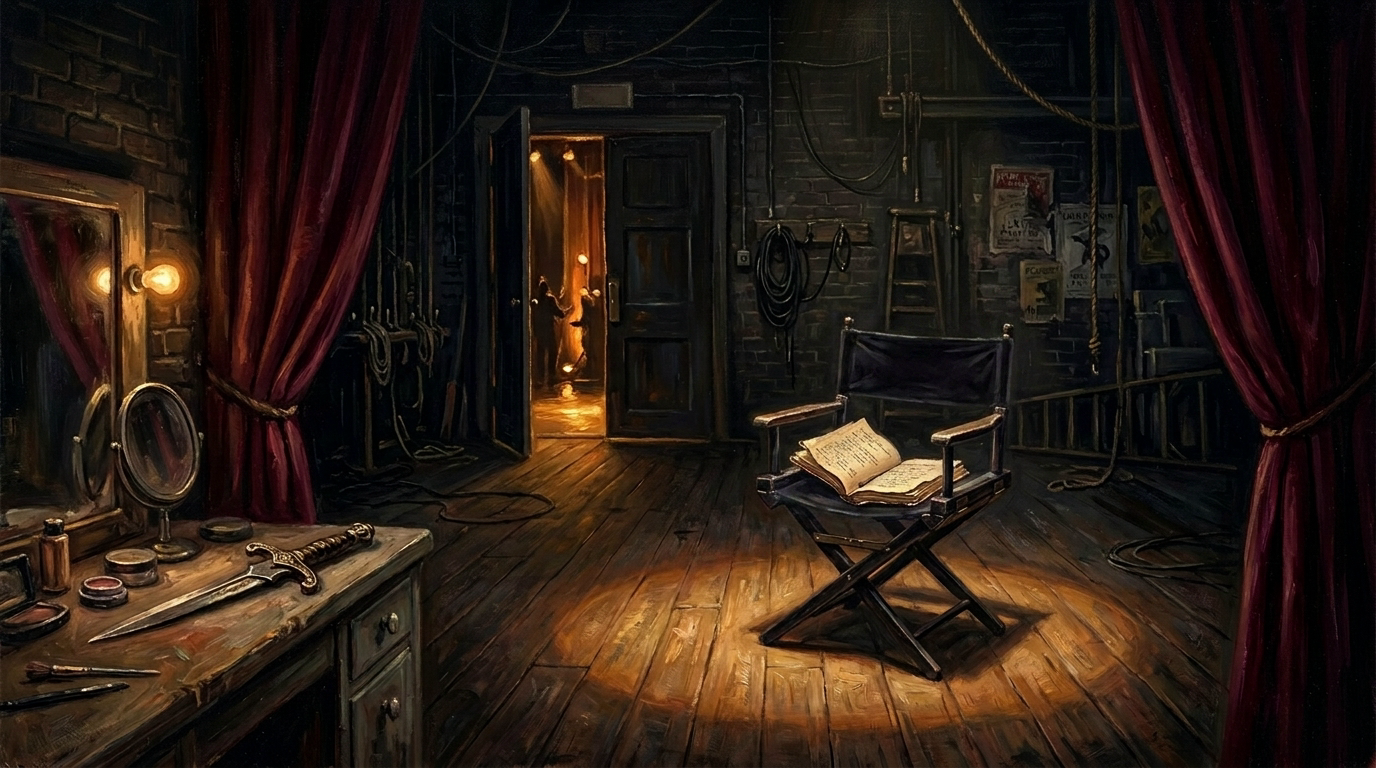
30-second: You're at the workbench with a fistful of unlabeled ore chips, a strip of something fibrous that smells like ozone, and forty minutes of daylight left. Nothing in your journal tells you what happens if you combine them — you've never seen this ore before. You note the ore's weight (heavier than the granite around it, a bad sign for a fuel source) and the fiber's smell (ozone usually means it conducts). You commit. The bench hums, sparks, and the fiber snaps into a rigid coil: you've made a heat conductor, not a rope substitute like you guessed. You write "ozone smell + heavy grey ore = conductor, not binding" in your journal in your own words, because the game never will.
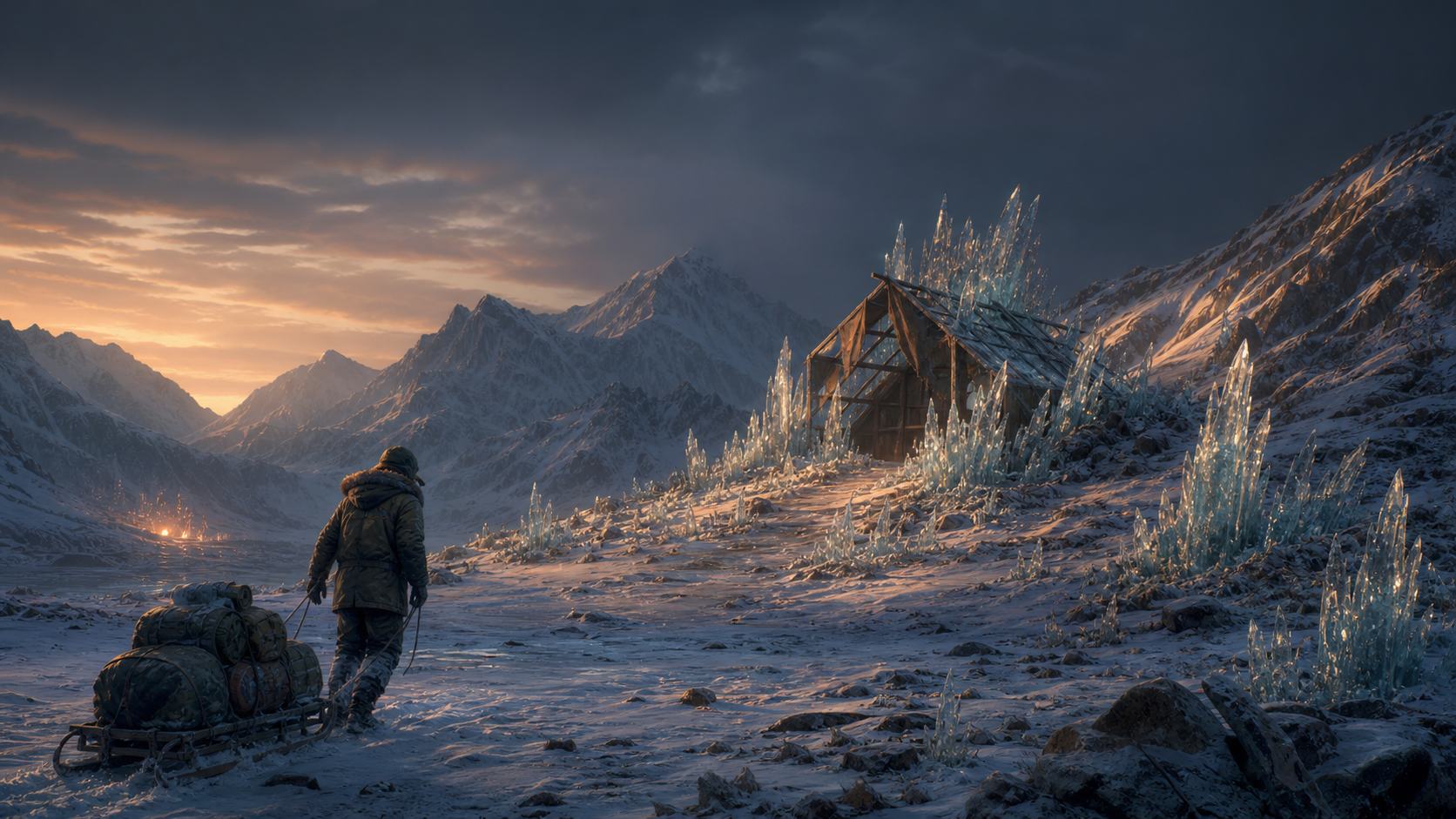
30-minute: You've set up camp in a hollow below the tree line — a lean-to, a fire pit, a drying rack for the fiber you're learning to trust. The frost line, a slow crystalline bloom radiating from a ruined drill rig upslope, has been creeping toward your fire pit all afternoon; it's now eight meters out and closing at a pace you've learned to eyeball. You have maybe two more crafting attempts before you need to strike camp. You gamble the second attempt on a compound you're fairly sure will make a better fire starter — it works, barely, singeing your sleeve — then you tear down the drying rack, sled-load what survived, and haul north along the ridge before the hollow goes under. Behind you, the lean-to's frame is already sugared with the first crystals. You won't see it again.
Where it gets boring in hour three: once a player has learned the properties of the common ores in the first valley — weight, smell, the way a material catches light — the experimentation puzzle stops being a puzzle and starts being a lookup. The zone-to-zone structure exists specifically to break this: each of the eight valleys along the Kestrel Range introduces at least two materials with properties that read as familiar but behave differently at altitude (the "heavy grey ore" from valley one is a decent conductor at sea level and an explosive hazard above the frost line, where pressure drops). The journal the player already trusts becomes a source of confident wrong guesses, which is a sharper hook than a fresh unknown — it's the one place in the genre's crafting loop where prior mastery can actively hurt you, on purpose.
Systems
- Blind-bench crafting: No recipe list exists anywhere in the game. Every material has hidden properties (weight, conductivity, volatility, density) that manifest as sensory tells — smell, sound when struck, how it catches firelight — described in short, consistent flavor text. Combining materials at the workbench is a real gamble with three outcomes: a working item, a wasted attempt (materials lost, no harm), or a bad reaction (burns, a shattered bench part, a plume that draws the wrong kind of attention). The player's journal is the only record of what's been learned, written in the player's own summarized words via a short prompt after each attempt.
- The frost line: A crystalline bloom (rimeglass) spreads outward from a handful of fixed source points across the map. Any structure — lean-to, fire pit, drying rack, cache — left standing within the frost's reach for too long crystallizes and is lost permanently, tools and stored materials included. The spread rate is visible and roughly predictable (a slow, steady creep, faster after storms) so losing a camp reads as a bad decision, not bad luck.
- The rig: A slot-based sled and backpack combo defines what survives a relocation. Sleds carry more but slow you on steep terrain and can't cross narrow ledges; backpacks are limited but go anywhere. Every camp teardown is a real packing decision — you cannot carry the whole camp, so you choose what earns a slot.
- Weather as a second clock: Wind direction affects scent-tracking (used to hunt the sparse, non-aggressive wildlife for food) and fire viability; temperature drops force warmth management independent of the frost line; whiteout storms cut visibility and tighten the timing window on workbench attempts, since cold hands fumble the gamble. Weather doesn't spawn enemies — the mountain has no combat AI. It just makes every other system harder at once.
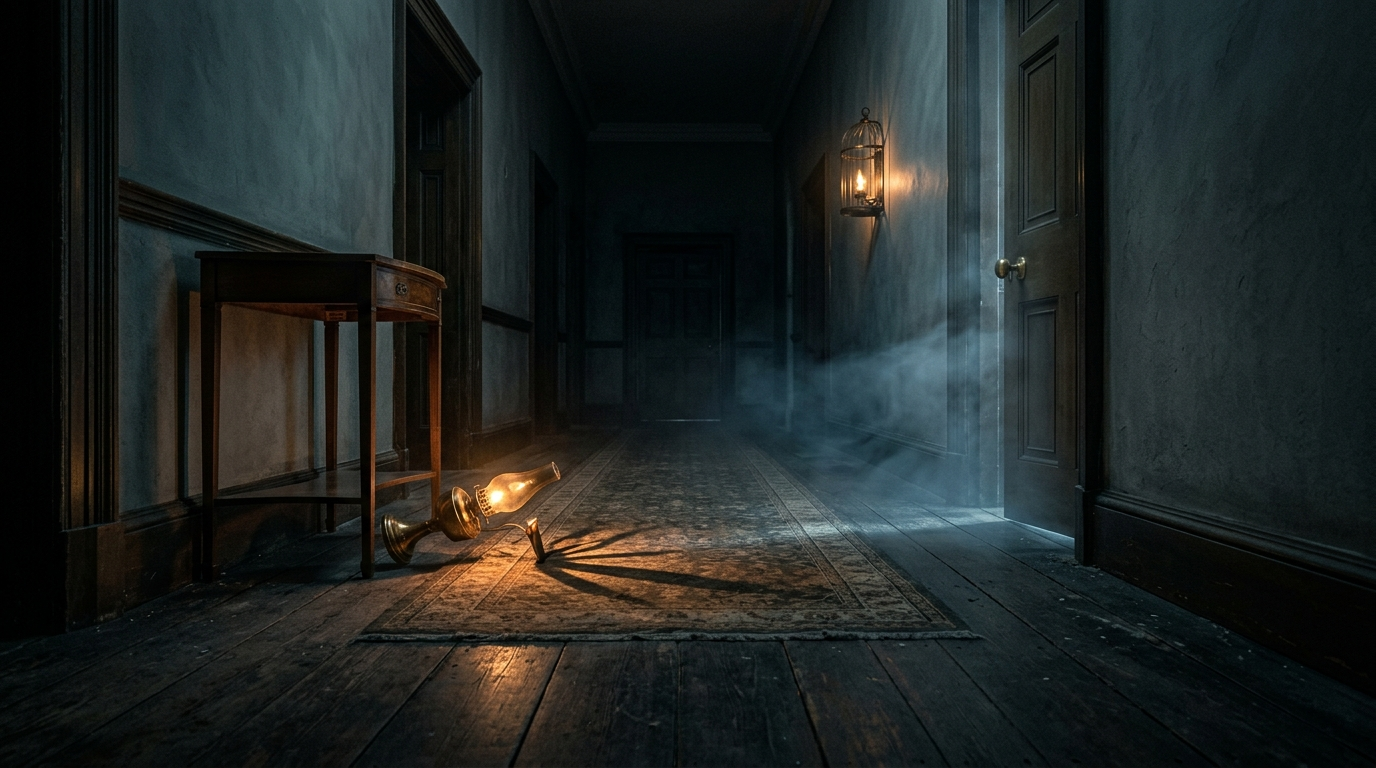
- Ghost camps: Frozen, permanently preserved remains of a previous expedition are scattered through each valley — a crystallized lean-to with a legible (but incomplete) scrap of someone else's journal nearby. These are static, single-player content, not live multiplayer; they exist to seed partial knowledge and, more importantly, dread, without breaking the isolation the setting depends on.
- The pass clock: Each of the range's mountain passes seals permanently at a fixed point in the season, visible on a shared overview map from the start. Reaching the Solstice Relay at the range's summit before the last pass closes is the win condition. There is no soft-lock — every pass closure is telegraphed at least two in-game days ahead by a visible storm front.
Progression
There is no experience bar and no skill tree. Progression is entirely what the player has learned and what they're still carrying. Early valleys have forgiving frost timers (roughly forty in-game minutes before a camp is at risk) and common, low-danger materials; later valleys along the range tighten the timer (down to fifteen minutes by valley six), introduce materials whose properties invert what altitude has taught the player to expect, and layer weather on top of the frost clock so a single storm can force a relocation the player wasn't ready for.
A full run is one season: roughly 10–14 real-world hours across the range's eight valleys, ending at the Solstice Relay. New Game+ ("A Harder Winter") reshuffles material property-to-tell mappings and tightens every timer by a fixed percentage, so a veteran's journal from run one is now actively misleading — the closest thing the design has to a difficulty slider, and an honest one. Seeds vary valley layout and ghost-camp placement for replay variety without extending the season's length.
World & setting
The Kestrel Range used to have four seasons. A geothermal drilling operation near the summit went wrong nine years ago and seeded the rock with rimeglass — a crystal that grows toward cold and standing structures, and hasn't stopped since. The government pulled out; a scattering of independent researchers, salvagers, and people with nowhere better to be didn't. You're the latest. Nobody sent you a map, a recipe book, or a radio contact. What you know, you'll learn by burning your hand on it.
The tone sits closer to The Long Dark than to Ark: quiet, cold, a little wondrous at the crystal formations even as they're closing in on you. No fantasy races, no combat classes — the antagonist is the mountain, on a schedule.
Differentiators
- Crafting has no menu. Every combination is a real experiment with three possible outcomes, and what the player learns is written by their own hand into an in-fiction journal — not unlocked from a tech tree. Prior mastery can actively mislead you at altitude, which no recipe-tree game can do.
- Every camp has a shelf life. The frost line crystallizes anything left standing too long, so the reward for skill is packing lean and moving on — not sprawling into a permanent base, which is the default fantasy in Valheim, Enshrouded, and Ark alike.
- The season ends. A fixed pass-closure clock, visible from minute one, replaces the endless-grind structure that burned out veteran players on Ark and frustrated casual Palworld players this year. Roughly 10–14 hours, then it's over — win or don't.
Monetization notes
Premium PC launch on Steam, targeting $27.99. Early Access for 6–9 months, scoped narrowly: at EA launch, three of the eight valleys are playable end-to-end (enough to validate the frost-clock pacing and the blind-crafting risk curve before committing to the full range), with the complete eight-valley season and New Game+ shipping at 1.0. This is a deliberately smaller EA promise than Subnautica 2's, made in response to the backlash Subnautica 2 drew this year over scope and delivery uncertainty — Thawline's EA page states the valley count at launch and the 1.0 target explicitly. No live-service shop, no cosmetic microtransactions, no season pass; one narrative-expansion DLC ("The Low Range," a second, lower-altitude range) planned for roughly a year post-1.0. The genre's 2026 output (Subnautica 2, Palworld 1.0) shows strong appetite for premium survival titles with a distinct hook; Thawline's bet is that "an ending" is itself a distinct enough hook in a genre defined by not having one.
Accessibility notes
- Fully remappable keyboard/mouse and controller bindings, including one-handed control layouts
- Frost-line and hazard indicators use shape and pattern coding in addition to color; four colorblind-safe palettes selectable
- Scalable UI and journal text (75%–200%), with a dyslexia-friendly font option for journal entries
- Full subtitles and visual captions for audio cues (wind shifts, avalanche rumble, workbench sparks) with adjustable caption size
- Adjustable frost-line pacing (a "generous timers" assist option extends every camp's shelf life by 50% without disabling the mechanic) and an optional permadeath toggle for players who want the season to truly end on failure
- Motion sickness mitigation: FOV slider (65–110°), reduced camera shake option, screen-edge fade during sled traversal on steep terrain
- Photosensitivity option for workbench spark effects and storm lightning
Risks
- Blind crafting reads as guesswork instead of deduction. If the sensory tells aren't legible, players will feel punished rather than clever. Mitigation: Week 1 prototype tests tell legibility in isolation, before any other system, with external playtesters who've never seen the material set.
- Forced relocation feels punishing rather than purposeful if frost timers are miscalibrated. Mitigation: generous early-valley timers (40+ minutes), a visible and consistent spread rate, and the accessibility timer-extension option; tuned against playtest data in week 6, not shipped on a guess.
- Single-player-only, one-box pricing limits revenue compared to live-service competitors. Mitigation: the fixed-season structure is the pitch, not a limitation to apologize for — priced and marketed against The Long Dark and Firewatch-adjacent premium single-player titles, not against Palworld's live-service scale.
- A fixed ending caps replay hours next to open-ended competitors. Mitigation: seeded valley variation, New Game+ with reshuffled material properties, and expedition-time leaderboards give repeat structure without turning the season into a grind.
- Three interacting systems (blind crafting, frost clock, weather) is real scope for a small team. Mitigation: the 6-week plan prototypes blind crafting alone first, since it's the novel and highest-risk system; frost clock and weather use more established genre patterns and come later, once the core gamble feels right.
6-week prototype plan
- Week 1: Blind-bench crafting in isolation — 15 materials with hidden properties, sensory tells, three-outcome resolution, and the player-written journal prompt. No world, no frost, no traversal. External playtest on tell legibility alone.
- Week 2: Single graybox valley with one frost source point; visible spread rate; structures that crystallize and are lost. Forced-relocation test against week 1's crafting loop.
- Week 3: Rig system — sled and backpack slots, terrain-dependent movement penalties, teardown/rebuild flow. Connect two graybox valleys with one pass.
- Week 4: Weather layer — wind (scent tracking, fire viability), temperature (warmth budget), whiteout storms (visibility, crafting timing window). Layer onto the existing frost and rig systems.
- Week 5: Ghost camps (static environmental storytelling, partial journal scraps) and the pass-clock overview map with telegraphed closures. Season-length pacing pass across three connected valleys.
- Week 6: Vertical slice — three valleys, one pass closure, one full frost-clock relocation cycle, ending at a placeholder Relay checkpoint. External playtest of the full loop; tune timer pacing, material scarcity, and crafting risk odds. Stakeholder presentation build.
Genre references
- Subnautica 2 (Unknown Worlds/Krafton, Early Access, May 2026) — https://www.pcgamer.com/games/survival-crafting/after-all-that-drama-subnautica-2-is-good/ — reviewers questioned whether adding co-op would erode the isolation that defined the original; Thawline commits to single-player-only and uses static ghost camps instead of live multiplayer to keep that isolation intact.
- Palworld 1.0 (Pocketpair, full release, July 2026) — https://mobalytics.gg/gamebase/guides/palworld-1-0-review — early-access feedback flagged grind-heavy pacing for casual players and restrictive, awkward base-building on uneven terrain; Thawline's frost-clock design makes lean, temporary building the intended play pattern rather than a workaround for bad terrain rules.
- A 35,000-hour Ark: Survival Evolved player's negative Steam review, covered by PC Gamer — https://www.pcgamer.com/games/survival-crafting/guy-with-35-000-hours-in-ark-survival-evolved-gives-it-a-negative-steam-review-how-do-i-get-a-refund/ — a concrete data point on veteran burnout from endless-grind survival design; directly informs Thawline's fixed one-season, ~10–14 hour structure.
- "The best survival games 2026: stayin' alive," PCGamesN — https://www.pcgamesn.com/best-survival-games — genre landscape overview confirming permanent base-building and recipe-tree crafting as the dominant, largely unquestioned genre norms Thawline sets out to invert.
- "Best Survival Crafting Games on PC & Steam 2026," RocketBrush — https://rocketbrush.com/blog/top-crafting-games-for-pc-steam — secondary genre overview used to cross-check current staples (Valheim, Enshrouded, Grounded) and confirm the gap: no current title ties crafting itself to discovery rather than menu selection.