Winnow
Design brief
Chain kills fast enough to earn the right to cut your own deck down, because every hit you take jams a dead card into it, and once dead cards outnumber live ones your strongest plays stop working.
Date: 2026-08-24 Genre: roguelike deckbuilder Platform: PC (Windows; keyboard & mouse, full controller support) Status: Concept
Target player
Someone who has put 80 hours into Slay the Spire, bounced off Slay the Spire 2's early access for reasons they can't quite articulate, and finally figured it out: by act three their deck was thirty-five cards deep and half of it was filler they'd stopped reading. They liked the Ironclad's Corruption/exhaust build more than any other archetype in the original game, not because it hit harder, but because a fifteen-card deck felt like a weapon instead of a pile. This is the game where that feeling is the whole design, not one build tucked away in a sea of stat-stick options. They also want turns to be short: no StarVaders-style grid to read, no chess clock. Just a hand, a target, and a decision that matters every single turn.
Core loop
The 30-second loop. You draw a hand of five cards from your deck each turn and have 3 Grain to spend playing them: attacks, blocks, and utility, same shape as any card-combat game. The twist sits underneath. Every time an enemy lands a hit on you, they don't just take a chunk of your HP, they shove a Chaff card into your draw pile, a zero-cost, zero-effect card that exists only to occupy a card slot and dilute your next few draws. Kill an enemy inside its Patience counter (a visible number, 3–4 turns depending on the enemy) and you earn Flail Points; kill two or more enemies on the same turn and the chain multiplies the payout. Spend a Flail Point mid-fight to exhaust a Chaff card the instant you draw it, before it can clog a second hand.
The 30-minute loop. A Season is a branching field map: fights, Threshing Floor nodes, a rest/shop node called a Silo, and one Season Warden at the end. After most fights you stop at a Threshing Floor and spend whatever Flail Points you earned there to permanently cut cards from your deck. Cutting a Chaff card is close to free value; cutting a live card you've outgrown is a real sacrifice. The game tracks the ratio of live cards to total deck as Grain Purity. Drop that ratio to 50% or below and every card costing 3 or more Grain goes Spoiled: greyed out, unplayable, until you claw your way back above the line. Four Seasons, one Warden apiece, each one built to test whatever pruning discipline you've built up to that point.
Here's where it gets boring if we don't watch it: a mid-run deckbuilder's third hour is where players learn the optimal cut pattern and start executing it on autopilot, turning the Threshing Floor into a chore instead of a decision. The mandatory-cull rule in Season 2 onward (below) exists specifically to break that autopilot: it forces a cut even when the "correct" play would be to bank Flail Points and skip.
Systems
- Grain & hand economy — five-card hand, 3 Grain per turn (4 from Season 3 on), card costs run 1–3 Grain. Standard shape on purpose; the tension lives elsewhere.
- Chaff injection — a successful enemy hit adds 1 Chaff card to your draw pile, not your hand. That delay is the fairness guarantee: you see the enemy's Intent icon telegraph the hit coming, and you know Chaff is landing next shuffle, not this instant.
- Flail Points & chains — killing inside an enemy's Patience counter pays Flail; killing multiple enemies on one turn pays a chain bonus. This is the game rewarding the aggressive read over the safe one — stalling for perfect information costs you the currency you need to stay lean.
- Threshing Floor — the only place cards leave your deck for good. Flail Points don't carry over between visits, so hoarding them is a losing strategy.
- Grain Purity & Spoilage — live cards divided by total deck size. At or below 50%, your 3+ cost cards lock. This is the number the whole run is fighting to protect.
- Charms — passive relics, several of which interact with Chaff directly (one turns your first Chaff draw each fight into a temporary Grain instead of a dead card; another raises your Spoilage threshold from 50% to 40% at the cost of a smaller starting hand).
- Season structure — four Seasons, each with a branching field map and one Warden boss that introduces a new kind of pressure rather than just bigger numbers.
- Harvest Tally — a between-run currency that unlocks new Charms, starting Vocations, and card-pool additions. It widens your options, not your stats — a run with zero unlocks should still be winnable, just narrower.
Progression
Within a run, your deck grows the normal way: pick a card after most fights. But Grain Purity punishes greedy picking automatically, so the reward screen is already doing tension work a generic card-reward screen doesn't. Between runs, Harvest Tally buys Vocations: alternate starting decks that reframe the Purity math instead of just being stronger. The Gleaner Vocation starts with nine cards instead of the default fifteen and a tighter Spoilage threshold, playing the whole run on a knife's edge. The Miller Vocation starts heavier but with a Charm that softens the first Chaff hit each fight. Difficulty escalates per Season (see below), and a full clear of all four Seasons is the win state. There's no infinite ascension mode at launch, on purpose, because infinite scaling is exactly the "one number goes up forever" trap this design is trying to avoid.
World & setting
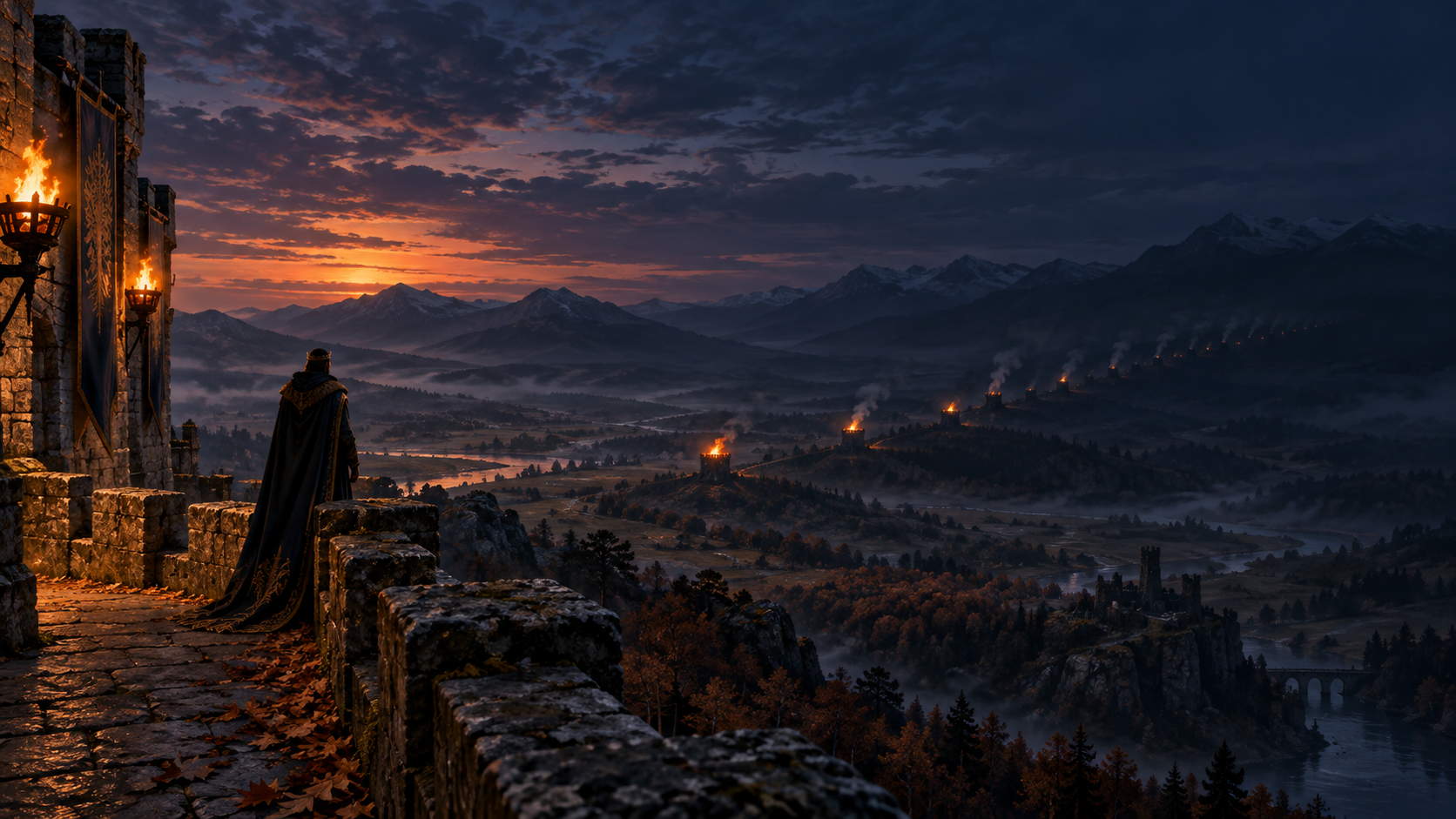
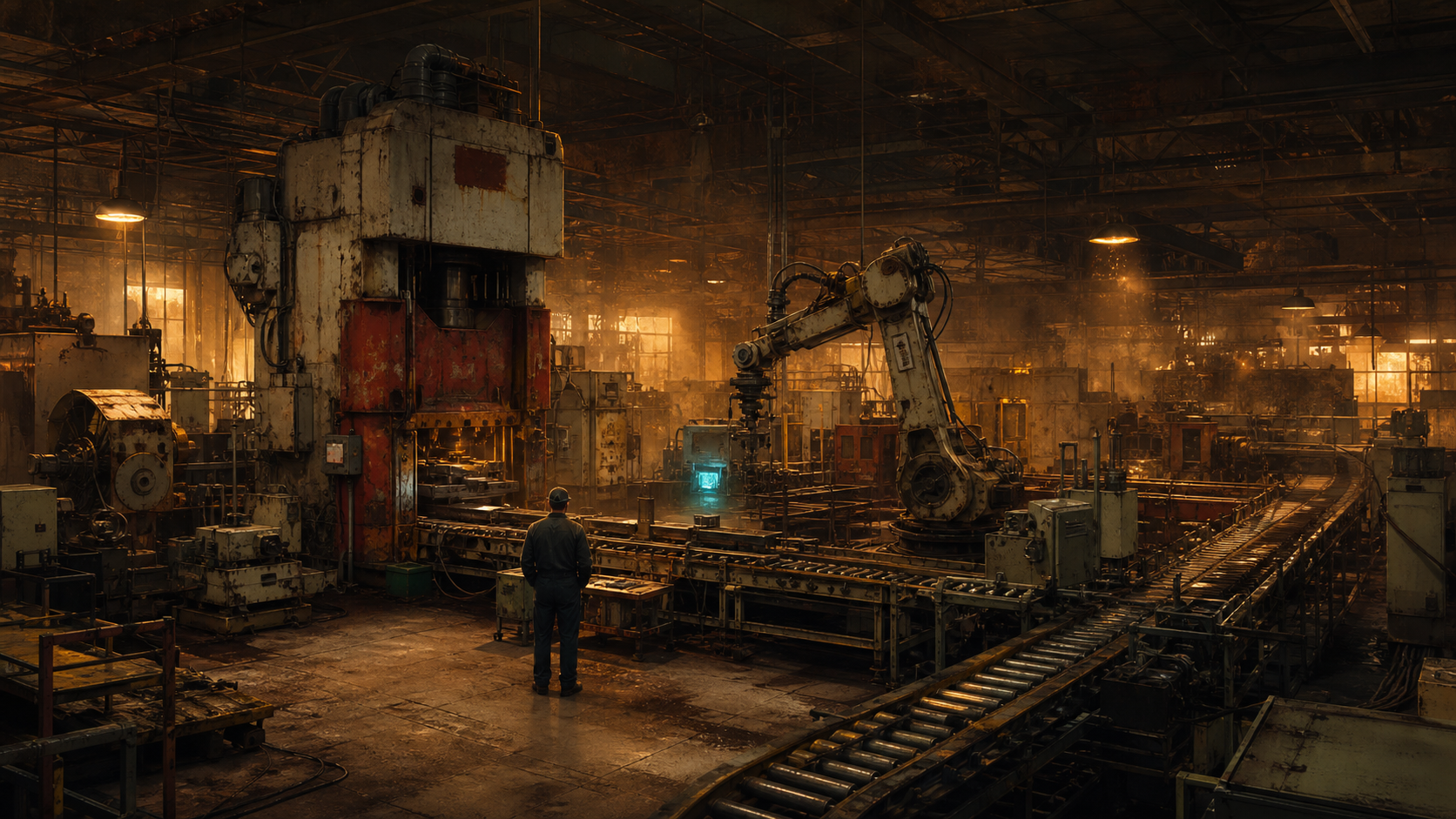
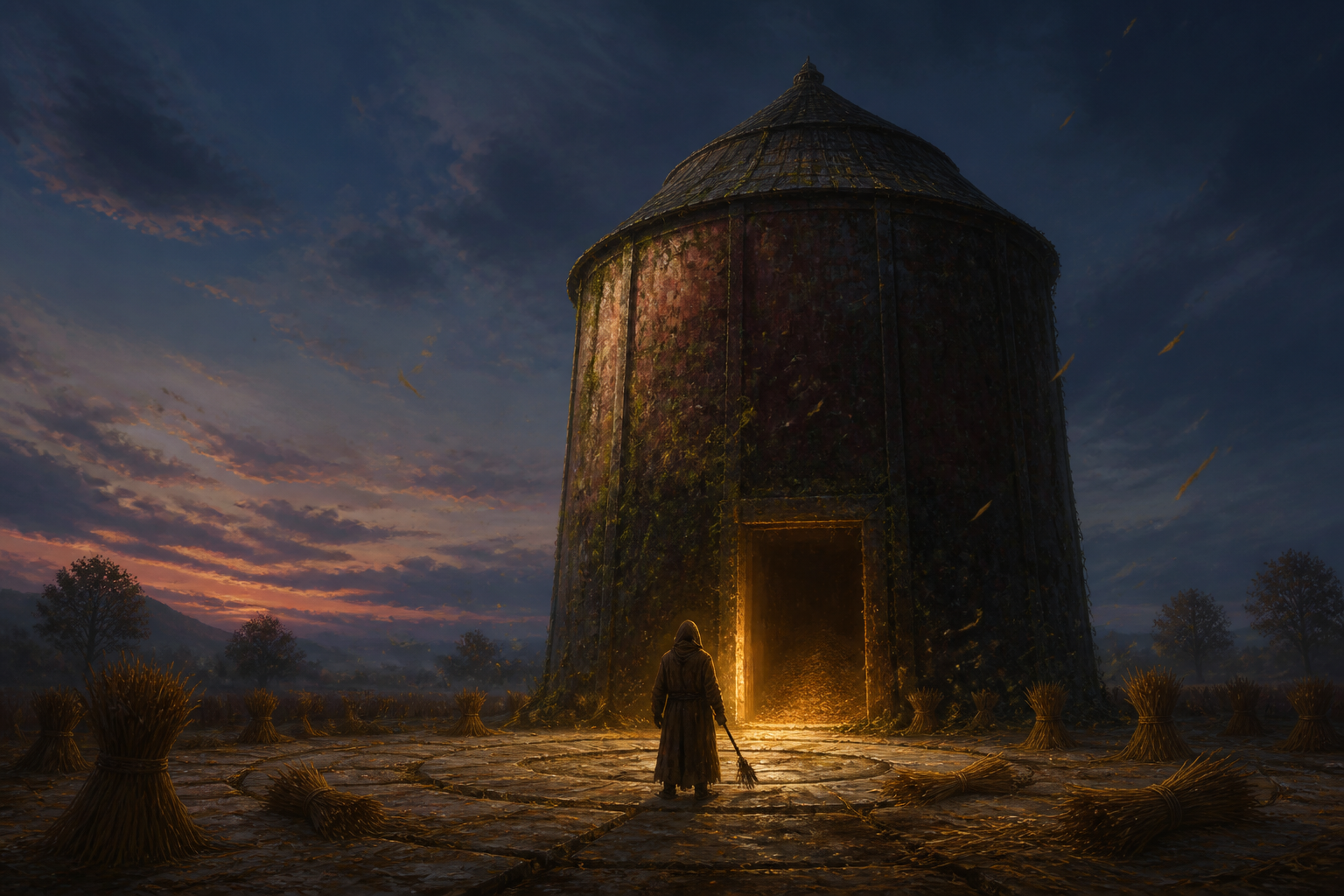
An agrarian empire is dying of a slow rot nobody names directly. Crops fail, silos spoil, and the people who used to just discard the bad grain have started coming back wrong. You play a Winnower: an itinerant exorcist-harvester whose deck is a working memory of grain-lore, half-agricultural technique and half something closer to prayer. The rot-touched aren't zombies, they're neighbors who kept eating spoiled bread past the point anyone should have. Art direction leans into that discomfort without going gory: sun-bleached fields, grain silos lit gold at dusk turning to a sick ochre inside, threshing floors worn smooth by generations of the exact ritual you're performing on your own deck.
Differentiators
- Deck bloat is an enemy weapon, not a player mistake. Chaff arrives because you got hit, which means the thing most roguelike deckbuilders treat as background pacing — decks getting big and soupy by the late game — is instead the opposing force actively working against you every fight.
- Pruning is a skill expression, not a shop menu. Flail Points are earned through aggressive, chain-kill play and spent under a strict use-it-or-lose-it clock, so cutting cards is something you fight for rather than something you click through between combats.
- Your best cards can go stale. Spoilage means hoarding power picks without keeping your deck lean is a losing strategy — a direct inversion of the "always take the next upgrade" habit this genre trains into players.
Monetization notes
Premium, one-time purchase: $19.99 at 1.0, with a discounted Early Access entry point around $14.99. That mirrors where the genre's biggest recent launch, Slay the Spire 2, landed: it opened Early Access in March 2026 and drew over 340,000 concurrent players on launch day, proof the audience still shows up hard for a premium deckbuilder with a clear identity. The honest read: this market is not open water. Slay the Spire 2, Monster Train 2, and Balatro between them account for most of the attention a roguelike deckbuilder can hope to get on Steam right now, and Choost Games' own 2026 rundown of the genre calls out how many recent releases "learned the surface lessons of Balatro or Slay the Spire without internalizing why those games actually work." Winnow's shot at cutting through is a single, sharp, marketable hook: the enemy attacks your deck's size, not just your health bar. That's pitched directly at Steam's roguelike deckbuilder festival rather than competing for general front-page visibility.
Accessibility notes
Fully remappable keyboard, mouse, and controller bindings, including radial card-targeting for controller so no action requires a mouse-precision click. Chaff cards are distinguished by a distinct card frame and icon, not color alone, so colorblind players read them at a glance. Scalable UI text up to 150%. An optional Threshing Floor assist highlights the mathematically strongest cut without forcing it, for players who find the decision itself, not the strategy, exhausting. No hard time pressure anywhere in the design; it's turn-based throughout, so processing-speed accessibility is a baseline property of the genre choice, not an add-on. Full subtitles and captions for any voiced lines.
Risks
- The Chaff/Purity system reads as punishing instead of tense. Mitigation: strict telegraphing — an enemy's Intent icon shows the exact Chaff count it will inject before it acts, so every hit that lands was a read failure, not a surprise.
- The Threshing Floor becomes a rote optimal-cut chore by hour three, the same failure mode as any shop screen. Mitigation: scarce Flail Points, the use-it-or-lose-it clock, and the Season 2+ mandatory-cull-under-70%-purity rule keep the decision live instead of memorized.
- Market saturation. Three entrenched hits dominate genre attention right now. Mitigation: lead marketing with the one-sentence hook, not a feature list, and launch during Steam's roguelike deckbuilder festival window rather than competing for general visibility.
- Live balance risk, demonstrated directly by Slay the Spire 2's March 2026 beta patch, which nerfed a beloved Silent card and got the game review-bombed within days before Mega Crit rolled the change back. Mitigation: run all balance changes through a public opt-in beta branch first, exactly the fix Mega Crit reached for after the fact.
- Scope risk from a two-track fail state. Tracking HP and Purity simultaneously roughly doubles the tuning surface compared to a single-resource combat game. Mitigation: prototype Chaff injection and Spoilage in total isolation, with placeholder combat, before any real balance work starts — see Week 2 below.
6-week prototype plan
- Week 1: Core turn-based combat shell — five-card hand, Grain, single placeholder enemy, play/end-turn loop. Deliverable: one fight that feels responsive with zero art.
- Week 2: Add Chaff injection and Grain Purity/Spoilage math with no pruning tools available yet. Deliverable: confirm the bloat pressure reads as tense before building the system that solves it.
- Week 3: Add Flail Points, Patience-based kill timing, and mid-combat Chaff-exhaust spending. Deliverable: a chain-kill that feels worth chasing over a safe turn.
- Week 4: Build the Threshing Floor node and standard post-fight card reward. Deliverable: a full Season 1 field map, five to seven nodes, playable start to finish.
- Week 5: Add the Season 2 Bloat Reaper enemy type, the every-other-fight Threshing cadence, the mandatory-cull rule, and two or three Charms. Deliverable: Season 2 wired into the map.
- Week 6: Vertical slice — Seasons 1 and 2 back to back with a rough stand-in for the Season 1 Warden. Deliverable: external playtest, specifically checking whether Purity anxiety reads as tense or as punishing.
Genre references
- Slay the Spire 2 launch reception — https://www.dlcompare.com/gaming-news/slay-the-spire-2-is-already-a-hit-even-if-its-still-in-early-access — confirms the premium/early-access model still draws a massive day-one audience (340,000+ concurrent), grounding the monetization plan.
- "Slay the Spire 2 Dev Adjusts Update That Led To Review Bombing," GameSpot — https://www.gamespot.com/articles/slay-the-spire-2-dev-adjusts-update-that-led-to-review-bombing/1100-6539079/ — the March 2026 Prepared-card nerf and rollback, which shaped the public-beta-branch mitigation for live balance risk.
- Monster Train 2 review, PC Gamer — https://www.pcgamer.com/games/roguelike/monster-train-2-review/ — a sequel that pushed the genre forward with genuinely new card types and layers rather than a reskin; informed the decision to build one clearly new mechanical lever (Chaff/Purity) instead of iterating on existing systems.
- "Best Roguelike Deckbuilder Games in 2026," topgamerarena — https://topgamerarena.com/best-roguelike-deckbuilder-games-in-2026/ — on what separates 2026 standouts (Balatro's easy-to-learn depth, Monster Train 2's spatial train combat): mechanical distinctiveness over content volume, which shaped Winnow's single sharp hook.
- "The Best Roguelite Deckbuilders in 2026," Choost Games — https://choostgames.com/blog/best-roguelite-deckbuilders-2026/ — critiques recent releases that "learned the surface lessons of Balatro or Slay the Spire without internalizing why those games actually work," which directly informed the honest market-risk framing above.