The Eternal Archive
What if… A sudden shift in wind spares the Library of Alexandria from Julius Caesar's fire, leading to its establishment as an untouchable, sovereign sanctuary of knowledge.
Synopsis
Because the Great Library survives the Roman civil war intact, Cleopatra and Caesar decree it a politically neutral sanctuary. It successfully navigates the rise of Christianity and the Islamic conquests, serving as a continuous, unbroken bridge of scholarship. This uninterrupted accumulation of ancient wisdom accelerates human progress, leading to the early invention of the printing press, advanced medicine, and a sustainable industrial revolution centered around a sovereign Alexandrian city-state.
The Eternal Archive
What if… A sudden shift in wind spares the Library of Alexandria from Julius Caesar's fire, leading to its establishment as an untouchable, sovereign sanctuary of knowledge.
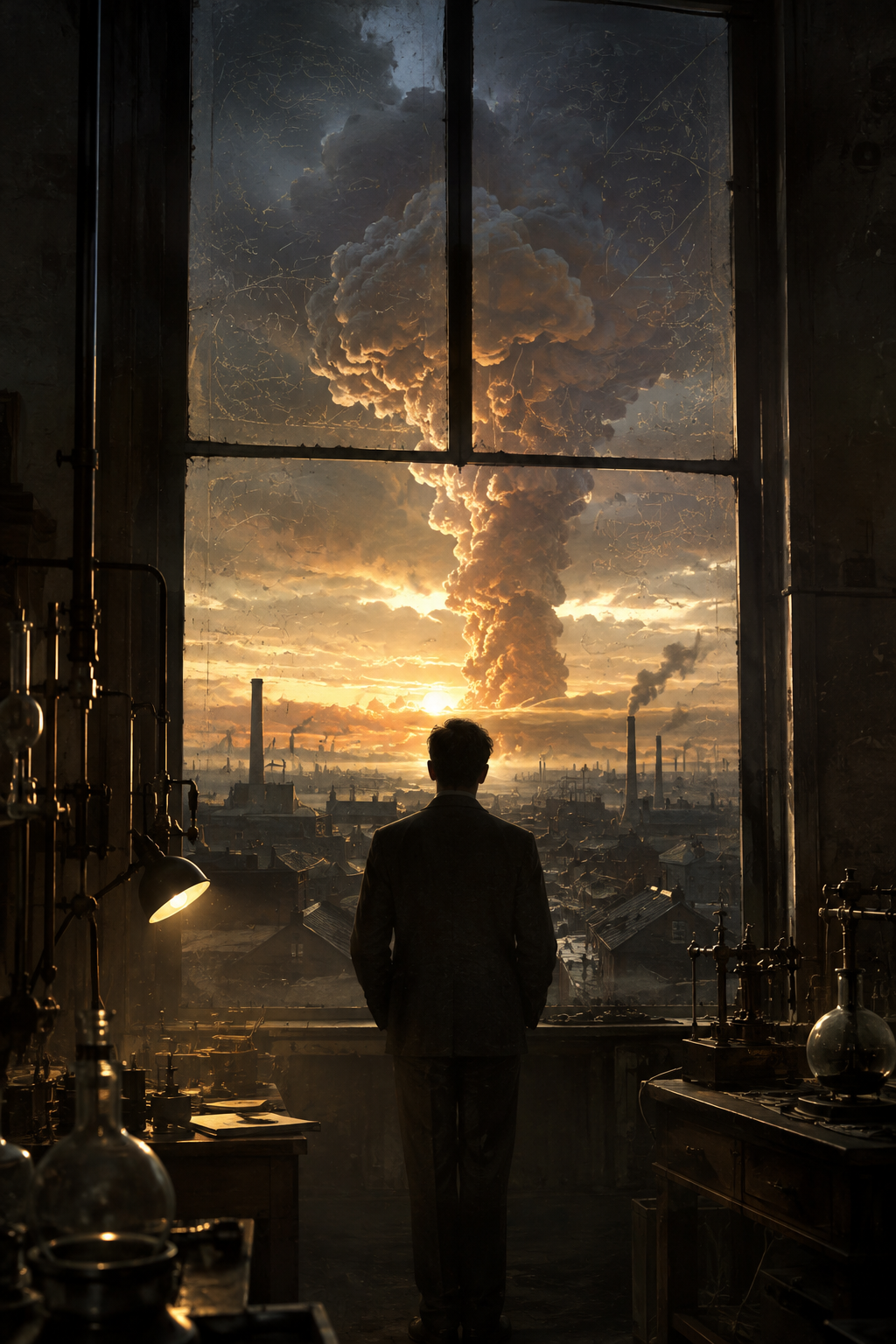
In 48 BC, Julius Caesar found himself besieged in Alexandria. To block the approaching enemy fleet, he ordered his own ships set ablaze. In our timeline, the fire spread rapidly to the docks and, tragically, to the Great Library, initiating a centuries-long process of destruction that ultimately consumed the ancient world's most comprehensive repository of knowledge. In this timeline, a sudden coastal shift in the Mediterranean winds pushes the flames out toward the sea. The docks burn, but the Library is spared. Recognizing how close they came to losing the sum of human history, Cleopatra VII and Caesar decree the Mouseion an "inviolable sanctuary." This legal neutrality, respected by subsequent Roman, Christian, and Islamic conquerors, transforms the Library into an enduring, independent city-state of the mind.
The Edict of Sanctuary
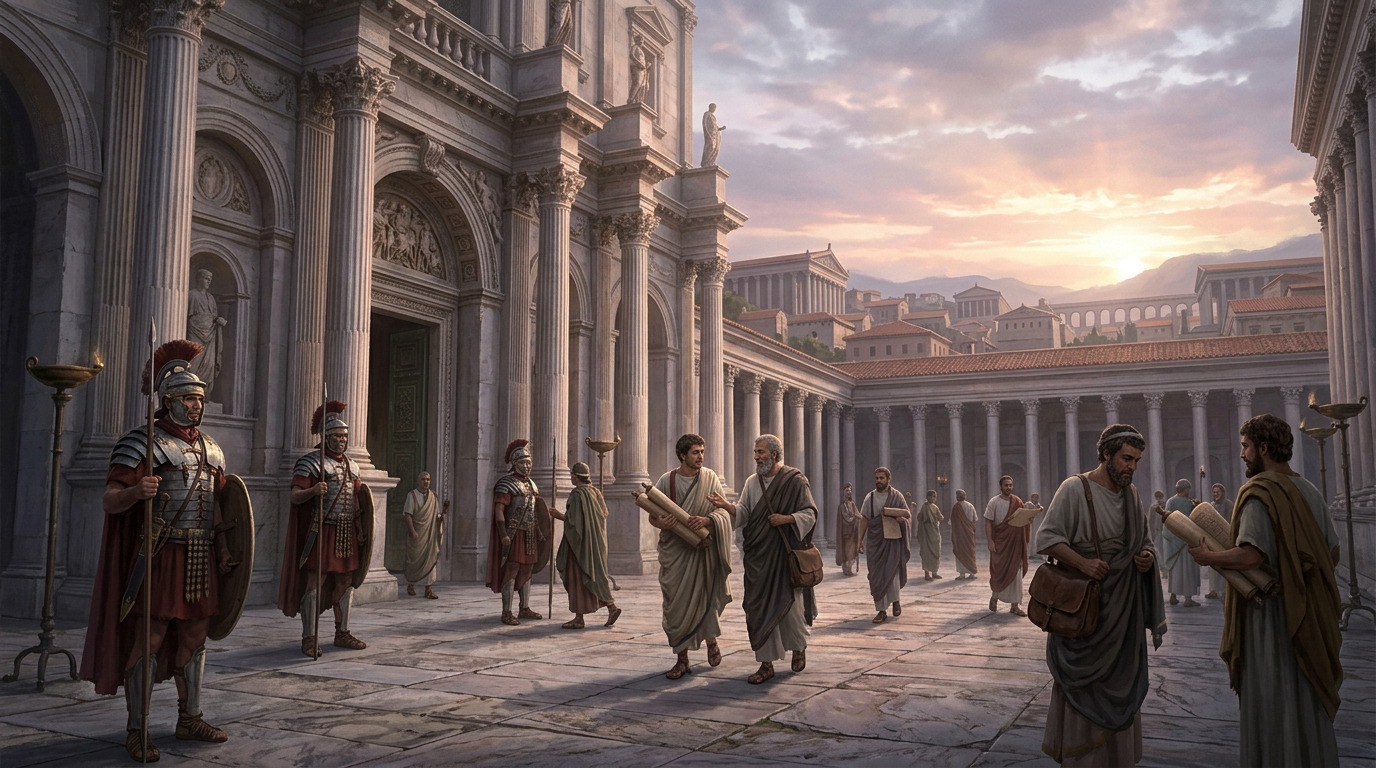
Following the near-disaster of 48 BC, Cleopatra VII leverages her alliance with Rome to secure the Library’s permanent future. She establishes the 'Lex Sanctuarium,' a decree legally separating the Mouseion from the political fortunes of Egypt. It is declared neutral ground, fortified not with soldiers, but with diplomatic treaties. Roman emperors, eager to be seen as patrons of culture rather than destroyers, eagerly expand the complex. When Augustus annexes Egypt, he honors the edict, funding new wings and exempting scholars from imperial taxation. The Library transforms from a Ptolemaic vanity project into an untouchable international zone. Scholars from India, Persia, and Gaul flock to the Mediterranean coast, confident their life’s work will not be lost to the whims of warring generals or political upheavals.
The Synthesis of Faith
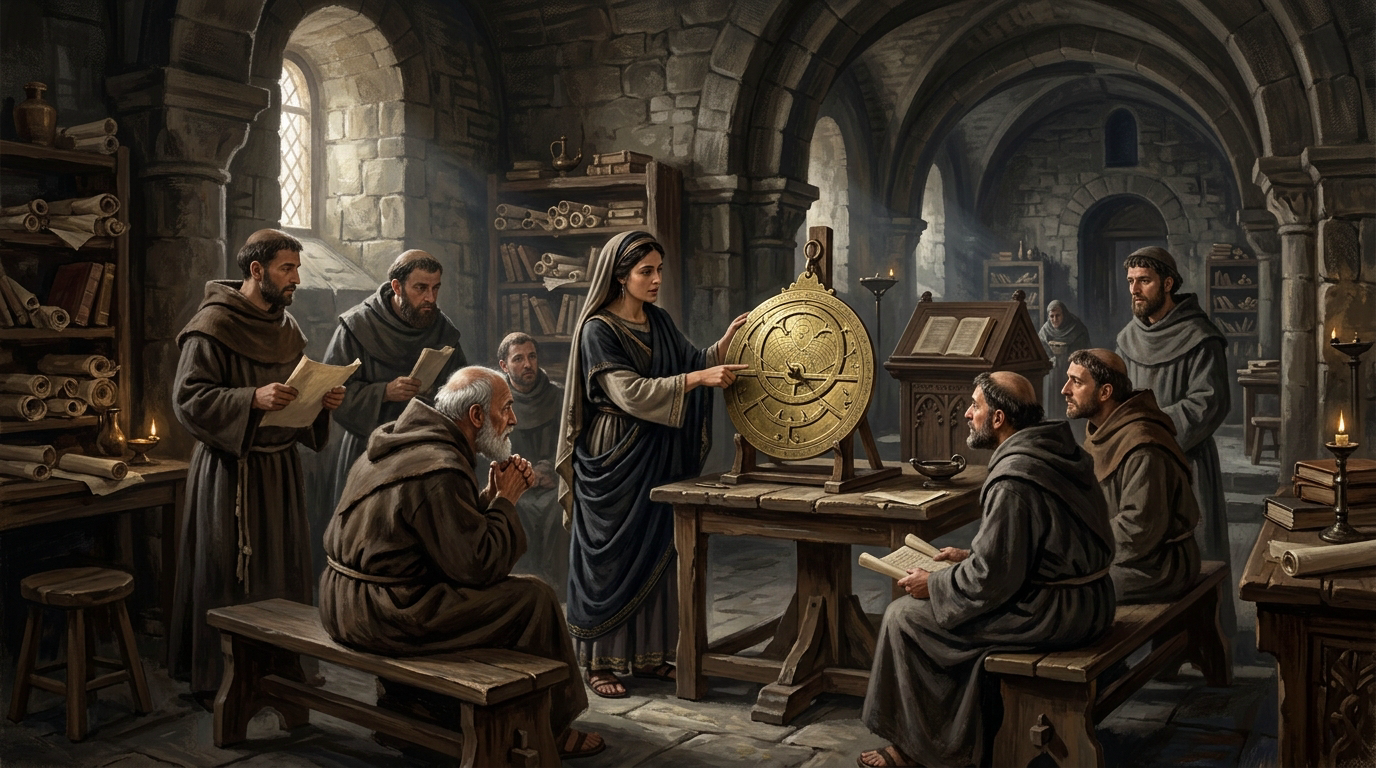
As the Roman Empire Christianizes in the 4th century, real-world tensions often led to the destruction of pagan knowledge, culminating in the burning of the Serapeum. In this timeline, the Library's deep-rooted institutional power changes the religious landscape entirely. Prominent theologians argue that classical philosophy is a divine precursor to Christian truth. Hypatia, the brilliant mathematician, is not murdered by a mob; instead, she is appointed Chief Librarian, tutoring early Christian bishops in astronomy and geometry. The Library becomes a place of synthesis, where monks painstakingly copy works of Aristotle and Euclid alongside the Gospels. Greek rationalism and early Christian theology merge seamlessly, preventing the anti-intellectualism that characterized the early Middle Ages in Western Europe.
The Golden Bridge
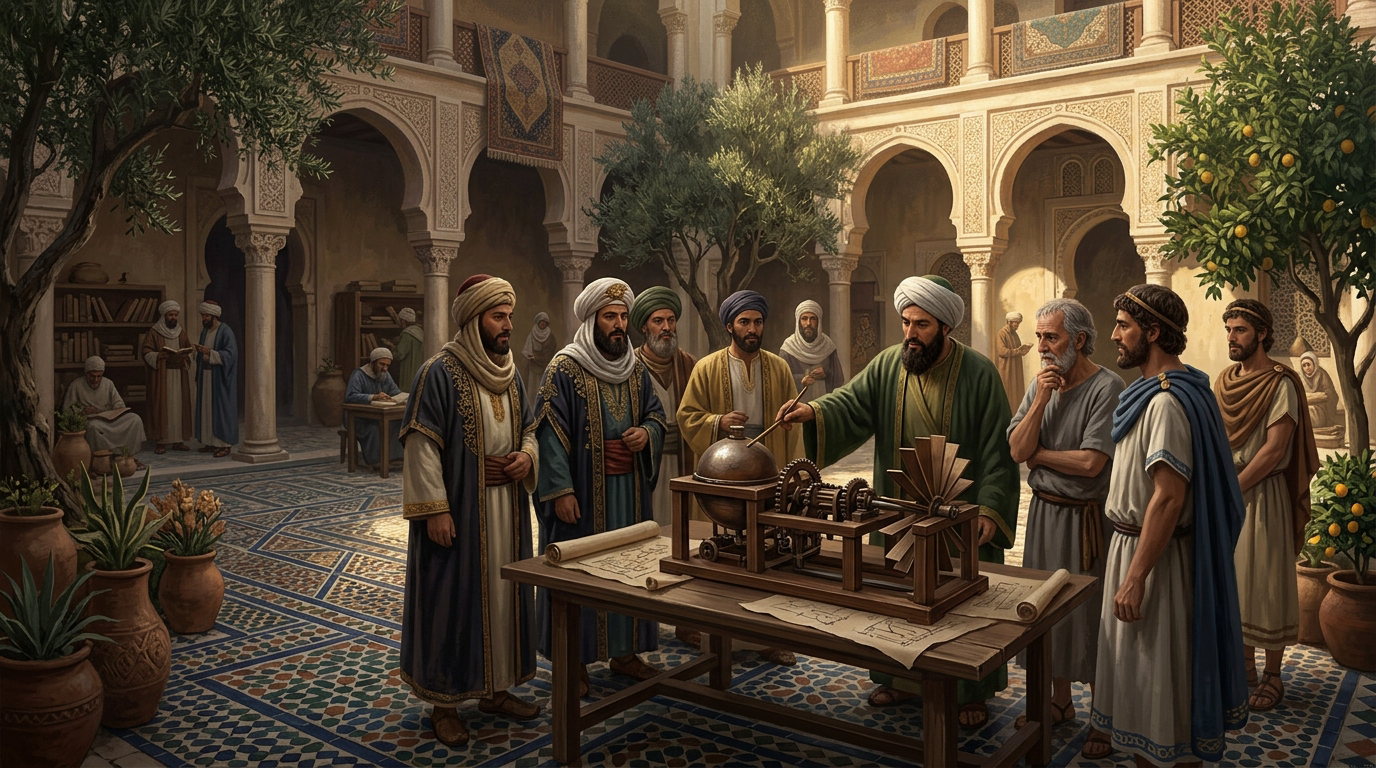
When the Islamic armies of Amr ibn al-As arrive in Alexandria in 642 AD, they do not find a decaying ruin, but a thriving, sovereign academy. Bound by Islamic decrees to respect the 'People of the Book' and lovers of knowledge, Caliph Umar grants the Library permanent protection. Alexandria becomes the undisputed intellectual capital of the Caliphate, bridging East and West. Arabic translators work side-by-side with Greek and Syriac scribes. Because the original works of Archimedes, Hero, and Ptolemy remain entirely intact, Islamic scholars don't just preserve ancient science; they rapidly accelerate it. By the 9th century, Alexandrian engineers are building advanced water clocks, programmable mechanical automata, and complex steam-powered devices, centuries ahead of the conventional timeline.
The Mechanical Scribe
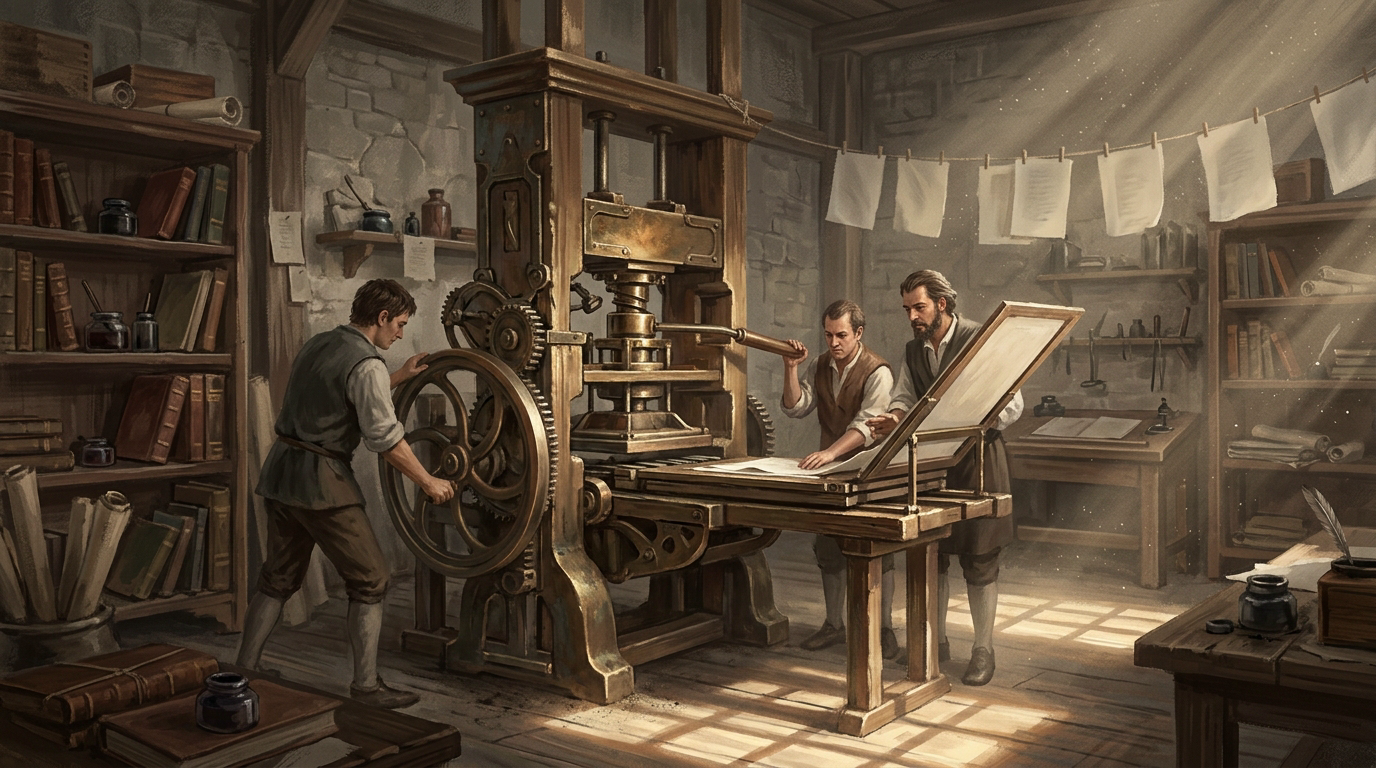
The sheer volume of knowledge housed in Alexandria creates a logistical crisis: copying scrolls by hand can no longer keep pace with the influx of texts from China, India, and Europe. In the 13th century, a consortium of Alexandrian engineers and visiting Chinese artisans solve the problem. By combining Hero of Alexandria's principles of precise mechanics with eastern metallurgical advances, they invent the movable type printing press long before Gutenberg. The Library transitions from storing fragile papyrus to mass-producing bound vellum and paper codices. Knowledge is aggressively decentralized; 'Daughter Libraries' are franchised across the Mediterranean and Persia. European monarchs and Islamic sultans vie to purchase Alexandrian encyclopedias, sparking a global, interconnected intellectual awakening.
The Medical Vanguard
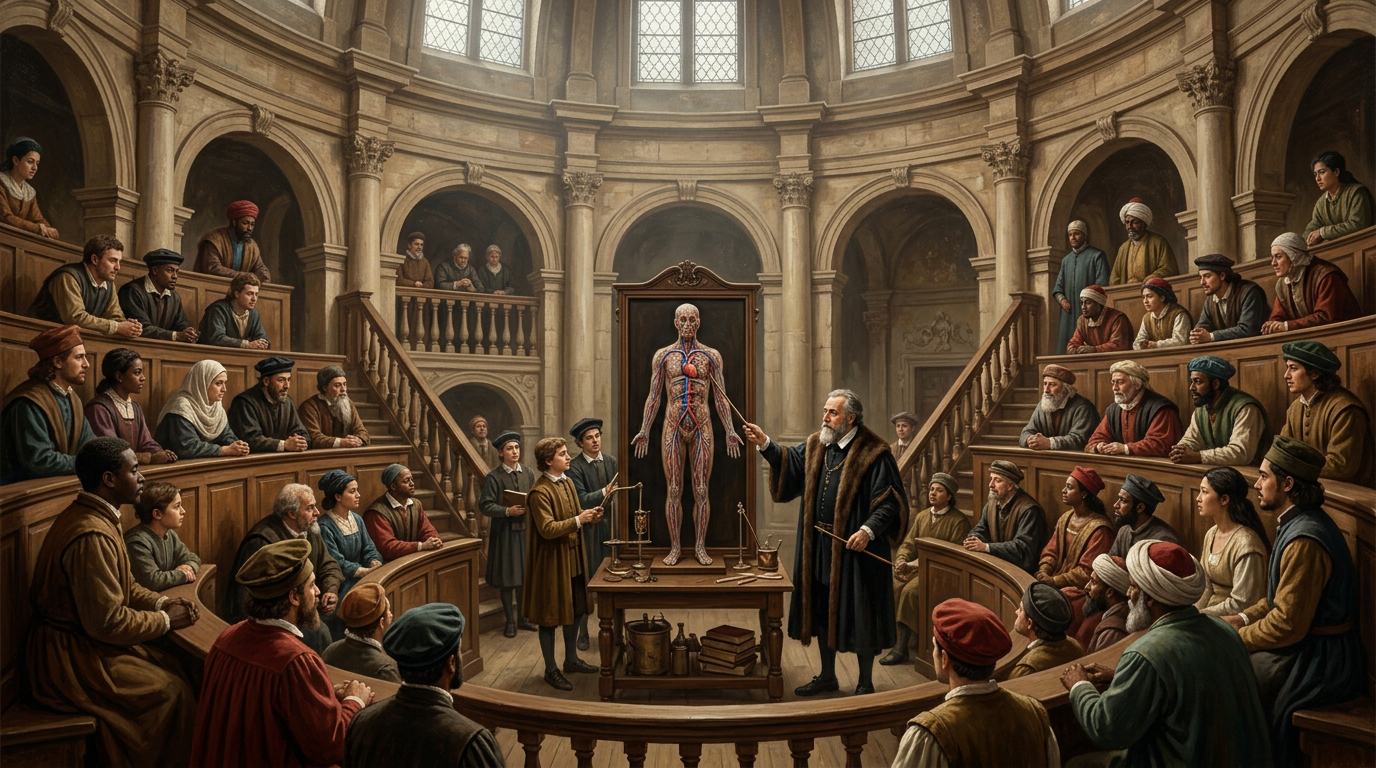
In our world, the anatomical insights of Herophilus and Erasistratus were lost, leaving medicine reliant on flawed theories for a millennium. With their texts preserved and continuously debated, the Library's medical wing maps the circulatory system and theorizes early germ transmission by the 1400s. When the bubonic plague threatens the Mediterranean, Alexandrian epidemiologists recognize the vector of transmission. The Library issues strict quarantine protocols and hygiene mandates across its network of Daughter Libraries. While the plague still causes immense devastation, the death toll in Southern Europe, North Africa, and the Middle East is drastically mitigated. This medical triumph cements the Library's authority not just as a museum of history, but as a vital organ of global survival.
The Age of Equilibrium
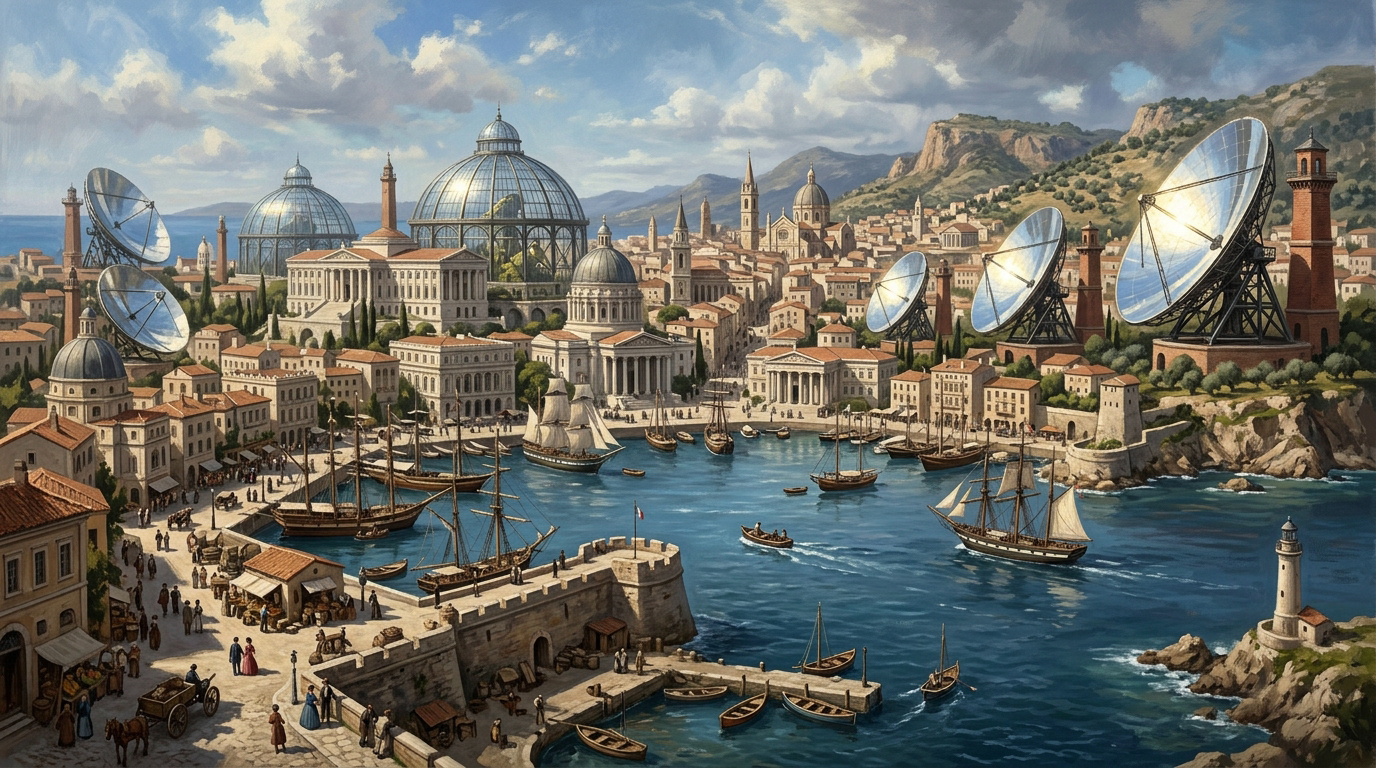
The Industrial Revolution begins in Alexandria, but it takes a vastly different form. Because the scholars possess the complete unbroken history of human resource depletion—recorded by ancient botanists and geologists—they reject unchecked coal-burning. Instead, the 'Alexandrian Model' emphasizes sustainable engineering, heavily utilizing advanced hydro-power, solar concentrators, and geothermal energy. Alexandria is formally recognized by early international coalitions as an independent, neutral city-state, akin to a scientific Switzerland. The city's skyline transforms into a marvel of neoclassical architecture fused with polished brass and glass engineering. Global conflicts are often mediated in the Library’s Great Hall, as warring nations rely on its vast technological patents, making it perilous to anger the Librarians.
The Great Loom
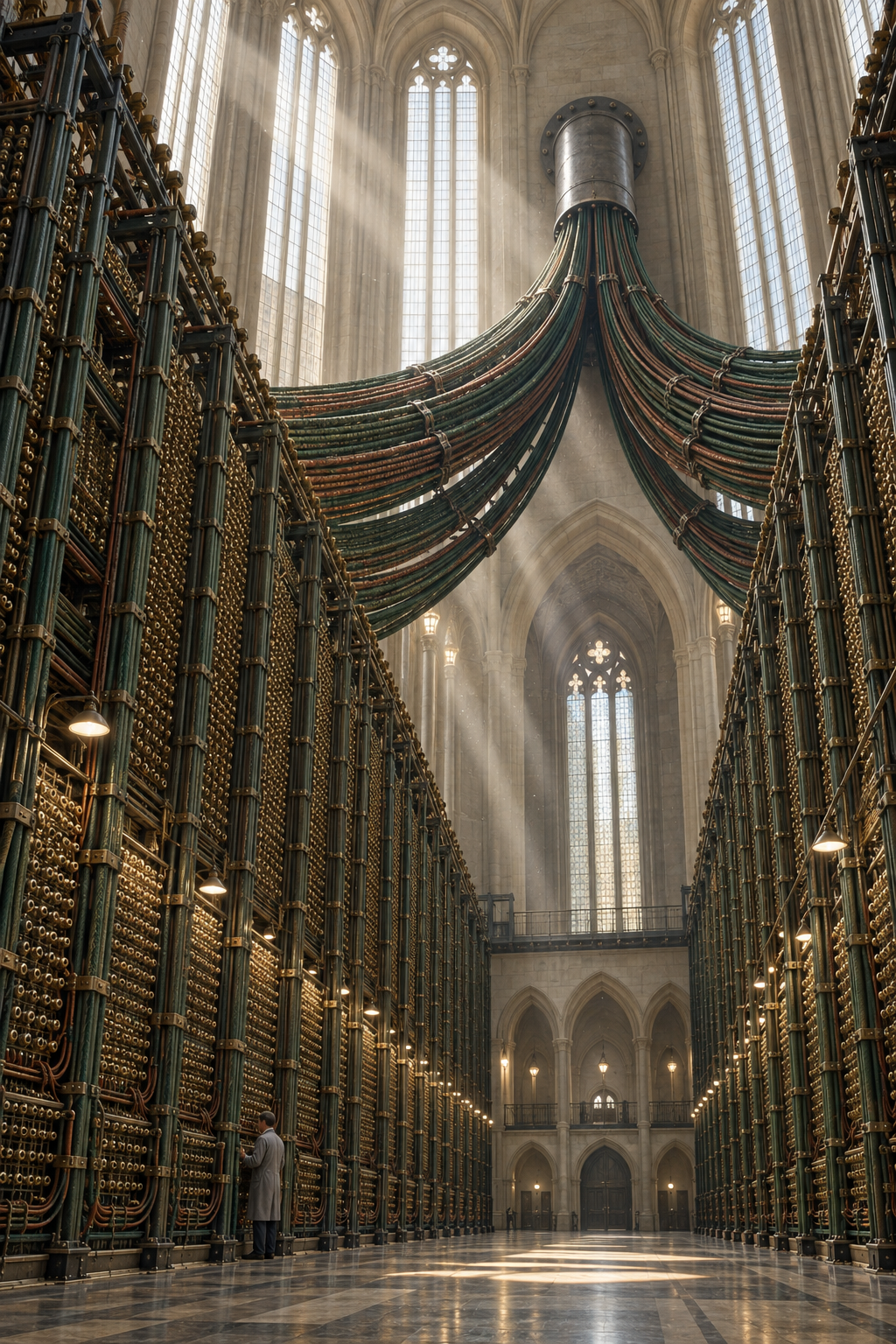
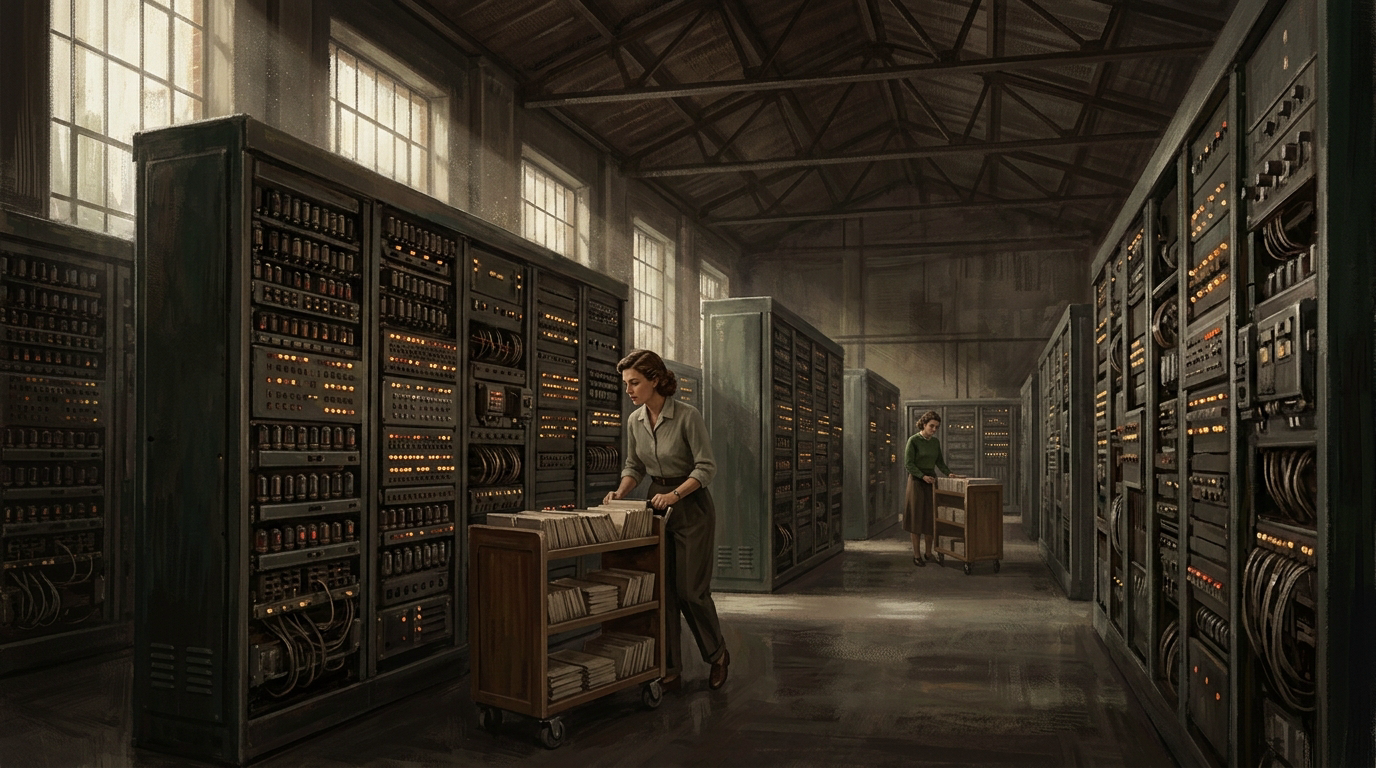
With over a hundred million physical volumes, locating specific information becomes nearly impossible. To solve this, Alexandrian logicians and engineers develop early mechanical computers, which rapidly evolve into electrical mainframes by the 1940s. They construct 'The Loom,' a vast, city-sized cataloging engine. Instead of a defense-driven internet, the first global information network is entirely academic. Copper cables are laid across the Mediterranean seabed, connecting universities in Paris, Cairo, and Oxford directly to the Library's central databases. Terminals in university halls across the globe allow researchers to request photographic transmissions of ancient texts. The Library transitions into the digital age not as a late adopter, but as the architect of the world's first information superhighway.
The Eternal Archive
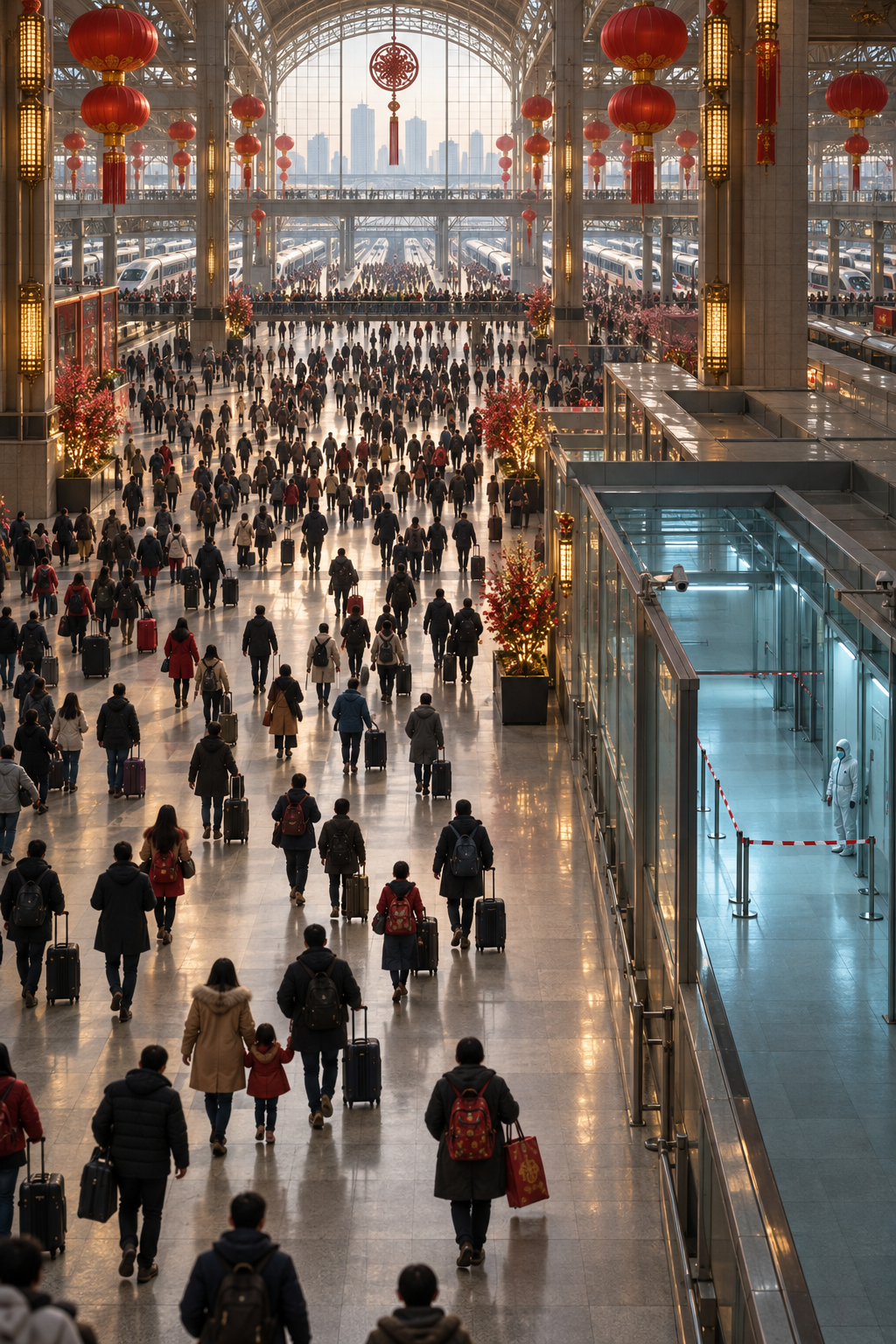
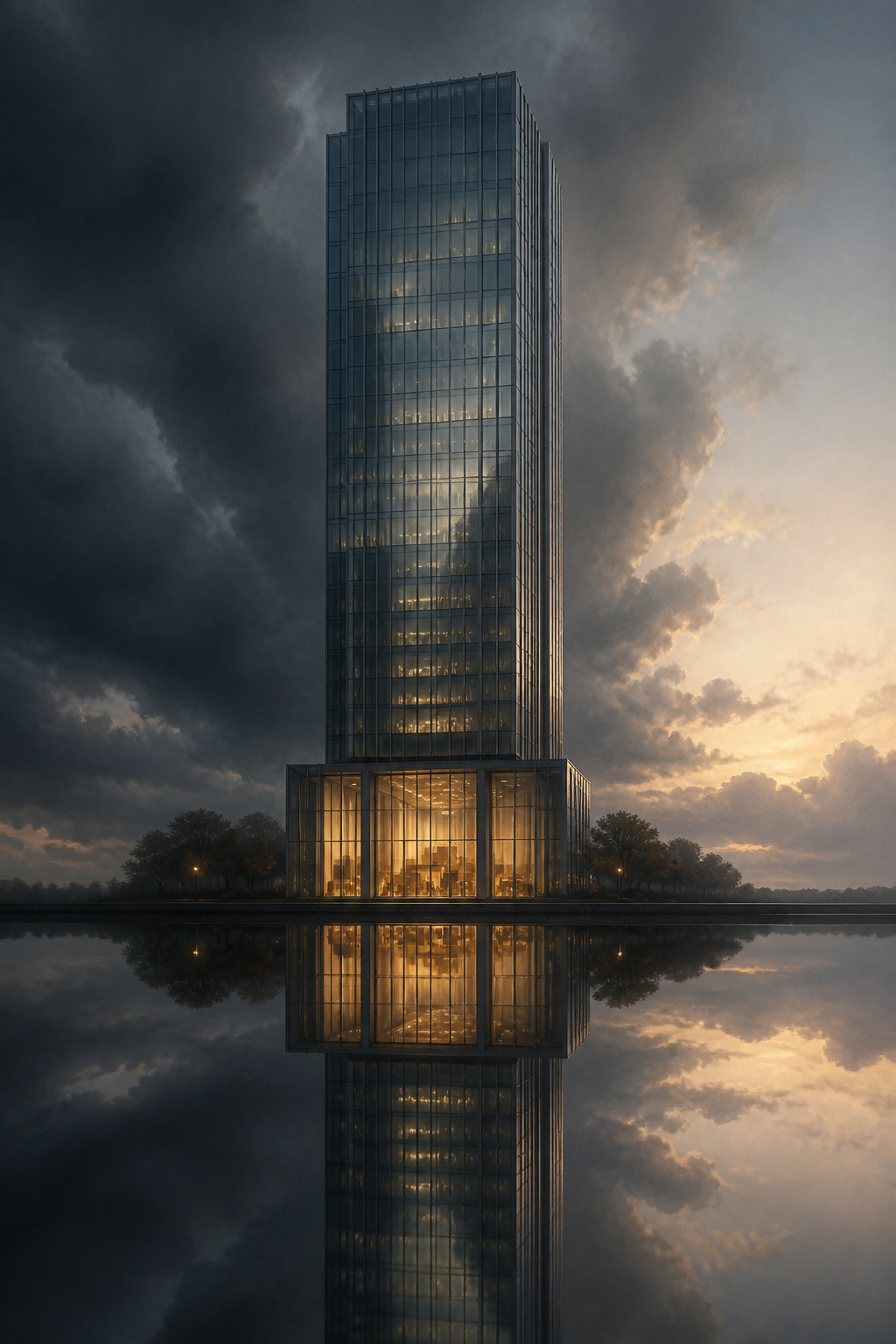
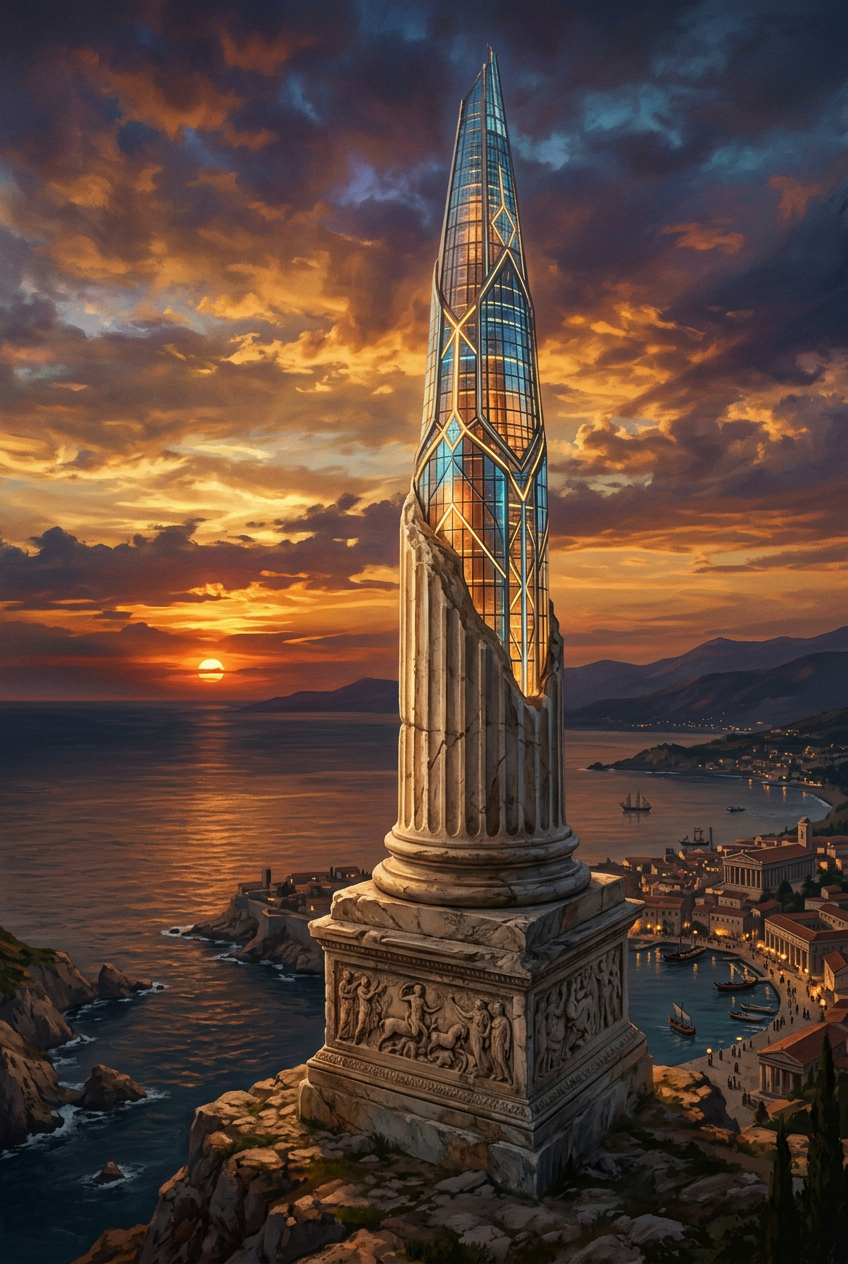
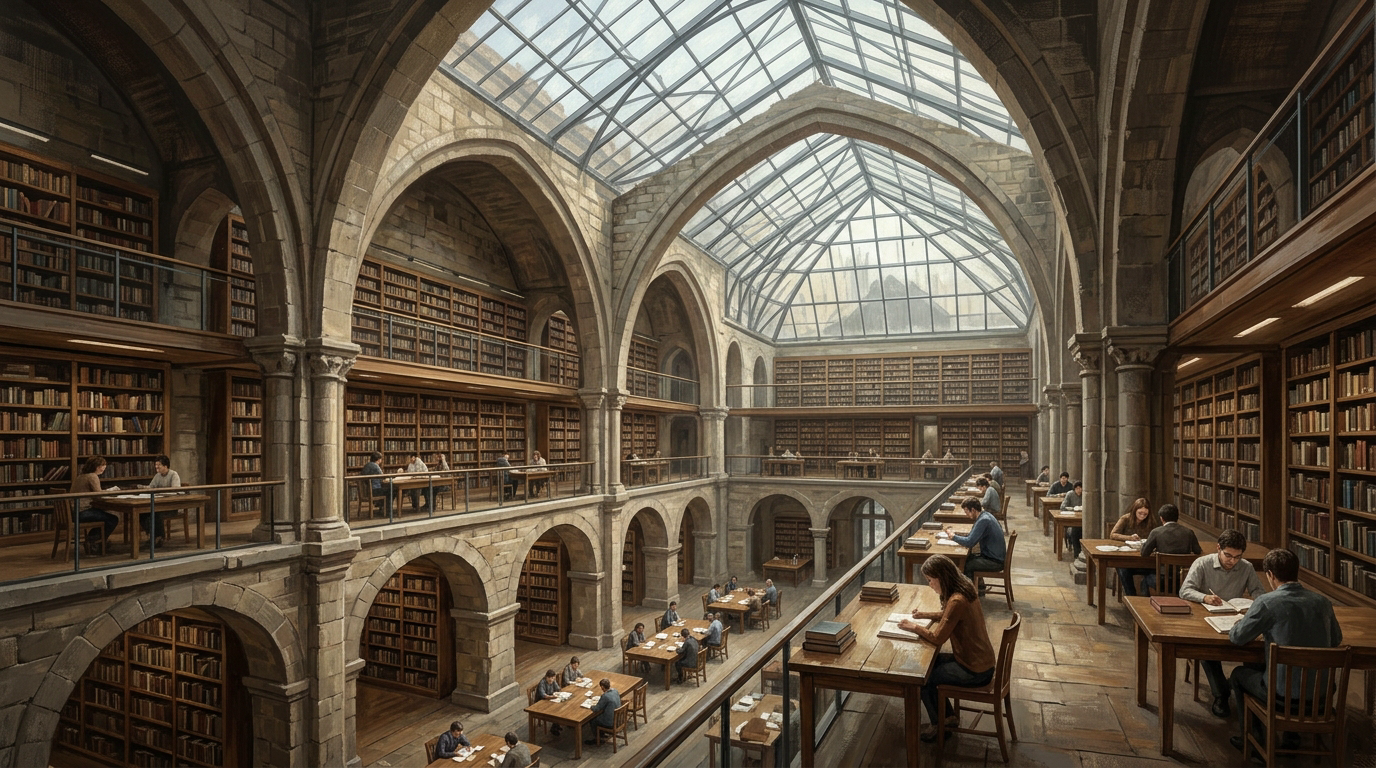
Today, the Sovereign State of the Library of Alexandria is a sprawling architectural wonder, blending ancient Ptolemaic foundations with hyper-modern, climate-controlled glass spires. It remains absolute neutral ground; no military may enter, and it holds a permanent, veto-wielding seat on the UN Security Council regarding matters of science and heritage. Anyone in the world can access its digital servers, which contain an unbroken, unburnt record of human history, art, and science spanning three millennia. Lost plays of Sophocles, missing histories of Rome, and indigenous texts saved from colonial destruction are taught in schools worldwide. Walking through its ancient, echoing halls, visitors feel a profound sense of continuity—a civilization that chose to remember rather than to burn.
More from Alternate History