The Channel Wall
What if… The D-Day landings are completely repelled by an immediate German armored counterattack, forcing a devastating Allied retreat.
Synopsis
After the catastrophic failure of the Normandy landings, the Western Allies are forced into a prolonged, demoralizing war of attrition from the skies and through the treacherous Italian Alps. Left to fight a two-front-free Germany, the Soviet Union endures staggering casualties but ultimately conquers the vast majority of the European continent. The war in Europe is finally ended not by a push to Berlin, but by an atomic bomb dropped on the German industrial heartland. The resulting Iron Curtain falls much further west, dividing Europe at the Rhine River and leaving a heavily militarized Britain staring across a hostile English Channel.
The Channel Wall
What if… The D-Day landings are completely repelled by an immediate German armored counterattack, forcing a devastating Allied retreat.
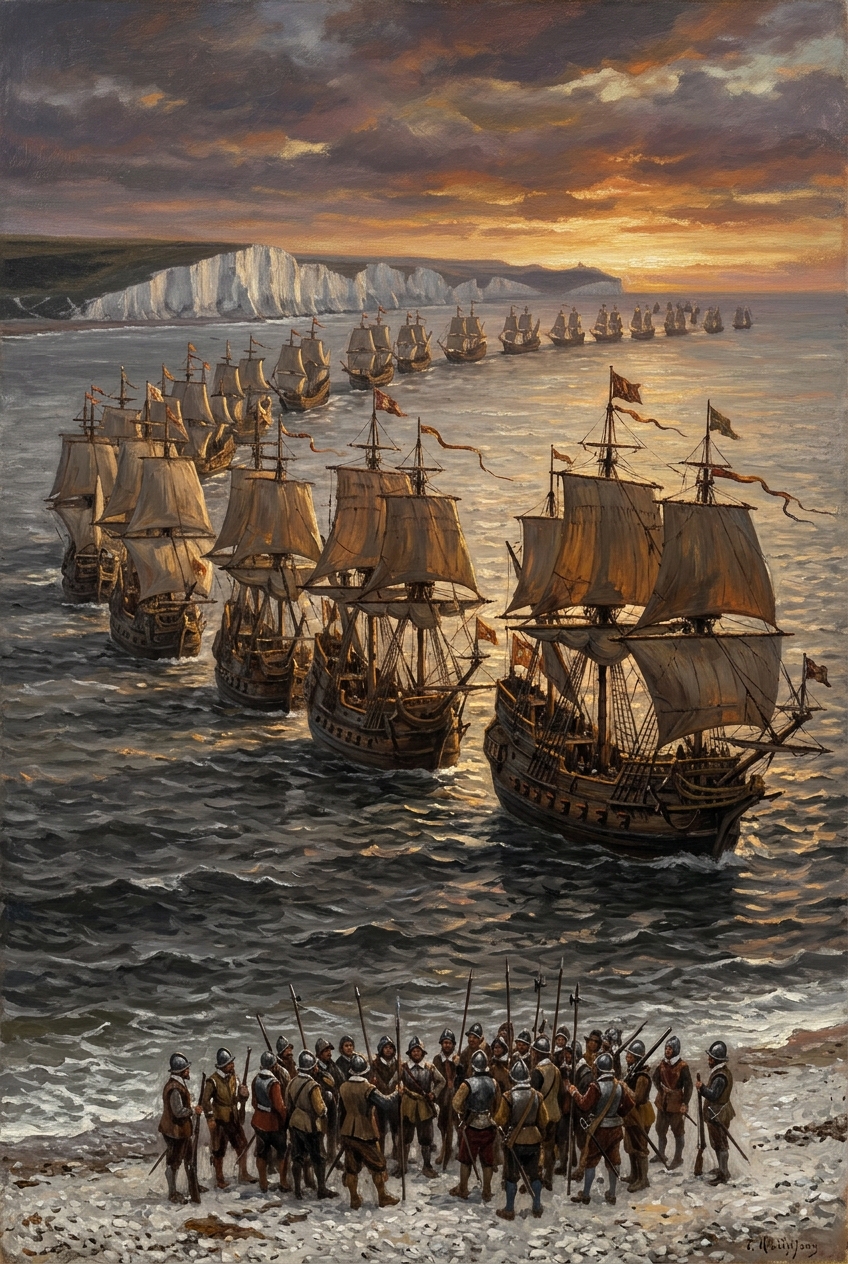
On June 6, 1944, the Western Allies launched Operation Overlord, the largest amphibious invasion in military history. In our timeline, a combination of elaborate deception, overwhelming air superiority, and hesitation from the German high command allowed the Allies to secure a precarious foothold on the beaches of Normandy. From there, they drove inland, liberating Paris and eventually crushing the Third Reich from the west. But the margin of success was razor-thin. In this timeline, the meticulously crafted Allied deception—Operation Fortitude—fails to convince German intelligence. Field Marshal Erwin Rommel remains at his post, and Adolf Hitler authorizes the immediate release of the Panzer reserves. As the first landing craft drop their ramps, they are met by a coordinated, overwhelming armored counterattack. By nightfall, the beachheads are irreparably shattered, forcing a chaotic and devastating retreat back across the English Channel.
The Darkest Broadcast
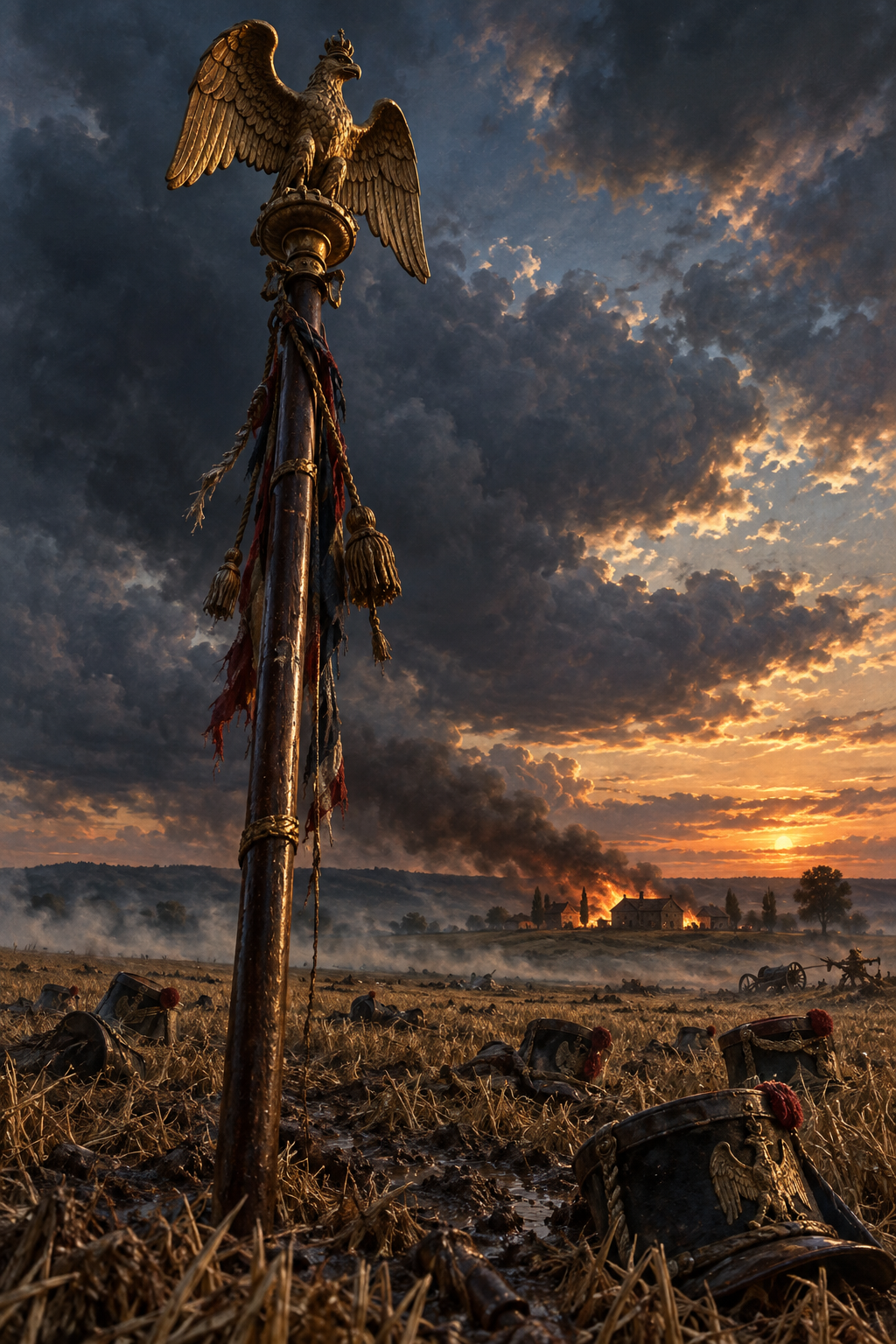
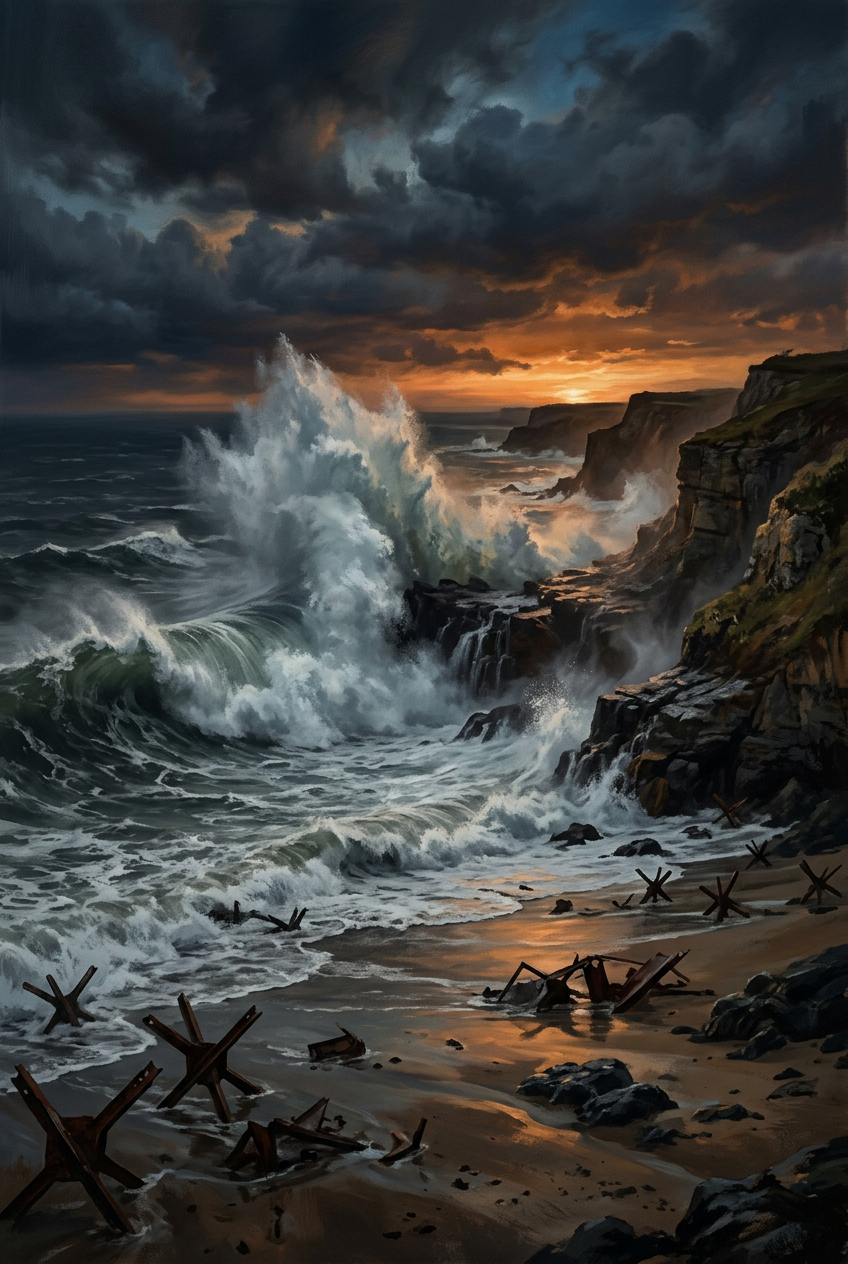
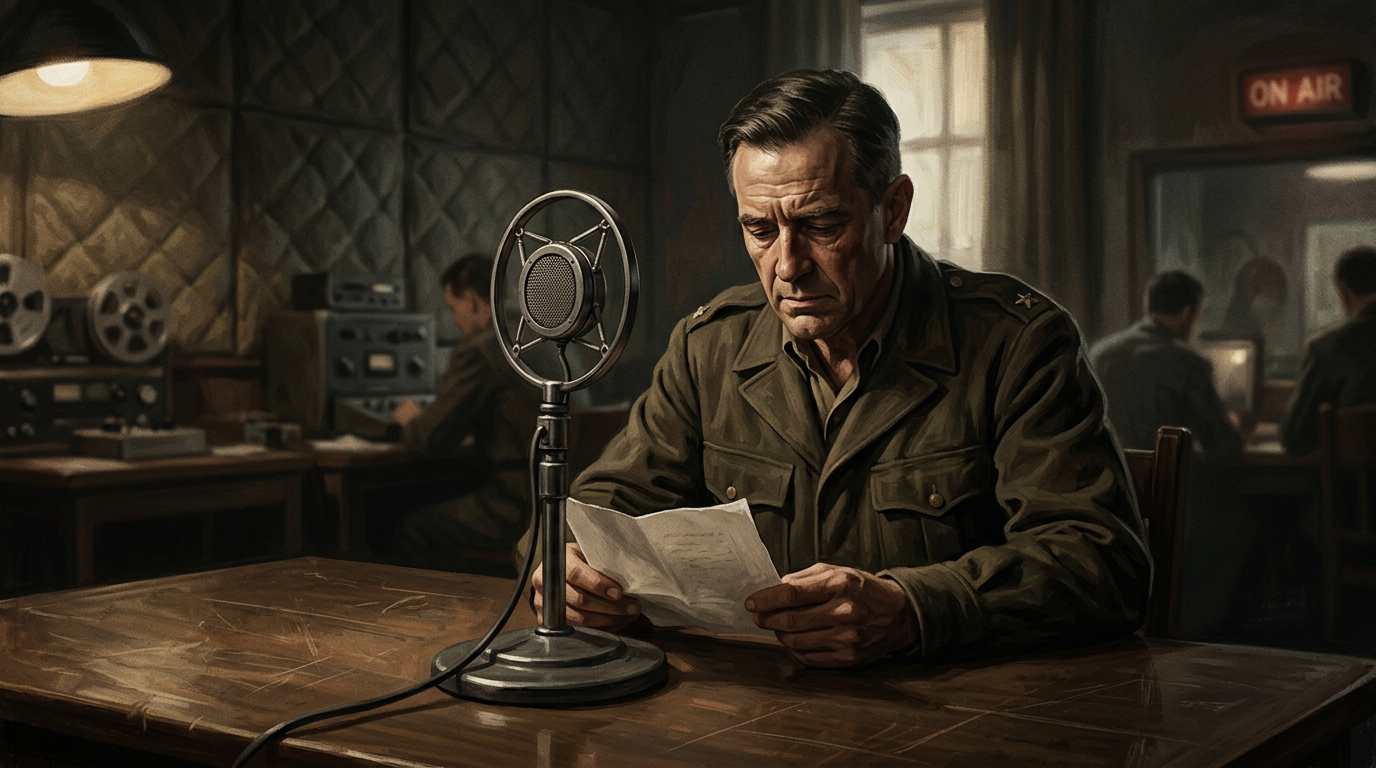
On June 8, 1944, General Dwight D. Eisenhower sits before a microphone in London, his voice heavy with exhaustion. He reads a statement he had hoped never to use: 'The landings in the Cherbourg-Havre area have failed to gain a satisfactory foothold and I have withdrawn the troops.' The Normandy beaches are a graveyard of burned-out Sherman tanks and shattered landing craft. A chaotic, piecemeal evacuation under the cover of immense naval gunfire manages to save a fraction of the assault force, but tens of thousands are killed or captured. The shockwaves ripple through the Allied nations instantly. In towns across America and Britain, the dreadful casualty telegrams begin arriving in unprecedented numbers. The grand offensive to liberate Western Europe has collapsed into a devastating maritime disaster.
A Coalition Shaken
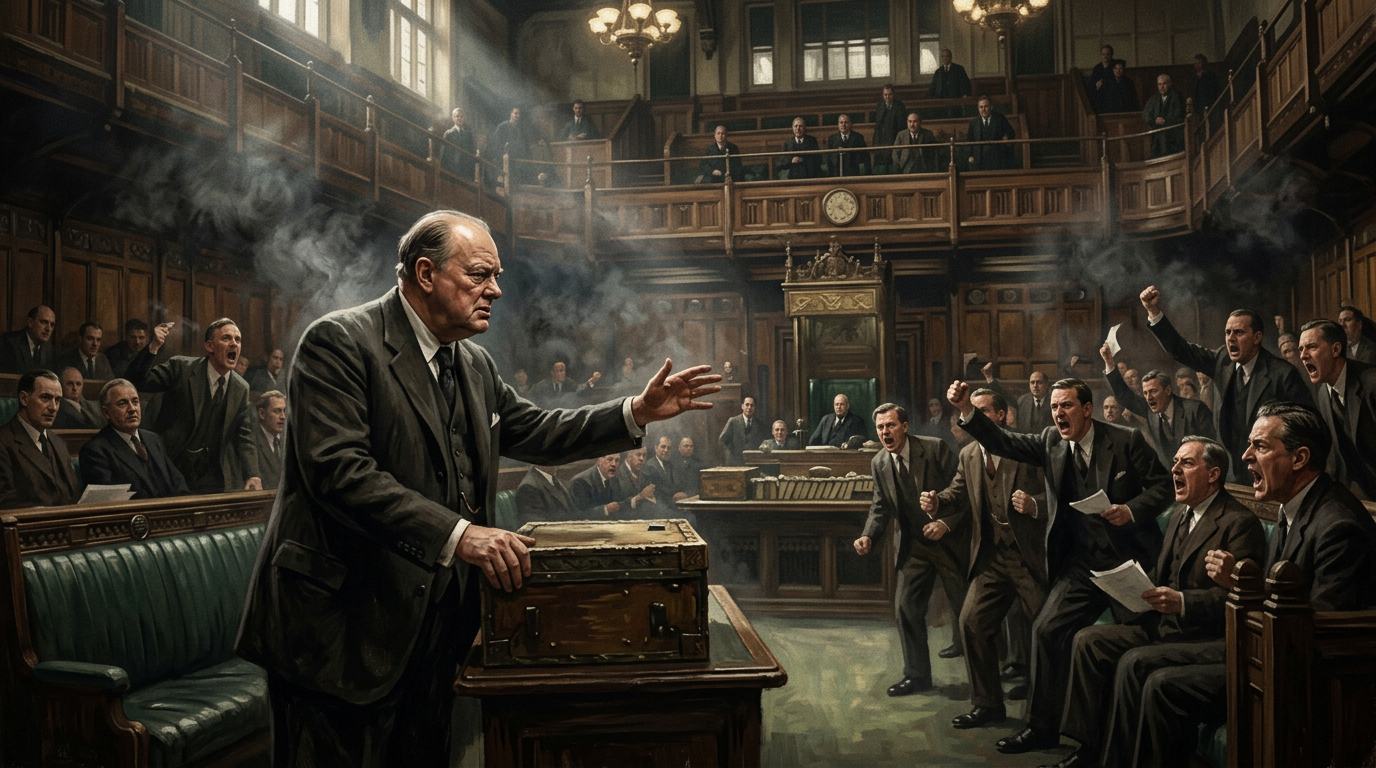
By late summer of 1944, the political fallout threatens to fracture the Allied coalition. In Westminster, Prime Minister Winston Churchill faces a brutal vote of no confidence. He survives only by forming a unified emergency cabinet and pivoting national rhetoric toward stoic endurance. Across the Atlantic, President Franklin D. Roosevelt faces severe domestic backlash just months ahead of the US presidential election. Isolationist critics demand a complete pivot to the Pacific theater, arguing Europe is a lost cause. Though FDR insists on maintaining the 'Germany First' strategy, the reality is stark: the cross-Channel invasion capability is ruined for at least another year. Instead, the Western Allies double down on massive, continuous strategic bombing campaigns, reducing German cities to rubble while avoiding a ground war they can no longer wage.
The Eastern Meatgrinder
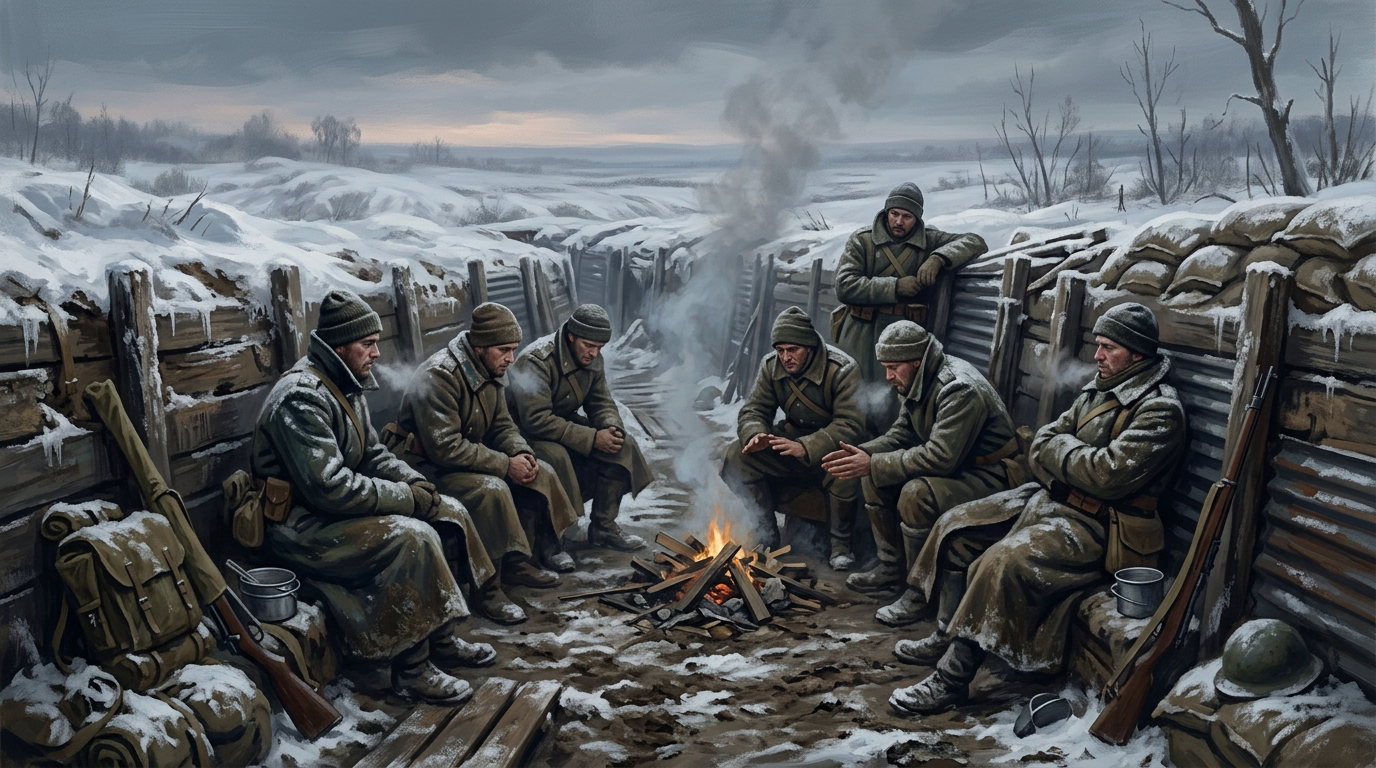
Without a second front in France to draw away German resources, the Soviet Union bears the absolute brunt of the continental war. Operation Bagration launches in the east, but it faces a Wehrmacht that has quickly redeployed its western armored divisions. The result is an unimaginably brutal stalemate in the plains of Poland. Joseph Stalin’s furious cables to Churchill and Roosevelt accuse the West of deliberate cowardice. Despite horrendous casualties, the sheer demographic weight and industrial output of the Red Army begin to tell. Slowly, grindingly, the Soviets resume their westward push. The death toll on the Eastern Front spirals into unprecedented territory, fundamentally altering the demographic fabric of Eastern Europe. The Red Army becomes a hardened, unstoppable force fueled entirely by a desire for absolute retribution.
The Alpine Slog
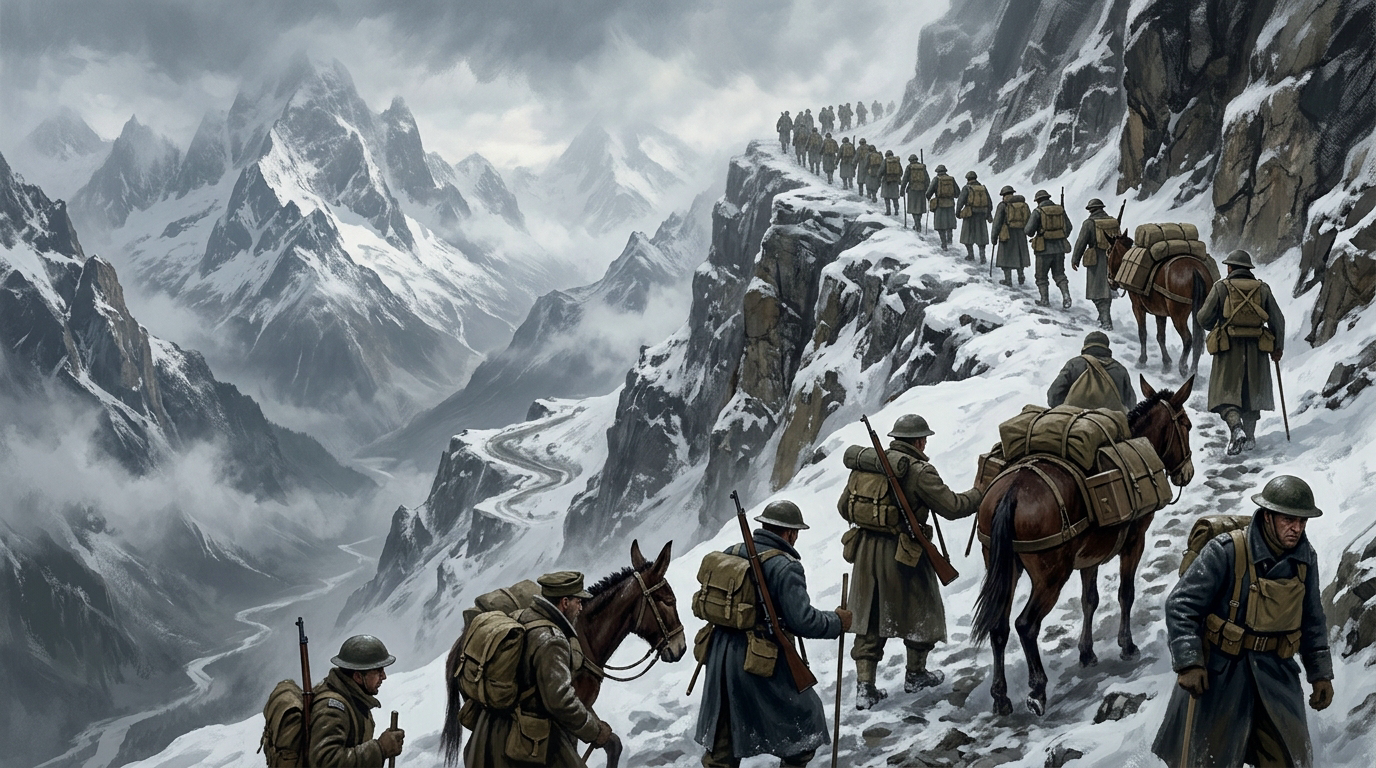
Desperate to re-engage German ground forces and placate Soviet anger, the Western Allies pour their remaining European resources into the Mediterranean theater. The grueling Italian campaign, previously considered a secondary front, becomes the primary vector of Western advance. Throughout the spring of 1945, Allied forces fight a brutal, vertical war through the Italian Alps and the Balkans. It is a slow, agonizing campaign of mountain passes and fortified valleys. British, American, and Commonwealth troops face entrenched German defenders utilizing the rugged terrain to deadly effect. While this push manages to tie down several German divisions and secure southern Austria, it fundamentally fails to threaten the German heartland in the way a cross-Channel invasion would have. The race to Berlin is effectively forfeited to the East.
The New Target
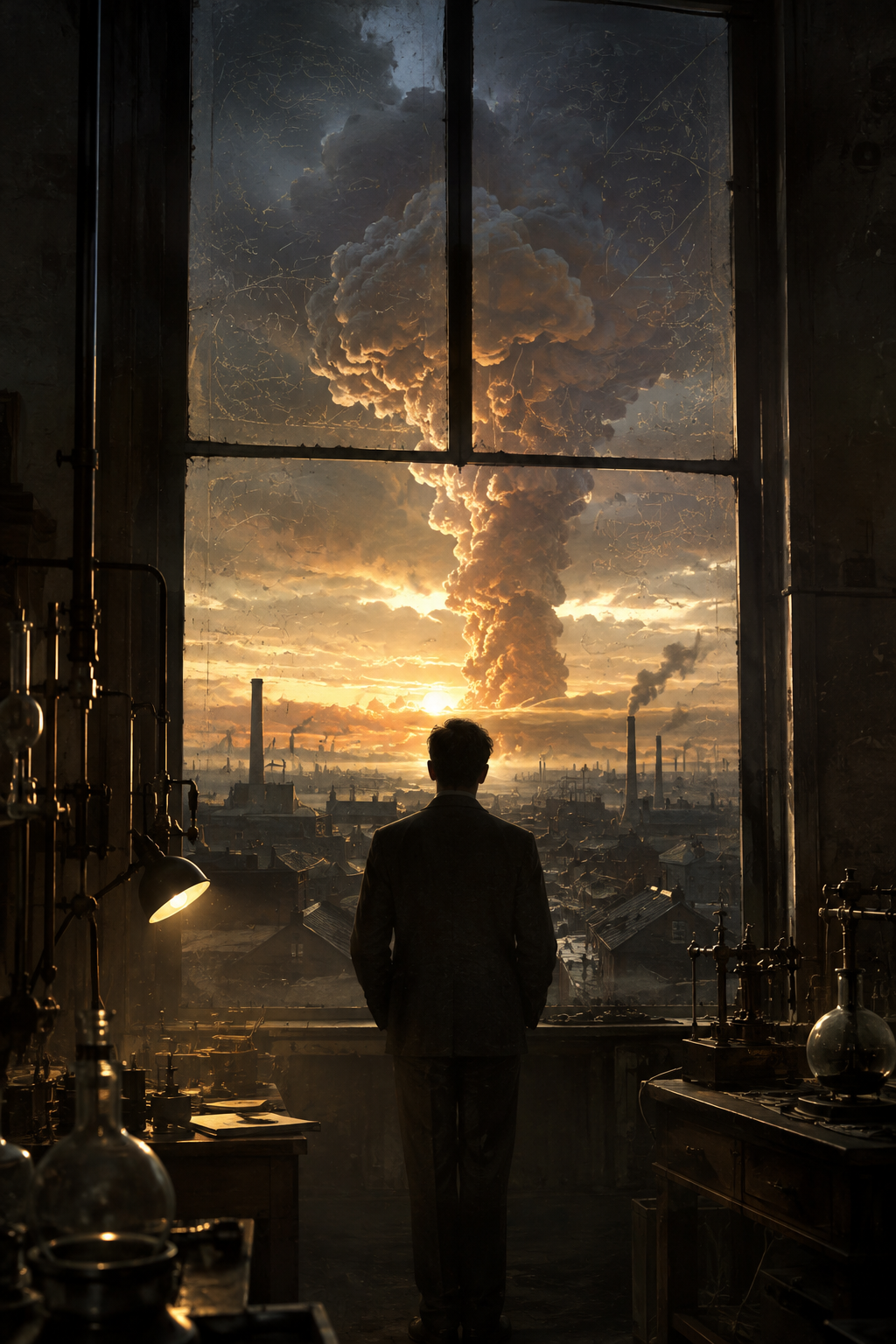
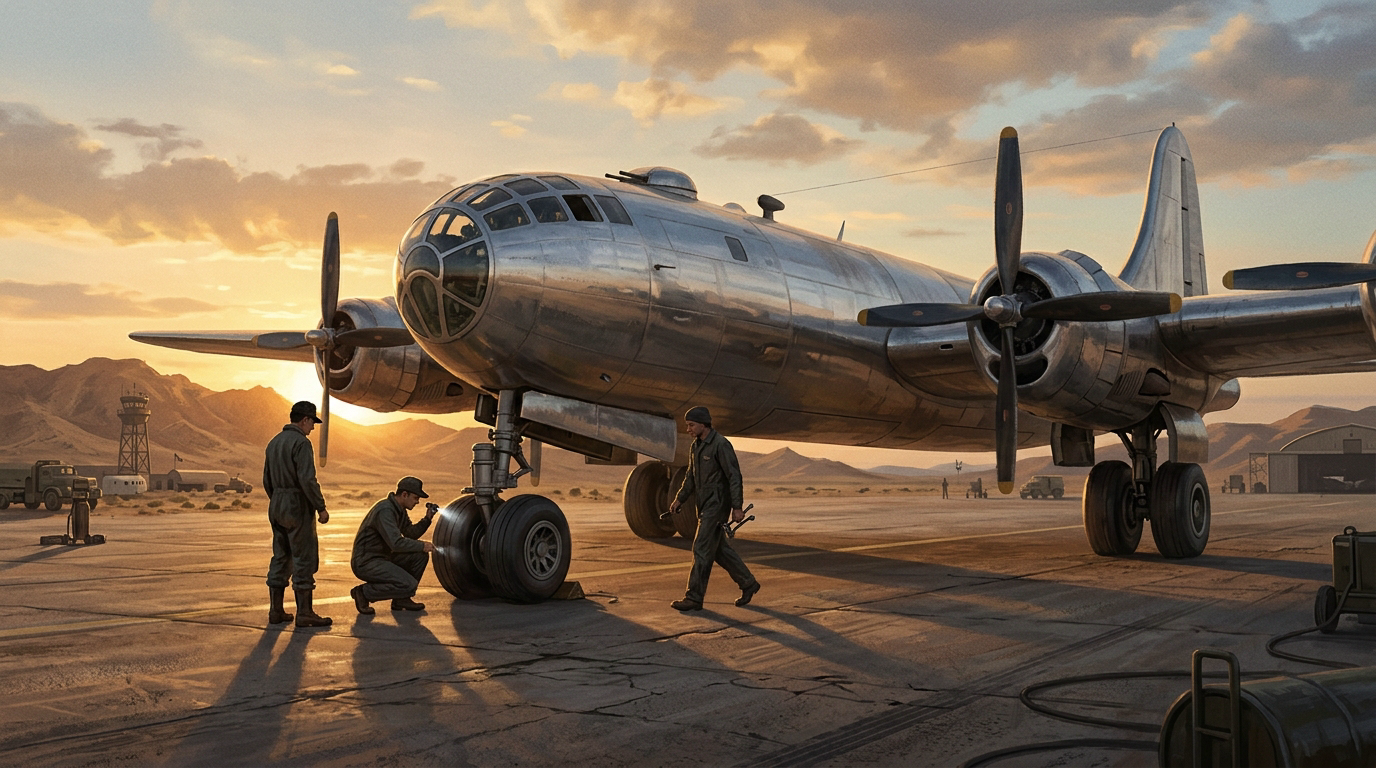
In July 1945, the Trinity test successfully detonates the first atomic bomb in the New Mexico desert. In our timeline, this weapon was destined for a largely defeated Japan. In this timeline, the Third Reich is heavily battered but still fighting a fanatical defensive war against the Soviets in the east and the Western Allies in the Alps. President Harry S. Truman, having succeeded FDR, faces a grim calculus. To break the stalemate and preempt total Soviet domination of the European continent, the atomic target is shifted. In late August 1945, a modified B-29 Superfortress departs from a heavily guarded airbase in North Africa. Its destination is the vital German industrial and logistical heartland. The atomic annihilation of Frankfurt shocks the world and breaks the back of the German war machine.
The Collapse and the Race
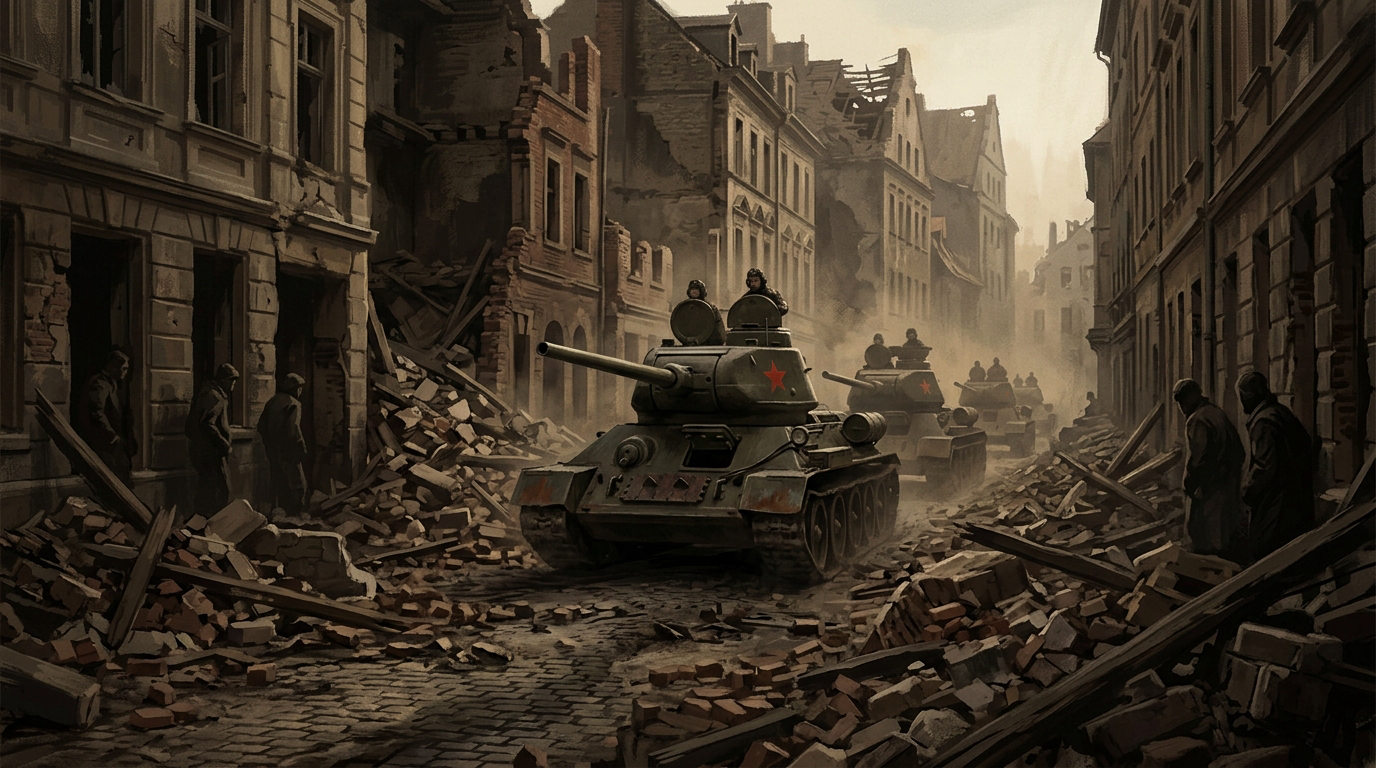
The atomic bombing of Frankfurt creates a sudden, chaotic vacuum within the German high command. Fanatical resistance crumbles into sheer panic. Seizing the moment, the Red Army surges across the Odra River, sweeping through a deeply demoralized Germany. Meanwhile, Western Allied forces finally break out from the Alpine passes, racing north to secure whatever territory they can. The two forces meet not at the Elbe River, as in our history, but much further west, along the banks of the Rhine. Soviet tanks roll through the ruins of Berlin, Hanover, and Hamburg, claiming the vast majority of the former Reich. The rapid collapse leaves millions of German refugees trapped behind Soviet lines, while the Western Allies scramble to fortify the newly established frontier to prevent further communist expansion into France.
The Rhine Curtain
By 1948, the geopolitical map of Europe is radically and permanently altered. The 'Iron Curtain' does not divide Germany; it divides Europe at the Rhine River and the Swiss Alps. The Soviet sphere of influence encompasses the entirety of Germany, Scandinavia, and the Low Countries, leaving France as the precarious frontier of the free world. A heavily militarized United Kingdom essentially functions as 'Fortress Europe,' a massive, permanent garrison state housing American strategic bombers and nuclear deterrents. Paris becomes a city of intense espionage and profound anxiety, living under the constant shadow of Soviet tank divisions stationed just across the border. The Cold War begins with a much starker imbalance of power, demanding a vast, unprecedented peacetime mobilization from the United States to protect Western Europe's remaining democracies.
Echoes on the Shore
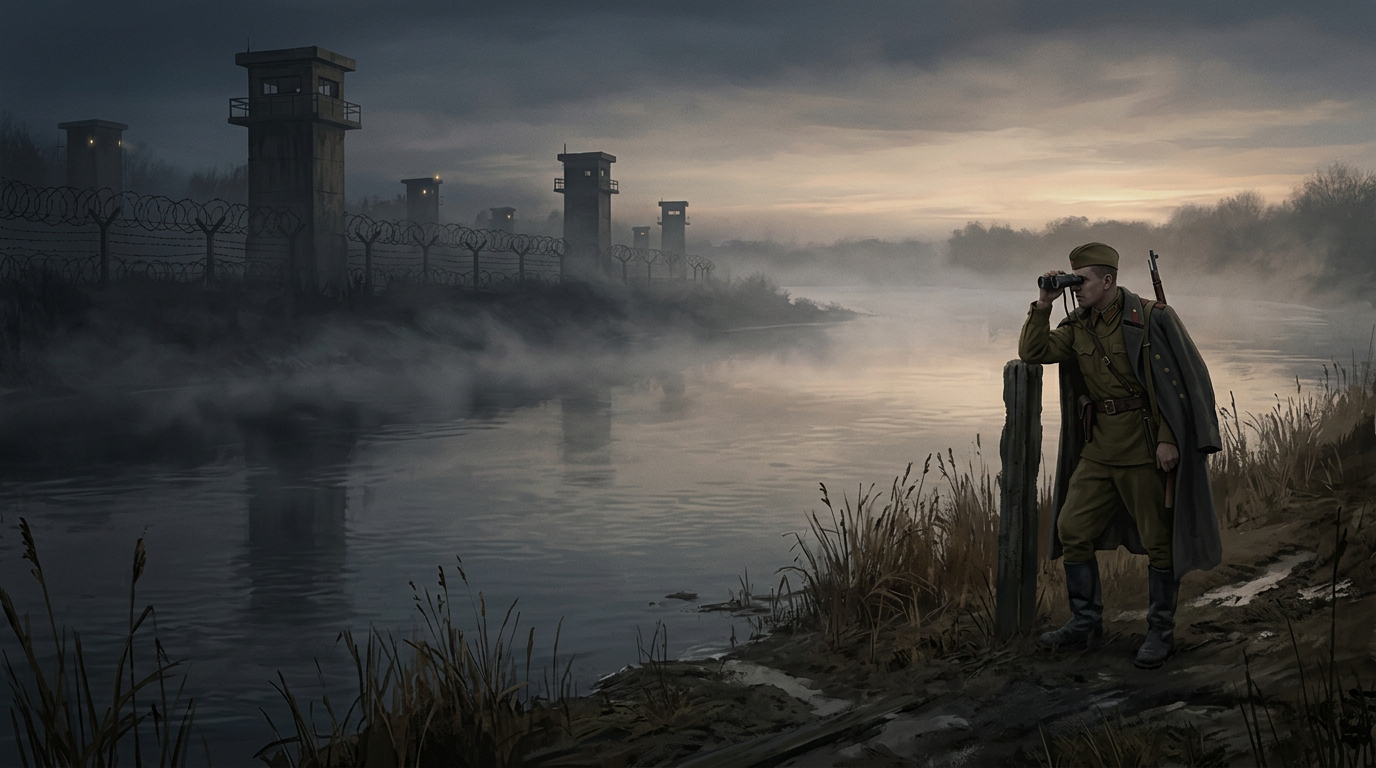
In June 1964, the twentieth anniversary of the Normandy disaster is observed with solemn, muted ceremonies on the southern coast of England. Aging veterans look out across the English Channel toward a heavily fortified French coast, now bristling with Warsaw Pact listening posts and anti-ship missile batteries. The failure of D-Day remains a deep psychological scar on the Western psyche, a humbling reminder of the fragility of monumental endeavors. The Soviet Union, having conquered the bulk of the continent single-handedly, projects an aura of invincible military supremacy. Yet, beneath the surface, the immense cost of holding such vast, resentful territories stretches Moscow's resources thin. The world remains locked in a tense, heavily armed standoff, forever shaped by the morning the beaches of Normandy held firm.
More from Alternate History