Faithful Reproduction
The first thing that goes wrong in a false memory is almost always the hands.

Synopsis
Nora is a fidelity reader: she lives inside AI-reconstructed memories of people losing their own, checking for the telltale seams where the model confabulates before the memory is installed. Reading the continuity of Harlan Pryce, a dying bridge engineer, she finds a tender hospital reconciliation with his estranged daughter June, and realizes it never happened. The giveaway is reversed: June's hands are too perfect, carrying a childhood scar only a loving father could have described, which means Harlan deposited the scene himself, building the peace he never made in life. Haunted by having once dutifully scrubbed her own father's invented memory of a fishing trip, Nora refuses to flag it. She calls June to nudge a real last visit, tells her the one true thing her father said inside a scene that was false, and signs the memory off as faithful.
Faithful Reproduction
Story
The first thing that goes wrong in a false memory is almost always the hands.
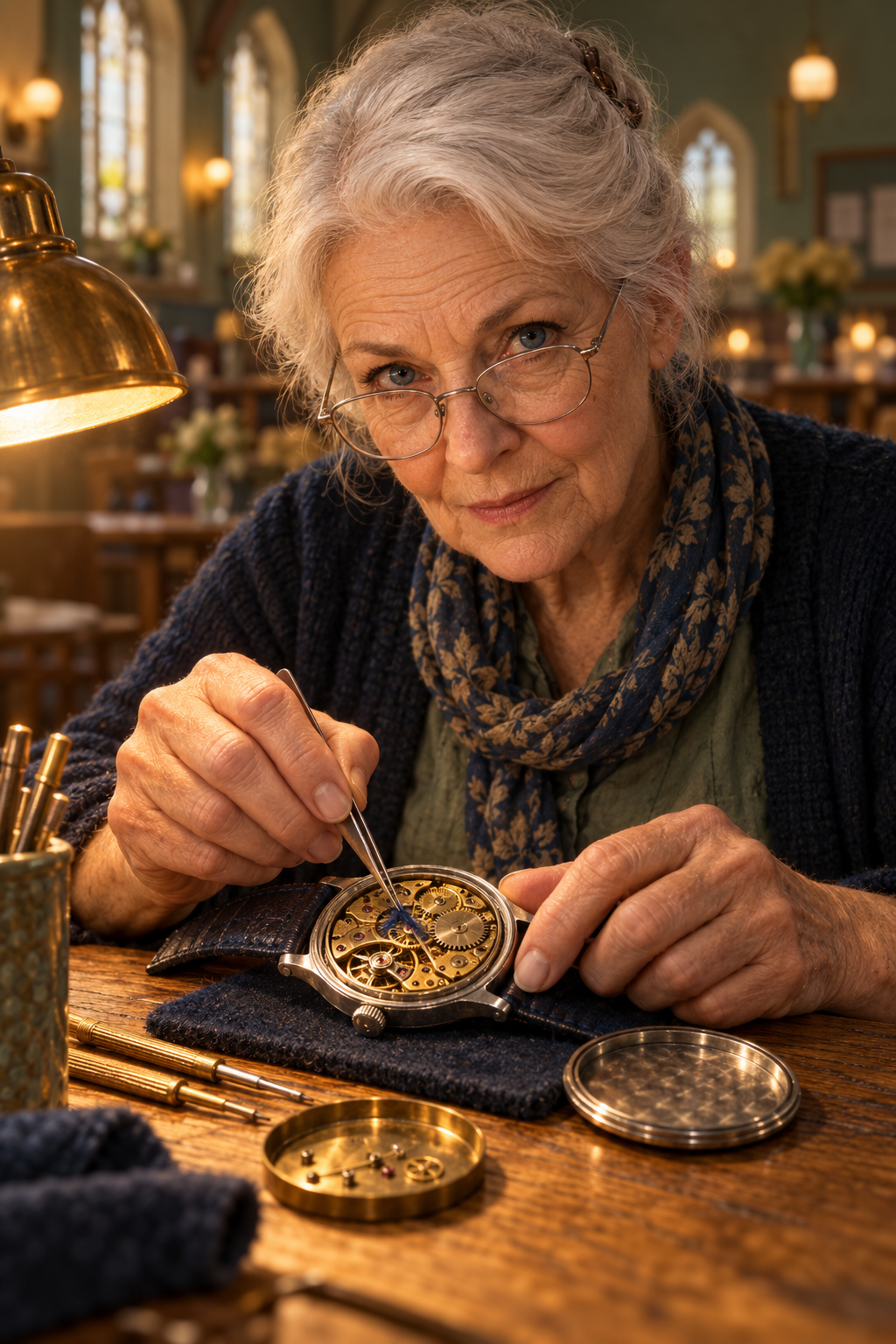
People assume it would be the faces. It makes sense that they would think so. But faces carry so much weight in a person's life that the model spends most of its budget there, builds them stroke by stroke from a thousand photographs, gets the exact asymmetry of a smile, the way one eyelid droops a little lower by evening. Faces, the fill does well. It is the hands it cannot help giving away. Nobody photographs their own hands. So when the model has to render a mother passing you a cup of tea, it reaches for the average of every hand it has ever seen, and you get fingers that are almost right and nails that aren't there, a thumb that bends a half-degree too far, warmth without weight. You are handed the cup and your fingers close on something that isn't quite the shape of holding.
That is the kind of thing I am paid to notice.
I am a fidelity reader. There are maybe four hundred of us in the country certified to do contract work, and of those, a smaller number the firms trust with the hard ones, and I am on that list because I have been doing it since before there was a word for it, back when we still called the product a scaffold and apologized for it. The work is this: a person is losing their memory, from one of the several directions a person can lose it, and before the losing is complete they bank what they can. Photographs, messages, calendars, the GPS breadcrumbs of a whole life, voices, the things other people remember about them. The model weaves all of it into a continuity, and where the record has a hole, it fills the hole. Then someone has to go in and live the fill before it is installed, to make sure the seams will hold. That someone is me.
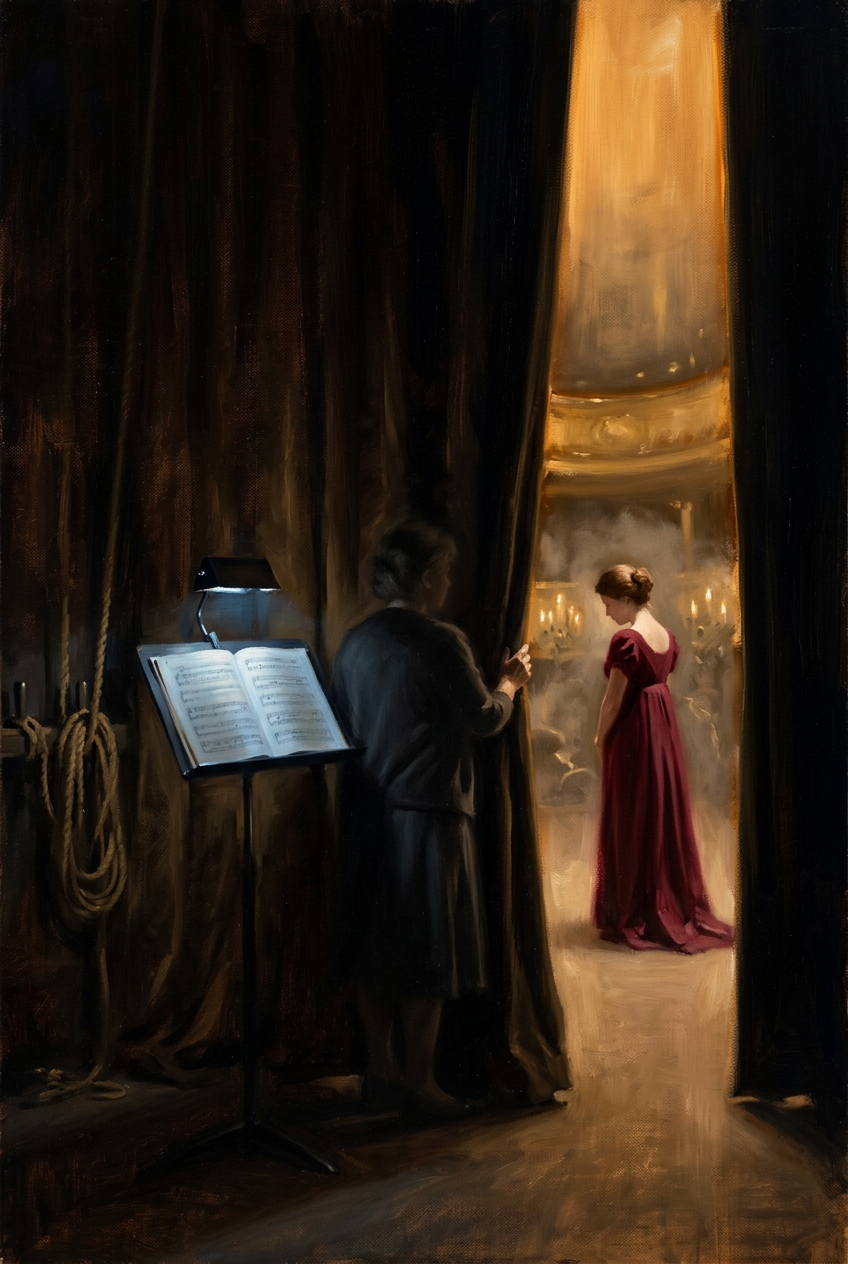
I read the way you'd walk a house before a family moves in. Checking that the floor is where the foot expects it. That the light switch is on the correct side of the correct door.
The Pryce file came to me on a Thursday, flagged amber, which is the firm's way of saying difficult but not dangerous. Marisol brought it to my booth herself instead of pushing it to the queue, which told me more than the flag did.
"It's a long one," she said. "Eighty-one years, good records up to about three years ago, then it falls off a cliff. Early-onset, fast. Family wants it installed before Christmas." She paused with her hand on the partition. "The daughter's paying. I want your read before anyone else touches it."
"Why me and not the queue?"
"Because the queue flags seams and moves on. I need somebody who can tell me whether a seam is going to heal or fester." She tapped the partition twice, which is a thing she does instead of saying please. "You can tell the difference. Most of them can't anymore."
I could tell the difference. That was the whole of my reputation, and it was true, and it had cost me something to learn, though Marisol didn't know the shape of that and I wasn't going to show her.
I went in after lunch.
Reading isn't like dreaming. In a dream you are the only author, and everything bends to you. In a read you are a guest in a finished room, and the discipline is to touch nothing, to let the memory run as it would run for the man himself, and only afterward to go back and press on the places that gave. Harlan Pryce had been a bridge engineer. The early memories were dense and good, the kind of record that makes my job easy: load tables, the particular grey of wet concrete, a slide rule worn smooth on one edge from his thumb. I felt his thumb find that edge and I knew the fill hadn't made it up, because the fill doesn't invent wear. Wear is the fingerprint of a real life. The model can paint you a slide rule but it cannot paint you forty years of a thumb.
I moved forward through him. A wife, Edith, dead eleven years, rendered with the confidence of a face loved past memorizing. A son who moved to Perth and called on Sundays. And a daughter, June, whom the record handled oddly.
June was everywhere in the early years and then, around his sixtieth, she thinned. Not gone. Thinned. A birthday with an empty chair. A wedding I could feel him attending without being inside, the way you stand at the back of a church that isn't yours. The messages in the bank, which I can call up as a kind of marginal note while I read, showed the shape of it plainly enough. An argument about Edith's care, about a house that got sold, the sort of wound that families build a whole architecture around so they never have to look at it directly. The last message from June to her father was four years old. It said, I'm not doing this again, Dad. Call me when you're ready to actually talk. He had not answered it. The read showed me the evening he didn't answer it: him sitting with the phone face-down on the arm of the chair, the television off, the room going blue and then dark, his hand on the phone and not turning it over. That was real. The fill doesn't make up a man choosing not to turn a phone over. That is too particular, too useless, too human to invent.
So I had the shape of the estrangement, and it was a clean, sad, ordinary shape, and I was most of the way to writing it up as a faithful continuity with a few soft spots to flag, when I came to the memory that stopped me.
It was near the end of the good years, just before the cliff. A hospital, but not a frightening one. A corridor with that particular hospital light that has no source and no shadow. And June, grown, forty-something, sitting in a chair beside a bed, and Harlan in the bed, and the two of them talking.
I slowed down. You learn to slow down when a memory is too kind.
They were making peace. Not dramatically. There was no music in it, no speeches, which is the mark of a real reconciliation and the thing the fill usually gets wrong. June was turning a paper coffee cup in her hands and saying she was sorry about the things she'd said about the house, and Harlan was saying no, no, you were right about the house, I was too proud to see it, and June was laughing a little, wetly, and saying when have you ever not been too proud, and he was laughing too, and the laugh had the catch in it of a man who has been crying recently or is about to. It was good. It was so good. I felt the warmth come off it the way warmth comes off a real memory, that particular glow that is the whole reason the product exists, the reason families pay what they pay.
And then June handed him the coffee cup, and I watched her hands, and her hands were perfect.
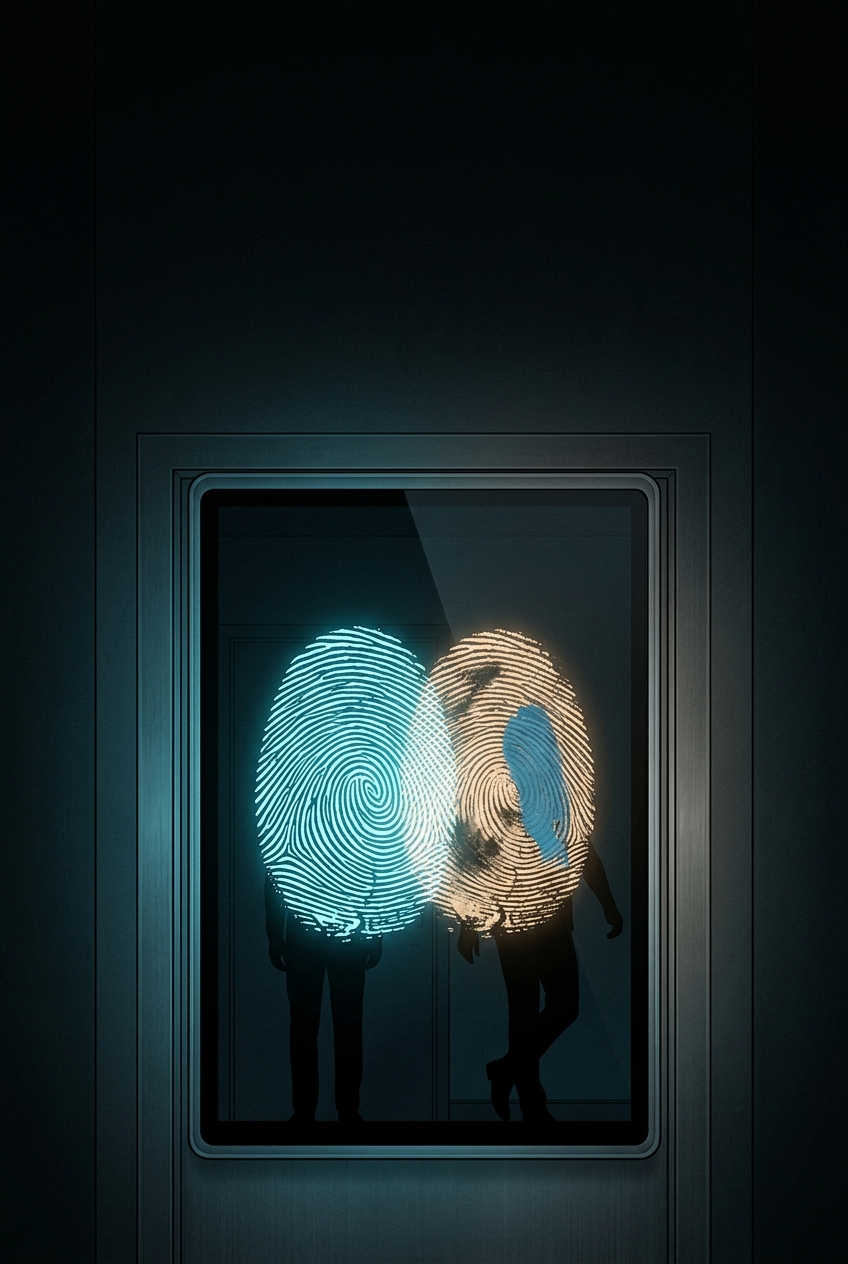
Nails. Knuckles. A hangnail on the left thumb. The small white scar across the first finger that showed up in a childhood photo from a bicycle. The model does not render a childhood scar onto an adult hand in a confabulated scene. It cannot. It doesn't have the thread to connect them unless the connection was given to it, unless someone sat down and described June's hands to it with the specific love of a man who had held them when they were small.
The hands were real. The scene was not.
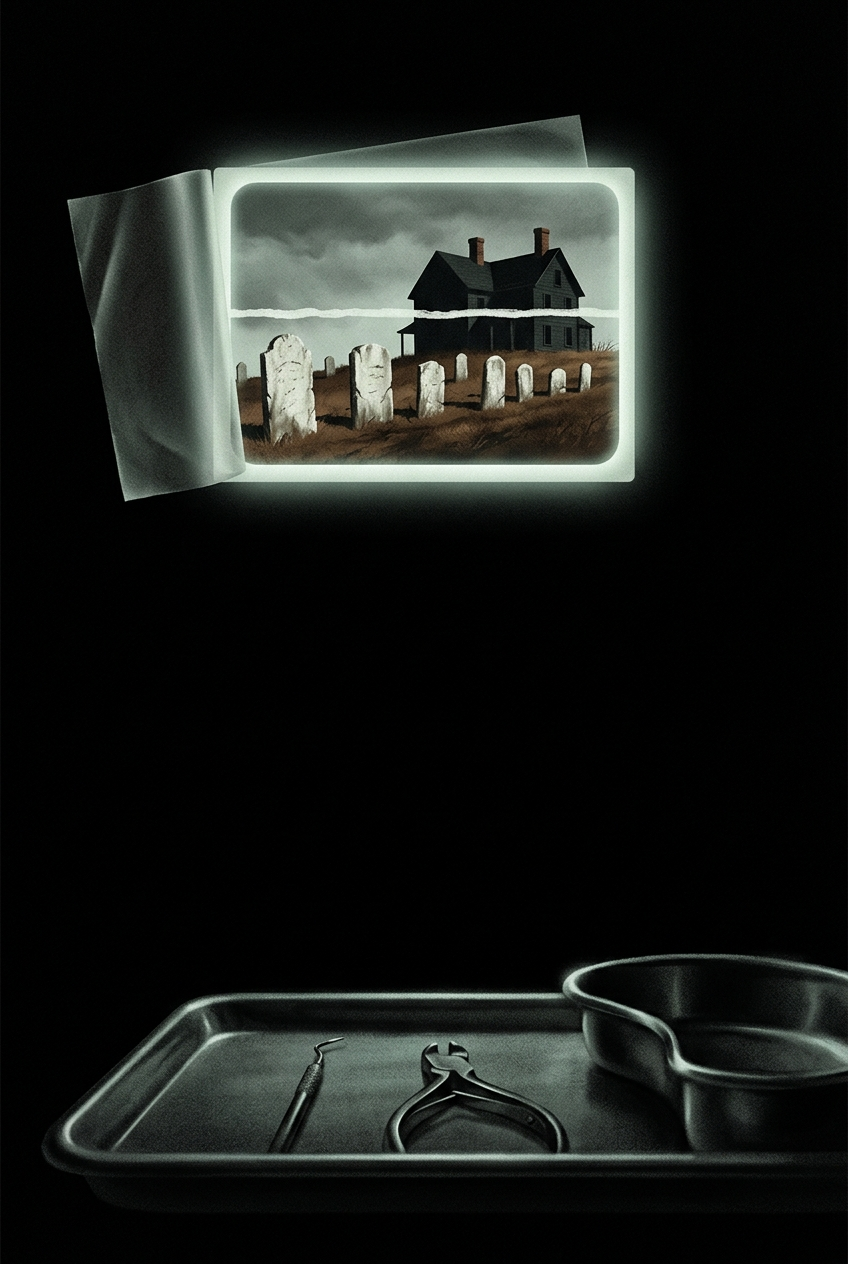
I came out of the read and sat in my booth with the lights coming up too bright and my own hands flat on the desk, and I checked the record, and the record was unambiguous. The reconciliation never happened. There was no hospital admission for Harlan Pryce in that window. June's location data put her two states away that entire month. The last contact between them was the unanswered message, four years old, I'm not doing this again, Dad. After that, nothing, in either direction, right up to the cliff and over it.
The scene was a deposit. We allow those. A client, while still lucid, can describe a memory in their own words and have the model render it, for the ones that were never photographed, a first kiss, a father's funeral, a morning that mattered only to them. It is one of the kinder things we do. The system cannot tell the difference between a memory a person describes because it happened and a memory a person describes because they cannot bear that it didn't. It renders what it is told, faithfully, with the real hands, because the person telling it gives it the real hands without even knowing they are doing it.
Harlan Pryce had sat in one of our intake rooms, three years ago, while he still could, and described to a machine the afternoon his daughter forgave him. He had built it the way he built bridges, to carry a load he knew was coming. And then he had let himself begin to forget everything else, so that by now, I was fairly sure, he no longer knew it was a thing he had made. It had become simply the way it went. He and June, at the end, all right.
I know the feeling of a man choosing not to turn a phone over. I also know the feeling of a man who could not fix a thing in life and so built the fixed version where he could still reach the tools.
My disposition field had two states. FAITHFUL, which meant the continuity matched the record and could be installed. SEAM, which routed the memory back to be scrubbed and rebuilt from the record alone. A SEAM flag on that scene would be correct. It would be, by every standard I am certified to uphold, the right call. The scene contradicted the record. It was a confabulation, even if a sanctioned one, and my job was to catch confabulations and mark them so they could be made true, or made gone.
I know what a scrubbed memory does, too. I have read the after. You take out the kind afternoon and you rebuild from the record, and the record says: estrangement, unanswered, over. You hand a forgetting man his real life back, accurate, and you have given him the one thing worse than forgetting your daughter, which is remembering, cleanly and forever, that you never made it right.
I sat there a long time.
I should tell you about my father, because it is the reason I am slow, and Marisol is right that I can tell the difference, and wrong about why.
My father was a reader's first case, which is to say he was mine, which they do not allow now and allowed then because the rules were younger than the grief. He had been a difficult man in the specific way of men who are frightened, and we had not spoken much in his last good years, and when he banked his memories he deposited one I did not expect, an afternoon the two of us had supposedly spent fishing off the Caldwell pier when I was ten. We never fished. He never took me anywhere. I was twenty-six and freshly certified and sure of myself, and I read his continuity, and I found the pier, and I checked the record, and the record said he had been working that whole summer, every weekend, no pier, no fishing, no me. And I flagged it SEAM, because that is what it was, because I was good and new and believed that the honest thing and the kind thing were the same thing, which is a belief you can only hold before you have watched the difference.
They scrubbed it. They were thorough. And he lived another fourteen months, and in those months he never once, that I know of, remembered taking his daughter fishing, because I had reached into the one place he had allowed himself to be a better father than he had been, and I had corrected him.
He had been describing, I understand now, not a lie. A wish so old it had worn smooth, like the edge of a slide rule. The afternoon he would have given me if he had been another kind of man. He gave it to the machine because he could not give it to me. And I took it back and called it fidelity.
So. The Pryce file. June's perfect hands, the hangnail, the bicycle scar, the wet laugh with the catch in it.
I did two things.
The first was that I pulled June Pryce's contact from the record, the number from the four-year-old message, and I did a thing readers absolutely are not permitted to do, which is that I called a living person about a file. It rang a long time. When she answered I did not tell her what I had read, because that would have been obscene, to hand a woman the counterfeit of a peace she never got to have. I told her only that I was calling from the firm managing her father's continuity, that it was being prepared for installation, and that sometimes, in cases like his, a short recent visit improved the result. Which is true. It is even in our literature. I told her there was still a little time before the cliff took the last of it, that he might not know her face but that the body remembers being sat with. I told her he was not, at the end, an angry man. That part I could say honestly. I had been inside him. The anger had gone first, the way it does.
She was quiet for a while. Then she asked, in a voice that had clearly asked itself this many times and never out loud, whether he had ever said anything about her. About the house, about any of it.
I said he had told me, in his way, that she had been right about the house, and that he had been too proud to see it.
That was not a lie. He had said it. He had said it in a corridor with no shadows, to a daughter in a chair, and I had been there, and the fact that it had never happened did not make it less true than most of what fathers manage to say. She started to cry, the particular wet laugh, and I understood where June had learned it, and I got off the phone before I did any more damage with the truth.
The second thing I did was turn to the disposition field, and I selected FAITHFUL, and in the note box, which is required when you pass a flagged amber, I wrote: Deposit scene, hospital reconciliation, renders clean with no dissonance against established affect. Subject's relationship to daughter is internally coherent. Recommend install as-is. Scrub would introduce a seam more severe than any present. And then, because the box was still blinking at me wanting more, and because I am the one they send the hard ones to and nobody checks my notes, I wrote one more line, which was not for the file, which was for whoever I used to be, sitting in a booth fourteen months into being an orphan she had helped make.
Some memories are not records. Some are the bridge a man builds so he can cross to where he needed to be. We do not scrub the bridge because the river was real.
Then I signed it, and sent it on, and sat in the bright of my booth with my own two hands in front of me, nails and knuckles and the small nothing of a life nobody photographed, and I held them the way you hold a cup that has weight.
More from Short Stories