The Sun Never Sets on the Americas
What if… A weather shift allows the British to capture George Washington and his army in 1776, crushing the American Revolution in its infancy.
Synopsis
Without George Washington and the Continental Army, the American rebellion collapses in 1776. The thirteen colonies remain in the British Empire, subjected to a mix of harsh penalties for leaders and pragmatic concessions for the populace. This enduring bond alters global history: the British Empire averts an American Civil War by enforcing universal abolition in 1833, reorganizes North America into a colossal, unified Dominion, and leverages the continent's immense industrial might to shorten the First World War. By the 20th century, a dominant, unipolar British Empire—anchored financially in New York and politically in London—shapes a stable but highly institutional world order.
The Sun Never Sets on the Americas
What if… A weather shift allows the British to capture George Washington and his army in 1776, crushing the American Revolution in its infancy.
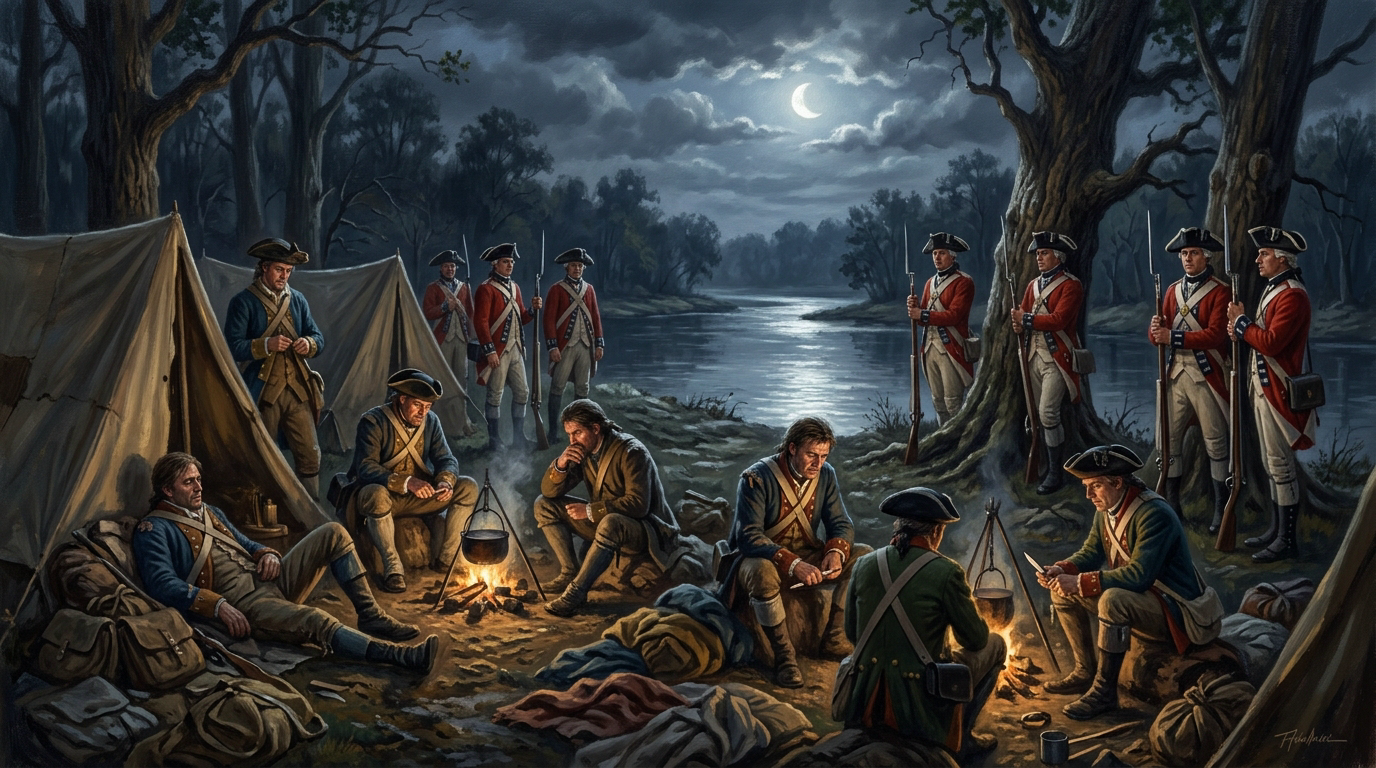
In late August 1776, the fledgling American rebellion faced annihilation. Following a devastating defeat at the Battle of Long Island, General George Washington and his Continental Army were trapped with their backs to the East River. In our timeline, a miraculous, dense fog rolled in on the night of August 29, allowing Washington to evacuate his entire force to Manhattan under the noses of the British, preserving the revolution. But in this alternate timeline, the skies remain relentlessly clear. Under the bright moonlight, British sentries detect the frantic evacuation. General William Howe orders an immediate night assault. The trap snaps shut. With his army shattered and nowhere to run, Washington is forced to surrender, effectively breaking the back of the American Revolution before it truly begins.
The Brooklyn Surrender
On the morning of August 30, 1776, the dream of independence died on the shores of Brooklyn. Stripped of their arms, thousands of Continental soldiers sat in stunned silence under the watchful eyes of British regulars. George Washington, handing his sword to a junior British officer, became a prisoner of the Crown. The news of the capture rippled down the coast, shattering the morale of the rebel militias. Without Washington’s unifying presence or a standing army, the Continental Congress in Philadelphia fractured into bickering factions. Loyalists, emboldened by the victory, reclaimed control of local assemblies. By winter, the British had occupied every major colonial port. The grand experiment in republicanism had collapsed into a chaotic scramble for amnesty, leaving the thirteen colonies firmly tethered to the British Empire.
The Philadelphia Assizes
With the military rebellion crushed, the Crown sought to permanently pacify the colonies. In 1778, the British Parliament enacted a two-pronged strategy of severe justice and pragmatic concession. Hardline separatist leaders—among them Samuel Adams and Thomas Jefferson—were tried for high treason and exiled to penal colonies in the Caribbean, a stark warning to future agitators. However, moderate voices were invited to the negotiating table. To prevent another uprising, Parliament passed the Colonial Representation Act, granting the American colonies limited, advisory seats in Westminster and reducing tariffs. Life in the bustling ports of Boston and Charleston slowly returned to normal, though the resentful whispers of liberty never entirely vanished. The colonies were secure, but they were now governed by a cautious, heavy-handed bureaucracy determined to maintain order.
The Emancipation Crisis
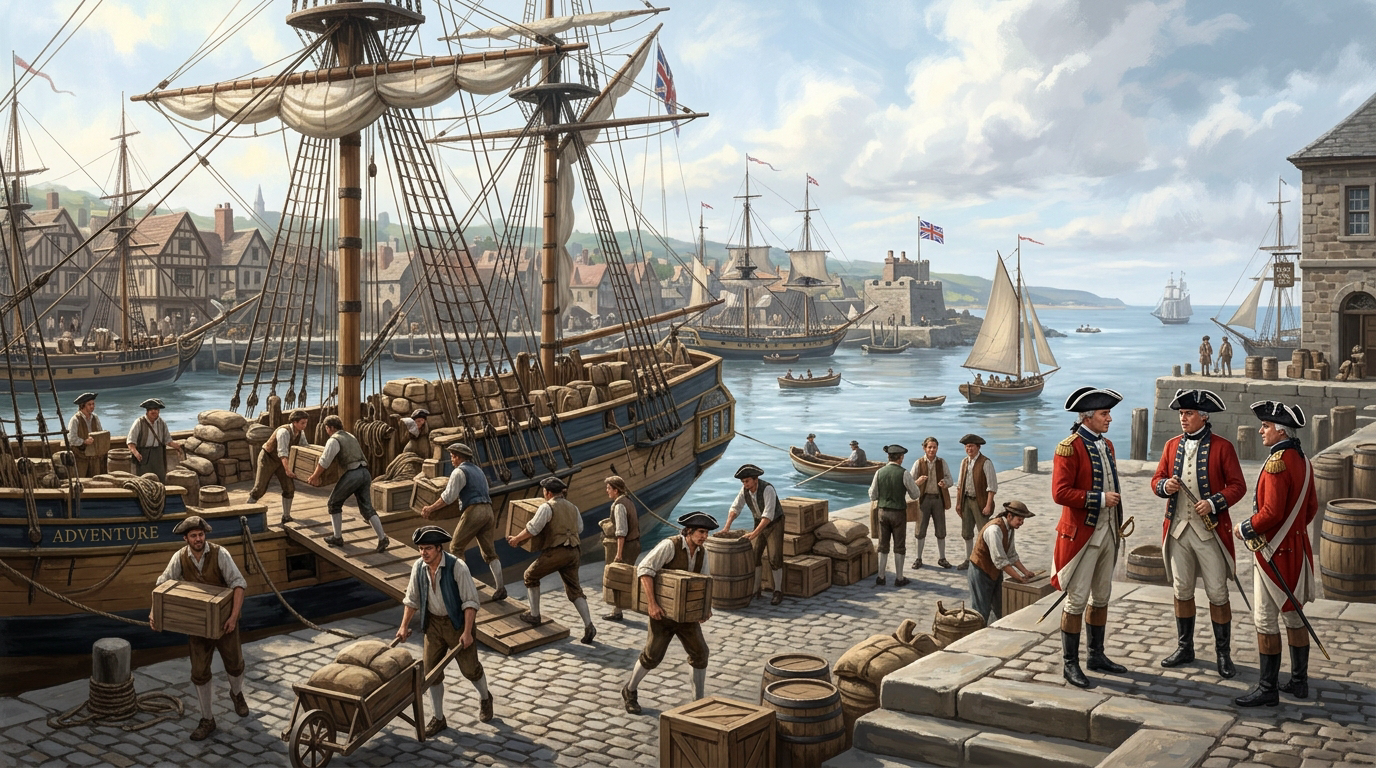
The true test of this enduring imperial bond arrived in 1833. When the British Parliament passed the Slavery Abolition Act, ending the institution across the empire, the Southern colonies erupted in fury. Wealthy planters in Virginia and the Carolinas threatened to secede, echoing the revolutionary rhetoric of fifty years prior. But the geopolitical reality had changed. The British Royal Navy immediately blockaded Charleston and Savannah, while northern colonial militias, deeply integrated with British regular forces, mobilized southward. Facing a hopelessly lopsided conflict without foreign allies, the Southern planters capitulated. The emancipation proceeded, albeit accompanied by generous financial compensation to the slaveholders from the royal treasury. While resentment lingered in the South for generations, the empire bypassed a catastrophic civil war, fundamentally altering the demographic and economic future of the continent.
The Grand Dominion
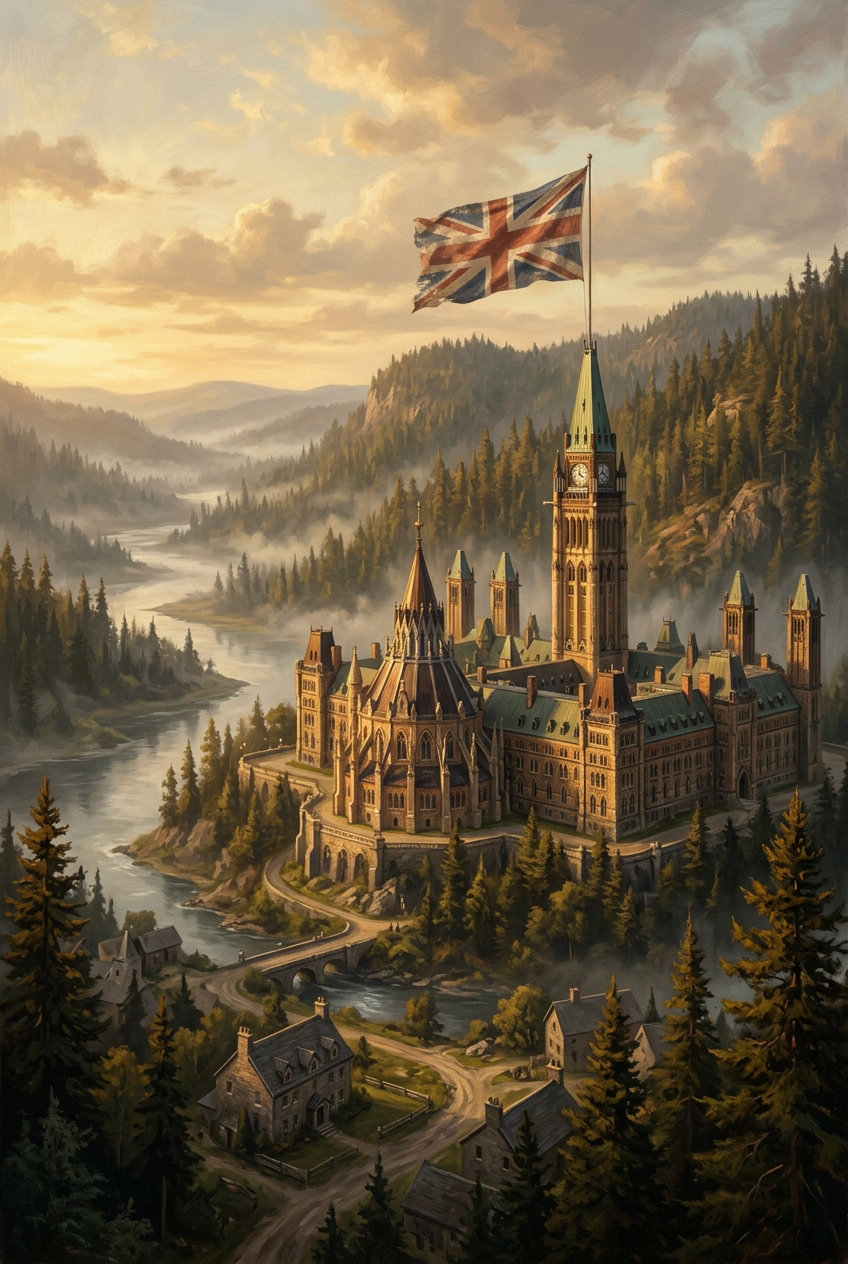
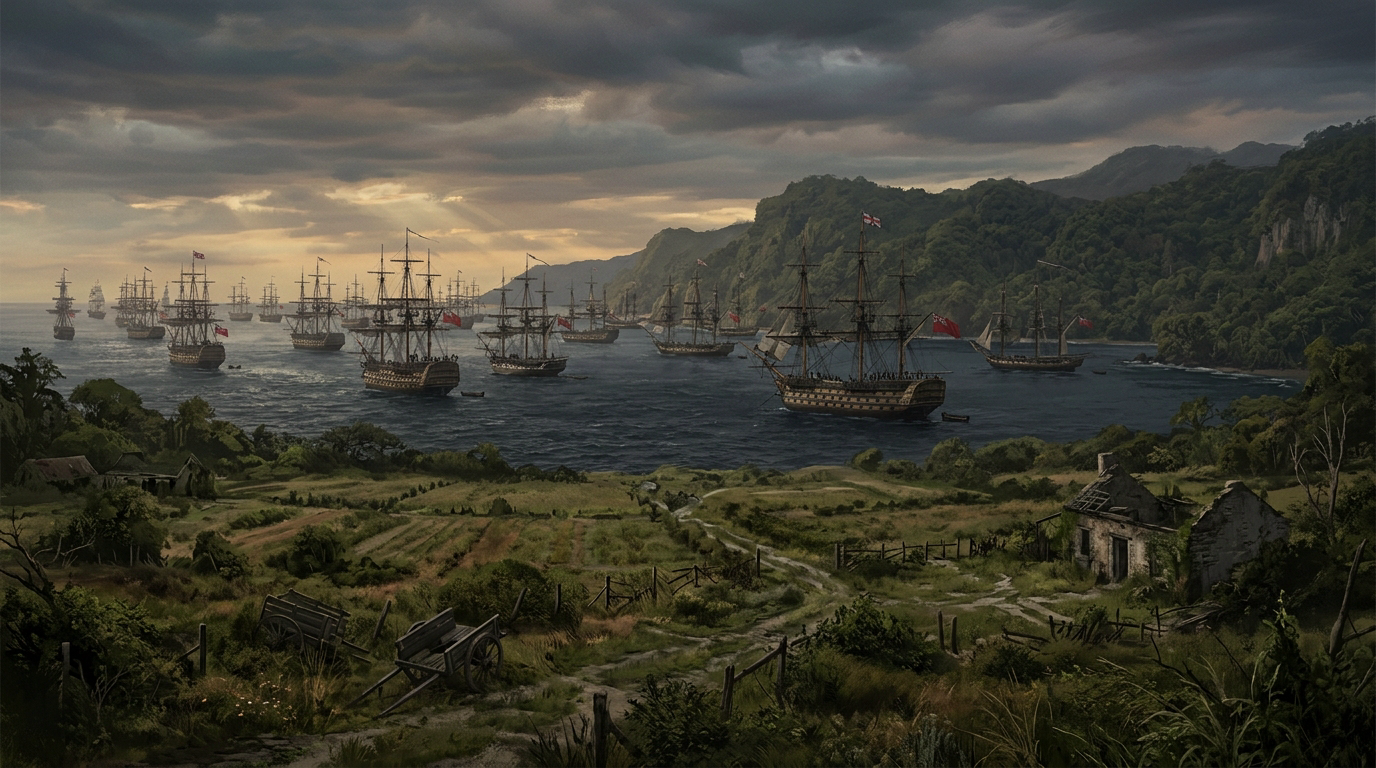
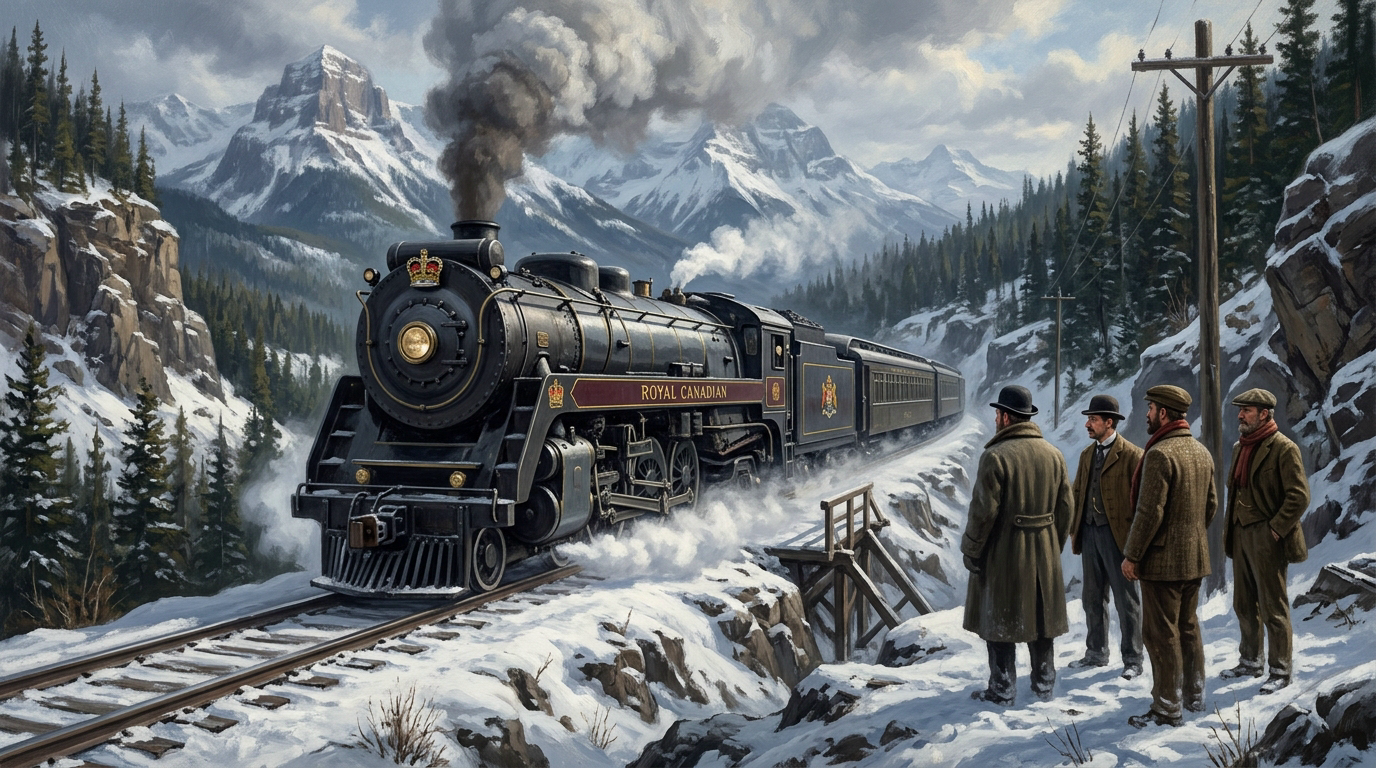
By 1867, the administrative burden of governing dozens of distinct North American colonies proved unwieldy for London. To consolidate power and spur industrial growth, Queen Victoria signed the British North America Act, uniting the original thirteen colonies with the Canadian provinces to the north. The resulting Dominion of North America spanned from the Arctic to Florida, governed by a powerful Viceroy seated in the newly built imperial capital of Philadelphia. This colossal political entity drove rapid westward expansion, laying a transcontinental railway under the banner of the Union Jack. The Dominion became the empire’s industrial heartland, fusing British engineering with vast American resources. It was a society defined by a pragmatic, collective loyalty to the Crown, standing in stark contrast to the fierce individualism that might have been.
The March of the Dominion
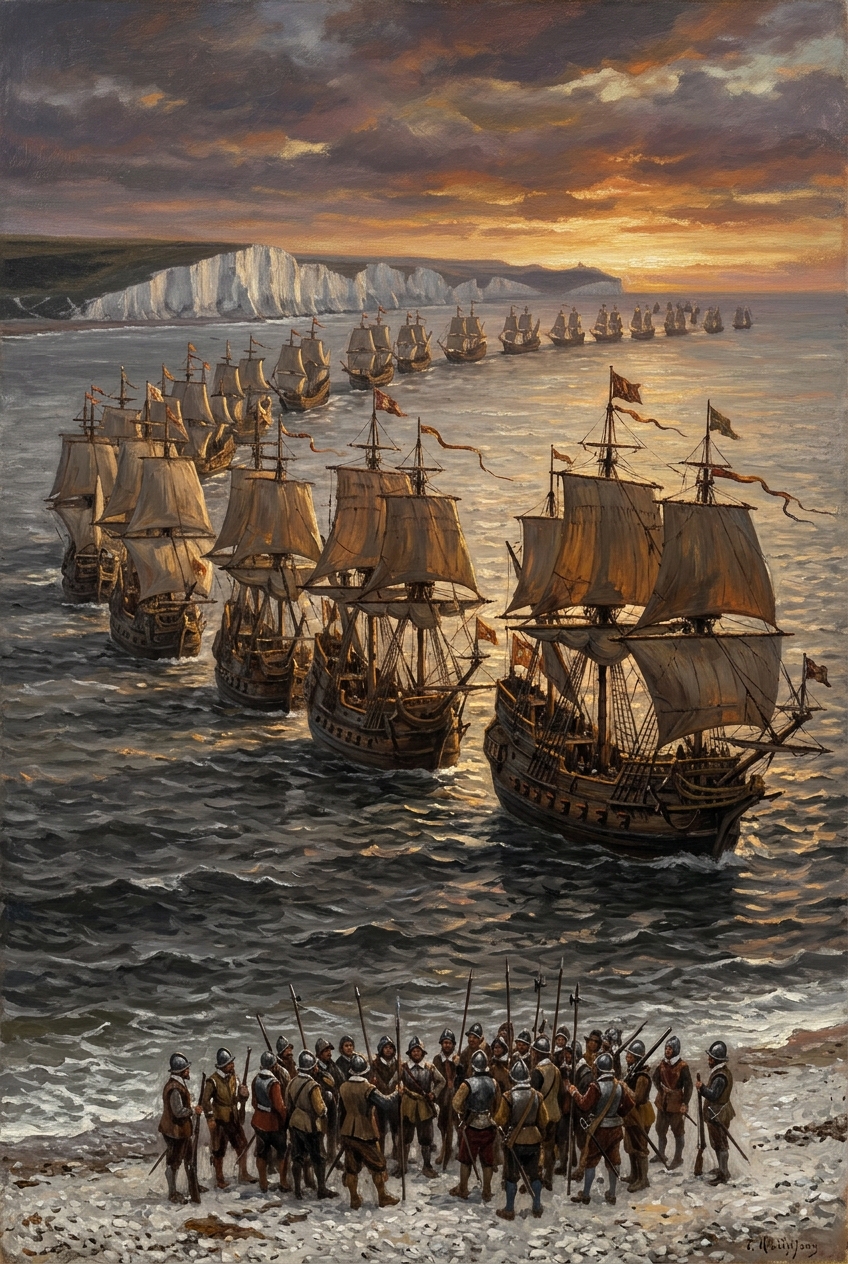
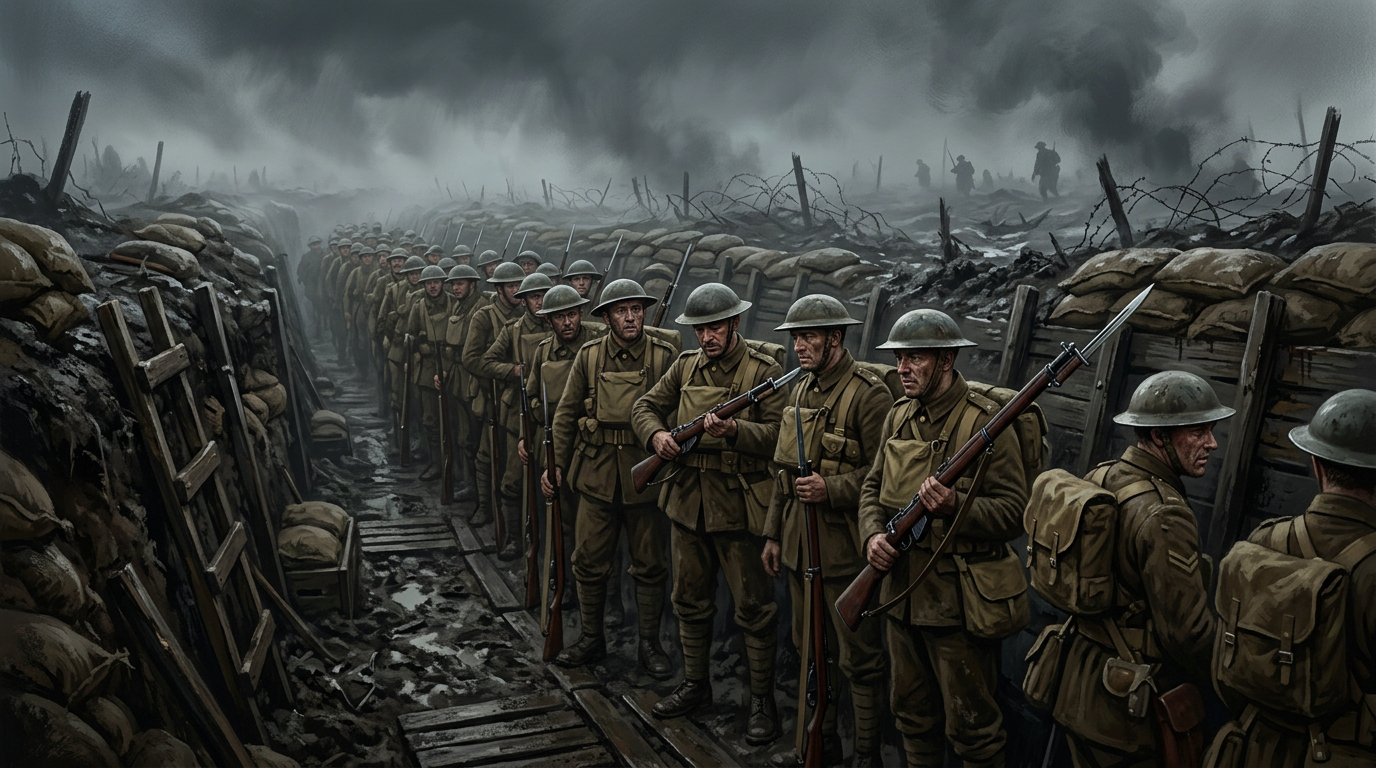
When Europe fractured into war in August 1914, the Dominion of North America did not hesitate or wait in isolation. As a dominion of the empire, its entry into the Great War was immediate. By Christmas, over a million North American troops—from the factories of New York to the prairies of Manitoba—were pouring into the trenches of the Western Front. Supported by an untouched, massive industrial base in Pennsylvania and Ontario, the British war machine overwhelmed the Central Powers. The devastating influx of fresh troops and endless munitions brought the conflict to a decisive end by late 1916. Europe was spared the prolonged agony of a four-year war of attrition, but the Dominion paid a heavy price in blood, cementing its status as the most vital pillar of the British Empire.
The Anglo-American Century
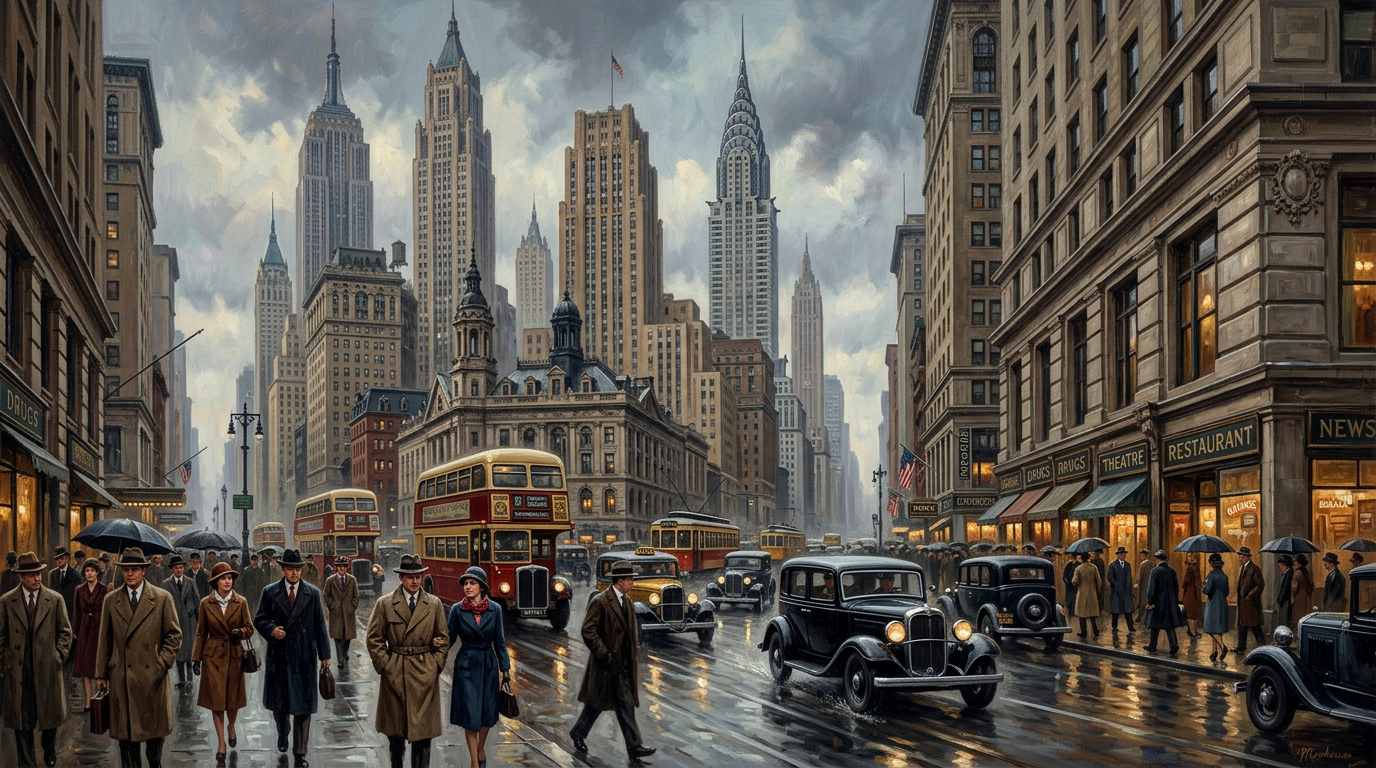
The swift conclusion of the Great War ushered in a golden era of imperial prosperity during the 1930s. London remained the political and cultural capital of the world, but New York served as its uncontested financial engine. Transatlantic travel flourished, with magnificent ocean liners ferrying the imperial elite between Southampton and Boston. A unique Anglo-American culture blossomed, blending British traditionalism with North American dynamism. Architecture in cities like Chicago and Toronto featured grand Edwardian facades mixed with towering steel frames. The BBC broadcasted jazz from Harlem across the empire, while Hollywood—a modest provincial film hub—produced sprawling historical epics glorifying the Crown. The world was dominated by a confident, unipolar British Empire, unchallenged by rival superpowers, resting entirely on the vast wealth and loyalty of its North American subjects.
The Atomic Hegemony
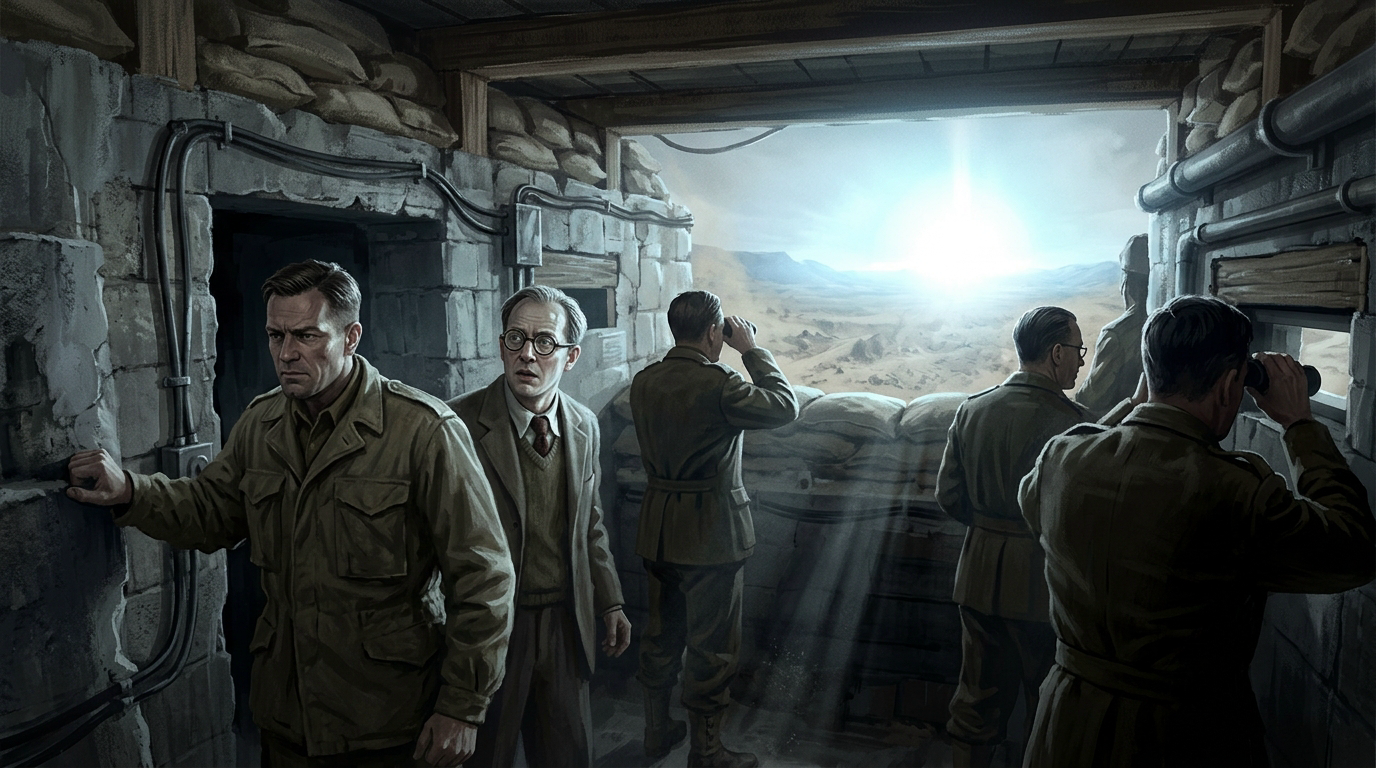
The geopolitical landscape of the mid-20th century was defined not by a Cold War, but by an unquestioned Pax Britannica. In 1945, scientists at the Royal Institute in Cambridge, heavily funded by Dominion taxes, successfully tested the first atomic weapon in the Nevada desert. With a monopoly on nuclear technology, the British Empire preempted the rise of the Soviet Union, forcing Moscow into a cautious, isolated neutrality. Decolonization was strictly managed and often delayed; uprisings in distant territories were swiftly managed by North American troops acting as the empire’s enforcers. The global order was stable but deeply authoritarian, held together by the unspoken threat of imperial force. The world watched uneasily as the Union Jack flew unchallenged over a global dominion that was too massive to ever truly be at peace.
The Modern Commonwealth
Today, the sprawling Dominion of North America remains the heavyweight center of the global Commonwealth. It is a continent of striking contrasts: sleek, high-speed rail lines connect the financial spires of Manhattan to the sprawling, historic government ministries of Philadelphia, all adorned with the royal crest. Universal healthcare and a robust welfare state mirror the social policies of Britain, but a quiet, simmering resentment endures among those who feel politically marginalized by a distant monarch. Red telephone boxes and cricket pitches sit alongside neon-lit tech hubs in California. There is no American Dream, only the Imperial Standard. It is a peaceful, prosperous, and highly regulated society, forever shaped by the night the fog failed to roll in over the East River, binding their destiny to the Crown forever.

More from Alternate History