The Armored Era
What if… Donald Trump is killed by the assassin's bullet at the 2024 Butler rally, plunging the United States into a profound political and cultural crisis.
Synopsis
The assassination of Donald Trump weeks before the 2024 election triggers an immediate halt to traditional American politics. The Republican Party scrambles to replace its singular leader at a deeply traumatized convention, while the Democrats drastically pivot their campaign to a message of national stability. Unprecedented security measures choke public life as conspiracy theories run rampant, deepening partisan mistrust. While a broader civil war is averted, the long-term aftermath splinters the populist movement and ushers in a permanently sanitized, highly militarized era of American political campaigning.
The Armored Era
What if… Donald Trump is killed by the assassin's bullet at the 2024 Butler rally, plunging the United States into a profound political and cultural crisis.
On July 13, 2024, former President Donald Trump held a rally in Butler, Pennsylvania. It was a sweltering Saturday, the crowd buzzing with the energy of an impending election. In our reality, as Trump turned his head, a bullet fired by Thomas Matthew Crooks grazed his right ear—a near-miss that sparked iconic photographs of a defiant candidate raising his fist. In this timeline, the turn of the head is minutely different. The bullet finds its mark, and the 45th President is killed instantly on stage. What follows is not just an outpouring of national grief and outrage, but a profound constitutional and cultural shockwave that ends the era of open-air democracy and permanently alters the trajectory of the American republic.
The Broadcast
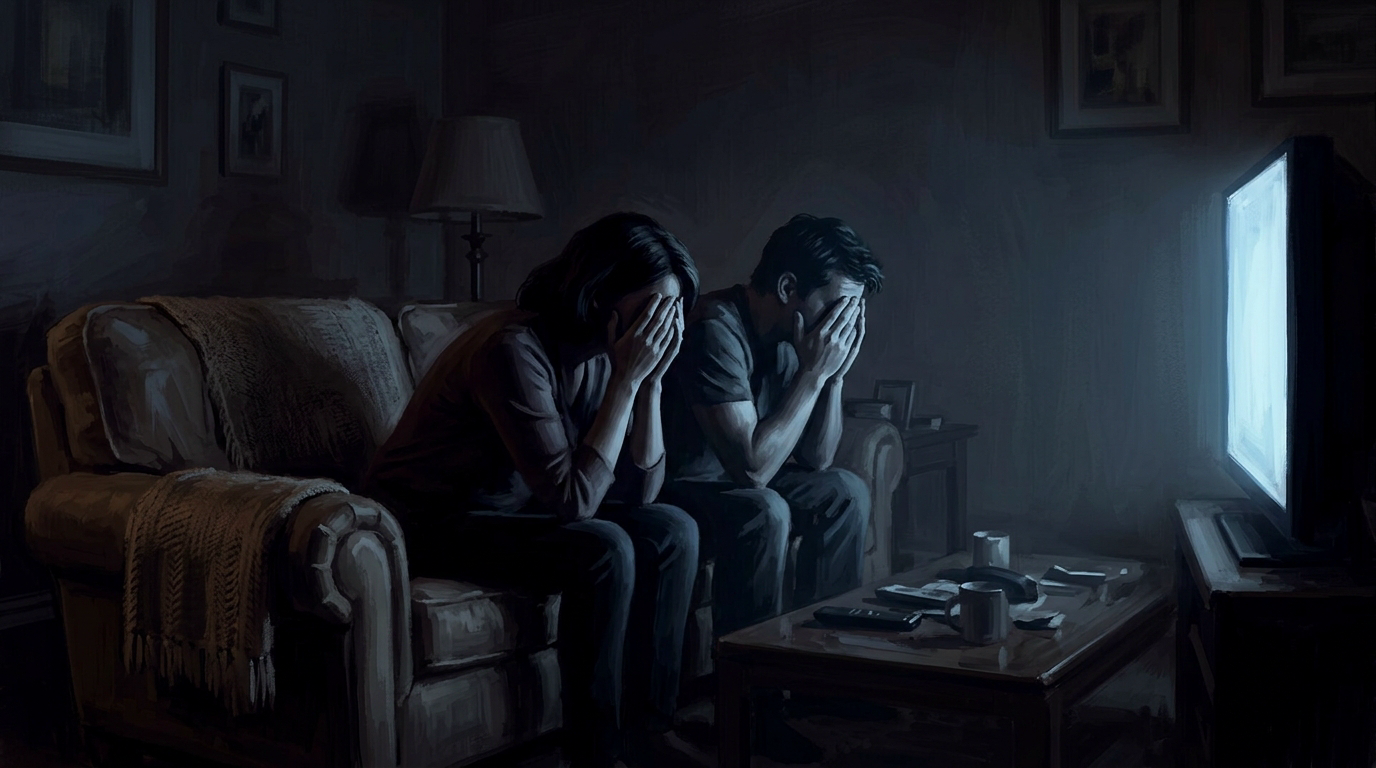
Within minutes of the gunshots, the American internet effectively fractures under the weight of the news. Broadcast networks cut into regular programming, anchors struggling to maintain composure as the unthinkable is confirmed. The immediate aftermath is characterized by a terrifying national silence. In Washington, the White House lowers its flags to half-staff, and President Biden addresses the nation from the Oval Office, his voice tight with genuine shock, calling for absolute calm. Across the country, ordinary citizens—both supporters and fierce critics—sit in darkened living rooms, bathed in the blue light of their televisions, sensing that an invisible line has been crossed. The political battles of the morning suddenly feel archaic, replaced by a deep, collective anxiety about what tomorrow will bring.
The Convention in Mourning
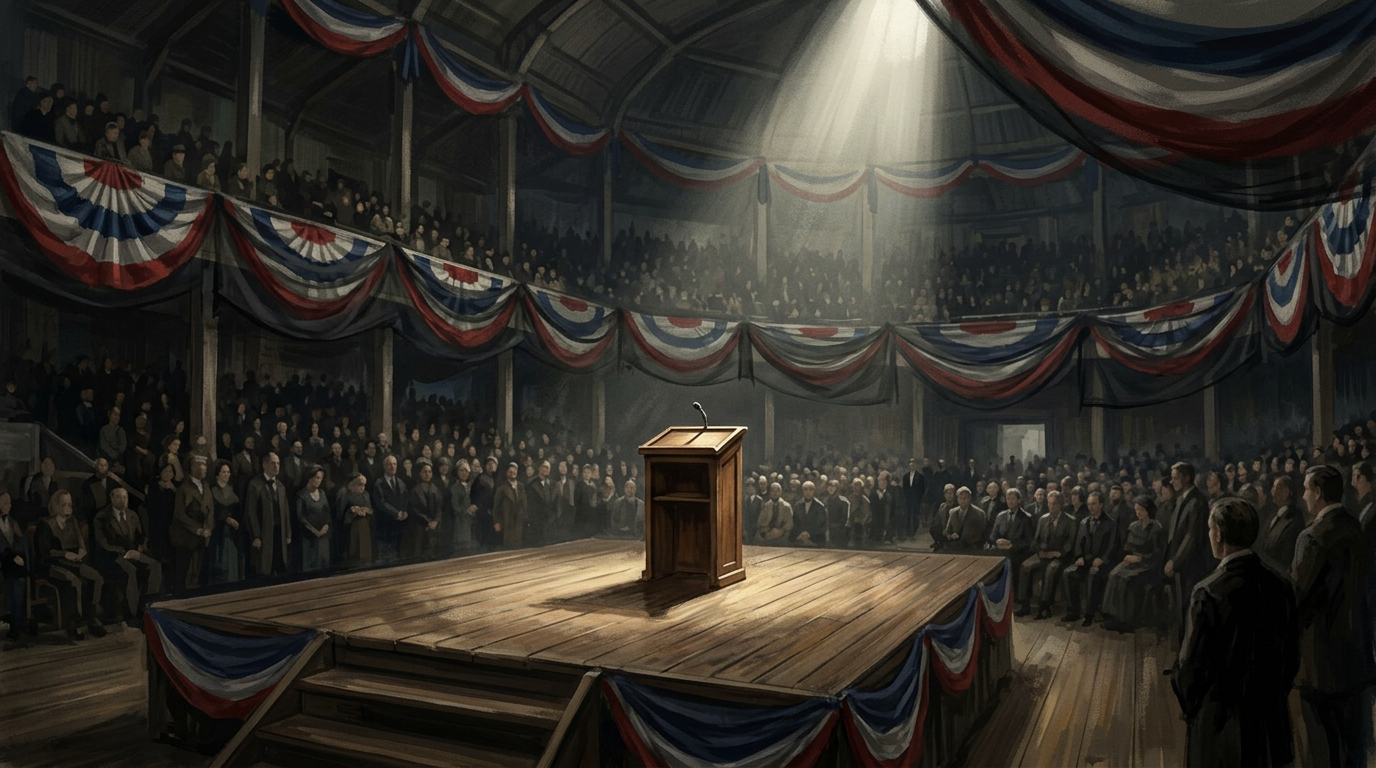
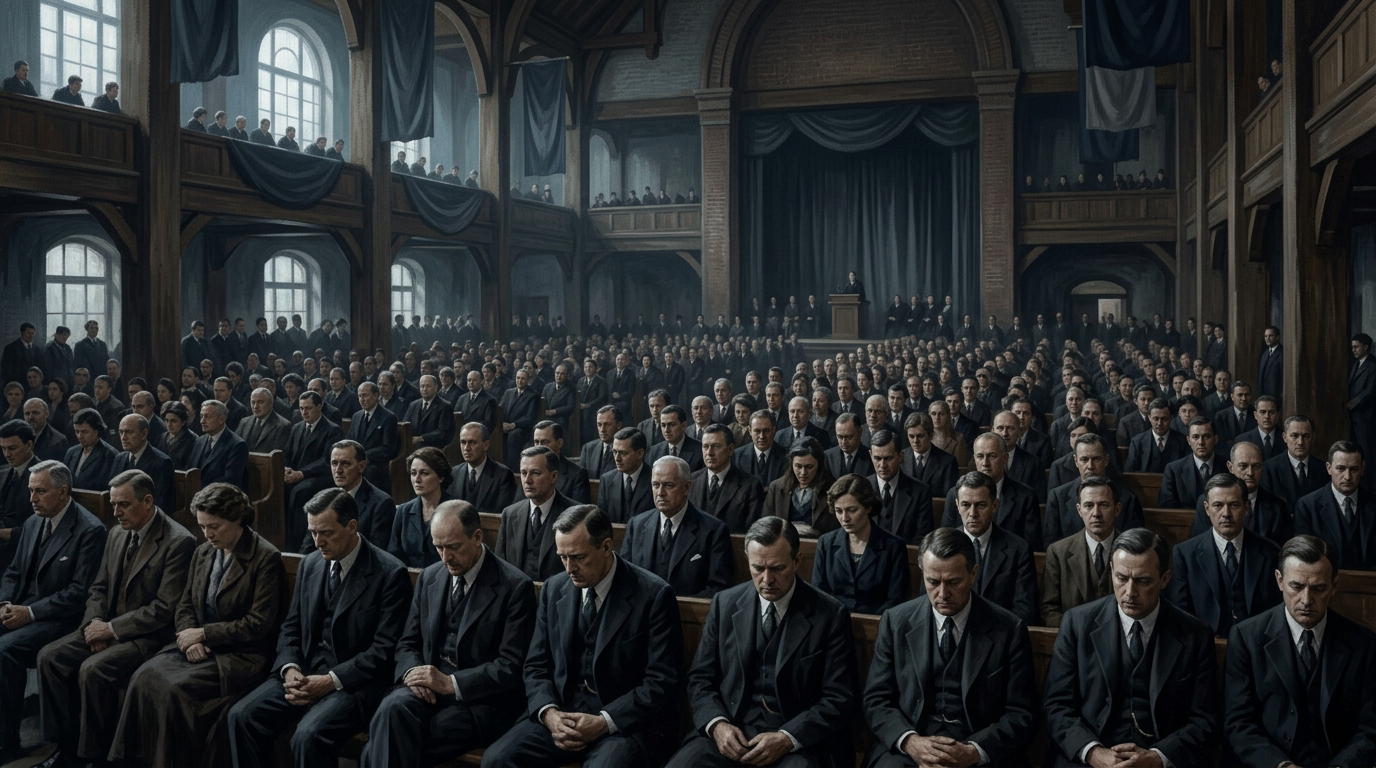
Two days later, the Republican National Convention opens in Milwaukee not as a political coronation, but as a heavily militarized memorial service. Red, white, and blue decorations are draped in stark black bunting. The arena floor is a sea of weeping delegates and silent prayer circles. Behind closed doors, party power brokers face an unprecedented crisis: they have no presumptive nominee. The power vacuum sparks immediate, fierce backroom maneuvering between the establishment wing and loyalist populist figures who demand a true heir to the movement. Ultimately, the delegates coalesce around a hastily brokered compromise ticket, hoping to project stability to a reeling nation. When the new nominee accepts the role, they speak to an empty podium illuminated by a single, harsh spotlight.
A Nation on Edge
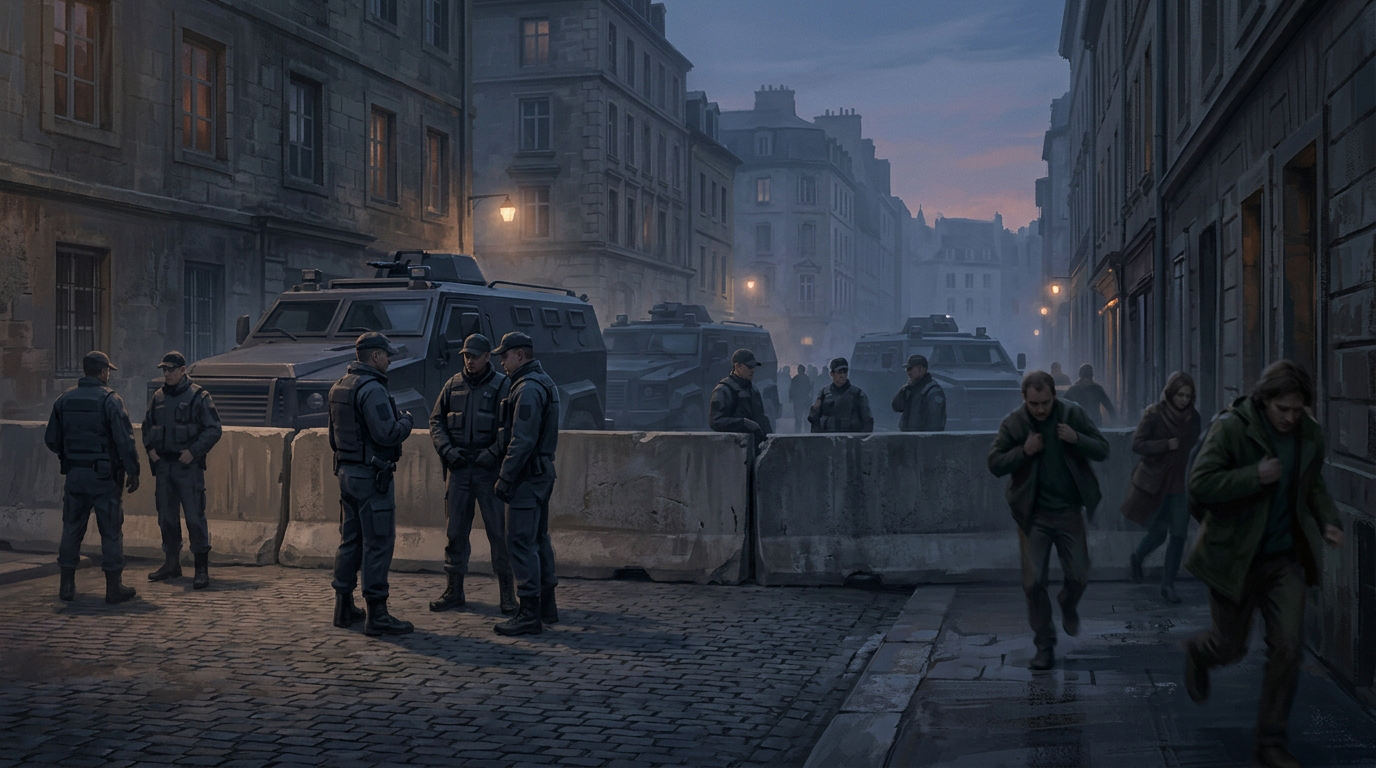
August brings a suffocating summer of paranoia. Despite the immediate identification of the lone gunman, conspiracy theories spread like wildfire, tearing through social media and local communities. A significant portion of the electorate refuses to believe the official FBI narrative, convinced of a deeper, institutional plot. Protests erupt in major cities, met by overwhelming police presence. The federal government responds with massive, highly visible security deployments, stationing National Guard troops to protect federal buildings, courthouses, and election offices. The fabric of daily life grows tense. Neighbors stop talking politics over fences; bumper stickers are quietly scraped off cars. The vibrant, chaotic energy of the American public square is replaced by a chilling, pervasive atmosphere of suspicion and guarded whispers.
The Democratic Reset
At the Democratic National Convention in Chicago, the mood is equally unrecognizable. The planned celebrations and aggressive campaign messaging are scrapped entirely. Recognizing that the nation is a powder keg and his own age remains a focal point of anxiety, President Biden makes a historic, somber address. He formally steps aside, passing the nomination to a younger ticket framed entirely around the concept of institutional continuity and domestic peace. There are no balloons dropped, no raucous cheers. The new Democratic nominee accepts the mantle in a speech heavily focused on law, order, and the preservation of the democratic experiment. The campaign trail goes virtually silent; large outdoor rallies for both parties are universally canceled, replaced by controlled, televised town halls.
A Bitter November
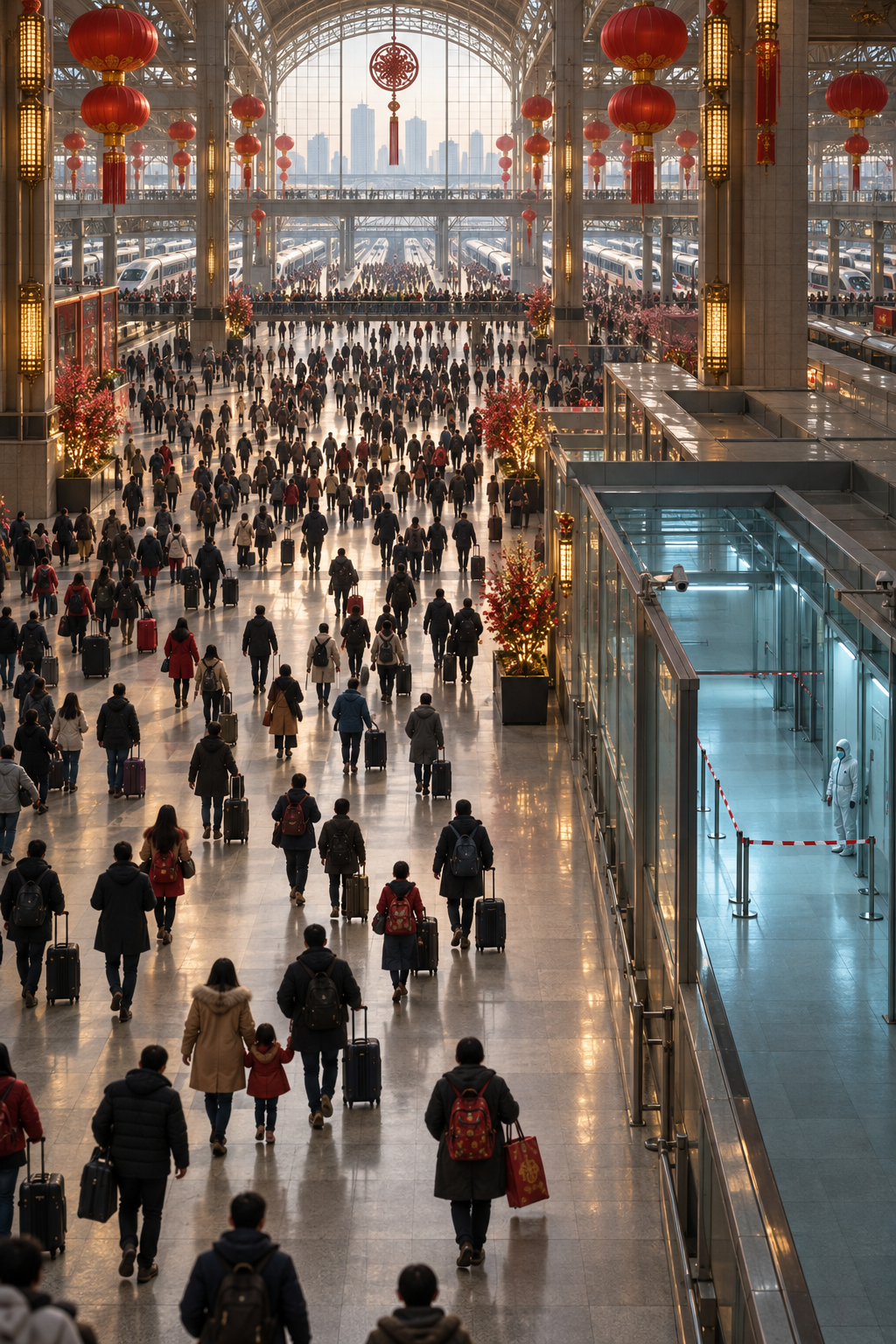
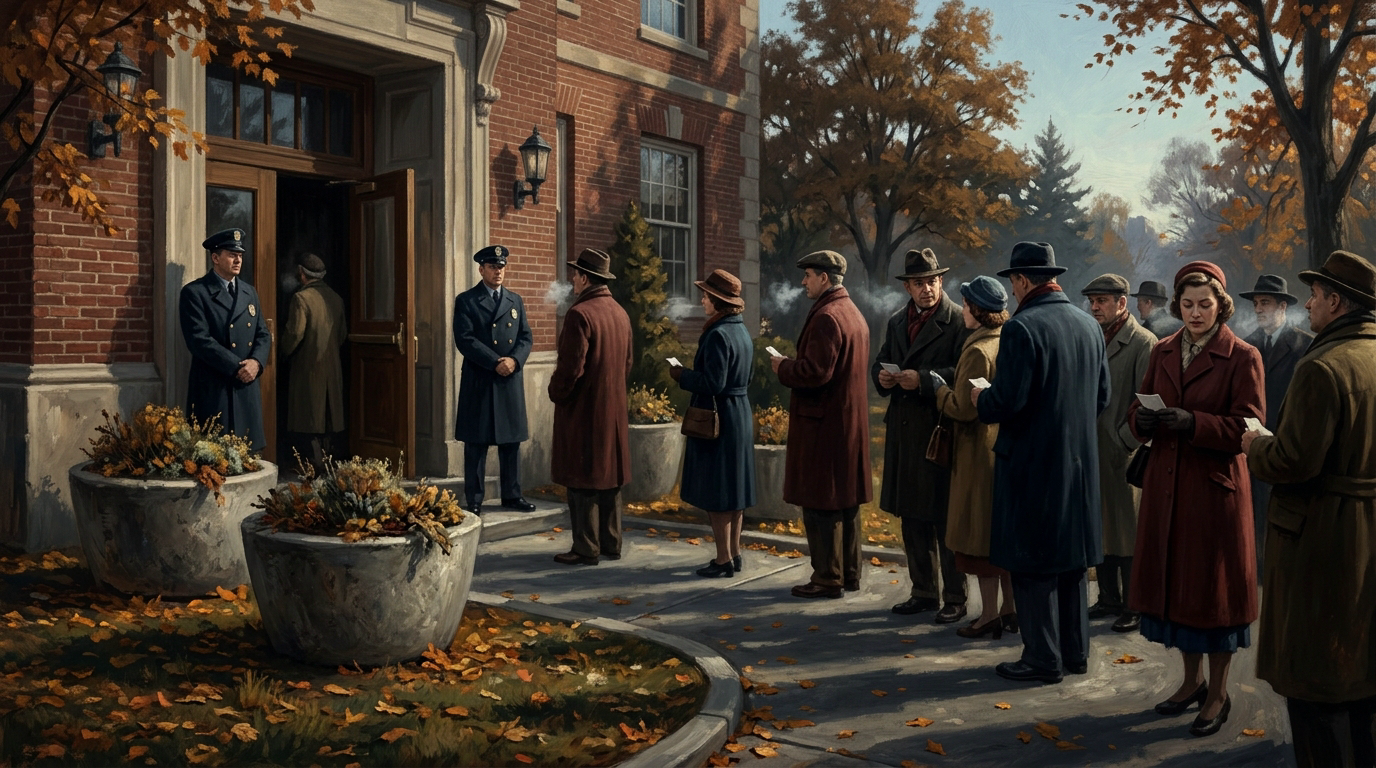
Election Day in November 2024 feels less like a democratic exercise and more like a military operation. Polling stations across the country are fortified with concrete barriers, metal detectors, and armed state troopers. Voter turnout breaks all historical records, driven by a potent mix of grief, fear, and duty. The results are agonizingly close and deeply divided along regional lines. The electorate, exhausted by months of tension, ultimately delivers a narrow mandate to the Democratic ticket, prioritizing a quiet, predictable bureaucracy over the fiery populism that now lacks its central figure. The transition of power is orderly but joyless, heavily guarded, and devoid of the usual American pageantry, casting a long, sobering shadow over the incoming administration's inauguration.
The Pilgrimage
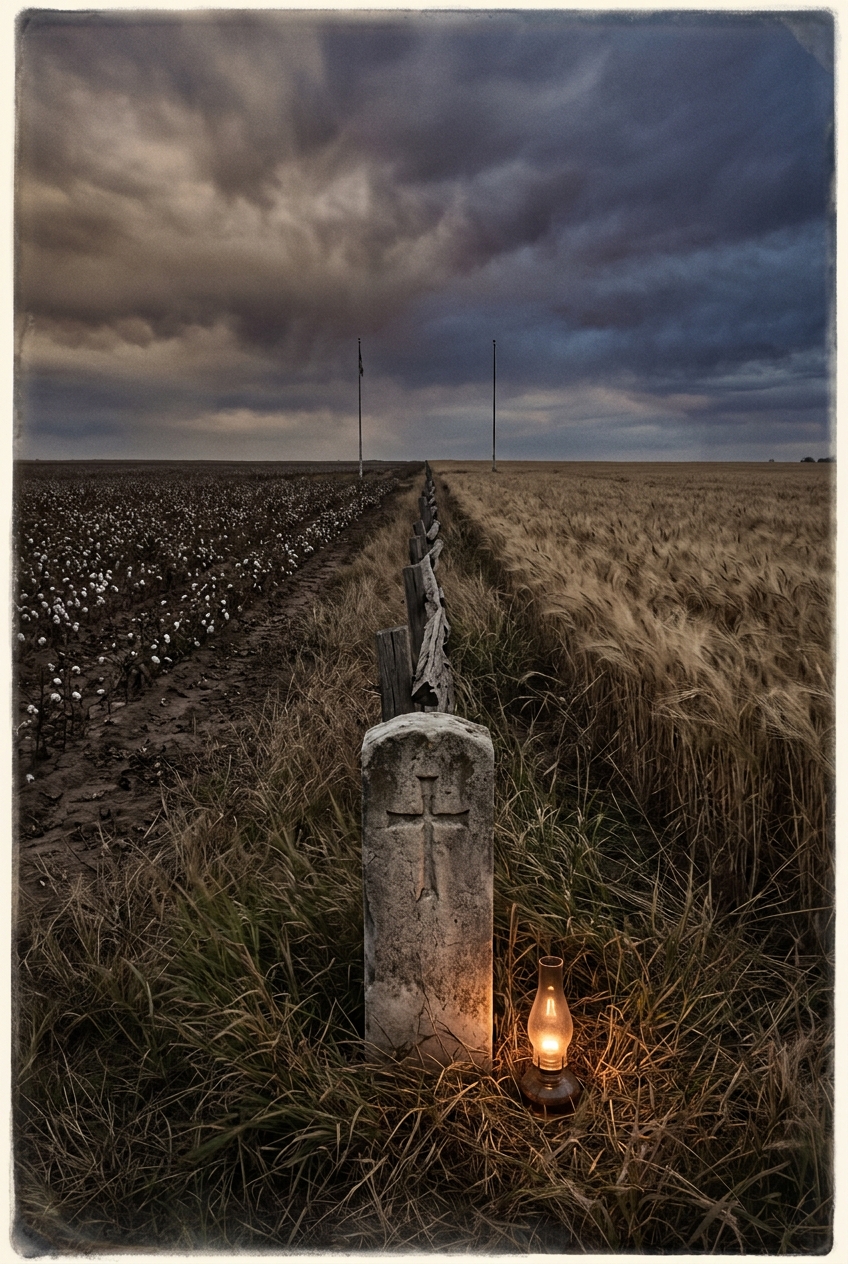
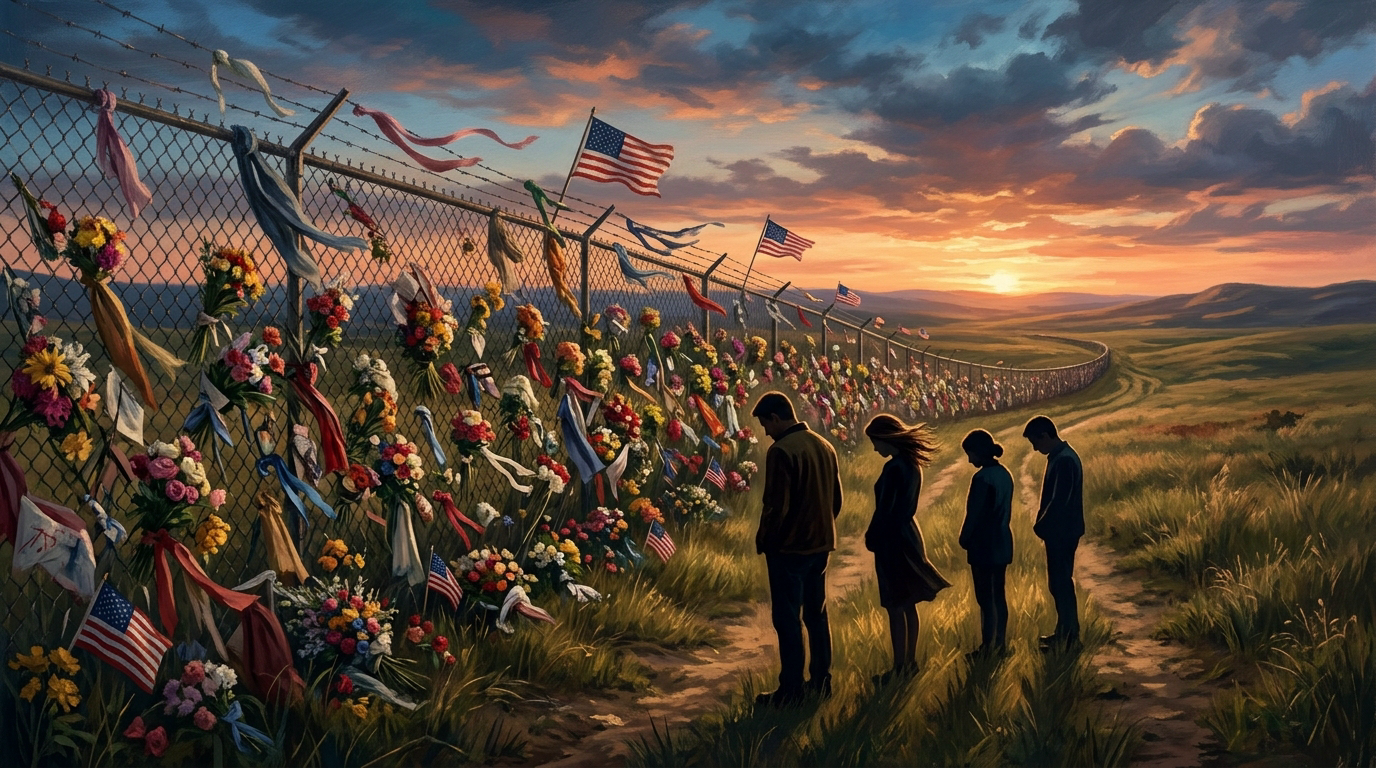
By the spring of 2025, the fairgrounds in Butler, Pennsylvania, have transformed into an unofficial, deeply revered pilgrimage site. Supporters from across the country travel thousands of miles to leave flowers, American flags, and handwritten notes at the edge of a newly erected chain-link perimeter. For a vast swath of the country, Trump is elevated from a political leader to a mythic, martyred figure. His speeches and books are treated with quasi-religious reverence, and his name is invoked as a sacred standard against which all future conservative politicians are measured. This intense, localized devotion creates a profound cultural schism, as urban centers attempt to move past the trauma while rural communities build a permanent culture of remembrance and defiance.
The Splintering
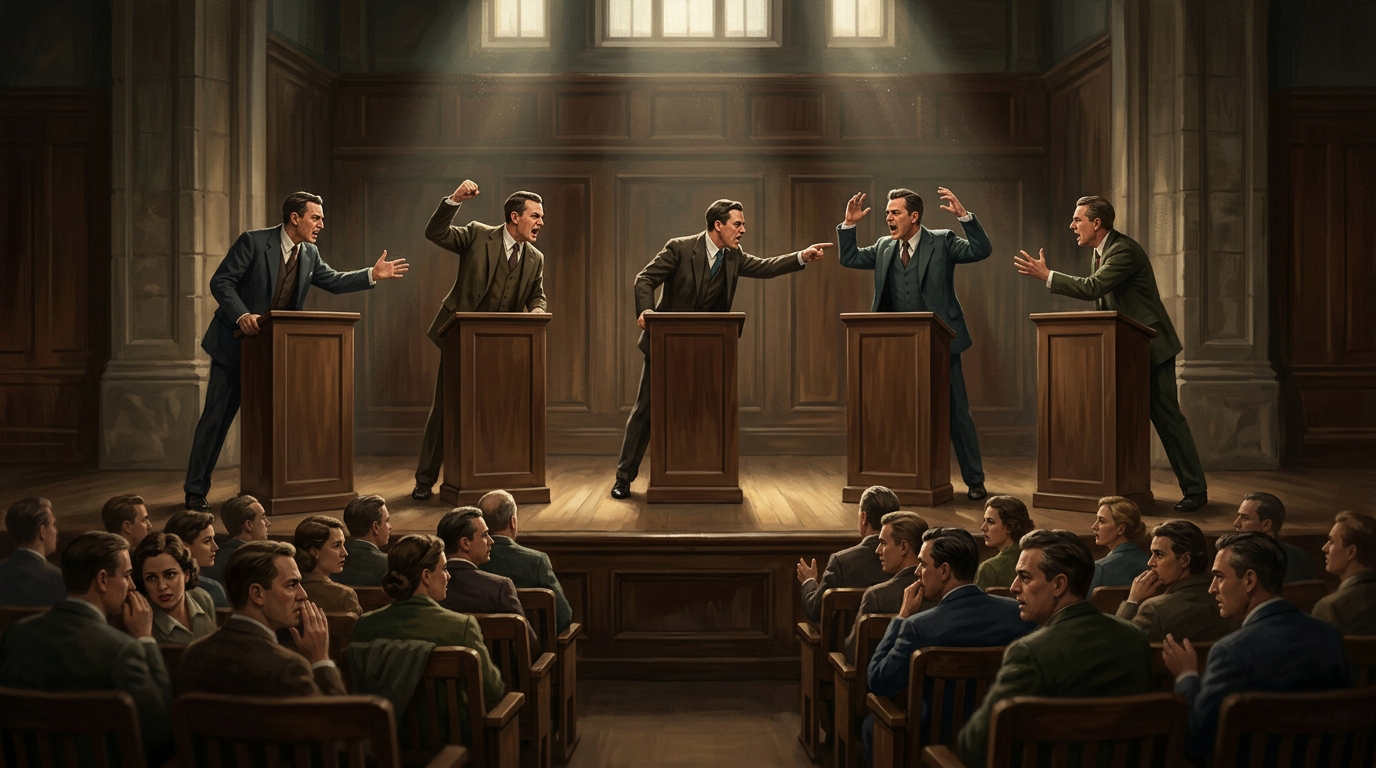
The 2026 midterm elections reveal the long-term impact of the assassination on the Republican Party. Without Trump's unique gravitational pull and media mastery, the MAGA movement begins to splinter. A dozen ambitious politicians attempt to claim his mantle, mimicking his cadence and rhetoric, but none can unify the disparate factions of the base. Regional differences become stark, with traditional, business-friendly conservatives quietly reclaiming power in suburban districts, while fiery populists hold tight to rural strongholds. The party debates become chaotic, multi-factional battles over who truly represents the Butler legacy. The absence of the singular figurehead proves fatal to the movement's national cohesion, permanently altering the balance of power in Congress and signaling a slow, painful realignment of American conservatism.
The Armored Era
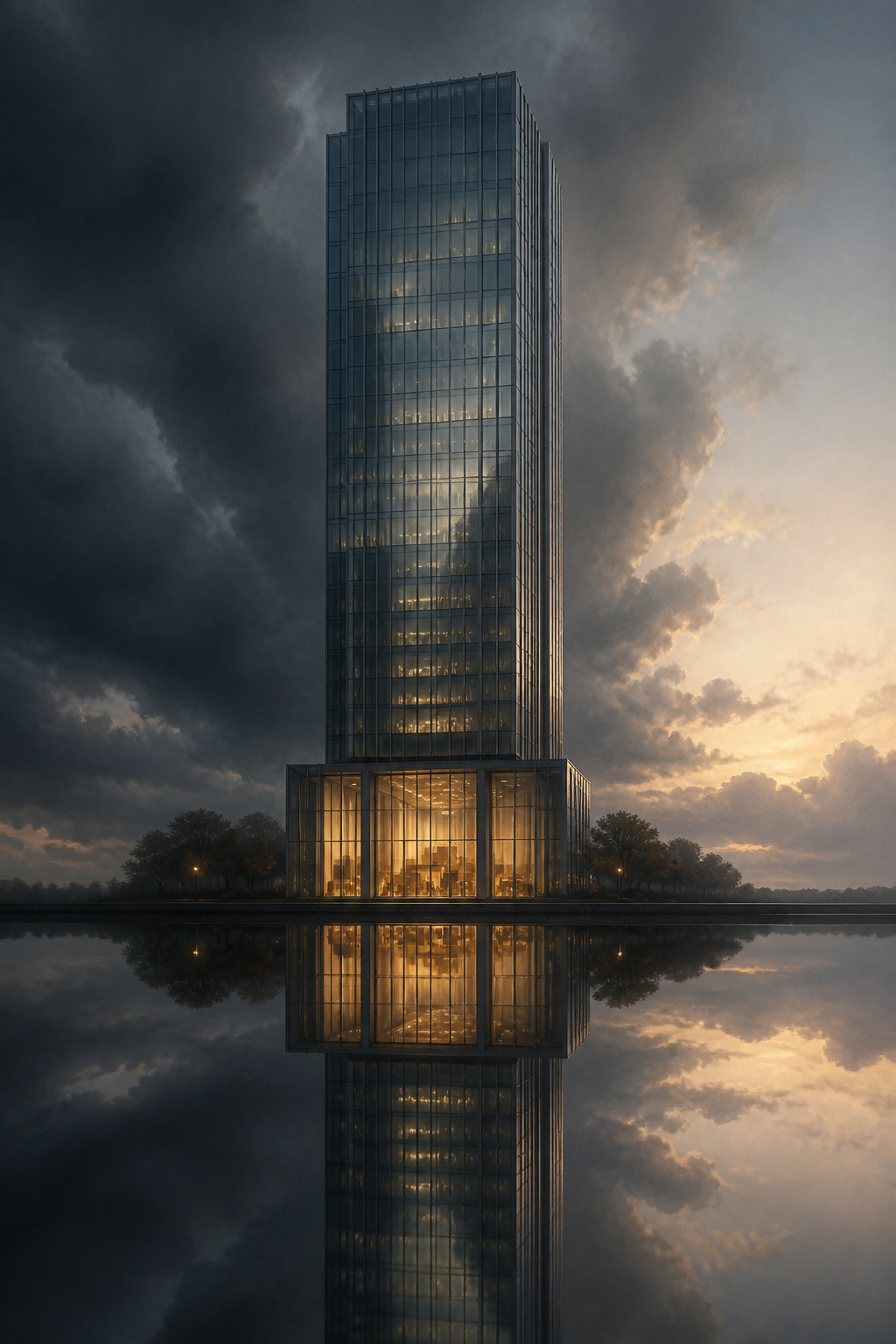
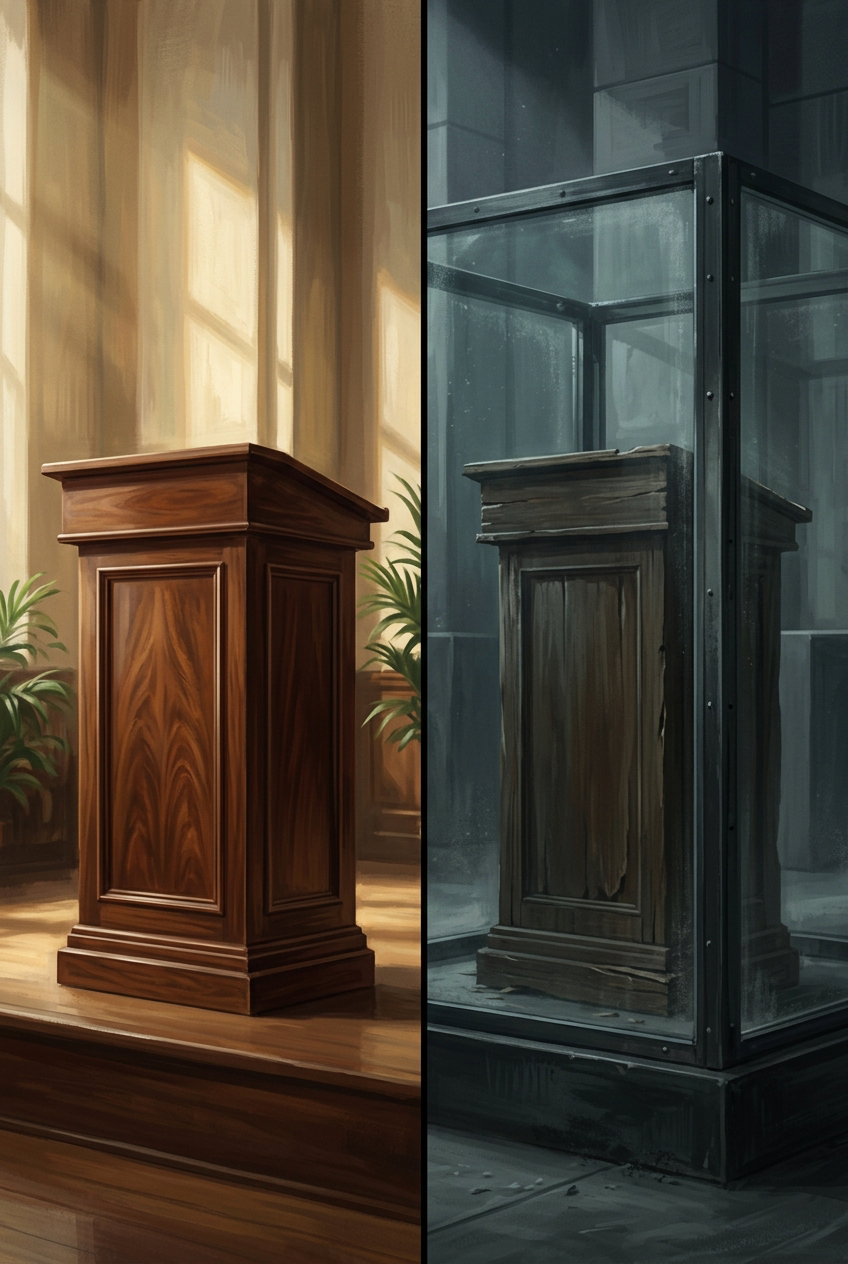
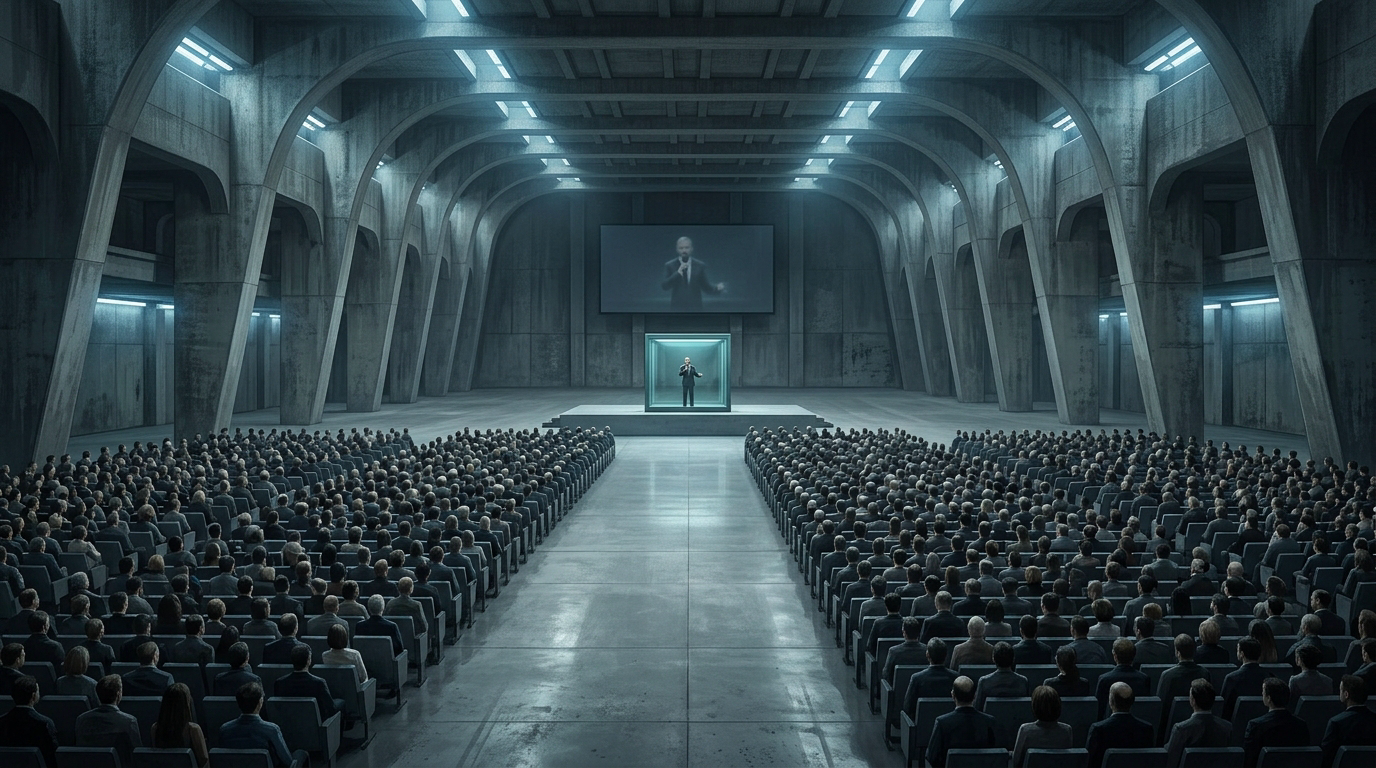
A decade after the divergence, the landscape of American politics is unrecognizable. The so-called Butler Protocol is now standard practice: high-profile politicians no longer appear in open-air venues. Speeches are delivered in sterilized, indoor arenas behind thick layers of tinted, armored glass. The physical distance between leaders and the electorate has widened into an institutional chasm. A new generation of voters has come of age viewing political engagement not as a lively civic duty, but as a potentially lethal enterprise. While the nation avoided a total systemic collapse, the enduring legacy of 2024 is a profound, lingering cynicism. The vibrant, rowdy, deeply personal nature of American campaigning is a relic of the past, replaced by an era of armored caution and quiet isolation.
More from Alternate History