The Long Afternoon of Camelot
What if… John F. Kennedy survives the Dallas assassination attempt, fundamentally altering the trajectory of the Vietnam War and the political realignment of the 1960s.

Synopsis
After surviving the assassination attempt in Dallas, John F. Kennedy returns to Washington with a renewed, grim determination. He aggressively pushes through the Civil Rights Act but resists the Pentagon's calls for a massive ground war in Vietnam, opting instead for a limited advisory presence. This saves America from the generational trauma of a military draft but accelerates the fall of South Vietnam. Domestically, the Democratic Party fractures earlier as Southern conservatives bolt, leading to a Nixon victory in 1968. Kennedy dedicates his twilight years to the Apollo program and back-channel Cold War diplomacy, reshaping the post-presidential role.
The Long Afternoon of Camelot
What if… John F. Kennedy survives the Dallas assassination attempt, fundamentally altering the trajectory of the Vietnam War and the political realignment of the 1960s.
On November 22, 1963, President John F. Kennedy’s motorcade turned onto Elm Street in Dallas. In reality, the crack of a Carcano rifle ended a presidency and plunged a nation into mourning. But in this timeline, an idle remark changes history. Texas First Lady Nellie Connally turns and says, "Mr. President, you can't say Dallas doesn't love you." Instead of smiling and waving, Kennedy leans sharply forward to reply, dropping his head just a fraction of a second before the fatal shot is fired. The bullet tears through the shoulder of his suit jacket rather than his skull. Secret Service agent Clint Hill throws himself over the President, and the limousine speeds to Parkland Memorial Hospital with a wounded—but alive—Commander-in-Chief.
The Long Shadow of Dallas
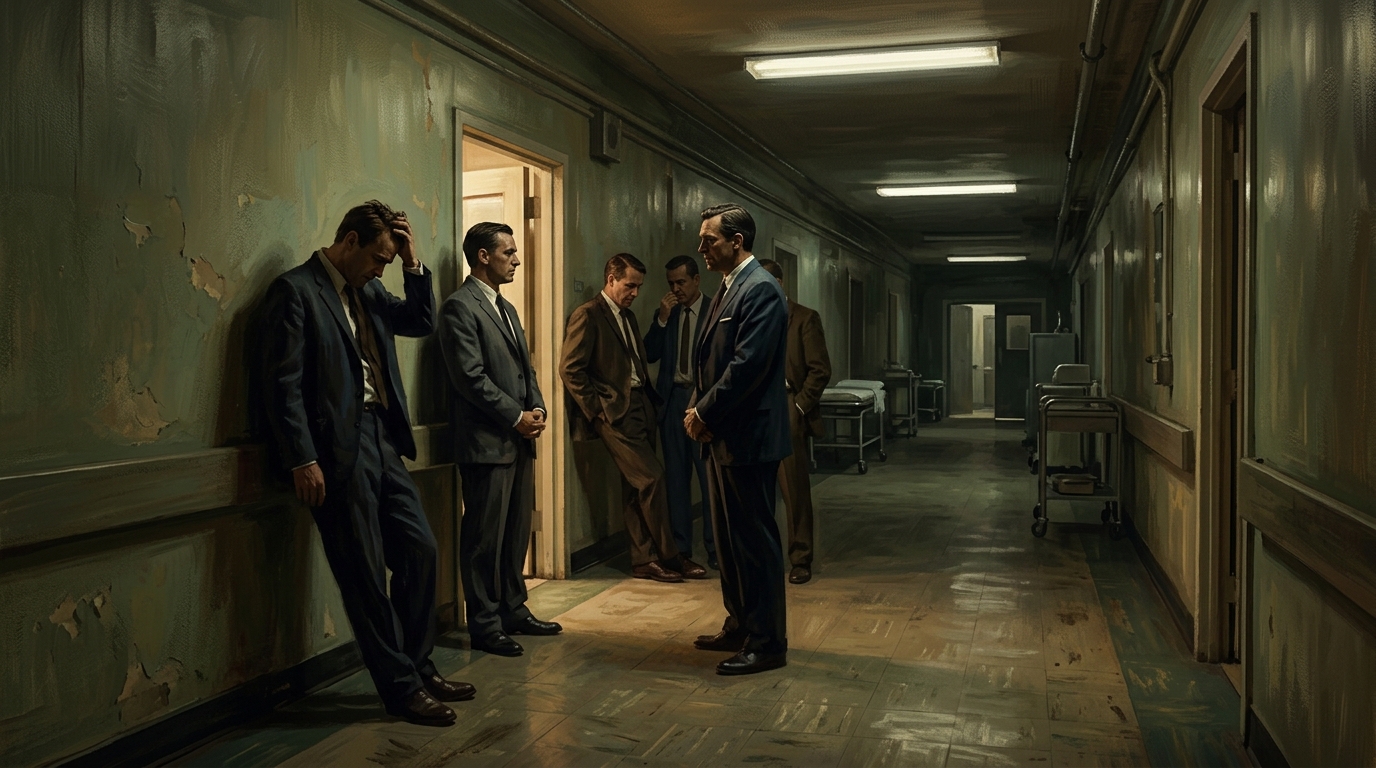
Inside Parkland Memorial Hospital, the atmosphere shifted from agonizing panic to cautious relief. President Kennedy, bleeding but conscious, was treated for a deep shoulder laceration while the nation held its breath. Television networks, which had interrupted soap operas with grim news bulletins, soon broadcast the miraculous update: the President had survived. In the days that followed, the arrest of Lee Harvey Oswald sparked endless federal inquiries, but the national mood was defined by a profound sense of a second chance. Kennedy returned to Washington a changed man. The brush with mortality stripped away his youthful invincibility, replacing it with a grim, urgent determination. He believed he had been spared for a singular purpose, fundamentally altering his approach to the Oval Office.
The Mandate of 1964
Capitalizing on an immense wave of public sympathy and the aura of a living martyr, Kennedy applied ruthless pressure to a reluctant Congress. The Civil Rights Act of 1964 passed much as it did in reality, but Kennedy’s survival meant he, not Lyndon Johnson, was the face of the legislation. This infuriated the Southern Democratic bloc, creating deep partisan fractures much earlier than anticipated. In the November election, Kennedy faced Republican Barry Goldwater. While Kennedy won a second term, the victory lacked the overwhelming popular landslide LBJ had secured in our timeline. The South violently rejected the Kennedy-Johnson ticket, signaling the sudden, permanent collapse of the New Deal coalition and reshaping the American political map overnight.
Holding the Line in Southeast Asia
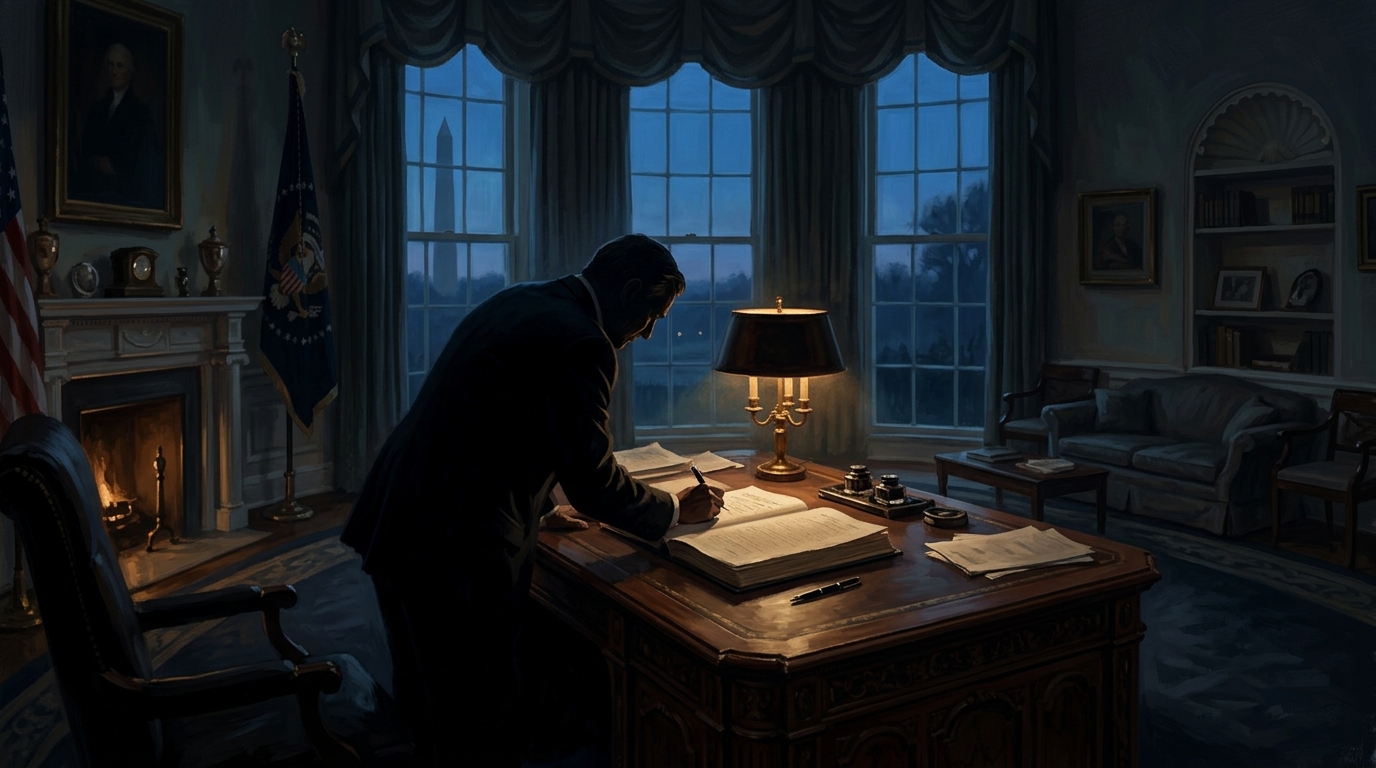
By early 1965, the situation in South Vietnam was deteriorating rapidly. The Pentagon pressed heavily for the introduction of hundreds of thousands of combat troops. Kennedy, profoundly shaped by the Cuban Missile Crisis and his recent survival, harbored a deep distrust of military interventionism. He refused to authorize a massive ground war, instead capping American presence at fifty thousand specialized advisors and heavily funding the South Vietnamese army. The decision infuriated hawkish generals and alienated anti-communist hardliners in Washington. While this prevented the catastrophic domestic draft and the widespread carnage of a massive ground war, it led to the slow, agonizing collapse of the Saigon government by the decade's end, a geopolitical failure Kennedy would wear like an albatross.
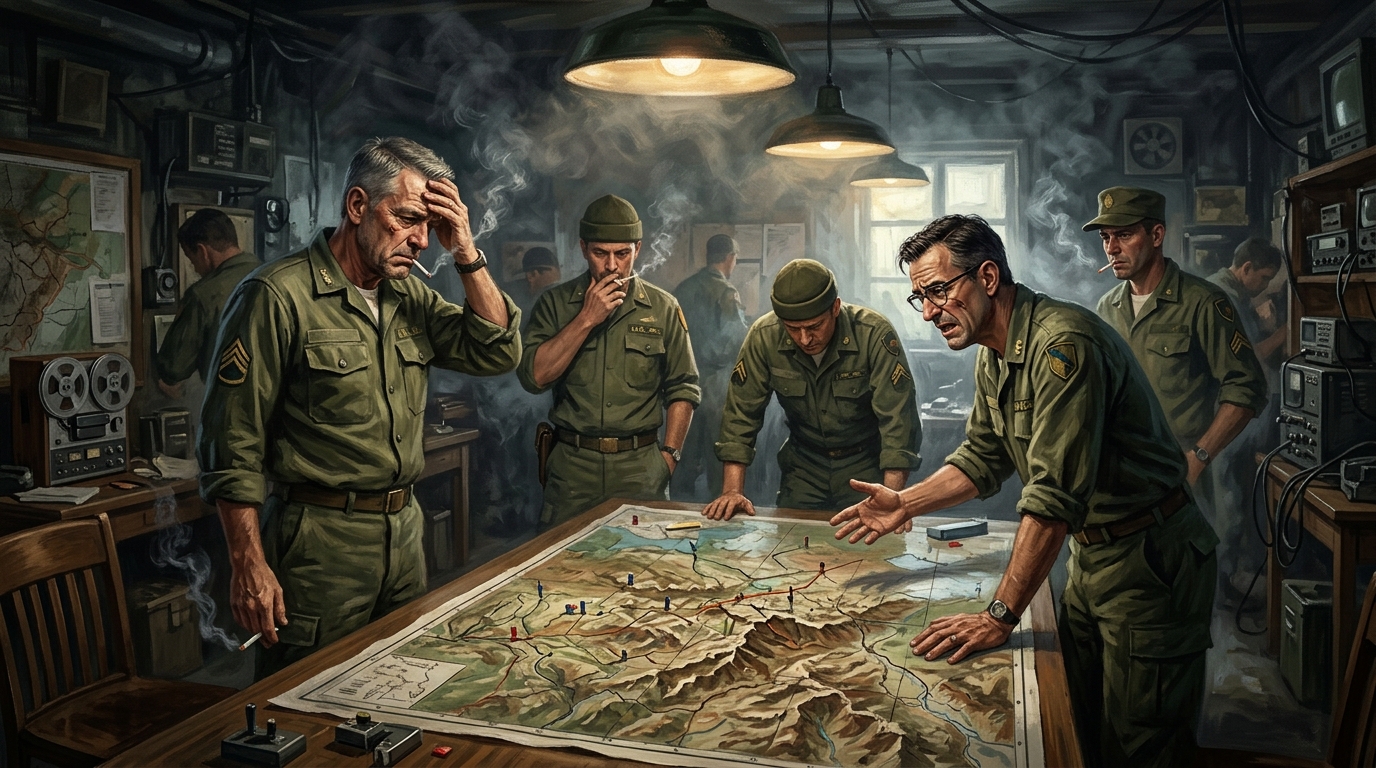
The Fracturing of the Left
Without the unifying, overarching tragedy of the Vietnam draft, the American counterculture of the mid-to-late 1960s took a different shape. The youth movement focused entirely on civil rights, environmentalism, and domestic poverty. However, the Democratic Party was tearing itself apart. The Kennedy brothers—John in the White House and Robert as Attorney General—waged an aggressive war on organized crime and entrenched poverty, alienating working-class ethnic voters in northern cities. By 1966, the midterm elections saw a massive conservative backlash. White flight to the suburbs and anxiety over urban riots fueled a rising 'law and order' movement. Kennedy found himself increasingly isolated, admired globally as a charismatic statesman but struggling bitterly to govern a deeply divided and restless American populace.
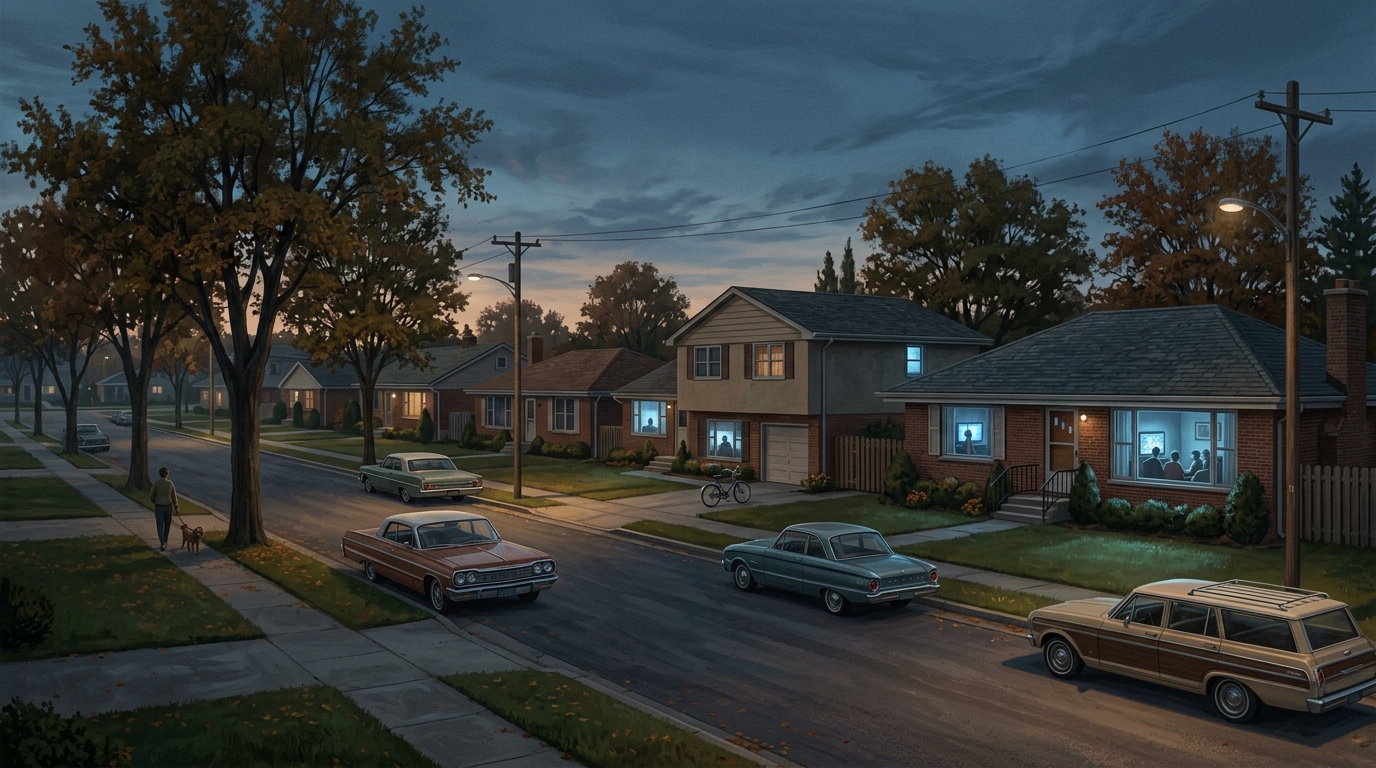
The Celestial Distraction
Seeking a unifying vision to bridge the widening cultural chasm, Kennedy leaned heavily into his promise to land a man on the moon before the decade was out. The Apollo program received unprecedented executive protection, shielded from massive budget cuts that might have otherwise redirected funds to domestic social programs. NASA became the glowing centerpiece of American optimism. Kennedy visited Houston and Cape Kennedy obsessively, finding solace in the cold, exact mathematics of aerospace engineering. The Space Race became his ultimate legacy project, a peaceful arena to defeat the Soviets and a way to remind the American public of their shared capability. Rockets thundering into the Florida sky provided a soaring counter-narrative to the protests burning through the streets below.
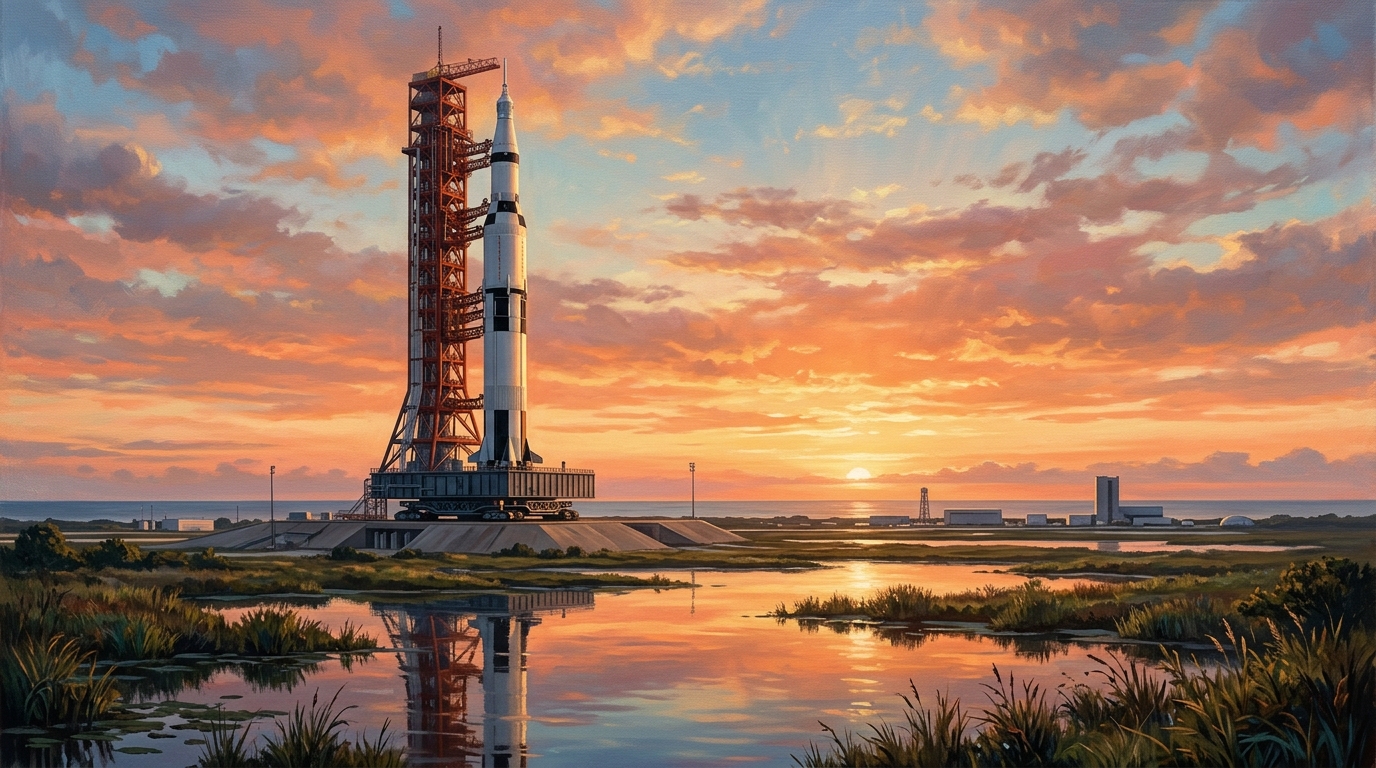
The Election of 1968
As Kennedy’s second term drew to a close, he faced a country exhausted by rapid social change. Robert Kennedy, opting not to risk the appearance of an entrenched political dynasty, declined to run for the presidency. Instead, Vice President Lyndon Johnson, bitter from years of marginalization, made a disastrously weak attempt at the nomination. The Democrats eventually nominated Hubert Humphrey, but the party was fatally fractured. Richard Nixon capitalized on the exhaustion of the 'Kennedy Fatigue' sweeping middle America. Running a disciplined, calm campaign promising stability, Nixon narrowly defeated Humphrey. In January 1969, a graying, physically weary John F. Kennedy stood on the Capitol steps and peacefully handed over power, marking the end of the brief, turbulent Camelot era.

Tranquility Base
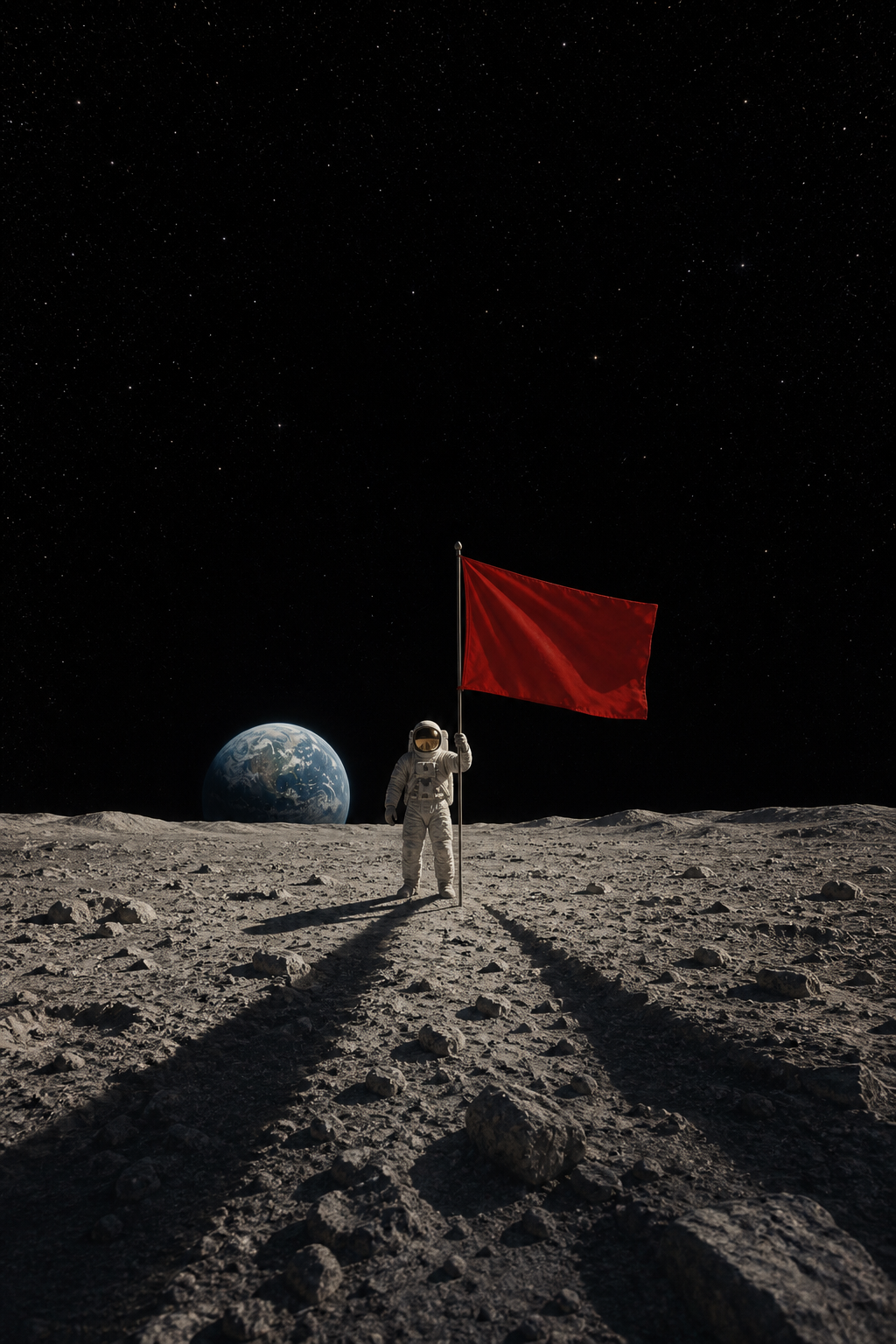
On July 20, 1969, John F. Kennedy sat in the study of his Hyannis Port compound, the glow of a television set illuminating his lined face. He was now a private citizen, watching as Neil Armstrong descended the ladder of the lunar module. President Nixon was the one to take the historic phone call to the moon, but everyone in the nation knew whose vision had placed the astronauts in the Sea of Tranquility. As Armstrong’s boots touched the alien dust, Kennedy raised a quiet glass of scotch in the darkened room. It was a moment of profound personal vindication, the fulfillment of a seemingly impossible promise he had made to a joint session of Congress eight years prior.
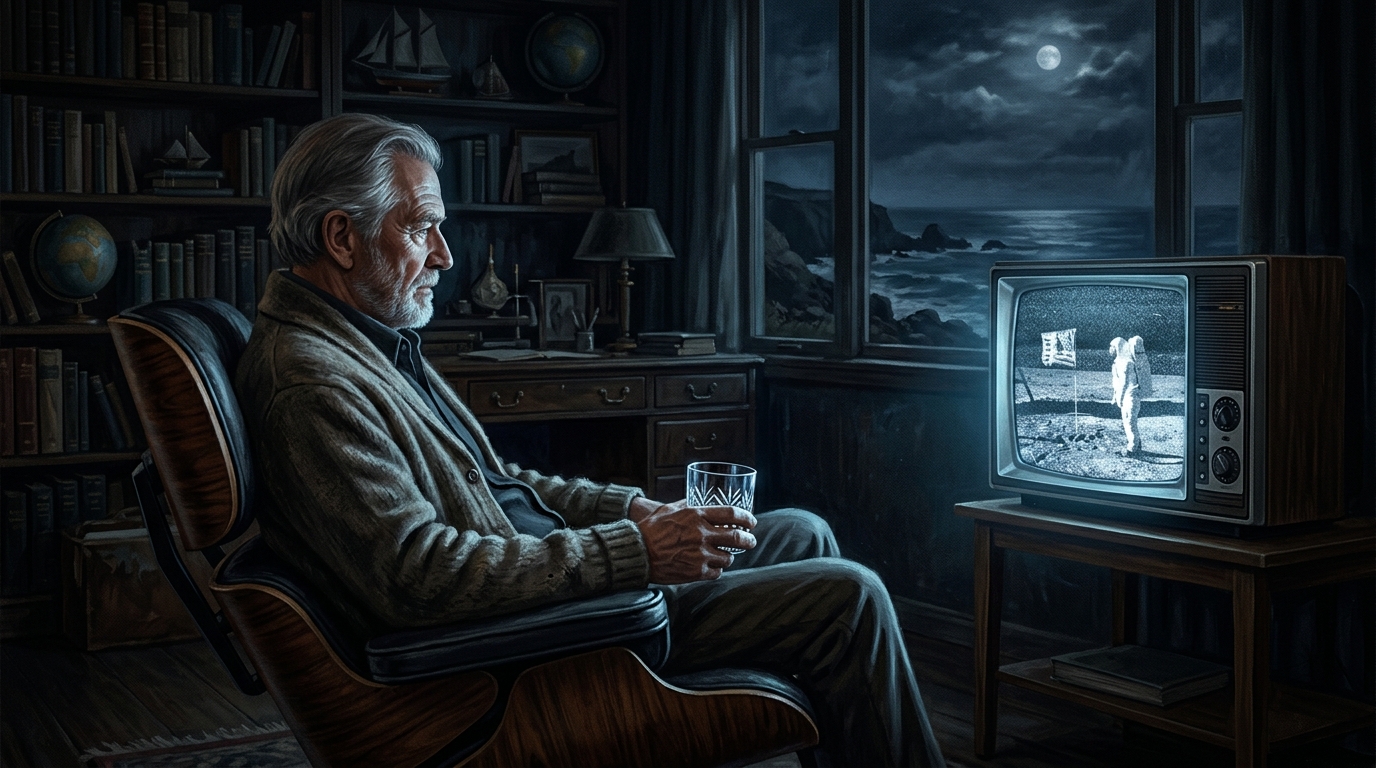
The Elder Statesman
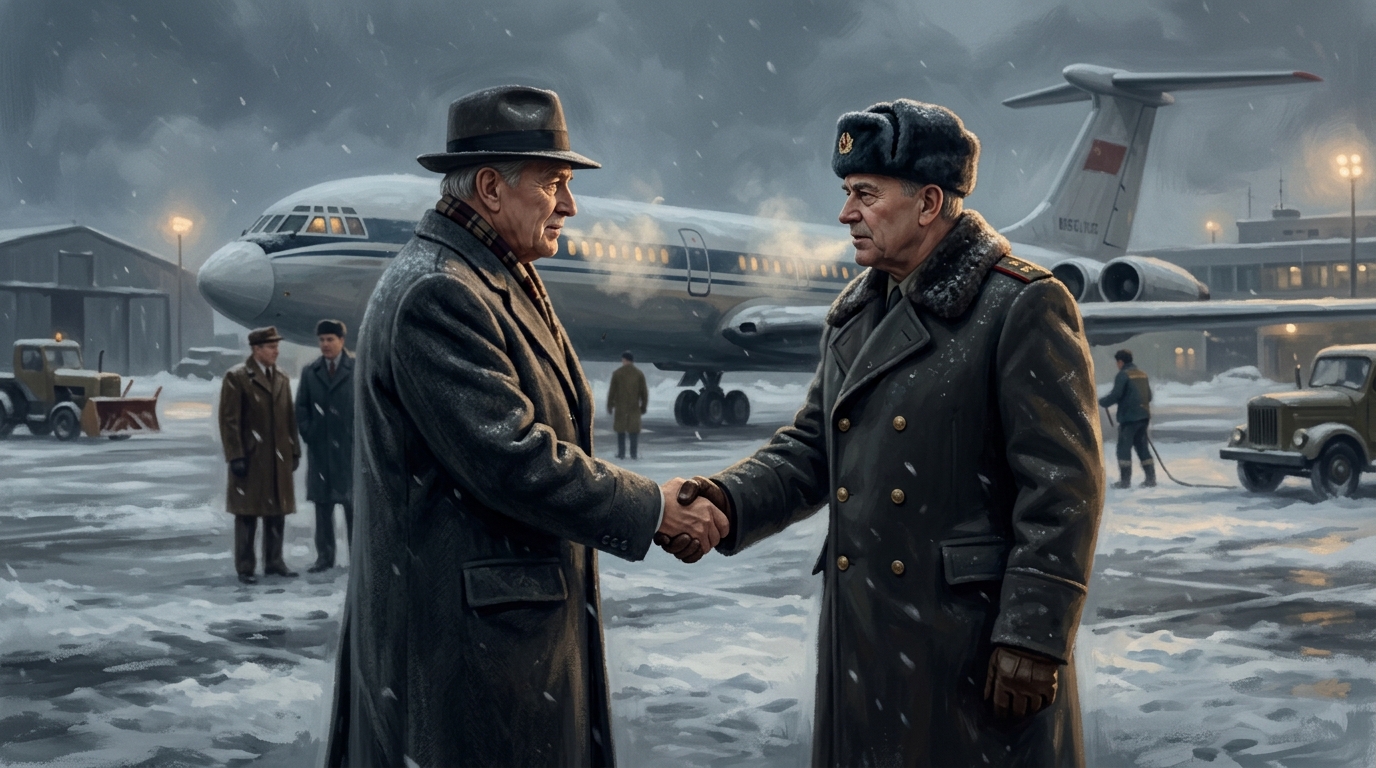
Throughout the 1970s, Kennedy redefined the modern post-presidency. Freed from the constraints of domestic politics, he transformed into an elite, globe-trotting ambassador-at-large. Operating outside official State Department channels but often with the quiet blessing of the Nixon and Ford administrations, Kennedy brokered back-channel communications with the Soviet Union and China. His charm and international prestige made him a uniquely powerful figure on the world stage, culminating in his crucial role in mediating early nuclear arms reduction treaties. Though plagued by chronic back pain and the lingering stiffness of his Dallas wound, the elder statesman lived to see the thawing of the Cold War, widely regarded as a flawed but visionary architect of late-twentieth-century peace.
More from Alternate History