The Wind That Held
What if… What if the Spanish Armada survived the Calais fireships in 1588, ferried the Duke of Parma's army across the Channel, and conquered Elizabethan England?
Synopsis
A single failed fireship attack at Calais lets the Spanish Armada hold formation and carry the Duke of Parma's army into Kent. Elizabeth's England, built to win at sea, has no answer on land; London falls, the queen is captured and quietly exiled, and Philip II sets his daughter Isabella on a Spanish-backed throne. What follows is occupation rather than slaughter: a Catholic restoration enforced by fines and garrisons, met by a Protestant resistance of hidden presses and barn sermons. Without English support the Dutch revolt collapses and Habsburg power runs unbroken across Western Europe, pushing the Reformation to the cold edges of the continent. There is no English America; the language survives as a home tongue while its empire never happens, and the timeline learns to live with the parts of its past worn deliberately away.
The Wind That Held
What if… What if the Spanish Armada survived the Calais fireships in 1588, ferried the Duke of Parma's army across the Channel, and conquered Elizabethan England?
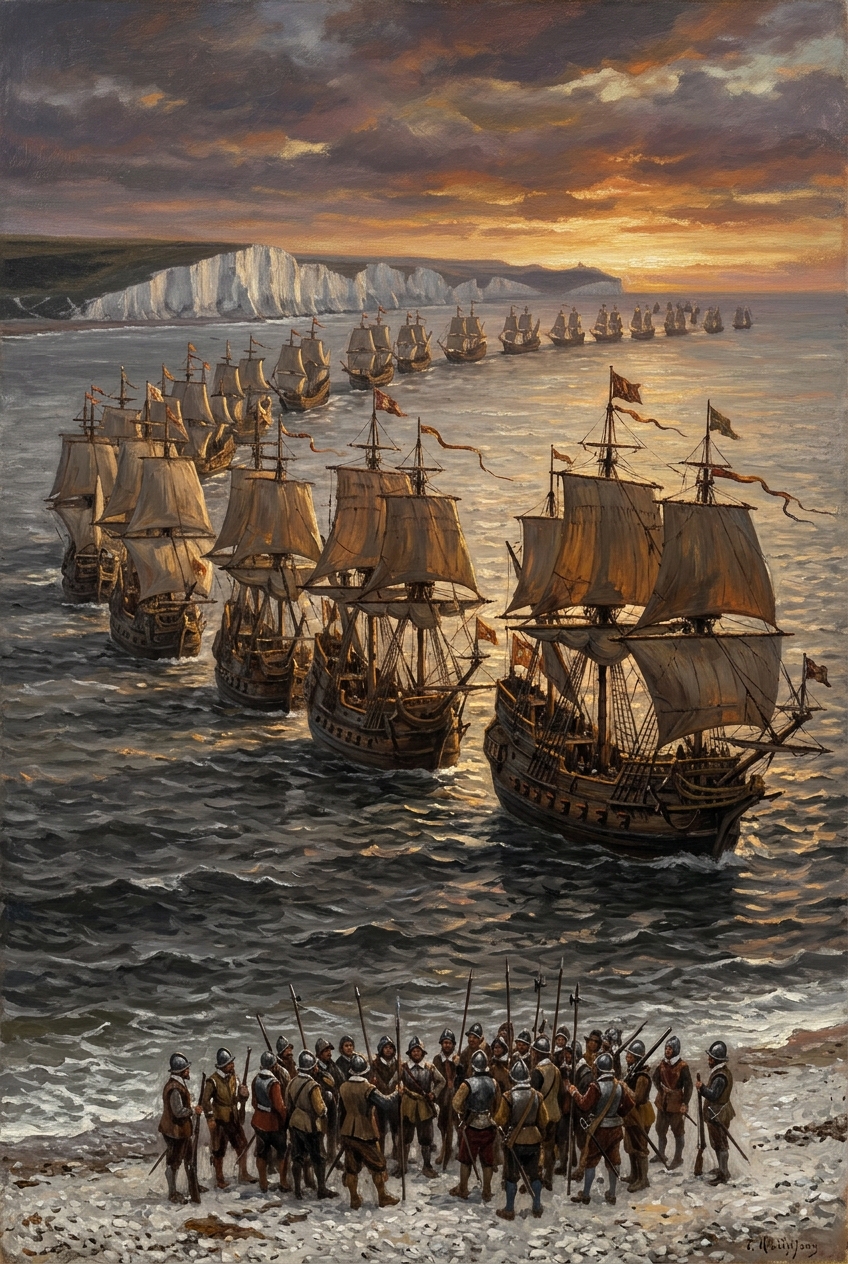
In the summer of 1588, Philip II of Spain sent 130 ships up the Channel to end the reign of Elizabeth I. The plan was simple and enormous: the Armada would clear the Channel, meet the Duke of Parma's veteran army waiting in the Netherlands, and ferry it across to England. It nearly worked. What broke it was a single night at Calais, when English fireships drifted into the anchored Spanish crescent and panicked it into open water, where guns and then Atlantic storms did the rest. Elizabeth kept her throne; England kept its Protestant church. Change that one night. Let the fireships miss, let the crescent hold, and Parma's tercios reach the beaches of Kent.
The night the fireships missed
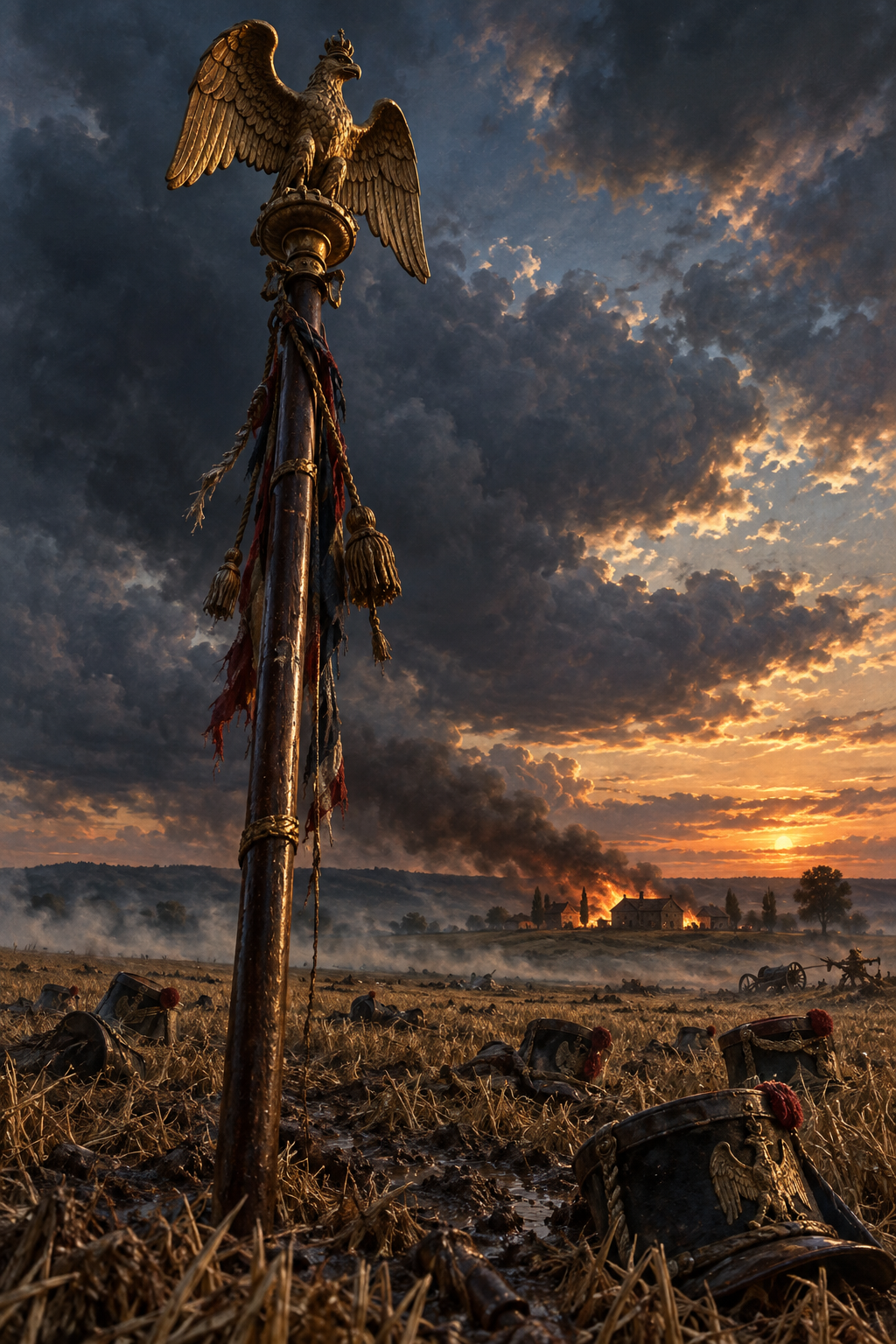
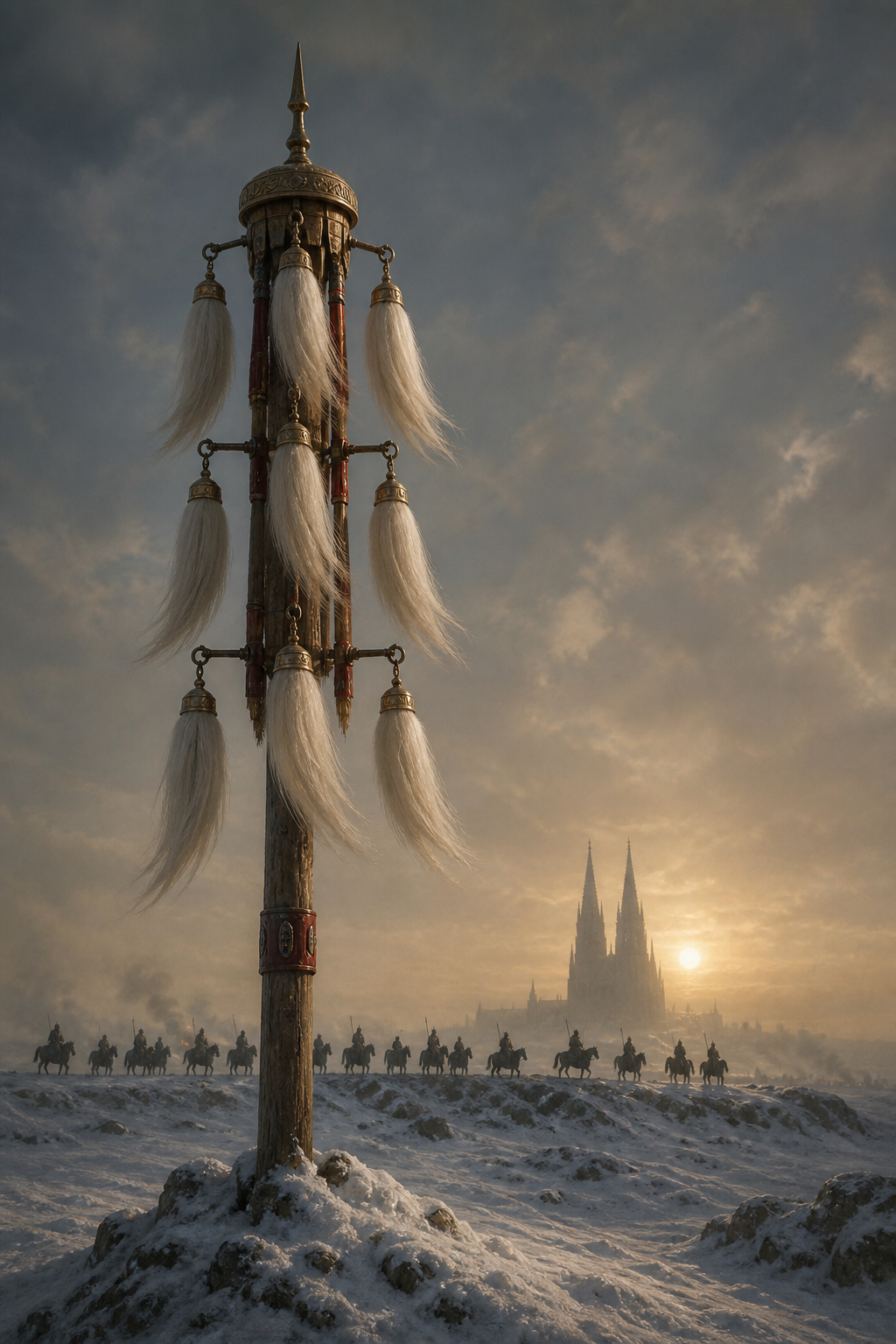
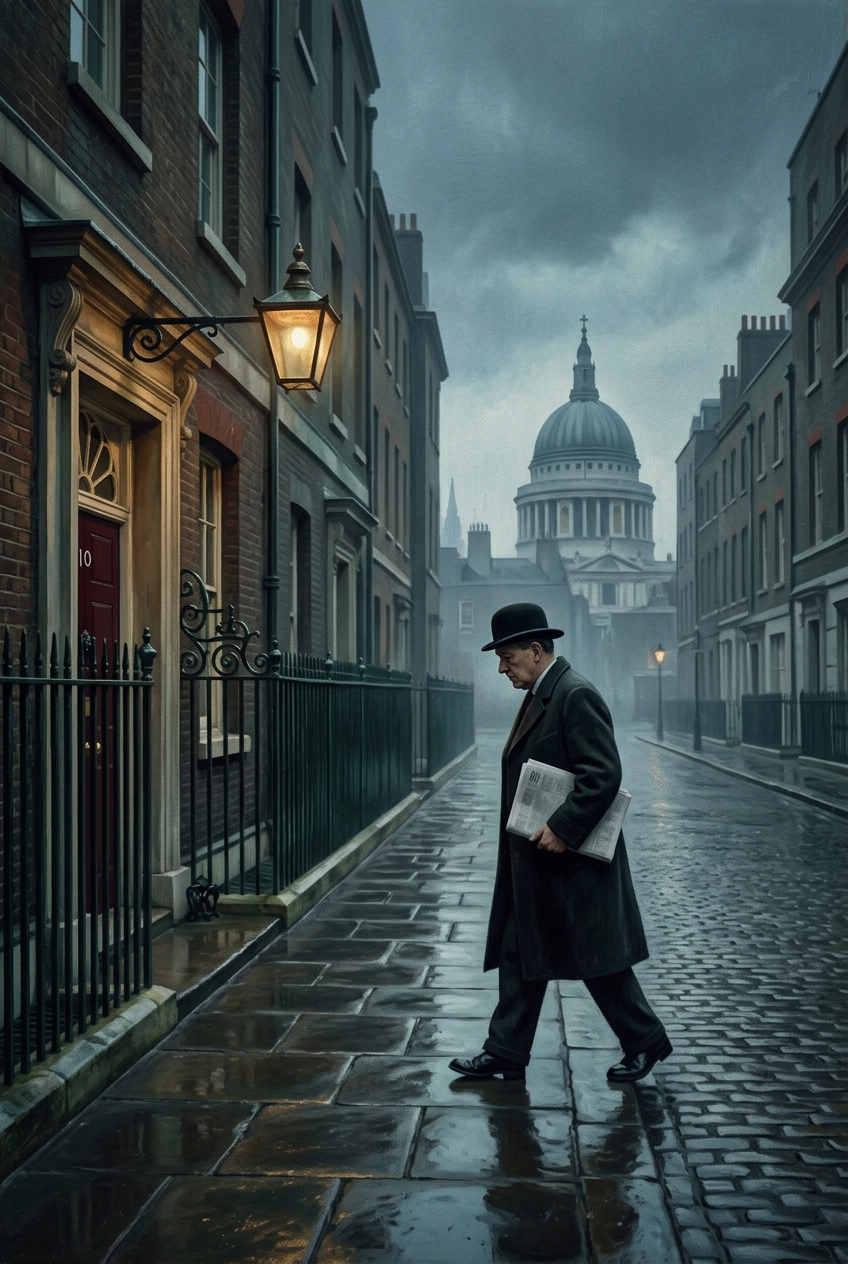
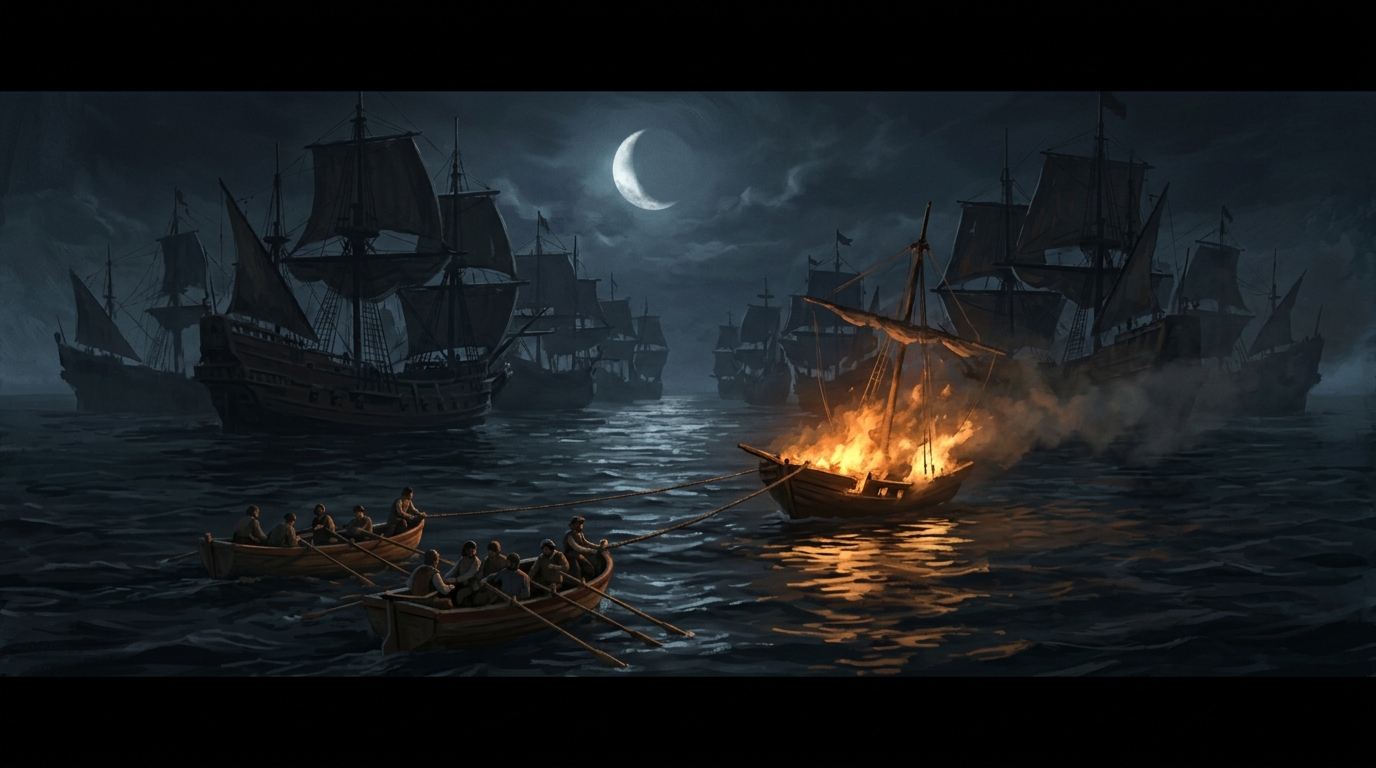
Just after midnight on 8 August, eight burning English hulks came down the tide toward the Spanish fleet off Calais. Medina Sidonia had feared exactly this and posted pinnaces with grappling hooks along the seaward edge. Six of the fireships were towed clear; two burned themselves out harmlessly on the sands. The crescent held its anchor. By dawn the Armada was still a wall of ships, and the wind had backed to the northeast, the wind Parma needed. Word went across to Dunkirk that the barges could load. For thirty-six hours the Channel stayed quiet enough. The soldiers of Flanders, some of the best infantry in Europe, climbed into flat-bottomed boats and started across the water that had kept England safe for five hundred years.
The Kentish shore
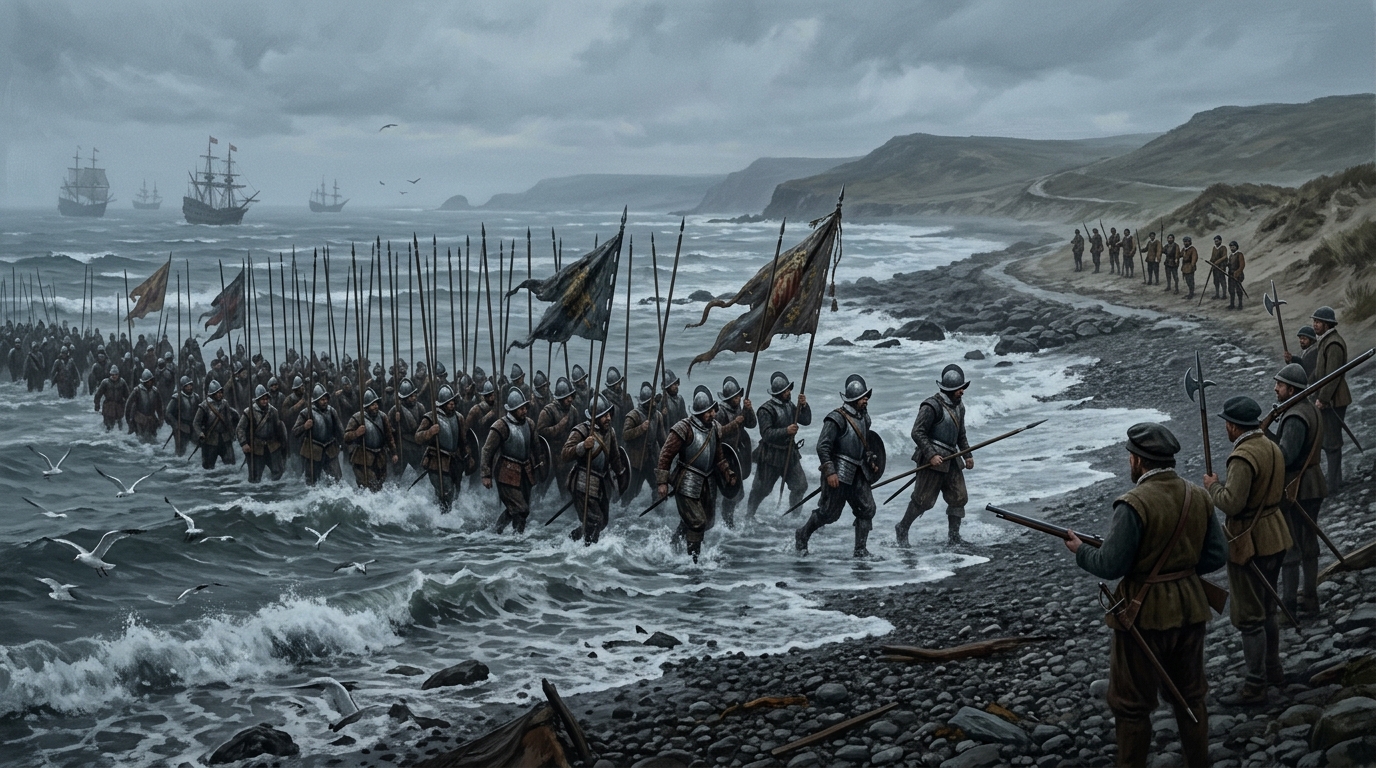
They came ashore near Margate in the second week of August, wading through the surf with pikes held high. The English militia that met them was brave and badly outmatched, farmhands and townsmen against men who had spent twenty years at war in the Low Countries. Elizabeth's commanders had built their whole defense around stopping the crossing. Nobody had a good plan for what came after it. Leicester pulled the main force back toward London to make a stand on the road, firing granaries as he went. Behind him the tercios spread inland at a walking pace, taking towns whose walls were an idea more than a fact, and the church bells that should have rung the alarm were, in a great many parishes, silent.
The fall of the queen
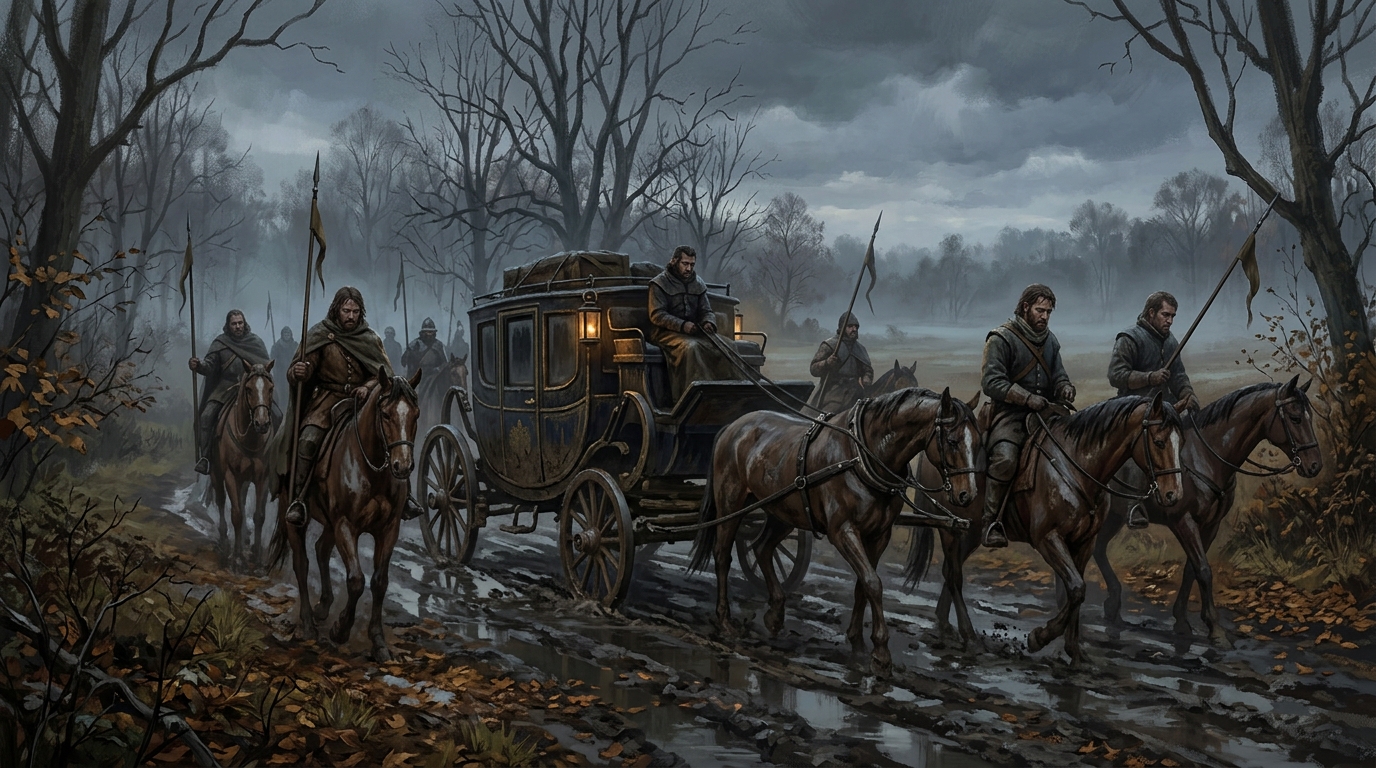
London held longer than Kent. The walls were real, and the city had money and militia. But Parma was a patient engineer, and a besieged city that imports its bread does not hold forever. Elizabeth left for the Midlands in September, her council quarreling in the coaches behind her. She was taken the following spring near Coventry, betrayed by men who had already started bargaining with the winners. Philip did not want her killed; a dead queen makes a martyr, and he had watched what Mary Stuart's execution had done. She was moved to close confinement in the Tower, then to a manor in Castile, where she lived quietly, wrote letters no one answered, and died a long way out of the story.
The settlement
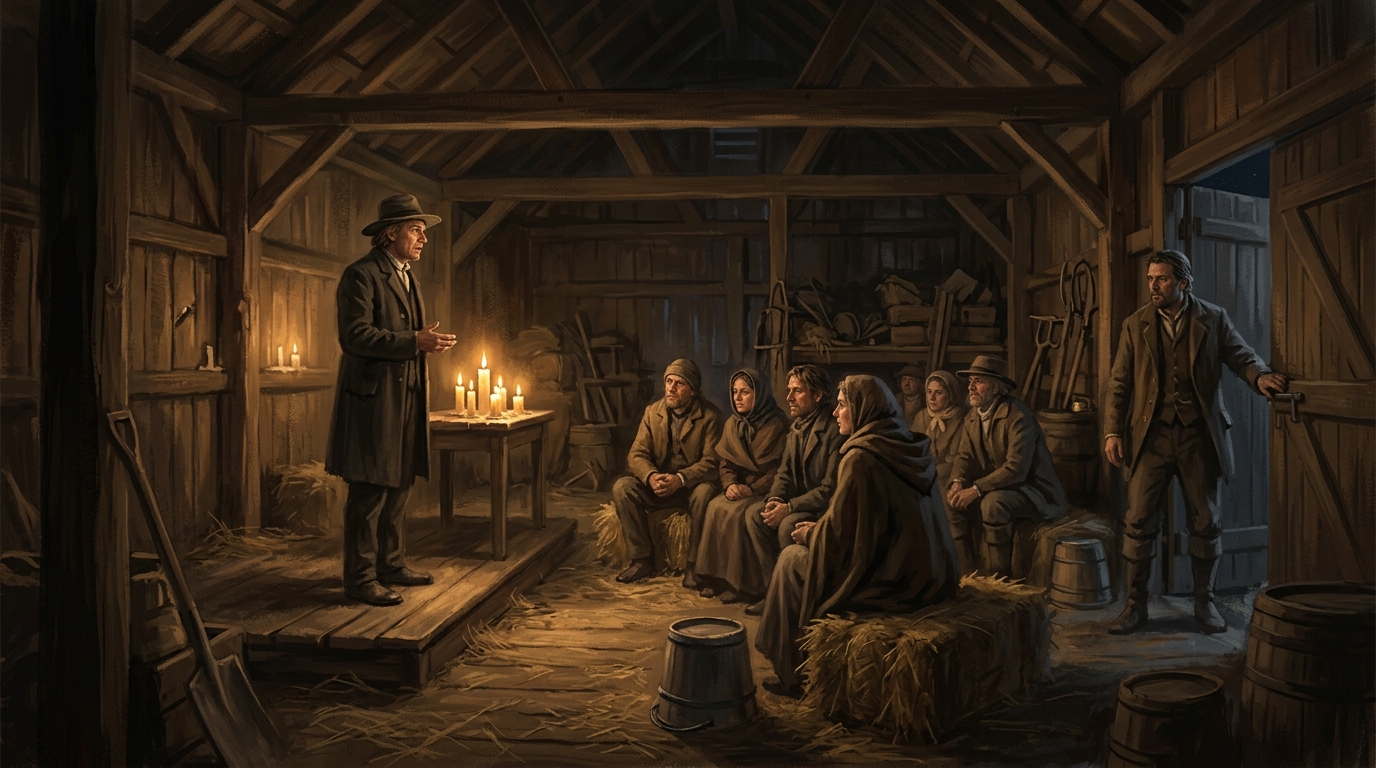
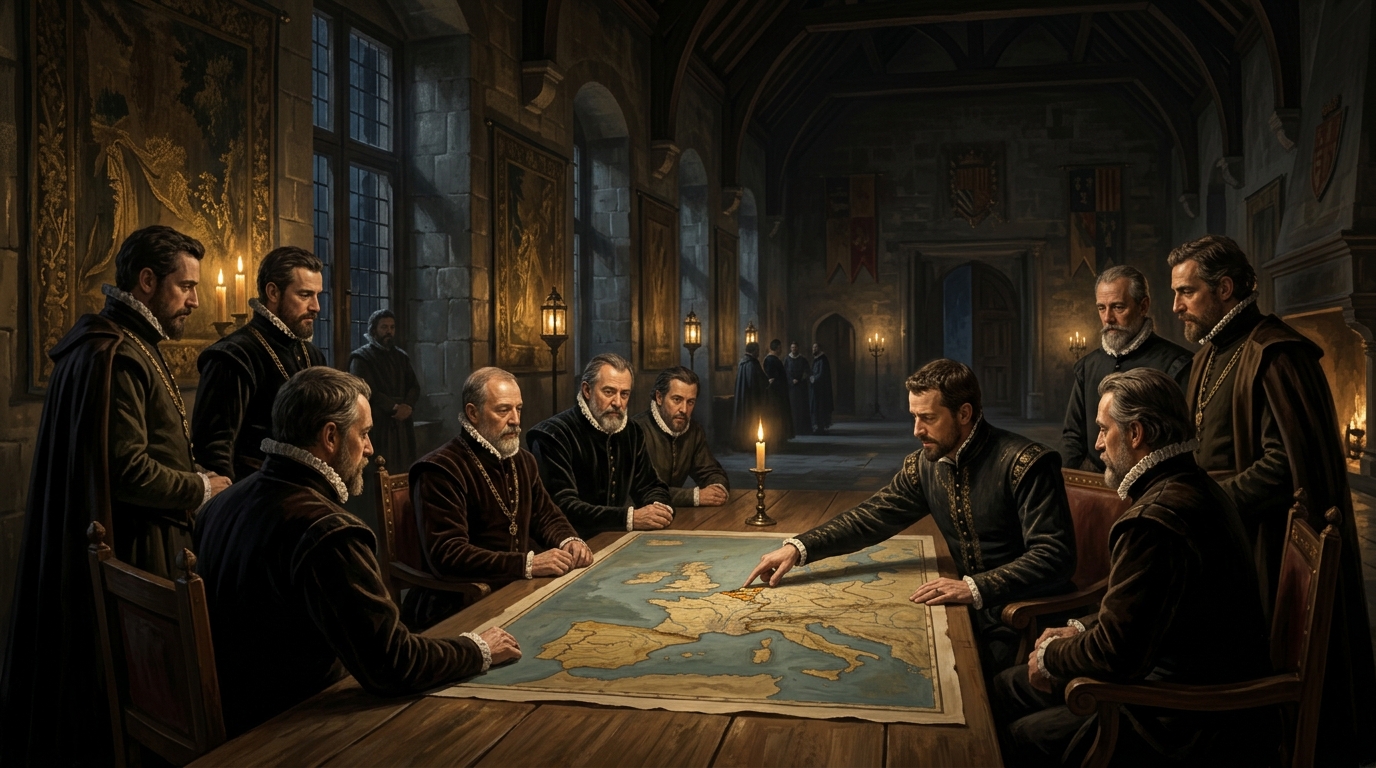
What followed was not a massacre but an occupation, which is slower and in some ways harder to end. Philip set his daughter Isabella on an unsteady English throne, propped by a Spanish council and a garrison in every port. The old Latin Mass came back to the cathedrals; the English prayer book went under floorboards. There were no mass burnings; Spain had learned that martyrs multiply. But there were fines, oaths, and the slow ruin of families who would not conform. Resistance moved to the hills and the printing sheds: pamphlets, ambushes, a hunted Protestant clergy preaching in barns and hayrofts. It was the Dutch revolt turned inside out, and everyone caught up in it understood the comparison perfectly well.
Alice Mersh's two presses
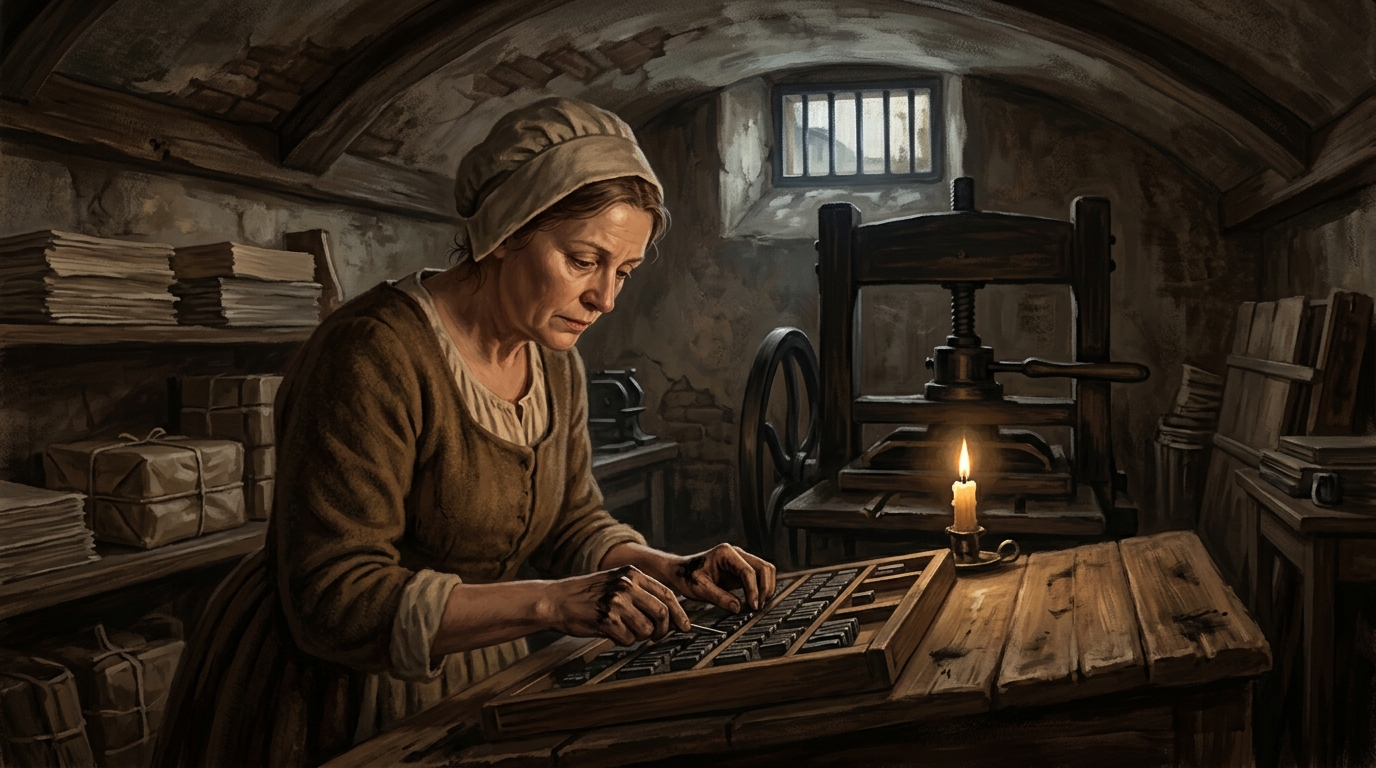
In Norwich a widow named Alice Mersh ran a print shop her husband had left her, and by 1595 she ran two: the licensed one upstairs that printed the new Catholic primers, and the one in the cellar that did not. She told herself she printed both to feed her children, which was true, and because she could not yet tell which side would win, which was also true. Her eldest son took the oath and got himself a clerkship. Her youngest crossed to Holland with a satchel of type. When the soldiers finally came, they came for the presses and not the people, and they carried off the wrong one. She went on setting lines by candlelight, one letter at a time, in a country that had not decided what it was.
The unbroken map
Without English money and English harbors, the Dutch rebels lost their second wind. Spain squeezed the northern provinces year by year until, around 1600, the great revolt guttered out and the Habsburg map ran unbroken from Sicily to the North Sea. France, hemmed in on every border, made its peace with the weight of Spain and with its own Catholic king. Scotland stayed Protestant and stayed poor, a stubborn cold kingdom James VI ruled with one eye always on the border. The Reformation did not die, but it was pushed to the edges of the continent: the Baltic, the Swiss cantons, a handful of German princes. Everywhere it survived, it survived as something under siege rather than something on the march.
The Atlantic fills up differently
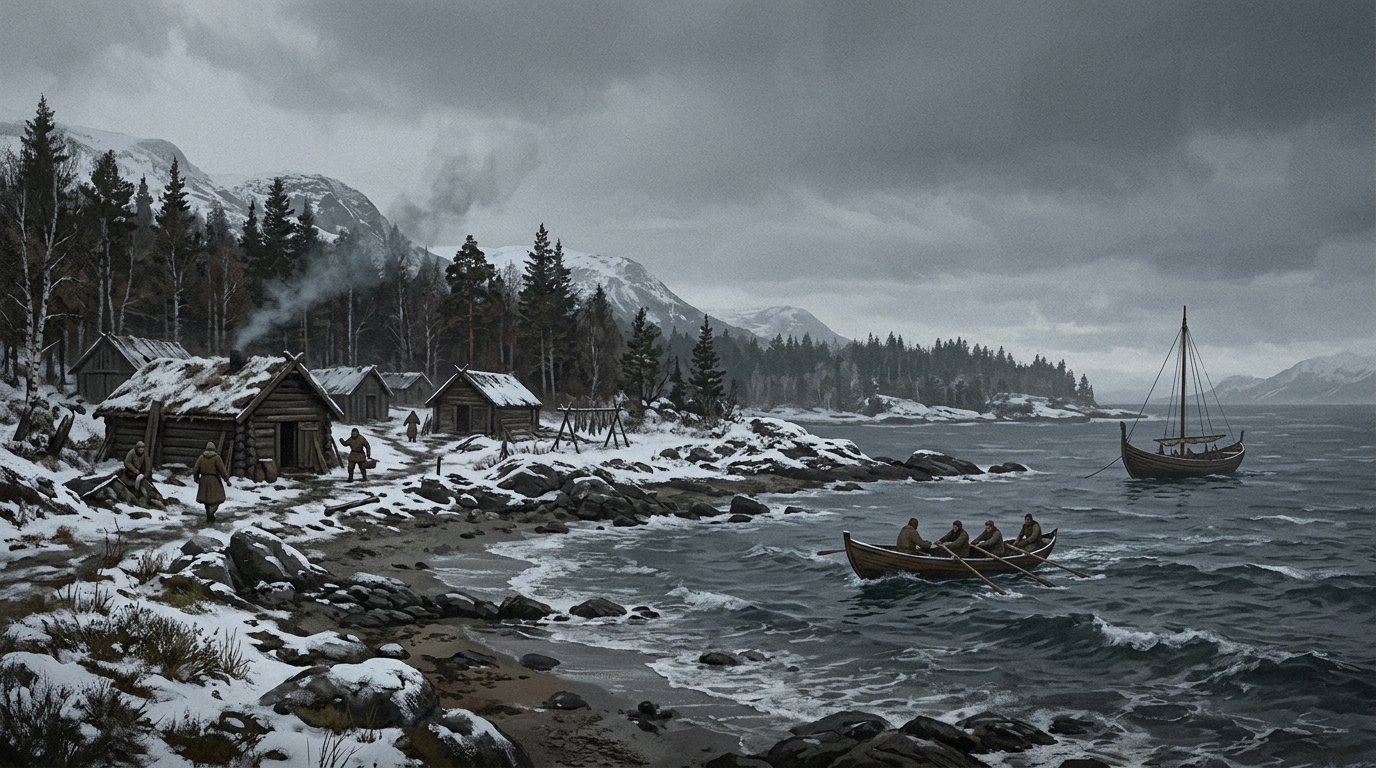
The New World filled in along other lines. There was no Virginia, no Plymouth, no English coast of America; Spain's claim ran the length of both shores, thin but unchallenged. The people who would have sailed for London sailed instead for the Protestant fringe: the Dutch remnant, Sweden, a straggle of settlements in the cold northern woods where Habsburg galleons rarely troubled to go. English went on being spoken, but as a home tongue, a kitchen language, the way Irish or Catalan survived: loved, local, and no longer the speech of any empire. The men who bothered to write it down did so in exile, printing their psalms in Amsterdam and smuggling the barrels home.
The worn-away part
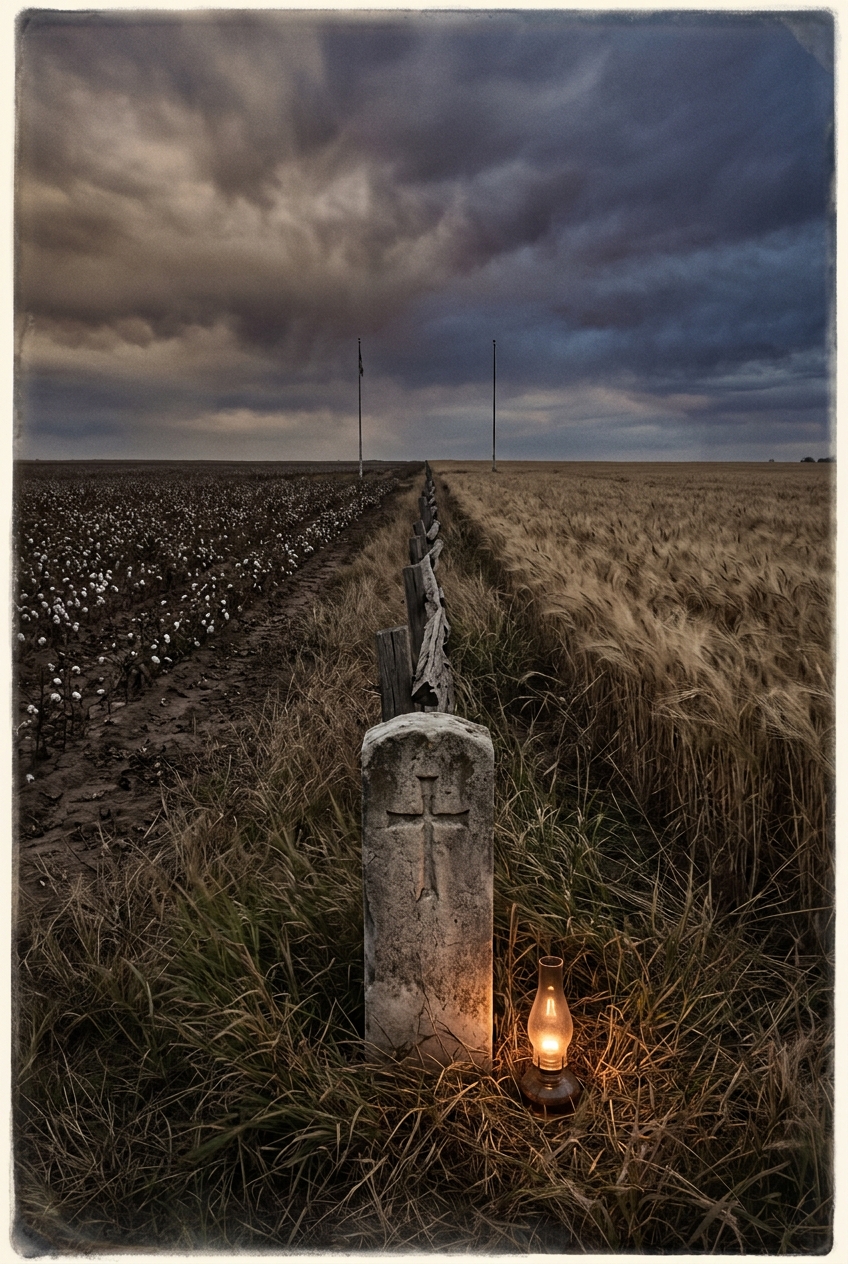
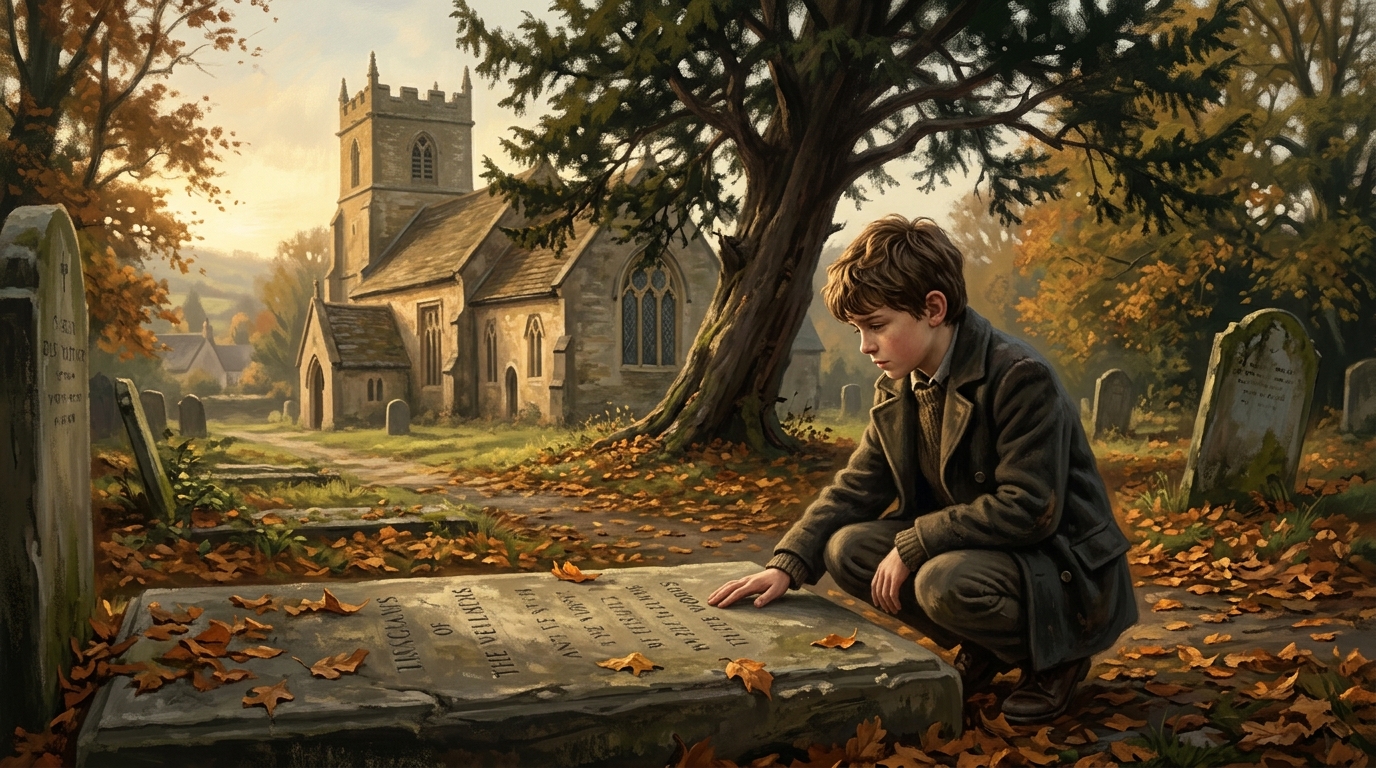
By the 1690s a traveler could ride from Seville to Antwerp to Dublin under one loose Habsburg peace and hear Mass in the same Latin the whole way. It was not a golden age. It was heavily taxed, closely watched, and quietly resented in a hundred languages, but it held. In a Kentish churchyard a boy named for a grandfather nobody would explain traced the older, chiseled lines on a family stone, where a date and a verse of scripture had been deliberately worn smooth. His mother said it was nothing, a mason's old error in the carving. He was old enough to know she was lying and young enough to let her, and that was how most of the timeline chose to live: with the worn-away part, and no questions.
More from Alternate History